Big Bar
Big Bar is a Los Angeles cocktail stop to read through the city’s wider drinking culture rather than through trophies or chef mythology.
Pearl is the En Primeur Club membership app — saves, bookings, and concierge access live there. Same editors, same standards.
- Address
- 1927 Hillhurst Ave, Los Angeles, CA 90027
- Phone
- (323) 644-0100
- Website
- alcovecafe.com
- Directions
- Get directions
 Saves & bookings on Pearl
The room matters before the first order
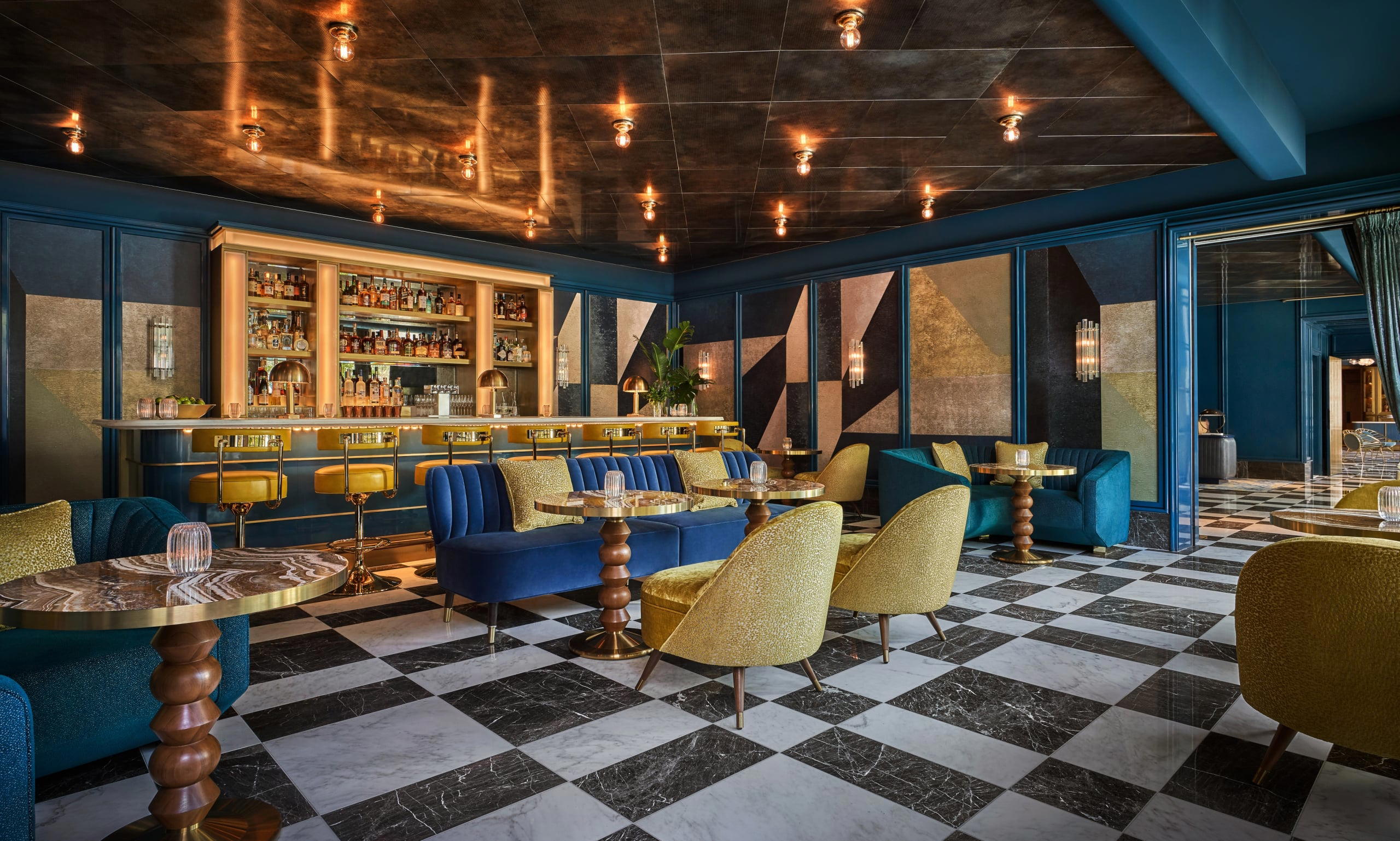
Los Angeles drinking begins outside the glass. The city’s bar culture is shaped by arrival: valet stands, ride-share pull-ins, low-lit storefronts, hotel lobbies, neighborhood patios, and dining rooms that turn into cocktail rooms after sunset. Big Bar belongs in that LA context, where atmosphere is not a decorative extra but part of how a drink is understood. A bar in this city has to answer a basic question before technique enters the conversation: is it built for lingering, for a first stop, for a date-night corner, for a quick drink before dinner, or for a bartender-led evening where the counter becomes the point?
This is not a page for invented signature serves, claimed house classics, or fabricated booking advice. It is a practical assessment of how to think about the bar inside Los Angeles, a city where cocktail reputation can come from formal awards, technical menus, neighborhood loyalty, restaurant-adjacent drinking, or the simple fact that a room understands its regulars.
For readers mapping a night across the city, the comparison set matters. A more explicit cocktail itinerary might put Big Bar beside Death & Co (Los Angeles), where the national cocktail brand gives the room a known technical framework, or Mirate, where Mexican drinking culture provides a clearer culinary anchor. A neighborhood-led option such as Bar Next Door reads differently again, while Standard Bar sits in another lane of the city’s bar conversation. Big Bar should be approached through that spread of formats rather than through a single claim of prestige.
Los Angeles cocktail culture rewards range, not uniformity
The city has never had one dominant cocktail identity. New York often frames drinking through density and late-night movement; New Orleans through historic drinks and ritual; Chicago through restaurant-level precision; Miami through music, Cuban influence, and room energy. Los Angeles is less linear. Its bar scene moves across neighborhoods, dinner plans, traffic patterns, and mood. A strong LA cocktail bar may serve as a pre-dinner staging point, a low-pressure local room, a serious drinks counter, or a social space where the playlist and the seating plan do as much work as the backbar.
That range is why awards alone rarely explain the city properly. Formal recognition can be useful, but LA’s drinking habits also depend on geography and timing. The reader should ask what the room is trying to do, how clearly the menu communicates its intent, whether the staff can steer a guest beyond the obvious order, and whether the evening makes sense relative to the next stop. Those are the tests that separate a useful Los Angeles bar from a room that only photographs well.
National comparisons sharpen the point. Café La Trova in Miami is tied to a city where live music and Cuban bartending traditions shape the night. Jewel of the South in New Orleans operates in a market where historic cocktail literacy carries weight. Superbueno in New York City reflects a high-density city’s appetite for fast, concept-driven drinking. Los Angeles asks for a different lens: not just what is in the coupe or rocks glass, but how the bar fits into a dispersed evening.
The cocktail programme should be judged by clarity
The better question is how to read the programme on arrival. A serious cocktail list usually reveals its priorities quickly: classics handled without fuss, house drinks grouped by base spirit or flavor profile, low-ABV and nonalcoholic options treated as part of the menu rather than an afterthought, and staff who can translate preference into a specific recommendation. In Los Angeles, that last skill matters because guests arrive from different contexts: after dinner, before a show, between neighborhoods, or as part of a longer crawl.
Technique is not the same thing as complication. Clarification, carbonation, infusions, frozen formats, house syrups, and stirred-down spirit-forward drinks can all signal ambition, but none matters if the drink is hard to understand or poorly matched to the room. The better LA bars tend to make their technical choices feel purposeful. A menu that can move from a clean highball to a bitter aperitif drink to a richer nightcap gives a mixed group more ways into the evening. That is the standard Big Bar should be measured against until verified menu data says more.
Look at whether the menu has a clear point of view, whether classics are available and handled with confidence, and whether the bartender asks useful questions rather than reciting ingredients. Los Angeles has enough serious cocktail rooms that vague creativity is not enough. A bar does not need a trophy to be worth a stop, but it does need discipline.
How Big Bar compares with stronger-defined peers
Death & Co offers a known reference point for a structured, cocktail-forward room with national recognition behind the name. Mirate gives drinkers a clearer cuisine-and-culture frame. Bar Next Door and Standard Bar suggest the importance of neighborhood mood and access.
That is not a negative verdict; it is a planning distinction. In a city where distances and timing shape the night, the anchor bar should usually have known hours, a confirmed booking channel, a mapped address, and a clearly documented drinks identity. A secondary stop can be more exploratory. If Big Bar is near dinner, near a hotel, or near another planned bar, it may work as the flexible part of the evening. If a reader is building a trip around cocktail credentials alone, the safer move is to pair it with better-documented venues and keep expectations calibrated.
For broader benchmarking, Bar Leather Apron in Honolulu and Kumiko in Chicago show how a bar can be understood through a defined drinks philosophy and national cocktail conversation. Julep in Houston carries a Southern and whiskey-linked frame, while The Parlour in Frankfurt on the Main points to the way European hotel and city bars can build identity through ritual and service. Big Bar’s page has to be more restrained because the underlying record is thinner.
Planning the night in Los Angeles
Practical planning should start with verification. That matters more here than in compact cities. A ten-minute error in New York may mean another bar around the corner; in Los Angeles, the same mistake can become a costly detour across traffic.
Because no seat count is listed, difficulty of entry cannot be assessed from the supplied data. The sensible approach is to treat peak social windows with caution: Friday and Saturday evenings, post-dinner hours, and holiday periods usually put more pressure on cocktail bars across the city. Early evening is generally the cleaner bet for a first drink, especially when the goal is to understand the menu rather than compete with a full room. If Big Bar is part of a larger night, build a fallback nearby rather than making it the sole plan.
Price is also unlisted, so the reader should not assume neighborhood-bar pricing or high-end cocktail pricing. Los Angeles spans a wide range, from casual beer-and-shot rooms to ambitious cocktail bars where complex drinks sit at a premium. The safe planning move is to check the current menu before arrival, decide whether the bar is a one-drink stop or a longer stay, and match the rest of the evening accordingly. For dining around the city, Our full Los Angeles restaurants guide can help build the meal around the bar rather than forcing the bar to carry the whole itinerary.
Who should choose it
Big Bar is a better fit for drinkers who are already in the area, want a Los Angeles cocktail stop without relying on award-chasing, and are willing to judge the room by menu clarity and service rhythm on the night. It is less suited to travelers who need a fully documented destination with confirmed accolades, published pricing, and a known reservation path before they move across town. In a city with deep cocktail competition, the absence of those details does not close the case, but it does shape the level of confidence.
The strongest way to use Big Bar is as part of a layered Los Angeles evening: dinner first, one focused drink, then a second bar with a clearer technical or cultural identity if the night calls for it. That approach respects the city’s spread-out nature and avoids asking any single venue to perform beyond the information available. Los Angeles rewards that kind of planning. The guest who treats the city as a sequence of neighborhoods, not a single nightlife district, usually drinks better.
In Context: Similar Options
| Venue | Awards |
|---|---|
| Big Bar | This venue |
| Mirate | World's 50 Best |
| Thunderbolt | World's 50 Best |
| Bar Next Door | World's 50 Best |
| Death & Co (Los Angeles) | World's 50 Best |
Continue exploring
More in Los Angeles
Bars in Los Angeles
Browse all →
Restaurants in Los Angeles
Browse all →
Hotels in Los Angeles
Browse all →
Wineries in Los Angeles
Browse all →
At a Glance
- Cozy
- Lively
- Whimsical
- Intimate
- Trendy
- After Work
- Late Night
- Group Outing
- Date Night
- Casual Hangout
- Celebration
- Garden
- Courtyard
- Standalone
- Historic Building
- Seated Bar
- Lounge Seating
- Outdoor Terrace
- Communal Tables
- Craft Cocktails
- Classic Cocktails
- Mezcal
- Tequila
- Zero Proof
- Garden
- Street Scene
Current opening hours
- Monday
- 9 AM–10 PM
- Tuesday
- 9 AM–10 PM
- Wednesday
- 9 AM–10 PM
- Thursday
- 9 AM–10 PM
- Friday
- 9 AM–11 PM
- Saturday
- 8 AM–11 PM
- Sunday
- 8 AM–10 PM
Hours can change for holidays and private events. Last verified .
Know Before You Go
- Getting there
- 1927 Hillhurst Ave, Los Angeles, CA 90027