Yoichi is a Hokkaido distillery town story before it is a tasting stop: coastal air, orchards, vineyards, and Nikka’s 1934 whisky heritage all shape the appeal. The draw is place-specific Japanese single malt, especially the coal-fired, smoky style associated with Nikka’s first distillery and the broader beverage culture of Yoichi.

Pearl is the En Primeur Club membership app, where members save venues, book tables and use the concierge.

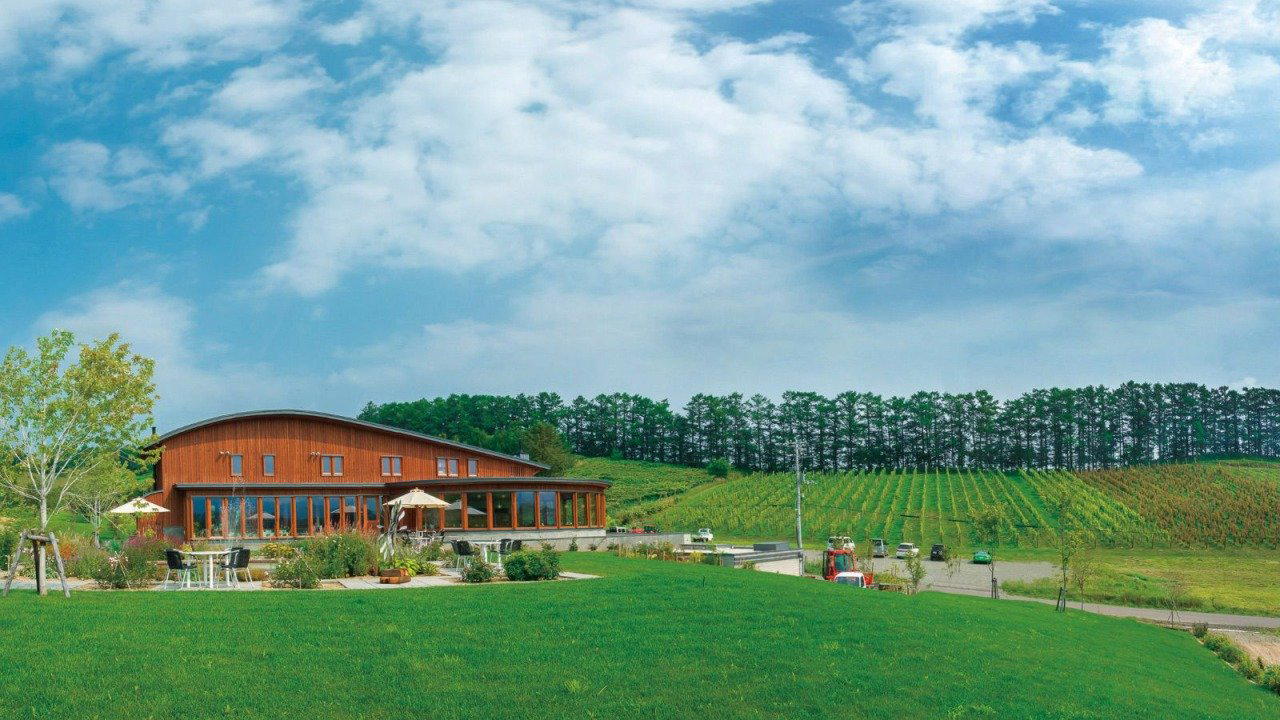
Yoichi is best understood through its setting: a scenic coastal wine-town atmosphere in Yoichi, with a quiet rural pace, vineyards, fruit orchards, and a rustic sense of place. Rather than treating the venue as something that can be reduced to a checklist, the safer and more useful reading is to start with the landscape around it and let that define expectations.
For EP Club readers, that restraint matters. What can be said with confidence is that the venue sits in Yoichi and belongs to a landscape associated with vines, orchards, coastal air, and a relaxed countryside rhythm. Some winery experiences in this kind of setting include views over grounds and rows of vines, but the page should not promise a particular tasting, tour, reservation system, beverage list, or production story unless those details are confirmed directly. The point is not to underplay the appeal, but to keep it anchored in what is actually supported.
Coastal Yoichi gives the visit its atmosphere
The clearest appeal is environmental. Yoichi offers a quieter alternative to urban dining and drinking itineraries, with a scenic, rustic backdrop and a hidden-gem quality. The surrounding wine-town setting gives the venue a sense of place even without relying on unsupported claims about a menu, cellar, chef, awards, or exact experience format. In that sense, the atmosphere is not a decorative extra; it is the main confirmed reason the page has value for planning.
That makes Yoichi a good fit for travelers who value atmosphere as much as a checklist of services. The description points to vineyards, fruit orchards, and a relaxed rural mood. Those are strong enough signals for planning: expect the appeal to come from the setting and the slower pace of the town, rather than from a confirmed fine-dining format or a named beverage program. The strongest expectation to carry is therefore one of scenery, quietness, and local texture.
The price level is listed as $$, which places Yoichi in a moderate range for planning purposes. Treat any such practical details as items to confirm directly before visiting, especially if the visit depends on a specific service, schedule, or format.
The visit works because the town is part of the format
Yoichi’s strongest identity is inseparable from Yoichi itself. The town’s coastal wine-country character, orchards, and vineyard scenery create the context. Instead of presenting the venue as a highly specified restaurant, bar, distillery, or winery experience, the more accurate reading is as a place whose appeal is tied to a quiet rural setting and a scenic local atmosphere. The town is not just where the venue happens to be; it is central to how the venue should be understood.
That distinction helps avoid overpromising. A traveler might naturally wonder about tastings, tours, food, beverage lists, or other structured elements. Those may or may not apply in practice, but they are not part of the confirmed record page. Keeping that boundary clear makes the recommendation more useful, because it separates the reliable sense of place from details that still need checking.
Planning should therefore be simple and cautious. Use Yoichi as the location, expect a relaxed coastal wine-town setting, and confirm operational details directly before building a day around it. The facts support a scenic, quiet, rustic impression, not a detailed itinerary with fixed services. For anyone arranging travel around the area, that means leaving enough flexibility for the visit to be shaped by the setting rather than by assumptions.
How Yoichi fits a wider Japanese drinks itinerary
Yoichi is most useful for travelers who want a slower, more landscape-driven stop in Yoichi. The surrounding vineyards and orchards give the area a different feel from dense city districts, while the coastal setting adds to the sense of distance and calm. For travelers mapping food and drink around the town, that setting is the main confirmed reason to pay attention. It offers a change of tempo, with the emphasis falling on place, atmosphere, and countryside rhythm.
Because the comparison set is narrow, it is better to keep named recommendations minimal and avoid implying a wider ranked scene that has not been confirmed here. The page works well as a careful marker within the town, not as a complete guide to every possible nearby experience.
The editorial case is deliberately modest: Yoichi is a $$ venue in Yoichi with a scenic coastal wine-town setting, a quiet rural atmosphere, vineyards, fruit orchards, and a rustic hidden-gem feel. That is enough to make it relevant for travelers who value place, pace, and landscape, while leaving specific services and logistics to direct confirmation. Its appeal is clearest when approached with that measured expectation.
Continue exploring
More in Yoichi
Wineries in Yoichi
All wineries in Yoichi →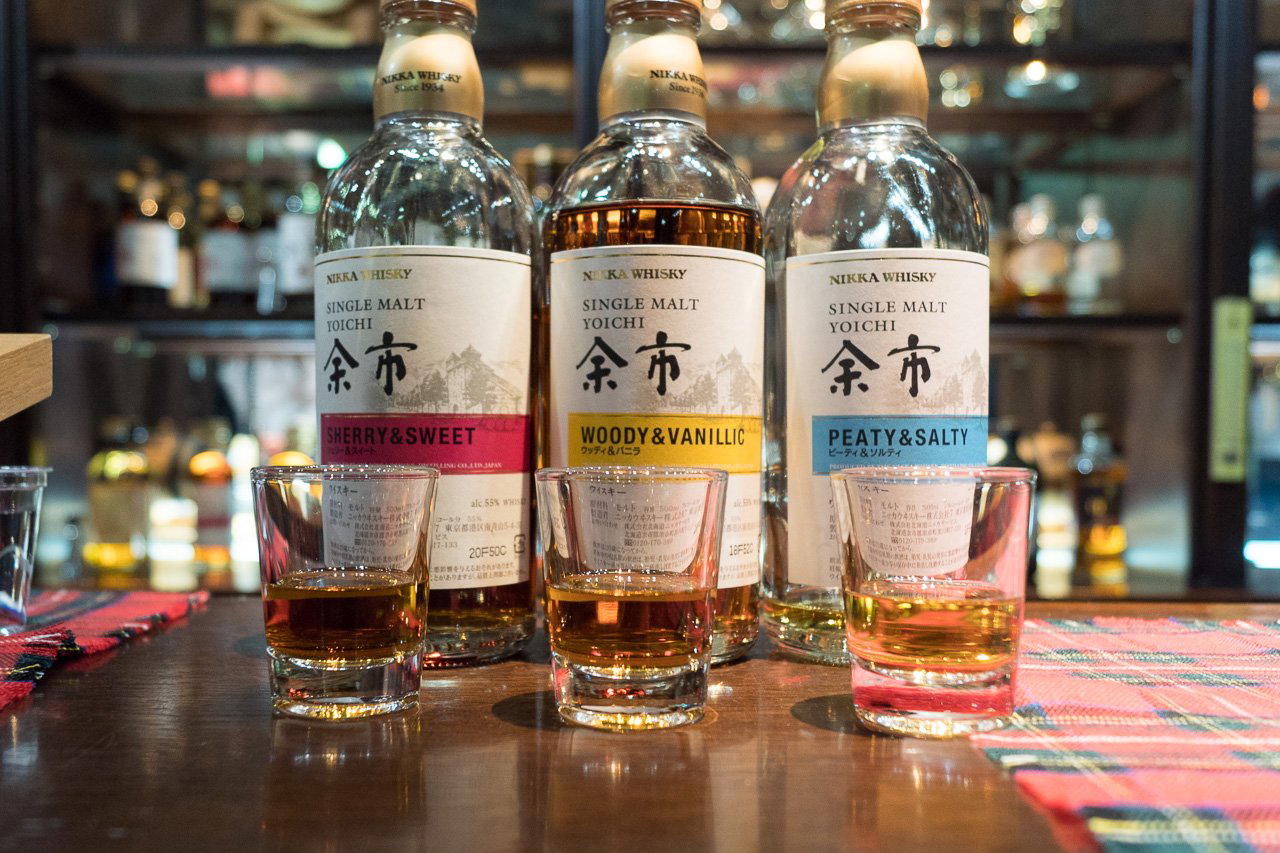
Restaurants in Yoichi
All restaurants in Yoichi →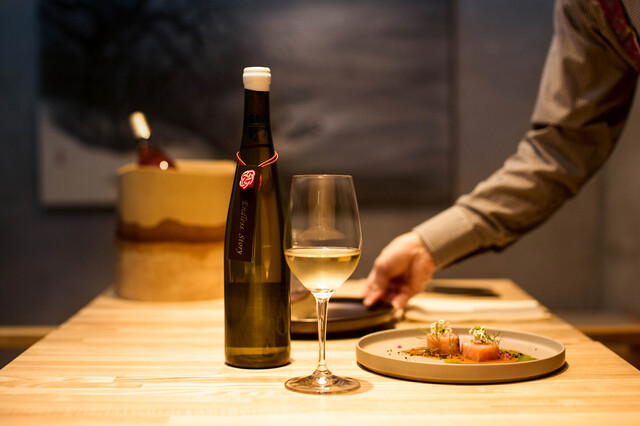
Details
- Scenic
- Quiet
- Rustic
- Family
- Group Outing
- Wine Education
- Solo Exploration
- Vineyard Tour
- Estate Grounds
- Panoramic View
- Private Tasting
- Waterfront
- Vineyard
- Pinot Noir
- Chardonnay
- Merlot
- Sauvignon Blanc
- Still Red
- Still White
- Sparkling
- Tour And Tasting
- Guided Tasting
- Japanese
Scenic coastal wine-town setting with vineyards, fruit orchards, and a relaxed rural atmosphere; some winery experiences include views over grounds and rows of vines.