Weingut Wullschleger

Falstaff Winery - Listed
A small, sustainability-led winery in Zofingen, Weingut Wullschleger works from its own Riedtal vineyard and frames its wines around grape character and site expression. The estate planted its first vines in 2017, now counts about 10,000 vines, and has early recognition for Johanniter and Cabernet Rosé from its first vintage.

Pearl is the En Primeur Club membership app, where members save venues, book tables and use the concierge.

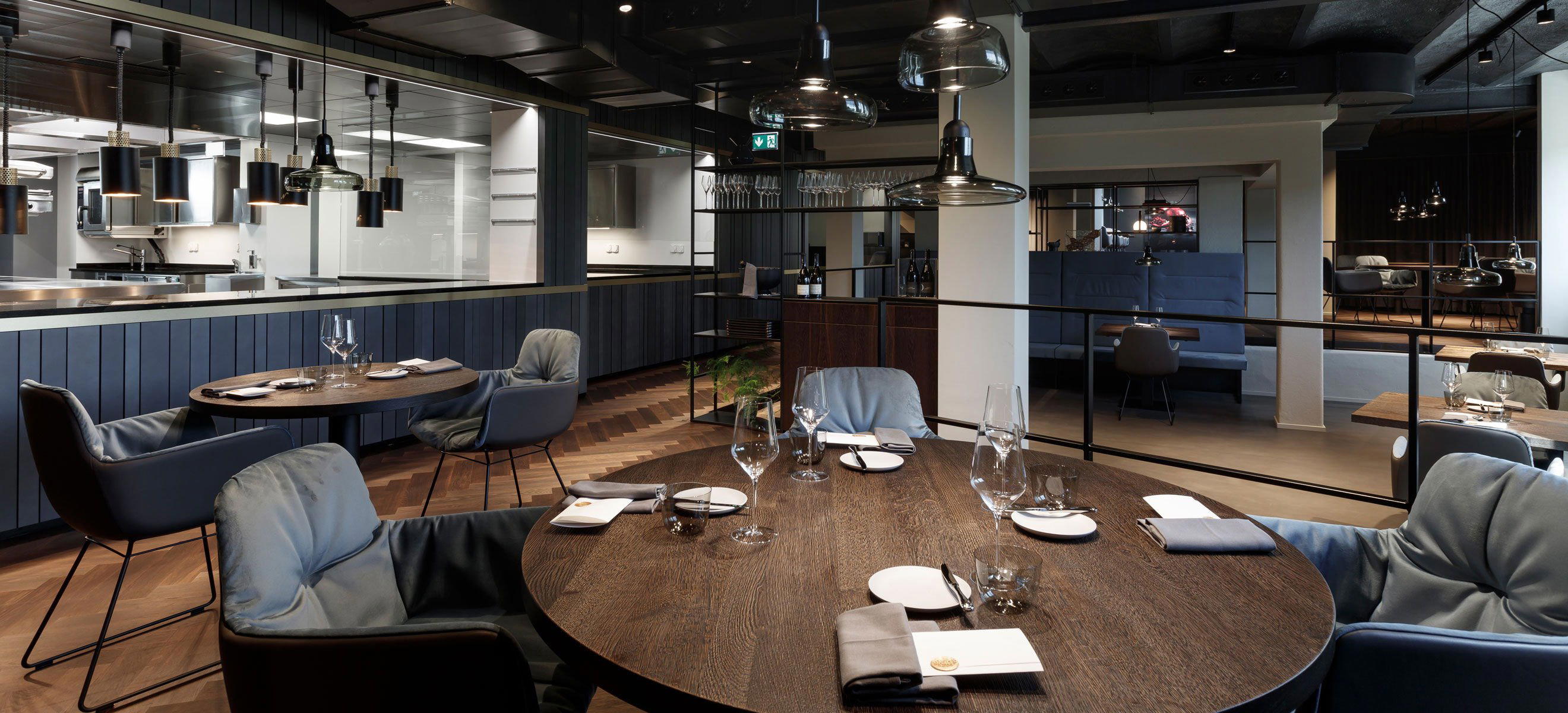
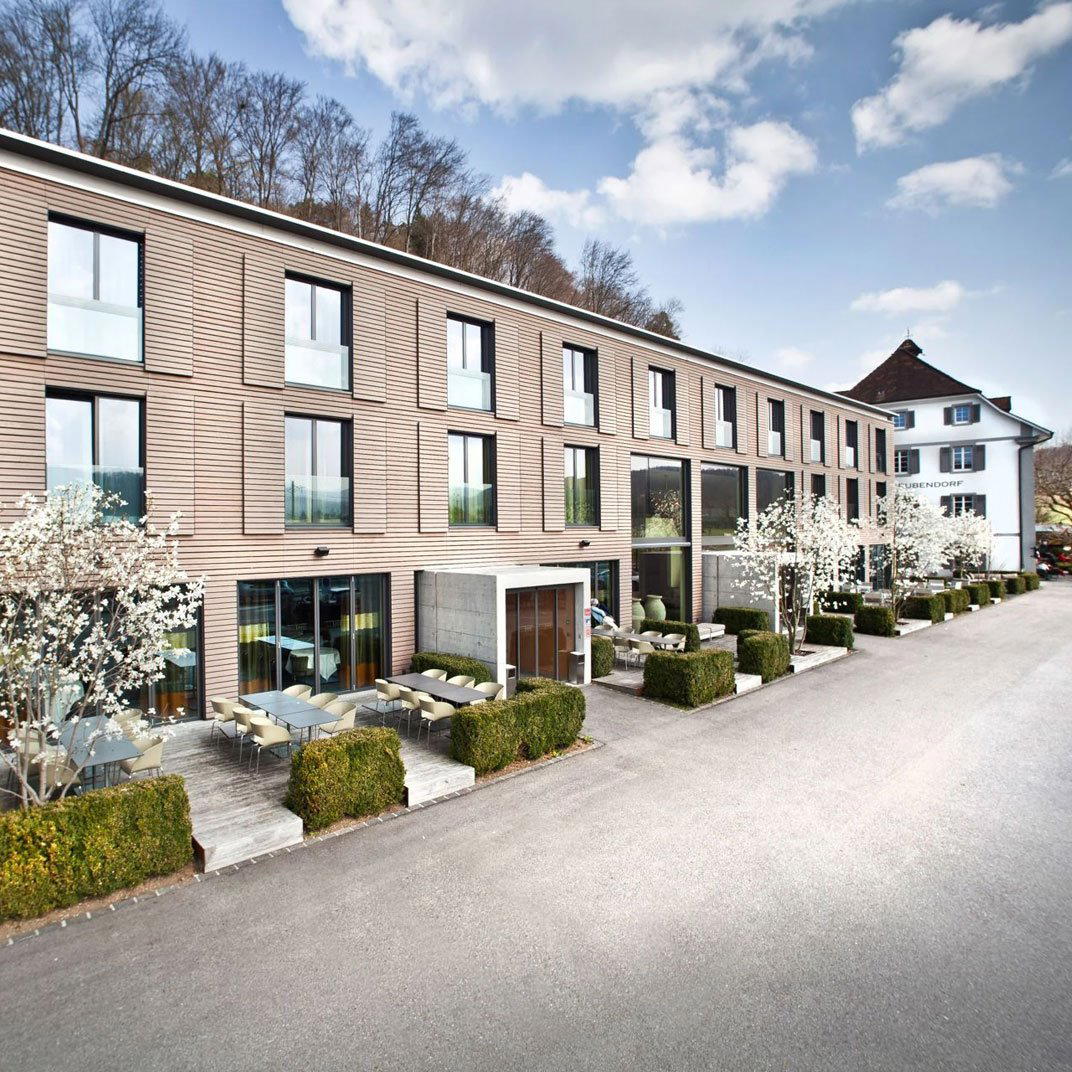
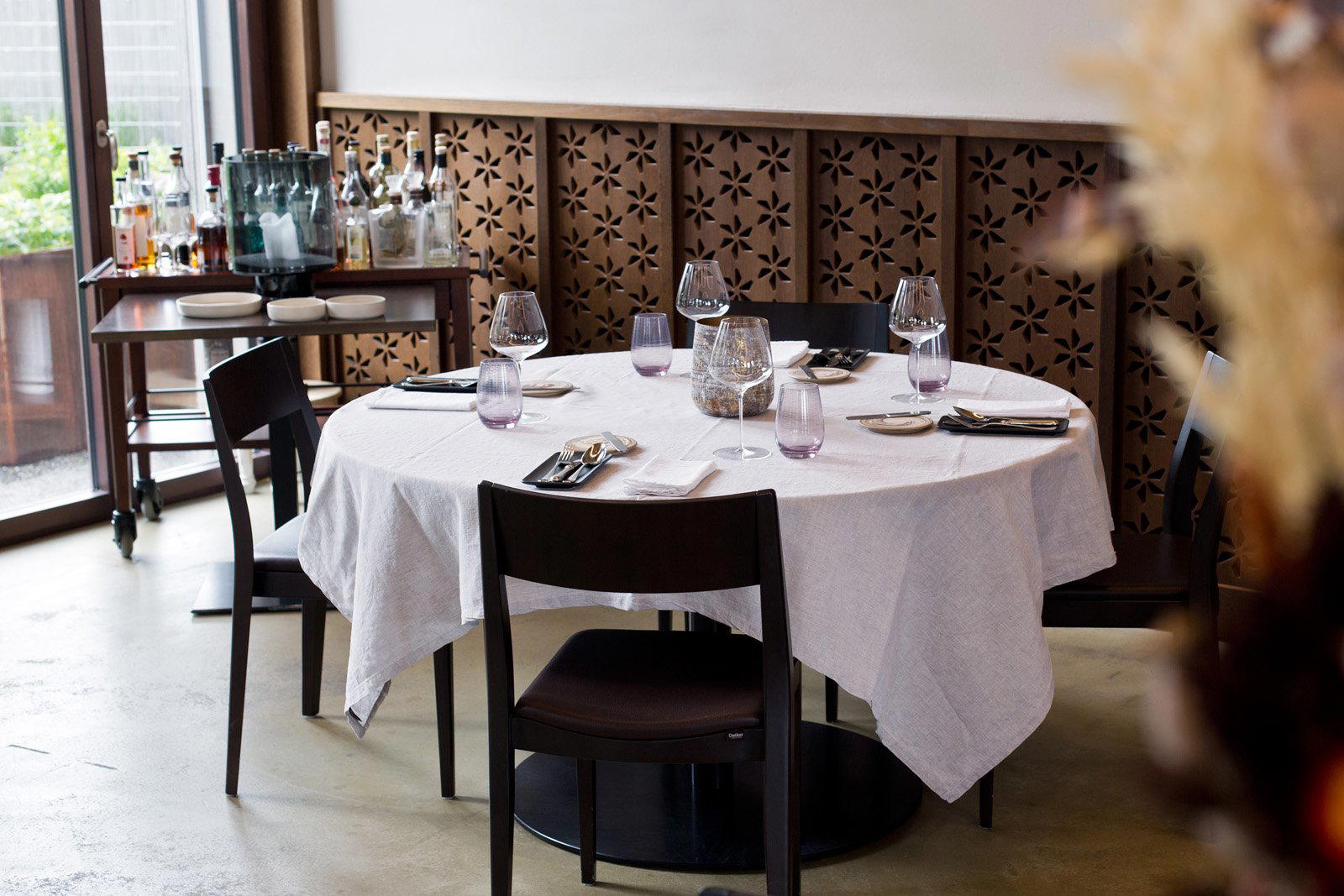
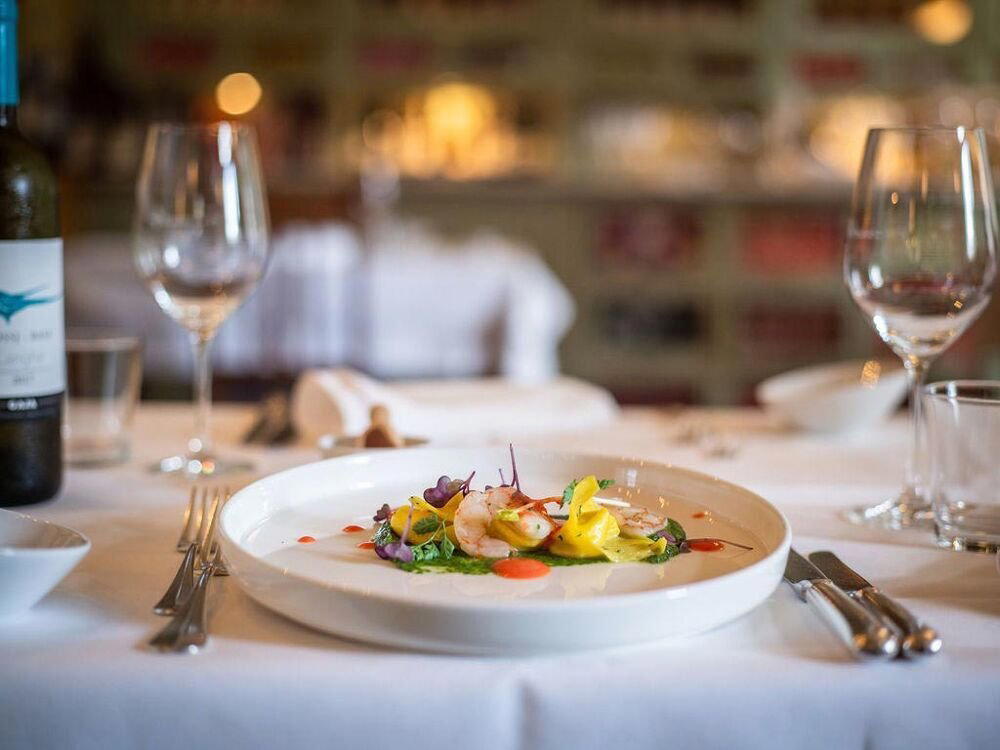
Weingut Wullschleger is a Zofingen winery profile with a deliberately quiet appeal. The picture is simple: an accessible price level, a modern and rustic atmosphere, and a nature-focused identity centered on sustainable viticulture and character wines. Rather than presenting it as a conventional restaurant, bar, or hotel, it is best understood as a wine-led stop for visitors who want a calmer view of Zofingen.
The most reliable way to frame the venue is through mood and philosophy. Weingut Wullschleger is described as modern, quiet, rustic, and somewhat hidden-gem in character. Those words matter because they keep expectations grounded. This is not a page where details support claims about a named menu, a specific tasting format, a seat count, a chef, or a detailed drinks list. The confirmed identity is narrower: a nature-oriented winery atmosphere shaped by sustainable viticulture and award-winning character wines.
For travellers mapping Zofingen, that makes Weingut Wullschleger a useful alternative to more standard dining plans. Other dining in Zofingen can cover the meal side of a visit, while this venue gives the itinerary a wine and landscape-minded accent.
Riedtal terroir expressed through resistant grapes and restrained farming
For that reason, the venue should not be described through agricultural specifics. What can be said with confidence is broader but still meaningful: Weingut Wullschleger’s atmosphere is modern and nature-focused, and its identity is centered on sustainable viticulture.
That gives the winery a clear editorial position. It belongs in the guide as a place where the appeal is tied less to spectacle and more to a quieter, environmentally minded wine setting. The rustic note should be read in that context: not as a claim about a particular building or cellar layout, but as part of the overall character. Visitors should expect a venue whose appeal is rooted in wine, nature, and calm rather than nightlife energy or formal dining theatre.
There is no confirmed basis here for naming grapes, listing cellar methods, quoting sustainability metrics, or assigning technical practices to the estate. The safer and more accurate reading is that Weingut Wullschleger presents itself through sustainable viticulture and character wines, with a modern, quiet, hidden-gem feel in Zofingen.
First-vintage awards gave the estate early proof of concept
The information confirms an award-winning character-wine identity, but it does not verify specific awards, scores, vintages, competitions, rankings, or medal categories. Those details should therefore not be treated as confirmed. The phrase “award-winning” can remain as a general descriptor, but the page should not build a detailed awards narrative without support.
That distinction is important for readers. A confirmed award-winning character does suggest recognition beyond basic local visibility, but it does not tell us which wine was recognized, when, by whom, or at what level. The responsible guide position is to acknowledge the accolade in general terms while avoiding unsupported score language or vintage-by-vintage claims.
Even without those specifics, the venue’s positioning is clear enough. Weingut Wullschleger is not being recommended on the basis of a famous address, a luxury service format, or a long list of named cuvées. Its appeal rests on a compact set of traits: Zofingen location, accessible price category, sustainable viticulture, character wines, and a calm modern-rustic atmosphere.
How to read the experience: educational, quiet, and vineyard-led
The experience should be read carefully.
What remains is still useful for planning. Weingut Wullschleger is best approached as a calm Zofingen wine venue with a rustic edge and a sustainability-led identity. If the goal is to understand a local winery through a quieter, nature-minded lens, the available facts point in that direction.
Compared with other dining in Zofingen, Weingut Wullschleger offers a different kind of stop: wine-centered rather than meal-centered, modern rather than grand, and understated rather than showy. The guide’s recommendation should therefore stay modest and precise. This is a hidden-gem-style winery profile with a $ price marker, sustainable-viticulture focus, and award-winning character-wine identity in Zofingen.
Recognition history
Dated appearances from independent guides and award organizations, with the underlying list record or original source where available.
Falstaff Winery - Listed
Falstaff
Continue exploring
More in Zofingen
Wineries in Zofingen
All wineries in Zofingen →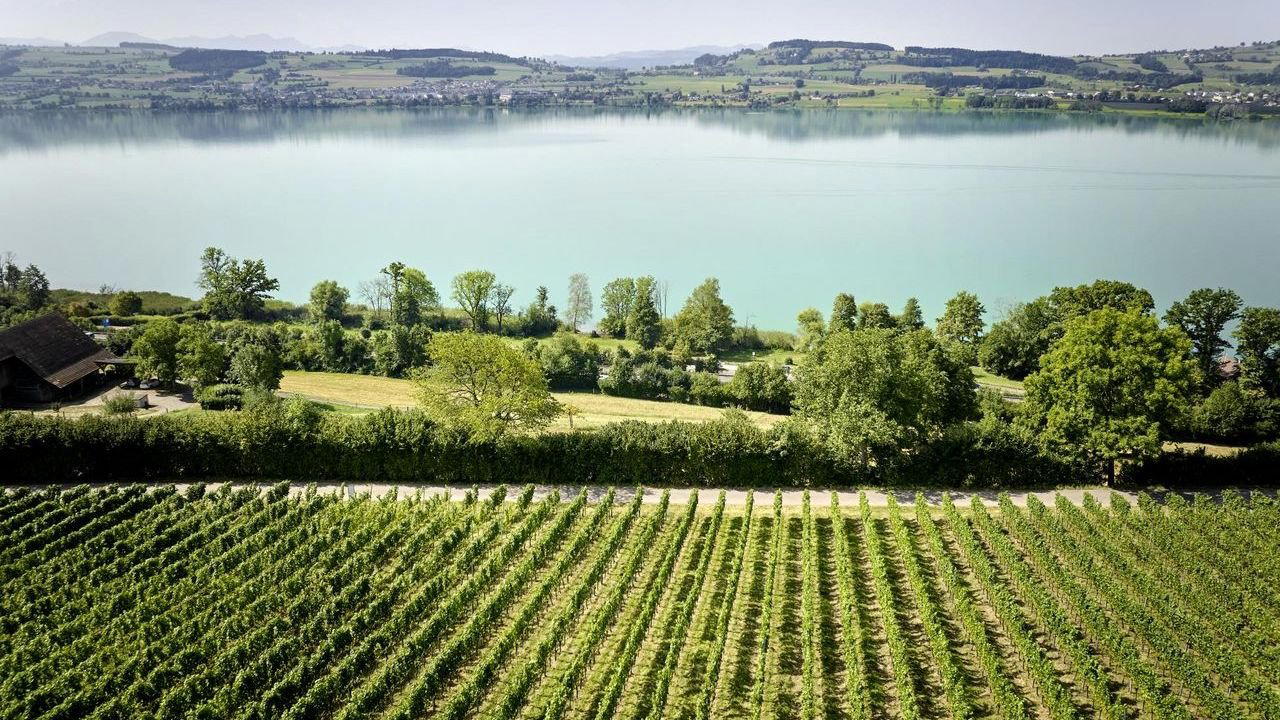
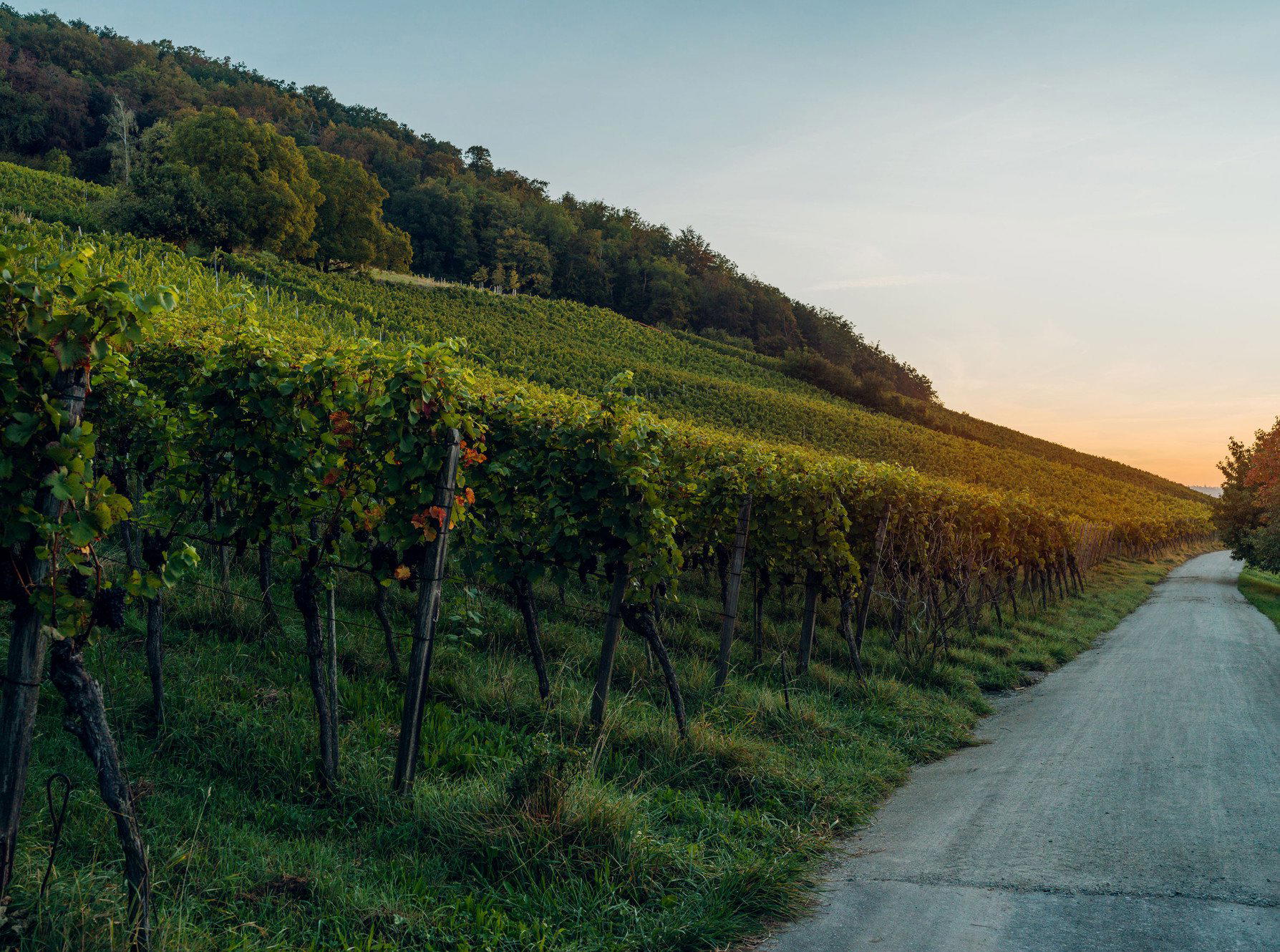
Bars in Zofingen
Browse all →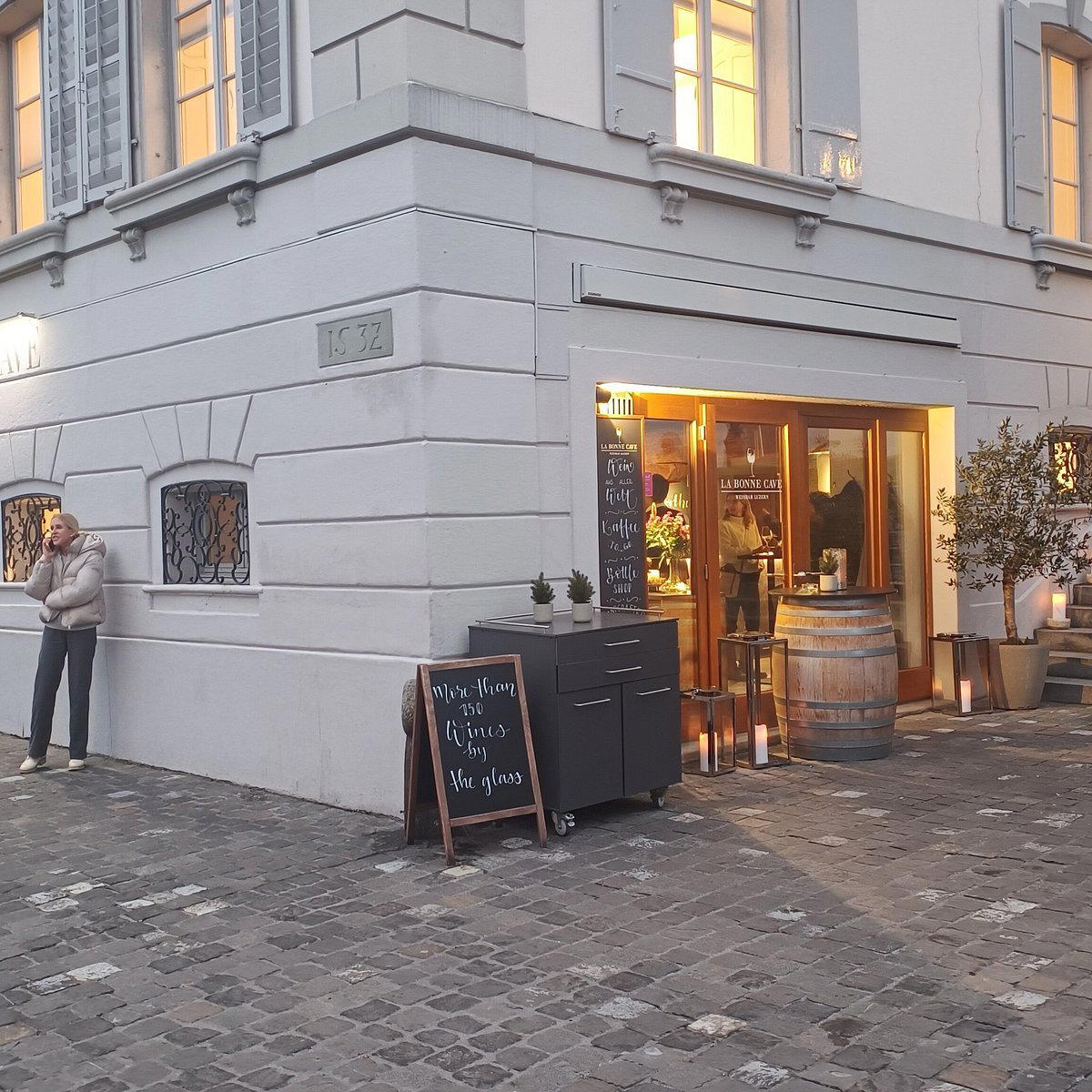
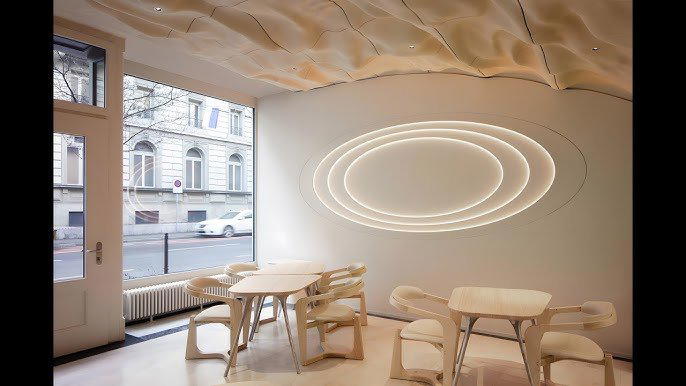
Details
- Modern
- Quiet
- Rustic
- Wine Education
- Group Outing
- Solo Exploration
- Vineyard Tour
- Estate Grounds
- Sustainable
- Vineyard
- Johanniter
- Cabernet Rosé
- Cabernet Jura
- Still White
- Still Rosé
- Still Red
- Tasting Room
- Guided Tour
Modern, nature-focused winery atmosphere centered on sustainable viticulture and award-winning character wines.