
Falstaff Winery - 4 Stars
Weingut Kranz is a Pfalz estate in Ilbesheim with roots dating to 1948 and a strong focus on dry, site-led wines from the Kleine Kalmit area. Its VDP affiliation, Ilbesheimer Kalmit advocacy, and scored Grosses Gewächs bottlings place it in the serious end of the region’s family-run winery culture.

Pearl is the En Primeur Club membership app, where members save venues, book tables and use the concierge.
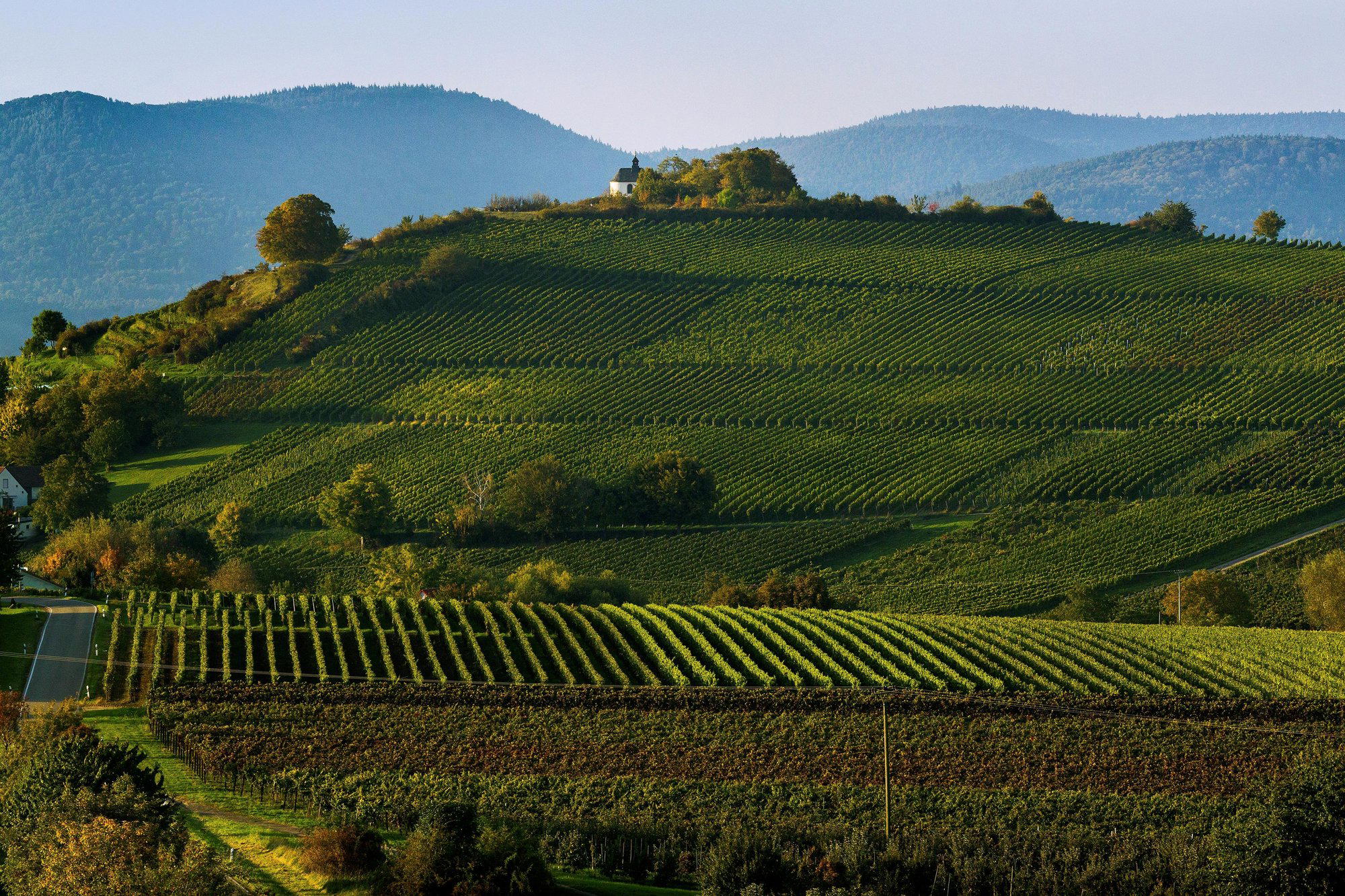
Ilbesheim does not need a metropolitan wine-bar frame to make Weingut Kranz legible. The picture is quieter and more specific: a family-run winery rooted in the Kleine Kalmit area, with an atmosphere that is classic, rustic, restrained, and quietly sophisticated. The emphasis is on precision, authenticity, and low-intervention winemaking, with clear, dry wines presented through a terroir-driven lens.
For EP Club purposes, the important distinction is to keep the guide grounded in what is known rather than inflate the estate with unsupported claims about awards, scores, grape varieties, tasting formats, or visitor services. Weingut Kranz can be described confidently as a serious Ilbesheim winery shaped by place, family continuity, and a restrained style of hospitality. Beyond that, practical details should be confirmed directly before a visit.
Kleine Kalmit gives the estate its centre of gravity
The anchor for Weingut Kranz is its connection to the Kleine Kalmit area. That matters because the estate’s identity is not presented as generic wine tourism; it is tied to a local landscape and to wines that aim to express origin. The most reliable way to understand the winery is through that relationship between Ilbesheim, Kleine Kalmit, and a dry, precise, terroir-focused style.
The safer and more honest reading is broader: Weingut Kranz is a family-run Ilbesheim producer whose public character is built around clarity, authenticity, and low-intervention winemaking rather than spectacle.
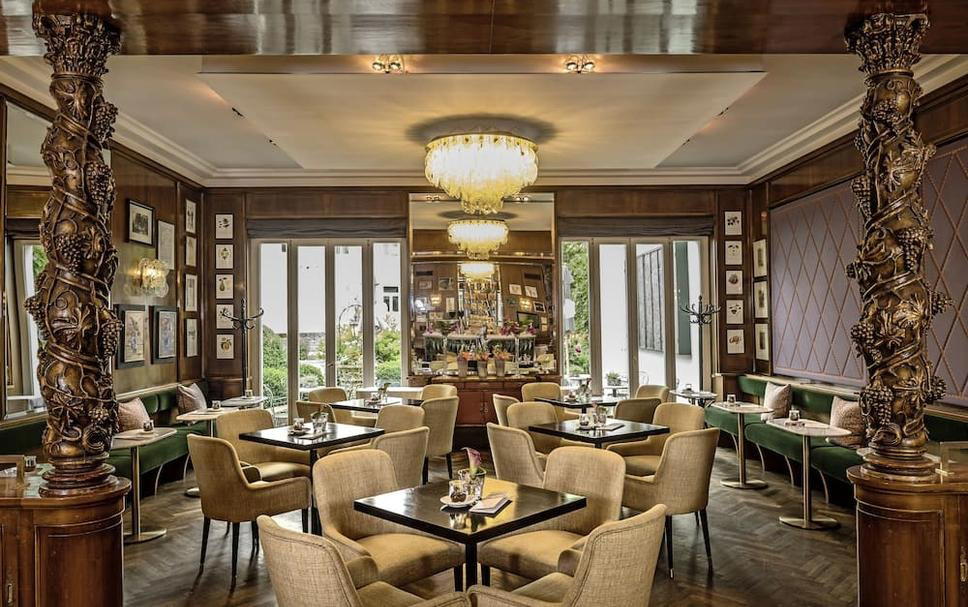
That restraint is part of the appeal. The atmosphere is described as classic, quiet, rustic, and sophisticated, which suggests a winery experience grounded in the place rather than in high-energy hospitality theatre. Visitors looking for a polished but calm setting, and for wines framed by terroir and dryness, will find that this is the central promise the information supports.
Dry, terroir-driven wines rather than cellar-door theatre
The most supportable stylistic description of Weingut Kranz is that its wines are clear, dry, and terroir-driven. Those words are useful because they say something concrete about the winery’s editorial position without inventing a menu, a tasting structure, a cellar method, or an award record. The guide should not claim confirmed rankings, scores, memberships, individual vintages, or named bottlings unless those details are separately verified.
Low-intervention language can be overused in wine writing, but in this case it is part of the description of the estate’s philosophy. The phrase should be understood carefully: it supports a general reading of precision and authenticity, not a license to invent technical claims about fermentation, vessels, vineyard practice, or production choices. The stronger point is simpler and more dependable: Weingut Kranz presents itself as a place-led winery with a disciplined, dry-wine identity.
Price is listed as $$, placing the venue in a moderate bracket for planning purposes. That price signal should not be expanded into specific bottle prices, tasting fees, or package costs, none of which are here. Travellers should treat $$ as a general expectation and confirm current purchase or visit details directly with the winery before making plans.
The same caution applies to service details. The information supports the atmosphere and wine identity, but it does not confirm opening hours, booking rules, food service, accessibility features, shipping, payment methods, languages, or guided tasting formats. Rather than imply certainty, EP Club should frame Weingut Kranz as a winery to research ahead of time, especially if a visit depends on timing, mobility needs, group size, or a particular kind of tasting.
How to read a visit here
Read Weingut Kranz as a calm Ilbesheim winery with a family-run character and a clear sense of place. The setting is not described as loud, urban, or trend-led. It is better understood as classic and restrained, with the Kleine Kalmit context giving the wines and the visit their point of reference.
For planning, keep the confirmed facts close: the venue is Weingut Kranz in Ilbesheim; the price level is $$; the atmosphere is classic, quiet, rustic, and sophisticated; and the winery’s identity centres on precision, authenticity, low-intervention winemaking, and clear, dry, terroir-driven wines. Anything more specific, including hours, tasting availability, food options, bottle lists, or visitor facilities, should be checked directly before travelling.
For broader Ilbesheim planning, compare Weingut Kranz with other unnamed local dining or wine options only in general terms. The useful distinction is not a fabricated ranking but the kind of experience being sought: a quiet family-run winery rooted in the Kleine Kalmit area, rather than a venue built around bustle, elaborate service claims, or unsupported accolades.
Recognition history
Dated appearances from independent guides and award organizations, with the underlying list record or original source where available.
Falstaff Winery - 4 Stars
Falstaff
Continue exploring
More in Ilbesheim
Wineries in Ilbesheim
All wineries in Ilbesheim →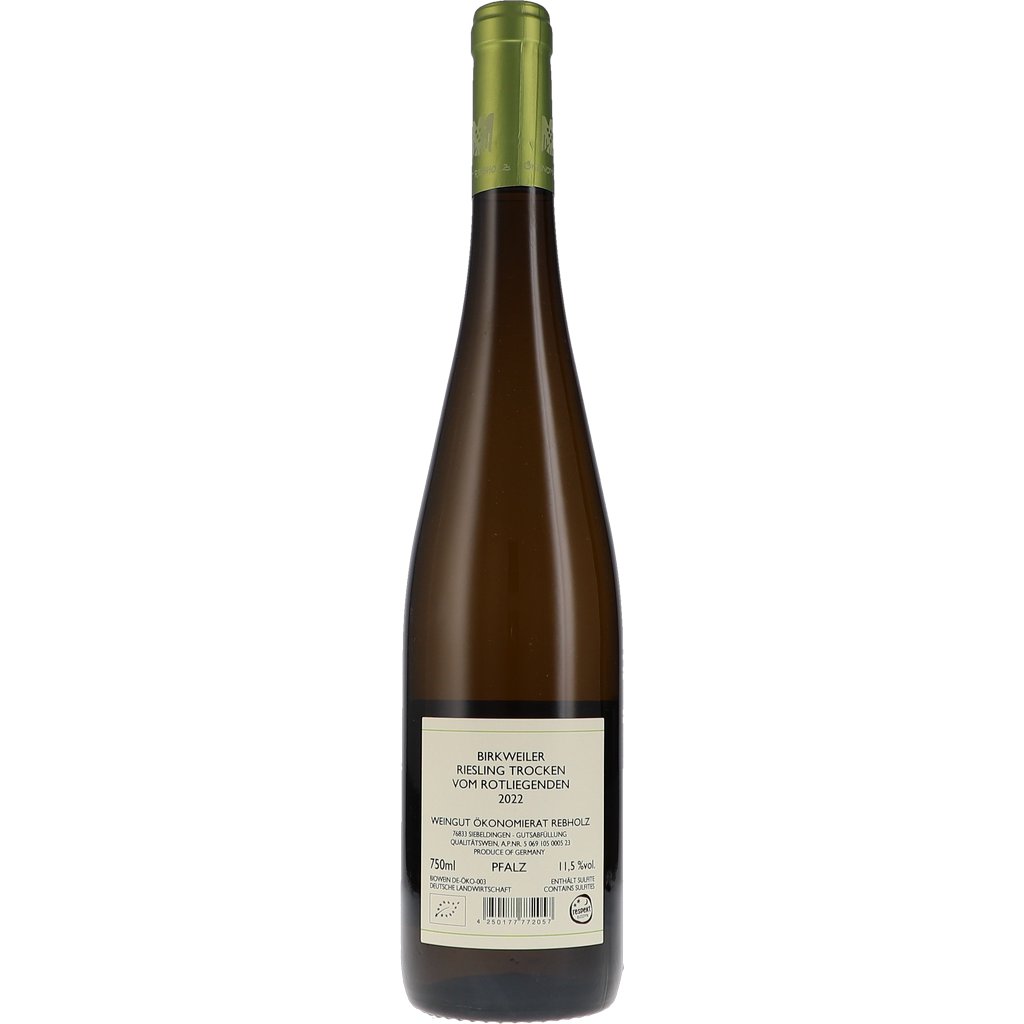
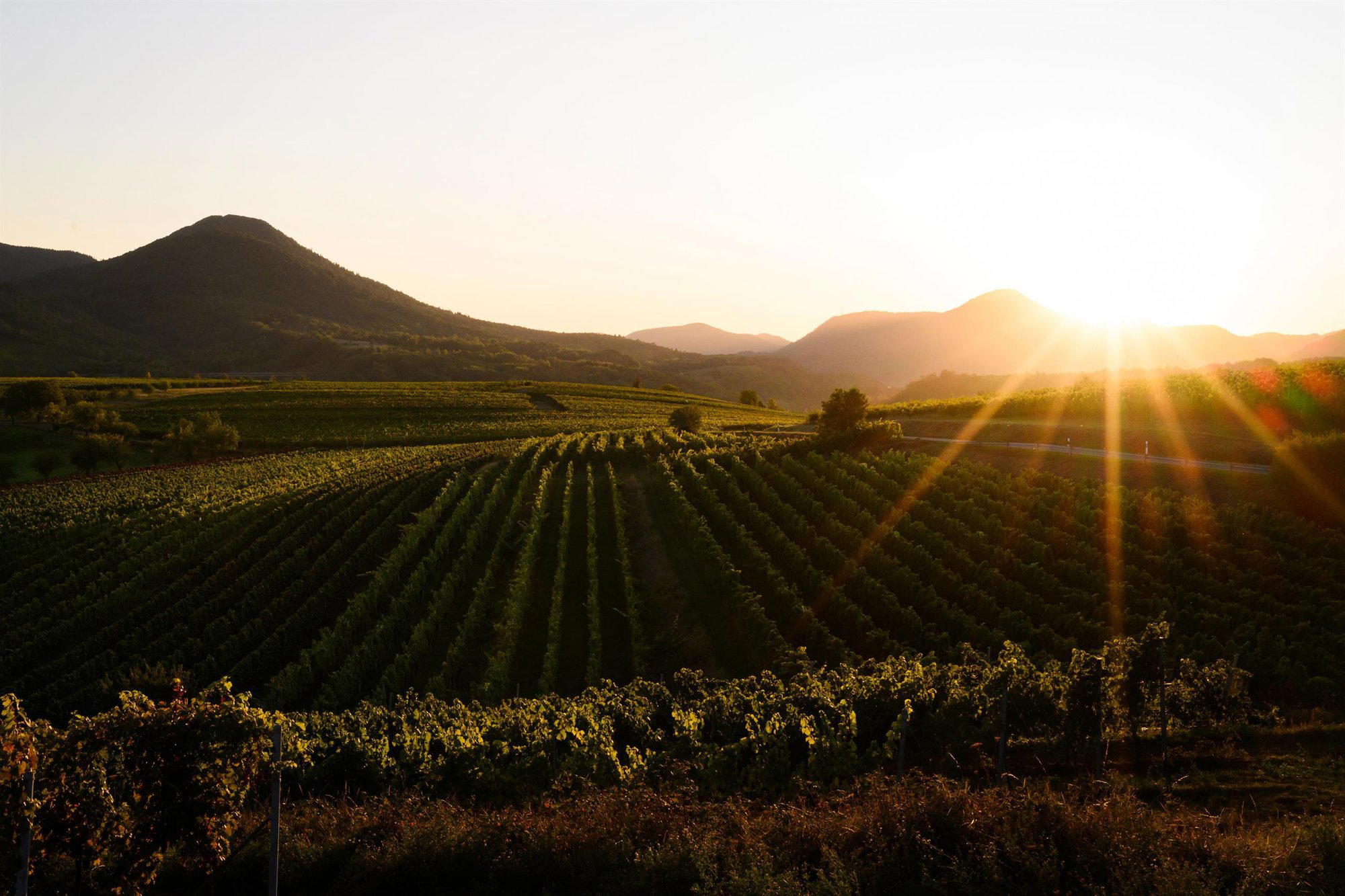

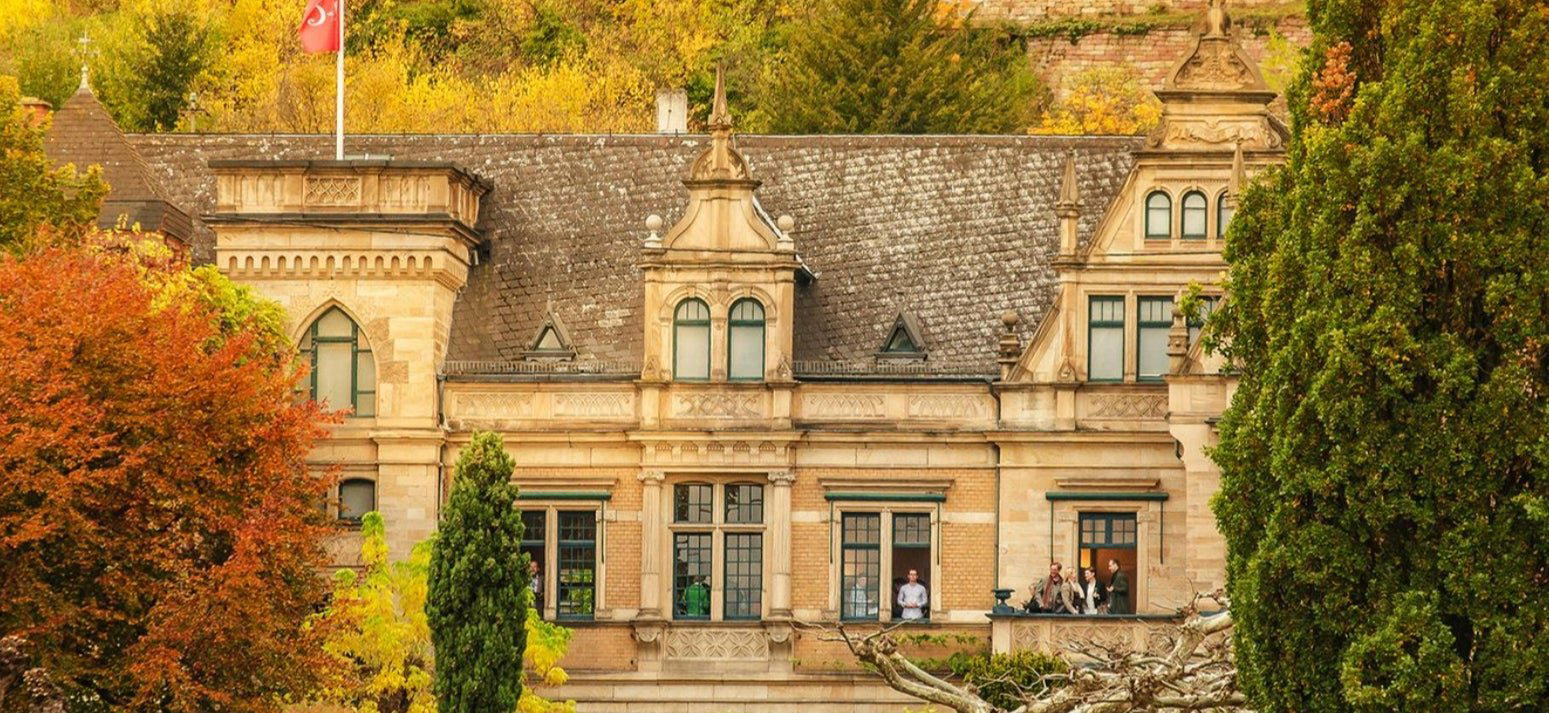
Bars in Ilbesheim
Browse all →
Restaurants in Ilbesheim
Browse all →
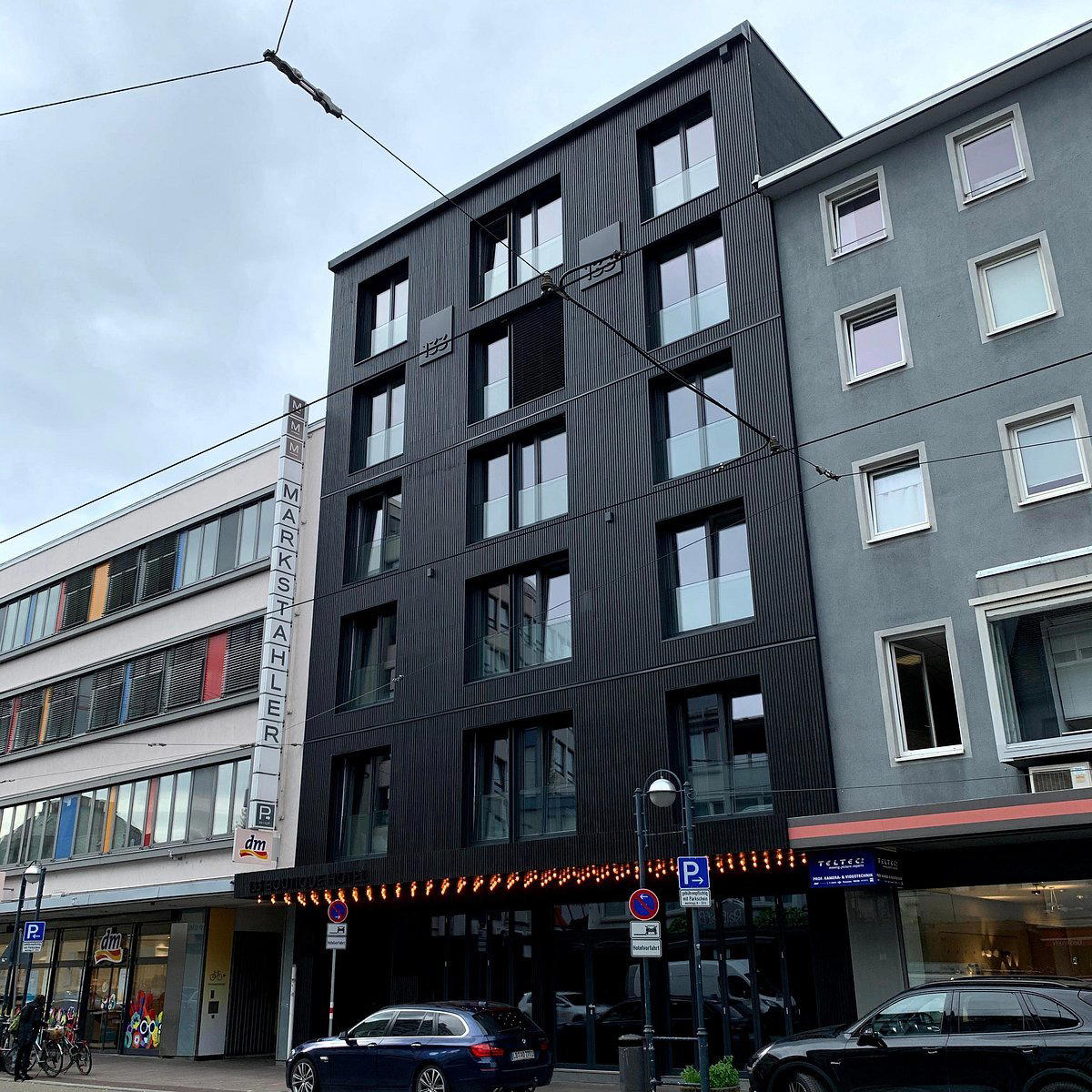
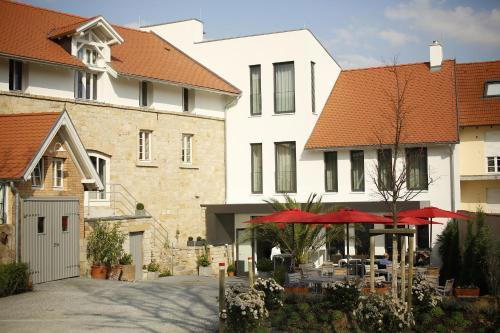
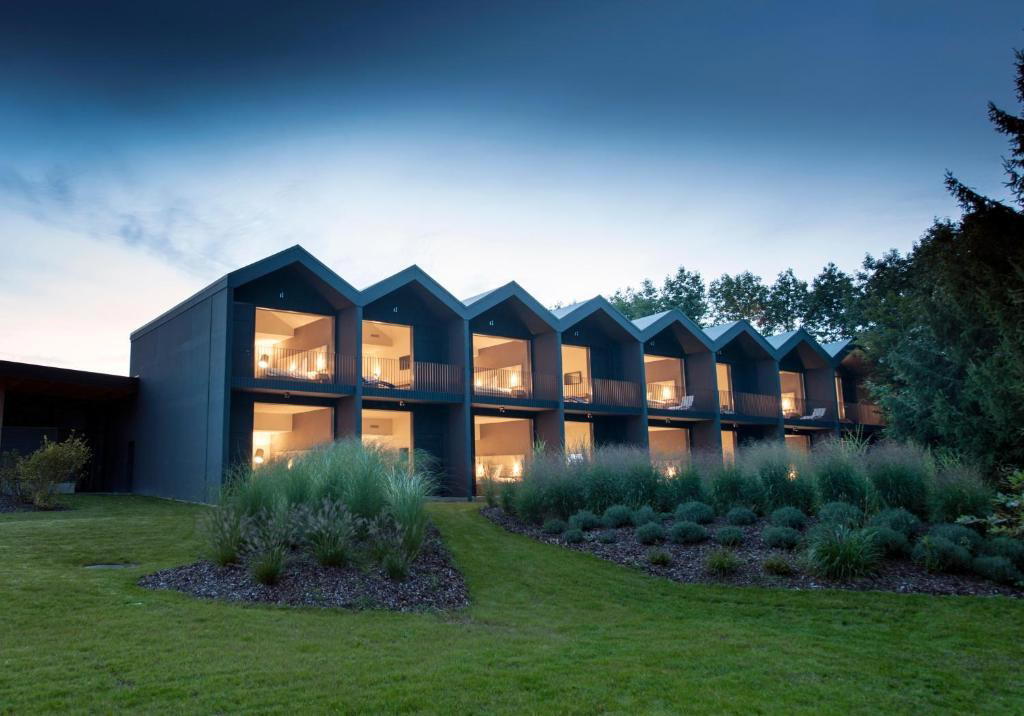
Details
- Classic
- Quiet
- Rustic
- Sophisticated
- Wine Education
- Special Occasion
- Corporate Event
- Historic Building
- Private Tasting
- Organic
- Sustainable
- Vineyard
- Riesling
- Pinot Blanc
- Pinot Noir
- Chardonnay
- Sauvignon Blanc
- Still White
- Still Red
- Sparkling
- Guided Tasting
- Cellar Tasting
- German
Classic family-run winery atmosphere with a focus on precision, authenticity, and low-intervention winemaking; the setting is rooted in the Kleine Kalmit area and emphasizes terroir-driven, clear, dry wines.