
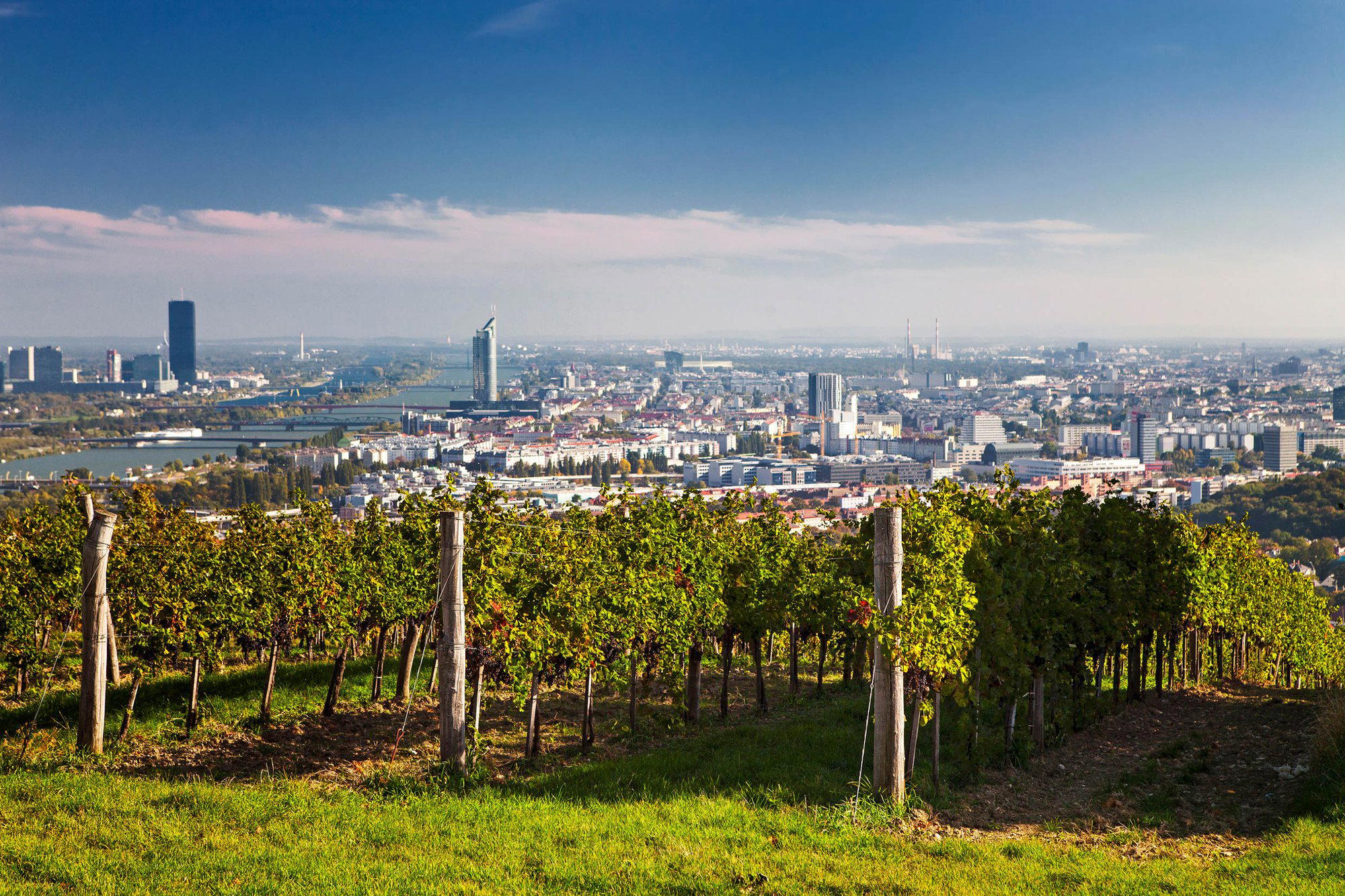
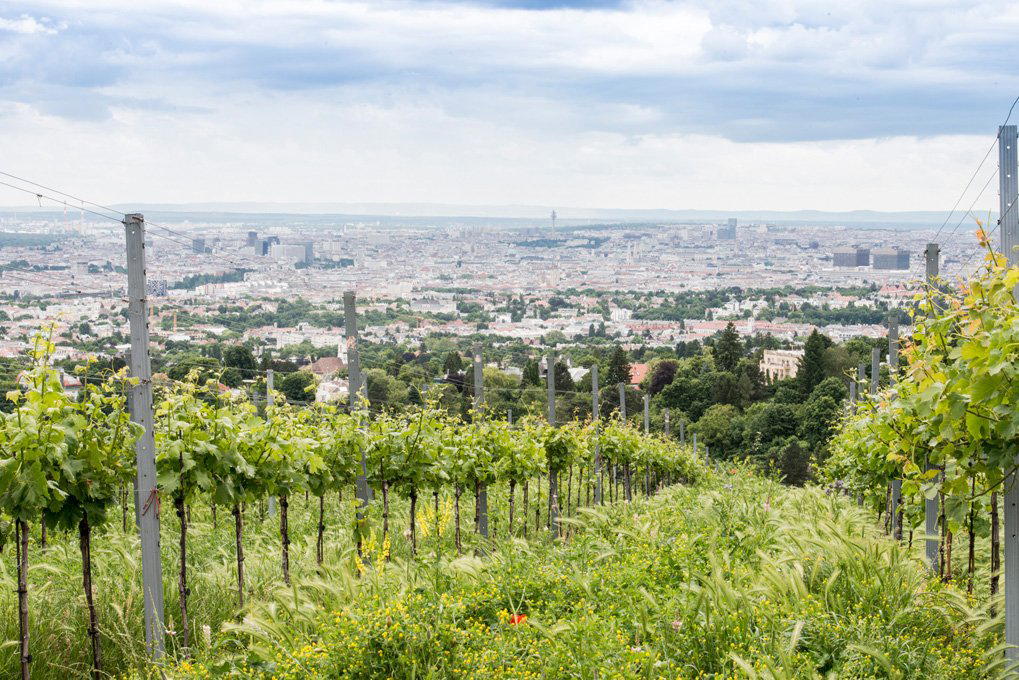
Staudenrauscher Weinkellerei sits in Vienna’s urban wine culture rather than the grand-estate model familiar from rural regions. The draw is modest scale, a quiet rustic register, and a cellar-led identity in Ottakring, suited to travelers who want the city’s wine scene without turning the visit into a formal tasting appointment.

Pearl is the En Primeur Club membership app — saves, bookings, and concierge access live there. Same editors, same standards.

Staudenrauscher Weinkellerei is a Vienna venue with a modest $ price marker and a character described as rustic and hidden-gem. Those are the points to rely on when placing it in a city itinerary. Beyond that, the public-facing profile should be treated carefully: specific claims about neighborhood, service format, opening rhythm, seating, food, bottle list, tastings, reservations, parking, or named producers are not confirmed here. In practical terms, the listing is most useful as a light-touch signal rather than a full brief.
That makes one honest reading a restrained one. Staudenrauscher Weinkellerei should not be oversold as a formal tasting room, a restaurant, a bar with a documented drinks program, or an award-led destination unless those details are confirmed elsewhere at the time of planning. For EP Club purposes, the dependable appeal is simpler: a low-price Vienna stop with a rustic, under-the-radar identity. The recommendation works well when kept within those limits, where it remains clear, useful, and accurate.
A rustic hidden-gem profile in Vienna
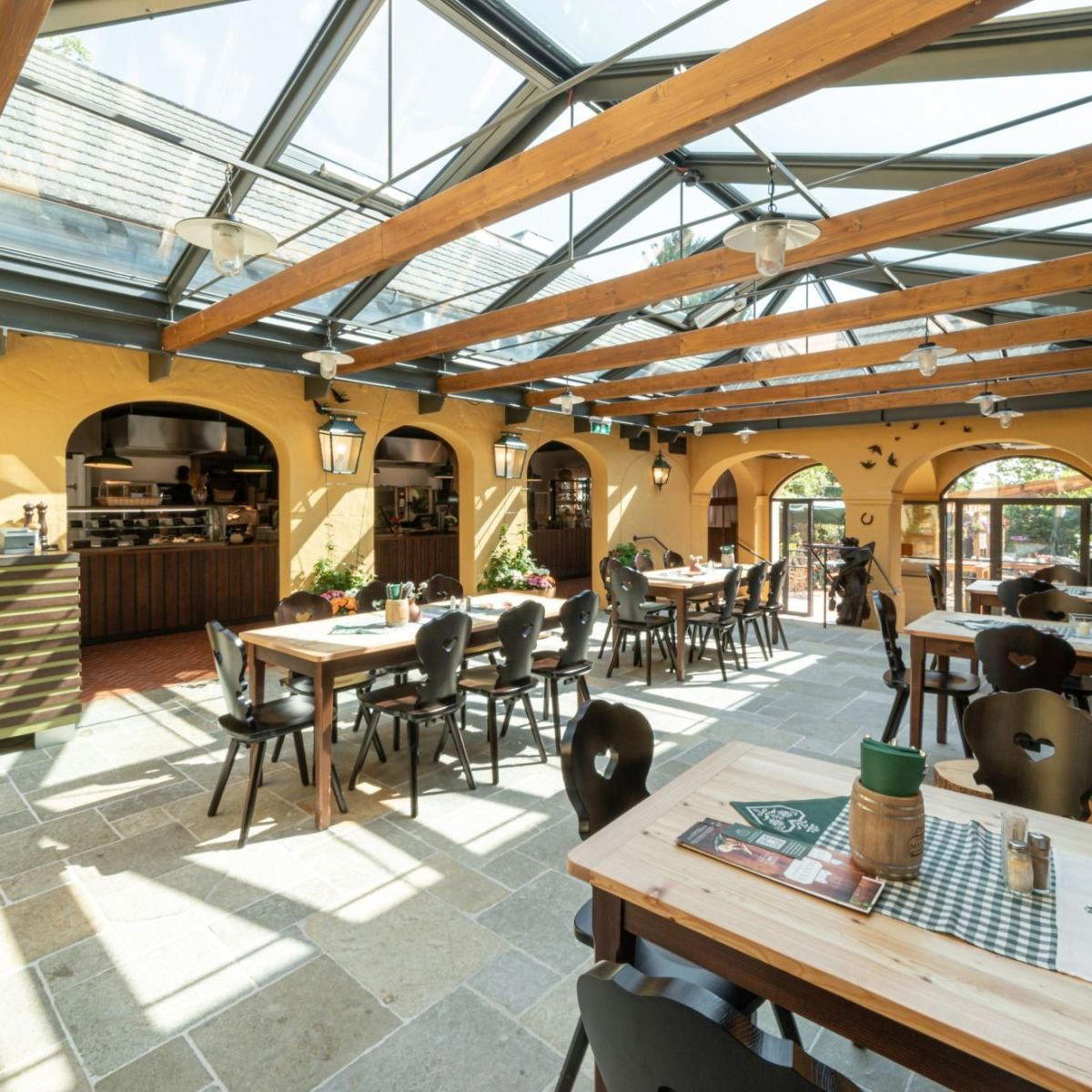
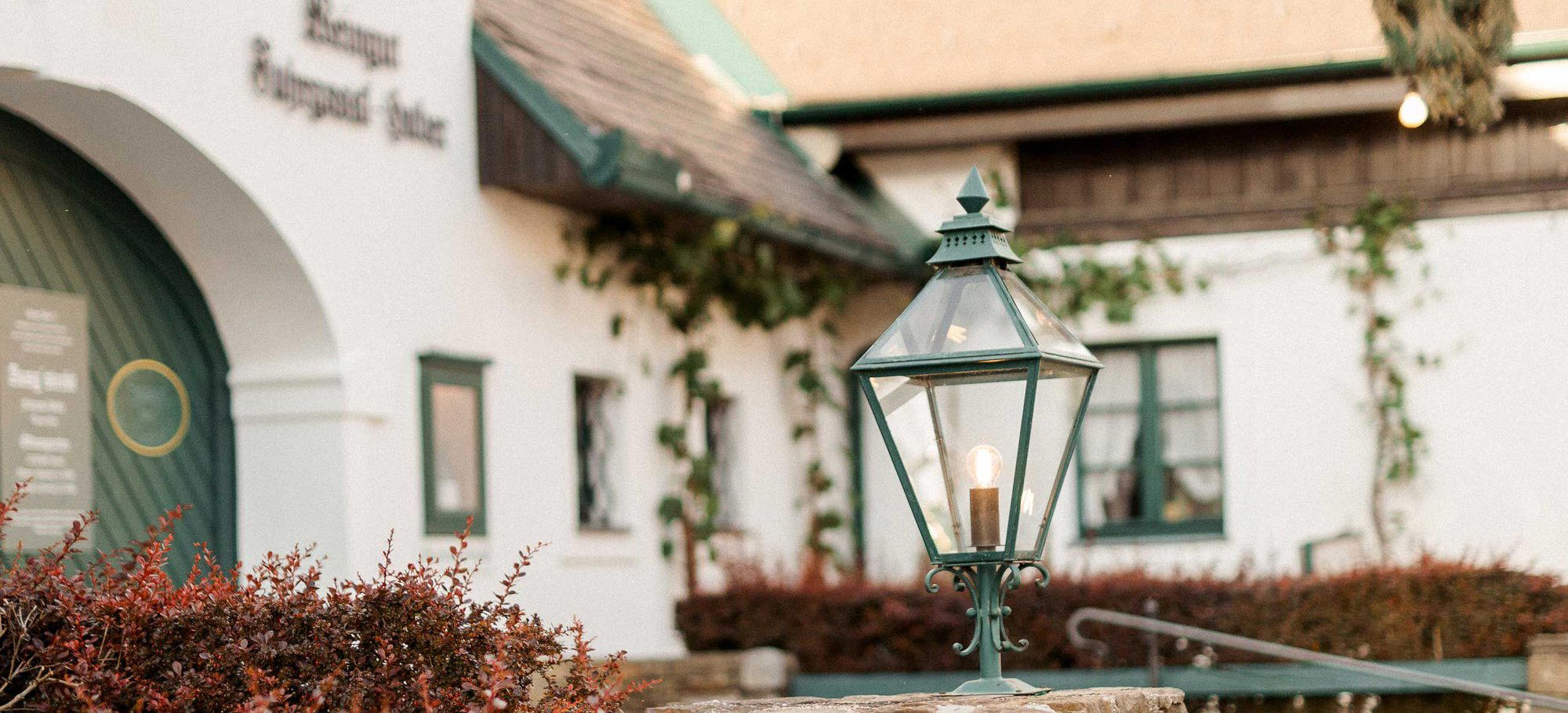
The strongest description is tonal rather than operational. “Rustic” signals a less polished, less luxury-coded feel, while “hidden-gem” suggests a place that may appeal to visitors who prefer quieter discoveries over heavily branded destinations. Those terms describe atmosphere, not a guaranteed service model. They do not confirm a specific menu, seating layout, tasting structure, cellar tour, or hospitality format. Read them as mood cues: they shape the expectation of the place without proving the mechanics of how a visit will work.
For travelers, that distinction matters. Staudenrauscher Weinkellerei belongs in a Vienna plan as a modest, characterful option, not as a destination that should be defined by unsupported claims about capacity, neighborhood identity, wine styles, opening hours, or culinary pairings. The safer framing is to let the venue remain compact in description rather than building a larger story around details that are not established.
It is safer to avoid assumptions about grape varieties, bottle depth, producer focus, tasting flights, food pairings, or cellar practices. Anyone planning around those details should confirm directly before visiting. That is especially important if the stop is meant to serve a specific purpose within a day, such as a meal replacement, a structured tasting, or a timed reservation.
What, and what is not
The price level is $. That positions the winery as an affordable listing within EP Club’s venue context, but it does not confirm exact prices, pours, menus, minimum spend, corkage, or whether any particular item is available. Use the $ marker as a broad planning signal only. It can help set expectations in relation to budget, but it should not be treated as a substitute for checking current details.
The dress-code and mood descriptors are and rustic. That supports a relaxed expectation, but it should not be stretched into a promise about casual service, walk-in access, private events, group suitability, family suitability, outdoor seating, or special occasion programming. None of those operational details are confirmed in the available ground truth. Particularly reliable conclusion is simply that the venue is presented with an unpretentious tone.
Likewise, there are no confirmed awards, rankings, scores, chef names, owner names, founding dates, seat counts, cuisines, signature dishes, allergy accommodations, delivery options, take-out options, lunch service, or exact hours. A responsible guide should not fill those gaps with decorative certainty. The value of the listing is in its concise, grounded profile: the winery, Vienna, $, rustic. That brevity is not a weakness if it is handled honestly; it keeps the recommendation from promising more than the available information supports.
How to place it within a Vienna plan
Because the confirmed data is limited, the winery is best treated as a flexible candidate rather than the fixed anchor of a complicated itinerary. If price and atmosphere are the deciding factors, the listing is useful: it indicates a low-cost, rustic Vienna venue with an under-the-radar feel. If a traveler needs confirmed reservations, accessibility details, food availability, tasting structure, or a particular wine focus, those points should be checked directly before making plans. This is the kind of venue note that helps shape possibilities, not the kind that should carry an entire schedule without verification.
This approach keeps expectations realistic. Vienna has many dining and drinking possibilities, and not every worthwhile stop needs to be framed through awards, elaborate formats, or destination-level narratives. The winery’s profile is narrow but still meaningful for travelers who value modest pricing and a rustic hidden-gem character. Its usefulness comes from that narrowness: it tells the reader what can be said with confidence, and it leaves the rest open until confirmed.
In short, include the winery when you want a Vienna option that reads affordable and low-key in tone. Do not rely on unconfirmed assumptions about neighborhood, service style, menu, or drinks selection. The safest recommendation is also the clearest one: a $ Vienna venue with a rustic, hidden-gem identity.
Recognition history
Dated appearances from independent guides and award organizations, with the underlying list record or original source where available.
Falstaff Winery - Listed
Falstaff
At a Glance
- Rustic
- Solo Exploration