Salatin

Falstaff Winery - Listed
Salatin gives Cordignano a heritage-led Prosecco address with a broad northeastern Italian range rather than a narrow sparkling-only identity. The family presence is traced to 1528, the winemaking business to 1947, and the estate works across more than 75 hectares tied to the Prosecco hills, Grave del Friuli, and DOC Venezia areas, with organic bottlings forming a clear part of the program.

Pearl is the En Primeur Club membership app, where members save venues, book tables and use the concierge.

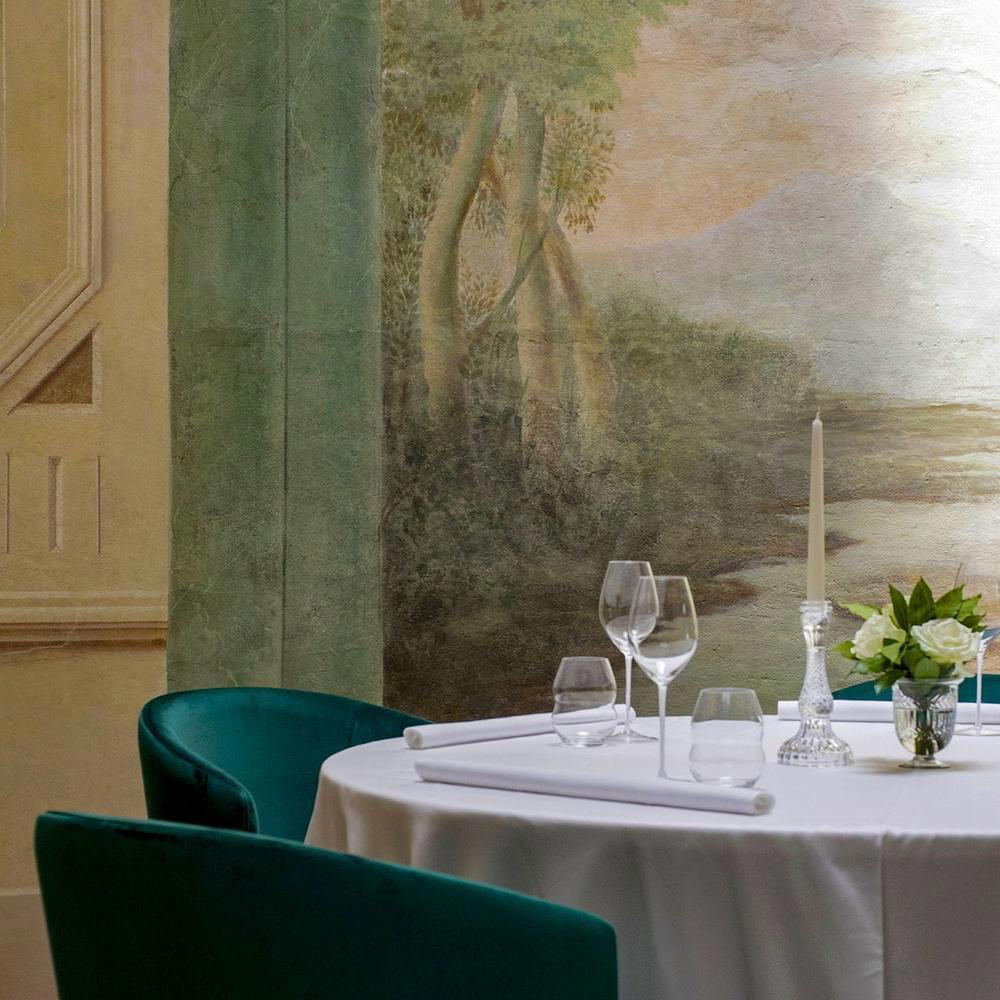
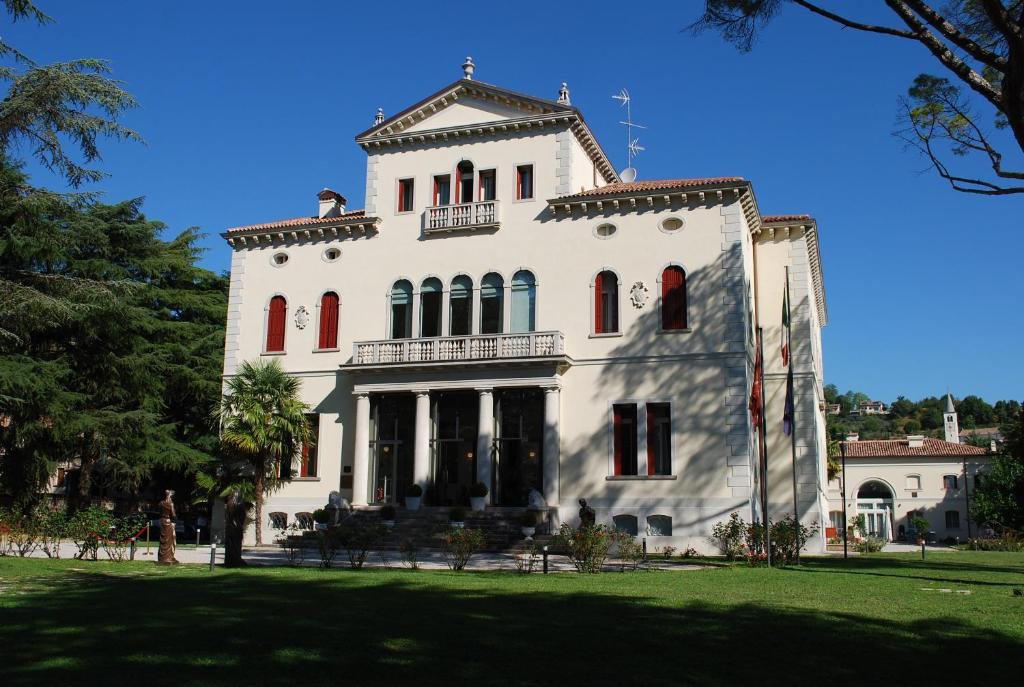
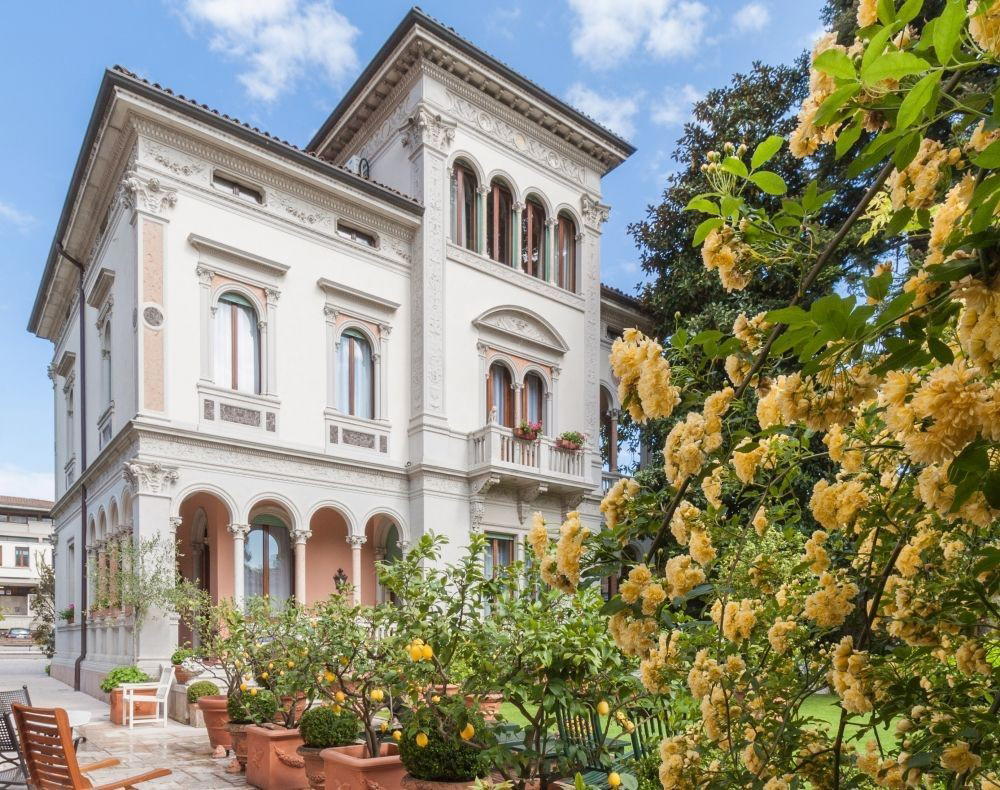
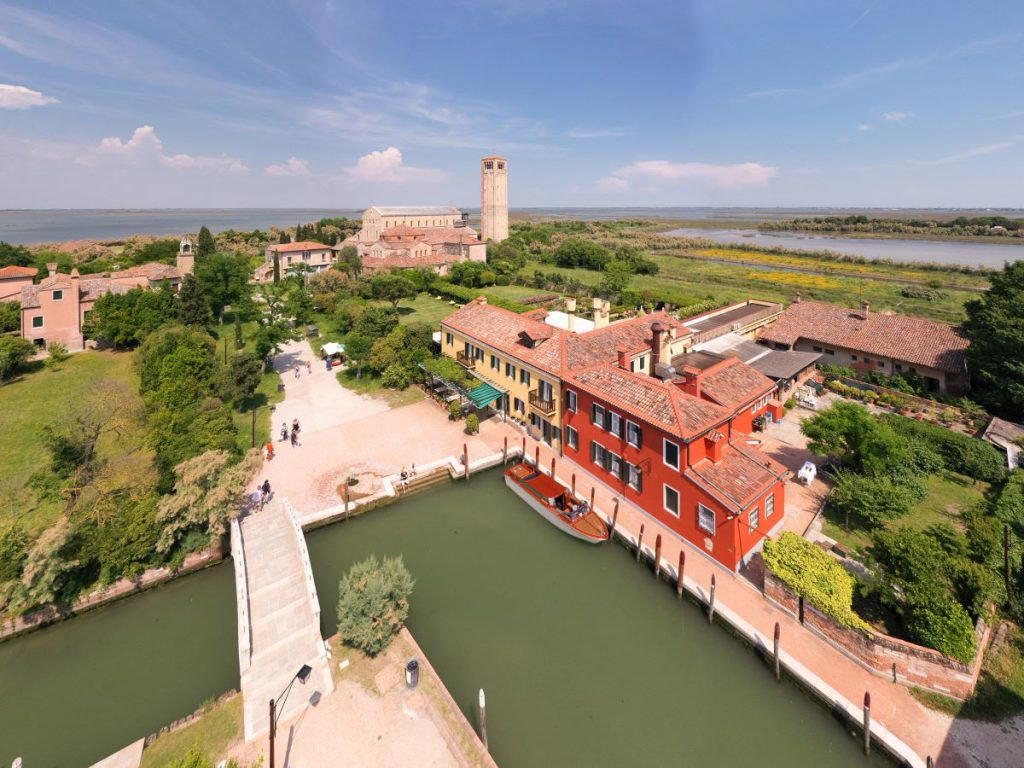
Salatin is a historic, family-run winery in Cordignano. The picture is intentionally simple: a classic and rustic estate with a scenic, sophisticated feel, set around heritage, terroir, and organic practices rather than a heavily documented hospitality format. Its appeal comes less from a long list of published visitor details and more from the overall character that is already clear: this is a place to understand through continuity, landscape, and wine production rooted in its setting.
That restraint is part of using the venue well. What can be said with confidence is that it belongs in a Cordignano itinerary for travelers looking for a traditional yet modern production setting with a strong sense of family continuity and place, especially if the goal is to experience a winery whose identity is framed by heritage rather than by a scripted or highly packaged format.
Heritage-led winery character in Cordignano
Salatin’s appeal rests on its identity as a historic, family-run winery. The tone is classic and rustic, but not static: the description points to a traditional yet modern production setting, a venue shaped by heritage while still presented in a modern production context. That balance matters, because it suggests a winery that is not simply preserved as an old-world image, but one that carries its history into the way it is understood today.
The most reliable way to frame the estate is through heritage and terroir. Rather than reducing the visit to a single grape, label, tasting menu, or named bottle, Salatin is best understood as a Cordignano winery where place and family continuity are central to its identity. In practical terms, that means the value of the stop is not only in what may be poured or explained on a given day, but in the broader sense of a wine estate connected to its surroundings.
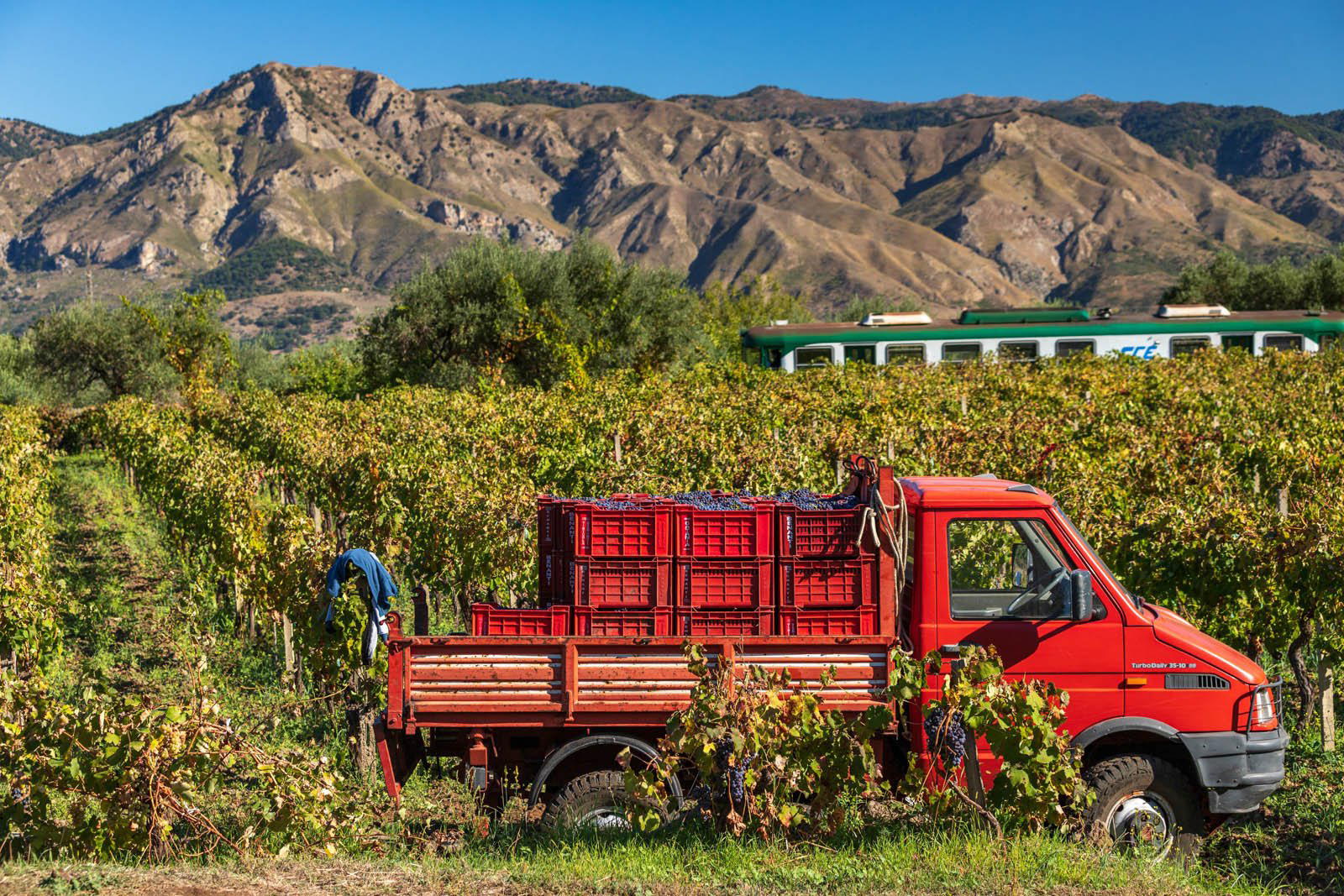
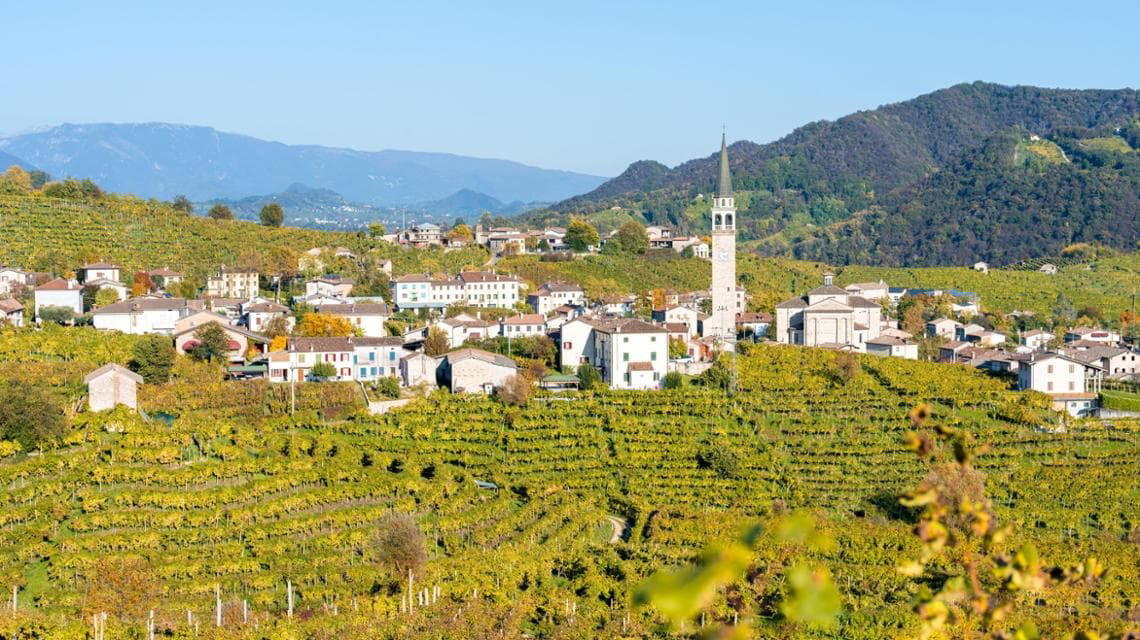
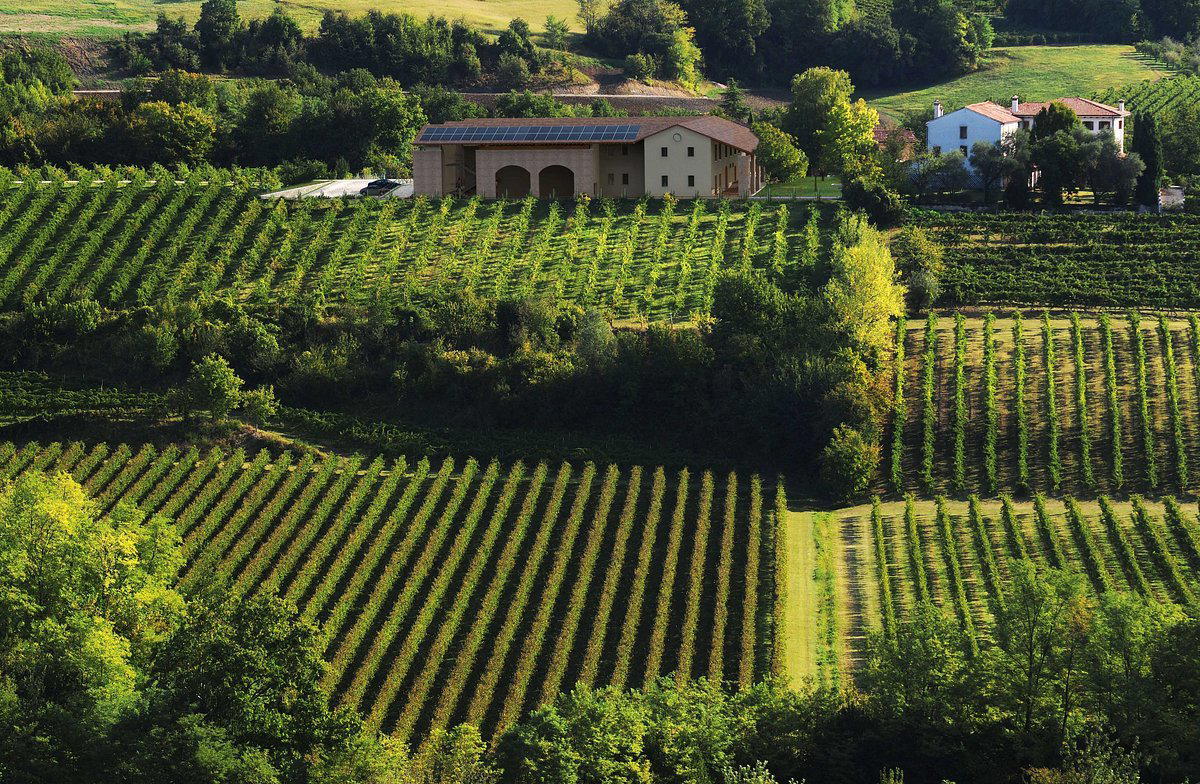
That makes it a useful stop for travelers who want a grounded impression rather than a venue defined by spectacle. The confirmed style is scenic, historic, and sophisticated, with a rustic character. Those qualities work together: rustic gives the estate texture and directness, historic gives it depth, scenic gives it atmosphere, and sophisticated keeps the experience from feeling merely rough-edged or informal. The result is a winery that can sit comfortably in a relaxed itinerary without needing to be treated as a high-production attraction.
Organic practice and a traditional-modern production setting
Organic practices are part of Salatin’s identity. The estate is described as focused on heritage, terroir, and organic practices, so that focus can be mentioned without inventing specific certifications, bottle names, vineyard measurements, or technical processes. The important point is the direction of the winery’s self-presentation: its character is tied to land, continuity, and a more careful relationship with production rather than to novelty or scale.
The production setting is also important. The safest reading is that its value lies in the combination of family continuity, terroir, and a production approach that balances tradition with a modern setting. That does not require assuming particular methods or visitor experiences. It simply helps place Salatin in the category of wineries where the working identity of the estate matters as much as any hospitality element attached to it.
For visitors, the practical takeaway is to treat Salatin as a wine-focused Cordignano venue with $$ pricing. Beyond that, details such as hours, reservations, individual wines, tours, accessibility, dietary accommodations, or food service should be checked directly before planning a visit. This is especially important precisely because the available public description is more about the estate’s character than about operational specifics. Contacting the winery or confirming current information in advance will help align expectations with what is actually available at the time of travel.
How to place it in a Cordignano itinerary
Cordignano works well for a slower, scenery-led stop. Salatin fits that rhythm as a historic winery with a classic, rustic, and scenic personality. Its listed price level is $$. It is best approached as part of a day that leaves room for atmosphere rather than as a tightly scheduled checklist item, because the known strengths of the venue are setting, heritage, and overall winery character.
Use the winery as the anchor for a simple Cordignano plan, then build the rest of the day around your own pace. Other dining and travel options in Cordignano can round out the visit depending on what is available when you go. Keeping the plan flexible also suits the limited confirmed details: Salatin can provide the wine-country focus, while the surrounding itinerary can remain adaptable to timing, season, and personal preference.
For comparison, keep the focus on Salatin itself or consider other dining and travel options in Cordignano generically. No other specific peer venue. That approach avoids forcing the winery into a competitive frame that the available information does not support, and instead lets it stand on the qualities that are already established: a family-run, historic, scenic estate shaped by terroir, organic practices, and a traditional-modern sense of production.
Recognition history
Dated appearances from independent guides and award organizations, with the underlying list record or original source where available.
Falstaff Winery - Listed
Falstaff
Continue exploring
More in Cordignano
Wineries in Cordignano
All wineries in Cordignano →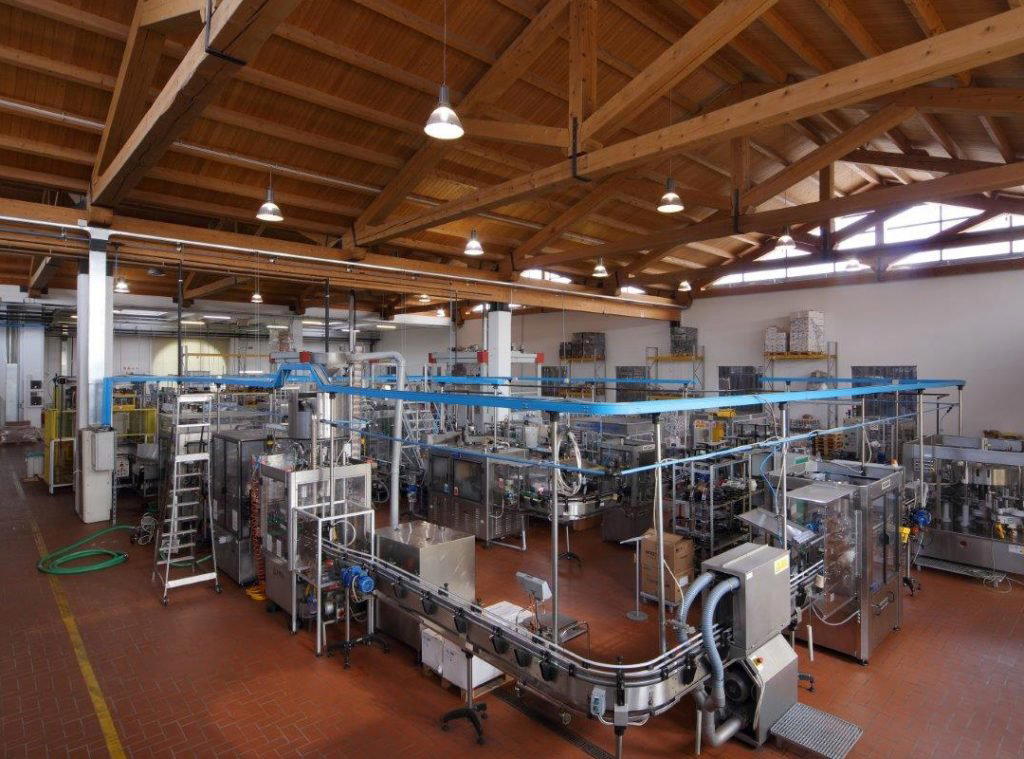
Bars in Cordignano
Browse all →
Details
- Classic
- Rustic
- Scenic
- Historic
- Sophisticated
- Group Outing
- Wine Education
- Special Occasion
- Solo Exploration
- Historic Building
- Vineyard Tour
- Estate Grounds
- Organic
- Sustainable
- Vineyard
- Mountain
A historic, family-run winery with a traditional yet modern production setting focused on heritage, terroir, and organic practices.