Sacred Hill Winery

Falstaff Winery - 3 Stars
Sacred Hill Winery belongs to the Hawke’s Bay school of site-led New Zealand wine: Dartmoor Valley Chardonnay, Gimblett Gravels reds, and a portfolio broad enough to reach beyond the region. Founded in 1986 near Napier, it pairs established scale with named-vineyard bottlings such as Helmsman and Riflemans, the latter backed by national Chardonnay recognition.

Pearl is the En Primeur Club membership app — saves, bookings, and concierge access live there. Same editors, same standards.
- Address
- Napier, Hawkes Bay, Neuseeland
- Directions
- Get directions

Sacred Hill’s wine identity starts with land, not architecture: sheltered Dartmoor Valley, stony river-terrace ground, sunny Hawke’s Bay exposures, and the wider pull of Gimblett Gravels for structured reds. In a region often reduced to warm-climate red wine, the producer is more interesting for its split geography. Chardonnay is tied to Dartmoor Valley; Cabernet Sauvignon, Merlot, Cabernet Franc, and Syrah draw much of their prestige from Hawke’s Bay’s gravelly red-wine country; Sauvignon Blanc extends the map into Marlborough. The portfolio has national scale, but the serious bottles are still read through site.
For travellers using Napier as a wine base, Sacred Hill Winery is not just an established name. It shows how Hawke’s Bay producers work in two registers at once: estate-origin storytelling and sizeable export production. By the late 2010s, the company had reached more than 350,000 cases annually and exported to more than 30 countries, placing it beyond small cellar-door estates. Yet its Special Selection tier keeps the argument local, built around named vineyards and bottlings that only make sense through place.
Dartmoor Valley Chardonnay and Gimblett Gravels reds define the house argument
Hawke’s Bay rewards producers that understand contrast. The region can produce powerful red blends, but its Chardonnay conversation is just as serious, especially where inland shelter and vineyard specificity matter. Sacred Hill’s clearest expression of that divide is its Special Selection tier: three Chardonnays and three Hawke’s Bay reds from named vineyards. The hierarchy is conventional, with flagship wines above broader Reserve, Halo, and Origin ranges, but it usefully shows where the winery places its authority.
Helmsman is the flagship red marker, a Cabernet Sauvignon-dominant Bordeaux blend from Gimblett Gravels vineyards. The 2015 release is described as about 76% Cabernet Sauvignon, 19% Merlot, and 5% Cabernet Franc, making it a Hawke’s Bay answer to classical claret structure rather than a generic New World red. Brokenstone focuses Merlot, while Deerstalkers Syrah points toward a northern Rhône idiom within a New Zealand frame. The names carry local memory as well as branding: Brokenstone refers to a vineyard once nicknamed Stoneybroke, and Deerstalkers takes its name from former Deerstalkers Association clubrooms on the Gimblett Gravels site.
Riflemans Chardonnay is the key counterweight. Drawn from Riflemans Vineyard in Dartmoor Valley and named for the Titipounamu native bird, it has the portfolio’s strongest public recognition: the 2006 vintage won the O-I New Zealand Champion Chardonnay Trophy at the Air New Zealand Wine Awards, and the 2014 vintage was named on the Fine Wines of New Zealand list. Wine Thief Chardonnay, made from the same Riflemans Vineyard fruit since 2004 and later added to the Special Selection tier, shows how barrel selection can become a house distinction without turning away from vineyard source.
A large New Zealand producer with a site-specific premium tier
Sacred Hill was founded in 1986 by David and Mark Mason on the family farm, with Tony Bish as founding winemaker. That origin matters less as romance than as context for Hawke’s Bay’s modern expansion: family land, early varietal confidence, then national distribution. The first commercial release, a 1986 Fumé Blanc of 350 cases, sold out on release; the 1987 follow-up reached 700 cases and also sold through. Those small numbers contrast sharply with later scale, a tension central to understanding the producer.
The current winemaking chapter is also a credibility signal. Nick Picone became chief winemaker in 2022 after a long Villa Maria Group career and a record of ten New Zealand Winemaker of the Year or Winemaker of the Show titles between 2011 and 2020. Editorially, that appointment gives technical weight to a brand already recognised through distribution and wine-show performance. It also keeps the focus where it belongs: not on personality as theatre, but on whether flagship wines can maintain precision across vineyard sources and production scale.
The producer’s breadth appeals to wine travellers wanting New Zealand beyond single-variety shorthand. Cabernet Sauvignon, Merlot, Cabernet Franc, Syrah, Chardonnay, and Sauvignon Blanc all sit within the wider offer. Hawke’s Bay supplies the red-wine and Chardonnay identity, while six Marlborough vineyards support Sauvignon Blanc production. It is pragmatic rather than purist estate-only, reflecting how serious New Zealand houses balance regional specialisation with market reach.
How to place it within a Napier wine itinerary
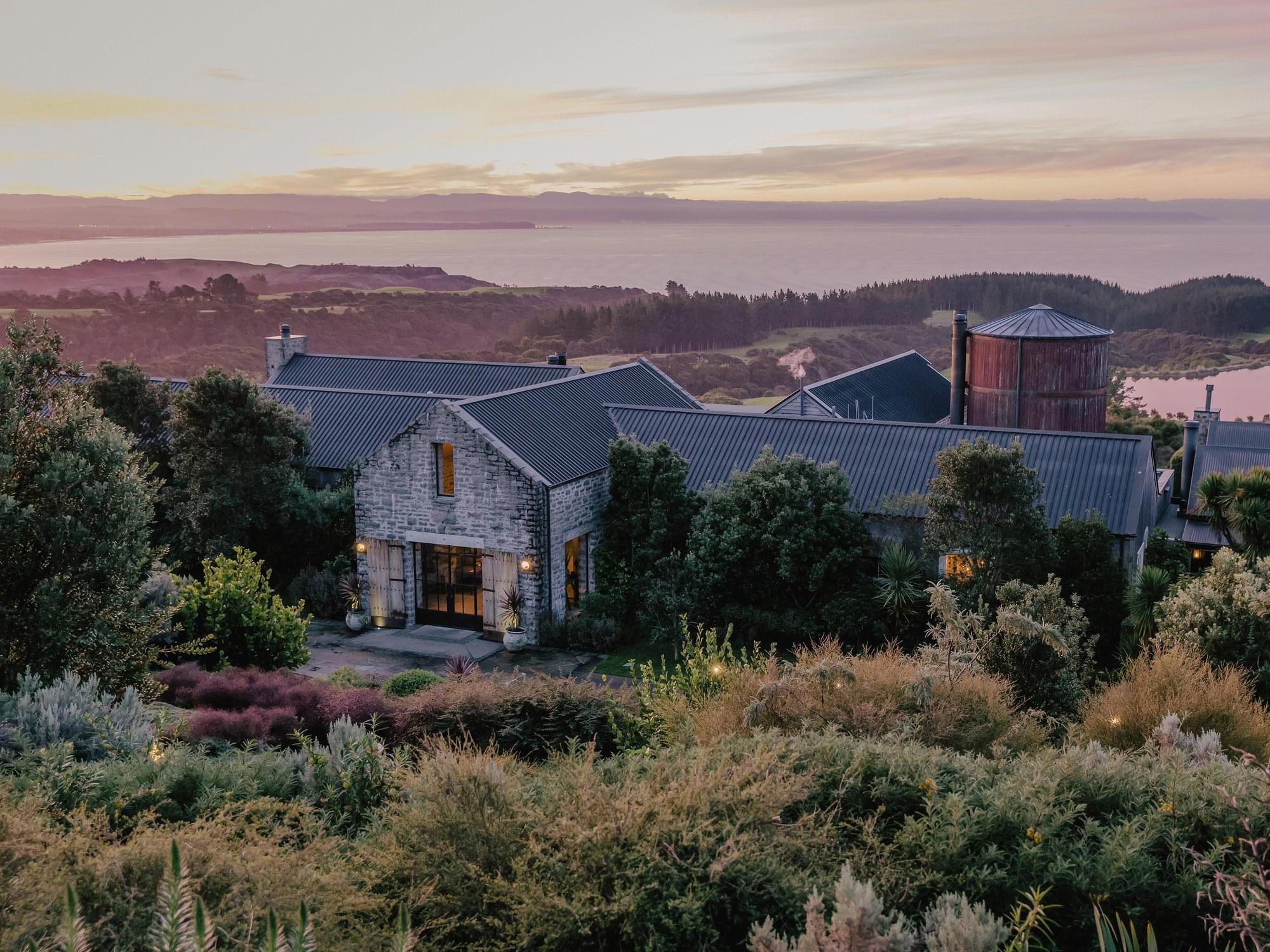
Cellar-door experience is limited rather than built around constant public tasting, so Sacred Hill is better placed within a wider Hawke’s Bay itinerary than treated as a casual drop-in anchor. The setting points to estate grounds, vineyard context, and selected event formats, with seated tastings and private formats part of the experience profile. For readers planning around Napier, timing and reservations matter more than spontaneity.
Its strongest itinerary use is educational: compare the region’s red-gravel reputation with Dartmoor Valley Chardonnay, then see how a major producer structures prestige through named sites. Start with Helmsman and Riflemans, which summarise the Hawke’s Bay argument: structured Bordeaux-variety reds from Gimblett Gravels and nationally recognised Chardonnay from Dartmoor Valley. Deerstalkers and Brokenstone deepen the red-wine side, while Wine Thief shows how cellar selection can refine a single-vineyard Chardonnay story.
For broader city planning, EP Club’s Napier coverage can frame the day around wine, dining, and hotels rather than one cellar-door stop: see our full Napier wineries guide, our full Napier restaurants guide, our full Napier hotels guide, our full Napier bars guide, and our full Napier experiences guide. Nearby regional context can also come through Mission Estate Winery, Tony Bish Wines, and Jean Daneel Wines. For a wider New Zealand lens, compare the country’s range through Alpha Domus Winery in Hastings, Allan Scott Family Winemakers in Blenheim, Akitu in Wānaka, Akarua Winery in Nevis, and Alan McCorkindale Limited in Christchurch. International reference points such as »der Steiner« Hans Steiner in Podersdorf am See and & Handwein in Mannheim broaden the comparison from New Zealand site expression to producer identity across regions.
Recognition history
Dated appearances from independent guides and award organizations, with the underlying list record or original source where available.
Falstaff Winery - 3 Stars
Falstaff
Continue exploring
More in Napier
Wineries in Napier
Browse all →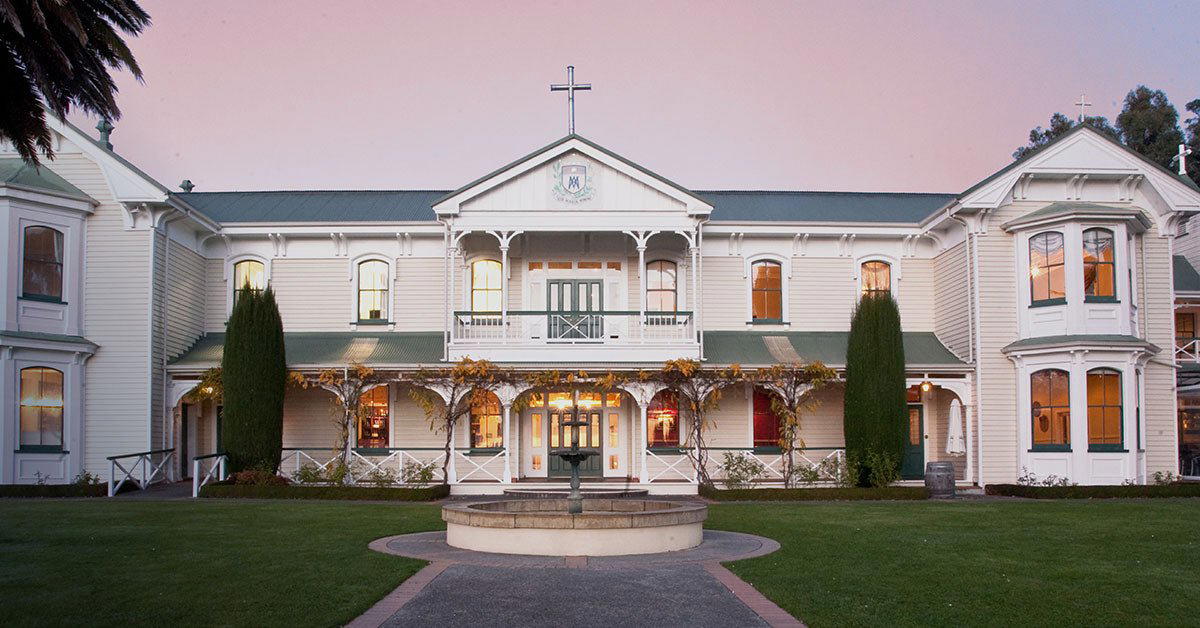
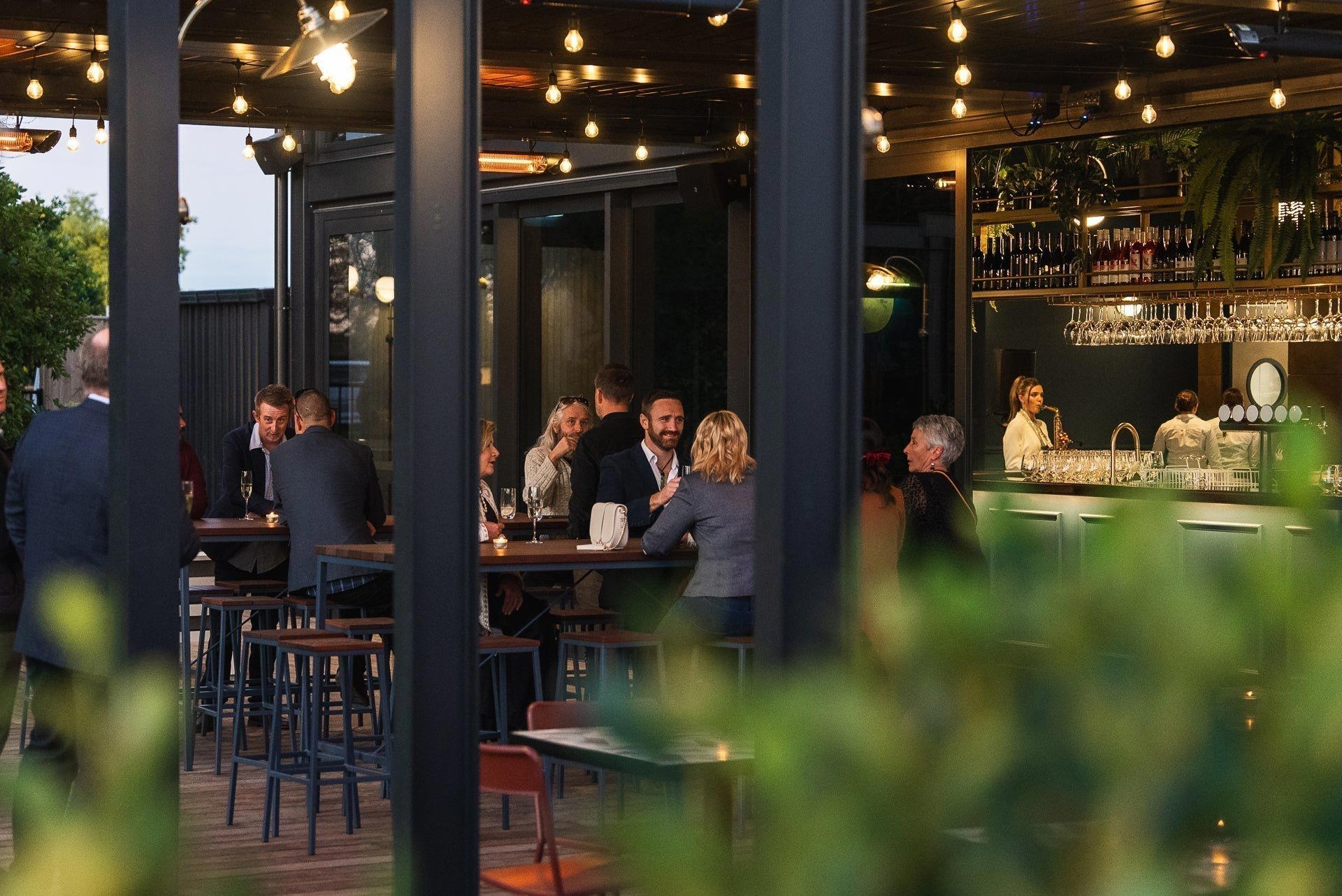
Bars in Napier
Browse all →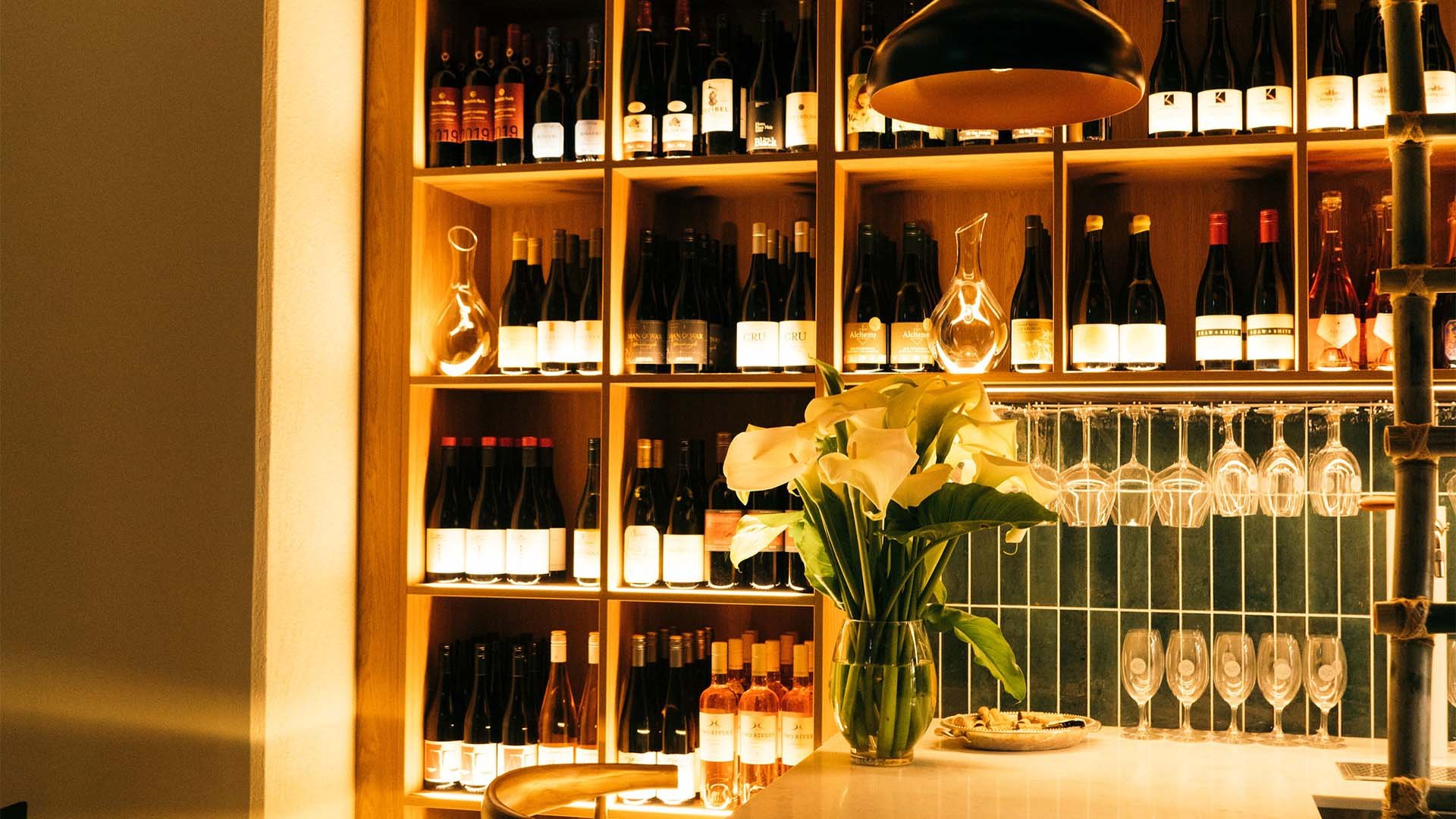
Restaurants in Napier
Browse all →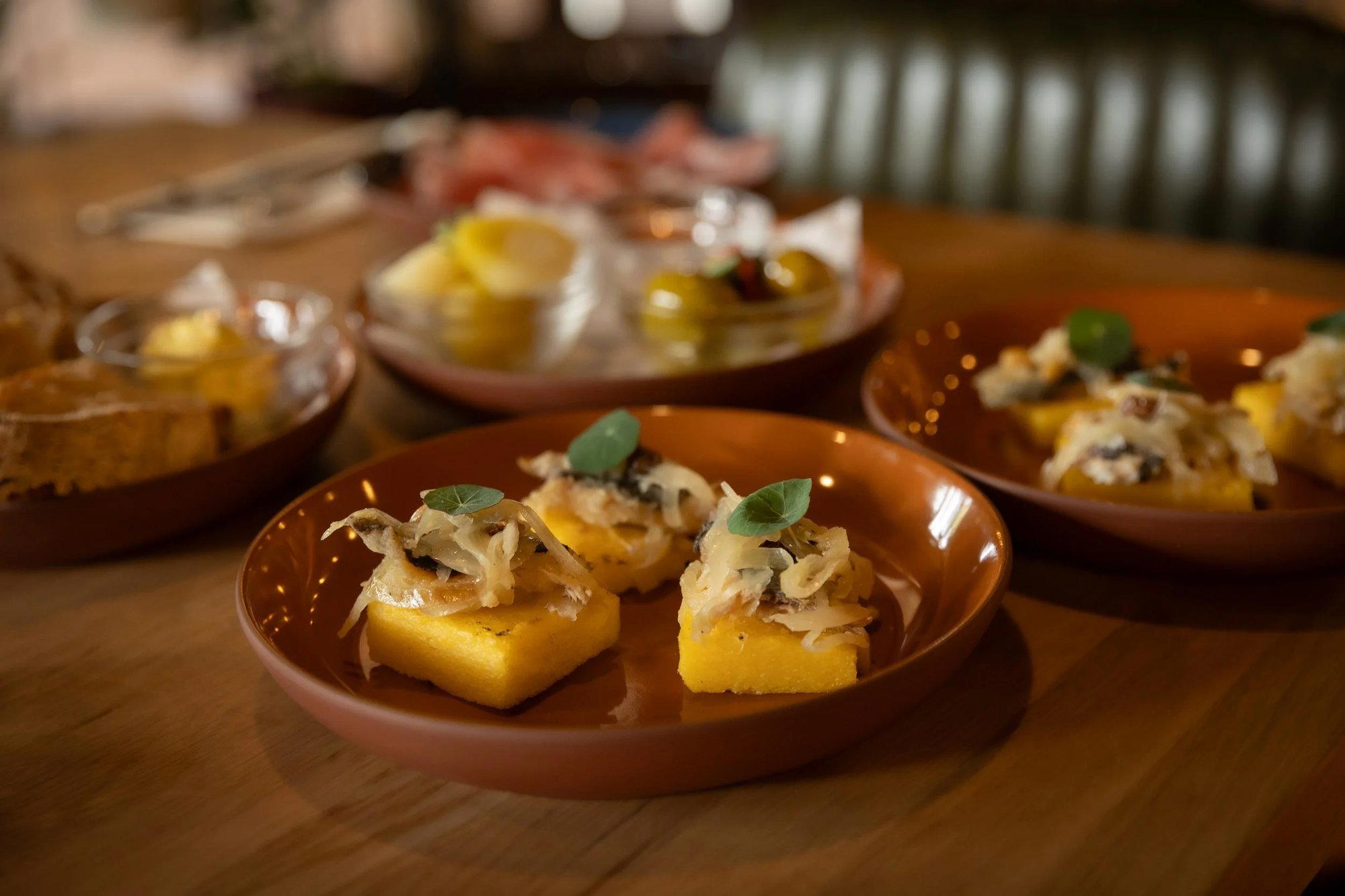
Details
- Scenic
- Classic
- Group Outing
- Special Occasion
- Wine Education
- Estate Grounds
- Vineyard Tour
- Private Tasting
- Vineyard
- Mountain
- Cabernet Sauvignon
- Merlot
- Cabernet Franc
- Syrah
- Chardonnay
- Sauvignon Blanc
- Still Red
- Still White
- Seated Tasting
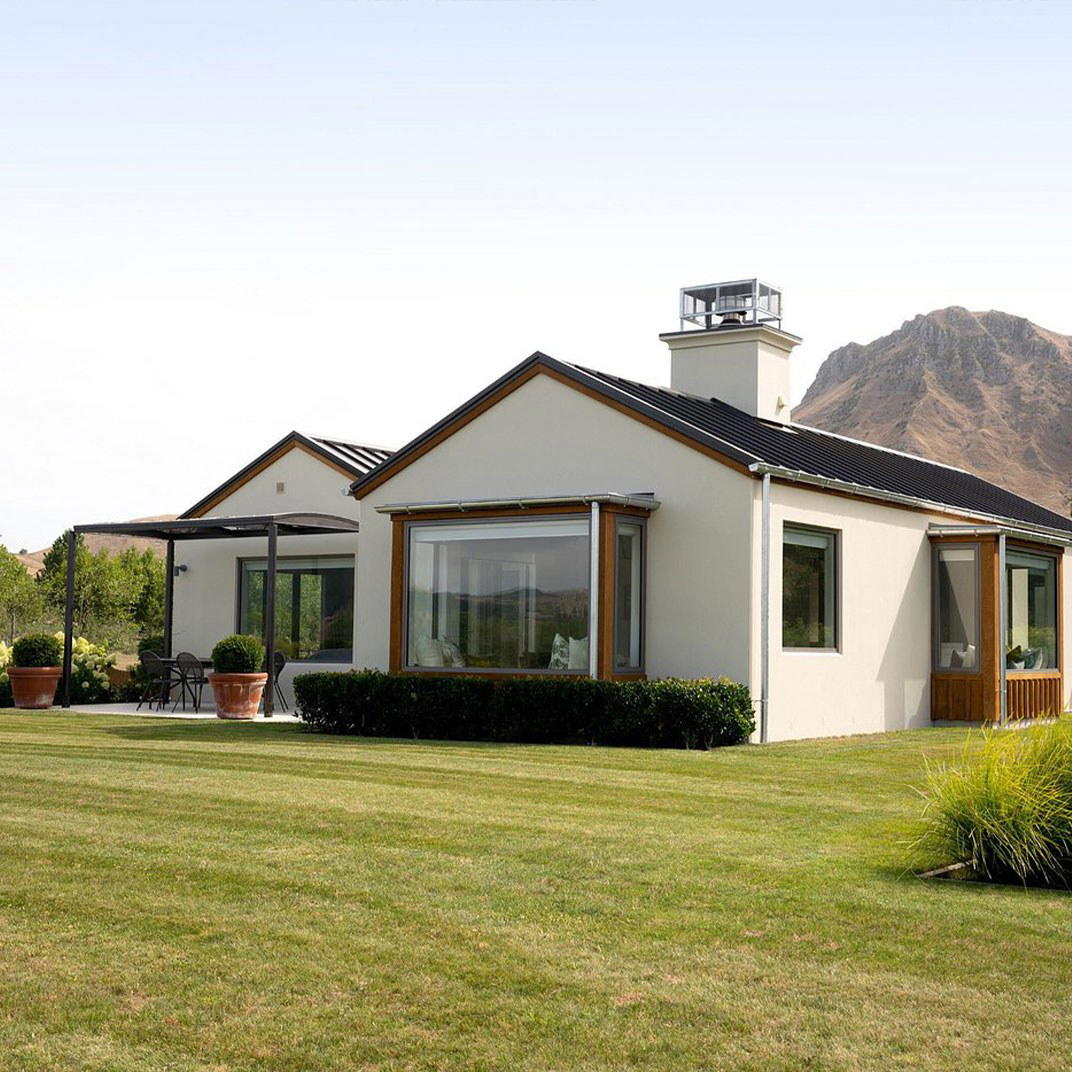
A scenic, hilltop Hawke's Bay winery setting with a sheltered Dartmoor Valley estate vineyard on a stony, sunny river terrace; the cellar door is not open for public tastings and appears to operate mainly for selected summer events.