Rutishauser-DiVino SA

Falstaff Winery - Listed
Rutishauser-DiVino SA puts Winterthur’s wine identity in a production-led frame: modern cellar operations, guided tasting formats, and a portfolio that reaches across Swiss labels rather than a single-estate story. Its clearest proof point is the Skript Pinot Noir Reserve Gallispitz Winterthur AOC Zürich 2024, awarded “Bester Pinot Noir der Schweiz” and “Grosses Gold” at Mondial des Pinots.

Pearl is the En Primeur Club membership app — saves, bookings, and concierge access live there. Same editors, same standards.

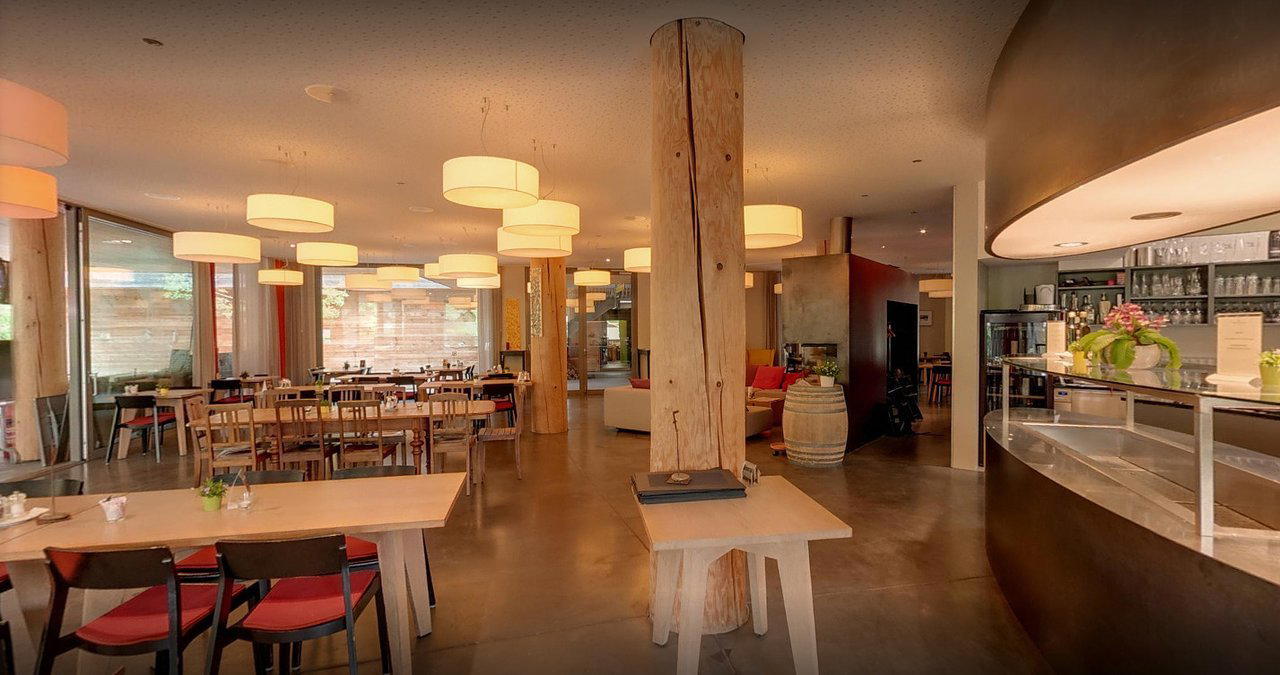
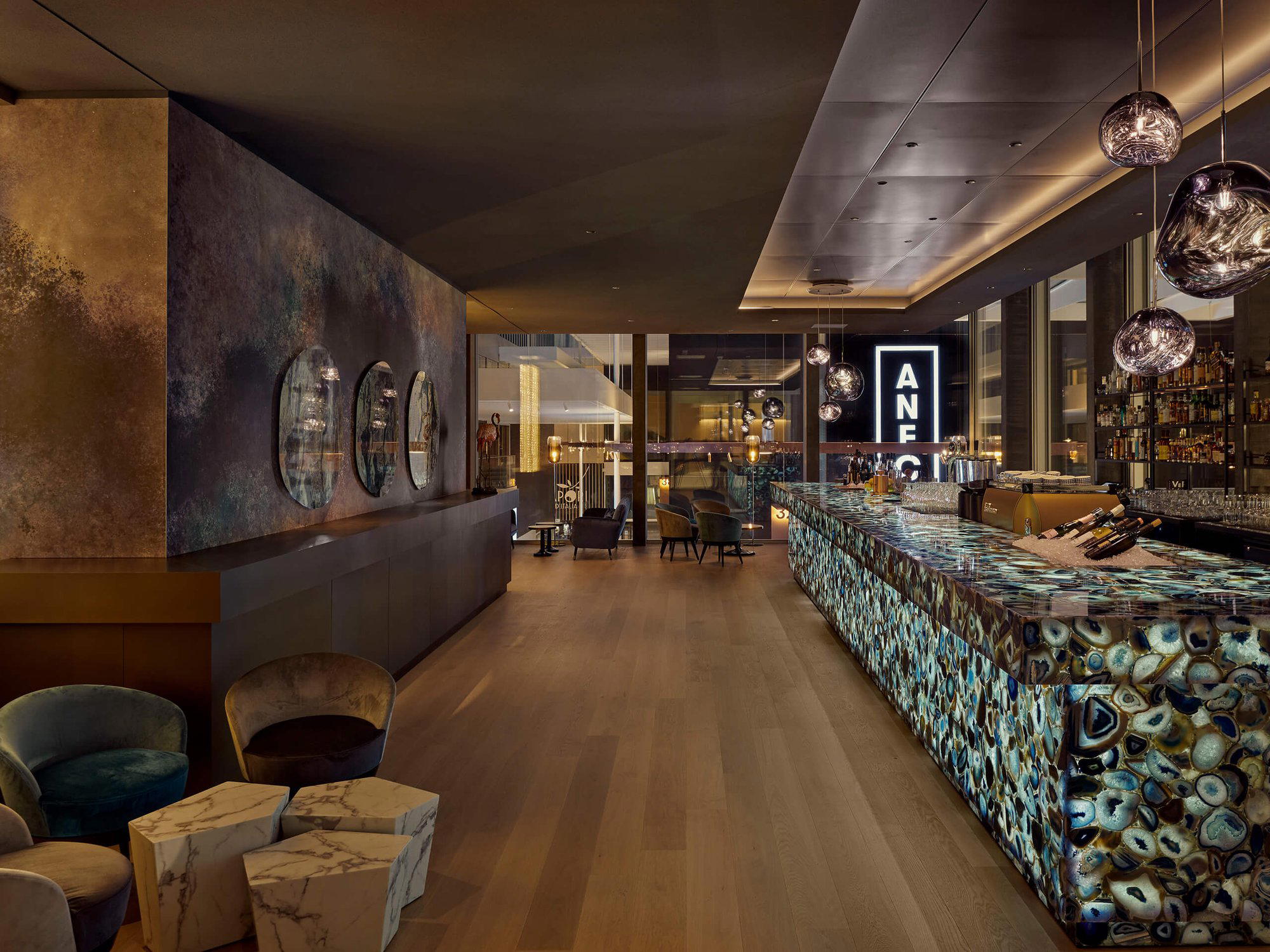
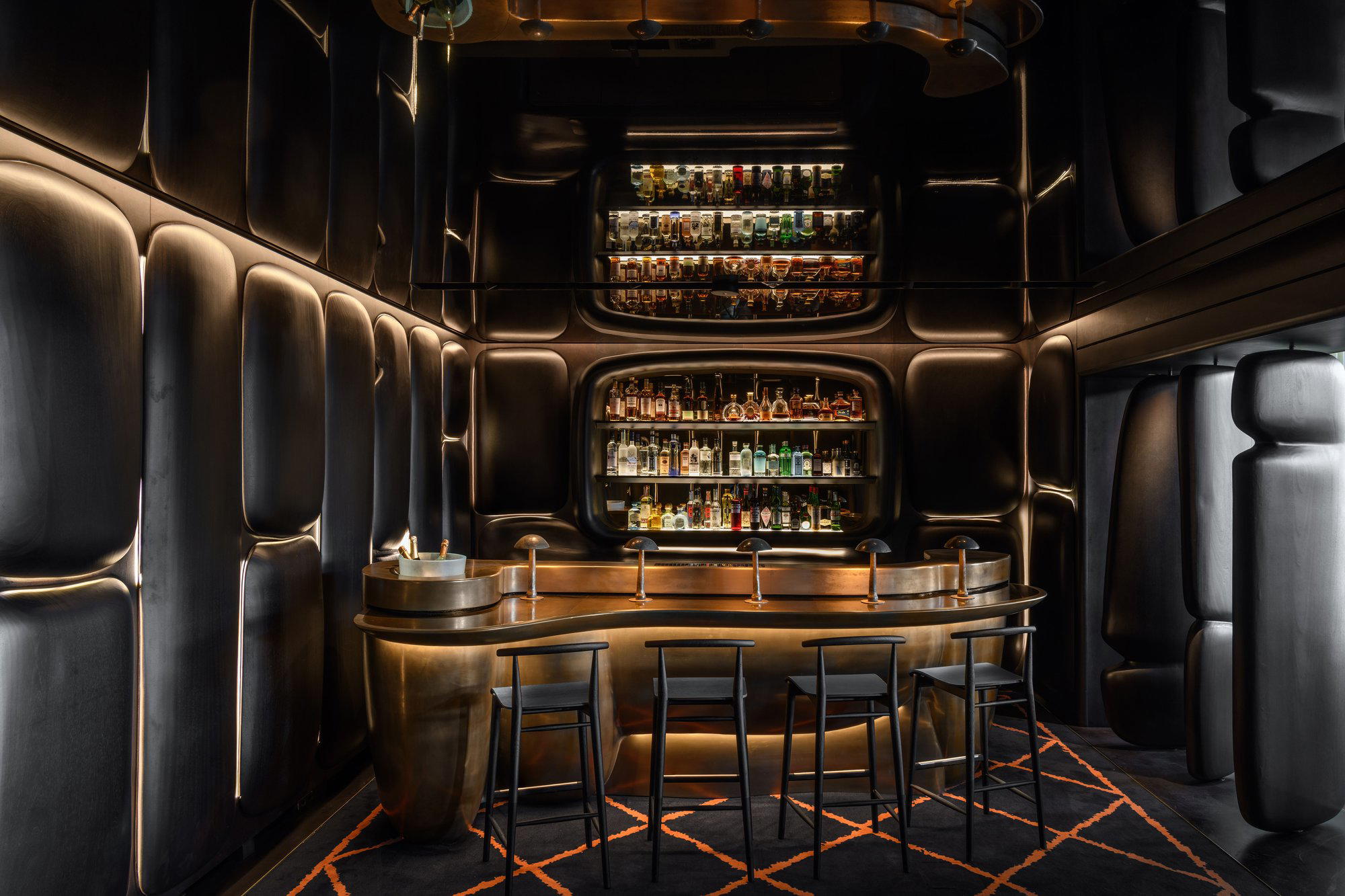
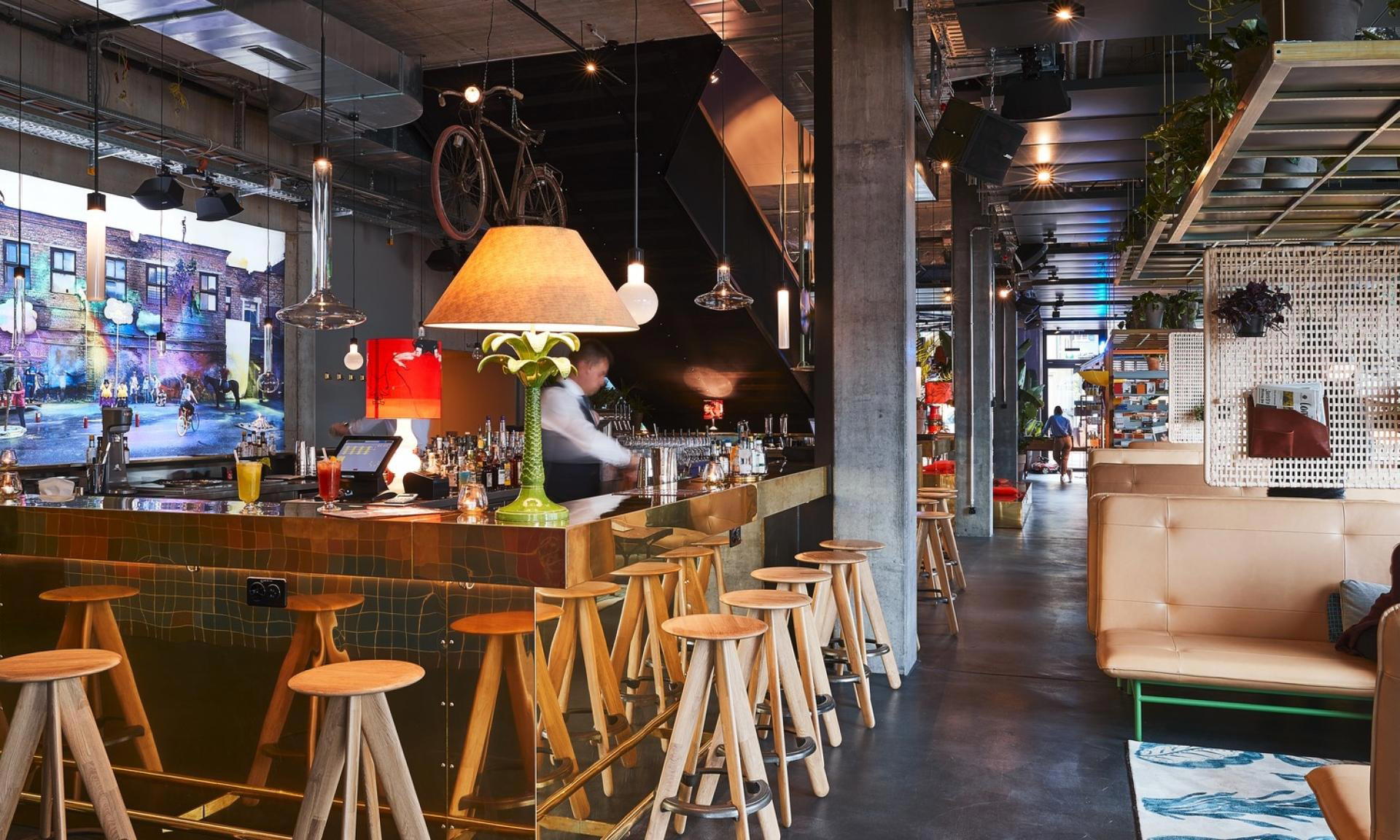
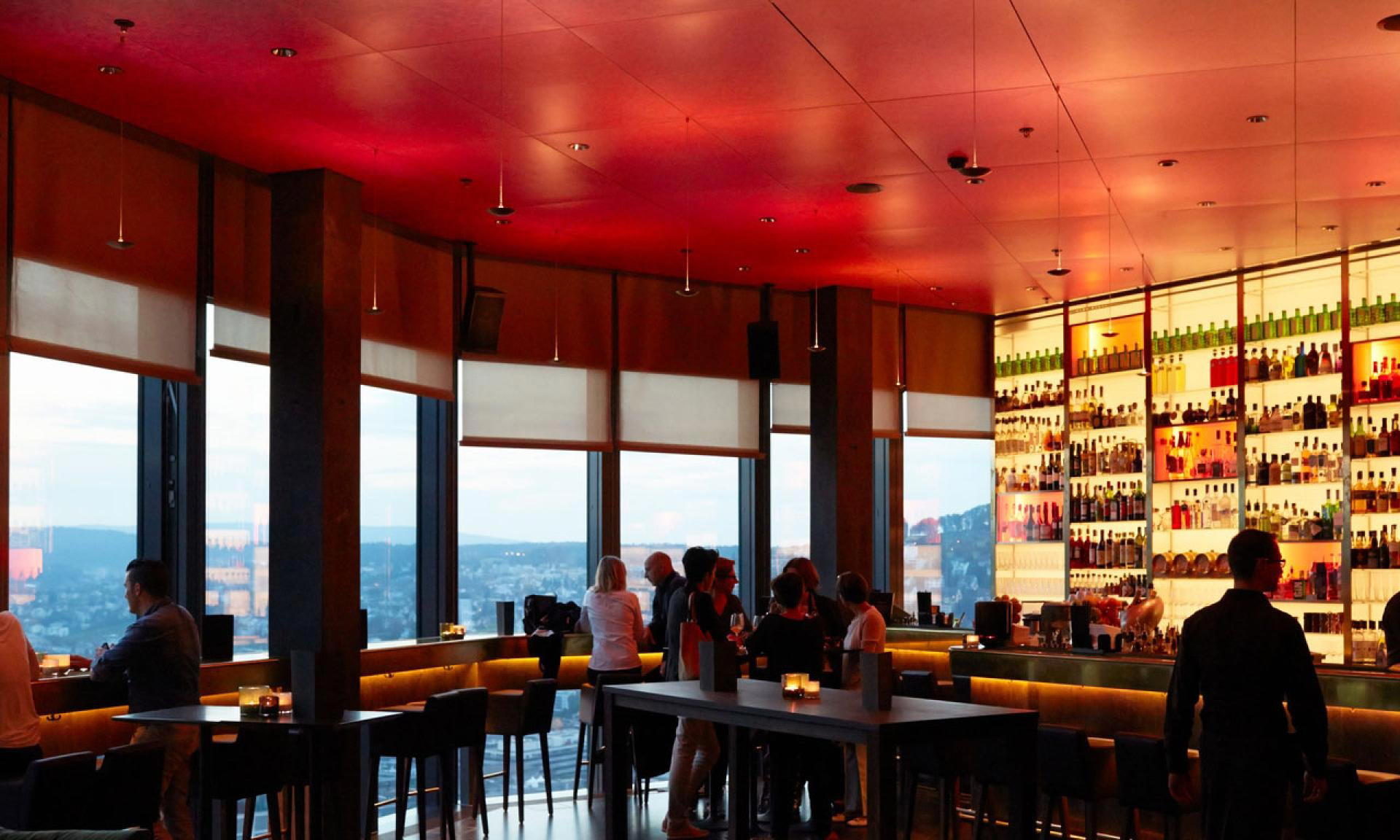
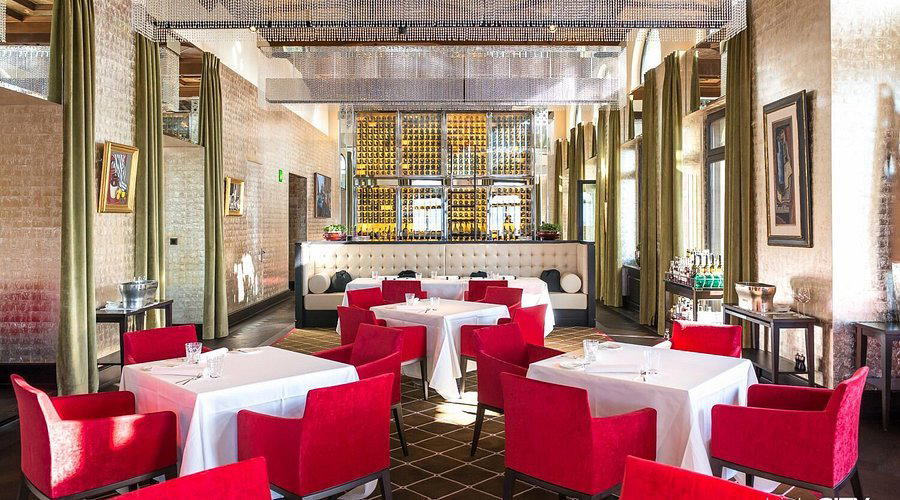
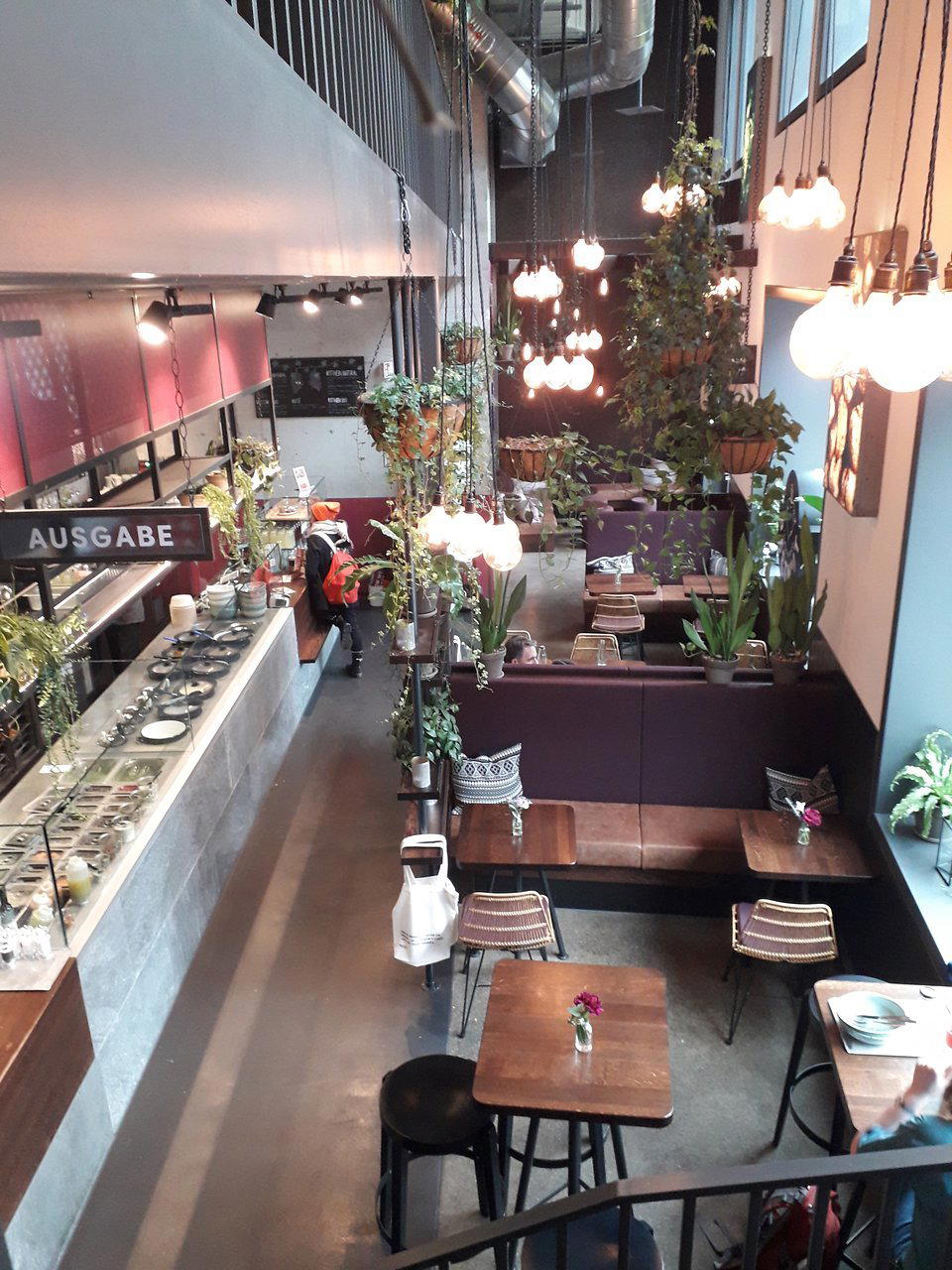
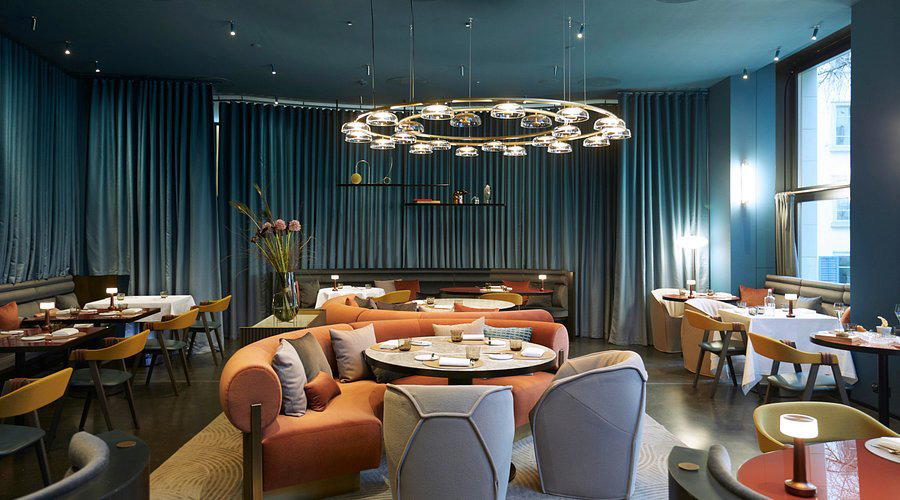
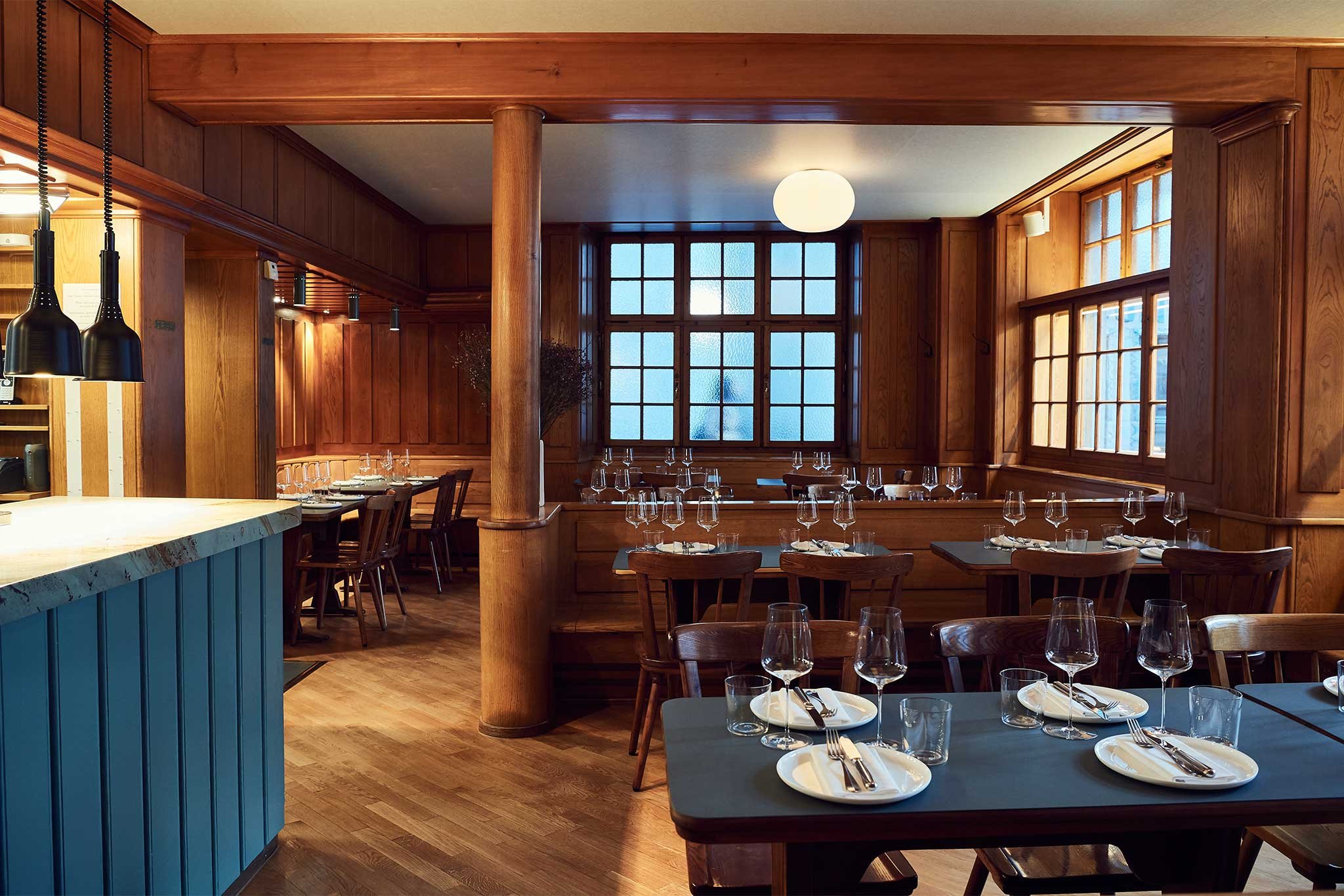
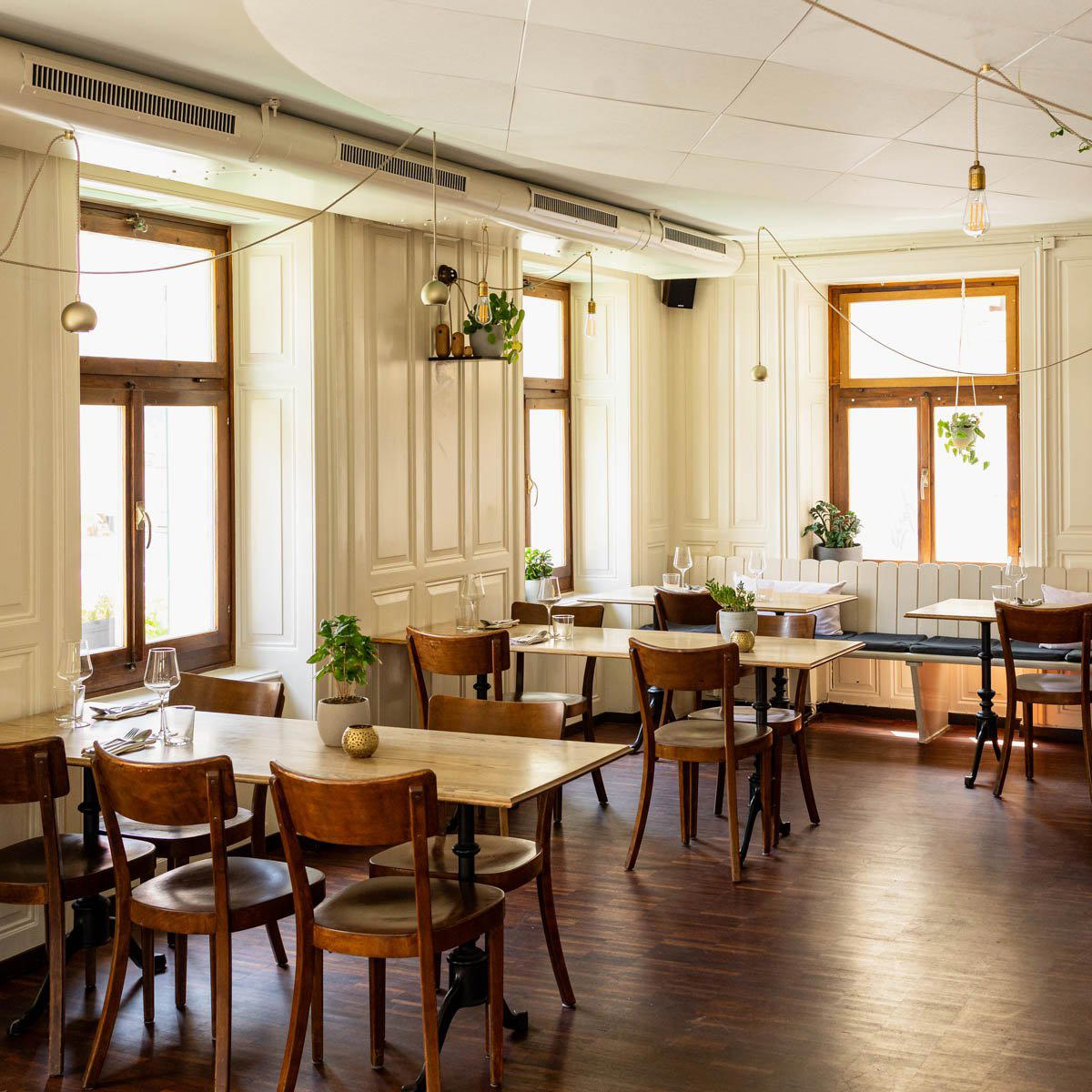
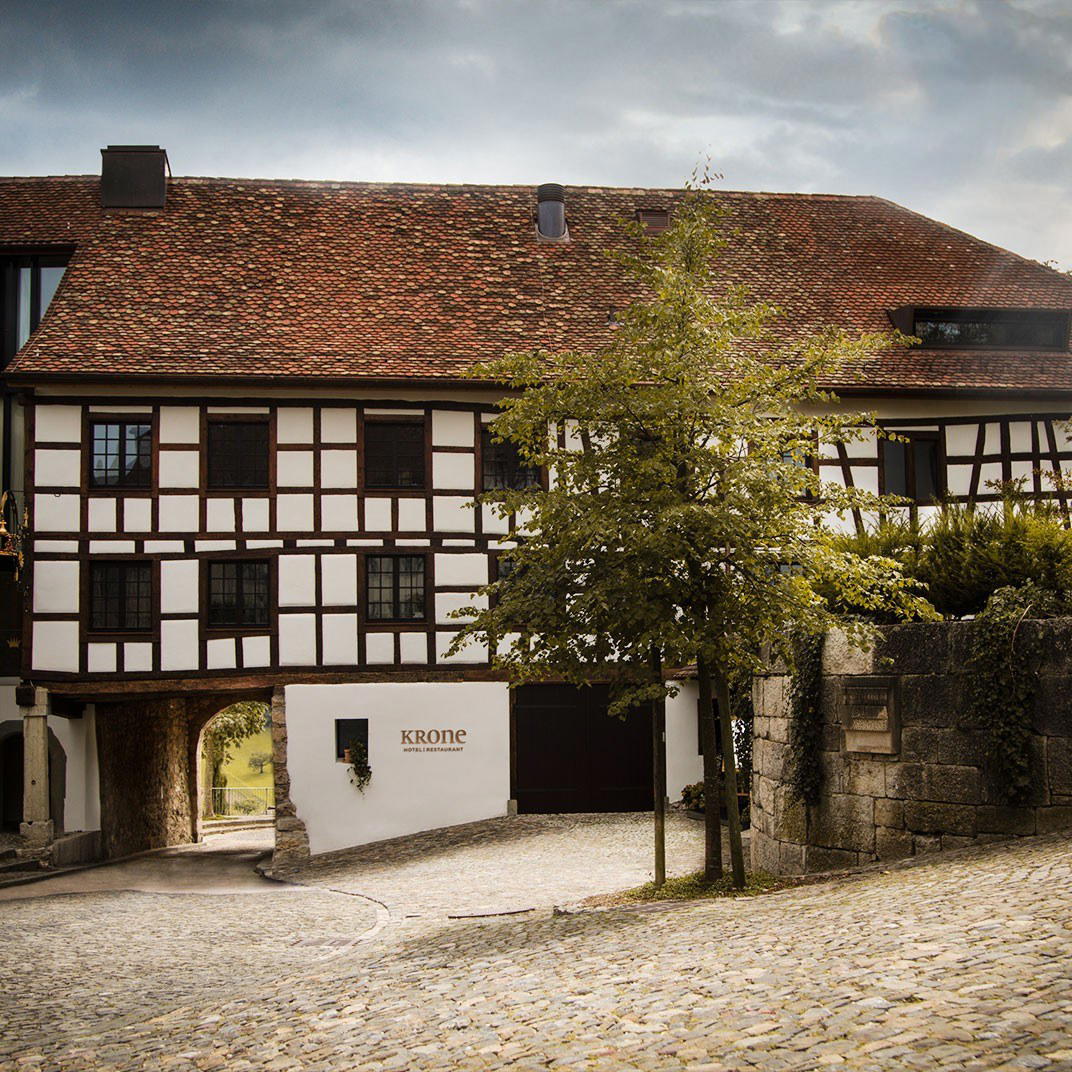
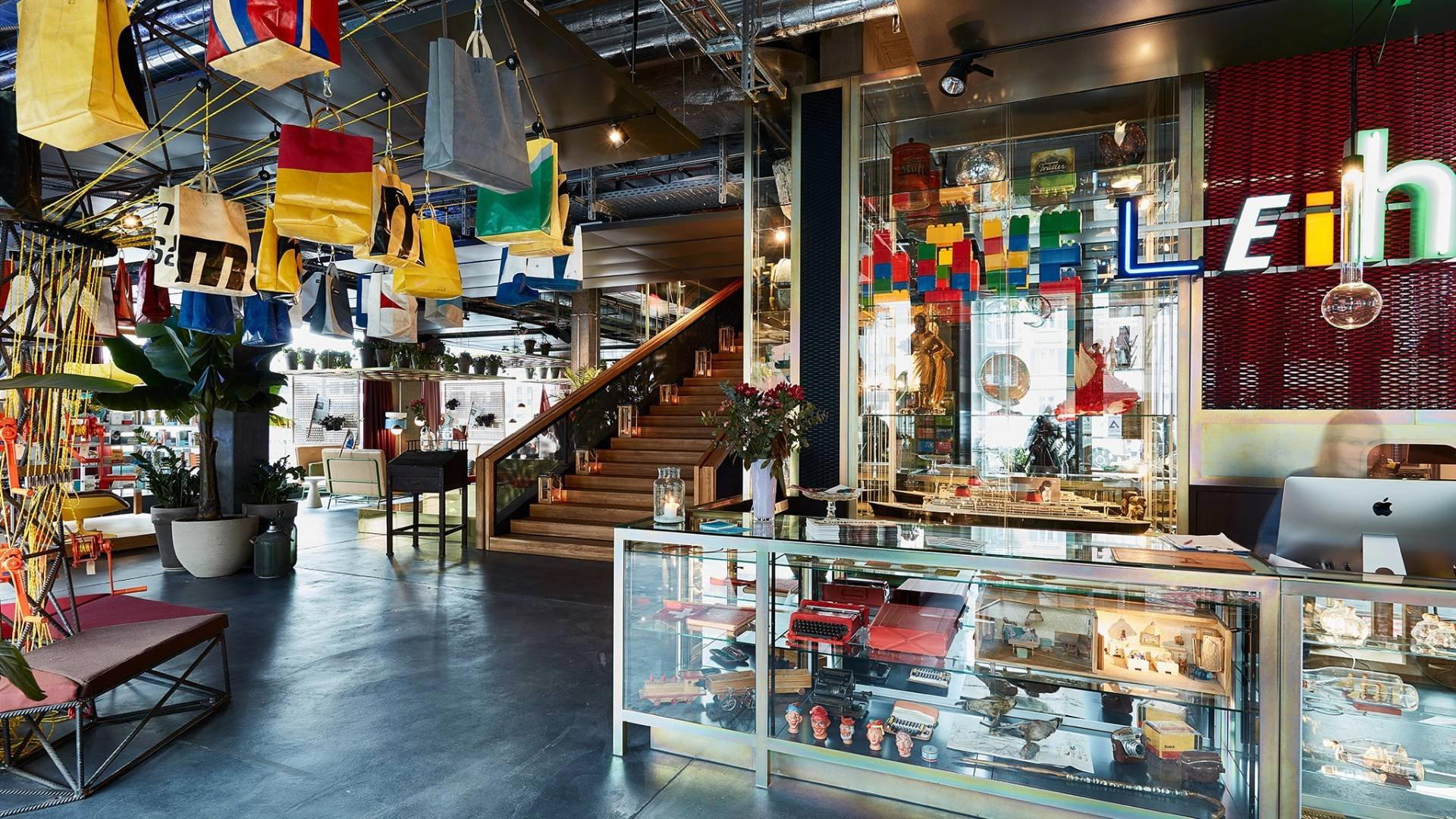
The atmosphere is modern, industrial, and sophisticated. Rather than describing an old-world cellar or a purely decorative wine stop, the more accurate framing is a venue shaped by production, cellar activity, and a polished visitor experience. The word “industrial” should not be read as cold or impersonal; here it helps describe the practical architecture of a wine operation, the sense of function, and the visible connection between the visitor-facing side and the working side. The sophistication comes from that clarity: a contemporary environment where the wine setting does not need to imitate rustic tradition in order to feel serious. It is a place to consider for the character of the setting itself: a modern cellar-and-portfolio environment where the experience is framed by production and presentation rather than by ornate restaurant cues or rural romance.
Guided tasting, group energy, and a louder cellar mood
Safest expectation is a production-focused winery atmosphere rather than a quiet, traditional dining room. Visitors should therefore picture a wine venue with movement, practical space, and cellar context, not a hushed room designed primarily for long, formal meals. The mood can feel more active and more operational than a classic seated hospitality setting.
Mood is contemporary, industrial, and sophisticated, with cellar operations forming part of the setting. That working character is the useful planning detail: the venue is best understood as part of the city’s wine and visitor landscape, with the cellar environment helping define the experience. The energy may suit people who enjoy seeing a more functional side of wine culture and who appreciate a setting where tasting areas are not separated from the broader identity of production.
What should not be assumed from the information is a particular tasting structure, food pairing offer, event format, or group package. Confirm current visitor arrangements directly before planning around a specific experience. This is especially important because the appeal described here is atmospheric and contextual, not a promise of any one fixed format. The price band is listed as $$, and the venue’s strongest identity is its production-focused, contemporary cellar setting with visitor and tasting areas. In an itinerary, it works well as a wine-centered point of interest rather than as a venue defined by countryside scenery or elaborate dining claims. Its usefulness comes from giving Swiss wine a clear, urban, cellar-based frame. It is not necessary to invent awards, named bottles, or detailed programming to make the venue useful: the draw is the setting itself. For readers comparing Swiss wine experiences, that distinction is important. Rutishauser-DiVino SA offers a way to think about wine through production, presentation, and a polished industrial mood, which can be just as meaningful as a more traditional vineyard-led stop. It adds a Swiss wine dimension to an urban plan without requiring the page to overstate what is known.
Recognition history
Dated appearances from independent guides and award organizations, with the underlying list record or original source where available.
Falstaff Winery - Listed
Falstaff
Continue exploring
More in Winterthur
Wineries in Winterthur
All wineries in Winterthur →
Bars in Winterthur
Browse all →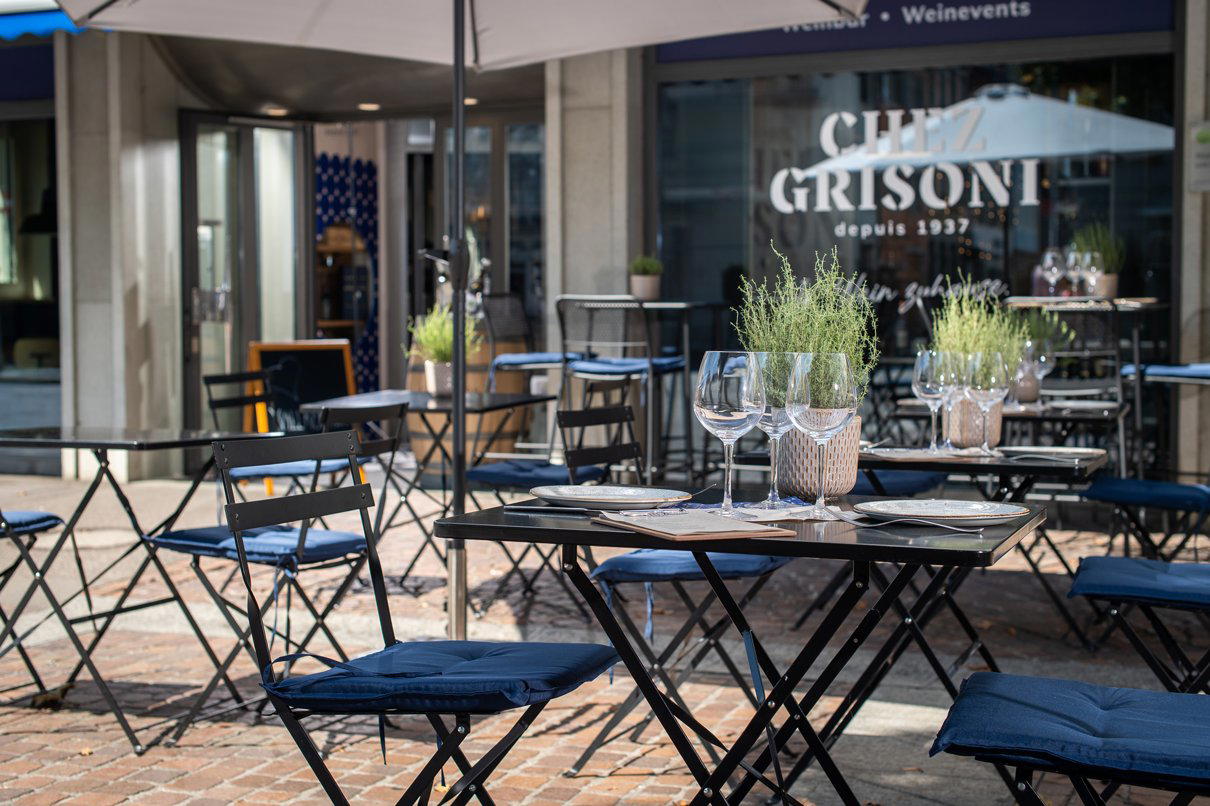
Details
- Modern
- Industrial
- Sophisticated
- Wine Education
- Corporate Event
- Group Outing
- Special Occasion
- Cave Tasting
- Historic Building
- Private Tasting
- Pinot Noir
- Müller Thurgau
- Riesling Silvaner
- Still Red
- Still White
- Sparkling
- Guided Tasting
- Cellar Tour
- Free Tasting
Modern, production-focused winery atmosphere with contemporary cellar operations, tasting/visitor areas, and a strong emphasis on Swiss wine craftsmanship.