Piccini

Falstaff Winery - 2 Stars
Piccini gives Castellina in Chianti a large-scale reading of Chianti Classico: family ownership dating to 1882, Sangiovese at the center, and a portfolio that reaches well beyond a single estate. Its interest lies in that tension between Tuscan place identity and international reach, with organic and sustainable farming cues giving substance to the contemporary side of the story.

Pearl is the En Primeur Club membership app, where members save venues, book tables and use the concierge.

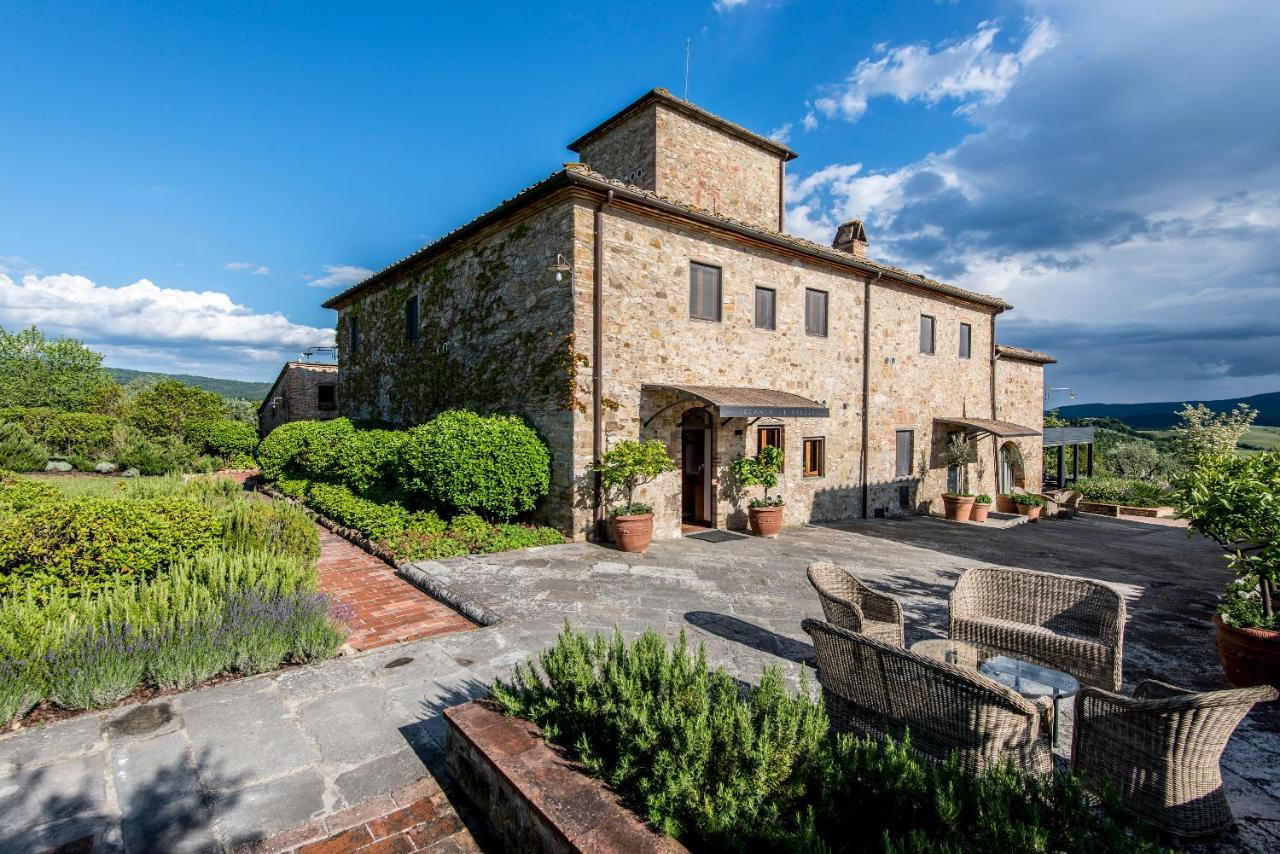
Piccini in Castellina in Chianti is best understood through its identity: a historic, family-run Tuscan estate atmosphere shaped by dedication, tradition and innovation. The setting is presented with a contemporary, dynamic image built around Chianti and Chianti Classico wines, giving the venue a profile that feels iconic, lively, classic, scenic, rustic and sophisticated. In other words, the strongest impression to take from the available information is not a checklist of services, but a sense of place: a Tuscan wine setting where heritage and present-day energy are meant to sit side by side.
What can be stated with confidence is that Piccini’s public-facing character is tied to Castellina in Chianti and to a family-run Tuscan estate atmosphere centered on Chianti and Chianti Classico. For EP Club purposes, that makes the venue easier to describe as an atmosphere and point of interest than as a fully documented visitor experience with defined inclusions.
Chianti Classico identity in Castellina in Chianti
Piccini’s grounded identity rests on its association with Chianti and Chianti Classico wines in Castellina in Chianti. Rather than relying on claims about individual labels, production numbers or wine styles, the safest way to frame the venue is as a Tuscan estate atmosphere whose image combines heritage with a contemporary, dynamic presentation. That framing matters because it keeps expectations aligned with what is actually supported: a place connected to one of Tuscany’s most recognizable wine contexts, described through character, setting and continuity rather than technical detail.
That combination gives Piccini a clear place in a Castellina in Chianti itinerary for travelers interested in the area’s wine culture. The appeal is not a tasting format or a confirmed menu-style experience, but the broader atmosphere: historic, family-run, scenic, rustic and polished without losing its Tuscan character. Visitors who are drawn to a classic Chianti setting may find the venue’s identity useful as an anchor point when thinking about the area, especially if they value a sense of estate tradition as much as any single activity.
No further pricing detail is available, so visitors should confirm current costs directly with the venue before planning around a specific experience. That confirmation is especially important because the listing does not establish what, if anything, is included at a given price point, and the $$ marker should be read only as a broad guide category rather than a promise of specific value or format.
Place, tradition and atmosphere
For Piccini, the language points to place and tradition rather than to detailed technical claims. Castellina in Chianti provides the setting, while the venue’s image is built around Chianti and Chianti Classico wines. The relationship between place and identity is the core of the listing: Piccini is presented as part of a Tuscan range of wine, family continuity and recognizable regional style, not as a venue whose appeal depends on a long list of operational details.
The mood is an important part of the listing. Piccini is described through a mix of classic and contemporary cues: historic and family-run, but also dynamic; rustic and scenic, but also sophisticated. Those descriptors are the strongest confirmed guideposts for setting expectations. They suggest a venue that is meant to feel rooted rather than generic, and refined rather than purely informal, while still remaining connected to the rural and traditional associations of Chianti.
Where the available information is thin, the most useful advice is practical caution. Treat the listing as a reliable guide to tone and positioning, not as a complete planning document. Anyone arranging a visit should check directly for the details that matter most to their plans, because the confirmed description supports the atmosphere but does not define the mechanics of how a visit currently works.
How to place it within a Castellina wine itinerary
Within Castellina in Chianti, Piccini can be positioned as a historic, family-run Tuscan estate atmosphere tied to Chianti and Chianti Classico wines. Travelers comparing local options should think in broad terms: some venues may feel smaller, more dining-focused or more experience-led, while Piccini’s profile is centered on a classic yet contemporary estate image. That makes it most useful in an itinerary as a reference point for the broader wine identity of the area, especially for visitors who are weighing atmosphere, setting and regional association alongside practical logistics.
For broader trip planning, compare Piccini with other dining, wine and hospitality options in Castellina in Chianti generically, and verify current details directly before making plans. The confirmed information supports Piccini as a scenic, rustic-sophisticated Tuscan estate atmosphere with a $$ price level, but not as a basis for claims about specific menus, tours, production figures, awards or services. The best expectation is therefore a careful one: Piccini belongs in consideration for its Chianti and Chianti Classico identity, its family-run estate atmosphere and its blend of historic and contemporary presentation, while the exact visitor experience should be confirmed at the source.
Recognition history
Dated appearances from independent guides and award organizations, with the underlying list record or original source where available.
Falstaff Winery - 2 Stars
Falstaff
Continue exploring
More in Castellina in Chianti
Wineries in Castellina in Chianti
All wineries in Castellina in Chianti →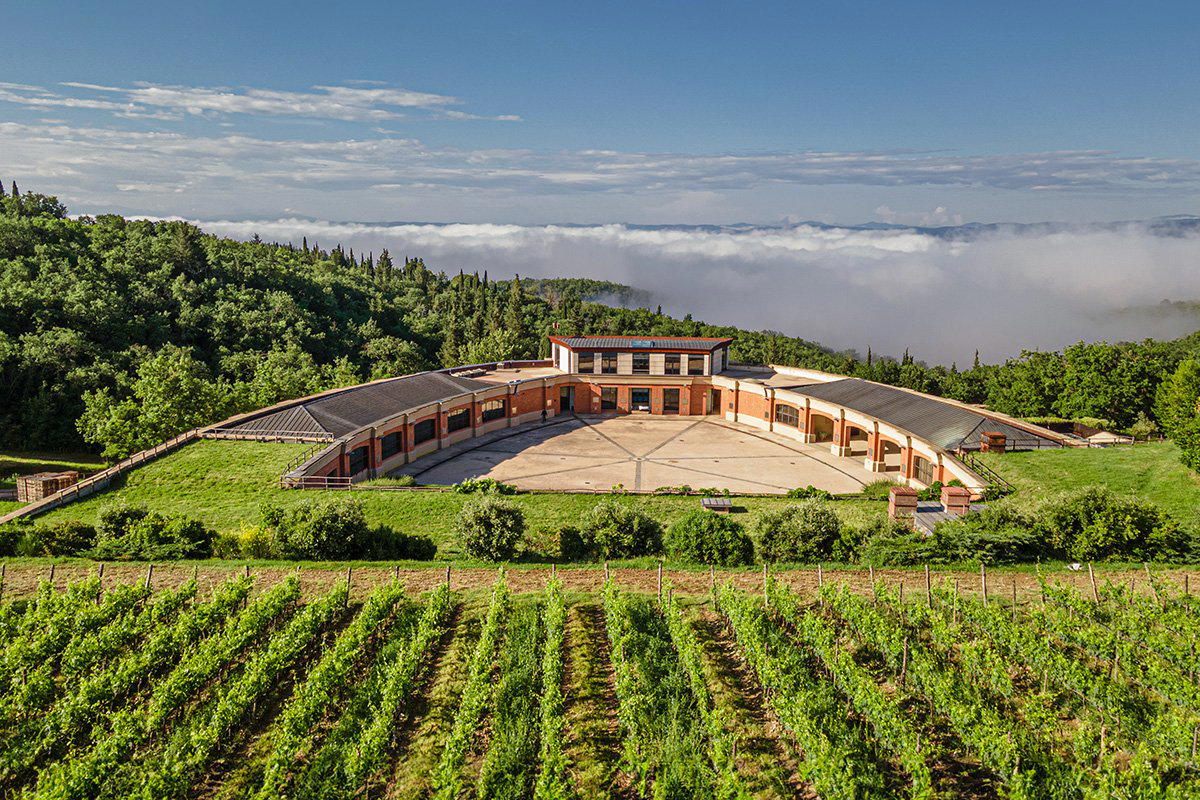
Restaurants in Castellina in Chianti
All restaurants in Castellina in Chianti →
Hotels in Castellina in Chianti
All hotels in Castellina in Chianti →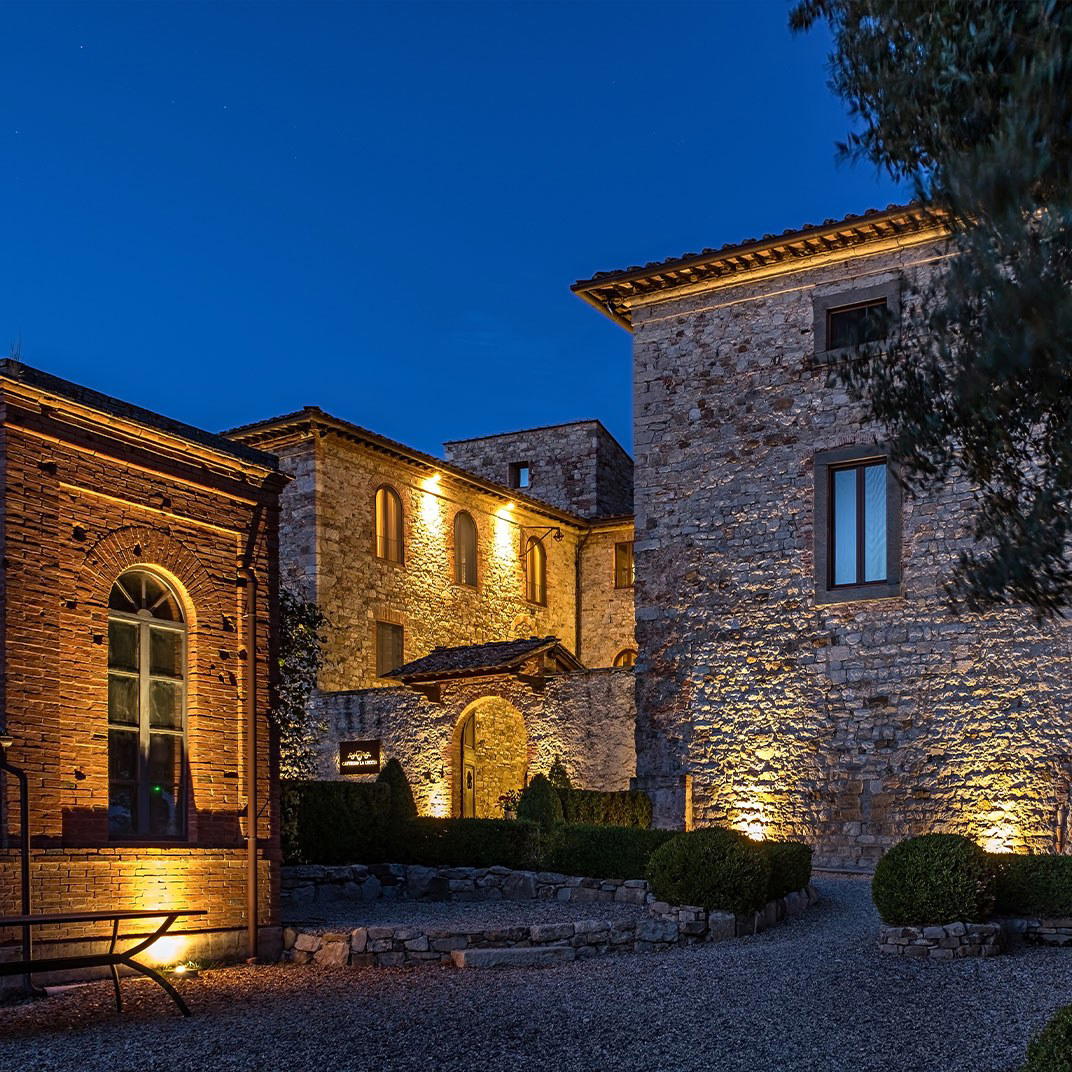
Details
- Well Known
- Lively
- Classic
- Scenic
- Rustic
- Sophisticated
- Group Outing
- Romantic Getaway
- Wine Education
- Special Occasion
- Solo Exploration
- Vineyard Tour
- Estate Grounds
- Historic Building
- Organic
- Sustainable
- Vineyard
- Mountain
- Garden
- Sangiovese
- Cabernet Sauvignon
- Cabernet Franc
- Merlot
- Chardonnay
- Still Red
- Still White
- Still Rosé
- Sparkling
- Standard Tasting
- Vineyard Tour With Tasting
- Educational Tasting
- Italian
- English
Historic, family-run Tuscan estate atmosphere focused on dedication, tradition and innovation, with a contemporary, dynamic image built around Chianti and Chianti Classico wines.