Marie-Bernard Gillioz

A small Valais cellar in Grimisuat, Marie-Bernard Gillioz is strongest as a terroir-led, appointment-based wine visit rather than a high-volume tasting room. The draw is the estate’s 3-hectare scale, parcel-by-parcel vinification, Valais AOC varieties, and an organic-minded approach that connects the terraced vineyards above Sion and Saint-Léonard to the glass.
Pearl is the En Primeur Club membership app — saves, bookings, and concierge access live there. Same editors, same standards.
- Address
- Grimisuat, Valais, Schweiz
- Directions
- Get directions
 Saves & bookings on Pearl
Approaching wine in Grimisuat means reading the setting before reading the label. In this quiet Valais village, Marie-Bernard Gillioz is best understood as a small, owner-run cellar where the visit is centered on place, farming and careful vinification rather than spectacle. The point is not to arrive expecting a polished show or a broad catalogue of claims, but to slow down enough for the cellar’s priorities to come into focus: the parcels, the way they are treated, and the way those choices are translated into the glass.
The profile is concise but distinctive: a Valais cellar focused on careful single-parcel vinification, relaxed and educational tastings, and a strong emphasis on terroir, biodiversity and environmentally conscious farming. For travellers using a Grimisuat wine itinerary, it fits the category of producer visits that reward attention: listen closely, ask about the parcels, and the tasting becomes a grounded introduction to the cellar’s view of Valais. Its appeal lies in specificity rather than scale. The experience is strongest when approached as a conversation about how a small cellar understands its landscape, not as a checklist tasting built around labels, rankings or external signals of prestige.
Valais farming, expressed parcel by parcel
Marie-Bernard Gillioz’s strongest theme is parcel identity. Rather than presenting the cellar through grape lists, scores or awards, the safer and more useful way to understand it is through its stated focus on careful single-parcel vinification. That approach places terroir at the center of the tasting experience. It also gives the visit a clear interpretive frame: each wine is not just a product of a general regional style, but part of a more precise conversation about origin, farming decisions and the character of individual sites.
This parcel-by-parcel emphasis matters because it changes the pace of the tasting. Instead of moving quickly from one bottle to the next, the useful questions become slower and more observational: what distinguishes one parcel from another, how does the cellar think about expression, and where does restraint or care enter the process of vinification? Nothing here requires inflated language. The core idea is simple, and stronger for being simple: small differences in place are worth preserving, and the cellar’s work is organized around making those differences legible.
The environmental side is also part of the story. Biodiversity and environmentally conscious farming are presented as core ideas, giving the cellar a clear point of view without relying on unsupported certification claims or invented production details. In practical terms, that means visitors should understand the farming emphasis as part of the cellar’s identity, while avoiding assumptions beyond what is confirmed. It is enough to say that the estate’s message connects wine quality to the health and diversity of the vineyard environment, and that this connection shapes how the cellar wants to be understood.
A tasting format built around explanation, not performance
The hospitality style is relaxed and educational. Marie-Bernard Gillioz is a small, owner-run Valais cellar, so the experience is best framed as a calm, conversation-led tasting rather than a high-energy venue. The rustic, quiet-village setting reinforces that slower rhythm. Visitors who enjoy asking questions, comparing impressions and hearing how a producer describes their own work are likely to get full value from the stop.
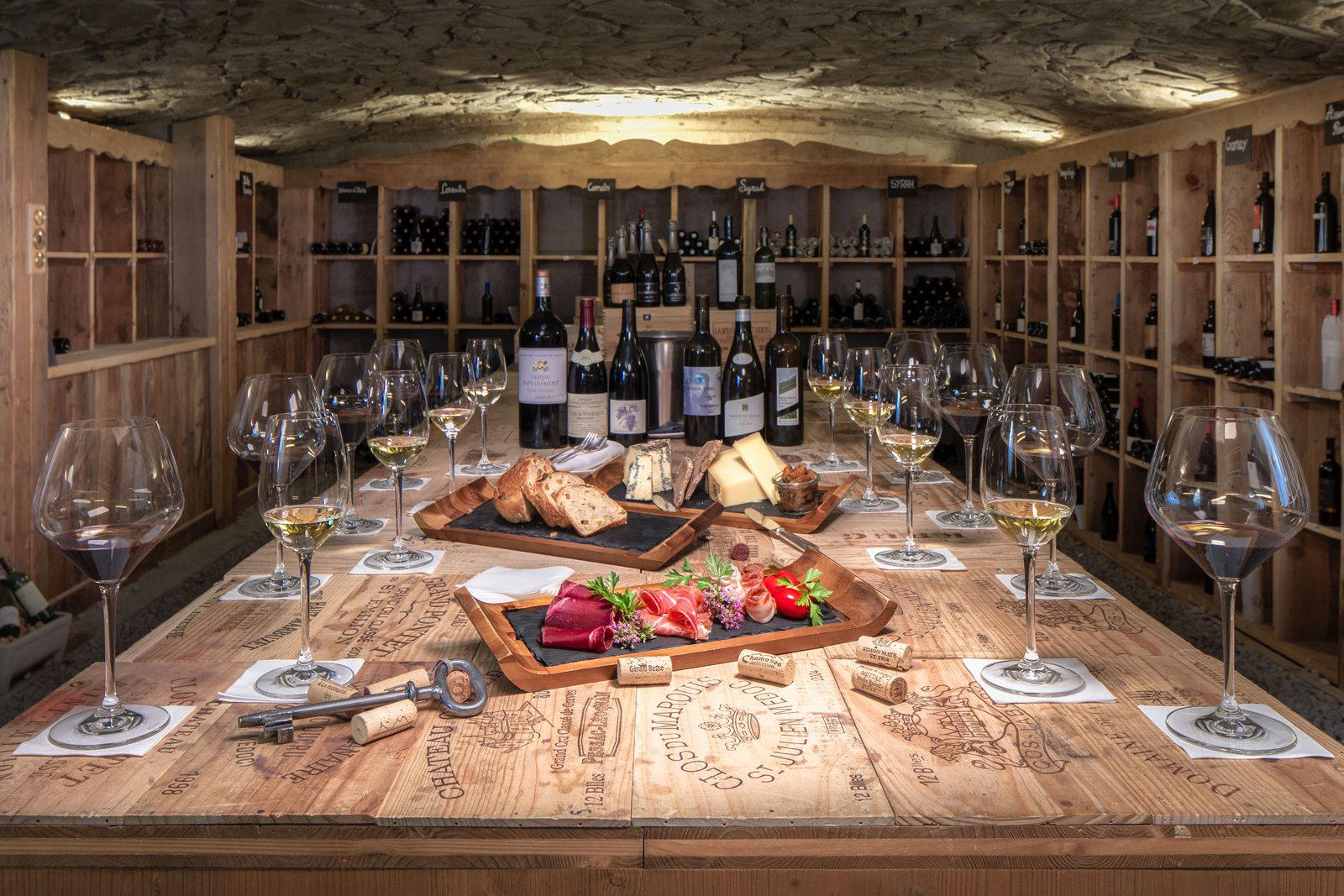
This is the kind of tasting where explanation is part of the value. The educational tone does not need to feel formal; it can be as simple as connecting what is in the glass to the parcel, the farming philosophy and the cellar’s careful approach to vinification. Because the place is described through terroir and environmental awareness, a strong visit is not passive. It benefits from attention to language, texture and context, and from giving the producer room to explain what matters most.
Travellers planning time in Grimisuat should treat this as a wine-focused stop whose strengths are terroir, biodiversity, environmentally conscious farming and single-parcel vinification. Specific details such as exact visitor capacity, language availability, vineyard size, grape varieties or appointment rules are not confirmed here, so they should be checked directly before planning around them. That caution is part of responsible itinerary-building: the cellar’s appeal is clear, but logistical assumptions should not be made without direct confirmation.
Where this belongs in a Swiss wine itinerary
Swiss wine travel is often strongest at the producer level, where a small cellar can make place and farming feel tangible. The winery belongs in that kind of itinerary: modest in price level, rooted in Grimisuat, and focused on careful parcel expression rather than broad claims about rankings or awards. It is a better fit for travellers interested in how wine is made and understood locally than for those seeking a large-format destination experience.
Within a Valais route, this kind of stop can provide useful balance. It offers a quieter, more intimate lens on the region, one that depends less on spectacle and more on the steady relationship between land, farming and cellar work. The emphasis on biodiversity and environmentally conscious farming gives the visit a contemporary relevance, while the focus on terroir keeps it grounded in the particularity of Grimisuat rather than in generic wine-tour language.
For visitors comparing options in Grimisuat, the value of the winery is specific and grounded: it offers a relaxed, educational way to encounter a small, owner-run Valais cellar with a clear emphasis on terroir, biodiversity and environmentally conscious farming. Go for the conversation, the parcel focus and the sense of a producer explaining wine from the inside out. In that frame, the cellar’s modest scale becomes part of its strength, allowing the visit to feel personal, place-led and attentive to the details that make Valais wine travel rewarding.
Recognition history
Dated appearances from independent guides and award organizations, with the underlying list record or original source where available.
Falstaff Winery - 3 Stars
Falstaff
Continue exploring
More in Grimisuat
Wineries in Grimisuat
Browse all →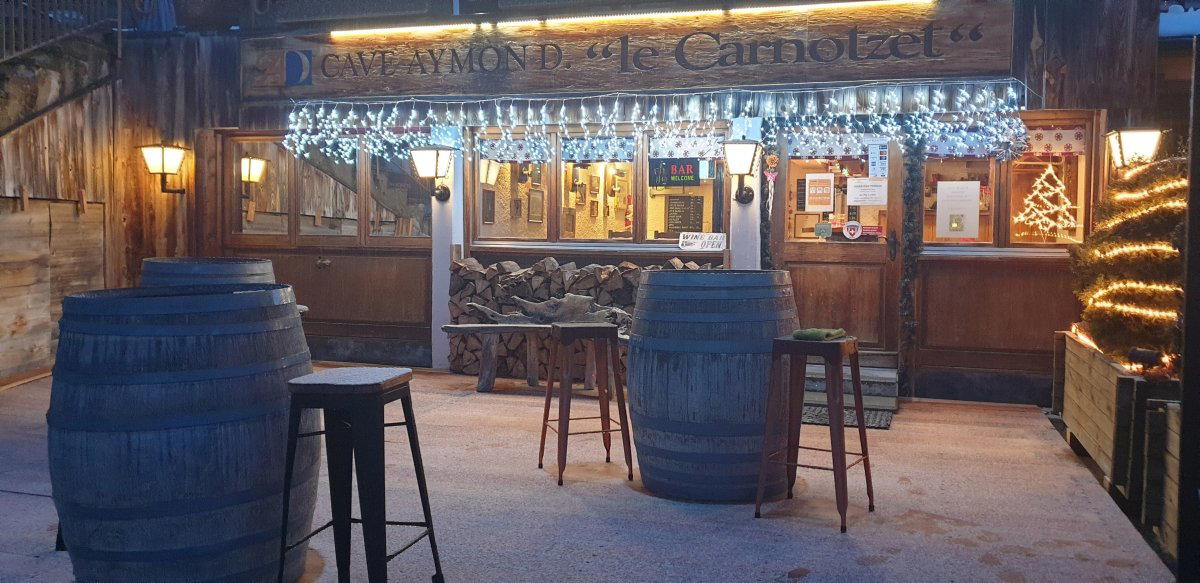
Bars in Grimisuat
Browse all →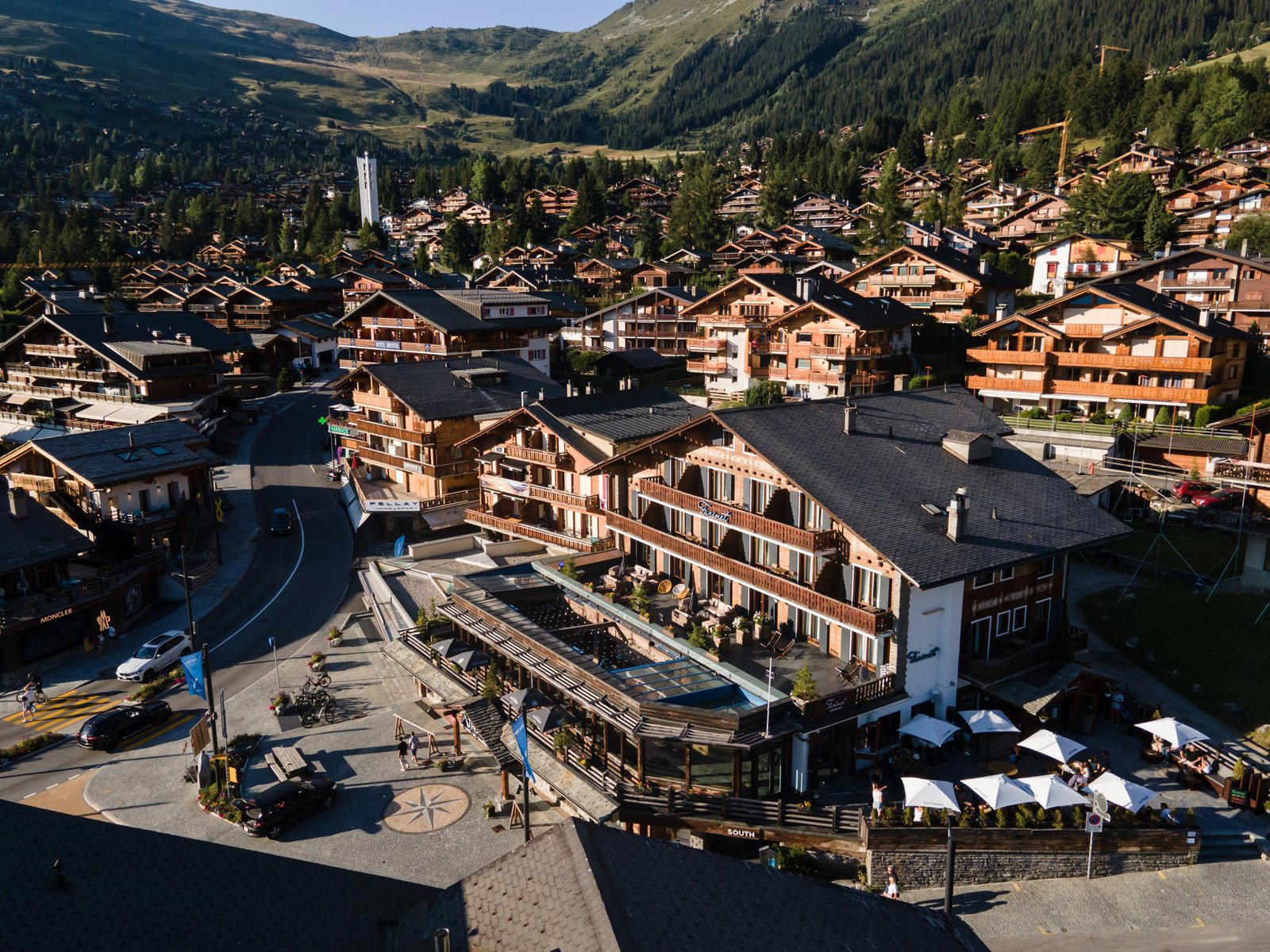
Restaurants in Grimisuat
Browse all →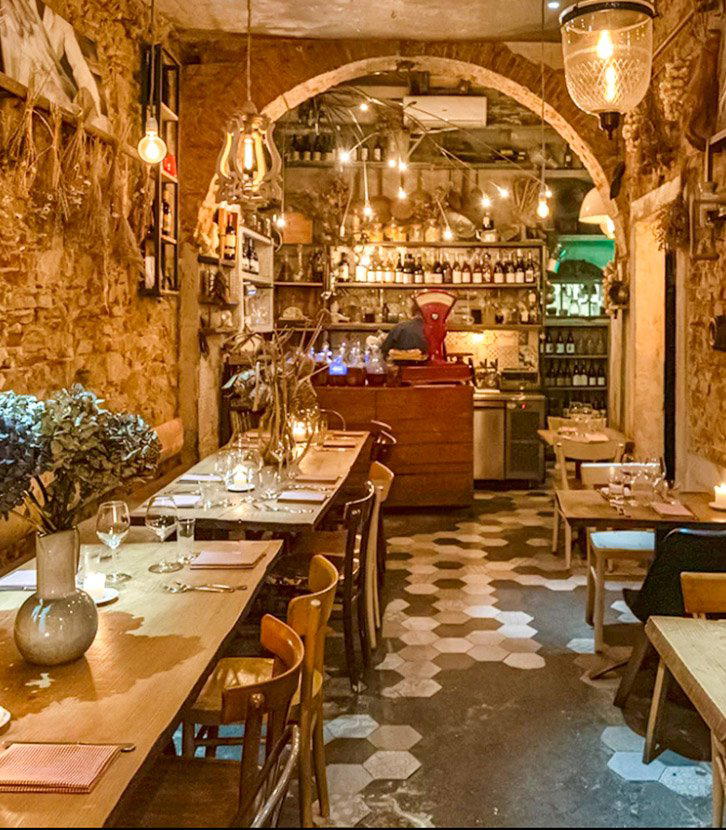
At a Glance
- Rustic
- Scenic
- Intimate
- Classic
- Cozy
- Group Outing
- Celebration
- Solo Exploration
- Wine Education
- Special Occasion
- Corporate Event
- Cave Tasting
- Vineyard Tour
- Private Tasting
- Organic
- Sustainable
- Vineyard
- Mountain
- Valais AOC
- Ermitage
- Fendant (chasselas)
- Heida
- Petite Arvine
- Muscat
- Pinot Gris
- Cornalin
- Dôle
- Gamay
- Humagne Rouge
- Pinot Noir
- Syrah
- Still White
- Still Red
- Still Rosé
- Dessert
- Appointment Tasting
- Open House Tasting
- Theme Tasting
Small, owner-run Valais cellar focused on careful single-parcel vinification; tastings are relaxed and educational, with a strong emphasis on terroir, biodiversity and environmentally conscious farming in a quiet village setting.