Saint Clair Estate

Falstaff Winery - 4 Stars
Saint Clair Estate belongs to Marlborough’s Sauvignon Blanc story, but its stronger argument is site precision: Dillons Point, Awatere, Wairau, Rapaura and other blocks treated as separate voices rather than anonymous supply. The Blenheim estate pairs a modern production setting with vineyard-kitchen hospitality, making it a useful stop for drinkers who want the region’s subregional logic made visible.

Pearl is the En Primeur Club membership app — saves, bookings, and concierge access live there. Same editors, same standards.

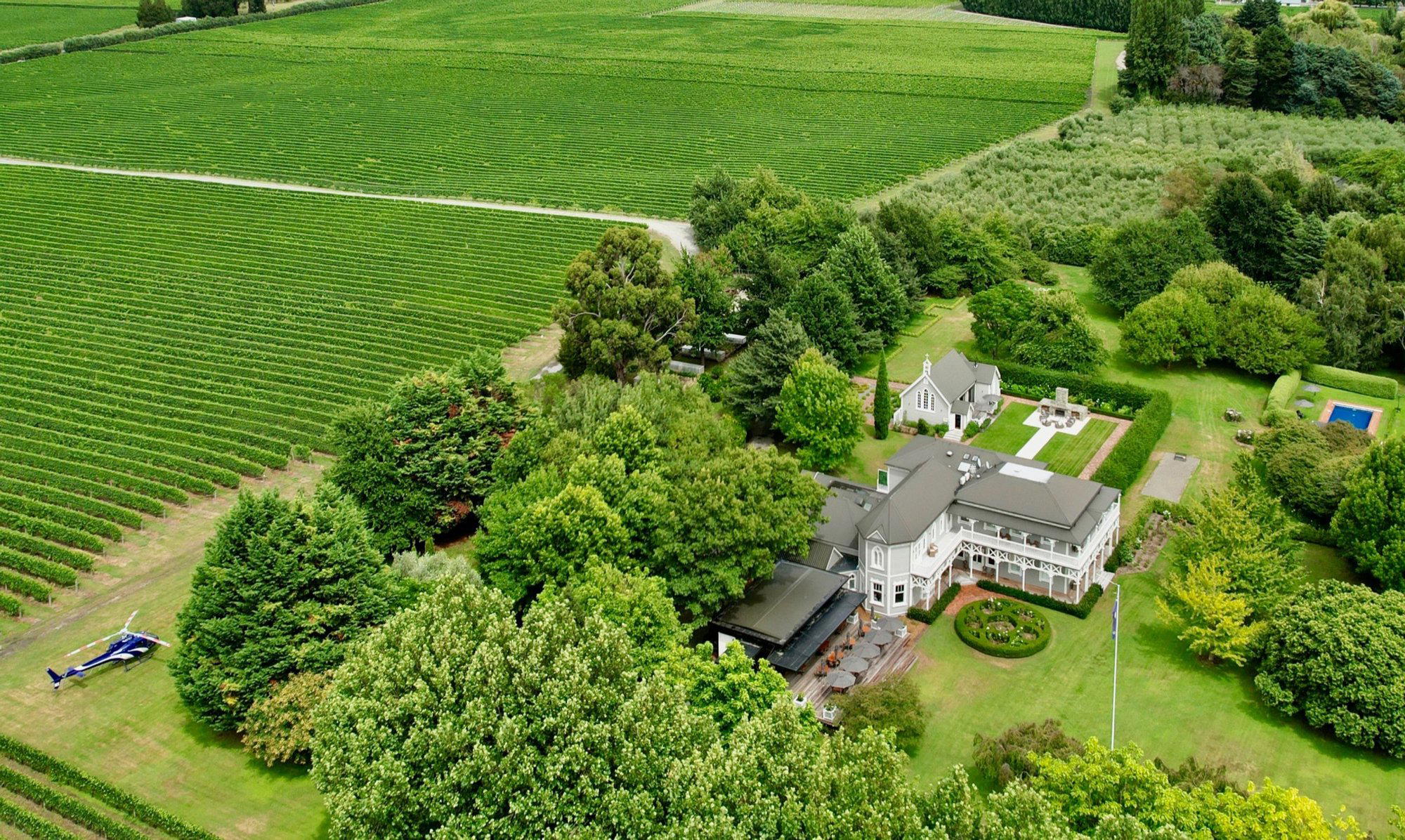
Approaching a Marlborough winery, the first cue is scale: long vine rows, open sky and a working rhythm that makes the cellar door feel attached to agriculture, not staged around it. In Blenheim, that matters. The region’s reputation has travelled on Sauvignon Blanc, but the more interesting estates ask a sharper question: which part of Marlborough is speaking, and how clearly can a winery keep that voice intact from block to bottle?
Saint Clair Estate sits inside that question. Its relaxed hospitality setting combines cellar-door tasting and vineyard-kitchen dining with a production culture built around separation, selection and speed after harvest. The experience is less generic wine-country leisure than a lesson in how Marlborough’s soils, valleys and canopy decisions become aromatic intensity, texture and varietal definition.
Dillons Point, Wairau and Awatere explain the Saint Clair argument
Marlborough is often flattened into one Sauvignon Blanc idea, but the region is more varied than its global shorthand suggests. Dillons Point is linked here to the estate’s central Sauvignon Blanc identity, with concentrated grapefruit and passionfruit character shaped by thiol compounds. Awatere Sauvignon Blanc sits in a more mineral, restrained register, while the warmer stony soils of the Wairau Plains push riper fruit expression. These distinctions are not decorative tasting-room language; they are the grammar of the portfolio.
The production system reinforces that reading of place. Fruit comes from multiple Marlborough sites, including Rapaura, Awatere, Waihopai, Omaka, Dillons Point and Ben Morven, with a batch-grading system introduced in 2001 to score vineyard lots on a ten-point scale. A winery with 320 small tanks can keep parcels separate longer, which matters when subregional identity needs to survive blending decisions. In a region crowded with Sauvignon Blanc labels, that technical architecture is more persuasive than broad quality claims.
The range extends beyond Sauvignon Blanc to Pinot Gris, Chardonnay, Riesling, Gewürztraminer, Grüner Veltliner, Pinot Noir, Syrah and Merlot, though Sauvignon Blanc remains the calling card. Reserve, Pioneer Blocks, Premium Marlborough and Vicar’s Choice create a tiered structure, with designated wines tied to vineyard and vintage suitability. The Strip Block’s Pinot Noir planting, using Dijon clones 6, 777 and 115, shows the same block-level thinking beyond white wine.
A working winery with hospitality attached, not the other way around
Estate began its own label in 1994 after years of grape growing, part of Marlborough’s shift from farming country to globally recognized wine region. Neal and Judy Ibbotson’s move into viticulture mirrors that transformation: land once treated as ordinary agricultural country became one of New Zealand’s defining wine assets. Second-generation family leadership adds continuity, but the stronger point is agricultural patience. Marlborough became Sauvignon Blanc shorthand through site selection, canopy management, fast fruit handling and relentless sorting.
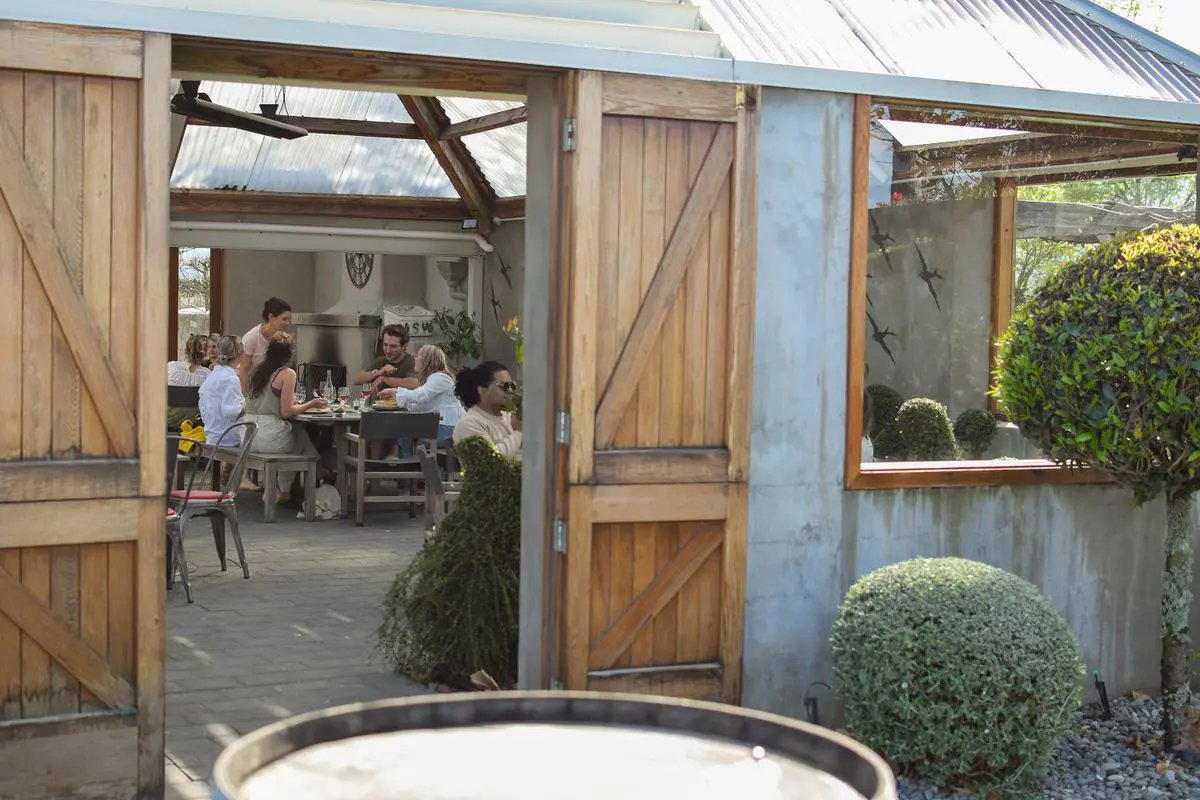
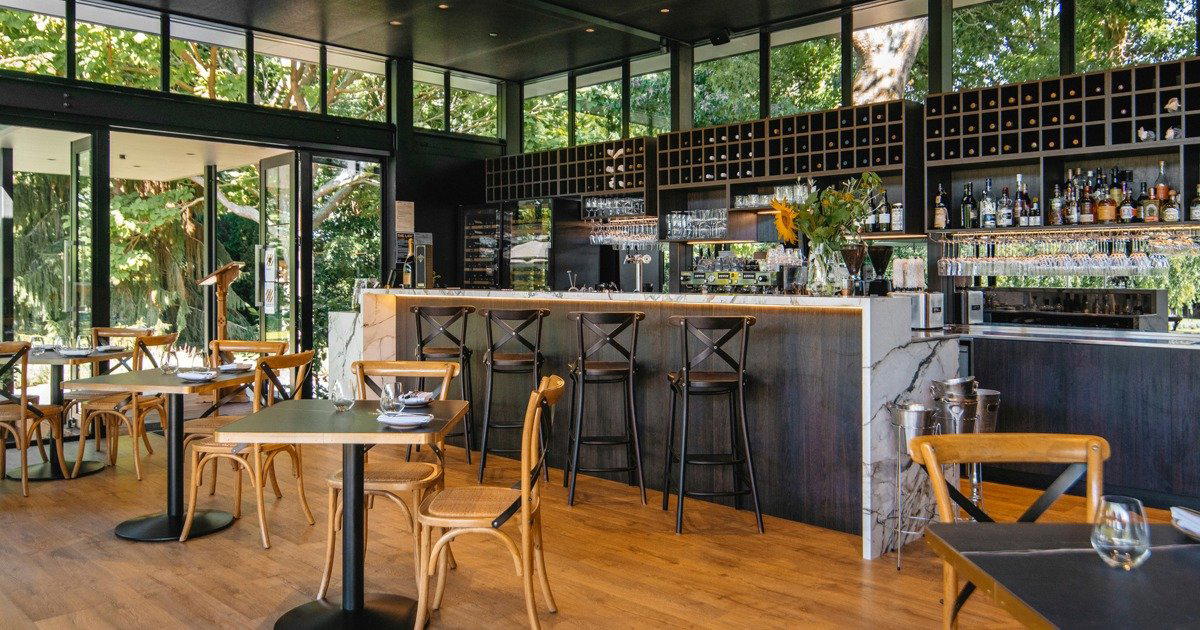
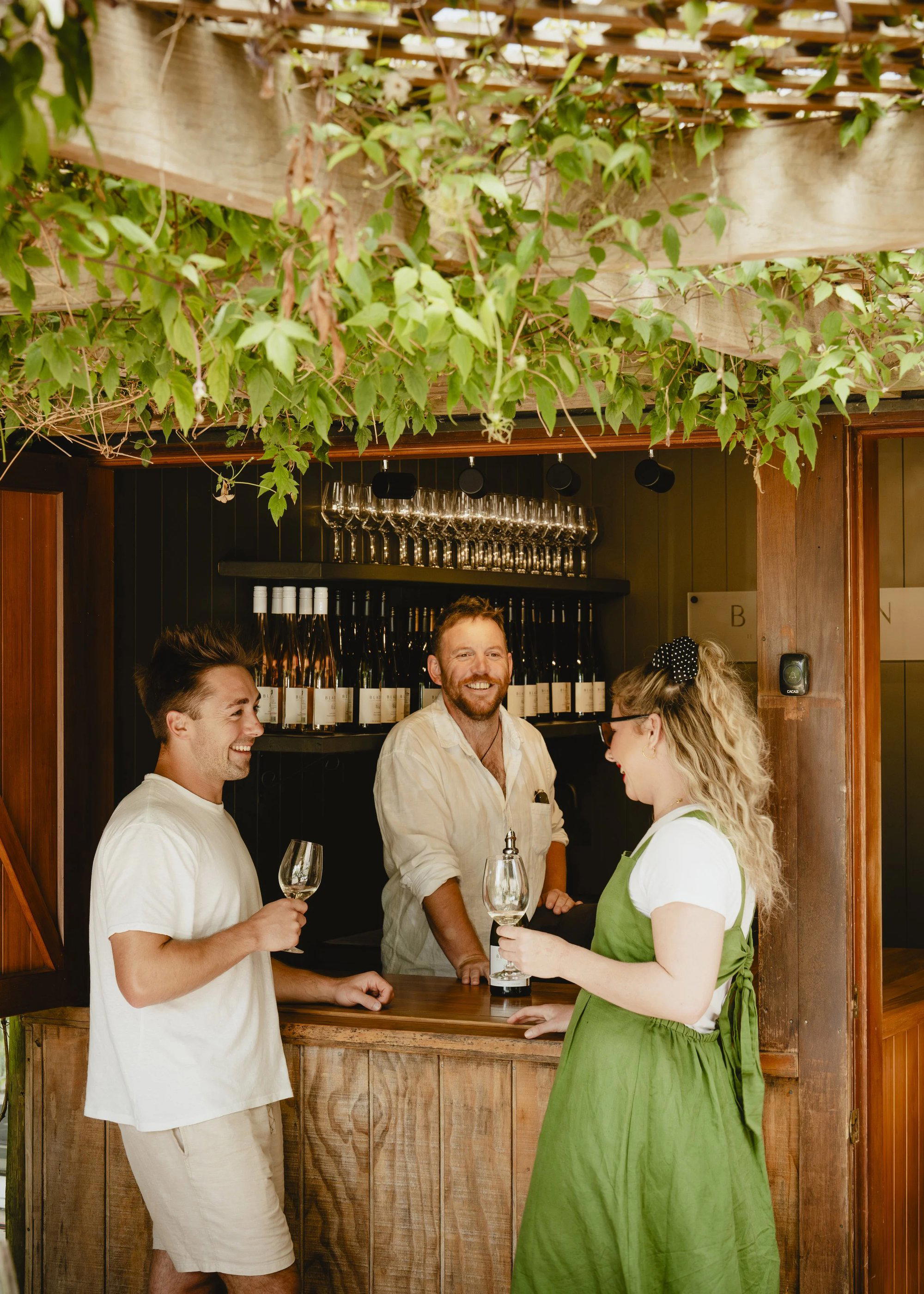
At Saint Clair Estate, that production bias shapes the visit. The cellar door and Vineyard Kitchen provide a hospitable public face, but the format works well as an extension of the vineyards rather than a restaurant with wine attached. Guided tasting and wine tasting with lunch suit the estate’s educational strengths: comparing styles, tracking block differences and understanding why Dillons Point, Awatere and Wairau are not interchangeable label names.
Sustainability is expressed through vineyard practice rather than grand certification language. The estate uses sustainable farming, minimal chemical use, open canopy management for light and airflow, plus leaf, fruit and shoot thinning to manage disease pressure and concentrate flavour. Those choices sit close to the glass: canopy work affects ripeness and aromatics, crop-load decisions affect concentration, and quick movement from vine to press to tank or barrel protects fruit character. This is practical viticultural stewardship, not lifestyle branding.
Winemaking leadership also points to technical discipline. Matt Thomson is named as winemaker, with broader production associated with a team approach and scientific scrutiny. That matters in Marlborough, where success can tempt formula. The estate’s better argument is not that it makes Sauvignon Blanc, but that it separates, grades and composes Sauvignon Blanc from specific places carefully enough for differences to matter.
How to place it in a Blenheim wine itinerary
Choose Saint Clair Estate when the priority is understanding Marlborough through terroir expression rather than sampling a familiar regional style. The price level sits in the accessible middle bracket and the tone is casual, suiting groups, families, celebrations and wine education without pushing into formal fine dining. The setting is vineyard-facing and conversational, with food pairing available and outdoor seating part of the appeal in good weather.
Reservation is recommended, especially for the fuller tasting-and-lunch visit. Tour duration is commonly framed around 60 to 90 minutes, useful for travellers building a broader Blenheim day rather than making one estate the whole plan. On-site parking, card and contactless payment, shipping availability and a large-capacity profile make logistics easier than at smaller appointment-only producers.
For the wider city, Saint Clair Estate belongs in the wine portion of a Blenheim itinerary alongside Our full Blenheim wineries guide. Dining, drinking and overnight planning can be layered through Our full Blenheim restaurants guide, Our full Blenheim bars guide, Our full Blenheim hotels guide and Our full Blenheim experiences guide. Other Blenheim winery pages to keep nearby include Allan Scott Family Winemakers, Auntsfield Estate, Black Canvas, Black Cottage and Blank Canvas Wines. For wider New Zealand and international wine planning, EP Club also covers Akarua Winery in Nevis, Akitu in Wānaka, Alan McCorkindale Limited in Christchurch, »der Steiner« Hans Steiner in Podersdorf am See and & Handwein in Mannheim.
The reason to go is clarity. Marlborough Sauvignon Blanc can be treated as a brand category, but better producers make it specific again: Dillons Point for aromatic power, Awatere for restraint, Wairau for ripeness, and a cellar designed to keep those differences intact until the final decision. Saint Clair Estate is strongest through that lens.
Recognition history
Dated appearances from independent guides and award organizations, with the underlying list record or original source where available.
Falstaff Winery - 4 Stars
Falstaff
Continue exploring
More in Blenheim
Wineries in Blenheim
All wineries in Blenheim →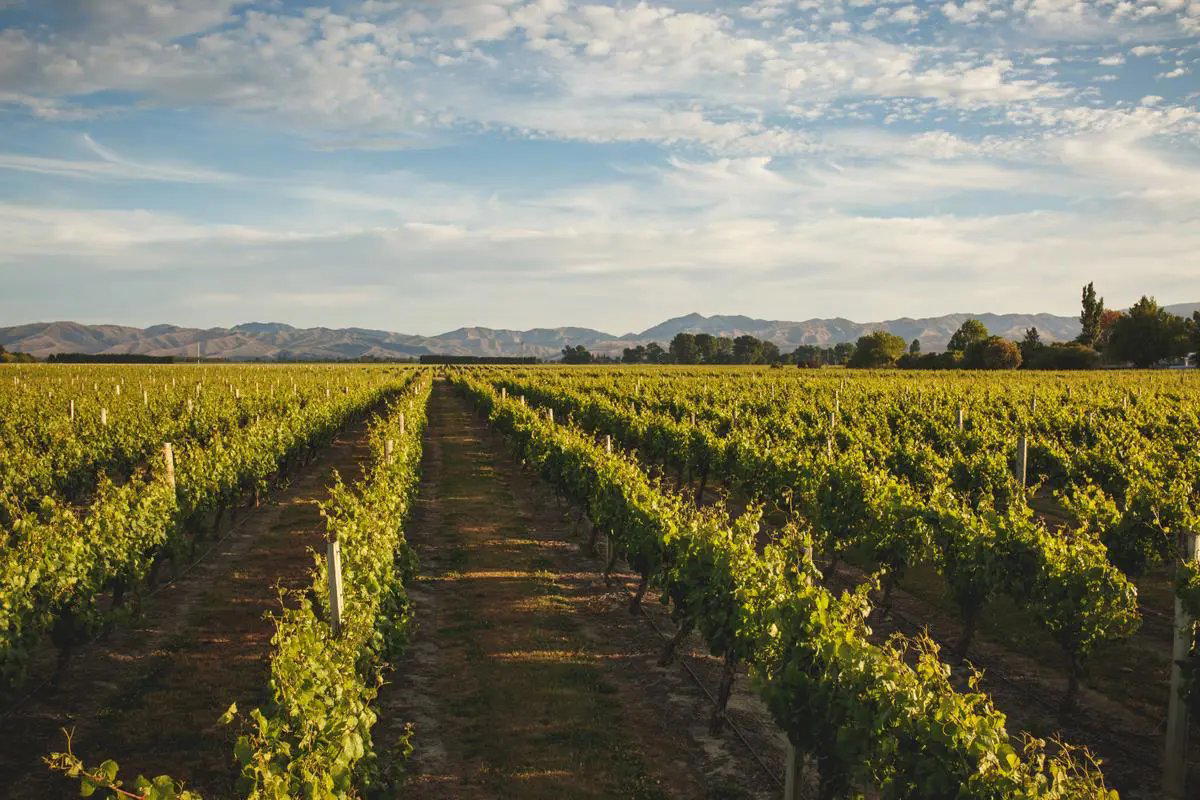
Details
- Modern
- Scenic
- Sophisticated
- Classic
- Group Outing
- Celebration
- Family
- Wine Education
- Corporate Event
- Design Destination
- Private Tasting
- Estate Grounds
- Sustainable
- Vineyard
- Sauvignon Blanc
- Pinot Gris
- Chardonnay
- Riesling
- Gewürztraminer
- Grüner Veltliner
- Still White
- Still Red
- Sparkling
- Guided Tasting
- Wine Tasting With Lunch
Modern, state-of-the-art winery environment with a strong production focus and a relaxed vineyard-kitchen hospitality setting nearby; press describes the estate as family-run and quality-driven, with tasting and dining centered among the vines.