
Falstaff Winery - Listed
Dominio de la Vega gives València’s wine country a cava-focused counterpoint to the region’s better-known Bobal story. The estate works from the Utiel-Requena countryside with organic viticulture, traditional-method sparkling wine, still reds and whites, and a quiet rural format built around vineyard visits rather than design theatrics.

Pearl is the En Primeur Club membership app — saves, bookings, and concierge access live there. Same editors, same standards.
- Address
- Valencia, Valenciana, Comunitat *, Spanien
- Directions
- Get directions

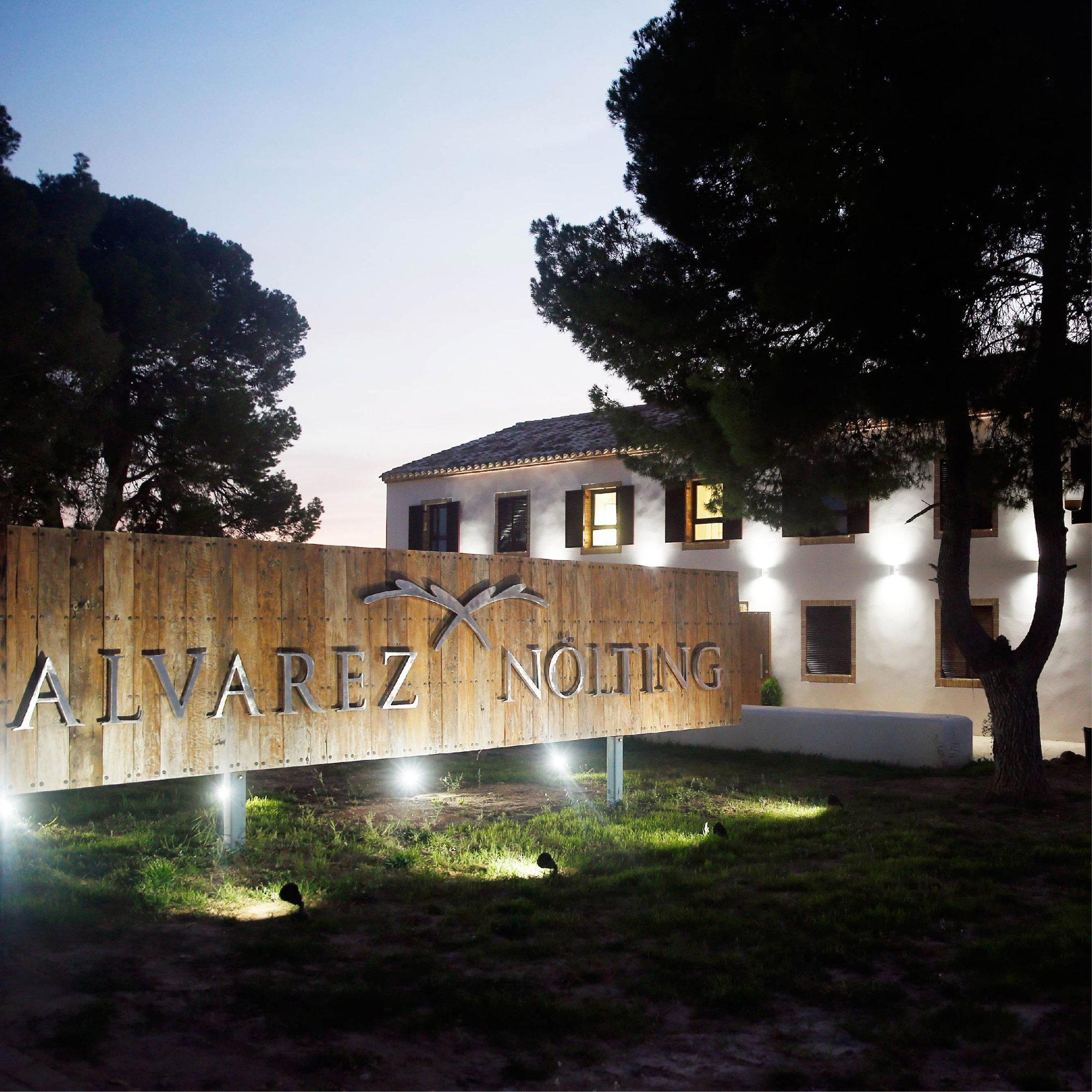
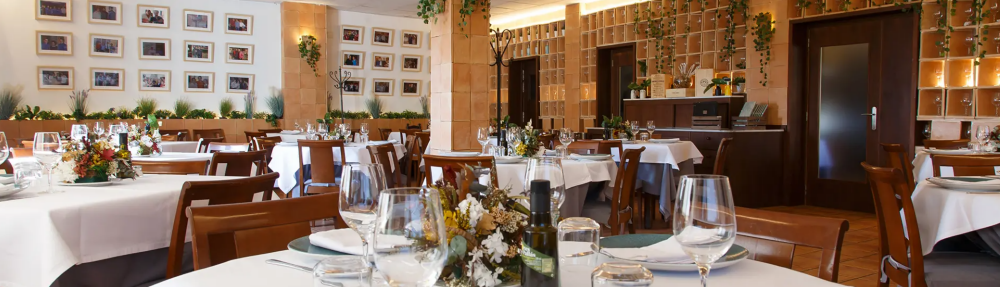
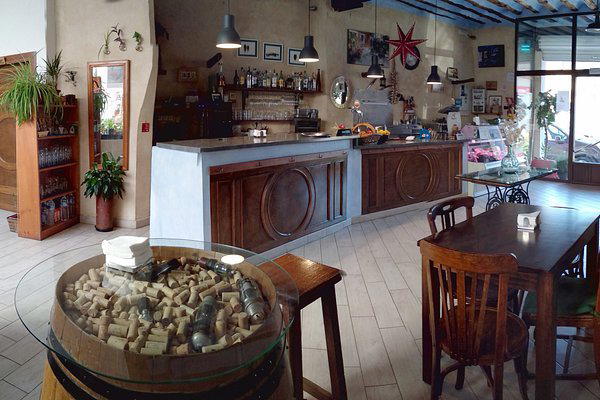
Dominio de la Vega is a family-run cava and wine estate in València, set in the Utiel-Requena countryside rather than in a flashy urban setting. The appeal is direct and deliberately uncomplicated: vineyard landscapes, a traditional winery building, historic local architecture, and a calm rural atmosphere focused on wine production. Its character comes from that combination of place and purpose, where the countryside is not a backdrop added for effect but the central reason to make the journey.
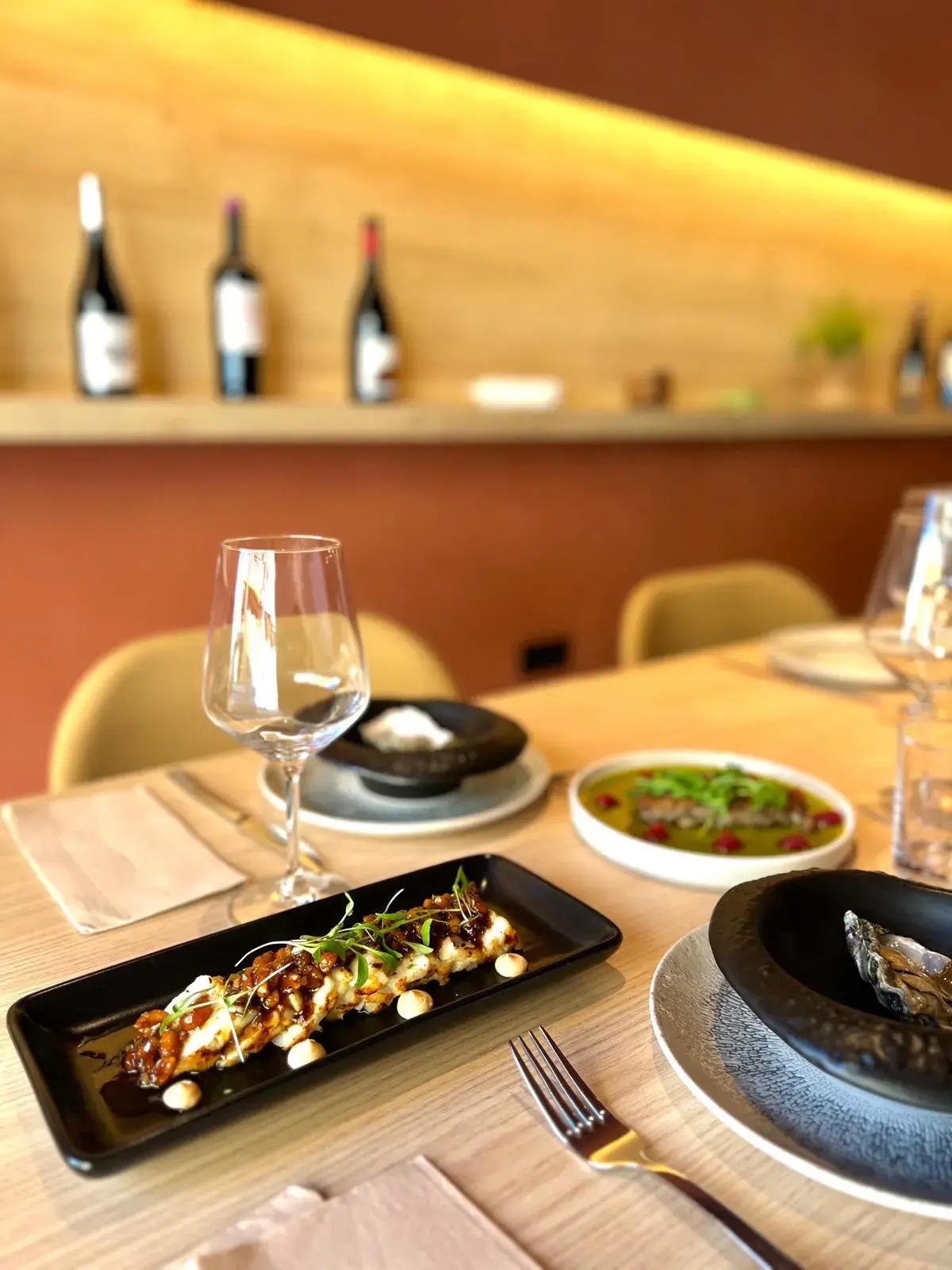
What can be said with confidence is narrower and more useful: this is a rural wine-estate setting, not a venue that should be described through claims about a restaurant offer, a formal tasting programme, or a designed visitor experience. The safest way to understand Dominio de la Vega is through the elements already established: family ownership, cava and wine, vineyards, architecture, and the slower texture of the Utiel-Requena landscape.
Utiel-Requena countryside gives the estate its character
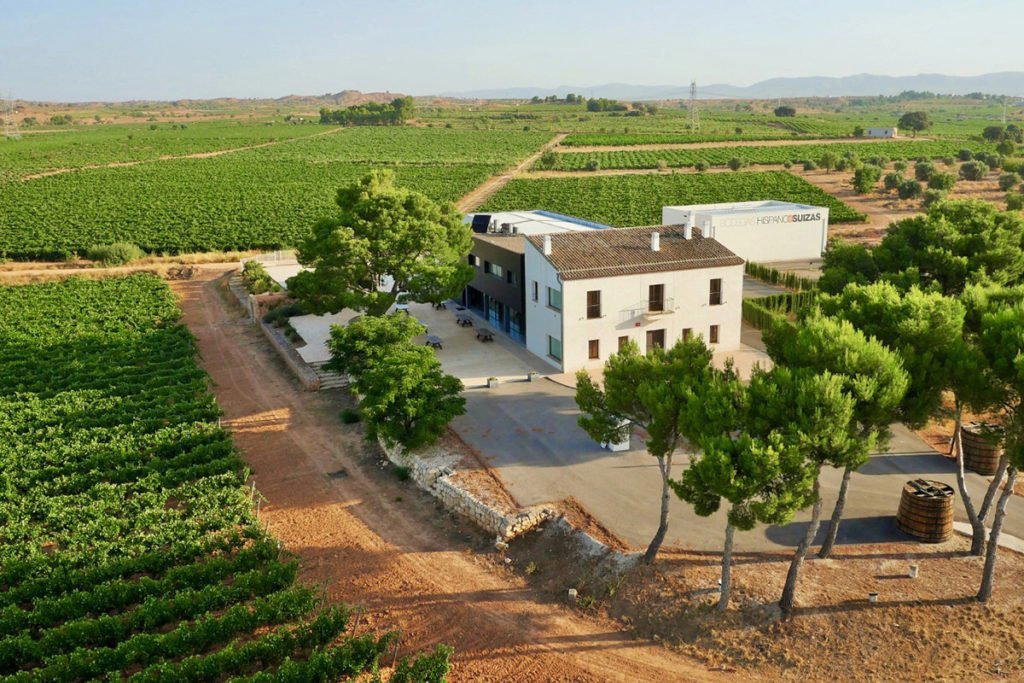
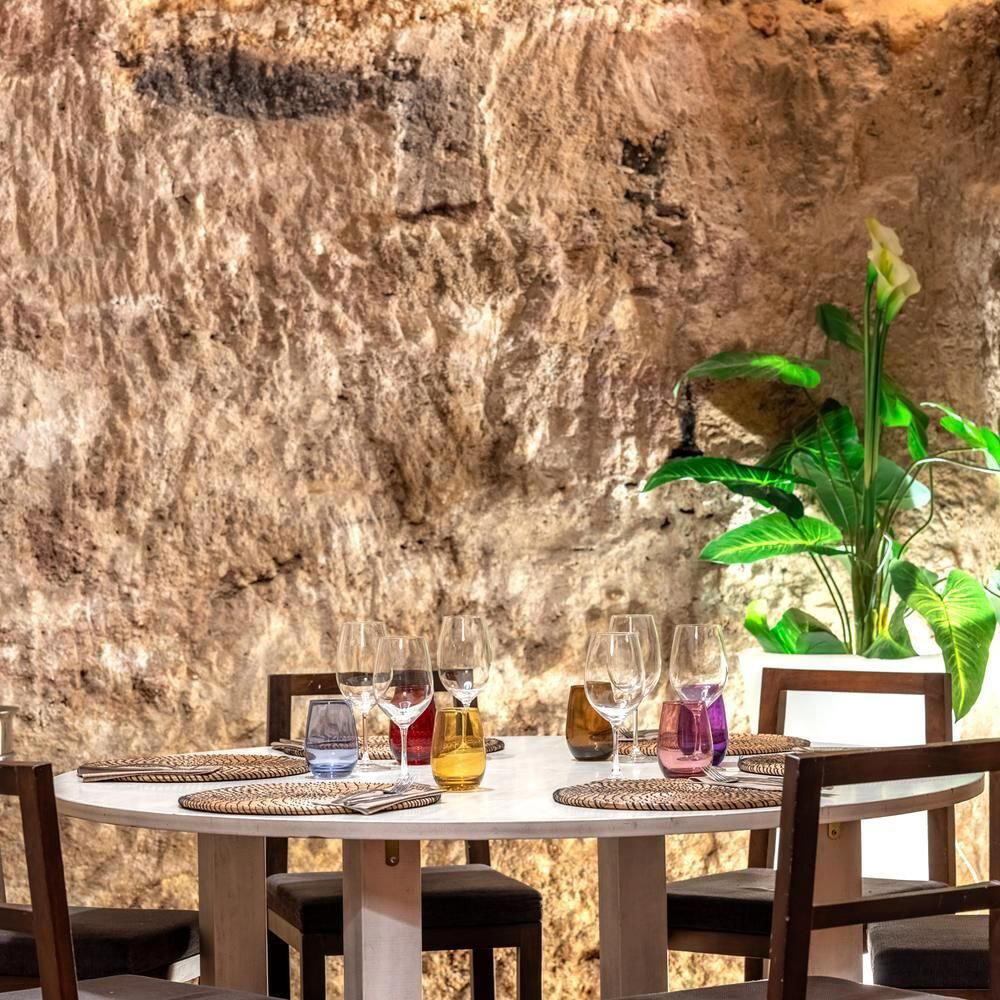
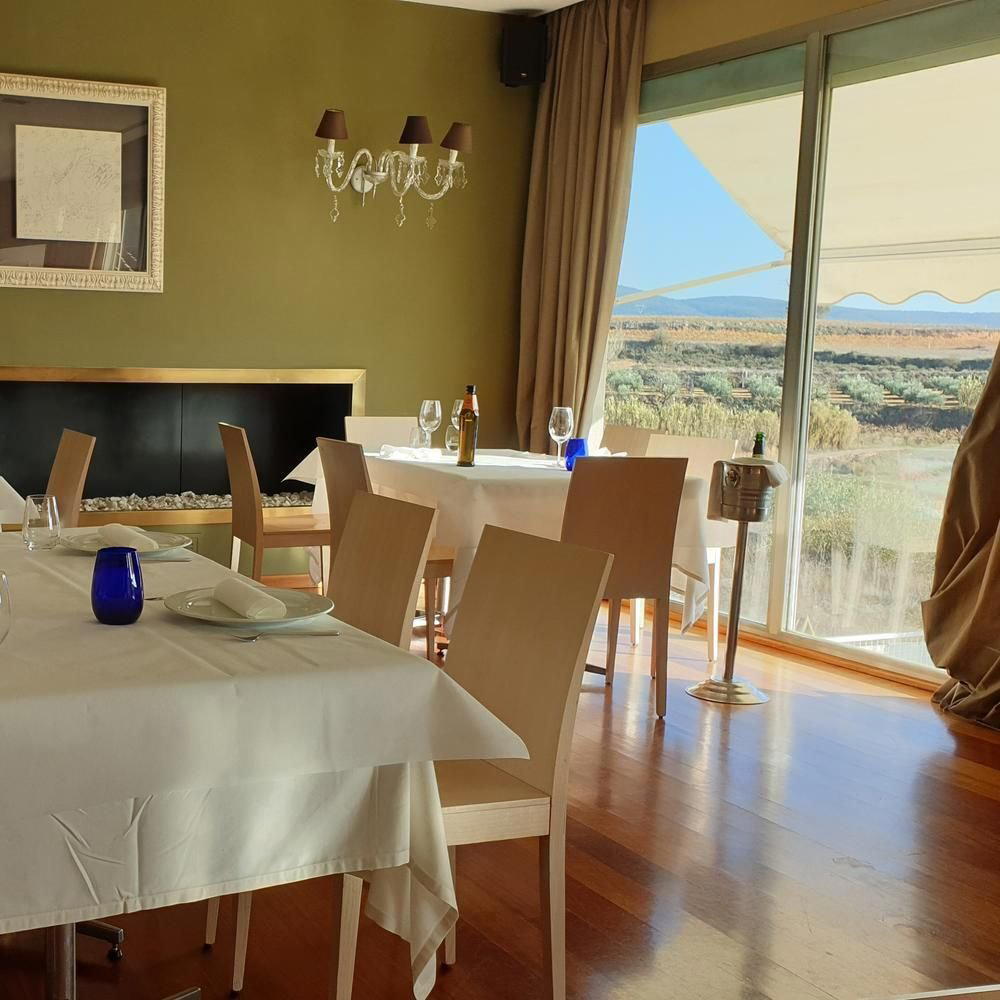
The strongest grounded reason to consider Dominio de la Vega is its setting. The estate is presented as a cava and wine property in the Utiel-Requena countryside, with vineyard views and a rural pace that distinguish it from more design-led hospitality. That countryside setting gives the venue a particular kind of appeal: less about urban polish, more about seeing wine production placed within the land and buildings that support it.
The atmosphere is calm and production-focused. Rather than treating the visit as a luxury spectacle, the description points to a working wine-estate environment shaped by countryside, architecture, and vineyards. That distinction is important. The appeal is not dependent on dramatic interiors, elaborate service language, or a list of features that cannot be confirmed; it rests on the steadier qualities of a family-run estate connected to its rural surroundings.
For travellers interested in València beyond the city centre, that rural context is the main draw. Dominio de la Vega is best described as a place to connect the region’s wine identity with its landscape, without adding claims about grapes, cellar methods, certifications, or specific tasting formats. It offers a way to think about València through its countryside as well as its urban life, with the vineyard setting giving structure to the experience.
This also helps set expectations. A visitor should not approach Dominio de la Vega as if it were primarily a city bar, a restaurant, or a hospitality concept built around spectacle. The confirmed picture is quieter and more rooted: a cava and wine estate where the location, the rural pace, and the traditional built environment carry much of the interest.
Traditional architecture frames the visit
The building and setting are part of the experience. Dominio de la Vega is associated with a traditional winery building and historic local architecture, giving the estate a sense of place without needing invented detail. The architecture matters because it reinforces the idea that this is a wine estate embedded in its local context, rather than a neutral space that is anywhere.
That matters because the venue’s personality is not based on flashy design. It is quieter: a family-run cava and wine estate where the surroundings and production setting do much of the work. The traditional building and historic local architecture help create a grounded impression, aligning with the rural vineyards rather than competing with them.
Visitors should read the venue through that lens. The confirmed picture is of a rural wine estate in València with vineyard landscapes, traditional architecture, and a calm atmosphere, not a fully documented restaurant, bar, or tasting-room concept with published specifics.
In practical editorial terms, the restraint is part of the description. Dominio de la Vega does not need to be inflated with claims that are not available here. Its appeal is already coherent: family-run cava and wine production placed within a traditional winery setting, surrounded by the countryside that gives the visit its tone.
How to place it in a València itinerary
Dominio de la Vega makes the most sense for travellers who want a countryside wine stop connected to València. It is not best described through claims about awards, seat counts, menus, or service schedules; its confirmed value is the combination of family-run wine production, cava, rural setting, and historic local architecture. That makes it a complementary kind of stop, especially for those who want to widen a València itinerary beyond the city’s streets and dining rooms.
Other dining and drinking in València can be planned generically around the city, while Dominio de la Vega provides a quieter vineyard-focused counterpoint. Keep expectations centred on the estate atmosphere rather than on specific unconfirmed services. The point is the shift in setting: from urban movement to countryside calm, from general hospitality to a wine-estate environment shaped by vineyards and traditional architecture.
The editorial verdict is simple: choose Dominio de la Vega for a grounded rural wine-estate setting in València, with a family-run cava and wine identity, vineyard landscapes, and a traditional architectural backdrop. It is most compelling when understood on those terms, as a place where the countryside, the estate building, and the calm production-focused atmosphere define the experience.
Recognition history
Dated appearances from independent guides and award organizations, with the underlying list record or original source where available.
Falstaff Winery - Listed
Falstaff
Continue exploring
More in València
Wineries in València
Browse all →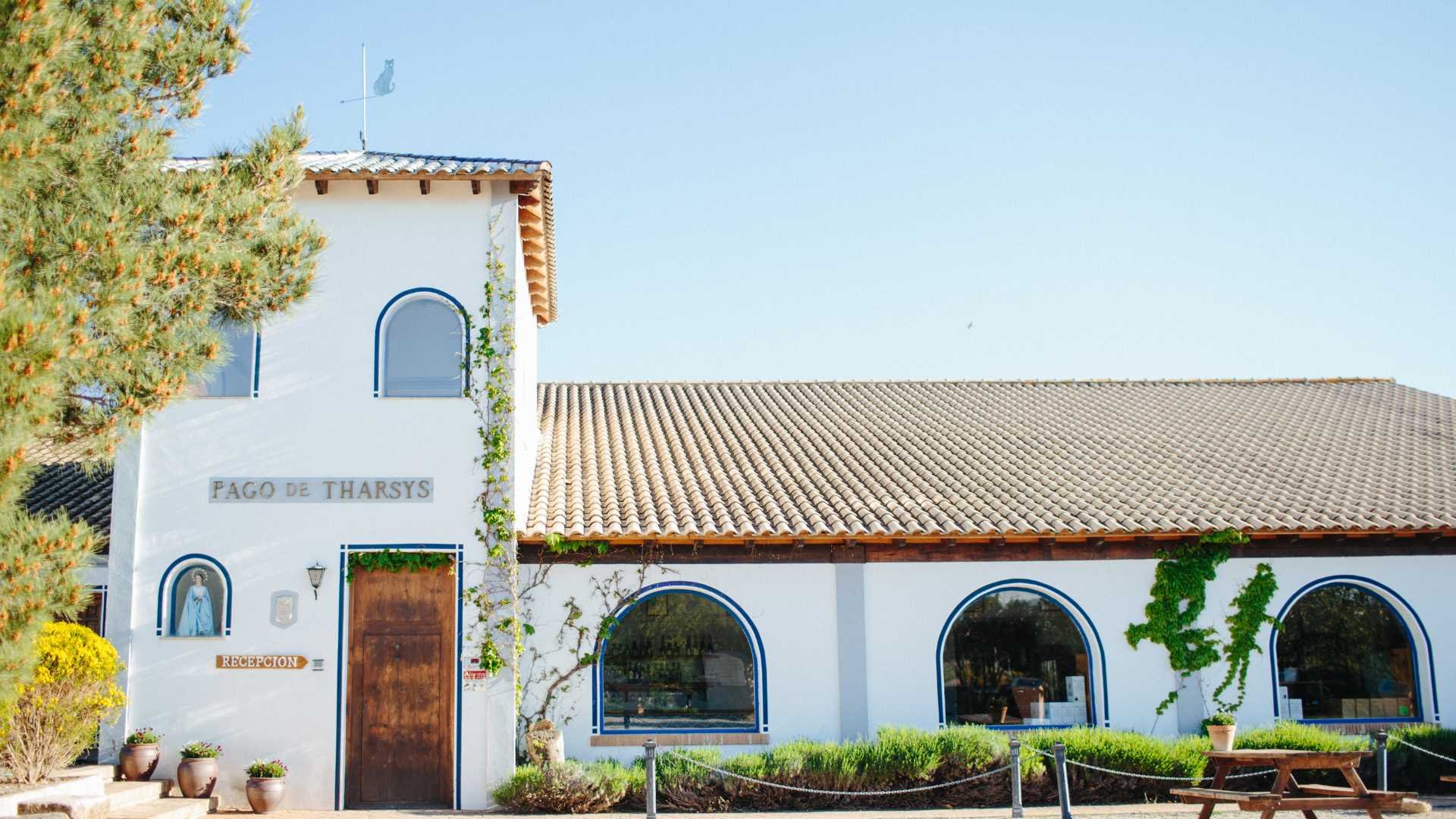
Details
- Rustic
- Scenic
- Quiet
- Classic
- Group Outing
- Wine Education
- Romantic Getaway
- Special Occasion
- Corporate Event
- Estate Grounds
- Vineyard Tour
- Private Tasting
- Organic
- Vineyard
- Macabeo
- Xarel·lo
- Bobal
- Sparkling
- Still Red
- Still White
- Guided Tour + Tasting
- Cellar Visit
- Vineyard Visit
Family-run cava and wine estate set in the Utiel-Requena countryside, with a traditional winery building and historic local architecture, offering a calm, rural atmosphere focused on vineyard landscapes and production rather than flashy design.