
Falstaff Winery - Listed
Altos Las Hormigas is a Mendoza winery for drinkers who want Malbec read through soil rather than cellar polish. Founded in 1995, it helped push the region toward terroir-specific Malbec, with organic and regenerative farming, concrete and neutral oak, and vineyard work across Luján de Cuyo, Paraje Altamira, Altamira and Gualtallary.
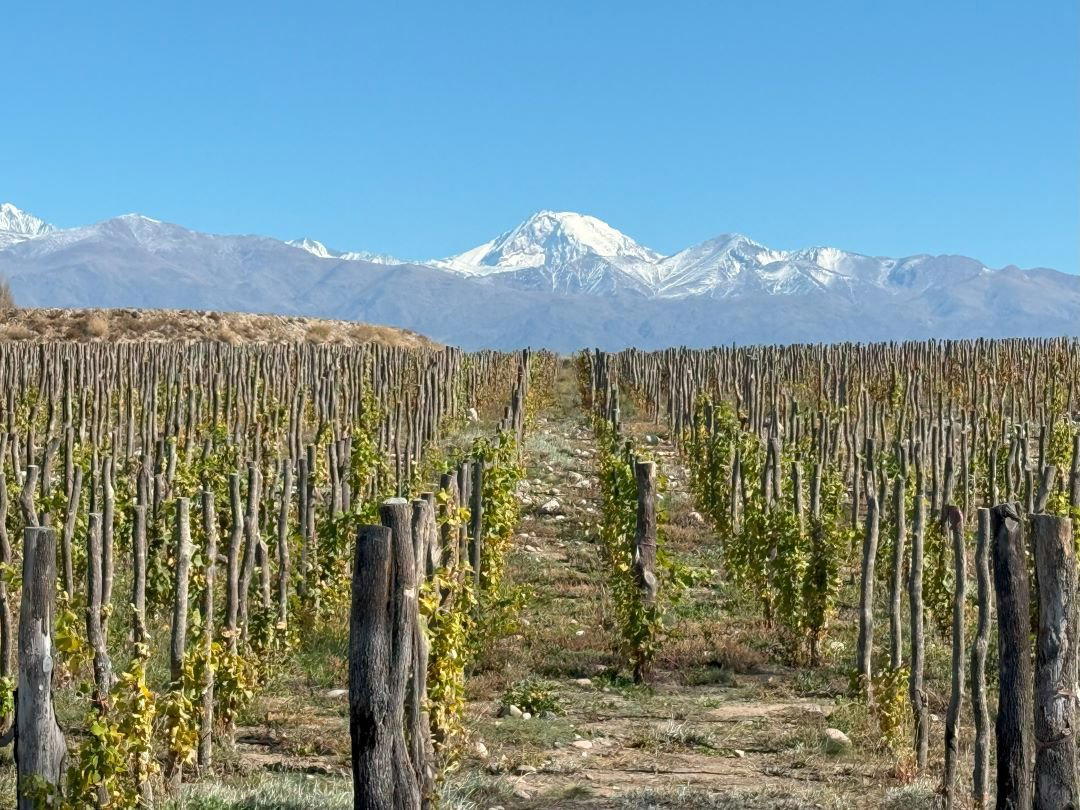
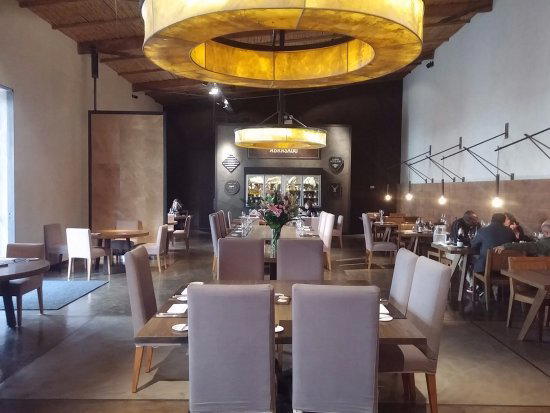
Altos Las Hormigas is a Mendoza winery whose profile is centered on terroir, restraint and a close relationship to its setting. The point is not architectural theatre or heavy cellar gloss; it is a terroir-focused winery with a minimalist, nature-driven approach, emphasizing freshness, fruit purity and low-intervention winemaking over flashy cellar design or heavy oak. In practical terms, that gives the venue a particular kind of appeal: it reads less like a spectacle built around wine and more like a place where the wine is meant to stay connected to landscape, soil and seasonal character. For travellers planning a Mendoza route, that distinction matters. Altos Las Hormigas is best framed as a stop for people who value subtlety, balance and a sense of origin, rather than a destination whose main attraction is scale, theatrical presentation or conspicuous luxury.
A restrained Mendoza winery identity
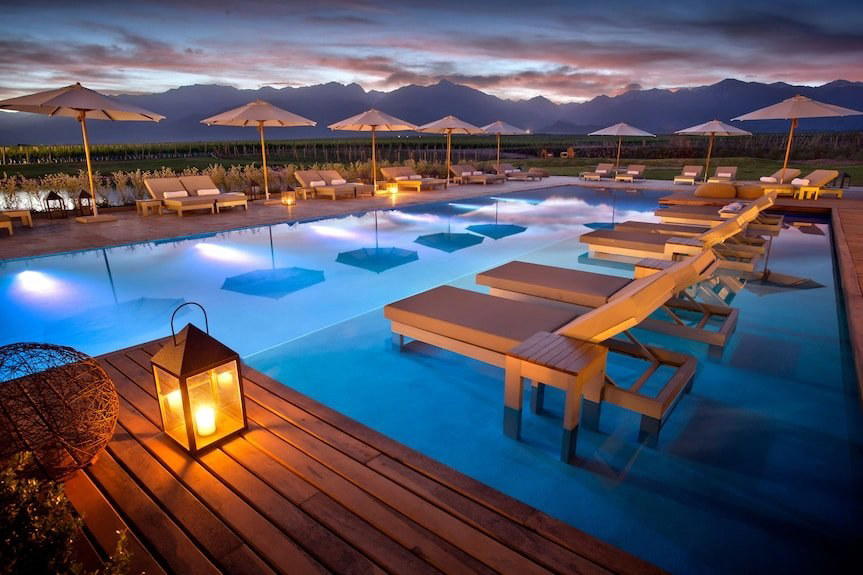
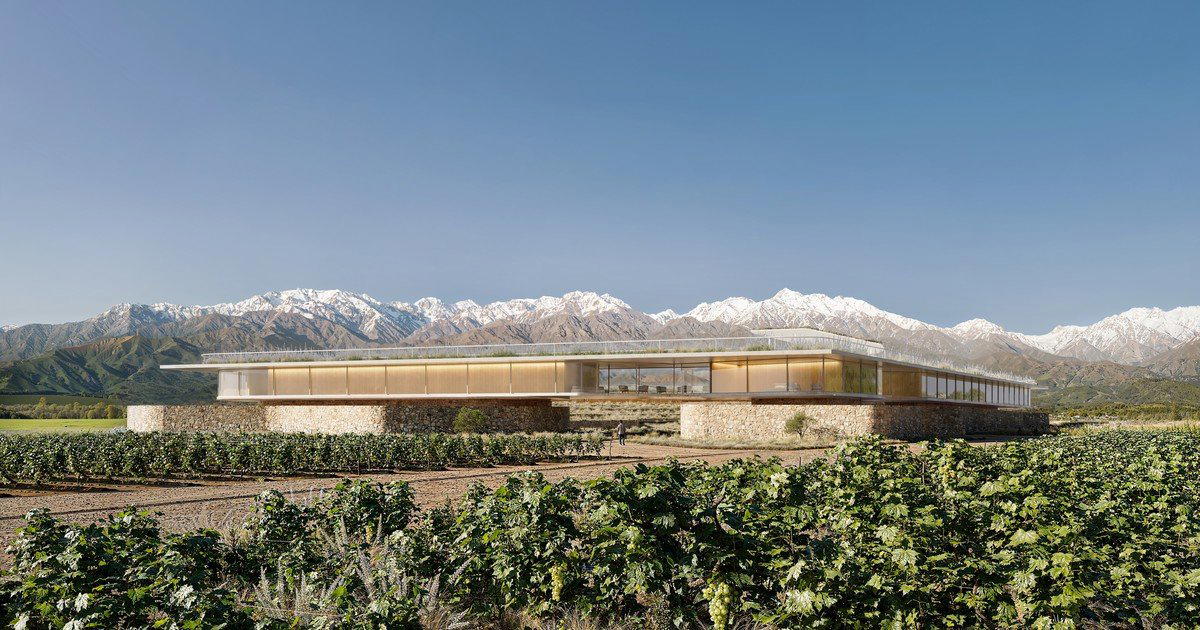
Altos Las Hormigas is best understood through its emphasis on place rather than polish. Its identity is grounded in the idea that a winery can be memorable without becoming overly designed, overly explained or overly dressed up. The vocabulary around it is correspondingly restrained: terroir, freshness, fruit purity, low intervention, nature, landscape. Those words point toward a Mendoza experience where the surrounding setting is not just a backdrop but part of the way the winery is understood.
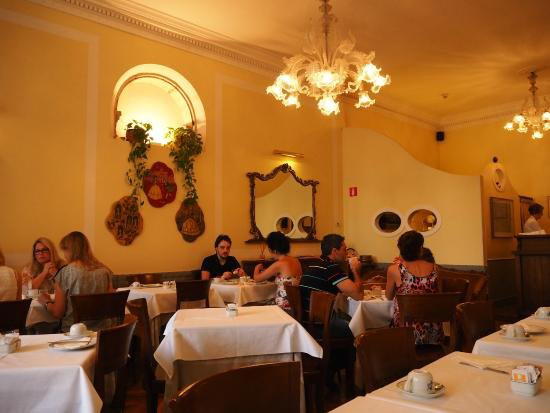
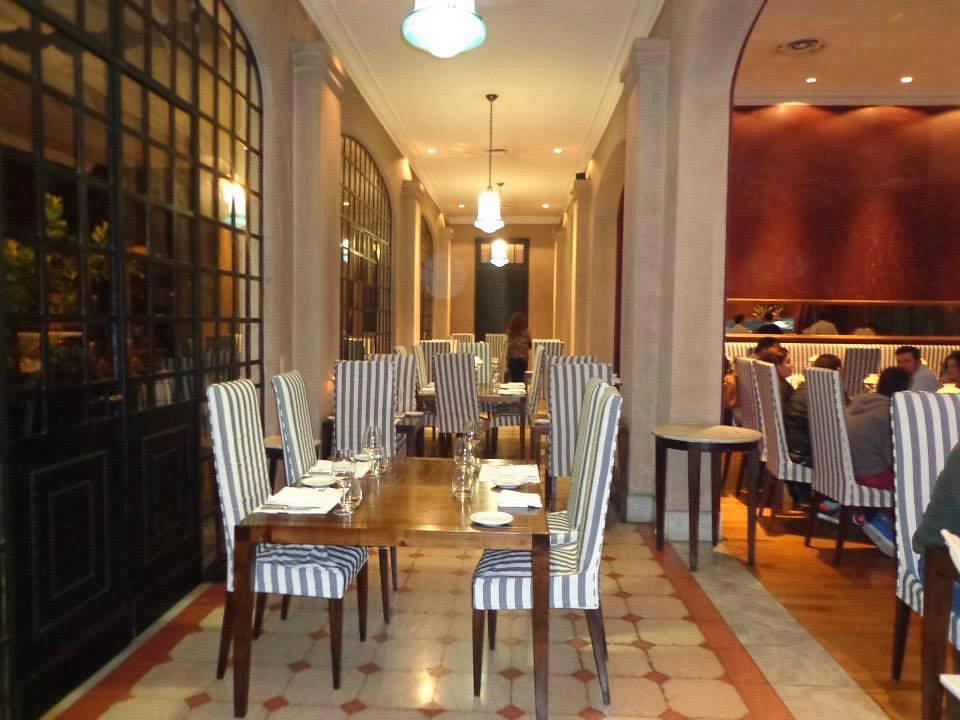
That makes it a useful reference for travellers who want a quieter, more classic and sophisticated Mendoza wine-country experience. “Quiet” here does not mean lacking character; it means the character is carried by restraint. “Classic” does not need to imply old-fashioned; it suggests a measured confidence and an avoidance of unnecessary display. “Sophisticated” is also best read in that understated sense: the sophistication lies in letting the place and the wine style speak clearly, without needing to overwhelm the visitor with spectacle.
Freshness, fruit purity and a quieter cellar
The confirmed story here is one of restraint. Altos Las Hormigas is associated with low-intervention winemaking, freshness and fruit purity, with an approach that avoids letting heavy oak dominate the impression of place. That profile matters because it shapes how the winery should be interpreted: the emphasis is not on power for its own sake, or on cellar influence as the primary signature, but on a cleaner expression in which fruit and origin remain legible. The language of freshness and fruit purity suggests wines that are meant to feel direct and precise rather than hidden beneath excessive embellishment.
For visitors comparing Mendoza wine experiences, that means the winery should be approached as a scenic and thoughtful stop rather than a venue defined by claims about tasting formats, dining, ownership, vineyard parcels, technical cellar equipment, farming certifications, scores or international rankings. Those kinds of details may often appear in winery planning, but they are not the solid basis for this description. The more reliable way to understand Altos Las Hormigas is through the atmosphere and philosophy already established: a pared-back, nature-led identity in which the cellar does not try to compete with the landscape.
The strongest grounded description is also the cleanest: a Mendoza winery whose identity is classic, rustic, iconic and sophisticated, with the landscape and the wine style carrying more weight than showy cellar architecture. “Rustic” in this context should be understood as part of the charm rather than a limitation. It points to texture, simplicity and a feeling of being close to the setting. “Iconic” works not as a claim about rankings or trophies, but as a shorthand for a winery with a recognizable point of view: restrained, terroir-focused and confident enough not to rely on excessive ornament.
How to read the visit
The visit makes the most sense for travellers who are drawn to Mendoza wine through terroir, freshness and a quieter sense of place. Altos Las Hormigas is not best described through unsupported promises about specific tastings, languages, food pairings, parking, outdoor seating or appointment rules; those details are not part of the public record here. Instead, the value of the stop lies in the confirmed character of the winery. It is a place to read through mood, setting and wine philosophy, rather than through a checklist of amenities that has not been established.
Set expectations around the confirmed character instead: scenic, rustic, classic and sophisticated, with a minimalist, nature-driven approach to wine. Pricing is listed as $$, which gives a broad sense of cost without implying a specific tasting fee, menu or service format. That broad price marker is useful for orientation, but it should not be stretched into more precise claims. The safer and more accurate expectation is that Altos Las Hormigas belongs in the middle of a Mendoza plan for travellers who prefer understatement, clarity and a close relationship between wine and place.
For a wider itinerary, compare it with other Mendoza dining and wine-country options generically, while keeping Altos Las Hormigas as the named reference point. Its role in that kind of itinerary is clear: a grounded, restrained winery stop that helps balance more elaborate or hospitality-driven experiences elsewhere, and that gives the day a quieter, more terroir-focused center of gravity.
Frequently asked questions
Is Altos Las Hormigas more formal or casual?
Altos Las Hormigas reads as scenic, rustic, classic and sophisticated rather than flashy. The profile emphasizes a minimalist, nature-driven Mendoza winery experience focused on terroir, freshness, fruit purity and low-intervention winemaking.
What's Altos Las Hormigas's location?
Altos Las Hormigas is located in Mendoza.
What does it typically cost at Altos Las Hormigas?
Pricing at Altos Las Hormigas is listed as $$.
Why do people go to Altos Las Hormigas?
People go for a terroir-focused Mendoza winery experience with a minimalist, nature-driven approach. The draw is its emphasis on freshness, fruit purity and low-intervention winemaking over flashy cellar design or heavy oak.
Recognition history
Dated appearances from independent guides and award organizations, with the underlying list record or original source where available.
Falstaff Winery - Listed
Falstaff
Enquire about visiting Altos Las Hormigas or buying its wine
Visits to Altos Las Hormigas are usually kept for the estate's regular buyers and the wine trade. Tell us when you would like to go and a little about how you buy, and we put the request to the estate and reply to you by email. For buying, we source directly from the producer or from a licensed seller we know and vouch for, and tell you the route before you pay.
Continue exploring
More in Mendoza
Wineries in Mendoza
All wineries in Mendoza →
Bars in Mendoza
All bars in Mendoza →
Restaurants in Mendoza
All restaurants in Mendoza →


Details
- Scenic
- Rustic
- Classic
- Well Known
- Sophisticated
- Wine Education
- Group Outing
- Romantic Getaway
- Solo Exploration
- Vineyard Tour
- Estate Grounds
- Organic
- Sustainable
- Mountain
- Vineyard
- Garden
- Malbec
- Bonarda
- Blends
- White Varieties
- Still Red
- Still White
- Estate Tasting
- Terroir Focused Flight
- Vineyard Focused Tasting
- Spanish
- English
- Italian
Terroir-focused Mendoza winery with a minimalist, nature-driven approach, emphasizing freshness, fruit purity and low-intervention winemaking over flashy cellar design or heavy oak.