Yamakase

Our verdict
Yamakase on Ocean Park Boulevard in Santa Monica occupies a particular tier of the Los Angeles omakase scene: intimate, chef-driven, and consistently tracked by the most credible critical indices in North America.

Pearl is the En Primeur Club membership app, where members save venues, book tables and use the concierge.
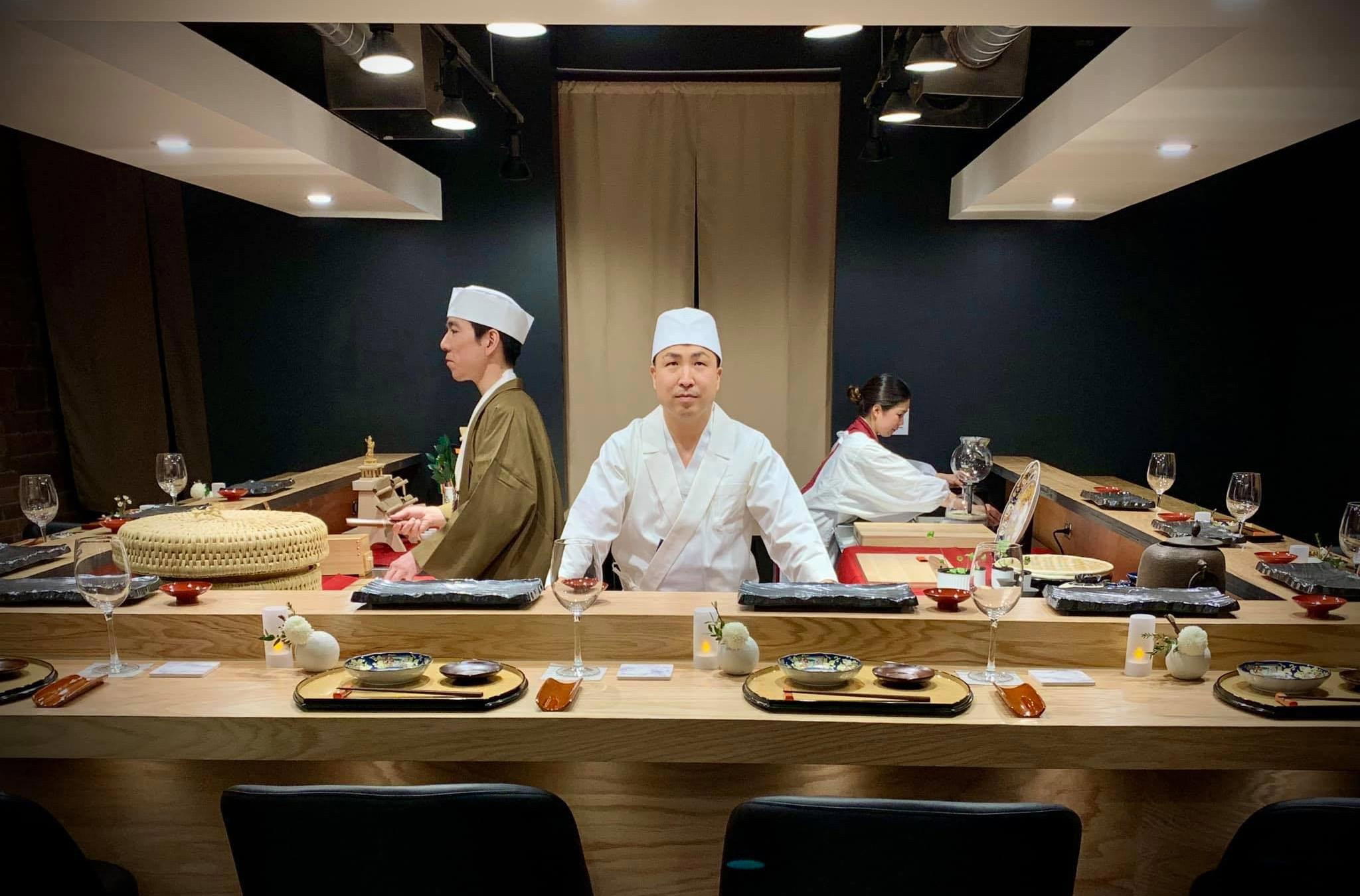
The Omakase Counter and What It Actually Asks of You
The rise of the high-trust omakase counter in American cities is one of the more interesting developments in dining over the past decade. Across Los Angeles, New York, and San Francisco, a tier of restaurants emerged that asked something specific of the diner: give up control entirely. No printed menu, no substitutions, no negotiation on the sequence. You book a seat, often weeks or months in advance, pay a fixed amount, and the chef builds the meal. The format is borrowed directly from Japan, where the model has operated in kaiseki and sushi contexts for generations. What changed in America was the willingness of a discerning group of eaters to accept those terms without hesitation.
Yamakase, operating out of a Santa Monica address on Ocean Park Boulevard, sits firmly inside that tradition. Chef Kiyoshiro Yamamoto runs the counter under conditions that mirror the trust-based compact at the core of the Japanese omakase model: the progression, the pacing, and the sourcing decisions all rest with the kitchen. The diner's job is to show up prepared to engage with whatever that produces.
Three Years of Consistent Critical Tracking
Within the Los Angeles high-end sushi tier, a handful of counters have developed the kind of sustained critical attention that separates them from newer openings. Yamakase has held that position across multiple annual cycles. Opinionated About Dining, which draws its rankings from a community of serious eaters rather than a single critic's point of view, placed Yamakase at number 42 in North America in 2023, number 66 in 2024, and number 62 in 2025. That three-year run of inclusion matters more than any single year's placement: it signals a counter operating at a consistent level, not one benefiting from an opening surge or a single high-profile review.
Pearl focuses specifically on Japanese dining in America and applies a set of standards oriented around craft, authenticity, and consistency. Two independent bodies recognising the same venue across overlapping periods produces a clearer picture than either would alone.
Among the Santa Monica and West Los Angeles concentration specifically, Yamakase competes in the same upper register as Sushi Inaba, Echigo, and Inaba, counters where the omakase contract is similarly non-negotiable and the pricing reflects that. Hamasaku and Go's Mart occupy a slightly different register within the broader category.
Santa Monica as a Sushi Address
The Westside's role in Los Angeles sushi is partly practical and partly cultural. Proximity to the coast, an established Japanese-American community history in parts of West LA, and a concentration of residents willing to pay for counter-format dining have made the stretch from Santa Monica through Brentwood and into West Hollywood a dense corridor for serious Japanese food. Ocean Park Boulevard sits within that zone, close enough to the established residential west that a counter operating there draws from a local clientele as much as from destination diners crossing the city.
That neighbourhood dynamic matters for understanding how a place like Yamakase sustains itself. The most durable omakase counters in any city tend to build a core group of regulars who absorb a significant portion of available seats each service. New diners slot into the remaining inventory, which is why booking timelines at this tier often run longer than casual diners expect.
How the Omakase Contract Works in Practice
The mechanics of surrendering menu control are worth spelling out for anyone approaching this format for the first time. At a counter like Yamakase's, the sequence typically moves from lighter preparations through increasingly rich courses, with the chef calibrating the pace based on how a table is eating and how the fish is presenting that evening. Decisions made at the market that morning, what was available, what was at peak condition, shape what appears on the counter. A diner who arrives expecting a specific course will frequently be disappointed; a diner who arrives curious about what the chef decided that day will generally fare better.
That dynamic places Yamakase in a different category from high-end restaurants that also carry a $$$$ price point but operate from printed menus. Kato's New Taiwanese counter, Hayato's kaiseki format, and Vespertine's progressive tasting menu all involve surrender to varying degrees, but the specific texture of a sushi omakase, built around fish that changes daily, cut and seasoned in the moment, served at the counter without the mediation of servers carrying plates from a kitchen, is its own discipline. The comparison that travels furthest is probably to counters in Tokyo like Harutaka or to transplanted Japanese formats like Sushi Shikon in Hong Kong, where the same daily-market logic applies.
Internationally, the format places Yamakase within a broader conversation about what serious omakase outside Japan looks like. That conversation touches venues from Le Bernardin in New York City to The French Laundry in Napa to Alinea in Chicago, not because the cuisines are equivalent, but because all operate on the same trust-based contract: the kitchen leads, the diner follows.
Planning a Visit
The practical details available for Yamakase are limited, which is consistent with how this tier of counter typically operates. Booking tends to happen through direct contact rather than open third-party reservation platforms. Lead times at this level of the Los Angeles sushi market frequently run several weeks. Arriving without a confirmed reservation and expecting to be seated is not a realistic option.
| Venue | Format | Price Tier | Critical Recognition | Location |
|---|---|---|---|---|
| Yamakase | Sushi omakase | High | Santa Monica | |
| Hayato | Kaiseki | $$$$ | Michelin-starred | Downtown LA |
| Kato | New Taiwanese counter | $$$$ | Michelin-starred | West LA |
| Vespertine | Progressive tasting | $$$$ | Michelin two stars | Culver City |
A 4.8 average across a meaningful sample suggests consistent execution rather than a handful of exceptional nights masking ordinary ones.
For broader planning, see our full Los Angeles restaurants guide, our full Los Angeles hotels guide, our full Los Angeles bars guide, our full Los Angeles wineries guide, and our full Los Angeles experiences guide. For reference points further afield, Lazy Bear in San Francisco, Single Thread Farm in Healdsburg, and Emeril's in New Orleans each illustrate how the chef-directed format operates across different cuisines and regions.
Frequently asked questions
Who's behind the kitchen at Yamakase?
The chef associated with Yamakase is Kiyoshiro Yamamoto.
What's the signature dish at Yamakase?
Yamakase operates as a pure omakase counter, meaning Chef Kiyoshiro Yamamoto sets the menu each service based on that day's sourcing. No fixed dishes appear on a standing menu, which is the defining constraint of this format. The counter's three consecutive appearances on Opinionated About Dining's North America rankings (2023–2025) suggest consistent execution across that daily variation, not a single marquee item.
What's Yamakase's location?
Yamakase is located at 3003 Ocean Park Blvd, Santa Monica, CA 90405, Los Angeles.
Style and Standing
A short peer table to compare basics side-by-side.
| Venue | Cuisine | Price | Awards | Notes |
|---|---|---|---|---|
| YamakaseThis venue (the venue you are viewing) | Japanese Omakase Sushi | $300–500 | Not listed | Not listed |
| Kato | Modern Taiwanese Fine Dining | $300–500 | 2 Michelin Stars · World's 50 Best #49 | New Taiwanese, Asian |
| Hayato | Traditional Japanese Kaiseki | $300–500 | 2 Michelin Stars · La Liste Top Restaurants | Japanese |
| Vespertine | Avant-Garde Tasting Menu | $200–300 | 2 Michelin Stars · La Liste Top Restaurants | Progressive, Contemporary |
| Camphor | Modern French with Southeast Asian influences | $150–200 | Michelin Plate · World Best Burgers World's 101 Best Burgers #15 | French-Asian, French |
| Gwen | Contemporary American Steakhouse | $50–100 | Michelin Plate · Wine Spectator Best of Award of Excellence | New American, Steakhouse |
Recognition history
Dated appearances from independent guides and award organizations, with the underlying list record or original source where available.
Opinionated About Dining Top Restaurants in North America Ranked #79
Opinionated About Dining
Full recognition history (4 entries)
Opinionated About Dining Top Restaurants in North America Ranked #62
Opinionated About Dining
Opinionated About Dining Top Restaurants in North America Ranked #66
Opinionated About Dining
Opinionated About Dining Top Restaurants in North America Ranked #42
Opinionated About Dining
Continue exploring
More in Los Angeles
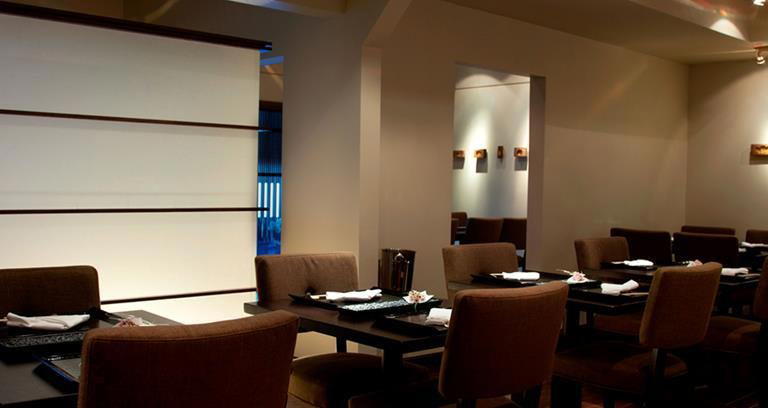
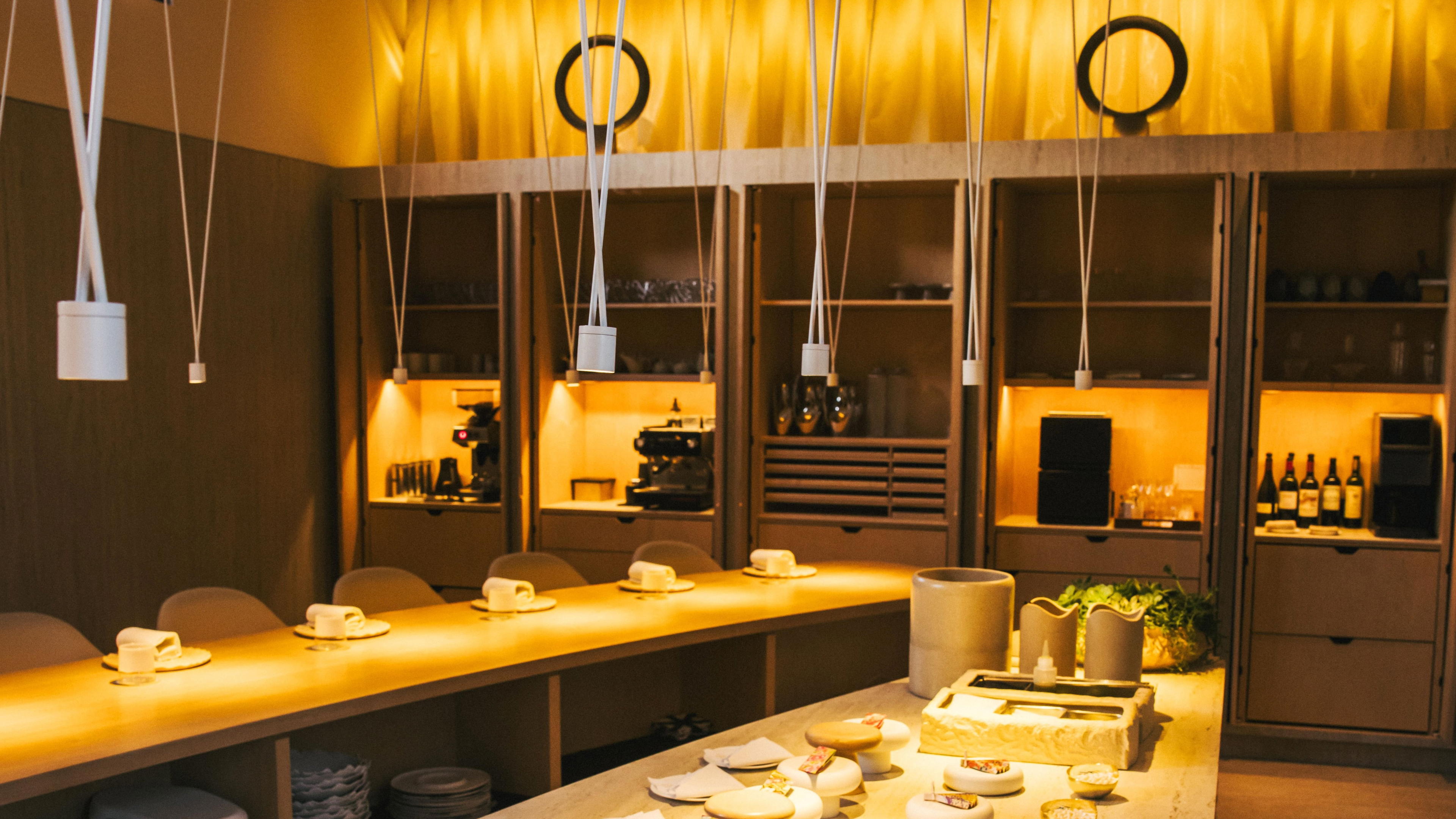
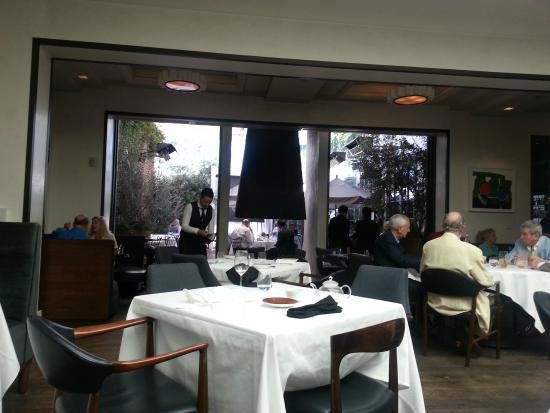
Restaurants in Los Angeles
All restaurants in Los Angeles →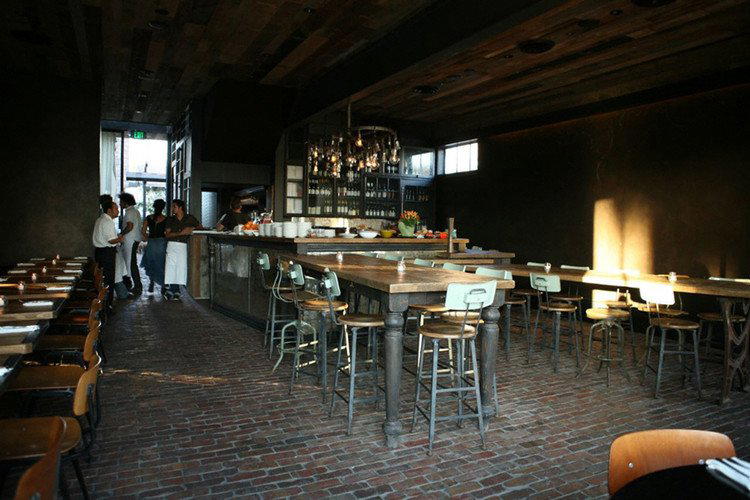
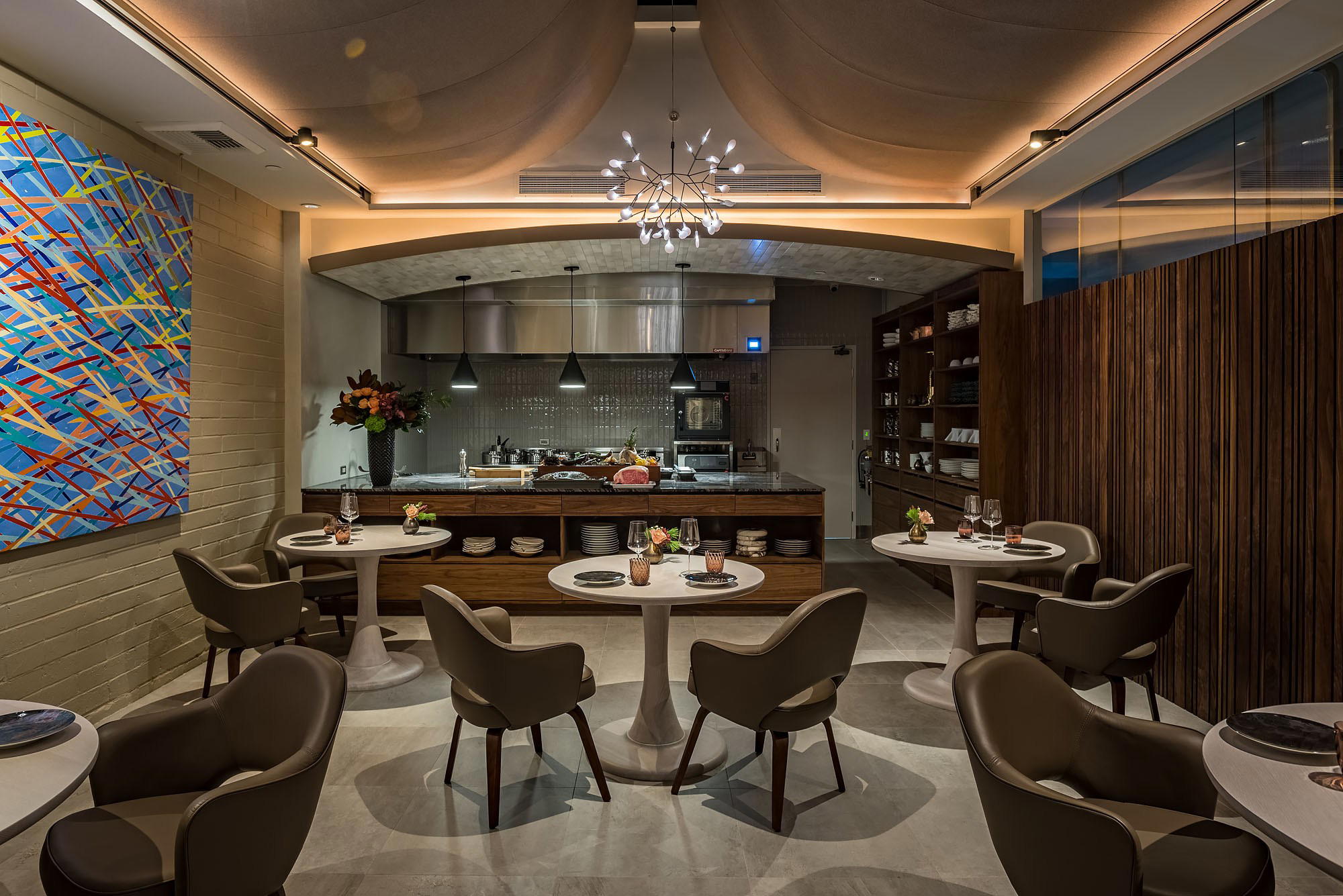
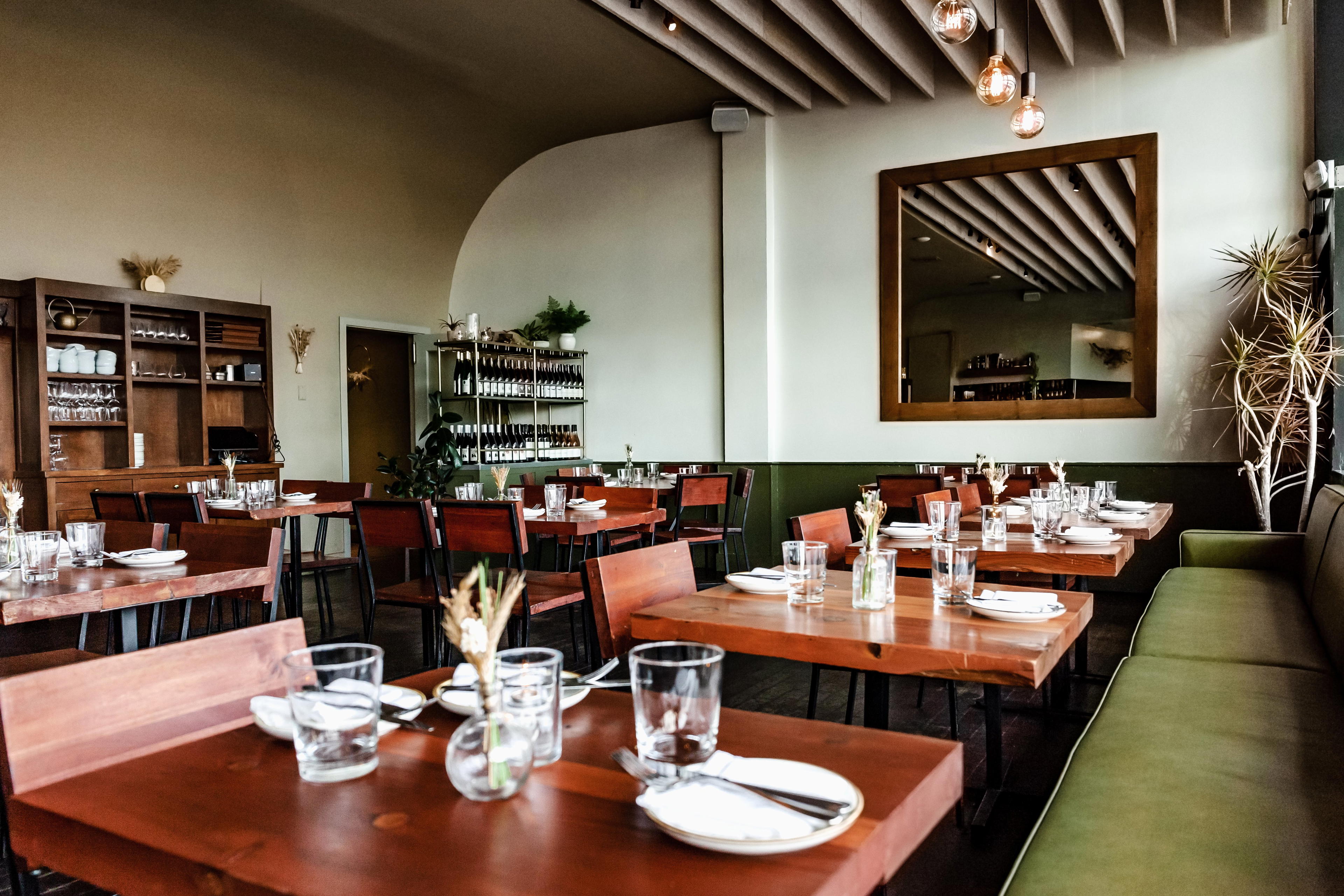
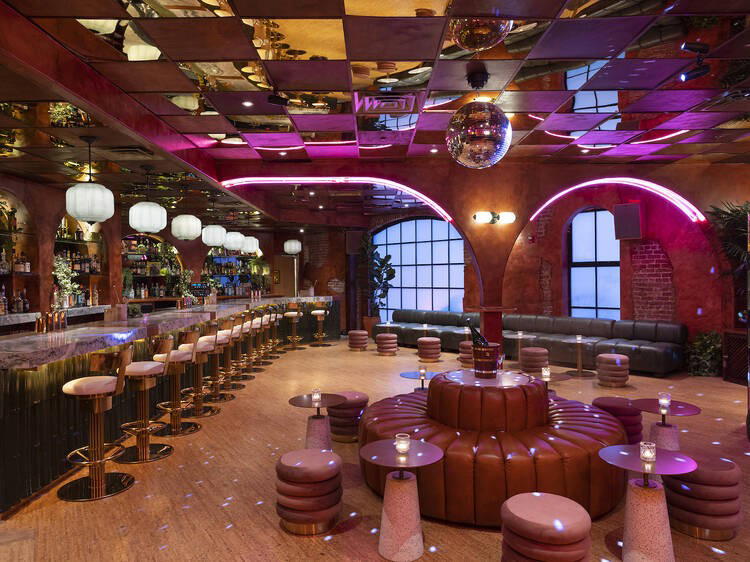
Bars in Los Angeles
All bars in Los Angeles →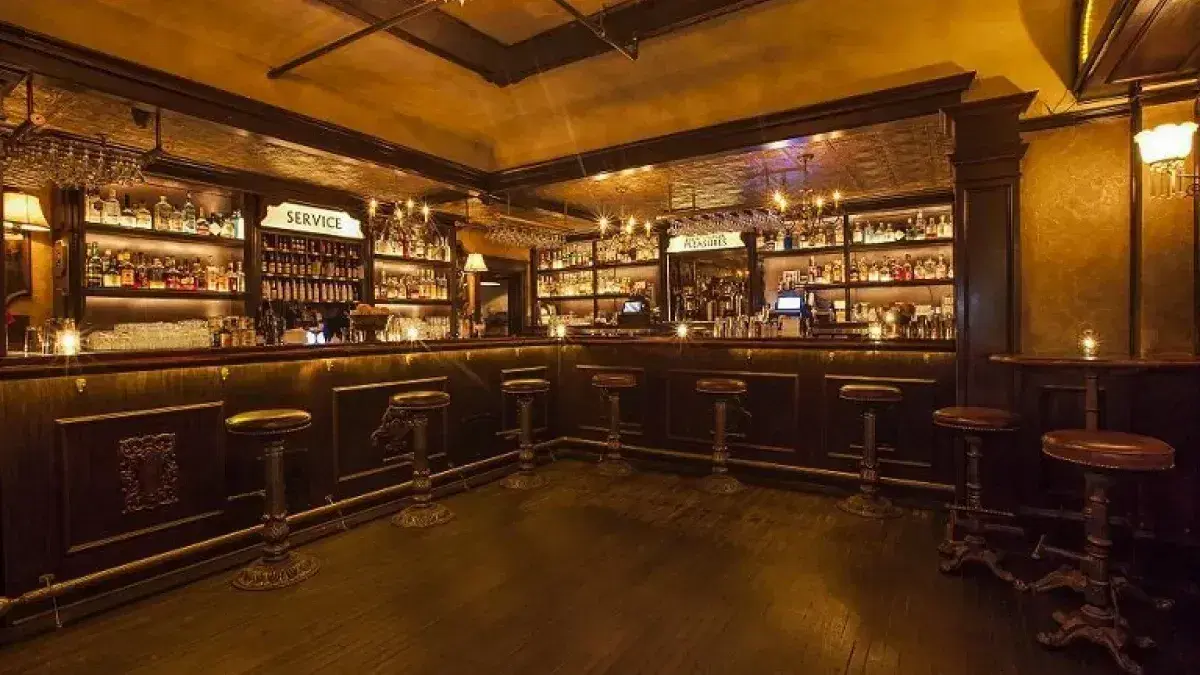
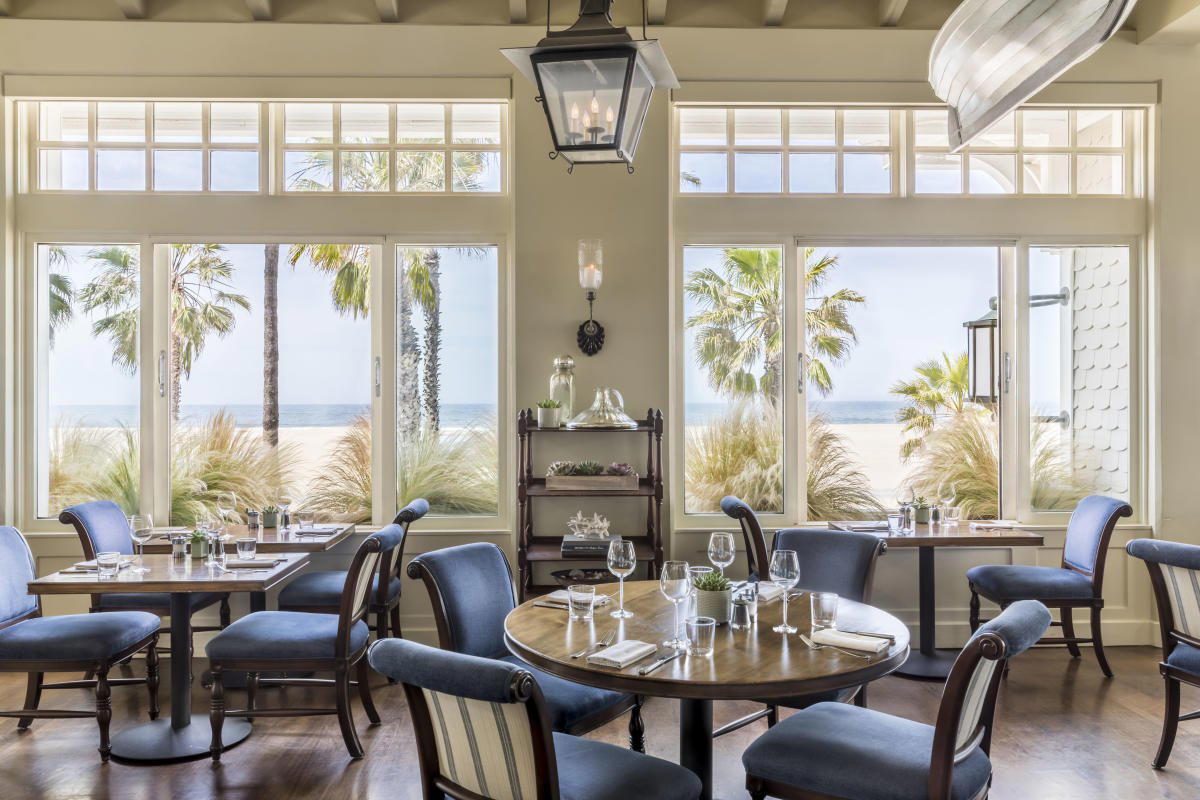
Hotels in Los Angeles
All hotels in Los Angeles →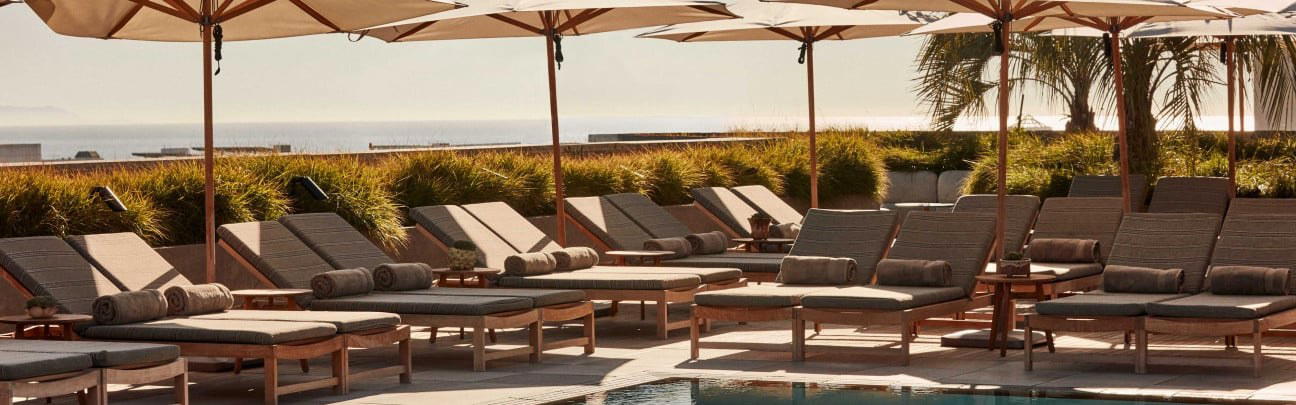
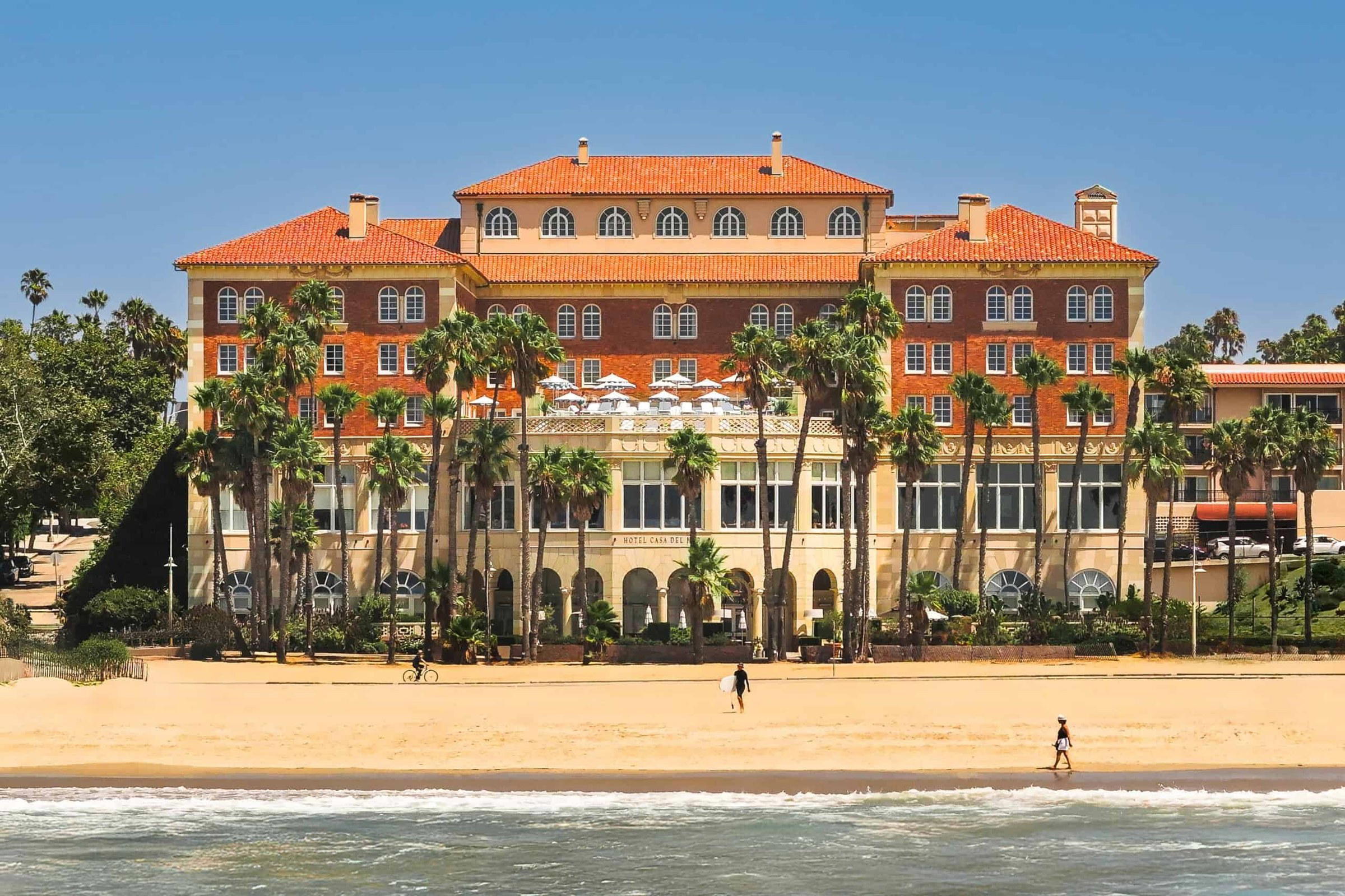
Wineries in Los Angeles
All wineries in Los Angeles →
Details
- Intimate
- Sophisticated
- Elegant
- Date Night
- Special Occasion
- Private Event
- Chefs Counter
- Standalone
- Omakase
- Tasting Menu
- Sake
Current opening hours
- Monday
- 7–9 PM
- Tuesday
- Closed
- Wednesday
- Closed
- Thursday
- Closed
- Friday
- Closed
- Saturday
- Closed
- Sunday
- 5–9 PM
Hours can change for holidays and private events. Hours as of .
Small, exclusive, and understated, with a private, hush-quiet feel that suits a rare omakase experience.