
Michelin Plate
Our verdict
The team behind Sztuka Chleba i Wina operates the on-site butchery, dry-ages beef in-house, and sources burger buns from their bakery up the road. The kitchen favours straightforward technique that lets ingredient quality carry each plate.

Pearl is the En Primeur Club membership app, where members save venues, book tables and use the concierge.
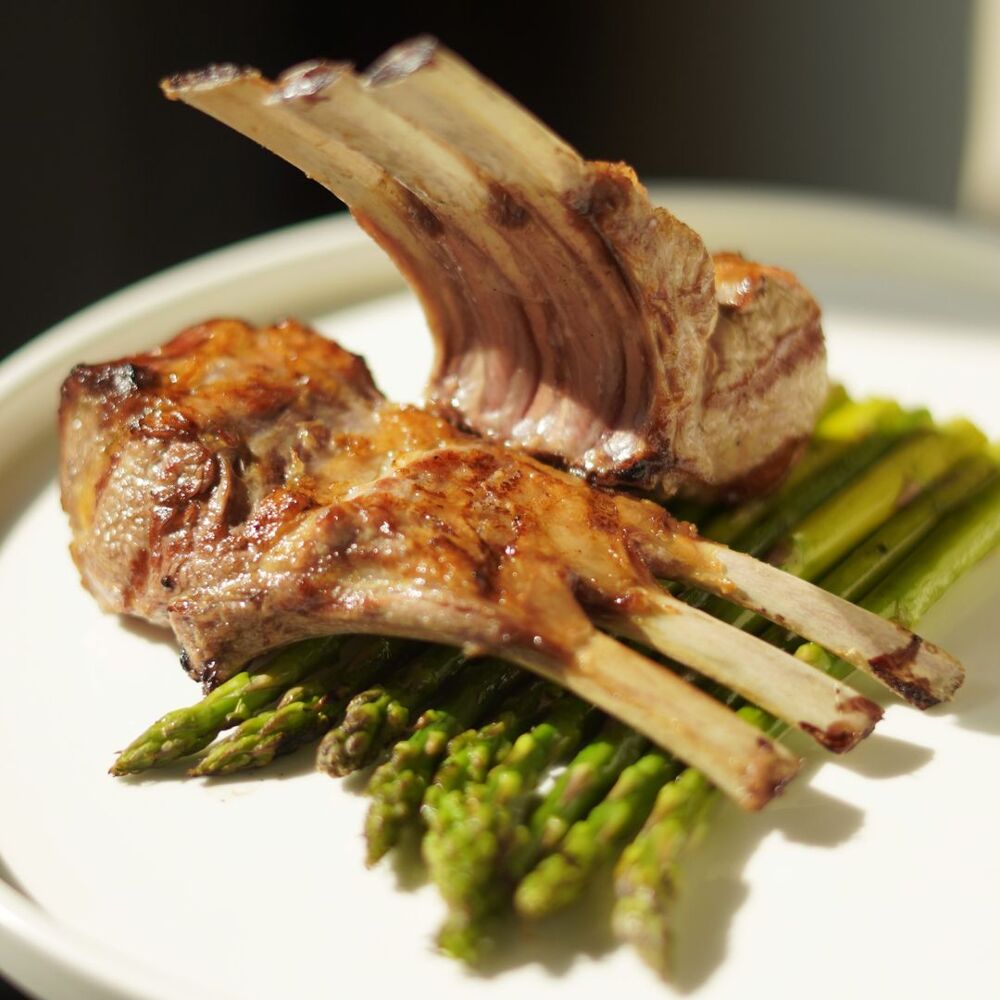
The menu
What to order
- Seasoned beef steaks from in‑house butcher
- Beef tartare
- Burgers
- Pork, poultry and fish/seafood mains
In-House Butchery and Dry-Ageing as a Sourcing Model
The decision to operate an on-site butchery shifts the restaurant's relationship with its suppliers. Rather than ordering pre-portioned cuts, the team selects whole carcasses, breaks them down, and dry-ages beef in a controlled environment before it reaches the kitchen. This approach offers flexibility in cut selection, control over ageing duration, and the ability to use secondary cuts that might otherwise be discarded or sold at a loss. Dry-ageing intensifies flavour through enzymatic breakdown and moisture loss, and the process is time-dependent: longer ageing periods increase funk and tenderness but also reduce yield and raise cost. Sztuka Mięsa's model assumes the kitchen can manage that trade-off and that diners value the resulting depth of flavour over the convenience of faster-prep proteins. The burgers benefit from the same sourcing chain, with buns arriving from the group's bakery just up the street. That integration allows the kitchen to control texture, crust, and crumb structure in a way that most burger-focused spots cannot replicate without opening their own bakery or negotiating custom production with an external supplier. The result is a burger programme that feels tighter and more ingredient-focused than the majority of Poland's casual dining segment. For context, many meat-centric restaurants across Poland outsource ageing and butchery to wholesale suppliers or third-party dry-ageing facilities; running the process in-house requires capital investment, dedicated cold-storage space, and staff who can handle both fabrication and service-level prep.
Menu Structure and Kitchen Technique
The menu at Sztuka Mięsa centres on beef cuts that benefit from dry-ageing, steaks, roasts, and occasionally offal preparations that can handle the funk developed during extended maturation. The kitchen supplements the beef programme with dishes that demonstrate technique beyond the grill: black pudding croquettes paired with romesco sauce, for instance, show a willingness to use Spanish-influenced elements and to treat offal as a textural and flavour opportunity rather than a by-product. Romesco, a Catalan emulsion of roasted peppers, tomatoes, almonds, and garlic, adds acidity and nut-forward richness that balances the iron-heavy profile of blood sausage. The dish signals that the kitchen is comfortable moving between Polish tradition and broader European technique without forcing novelty for its own sake. Elsewhere, the focus remains on letting ingredient quality drive the plate: cuts are cooked to order, seasoning is restrained, and accompaniments are designed to complement rather than mask the flavour of the protein. This restraint aligns Sztuka Mięsa more closely with craft butchery and fire-focused programmes seen at higher-end meat restaurants in Warsaw and Gdańsk than with the heavy-sauce, garnish-laden steakhouse model that still dominates much of Poland's mid-market dining. For those interested in how Poland's culinary scene is shifting toward ingredient-led cooking, Sztuka Mięsa offers a regional example of a restaurant that treats sourcing as the foundation of its programme. The restaurant shares ownership and operational DNA with Sztuka Chleba i Wina, a bakery and wine bar that has built a local reputation for natural-leaning wines and house-baked bread. That connection means diners at Sztuka Mięsa are eating within a small ecosystem of venues run by the same team, with shared supply chains and a consistent philosophy around ingredient sourcing and preparation. The city itself offers a different perspective on Polish culture, sitting closer to the Belarusian border and retaining architectural and culinary influences that reflect its position at the edge of the country's eastern frontier. Visitors interested in
Frequently asked questions
Is Sztuka Mięsa okay with children?
The restaurant's meat-focused menu and in-house butchery operation suggest a format comfortable for families, though without dedicated children's facilities or menu details available. Burgers using house-baked buns from the team's own bakery up the road offer a straightforward option. Krakowska Street location means easy central access in Białystok.
Is Sztuka Mięsa better for a quiet night or a lively one?
A restaurant built around dry-aged steaks and butchery craft typically draws diners focused on the plate rather than high-energy socializing. The connection to Sztuka Chleba i Wina, a bakery and wine bar, points to a more considered pace. Expect the kitchen's technique and house-sourced cuts to set the tone rather than atmosphere theatrics.
Has Sztuka Mięsa won any awards?
Sztuka Mięsa has received recognition including: The team from nearby Sztuka Chleba i Wina run this meat-focused restaurant where cuts come from their own in-house butcher. In the case of beef, it’s dry-aged here too, while the burgers also use buns from their own bakery just up the road.….
What's the address for Sztuka Mięsa?
Sztuka Mięsa is located at Krakowska 11, Białystok, Podlaskie, 15-875, POL, Bia Ystok.
Do they take walk-ins at Sztuka Mięsa?
Given the in-house dry-ageing process and house butchery operation on Krakowska Street, advance notice may help the kitchen prepare specific cuts. Contact details are not publicly listed, so arriving without confirmation carries risk during peak service.
Side-by-Side Snapshot
Comparable venues by cuisine and price in the same metro.
| Venue | Cuisine | Price | Awards |
|---|---|---|---|
| Sztuka MięsaThis venue (the venue you are viewing) | Steakhouse & Grill | $20–30 | Michelin Plate |
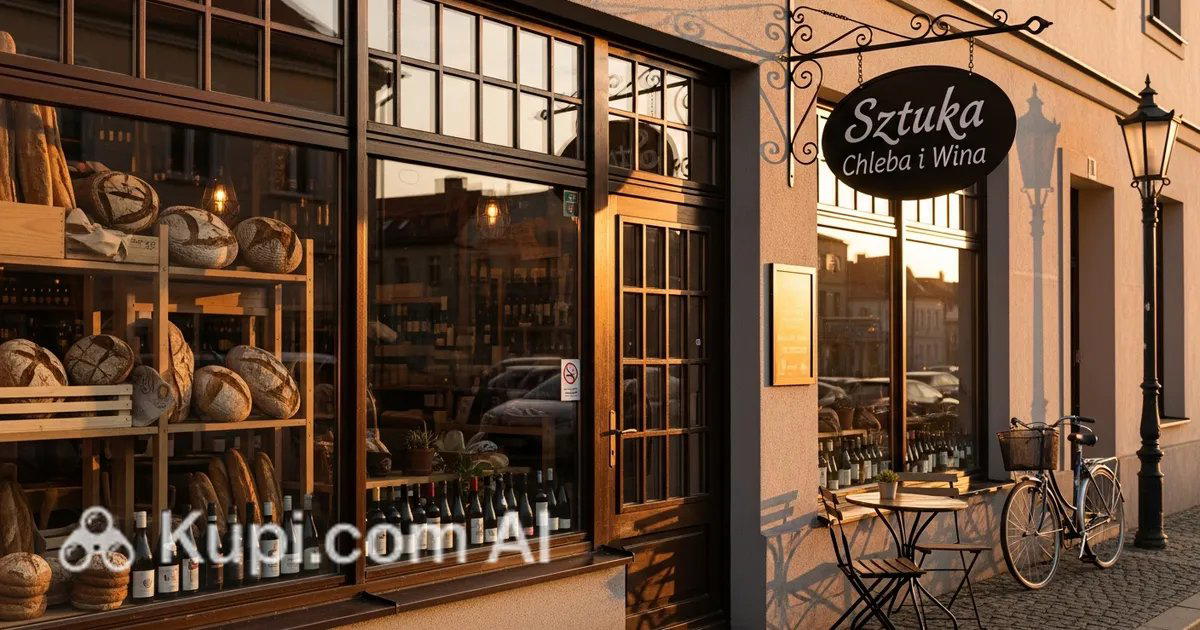
| Sztuka Chleba i Wina | Artisanal Bakery & Wine Bar | $10–20 | Michelin Bib Gourmand · Star Wine List |
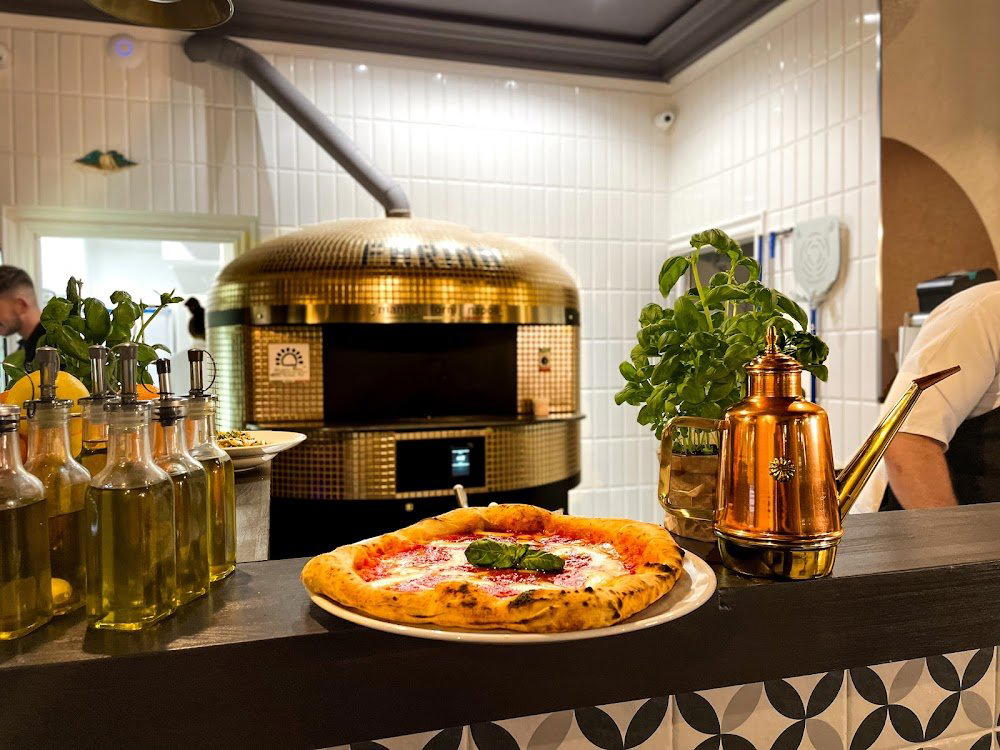
| Farina Kijowska Napoletano Vero Pizza Białystok Najlepsza Restauracja Włoska | Authentic Neapolitan Pizza | $20–30 | Not listed |
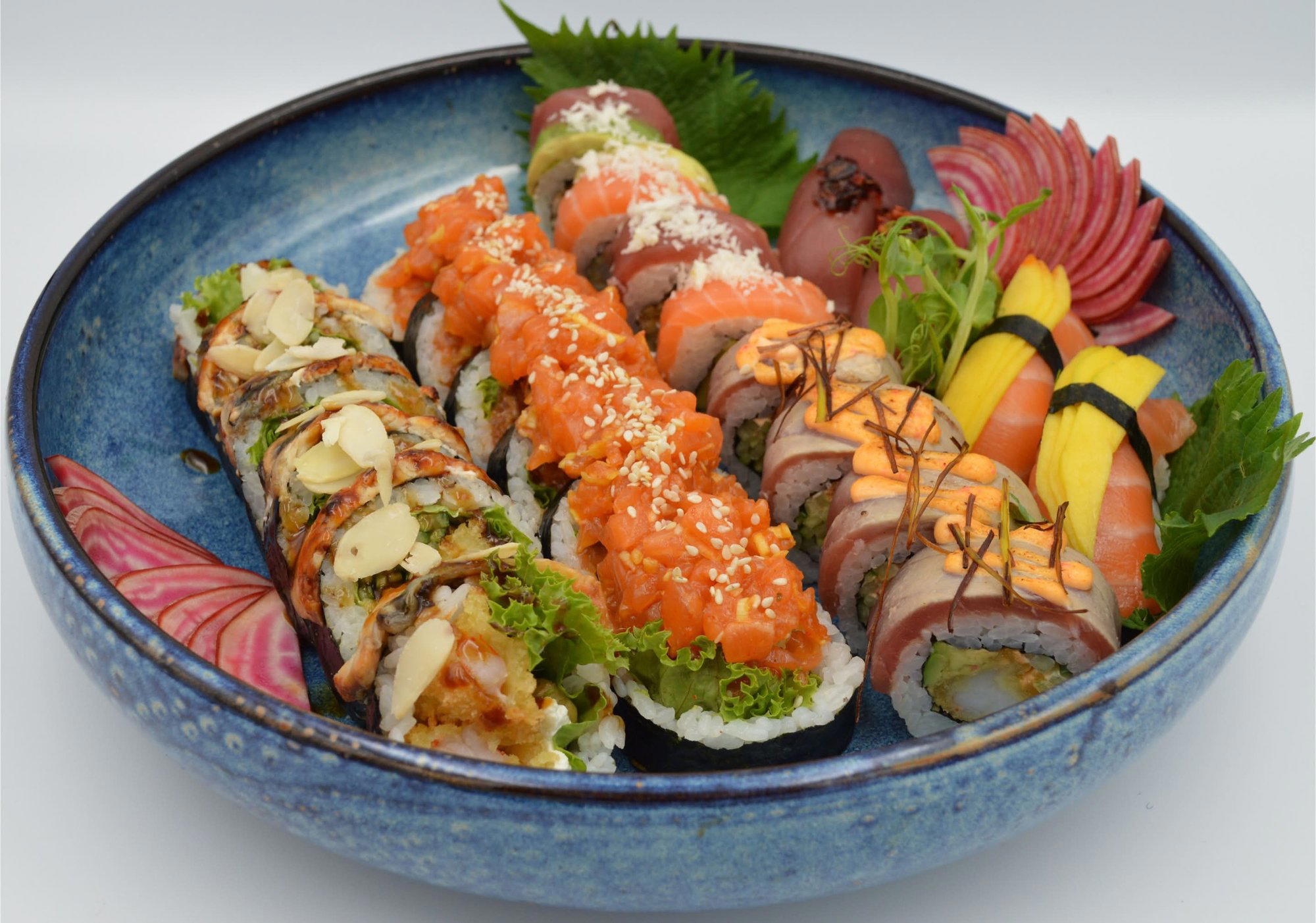
| Sakura Sushi Białystok | Japanese Sushi | $10–20 | Not listed |
| Tokaj | European | Not listed | Not listed |
| PizzaProsta | Simple Pizza | $1–10 | Not listed |
Recognition history
Dated appearances from independent guides and award organizations, with the underlying list record or original source where available.
Michelin Plate
Michelin
Continue exploring
More in Białystok
Details
- Cozy
- Lively
- Rustic
- Intimate
- Date Night
- Group Dining
- Family
- Casual Hangout
- Celebration
- After Work
- Private Dining
- Standalone
- Extensive Wine List
- Beer Program
- Local Sourcing
- A La Carte
- Wine
- Beer
- Spirits
- Vegetarian Friendly
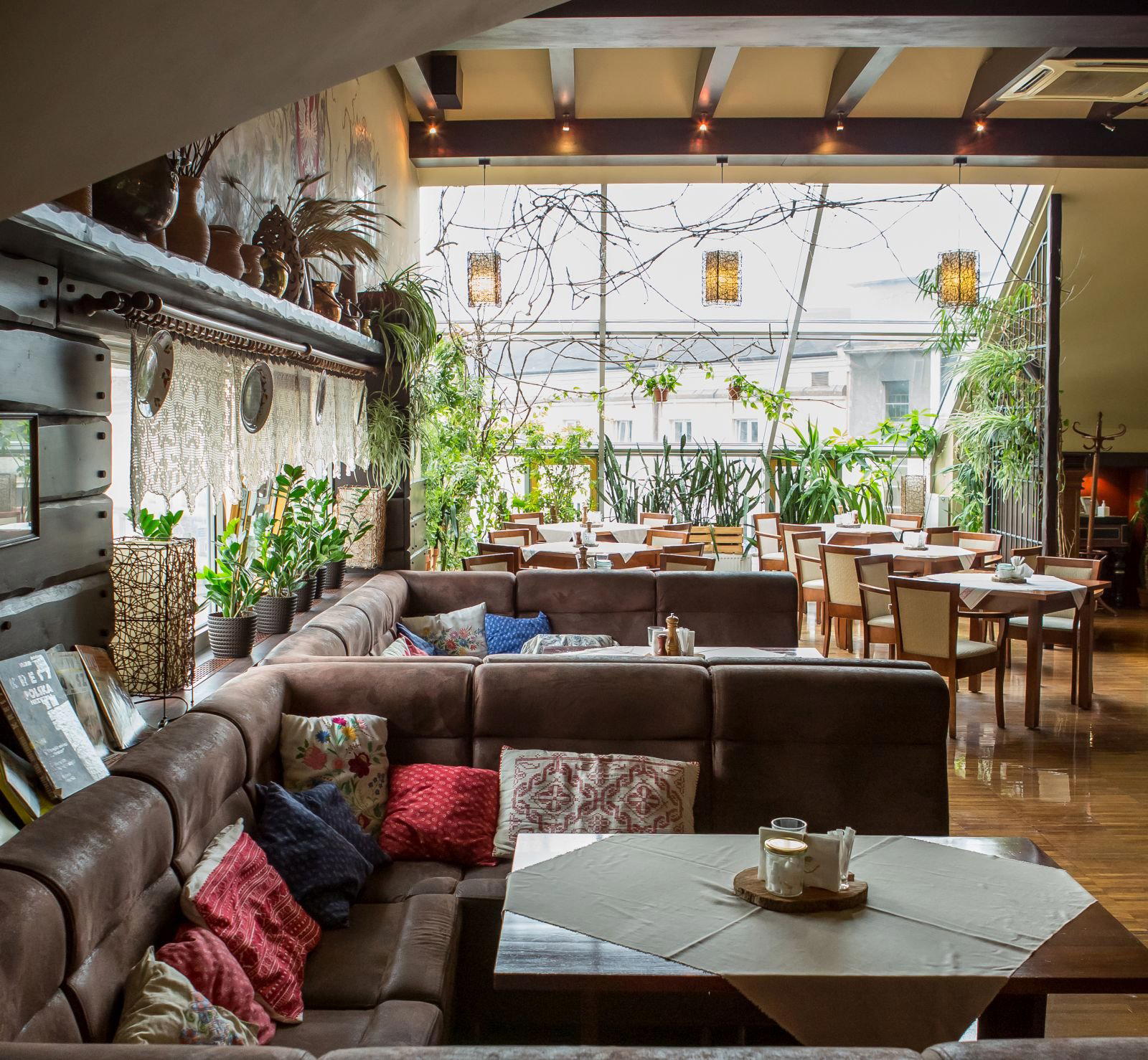
Warm, guest‑focused neighborhood steakhouse with a cozy, welcoming atmosphere, casual decor and an intimate two‑level dining room that feels both lively and relaxed.