Polonaise

Michelin Plate
Our verdict
Polonaise brings a French classical frame to Polish ingredients inside Świnoujście’s resort dining circuit. The room signals its priorities plainly: illuminated wine cabinets, ageing fridges for meat and fish, and a menu that can put lamb saddle, dauphinoise potato and mint pesto in the same sentence without pretending the Baltic coast is Paris.

Pearl is the En Primeur Club membership app, where members save venues, book tables and use the concierge.
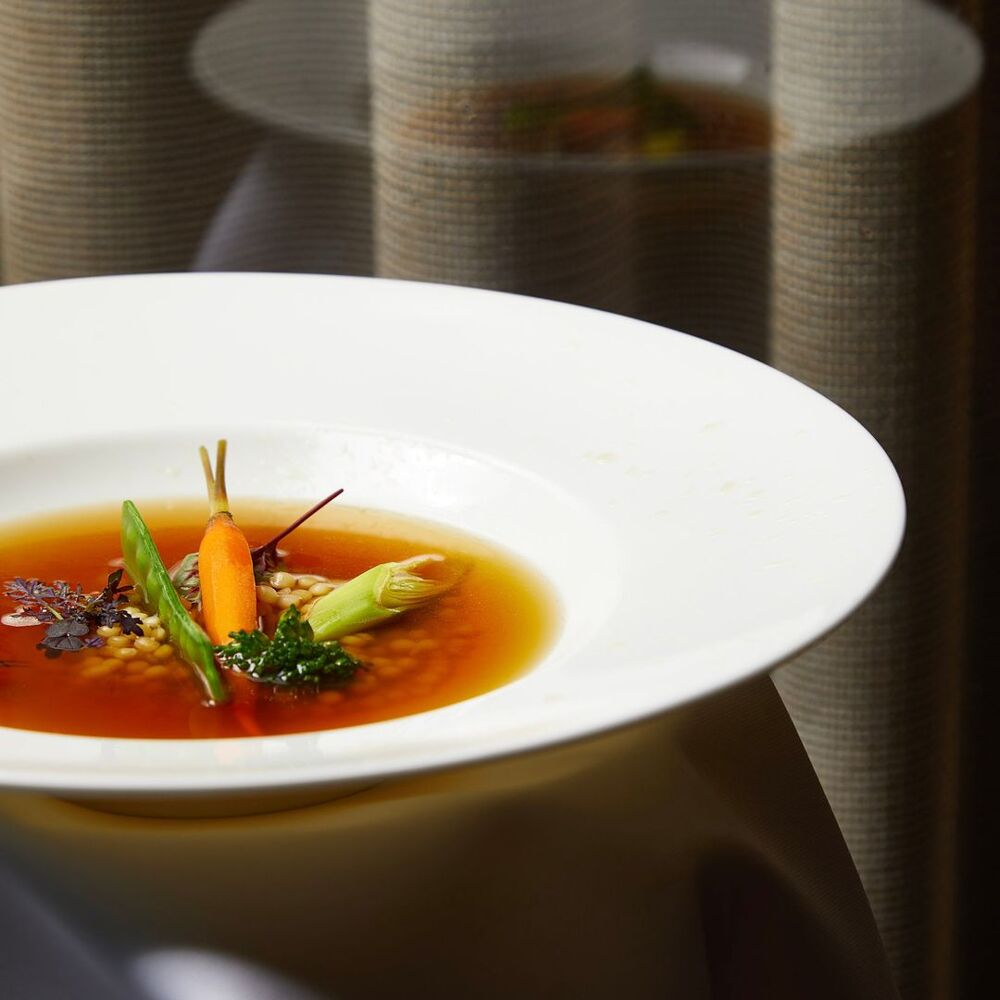
The menu
What to order
- Lamb saddle with dauphinoise potato and mint pesto
- Beef tartare
- Herring gratin
- Baltic fish soup
The first read should be practical rather than theatrical: Polonaise is a recognised Świnoujście dining room, and its interest lies in being more than another convenient resort stop. In Świnoujście, where dining often has to satisfy hotel guests, beach traffic and cross-border visitors in the same service, that positioning matters. It tells the room that the restaurant wants to be judged as part of the city’s serious dining conversation, not only as a place to eat between coastal plans.
Polonaise is best understood as a composed resort restaurant with a polished sense of occasion and enough recognition to merit advance consideration. That makes it a different proposition from a casual seaside table or a narrow local bistro. For readers comparing the local field, Oyster and other Świnoujście dining rooms sit in the same city conversation, while Our full Świnoujście restaurants guide gives the broader restaurant spread.
Visible technique gives the material a stricter frame
Resort cooking can lean heavily on comfort, generous portions and familiar holiday appetites. The more interesting version keeps those instincts but tightens the structure. Here, the point is not a single dish, a chef biography or a named culinary doctrine, but the sense of a restaurant trying to keep polish, balance and product focus in view. The Michelin Guide’s MICHELIN Plate recognition is the clearest external signal that Polonaise should be read through more than location alone.
That distinction matters in a Baltic resort city because seaside dining can too easily become a lazy shorthand for place. A restaurant that earns attention beyond convenience is making a broader claim about the meal: coastal location is useful, but care, pacing and consistency are what separate a serious dining room from a merely available one. Polonaise’s appeal is therefore less about pinning it to a fixed cuisine label and more about treating it as a considered Świnoujście address.
The city context adds another layer to the geography. Świnoujście is a border-facing resort, so its visitor base and culinary expectations do not stop at the national line. Polonaise fits that setting as a restaurant for guests who want a more polished dinner within the rhythm of a coastal stay, without needing to overstate a narrow cuisine category or invent a destination-restaurant mythology around it.
A resort dining room with visible craft rather than beach-club shorthand
Świnoujście’s hospitality character is shaped by its geography: Baltic air, hotel stays, ferry movement, cross-border visitors, and a summer economy that can reward volume over detail. A restaurant in a resort city has to work against a common suspicion that convenience is the main point. Polonaise answers that by occupying a more composed lane within the local dining field. That is not a guarantee of every individual meal, but it is a useful signal of intent in a market where many rooms compete on location first.
The intimate-restaurant reading also changes the expected rhythm. This is not a canteen-format restaurant built around anonymous throughput. It is better understood as a composed Świnoujście dining room for guests who want a considered dinner within the city’s resort ecosystem. That does not make it formal in the grand urban sense; it makes it controlled. The appeal is in having a recognised, polished restaurant close to the flow of a coastal stay, rather than chasing a destination tasting-menu format.
For travellers mapping a full stay, the restaurant sits within a wider Świnoujście circuit that includes hotels, bars and coastal experiences as much as dinner reservations. The practical planning picture is better completed through Our full Świnoujście hotels guide, Our full Świnoujście bars guide, Our full Świnoujście wineries guide and Our full Świnoujście experiences guide. Readers building a wider Poland dining route can also compare Polonaise with other unnamed city dining rooms and resort restaurants across the country, using format, recognition and service rhythm rather than broad labels alone.
Where it fits in the border-coast dining circuit
The useful comparison is not only within Świnoujście. Across this part of the coast, dining splits between relaxed holiday rooms, hotel-adjacent polish and more ambitious special-occasion meals. Kaisers Eck, Belvedere and other comparisons points help frame the broader border-coast circuit, while Polonaise occupies a polished resort-restaurant middle ground: more structured than a simple casual table, less dependent on concept than a destination room, and especially relevant for diners who value a recognised address within the city.
That position will suit some readers more than others. Choose it for a composed dinner in Świnoujście, especially if Michelin Guide recognition and a more deliberate restaurant setting matter to the plan. Look elsewhere if the priority is a chef-counter format, a long tasting menu, or a loudly local seafood shack. The sharper point is this: in Świnoujście, the restaurant is interesting because it treats resort dining as more than a convenient extension of a hotel stay.
For broader context beyond the city, EP Club’s restaurant archive ranges from casual formats to city dining rooms and international addresses. Those entries are not necessarily culinary peers, but they show how format, recognition and restaurant identity can define a venue more clearly than broad cuisine labels. Polonaise is best read in that spirit: a Świnoujście restaurant whose strongest first impression is its place in the city’s more considered dining conversation.
Frequently asked questions
Is Polonaise suitable for children?
The Świnoujście setting makes Polonaise workable for families, and the room reads as an intimate dining room rather than a formal counter. Its resort-restaurant format is broader than a tight tasting-menu setup, which can help when dining with children.
What is the atmosphere like at Polonaise?
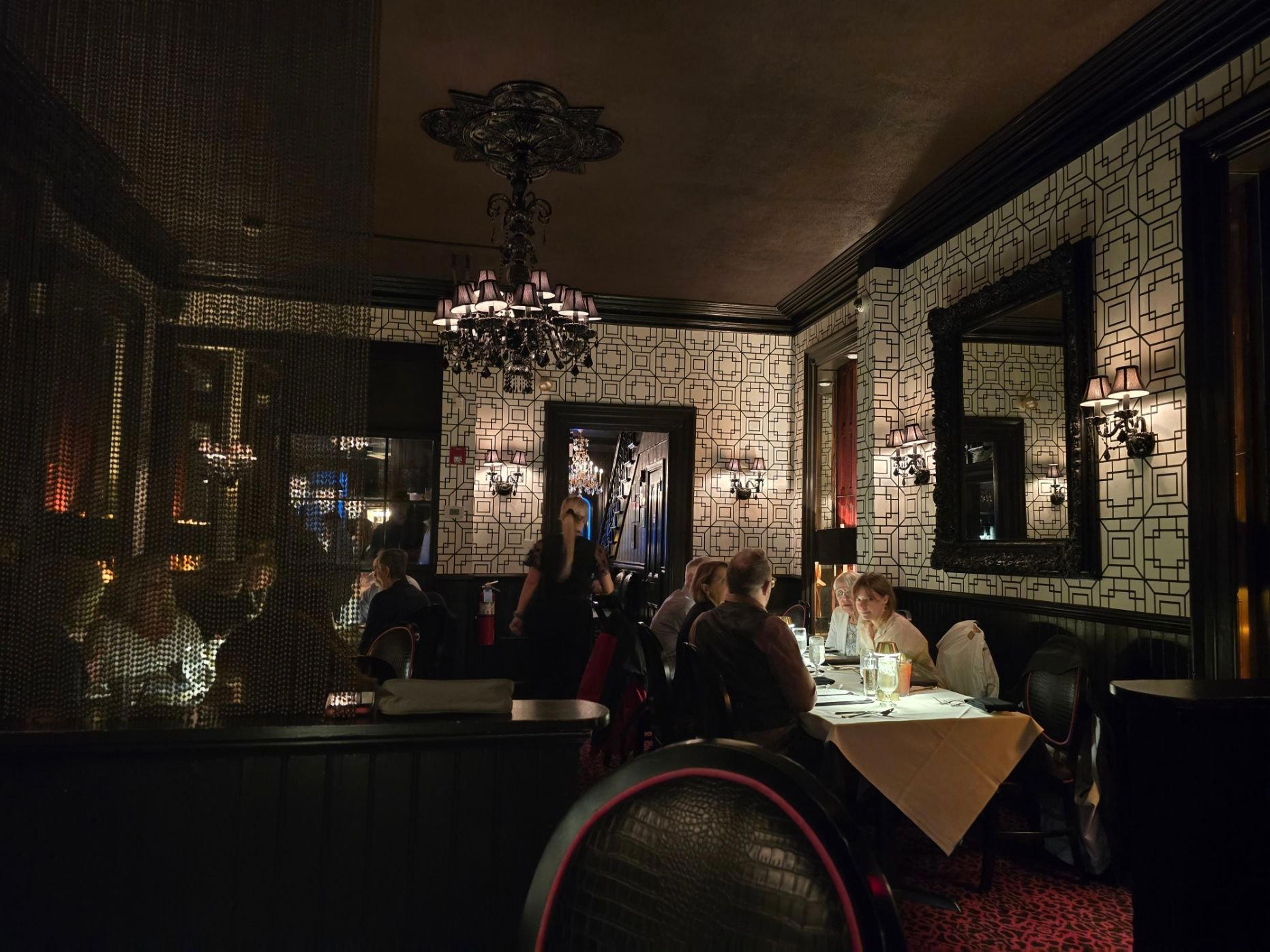
Expect a more considered restaurant atmosphere than a generic resort stop in Świnoujście. The appeal is in a polished, intimate dining-room feel rather than a beach-club or quick-service setup.
Does Polonaise have a Michelin star or similar recognition?
Polonaise is recognised in the Michelin Guide with a MICHELIN Plate distinction. It is not listed here as a Michelin-starred restaurant.
Where is Polonaise located?
Świnoujście.
Do they take walk-ins at Polonaise?
Polonaise is the sort of Świnoujście dining room where casual arrivals may be possible, but timing still matters. It is sensible to check ahead, especially during busy coastal periods in Świnoujście.
What's Polonaise best at?
Its strongest point is its role as a polished, recognised Świnoujście dining room. The effect is more deliberate than a generic resort meal, especially for guests who want a considered dinner in the city.
Is Polonaise allergy-friendly?
Guests with allergies should check directly before dining at Polonaise in Świnoujście. Direct confirmation with the restaurant is the safest approach.
Snapshot
Comparable venues by cuisine and price in the same metro.
| Venue | Cuisine | Price | Awards | Notes |
|---|---|---|---|---|
| PolonaiseThis venue (the venue you are viewing) | Modern Polish with French influence | Not listed | Michelin Plate | Not listed |
| Oyster | Modern seafood & Polish-European restaurant | Not listed | Michelin Plate | Not listed |
| Kaisers Eck | Regional German Seasonal Cuisine | $50–100 | Michelin Plate | Regional European |
| Belvedere | Modern Cuisine | Not listed | Not listed | Not listed |
Recognition history
Dated appearances from independent guides and award organizations, with the underlying list record or original source where available.
Michelin Plate
Michelin
Continue exploring
More in Świnoujście
Restaurants in Świnoujście
All restaurants in Świnoujście →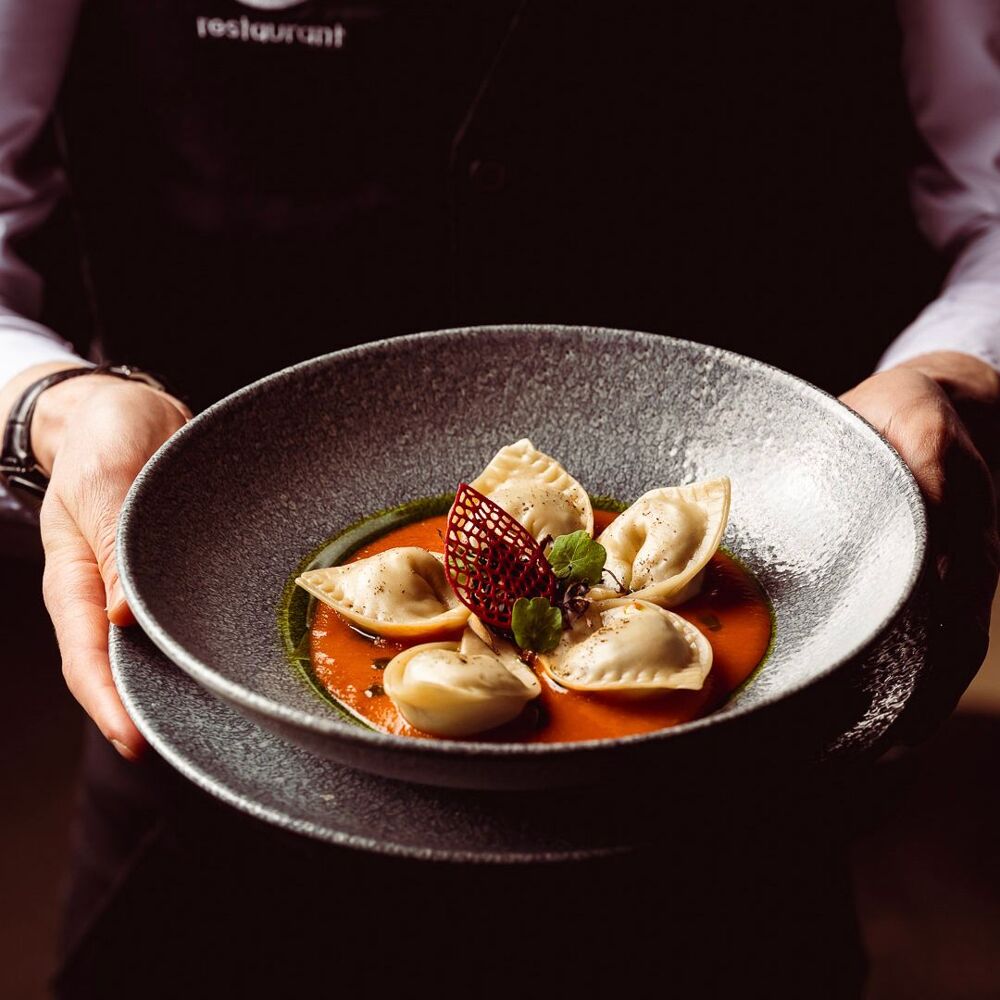
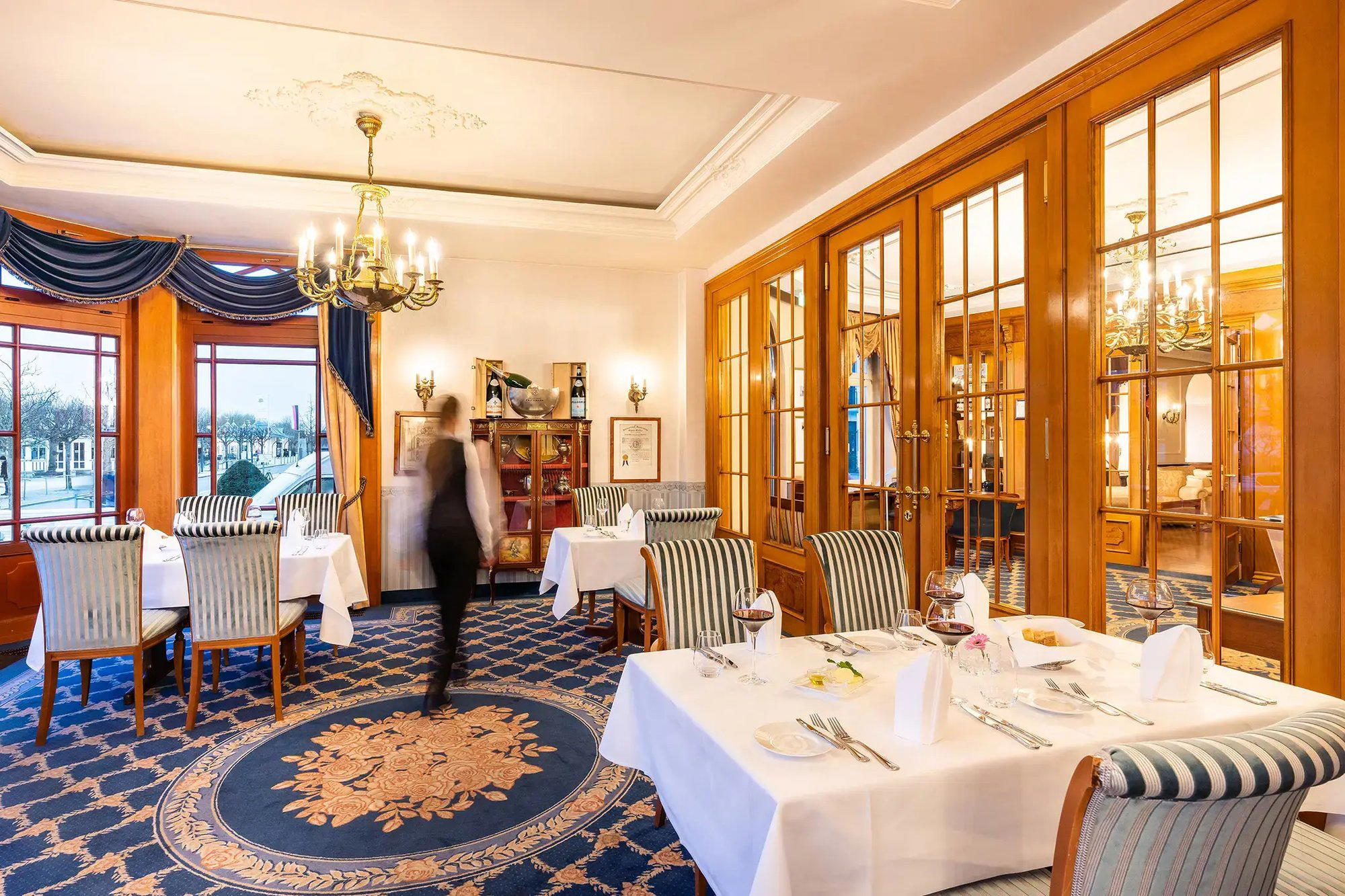
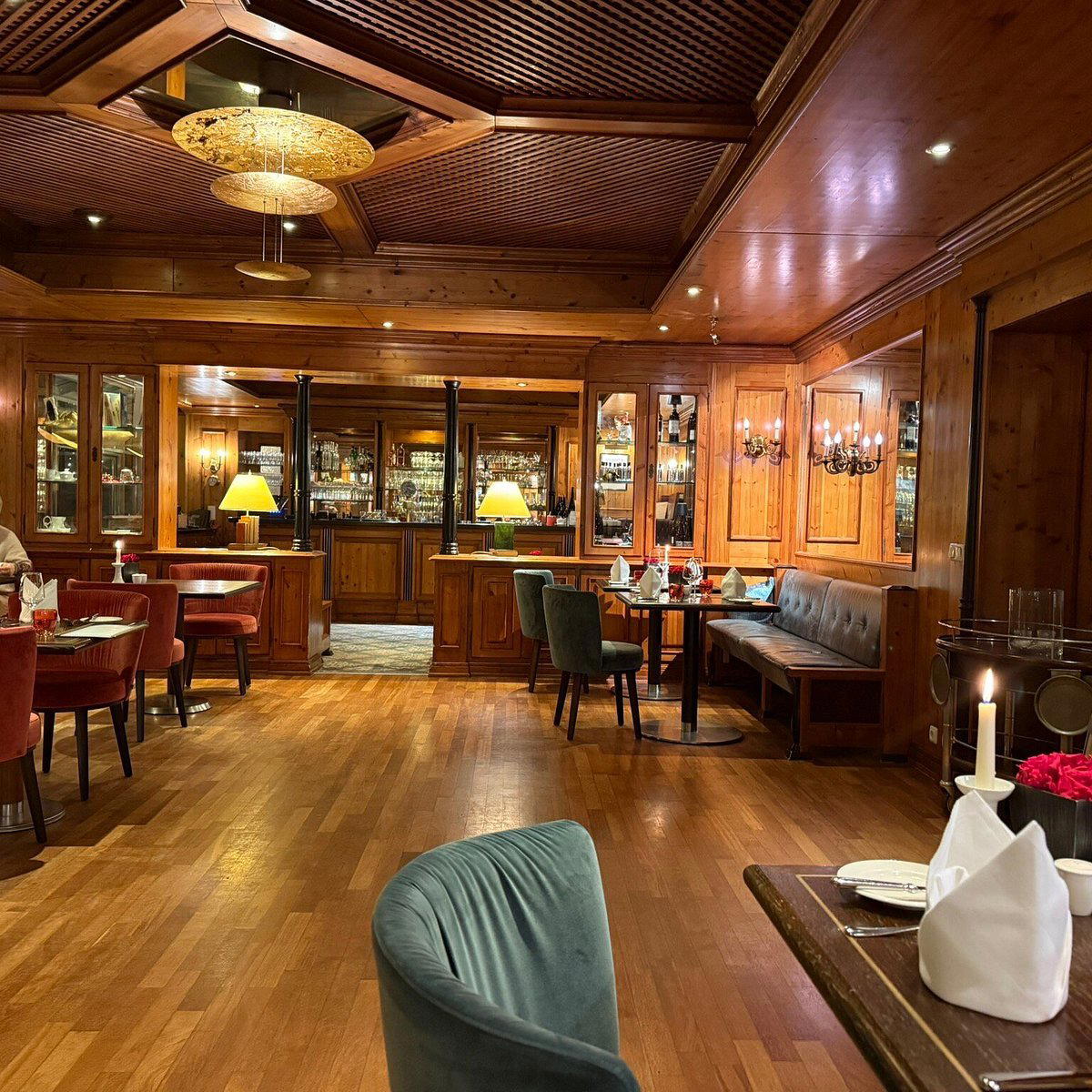
Hotels in Świnoujście
All hotels in Świnoujście →
Wineries in Świnoujście
Browse all →
Details
- Elegant
- Romantic
- Modern
- Sophisticated
- Date Night
- Special Occasion
- Business Dinner
- Group Dining
- Family
- Hotel Restaurant
- Waterfront
- Private Dining
- Design Destination
- Extensive Wine List
- Waterfront
- A La Carte
- Wine
- Vegetarian Friendly
- Gluten Free Options
Elegant, softly lit hotel-restaurant setting with a refined yet relaxed atmosphere, suited to romantic dinners and wine-focused evenings rather than loud, high-energy dining.