Oyster

Michelin Plate
Our verdict
Oyster fits Świnoujście’s Baltic-facing dining logic: seafood first, hotel polish second. The menu gives fish and shellfish the lead, with oysters, Baltic herring, and halibut used as signals of a kitchen working close to the coast rather than chasing a broad resort formula.

Pearl is the En Primeur Club membership app, where members save venues, book tables and use the concierge.
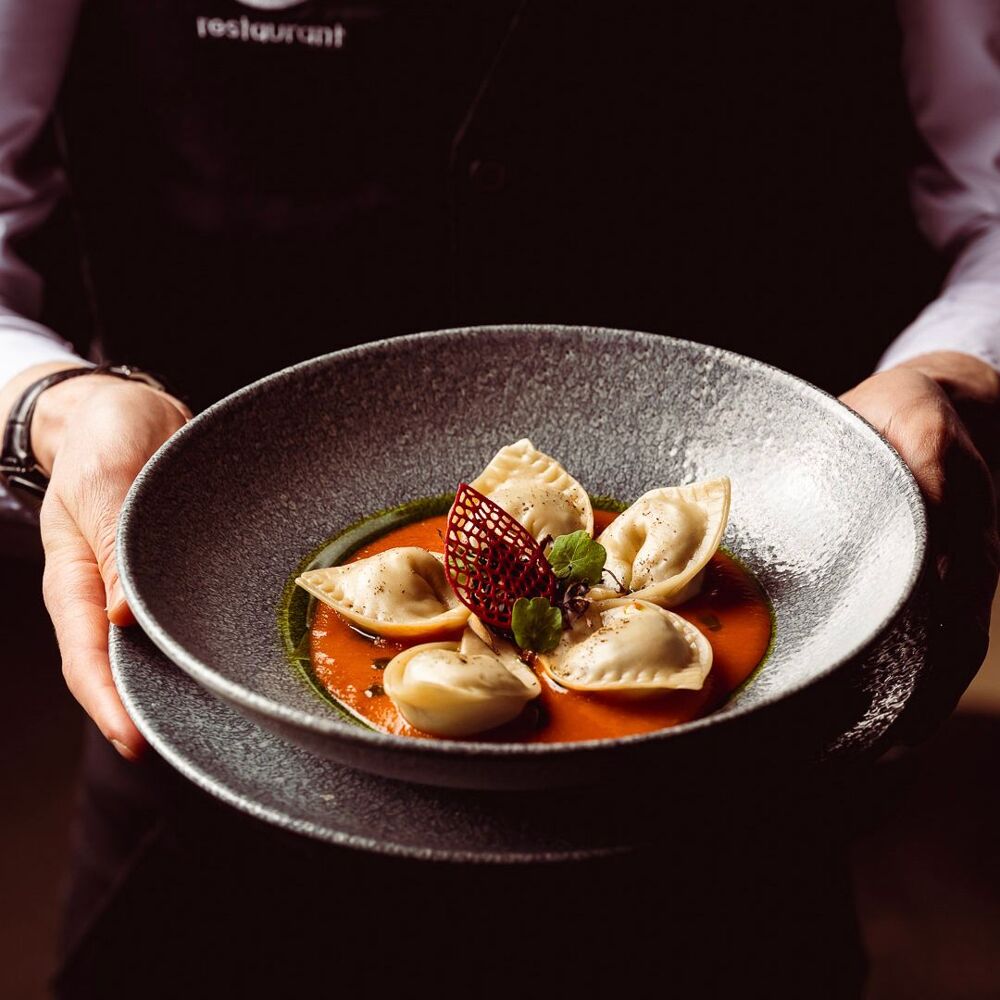
The menu
What to order
- Fresh halibut
- Octopus dishes
- Oysters
- Live lobster
Approaching Świnoujście, the dining rhythm shifts from everyday city practicality to a more visitor-facing kind of polish: sea air, hotel lobbies, promenade traffic, and tables set for guests who want a meal to feel connected to the coast. Oyster works inside that context. The name is plain about the brief, but the more useful reading is this: in a Polish seaside city where many dining rooms balance holiday demand with a sense of place, clarity becomes the test of seriousness.
That test is not only about any single ingredient. The stronger dining rooms in West Pomerania understand that a coastal meal can carry itself without theatrical handling. Here, the expectation is shaped by the restaurant’s name and by Świnoujście’s setting, but the broader point is restraint: a room like this works best when it lets the coastal mood, the service rhythm, and the menu’s most confident choices do the talking without turning the experience into folklore.
Coastal focus leads, but the Świnoujście reference matters more than the setting
Restaurants in resort cities often serve two audiences at once: visitors already in the area and diners who judge the room against other addresses nearby. Oyster sits in that overlap. The format can suit anything from a straightforward meal to a more occasion-minded dinner, which matters in Świnoujście, where lunch, post-beach evenings, and celebratory dining can all pass through the same city circuit. The editorial point is not a rigid label, but a sense of focus.
The more persuasive coastal kitchens are the ones that keep the plate legible. Familiar formats, controlled flourish, and a refusal to overcomplicate the meal can matter more than novelty. In a city facing the Baltic and shaped by water, that restraint has practical value. Diners are not coming to this part of Poland for abstraction alone; they are coming for a table that can make the setting feel credible with enough discipline to justify the occasion.
Świnoujście’s restaurant field is compact compared with Gdańsk, Warsaw, or Kraków, so the useful comparison is not a national fine-dining hierarchy. It is the difference between resort convenience and a kitchen that makes its purpose feel central. Polonaise gives another local reference point, while other Świnoujście dining rooms reflect the city’s hotel-and-leisure pattern. Against that frame, Oyster reads as a more focused option rather than a generalist room without a clear point of view.
What to read on the plate: restraint, focus, coastal appetite
Handling is the useful lens here because the menu’s credibility depends on clarity, seasonality, and confidence more than chef biography. Oyster’s name signals a coastal identity, but the better question is how the restaurant translates that identity into a full meal. That distinction matters: a recognisable theme can make a room feel celebratory, while careful execution connects the experience to the city around it. Ordering across the menu is the best way to see the range without forcing it into a formal tasting format.
Main courses in this category tend to work best when they choose accessibility over provocation. That is not a weakness. Świnoujście receives leisure travellers, spa guests, cross-border visitors, and Polish holiday diners; a restaurant here needs clarity. The better question is whether the meal retains a centre of gravity. At Oyster, the appeal is the promise of a polished Świnoujście dining room with a coastal sensibility rather than a venue built around spectacle.
For travellers building a wider Polish dining map, the contrast is instructive. A coastal address in Świnoujście occupies a different role from unnamed city restaurants elsewhere in Poland. Those comparisons help illustrate how the country’s dining map changes by city: resort polish, urban comfort, tasting-menu ambition, and specialist formats do not answer the same need. Oyster is best understood in its own Świnoujście context, alongside Belvedere, Heinrich's, Kaisers Eck, Polonaise, and SEETELHOTEL Ahlbecker Hof as part of a broader regional conversation.
Where it fits in Świnoujście's coastal circuit
The restaurant’s setting in Świnoujście places it in the more polished end of the city’s visitor economy. That matters for expectations. This is not the rough-edged holiday stereotype, and it is not trying to be. The room belongs to the resort-city ecosystem, where consistency, comfort, and a clear point of view are part of the contract. The editorial interest lies in how directly the restaurant keeps its promise within that structure.
Świnoujście’s geography gives the meal its logic. The city sits at Poland’s northwestern edge, close to the German border and shaped by ferry routes, beaches, spa tourism, and the Baltic. Restaurants here compete less through avant-garde technique than through whether they make the coastal setting feel credible. Oyster’s advantage is focus: the concept is easy to understand, and the room makes most sense when that focus remains the organising principle.
Use the broader city pages to plan around that same coastal circuit: Our full Świnoujście restaurants guide, Our full Świnoujście hotels guide, Our full Świnoujście bars guide, Our full Świnoujście wineries guide, and Our full Świnoujście experiences guide. For a deliberately wider contrast outside Poland’s coastal frame, unnamed specialist bars and compact dining rooms in other cities show how a restaurant can be driven by a single clear idea in a completely different dining culture.
The verdict is narrow, which is a compliment: choose Oyster when the point of the meal is a polished Świnoujście setting with a clear coastal identity, especially if the table wants a meal that can feel relaxed or more occasion-minded. The address makes less sense for diners seeking experimental cooking or a chef-led narrative. Its value is clearer than that: a recognisable concept, a room that can handle mixed groups, and a meal that stays close to the city’s visitor-facing rhythm.
Frequently asked questions
Is Oyster suitable for children?
Yes, if the child is comfortable with a polished Świnoujście restaurant. The setting can suit a flexible meal, which makes it easier to plan around younger appetites than in a more formal tasting-counter format.
What is the atmosphere like at Oyster?
It reads as a polished dining room rather than a formal tasting-counter spot. The Świnoujście setting points to a room built for both visitors and local diners, with the focus kept on a clear, coastal-leaning restaurant identity.
Is Oyster Michelin-listed?
Yes. Oyster is listed in the MICHELIN Guide and has a MICHELIN Plate distinction.
Where do I go for Oyster?
Świnoujście.
Do I need a reservation for Oyster?
A reservation is sensible, especially for dinner or weekend dining in Świnoujście. Oyster’s polished setting and MICHELIN Plate recognition make peak times harder to wing.
Fast Comparison
Comparable venues by cuisine and price in the same metro.
| Venue | Cuisine | Price | Awards |
|---|---|---|---|
| OysterThis venue (the venue you are viewing) | Modern seafood & Polish-European restaurant | Not listed | Michelin Plate |
| Polonaise | Modern Polish with French influence | Not listed | Michelin Plate |
| Kaisers Eck | Regional German Seasonal Cuisine | $50–100 | Michelin Plate |
| Belvedere | Modern Cuisine | Not listed | Not listed |
Recognition history
Dated appearances from independent guides and award organizations, with the underlying list record or original source where available.
Michelin Plate
Michelin
Oyster
Featured Guides
Continue exploring
More in Świnoujście
Restaurants in Świnoujście
All restaurants in Świnoujście →
Hotels in Świnoujście
All hotels in Świnoujście →
Wineries in Świnoujście
Browse all →
Details
- Elegant
- Modern
- Romantic
- Cozy
- Date Night
- Special Occasion
- Business Dinner
- Group Dining
- Family
- Casual Hangout
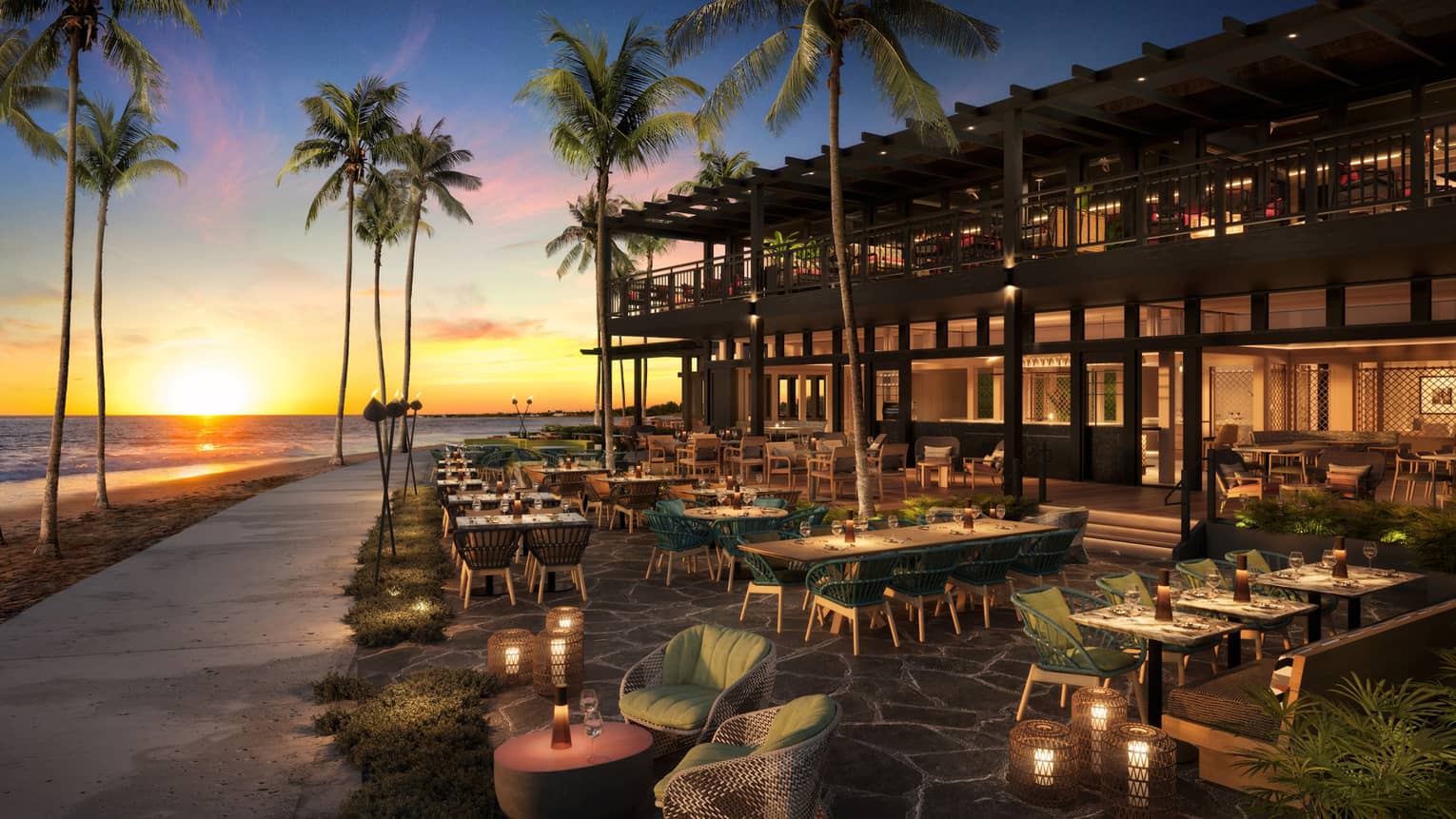
- Waterfront
- Hotel Restaurant
- Extensive Wine List
- Sustainable Seafood
- Waterfront
- A La Carte
- Wine
- Vegetarian Friendly
- Pescatarian Friendly
An elegant, modern dining room whose silver, scale-like design elements and soft lighting create a polished yet cozy atmosphere suited to relaxed dinners and special occasions.