

Guía Repsol 1 Sol · Macarfi 7.5 Food Rating
Our verdict
Nöla adds a contemporary note to Sigüenza’s compact dining circuit, where Castilian produce and small-city pacing matter more than spectacle. Its 1 Sol recognition in the Guía Repsol Soles 2026 places it in Spain’s serious regional conversation, particularly for travelers comparing the city’s modern kitchens with traditional addresses nearby.

Pearl is the En Primeur Club membership app, where members save venues, book tables and use the concierge.
The menu
What to order
- Plums stuffed with game rillettes
- Cannelloni with onion toffee and truffle béchamel
- Torrija with artisanal ice cream
- Wild game steak tartar with rosemary and mustard ice cream
Sigüenza is a stone-built city before it is a restaurant city: narrow streets, cathedral gravity, and a slower rhythm that makes lunch feel like part of the day, not a pause from it. In that setting, Nöla belongs to a local dining conversation where a restaurant can sit alongside the city’s historic character without turning the meal into a postcard. The point is not rural nostalgia, but a considered restaurant experience for diners who want the stop to feel connected to Sigüenza rather than interchangeable.
The context matters because Sigüenza is not Madrid, Barcelona, or San Sebastián. Dining here depends on a tighter local audience, a smaller visitor flow, and travelers often arriving with a historic itinerary already mapped. A restaurant in this setting must respect the appetite for place and give the city a reason to be judged beyond its architecture. Nöla’s 1 Sol in the Guía Repsol Soles 2026 is a useful signal, not because awards settle taste, but because Repsol is especially relevant in Spain’s regional restaurant map, where local identity and restaurant ambition often overlap.
Sigüenza, handled with a contemporary restaurant grammar
Place is the natural lens. Sigüenza’s dining culture is shaped by its scale, its surrounding landscape, and the expectations of visitors who come looking for more than a quick stop. Nöla belongs to that equation as a restaurant that gives the city another current point of reference.
That separates it from more straightforward local dining rooms, where comfort and repetition may carry the meal. In a smaller city, the modern restaurant has little room for empty technique; diners notice when an experience could have come from anywhere. The stronger argument is locality with restraint: neither a museum version of Sigüenza nor a generic dining-room style imported from a capital. The Guía Repsol 1 Sol gives the restaurant a national marker while keeping the essential question close to the ground: how convincingly does Nöla make Sigüenza feel current?
For travelers building a meal around the city rather than one reservation, the comparison with El Doncel is the obvious local frame. El Doncel gives Sigüenza one established point of reference, while Nöla gives the city another recognized address rather than a duplicate. Other Sigüenza dining rooms widen the conversation in different directions, from simpler local meals to more destination-minded experiences. Together, these addresses show how a small Castilian city can support more than one version of serious dining.
A small-city dining scene with national signals
Spain’s current restaurant energy is not confined to major capitals. The more interesting regional pattern is the rise of restaurants in secondary cities and historic towns, where guide recognition can change how travelers plan a route. Sigüenza fits neatly: cultural weight to attract visitors, compactness to make dining choices deliberate, and enough sense of place to give a restaurant like Nöla a credible base.
Nöla’s role is better understood through category than biography. No public chef narrative is needed to explain its relevance. The useful evidence is format and recognition: a restaurant in Sigüenza, acknowledged by a Spanish guide attentive to regional dining. That puts it in a different decision set from other local options such as Bambú, Marisquería Sánchez, RIBS, or Virrey Palafox, which may suit different kinds of meals. Here, the expectation is a more edited experience, with room and menu working toward a sense of place rather than volume.
Travelers should be precise about appetite. Sigüenza can support a long lunch, then a lighter evening elsewhere, or the reverse for those arriving late or moving through the wider area. The city’s dining rhythm is not built for all-day grazing like a larger Spanish city; it rewards planned meals. For a wider read on the local circuit, Our full Sigüenza restaurants guide is the natural starting point, while overnight planning sits better alongside Our full Sigüenza hotels guide. Drinks, cellars, and cultural pacing can be mapped through Our full Sigüenza bars guide, Our full Sigüenza wineries guide, and Our full Sigüenza experiences guide.
How to position it on a Spain dining itinerary
Nöla makes most sense for travelers using Sigüenza as more than a postcard stop. If the day is only monuments, wandering, and departure, a shorter meal may be enough. If the city is part of a broader inland-Spain route, the restaurant gives the stop a clearer culinary reason. That is the value of a recognized regional address: it shifts Sigüenza from scenic pause to dining waypoint.
Spain’s serious restaurant map is now full of smaller addresses that complicate old assumptions about where ambition lives. A capital-city comparison sits in a different urban market, while regional restaurants elsewhere show how varied the country’s dining registers have become. Even outside Spain, small-format specificity can be the point, where clarity of purpose matters more than scale. Nöla belongs in that wider conversation as a Sigüenza address with a national signal, not as an imitation of a larger-market restaurant.
The verdict is restrained but clear: Nöla is for diners who want Sigüenza to register as part of the meal, not merely as scenery before or after it. The city already supplies the atmosphere. The restaurant’s job is to make the stop feel legible at the table, and its 2026 Repsol recognition gives that proposition outside validation.
Frequently asked questions
Is Nöla suitable for children?
Nöla is a restaurant in Sigüenza. Families should treat it as a planned restaurant meal rather than a casual drop-in and check current booking details directly before visiting.
What's the overall feel of Nöla?
Nöla is a Sigüenza restaurant with a Guía Repsol 1 Sol, giving it national credibility and placing it above an ordinary local stop without requiring grand claims.
What are the opening hours for Nöla?
Check Nöla’s current opening hours directly before planning a visit, as schedules can change.
What is Nöla known for?
Nöla is known as a Sigüenza restaurant recognized with 1 Sol in the Guía Repsol Soles 2026.
How It Stacks Up
Comparable venues by cuisine and price in the same metro.
| Venue | Cuisine | Price | Awards | Notes |
|---|---|---|---|---|
| NölaThis venue (the venue you are viewing) | Modern Manchegan tasting menus with regional and fusion flavors | $50–100 | Guía Repsol 1 Sol · Macarfi 7.5 Food Rating | Not listed |
| El Doncel | Modern Spanish Fine Dining | $100–150 | 1 Michelin Star · Guía Repsol 2 Soles | Modern Cuisine |
| Bambú | Authentic Thai | $20–30 | Michelin Bib Gourmand | Traditional Cuisine |
Recognition history
Dated appearances from independent guides and award organizations, with the underlying list record or original source where available.
Guía Repsol 1 Sol
Guía Repsol
Macarfi 7.5 Food Rating
Macarfi
Continue exploring
More in Sigüenza
Restaurants in Sigüenza
All restaurants in Sigüenza →
Hotels in Sigüenza
Browse all →
Details
- Cozy
- Romantic
- Rustic
- Intimate
- Date Night
- Special Occasion
- Celebration
- Business Dinner
- Group Dining
- Historic Building
- Courtyard
- Design Destination
- Standalone
- Extensive Wine List
- Local Sourcing
- Tasting Menu
- A La Carte
- Wine
- Gluten Free Options
Current opening hours
- Monday
- Closed
- Tuesday
- Closed
- Wednesday
- Closed
- Thursday
- 1:30–3 PM, 8:30–10 PM
- Friday
- 1:30–3 PM, 8:30–10 PM
- Saturday
- 1:30–3:30 PM, 8:30–10 PM
- Sunday
- 1:30–3:30 PM
Hours can change for holidays and private events. Hours as of .
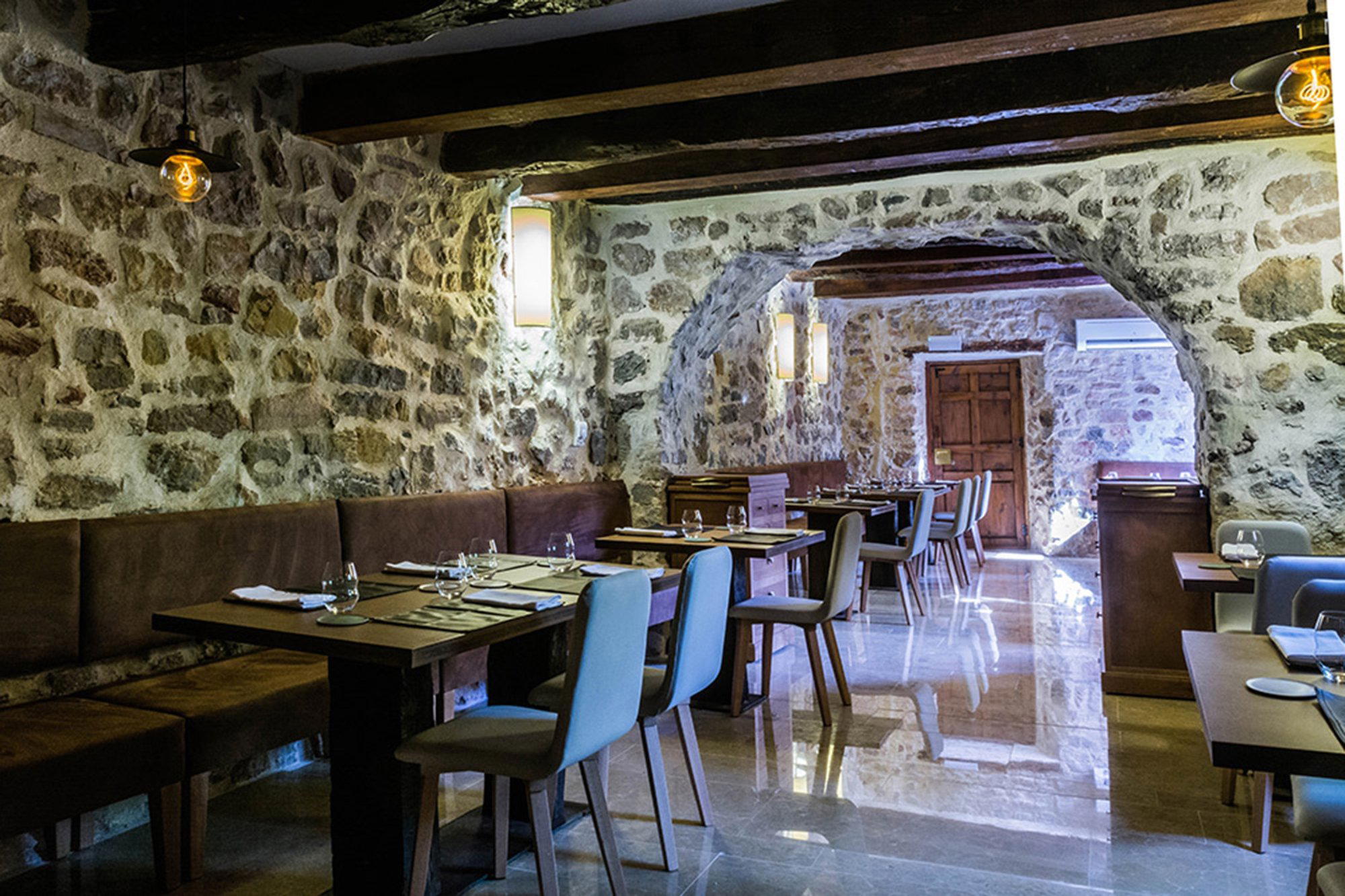
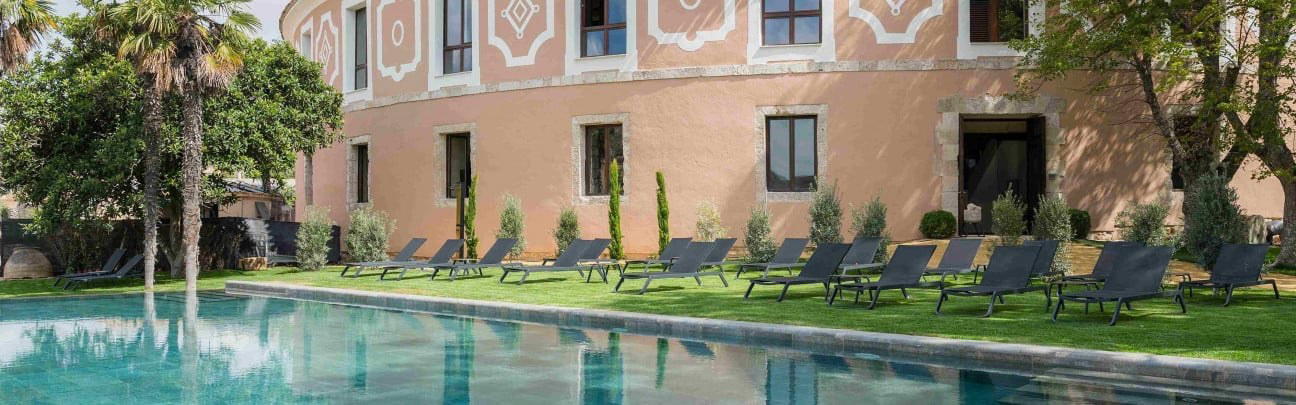
Cozy and intimate stone-basement dining room in a medieval building, with careful presentation and polished service, plus a pleasant patio for summer dining that feels atmospheric and slightly romantic rather than formal.