Lotus Noodle Bar

Michelin Plate
Our verdict
Lotus Noodle Bar serves casual Asian-inspired noodle dishes and small plates on Grove Avenue in St. Augustine's midtown corridor. The project started as a pop-up series before establishing a permanent location, filling a gap in the city's otherwise Spanish-colonial and coastal seafood dining landscape. Expect approachable, counter-service format and a neighborhood crowd.

Pearl is the En Primeur Club membership app, where members save venues, book tables and use the concierge.
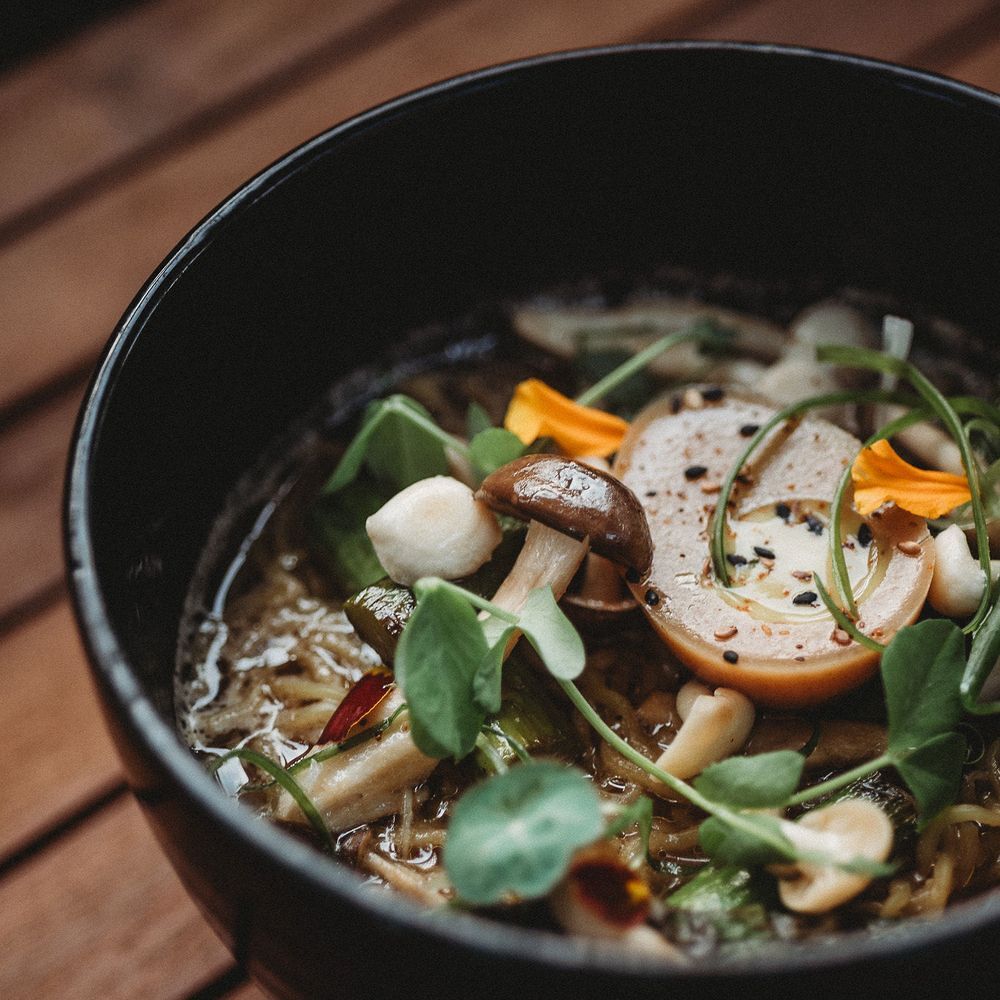
The menu
What to order
- Spicy Maple Leaf Farms duck tan tan ramen with sesame Sichuan coconut broth and Kyoto white miso
- Ramen with crab and lobster
- Seasonal noodle dishes highlighting local Florida seafood
St. Augustine's dining identity remains heavily weighted toward Spanish-colonial tourism and waterfront seafood institutions. The midtown Grove Avenue corridor, removed from the tourist-dense historic district, hosts a quieter, neighbourhood-facing commercial strip where independent concepts operate without the foot traffic or price premium of the bayfront. Lotus Noodle Bar occupies that less-visible tier. It began as a series of pop-ups before transitioning to a fixed location, a common trajectory for single-operator or micro-kitchen concepts testing demand without the capital overhead of a full buildout. The format signals modest scale: counter service, limited seating, and an emphasis on speed and value over plated service or chef-driven tasting progression. In a city where most inbound visitors book tables at Conch House Restaurant or Cap's on the Water, Lotus Noodle Bar operates in a different competitive lane, one shaped by local lunches, weeknight takeout, and the growing preference for fast-casual Asian formats outside the high-volume poke and ramen chains that now saturate coastal Florida markets.
The Noodle Bowl as Regional Gap-Fill
Florida's Asian dining scene splits unevenly: Miami and Orlando support dedicated omakase counters, regional dumpling kitchens, and ramen specialists with dedicated followings, while smaller markets like St. Augustine remain underserved. Noodle concepts in second-tier tourism cities often emerge to fill a dual role, providing familiar comfort food for residents and offering an alternative to fried seafood for visitors seeking variety. The pop-up origin story matters here. A temporary-format test phase allows operators to refine sourcing, gauge volume, and build recognition without committing to lease terms or full staffing. Venues that survive the pop-up phase and graduate to brick-and-mortar typically do so because they've locked in supplier relationships and proven consistent demand. Lotus Noodle Bar followed that arc, suggesting it identified a viable audience before opening its permanent Grove Avenue space. The midtown location, walkable from residential blocks but not from the Castillo de San Marcos or the Bridge of Lions, reinforces a local-first positioning rather than tourist-capture strategy. Compare that to the placement of Asado Life or Bar Citra, both of which sit closer to the pedestrian-heavy San Marco Avenue corridor and benefit from adjacency to higher-traffic anchors.
Counter Service and Menu Scope
The absence of published menu data or signature-dish documentation points to a rotating or tightly selection, common in small-footprint noodle concepts that rely on direct ordering rather than online dissemination. Counter-service formats in this category typically offer four to eight core bowls: pho-style broths, stir-fried noodle plates, rice bowls with protein add-ons, and one or two vegetarian builds. Ingredient sourcing becomes the primary lever for differentiation when format and price point are constrained. Operators working at modest ticket averages face a choice: use commodity proteins and dried noodles to hold costs, or invest in traceable beef, house-made broths, and fresh vegetables to justify slightly higher pricing and attract a quality-conscious segment. The editorial angle here, ingredient sourcing, matters because it determines whether a noodle bar competes on convenience alone or builds loyalty through demonstrable product quality. St. Augustine's proximity to Jacksonville's broader Asian wholesale network and Florida's year-round produce availability give operators access to better inputs than many inland markets, but margin pressure in fast-casual formats often discourages premium sourcing unless the operator can communicate it effectively and charge accordingly. Without published supplier credits or menu transparency, it's difficult to assess where Lotus Noodle Bar lands on that spectrum. Visit our full St Augustine restaurants guide to see how other independent kitchens in the city handle sourcing and menu communication.
Positioning Within St. Augustine's Midtown Dining Layer
St. Augustine's restaurant market operates in visible tiers. The bayfront and historic-district layer, where Conch House Restaurant and comparable venues sit, commands higher prices and benefits from walk-in tourism. The San Marco corridor hosts a mix of chef-driven independents and regional concepts. Midtown Grove Avenue, by contrast, supports a functional, lower-rent dining row where repeat locals matter more than seasonal visitors. Lotus Noodle Bar's permanent address places it in that third tier, alongside taquerias, sandwich counters, and pizza shops that rely on neighborhood regulars and weekday lunch volume. The challenge for any niche concept in that tier is maintaining consistent hours and ingredient quality without the revenue cushion that tourist traffic provides. Operators who succeed in midtown St. Augustine typically do so by building a loyal base, holding tight food costs, and avoiding the staffing churn that plagues higher-volume concepts in the historic district. The pop-up-to-permanent transition suggests Lotus Noodle Bar tested that model before committing, a smarter path than launching cold into a lease. For broader context on St. Augustine's dining geography, see our full St Augustine restaurants guide, our full St Augustine hotels guide, and our full St Augustine bars guide.
Planning the Visit
Grove Avenue sits roughly two miles west of the historic district, accessible by car in under ten minutes or by rideshare in similar time. Parking in midtown is easier and free along the corridor, a practical advantage over the metered lots and paid garages near the bayfront. Counter-service formats eliminate the need for advance reservations, but expect potential wait times during peak lunch or early-dinner windows, especially on weekends. If the kitchen runs out of a protein or noodle type, it's typically disclosed at the counter rather than online, so flexibility helps. Pair a visit with Beach Brew for coffee before or after, or check our full St Augustine experiences guide for walking tours and distillery visits that align with a midtown dining stop. For wine-focused options elsewhere in the region, see our full St Augustine wineries guide. Analogous fast-casual Asian formats worth noting in other U.S. markets include ¿Por Qué No? in Portland for counter-service flexibility, Onigiri Time in Pasadena for Japanese grab-and-go execution, and Jōdo Saké Bar in Los Angeles for beverage-forward small plates. Hawaiian counter-service models like 'Ai Love Nalo in Waimanalo Beach and 'āina in San Francisco offer useful reference points for ingredient-led fast-casual formats. Japanese noodle specialists such as -Grilled beef Sukiyaki- KAMAKURA TANUKIAN 鎌倉 たぬき庵 in Kamakura illustrate higher-end noodle execution, while 'Ama 'Ama in Kapolei and ¡Salud! in Los Angeles show how ingredient transparency and sourcing stories build differentiation in crowded markets.
Frequently asked questions
Is Lotus Noodle Bar a family-friendly restaurant?
The counter-service format on Grove Avenue works for families seeking a quick, casual meal. Lotus Noodle Bar began as a pop-up series before settling into its St Augustine location, and the small footprint suggests minimal wait-staff interaction and straightforward ordering. Groups with children will find the format accessible.
What's the vibe at Lotus Noodle Bar?
Counter service defines the pace and tone: order, pay, collect. The Grove Avenue address places it two miles west of the historic district in a less tourist-heavy zone. Expect functional seating and a focus on the bowl rather than the room, consistent with the venue's pop-up origins.
What's Lotus Noodle Bar known for in terms of accolades?
Lotus Noodle Bar has received recognition including: Lotus Noodle Bar began as a series of pop-ups from....
What's the address for Lotus Noodle Bar?
Lotus Noodle Bar is located at 56 Grove Ave. St. Augustine, Florida, 32084, USA, St Augustine.
How hard is it to get a table at Lotus Noodle Bar?
Counter-service noodle bars in regional Florida markets rarely require reservations. The format favors turnover, and St Augustine's midtown dining layer sees lighter foot traffic than the bayfront zone.
What's the defining dish or idea at Lotus Noodle Bar?
The evolution from pop-up to permanent counter suggests a rotating or tightly noodle selection, though no signature dish is documented. Without menu or chef data, the defining characteristic remains the format itself: small-footprint noodle bowls in a city that lacks dedicated Asian specialists outside Miami and Orlando.
Is Lotus Noodle Bar good for vegetarians?
The pop-up history may indicate flexibility in preparation, though specifics are unavailable.
A Quick Peer Check
Comparable venues by cuisine and price in the same metro.
| Venue | Cuisine | Price | Awards |
|---|---|---|---|
| Lotus Noodle BarThis venue (the venue you are viewing) | Modern Japanese Noodle Bar with French Technique | $50–100 | Michelin Plate |
| Sunday | Comforting American breakfast and lunch café with house-made sourdough | $20–30 | Michelin Bib Gourmand |
| Asado Life | Argentine-inspired live-fire steak and seafood | $50–100 | Michelin Plate |
| Conch House Restaurant | Caribbean Seafood | $20–30 | Not listed |
| Bar Citra | Seasonal Coffee, Wine Bar & Kitchen | $30–50 | Michelin Bib Gourmand |
| Cap's on the Water | New Coastal Seafood | $30–50 | Star Wine List |
Recognition history
Dated appearances from independent guides and award organizations, with the underlying list record or original source where available.
Michelin Plate
Michelin
Continue exploring
More in St Augustine
Restaurants in St Augustine
All restaurants in St Augustine →

Details
- Intimate
- Cozy
- Modern
- Date Night
- Solo
- Special Occasion
- Casual Hangout
- Chefs Counter
- Open Kitchen
- Standalone
- Historic Building
- Design Destination
- Craft Cocktails
- Local Sourcing
- Sustainable Seafood
- Garden
- A La Carte
- Counter Dining
- Craft Cocktails
- Sake
- Beer
- Pescatarian Friendly
Current opening hours
- Monday
- Closed
- Tuesday
- 5–9 pm
- Wednesday
- 5–9 pm
- Thursday
- 5–9 pm
- Friday
- 5–10 pm
- Saturday
- 5–10 pm
- Sunday
- 5–8 pm
Hours can change for holidays and private events. Last verified .
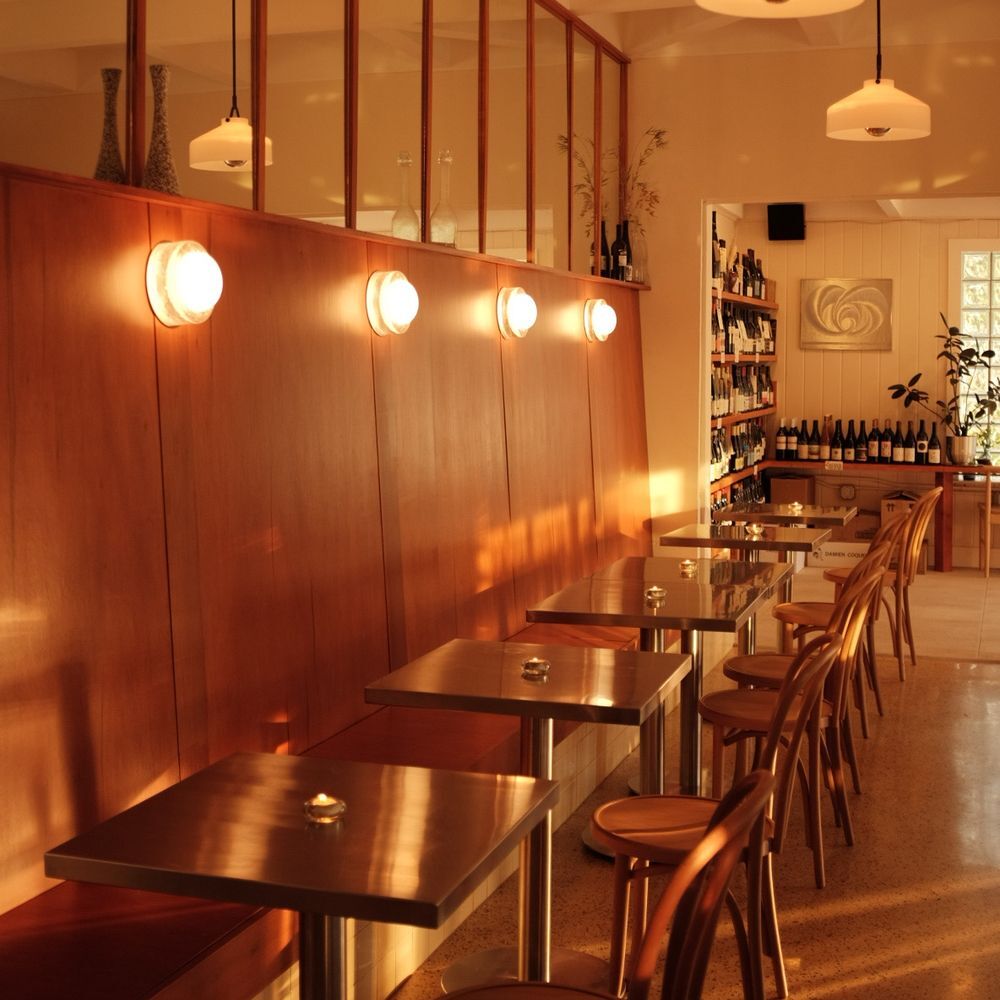
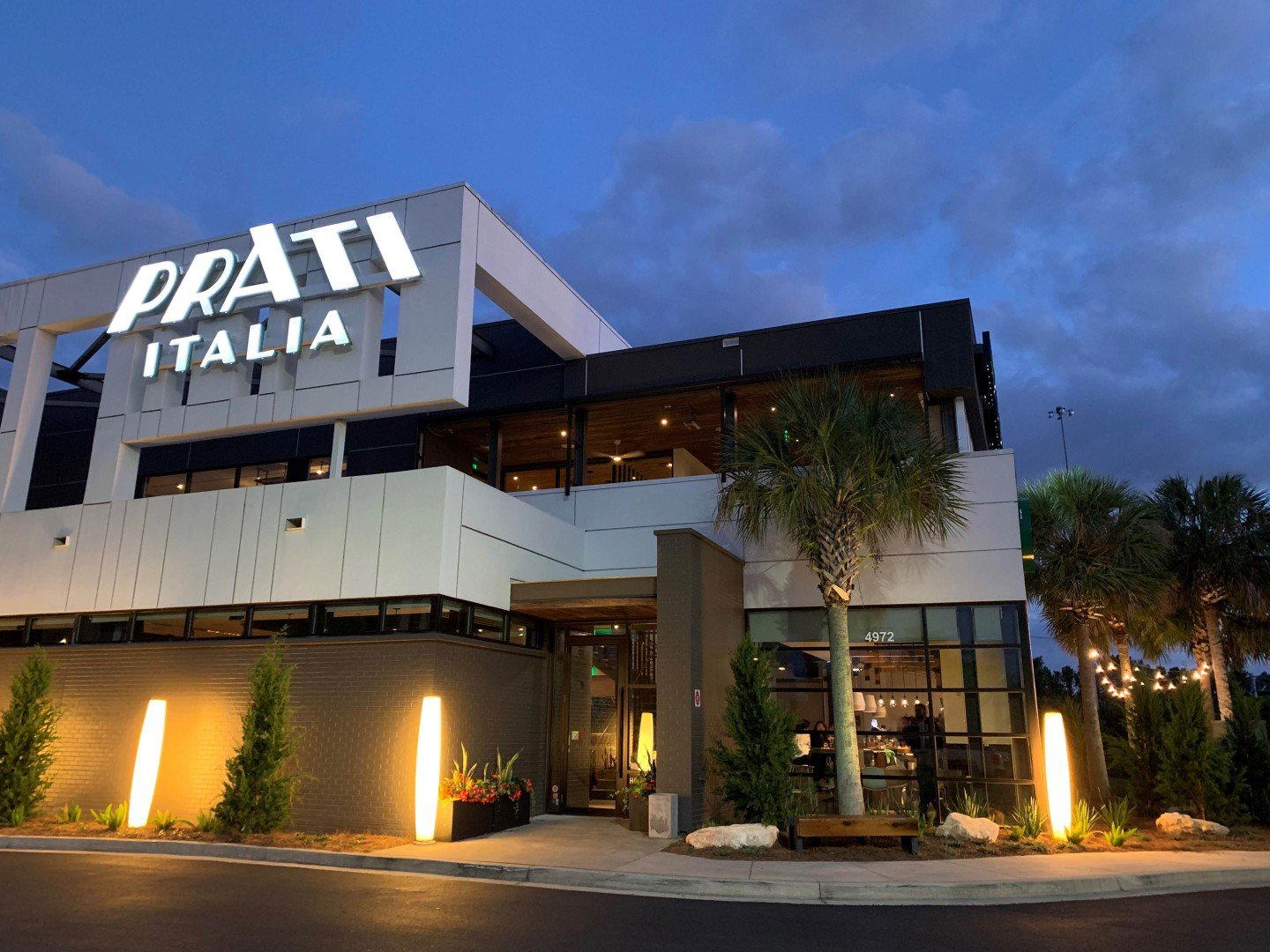
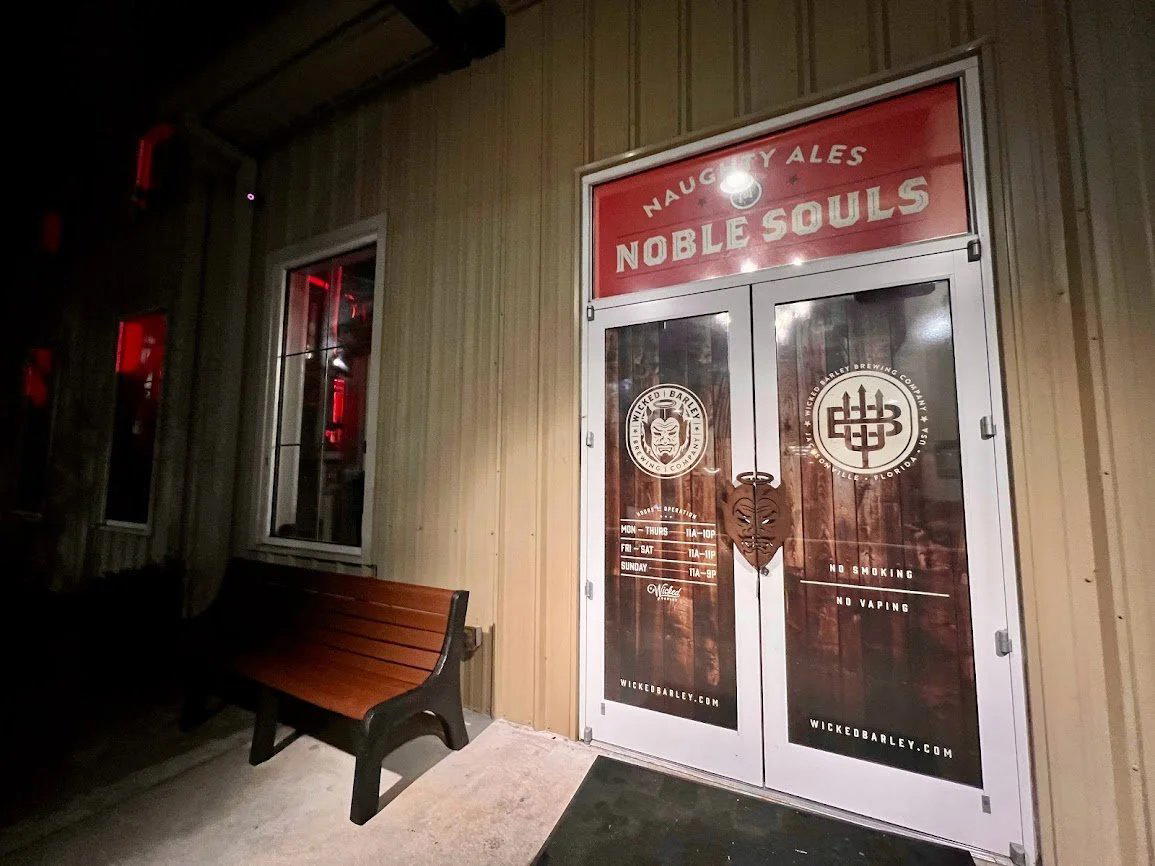
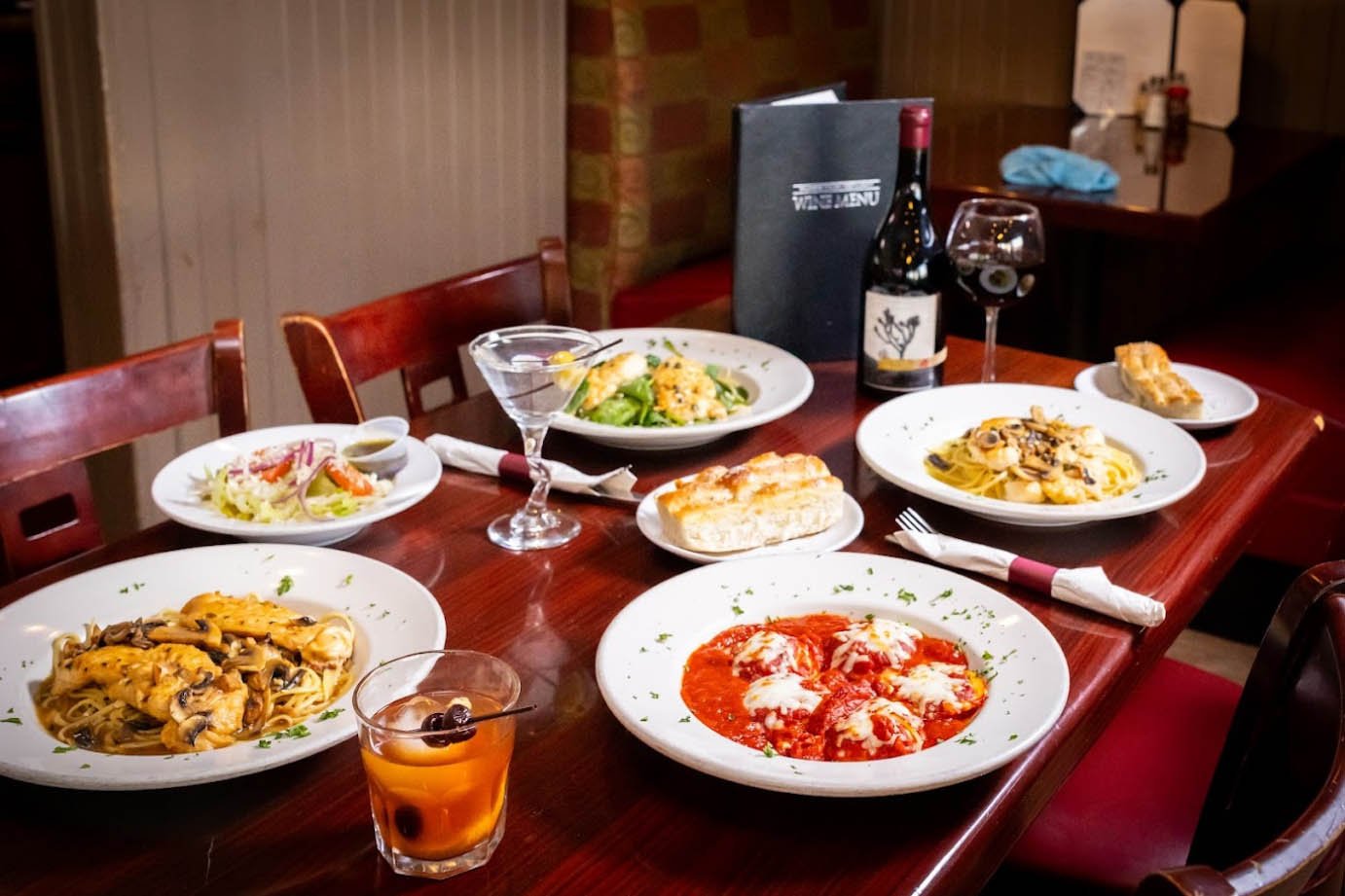
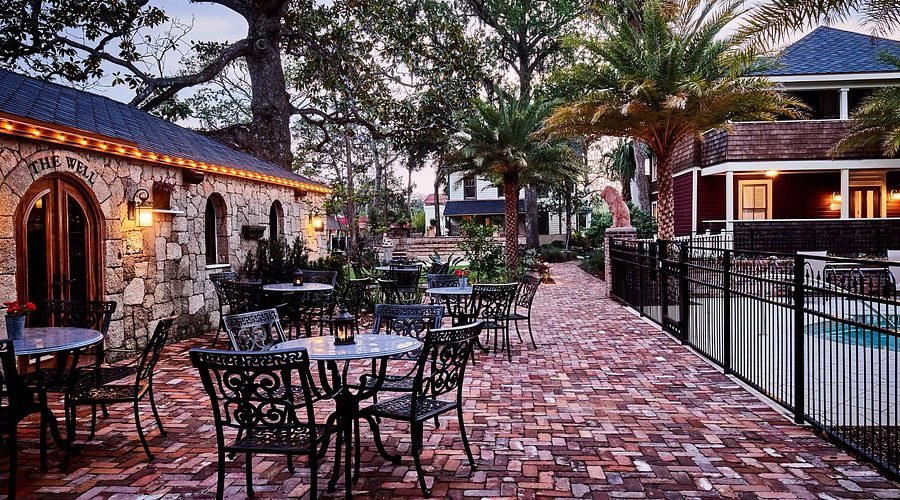
The dining room is intimate and softly lit, with a calm, minimalist feel that highlights the open kitchen’s activity, while the outdoor garden courtyard offers a serene, almost contemplative atmosphere away from the street.