Koloa Fish Market
Our verdict
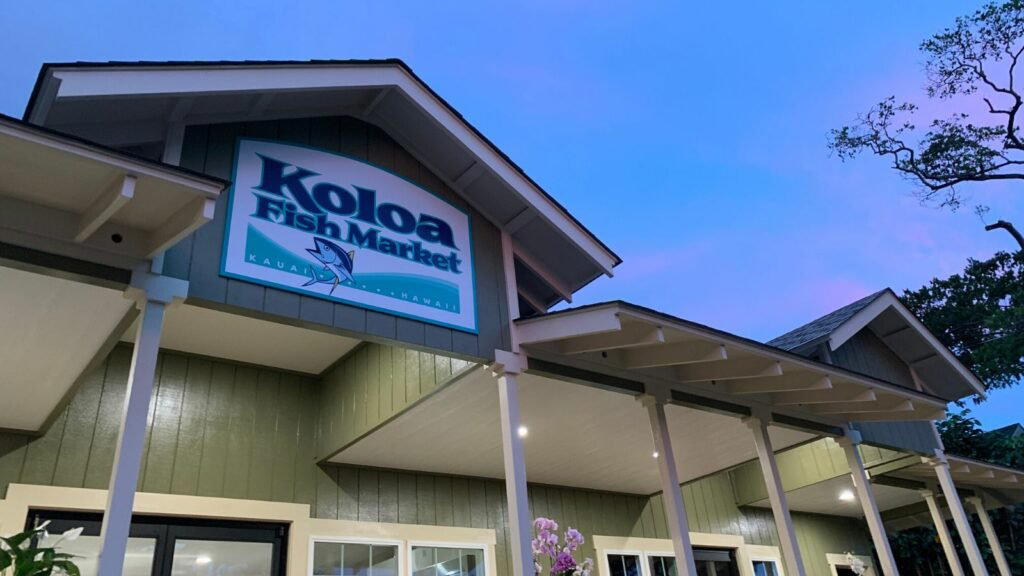
Koloa Fish Market operates at the working-town end of Kauai's south shore food culture, a counter-service fish market on Poipu Rd where poke, plate lunches, and fresh Pacific catch are sold with minimal ceremony. It sits well outside the Po'ipu resort corridor and prices accordingly. The format rewards visitors who want direct contact with the Hawaiian fish market tradition rather than a mediated resort interpretation of it.

Pearl is the En Primeur Club membership app, where members save venues, book tables and use the concierge.
The menu
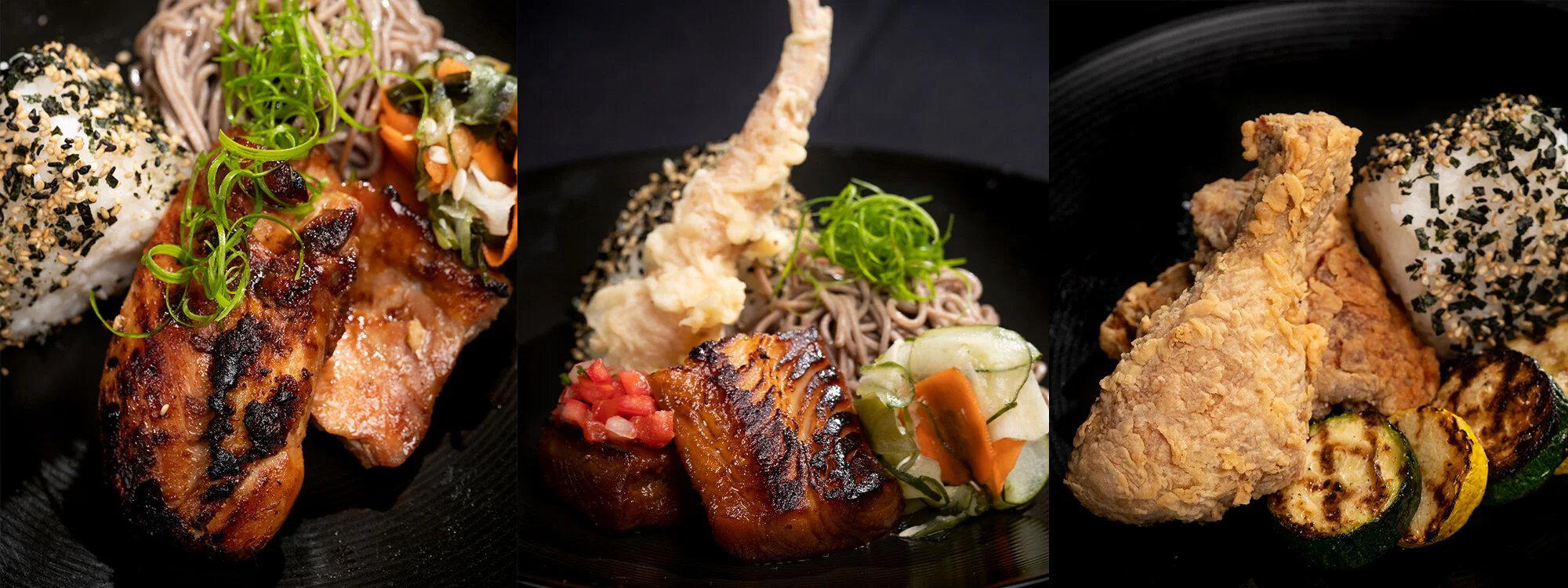
What to order
- Poke bowls
- Korean ahi poke
- Spicy ahi poke
- Lau lau
- Plate lunches
Where Kauai's Working Shore Meets the Visitor's Plate
The south shore of Kauai has two distinct food cultures operating in parallel. One runs through the resort corridors of Po'ipu, where open-air dining rooms serve mai tais at sunset and charge accordingly. The other moves closer to the road, the fishing docks, and the practical rhythms of a community that has been eating fresh Pacific catch long before the hotels arrived. Koloa Fish Market, at 3390 Poipu Rd in Koloa, belongs to the second tradition. It sits on a stretch of road that most visitors pass through on the way to the beach, which is precisely why the clientele skews toward people who know what they are looking for rather than people who stumbled in from a lobby concierge recommendation.
The Hawaii Fish Market Tradition and What It Means
Fish markets in Hawaii occupy a category that has no clean equivalent on the mainland. They are not fishmongers in the European sense, not fast-food counters, and not casual restaurants. They are the direct expression of a Pacific food culture in which proximity to the ocean is assumed, preparation is minimal by design, and the catch is treated as self-sufficient rather than as raw material for further elaboration. Plate lunches, poke bowls, and grilled fish sold by weight are the standard formats, and their simplicity is a choice, not an absence of sophistication. The same impulse toward restraint and ingredient-first cooking that draws visitors to highly technical counters like Le Bernardin in New York City or Providence in Los Angeles is embedded, in a far less formal register, in the Hawaiian fish market format. The difference is that here, the restraint is communal and historical rather than the product of a refined culinary program.
Poke, in particular, carries significant cultural weight on the islands. The dish predates its current mainland popularity by generations, originating as a preparation of raw fish seasoned with sea salt, seaweed, and kukui nut before soy sauce and sesame oil entered the mix through Japanese influence. On Kauai, fish markets remain the primary site where that lineage is maintained with the least amount of performance around it. The fish is fresh, the seasoning is direct, and the bowl is handed across a counter without ceremony. That lack of ceremony is the point.
Koloa as a Dining Context
Koloa is the oldest sugar plantation town in Hawaii, and its commercial strip has been shaped by that history: practical, compact, and oriented toward local use rather than visitor spectacle. The town sits a short drive from Po'ipu's resort zone but operates at a different register entirely. Restaurants like Keoki's Paradise and Puka Dog occupy the more accessible, visitor-friendly end of the local dining range, while fish markets represent the unmediated core of how people actually eat here when no one is watching. The concentration of working-locals infrastructure in Koloa makes it a more reliable indicator of Kauai's actual food culture than anything in the resort corridor.
For visitors arriving from the continental US, the fish market format can require a recalibration of expectations. There is no reservation system, no dress code consideration, and no sommelier. What there is, typically, is a chilled case of fresh fish, house-made poke in several cuts and seasonings, a short menu of prepared items, and a line that moves fast. The economics operate on volume and freshness rather than on margin-per-cover, which keeps prices accessible relative to the resort alternatives a few miles south. If you want the kind of tasting-menu architecture offered by Alinea in Chicago or The French Laundry in Napa, Koloa Fish Market is the wrong address. If you want to understand how Kauai actually feeds itself, it is one of the more direct routes available.
What the Fish Market Format Tells You About the Island
Hawaii's relationship with seafood is defined by geography and by the multicultural layering of the islands' history. Native Hawaiian, Japanese, Filipino, Portuguese, and Korean culinary traditions have all contributed to the way fish is prepared and served at counters like this one. Shoyu poke reflects Japanese seasoning logic. Spicy poke often draws on Korean gochujang conventions. Furikake-crusted preparations are a direct inheritance from Japanese bento culture. The plate lunch format, with its two scoops of rice and mac salad, is a plantation-era construct that crossed ethnic lines because it was practical and filling for workers of every background. None of this is incidental. It is the actual historical content of the food.
That context separates the Hawaiian fish market from superficially similar formats elsewhere. The poke bowl that appears on menus from Lazy Bear in San Francisco to Atomix in New York City to global franchise counters is a derivative of a specific island tradition, and eating it at its source in a working town rather than in a resort or a mainland fast-casual chain carries a different kind of legitimacy. The fish market format is where that tradition remains least mediated.
Planning Your Visit
Koloa Fish Market is located at 3390 Poipu Rd, accessible from the main Koloa commercial strip on the south shore. The format is counter-service, which means no reservation is required and seating, if available, tends to be informal. Given the fish market model, arriving earlier in the day typically offers the widest selection before popular items sell through. Visitors staying in the Po'ipu resort zone can reach Koloa in under ten minutes by car, making a lunch run direct without committing to a full dining excursion. The broader Koloa restaurant scene rewards a short exploratory walk, and the town's compact layout means combining stops is easy. For those building out a fuller south-shore visit, the Koloa hotels guide, Koloa bars guide, Koloa wineries guide, and Koloa experiences guide map out the surrounding options across categories. There is no formal dress code and no booking process. Bring cash as a precaution, as smaller counter operations on the island do not always accept cards reliably.
Frequently asked questions
Is Koloa Fish Market a family-friendly restaurant?
The counter-service format at 3390 Poipu Rd suits families comfortable with informal ordering and casual outdoor or standing dining. There is no table service to manage, which removes the friction of a full sit-down meal with younger children. Hawaii's fish market tradition leans toward shared, customizable plates, which tends to work across ages and appetite sizes.
Is Koloa Fish Market better for a quiet night or a lively one?
Counter-service operations in Koloa run at a pace set by turnover, not atmosphere, so the experience sits outside both categories. The mood at any given visit tracks with the surrounding Koloa commercial strip, practical and unhurried rather than resort-charged. If you want a controlled setting for a long evening, Po'ipu's resort corridor is the trade-off; Koloa Fish Market delivers a faster, more direct exchange with the food.
What makes Koloa Fish Market different from seafood spots in nearby Po'ipu?
Koloa is Hawaii's oldest sugar plantation town, and its commercial strip has historically served residents rather than resort visitors, which shapes both pricing and portion logic at its food counters. Po'ipu's dining corridor prices against a captive visitor audience; Koloa Fish Market at 3390 Poipu Rd operates within a different market context entirely. The fish market format here connects to a Hawaii-wide tradition of counter-service seafood that predates resort dining on the island.
What do regulars order at Koloa Fish Market?
Across Hawaii's fish market tradition, poke draws the most consistent repeat attention from local customers, valued for its range of cuts and seasonings. Plate lunches built around the day's fish are the other anchor of counter-service operations in this format. Both categories reflect the multicultural layering, Japanese, Filipino, Native Hawaiian, that defines how seafood is prepared and served across the islands.
Price and Recognition
Comparable venues nearby, for context on price, style, and recognition.
| Venue | Cuisine | Price | Awards | Notes |
|---|---|---|---|---|
| Koloa Fish MarketThis venue (the venue you are viewing) | Hawaiian Seafood and Poke | $10–20 | Not listed | Not listed |
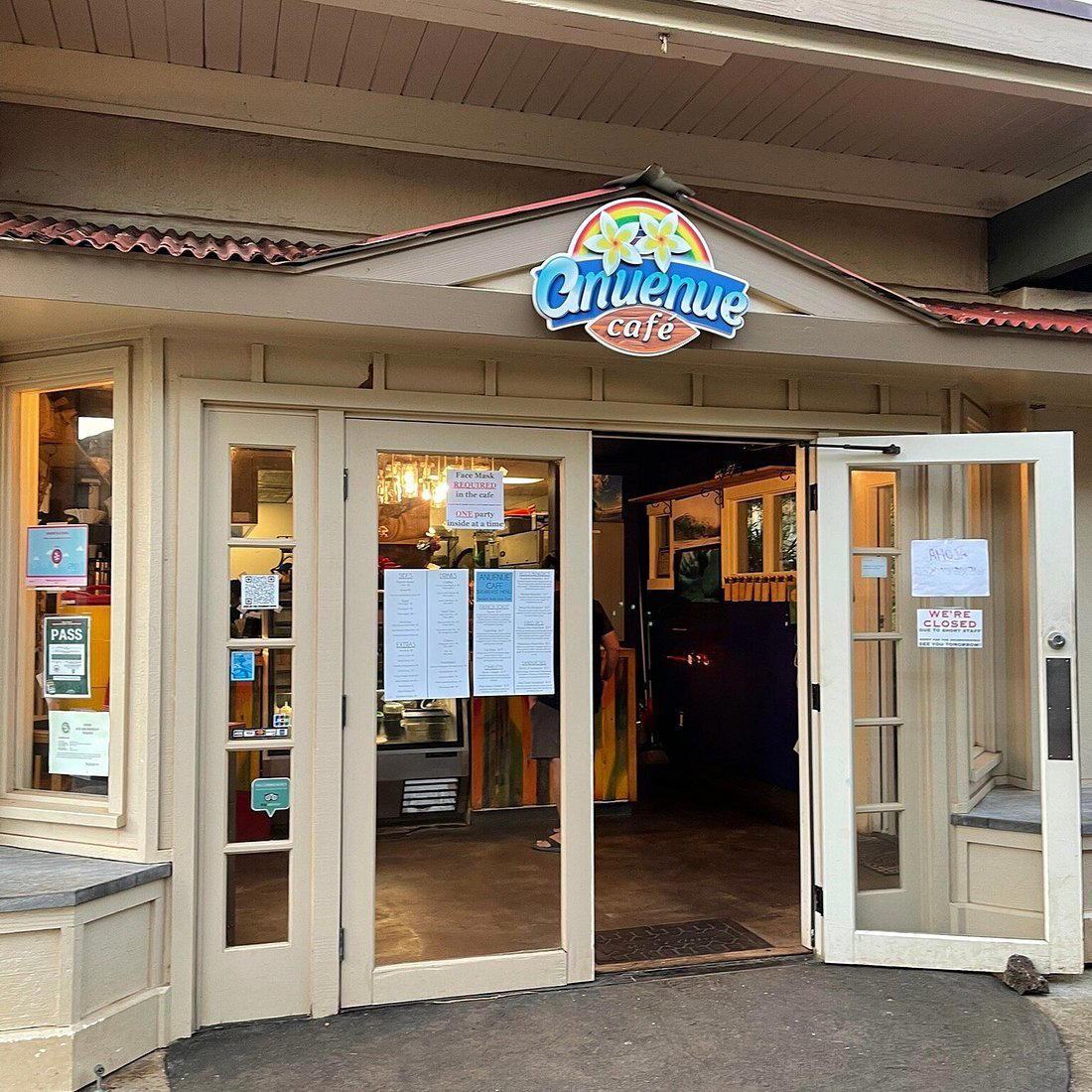
| Living Foods | American with Hawaiian Influences | $20–30 | Not listed | Koloa, American with Hawaiian Influences |
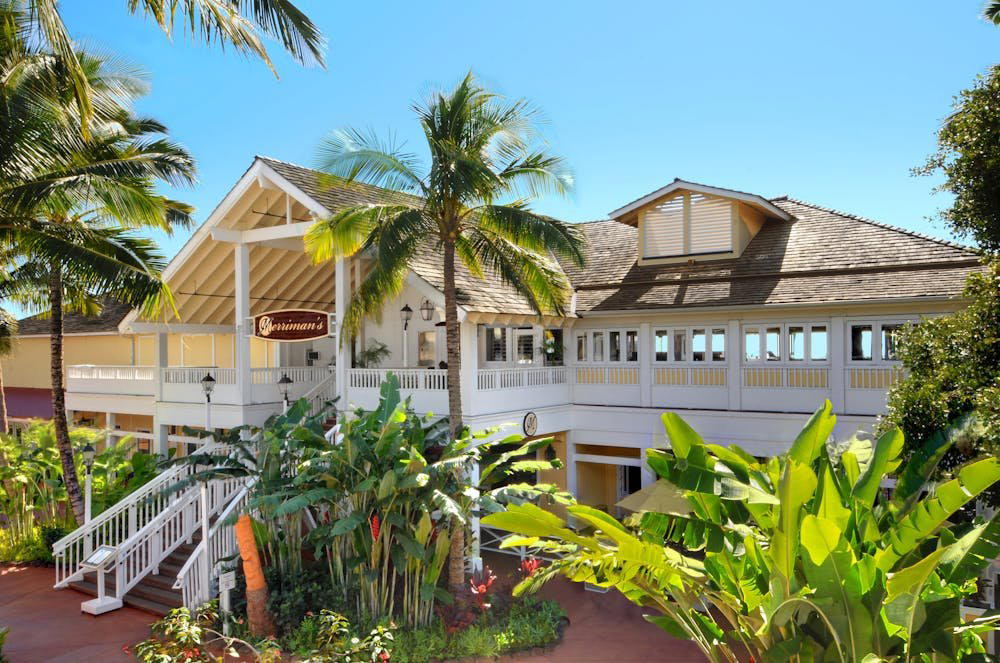
| Merriman's Kauai | Hawaii Regional Cuisine | $50–100 | Star Wine List · Wine Spectator Award of Excellence | Poipu, Hawaii Regional Cuisine |
| The Fresh Shave | All-Natural Hawaiian Shave Ice | $1–10 | Not listed | Old Koloa Town, All-Natural Hawaiian Shave Ice |
| Mura Izakaya | Japanese Izakaya with Hawaiian Fusion | $30–50 | Not listed | Koloa Village, Japanese Izakaya with Hawaiian Fusion |
| Keoki's Paradise | Hawaiian Seafood | $50–100 | Not listed | Poipu, Hawaiian Seafood |
Continue exploring
More in Koloa
Details
- Well Known
- Casual Hangout
- Solo
- Standalone
- Local Sourcing
- A La Carte
- Pescatarian Friendly
Current opening hours
- Monday
- 10 AM–3 PM
- Tuesday
- 10 AM–3 PM
- Wednesday
- 10 AM–3 PM
- Thursday
- Closed
- Friday
- 10 AM–3 PM
- Saturday
- 10 AM–3 PM
- Sunday
- Closed
Hours can change for holidays and private events. Last verified .
Casual, no-frills fish-market atmosphere focused on takeaway rather than sit-down dining.