
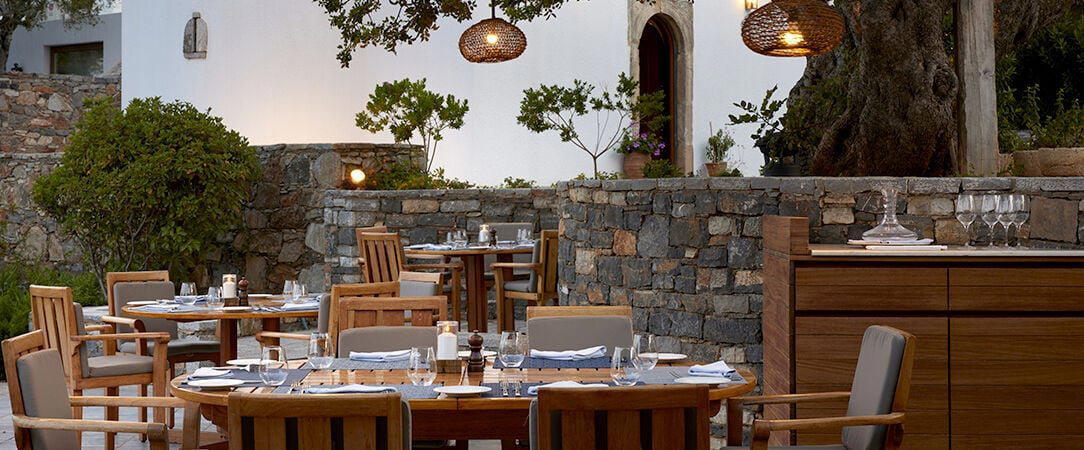
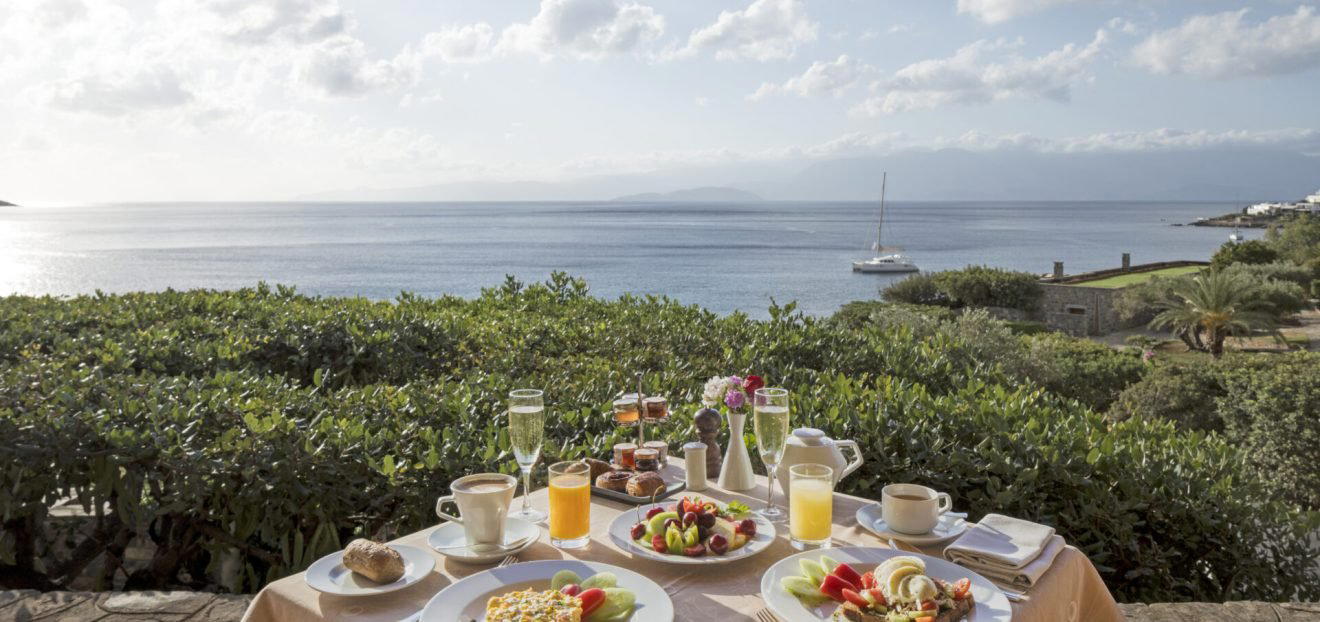
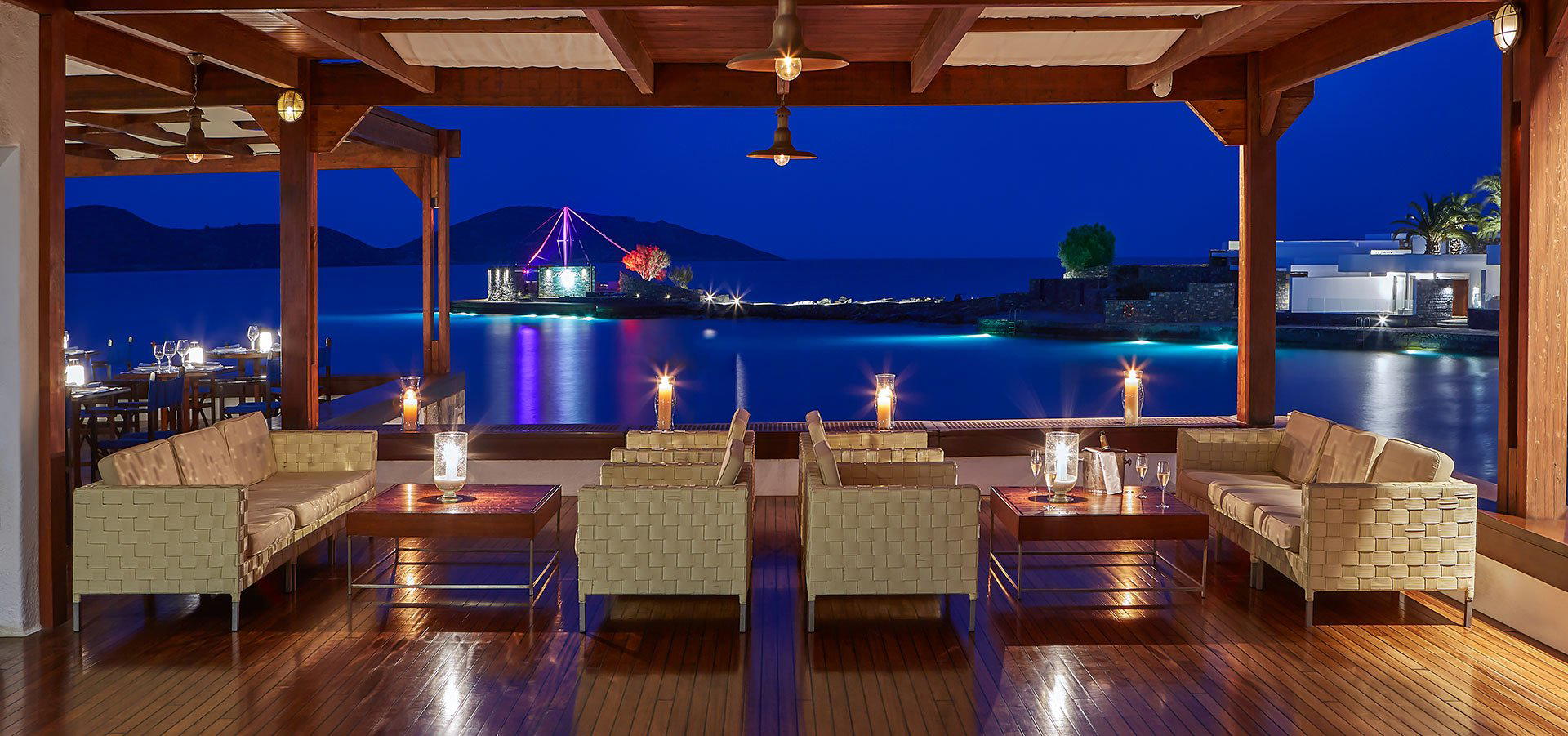
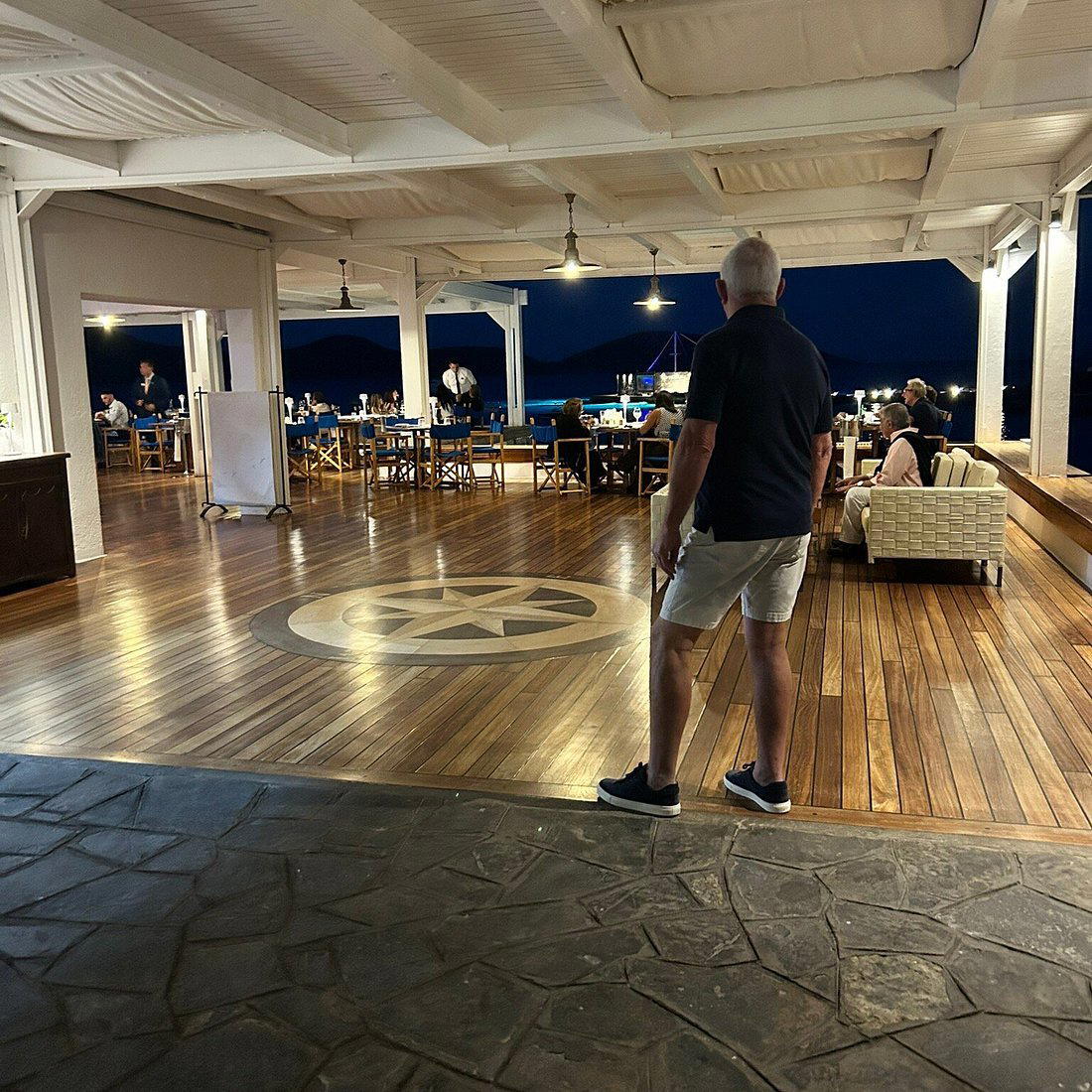
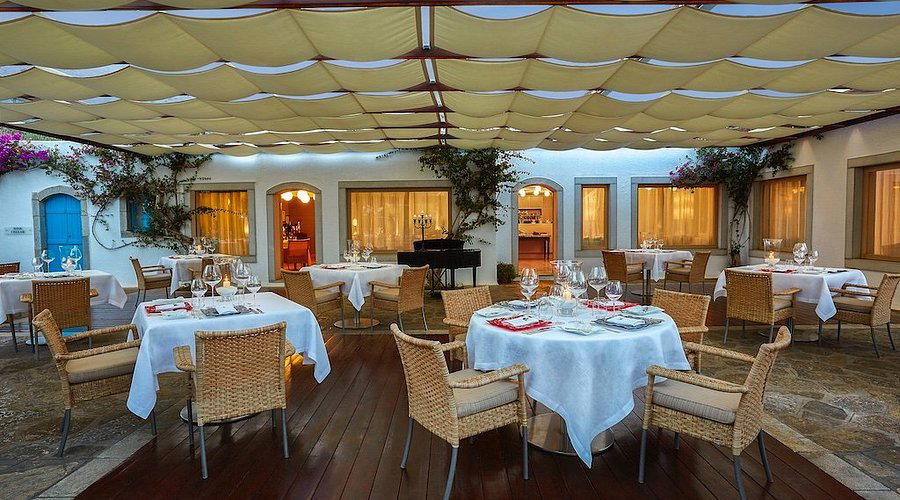
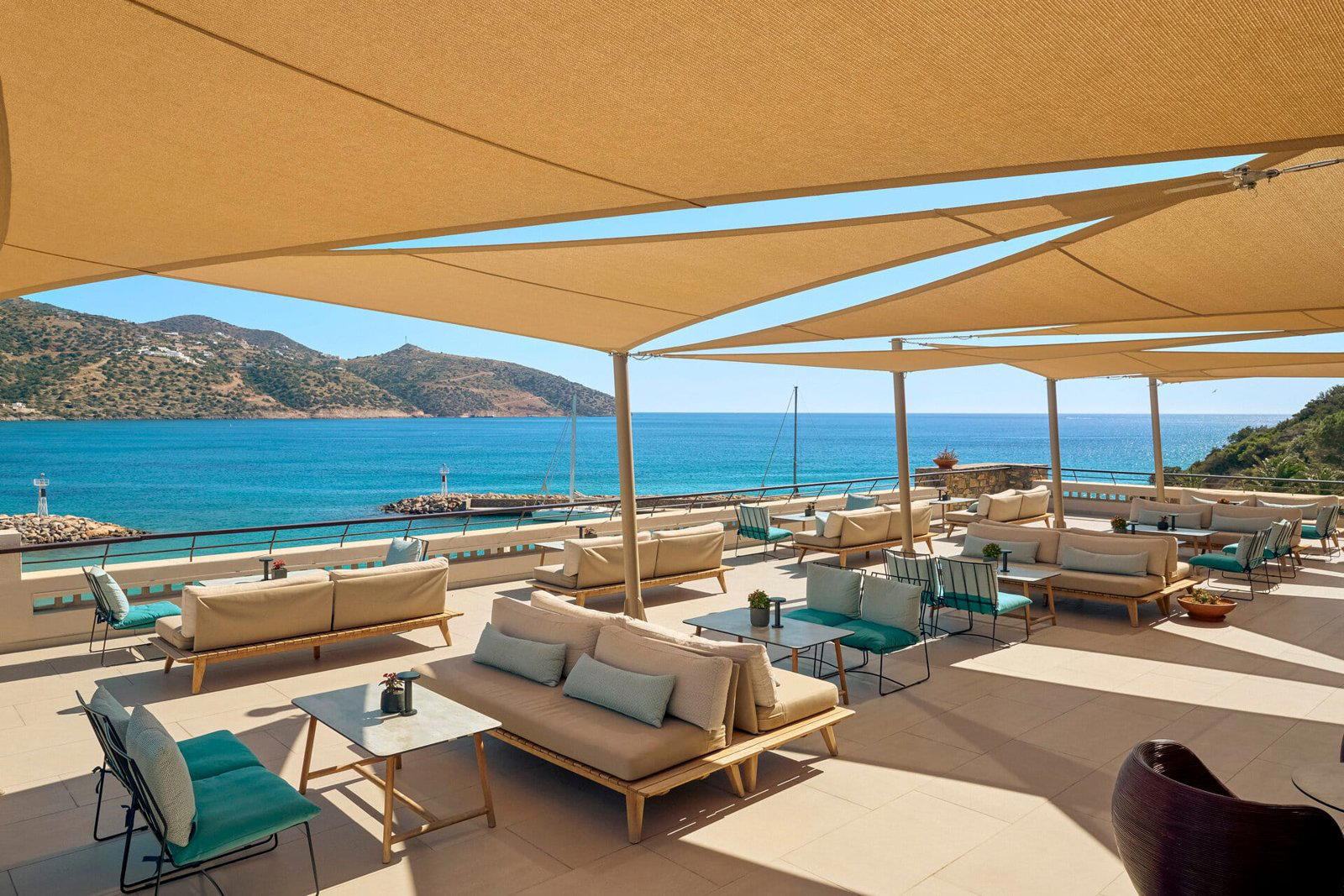
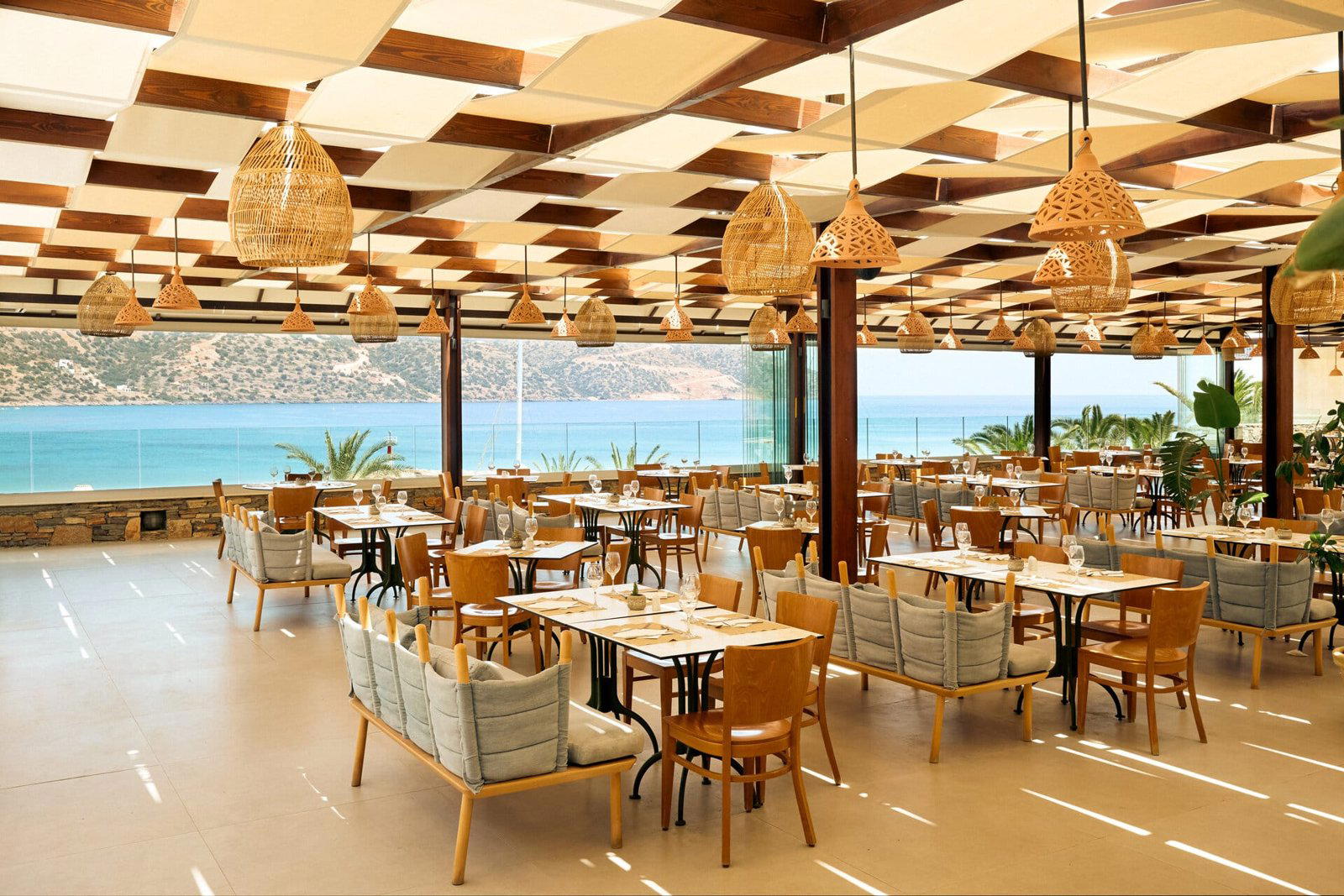
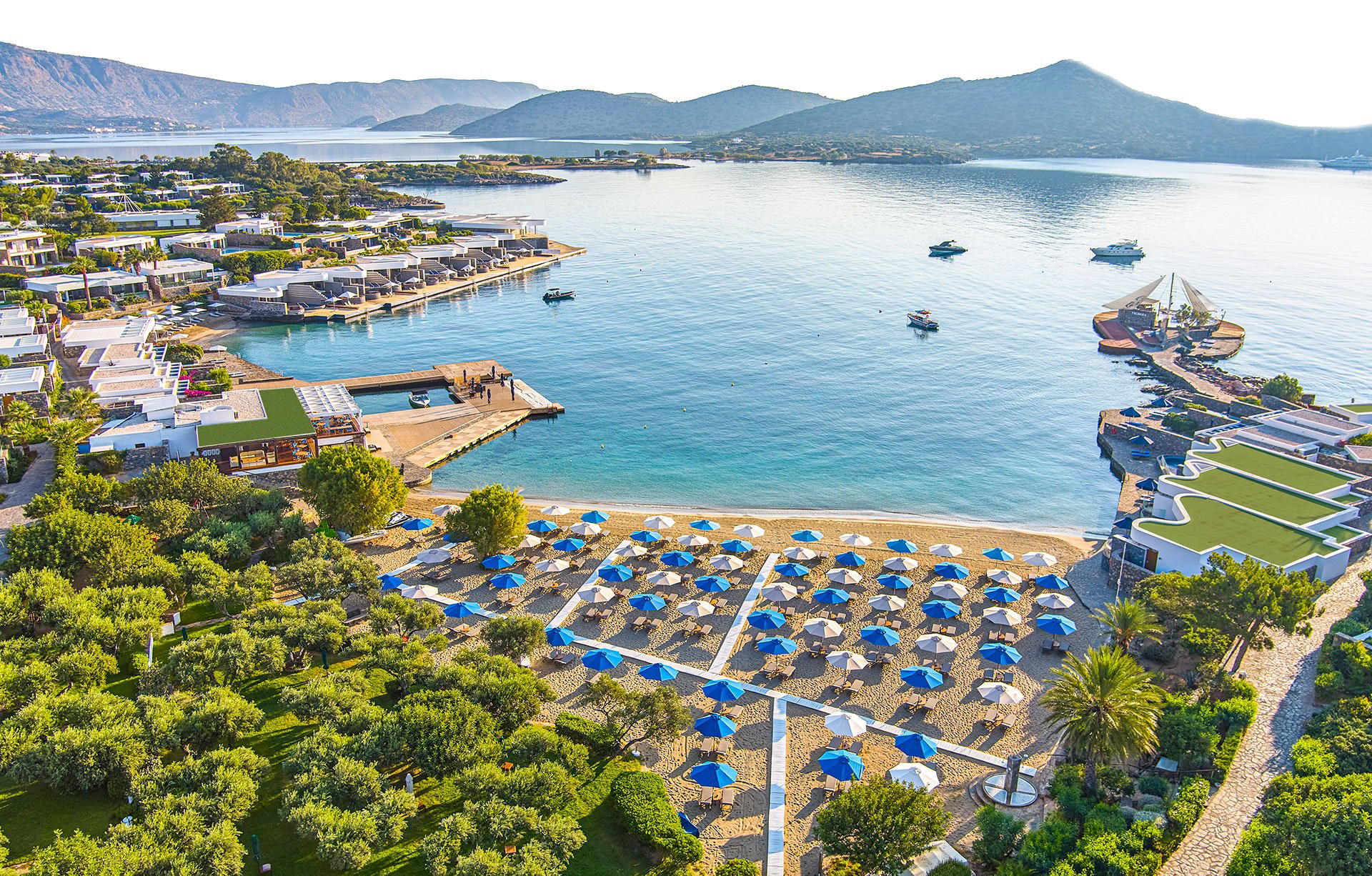
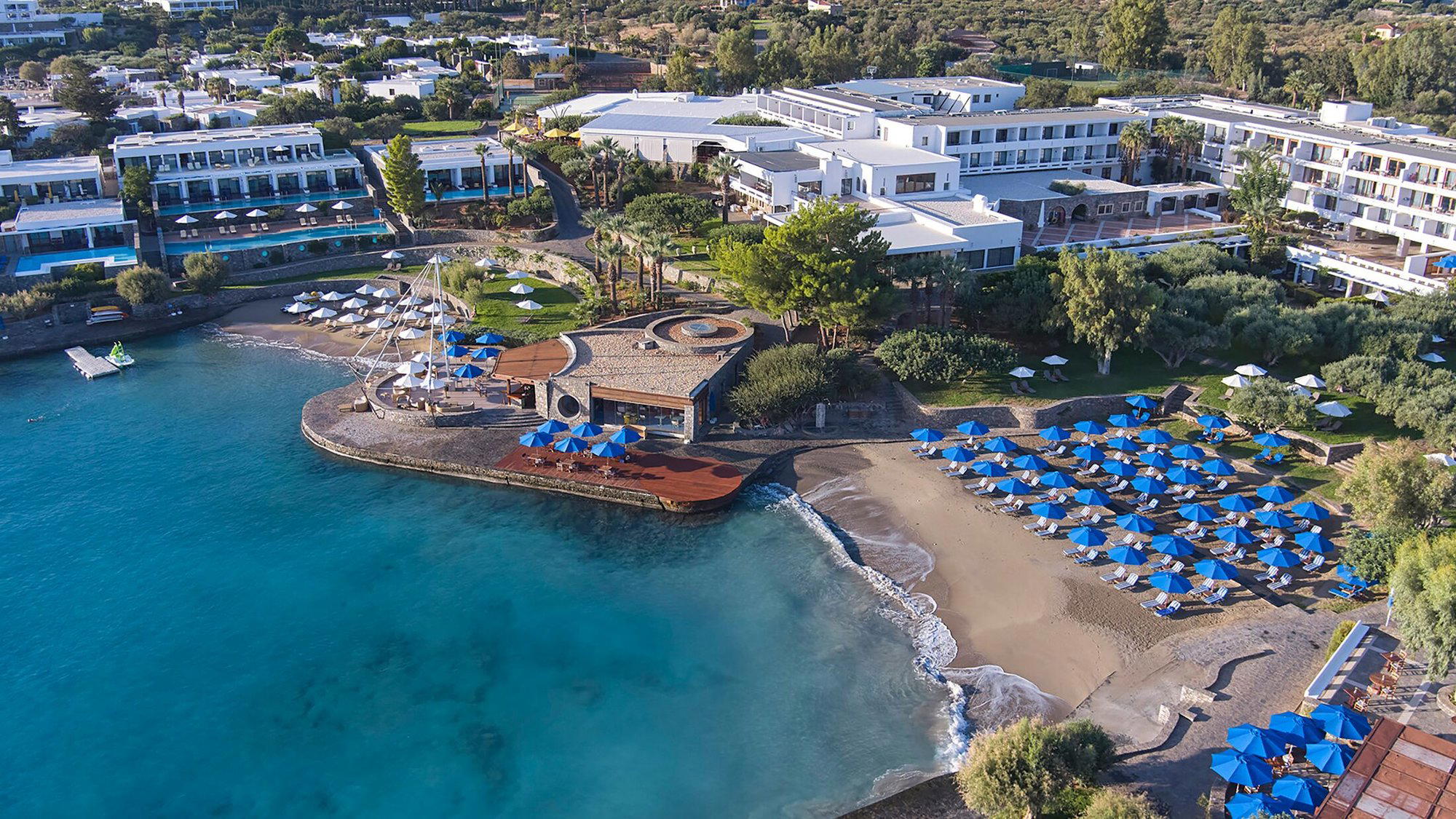
Deck is the terrace dining room at Elounda Mare, framed by Mirabello Bay and built around a seasonal reading of Crete rather than a destination-restaurant script. Breakfast runs on a generous buffet with hot dishes prepared to order, while cooler-month dinners move into à la carte Greek and international cooking with daily dishes drawn from across the country.
Pearl is the En Primeur Club membership app — saves, bookings, and concierge access live there. Same editors, same standards.
- Address
- Elounda Mare hotel, Crete
- Phone
- +30 2841 068 200
- Directions
- Get directions
 Saves & bookings on Pearl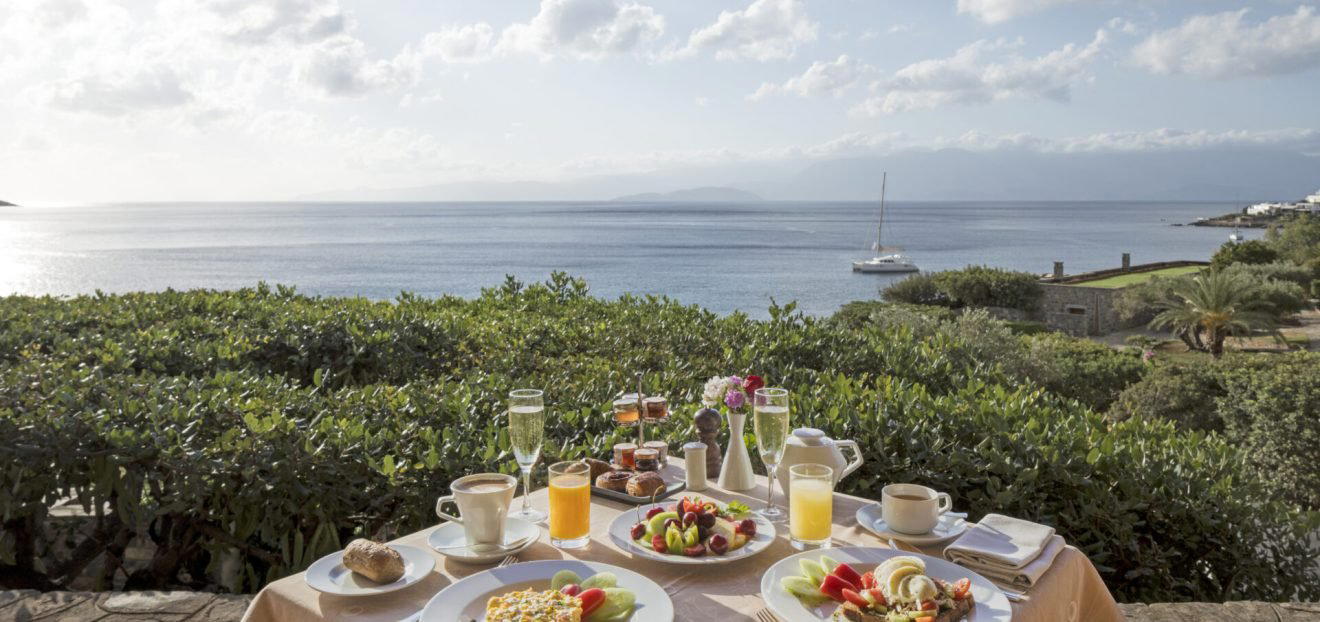
Approaching Deck, the first reliable fact is place rather than a long list of menu claims. In Elounda, the restaurant is best understood through its Cretan setting: sea, light, wind, and dry hills explaining why island cooking is so often discussed through olive oil, greens, pulses, herbs, fish, and restraint. Deck belongs to that conversation most persuasively when it lets location, rather than unsupported spectacle, carry the meal.
Elounda dining is shaped by two forces that do not always align. One is resort Greece, where international guests expect polish, ease, and a sense of occasion. The other is eastern Crete, where better food arguments concern sourcing, season, and the line between rusticity and precision. Deck is most useful at that intersection: a restaurant in Elounda whose public recognition frames its cuisine as an expression of terroir.
Elounda gives the terrace its logic
Crete needs little narrative to justify ingredient-led cooking. Its agricultural identity is clear: olive groves, sheep and goat dairy, wild greens, legumes, honey, citrus, seafood, and herbs that read differently in a hot, saline climate than on the mainland. In eastern Crete, that pantry rewards plainspoken cooking. The stronger move is often not complication, but choosing produce that can survive daylight scrutiny.
That matters in Elounda because the setting can remove theatrical cover. A restaurant shaped by coastal Crete has little need for dim-room drama, and the cooking should suit the place: clean lines, bright flavours, and dishes that make sense before or after time near the water. The stated cuisine, an expression of terroir, works here only if taken literally. Terroir in Crete is not abstract luxury language; it is why tomatoes, olive oil, cheeses, greens, and simply handled ingredients carry so much weight.
The clearest way to read Deck is through that Cretan vocabulary rather than through invented operational detail. The better version is not an overloaded international performance, but a table where local dairy, fruit, bread, honey, vegetables, herbs, and warm island flavours show where the traveller has arrived. That is where a restaurant in a resort setting becomes useful editorially: not excess, but a soft introduction to the island pantry.
Dinner, when approached through the same lens, has another role. It can shift the experience from daytime ease to a more composed meal without losing the underlying geography. Greek cooking is regional before national: island fish cookery, Cretan greens, northern pies, Cycladic simplicity, and mainland stews come from different climates and histories. Deck is strongest when that range is treated with respect rather than flattened into one generic idea of Greece.
Terroir works here when the cooking stays close to Crete
Ingredient sourcing is the useful lens for judging this room. In a polished resort context, the danger is that “Greek and international” becomes a blur, a menu built to offend nobody and reveal little. The stronger reading is narrower: lean into Crete when the island offers better material than imported sameness, and use any broader references only where they serve guest rhythm rather than diluting place.
Eastern Crete is not Athens, and that is the point. The island’s dining culture does not depend on urban tasting-menu signals or the chef-personality economy. It has slower authority: the condition of oil, salt in cheese, bitterness of greens, ripeness of fruit, handling of fish, timing of bread. A restaurant in Elounda is credible when it respects those basics. Deck’s strongest argument is not novelty, but proximity to a landscape that knows what it wants to eat.
For travellers using Elounda as a base, Deck also solves a practical pattern without needing to be treated as a separate excursion. The area’s dining often forms part of a larger day by the water, and the question is less whether every meal must be destination dining than how each fits the itinerary. A meal grounded in Cretan produce, a relaxed sense of setting, and a clear terroir frame all belong to that calculation.
Readers building a wider itinerary should treat Deck as one piece of the Elounda table, not the whole argument. The broader local edit sits in the full Elounda restaurants guide, with hotel context in the full Elounda hotels guide, bar planning in the full Elounda bars guide, wine references in the full Elounda wineries guide, and cultural planning in Our full Elounda experiences guide.
How it fits a Greek dining itinerary
Deck’s value is clearest for travellers who care about the rhythm of place: a restaurant in Elounda whose recognised cuisine is framed as expression of the terroir, with the island’s produce and coastal mood doing much of the explanatory work. That differs from city restaurants where the meal is the evening’s central event. Here, setting and sourcing frame the experience as much as the plate.
For a broader Greek route, the useful comparison is category range, not direct peer ranking. Mainland and island dining pull in different directions, and Elounda has its own resort-driven rhythm alongside other local dining rooms.
The same terroir language appears across European resort kitchens, but means different things by landscape and supply. Other European interpretations work from different climates, products, and expectations, while Elounda brings the phrase back to Crete’s edible facts: sea air, olive oil, herbs, dairy, produce, and the discipline not to overwork them. Deck is most convincing when that idea remains concrete rather than decorative.
How Deck Elounda compares with similar nearby venues.
| Venue | Cuisine | Awards |
|---|---|---|
| Deck | Expression of the terroir | Relais Chateaux Award (2026) |
| Old Mill | Greek Cuisine | Not listed |
Recognition history
Dated appearances from independent guides and award organizations, with the underlying list record or original source where available.
Relais Chateaux Award
Relais Chateaux
At a Glance
- Scenic
- Elegant
- Quiet
- Romantic
- Family
- Date Night
- Casual Hangout
- Waterfront
- Terrace
- Panoramic View
- Hotel Restaurant
- Waterfront
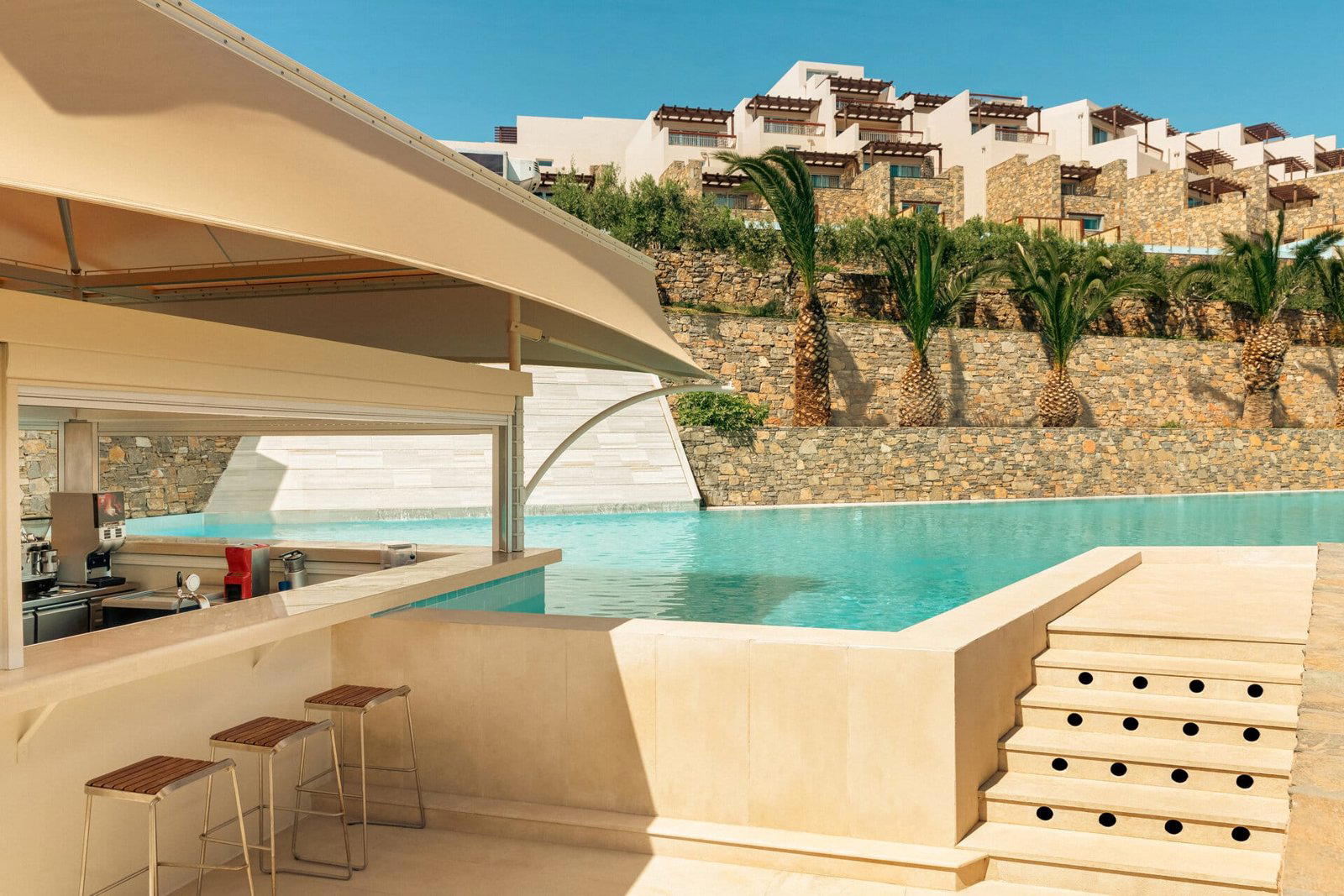
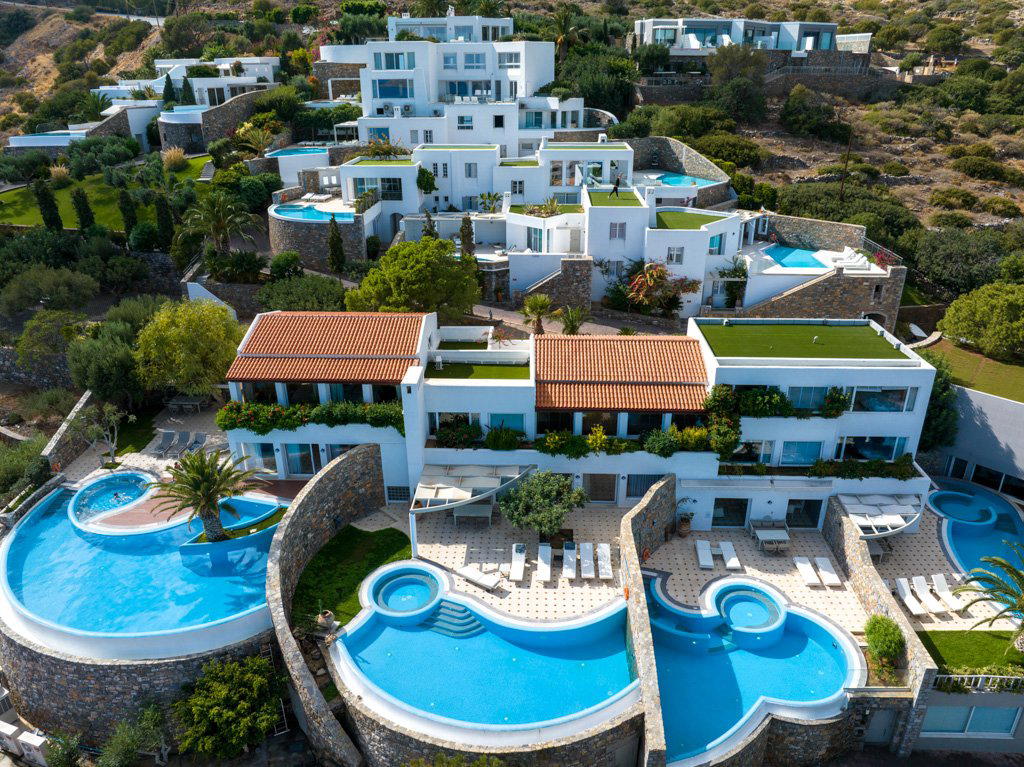
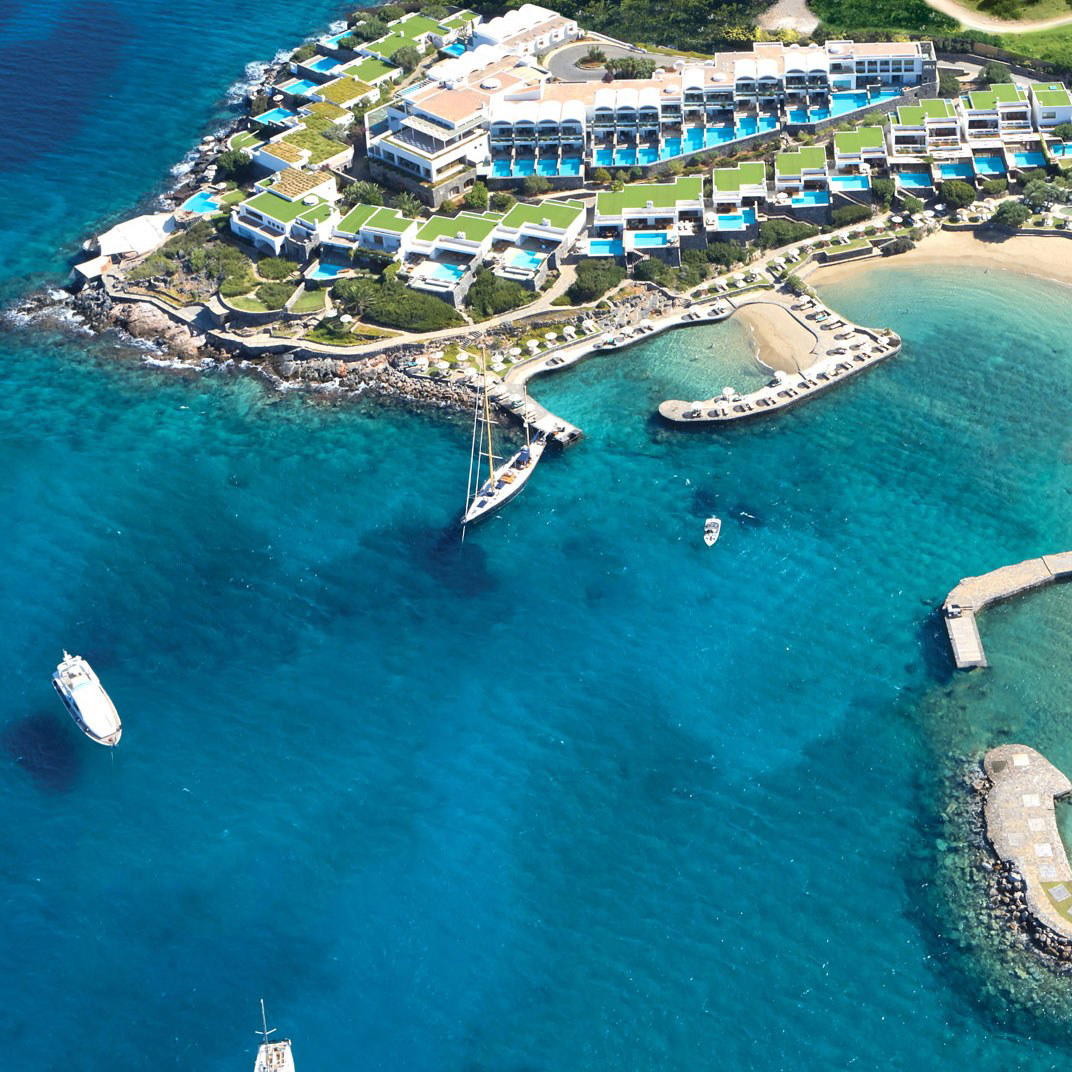
Tranquil and elegant hotel-restaurant atmosphere with natural light, open sea views and a relaxed, unhurried breakfast setting that feels refined but not formal.
Know Before You Go
- Reservations
- Recommended
- Dress code
- Casual
- Getting there
- Elounda Mare hotel, Crete