Our verdict
Accra’s hotel dining rooms often serve as neutral ground: useful for mixed groups, business meals, and travelers who want a contained setting rather than a long crawl across town. Chinese Restaurant fits that pattern, with its value lying less in spectacle than in how Chinese cooking translates inside an Accra hotel context shaped by imported pantry staples, local produce, and cross-cultural demand.

Pearl is the En Primeur Club membership app, where members save venues, book tables and use the concierge.
The menu
What to order
- Fried Golden Shrimps
- Shrimps Spring Rolls
- Beijing Duck
- Yang Zhou Fried Rice
- Crispy Duck
- Fish in Chili Sauce
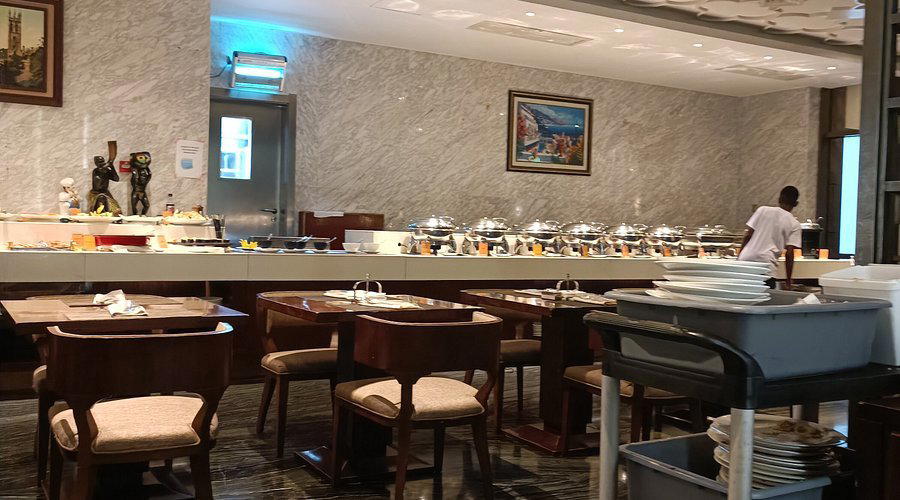
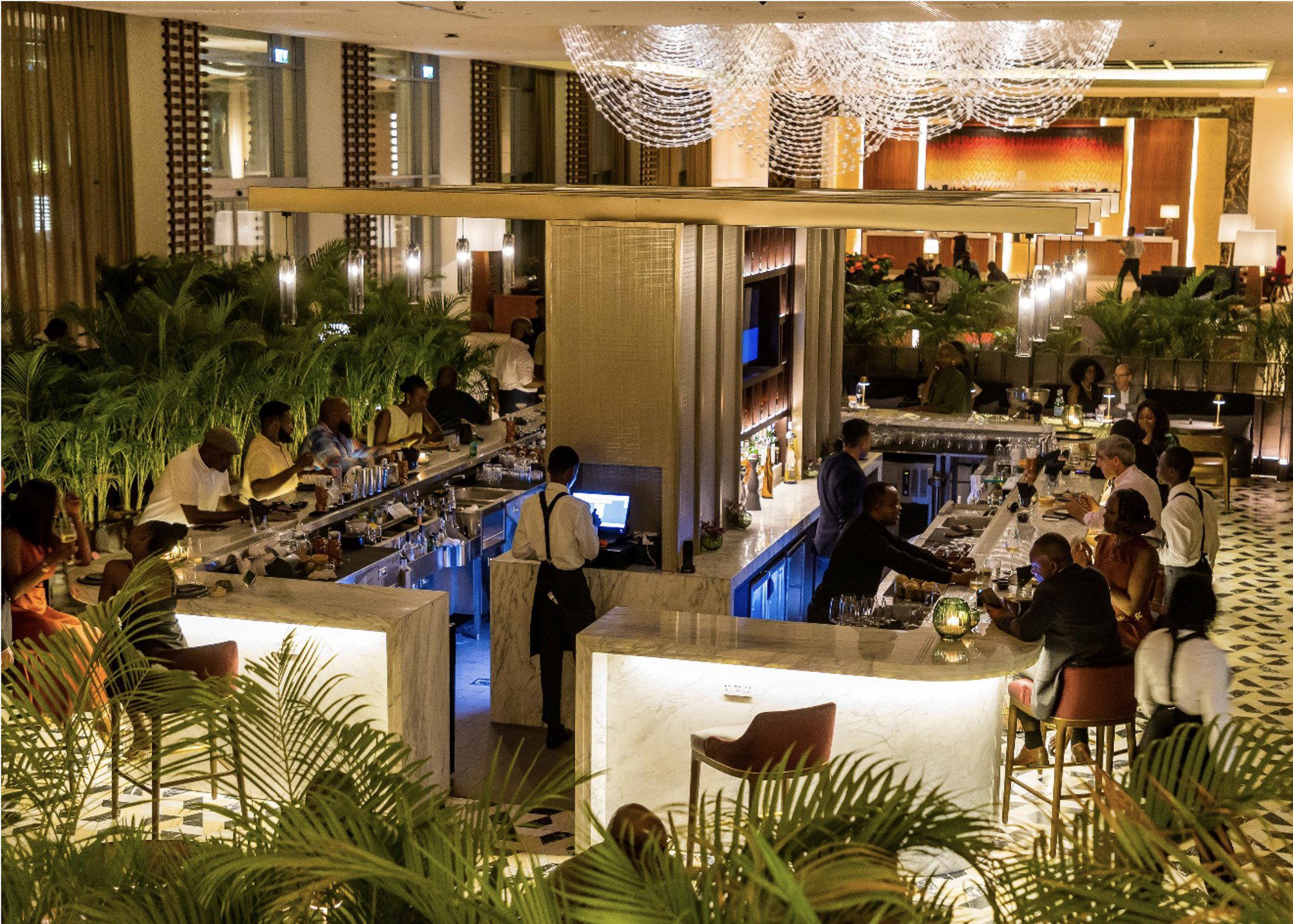
Hotel restaurants in Accra have a particular rhythm: cars pull in from the main road, lobby noise softens the edges of the city, and the dining room becomes a meeting point for guests, office tables, and families who want a contained evening. In that setting, a hotel-side restaurant often plays a practical role. It gives large groups a shared-table format, it carries familiar anchors, and it adapts easily to Accra’s strong appetite for heat, aromatics, and generous portions.
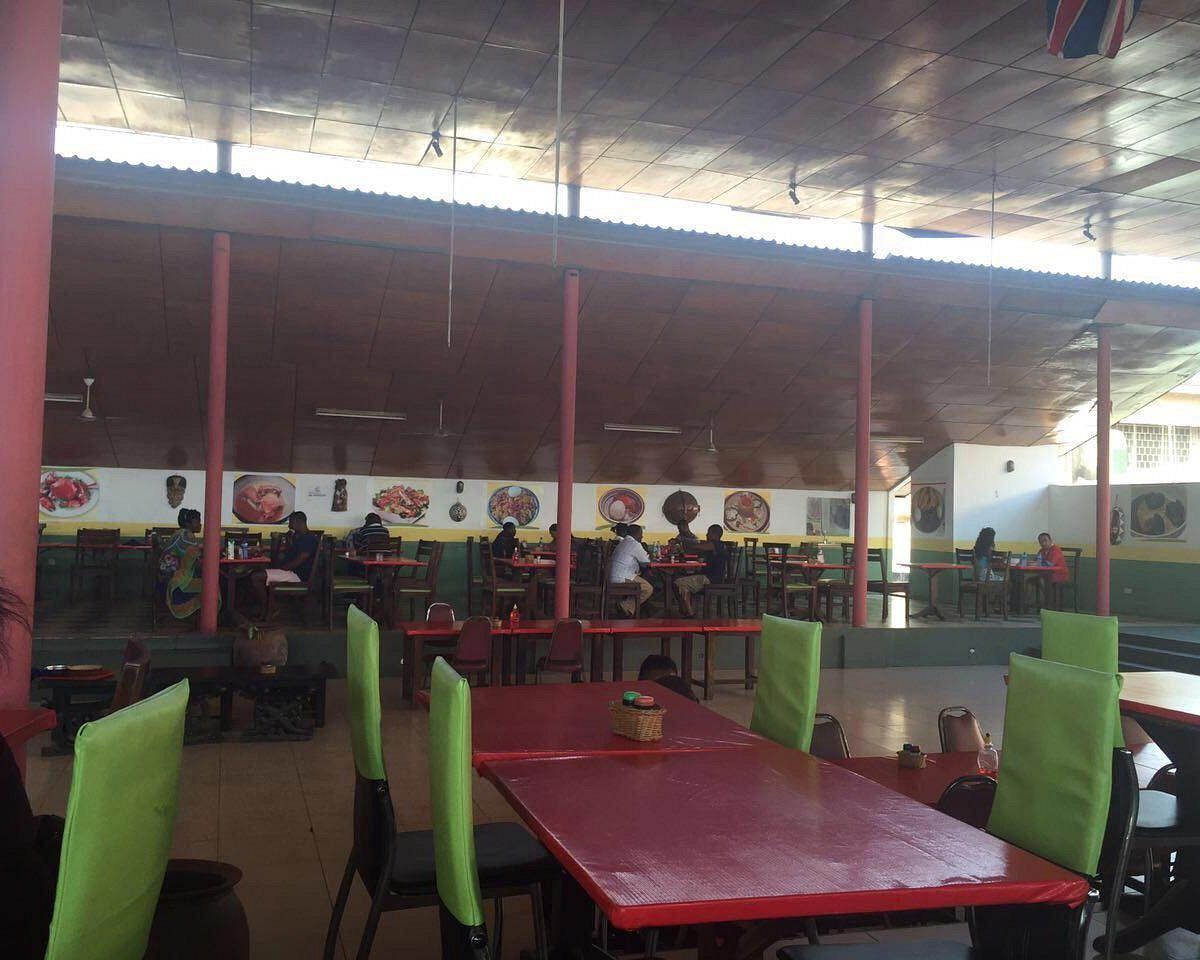
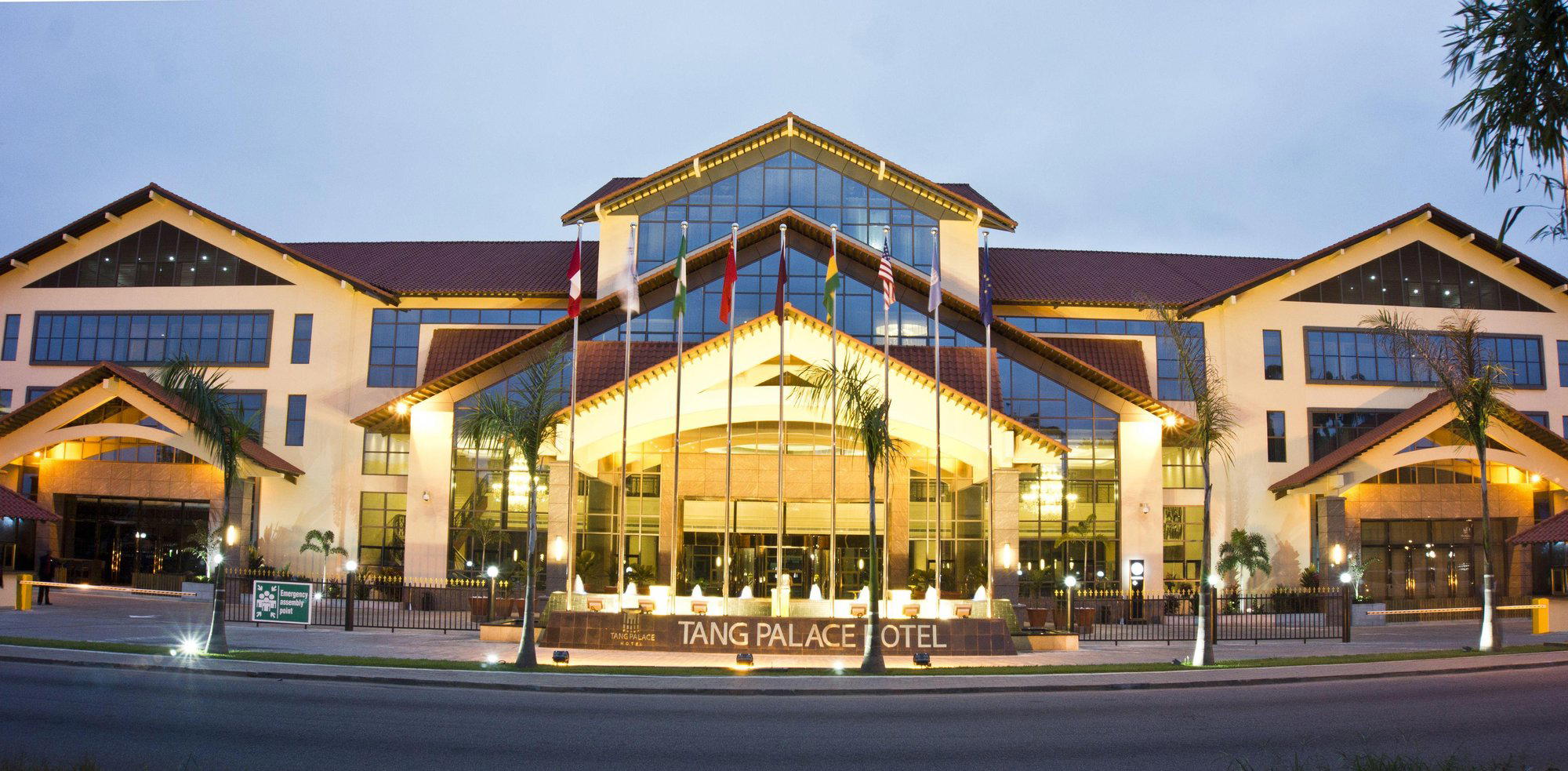
Chinese Restaurant sits inside a hotel in Accra, which places it in a category different from Accra’s independent dining rooms. The point is not a chef-led tasting format or a heavily signposted regional manifesto. It is the hotel-restaurant version of an accessible dining room: enclosed, convenient, and likely built around the kind of menu that can serve mixed parties without forcing everyone into the same dish. In Accra, that matters. The city’s dining culture is social before it is formal, and tables are often chosen for how well they handle groups rather than how loudly they announce an identity.
Hotel-side dining in Accra depends on consistency and local adaptation
The ingredient question is a useful lens for a hotel-side restaurant like this. Restaurants with international or broadly familiar formats succeed when the pantry is consistent: seasonings, aromatics, heat, and staple components have to behave reliably from one service to the next. Fresh produce, by contrast, bends toward the city. In Accra, that means local supply patterns shaping what a kitchen can execute with confidence.
That tension between consistency and local sourcing defines much of the category. A shared plate, a quick-fire order, or a staple-led dish can travel only so far before the vegetables, oil, heat level, and protein supply give it a local accent. The stronger Accra rooms understand that translation rather than fighting it. The cooking does not need theatrical plating to make sense; it needs clean seasoning, careful heat, and timing that keeps the plate coherent when it reaches the table.
Within the city’s wider restaurant mix, Chinese Restaurant belongs to the practical end of the spectrum. Accra’s locally focused rooms and comparison point Midunu draw energy from culinary memory and regional identity. Hotel dining works differently. It has to accommodate visitors who may be new to the city, residents meeting across neighborhoods, and families who want a low-friction room. That makes the sourcing story less romantic but often more revealing: consistency becomes the main craft.
The hotel setting shifts the decision from discovery to reliability
Accra rewards diners who understand format. A night built around a bar-led room is different from a night built around a local table, and both differ from a hotel restaurant designed for broad access. Nearby comparison names such as Cedar Garden and Culinary Highlights point to how varied the city’s dining map has become, while The Grillroom and La Borracha sit in a different register of occasion and mood. Chinese Restaurant is better read as a utility choice within that map, not as a destination built around scarcity.
That does not make it less useful. For travelers, hotel dining in Accra can solve problems that independent restaurants sometimes complicate: predictable arrival, easier coordination for a group, and a room that does not require decoding the city’s nightlife geography. For residents, the same features can make it a sensible option when the plan is conversation rather than scene-chasing. The editorial caution is simple: approach it as a hotel dining room, not as a specialist counter. Expectations should follow the format.
The comparison with Accra’s broader tables also helps clarify when to choose it. A diner seeking a dedicated local meal should look first toward dedicated local restaurants and the broader city guide. A diner planning a cross-city evening might pair dinner research with Our full Accra restaurants guide, then check Our full Accra bars guide if drinks are part of the night. Travelers building a wider itinerary can also use Our full Accra hotels guide, Our full Accra experiences guide, and Our full Accra wineries guide to understand how the city’s hospitality pieces fit together.
Where it fits in an Accra eating plan
Chinese Restaurant makes the clearest sense for diners who want the controlled environment of a hotel and the flexibility of shared ordering. Group-friendly plates, staples, vegetables, and protein-led dishes are often the grammar of this kind of format, and that grammar suits families, mixed business tables, and hotel guests who want dinner without turning the evening into a production. Public recognition is not the only lens here. Judge it by convenience, group suitability, and whether the kitchen keeps seasoning and timing in line.
For a broader read on Accra’s dining character, contrast this kind of hotel room with other Accra dining rooms, Cedar Garden, and Culinary Highlights. Regional travel planning may also bring in roadside stops, hotel restaurants, bar-led rooms, casual counters, and international reference points. Those references underline the same principle: format should drive the choice before appetite does.
Frequently asked questions
Is Chinese Restaurant child-friendly?
Its setting inside a hotel in Accra makes it workable for families, especially when diners want an indoor meal rather than a street-side room. The practical appeal is the controlled hotel environment, not a specifically family-focused format.
Is Chinese Restaurant better for a quiet night or a lively one?
It reads as a quieter choice, largely because it sits inside a hotel in Accra rather than in a high-energy dining strip. That makes it a better fit for a low-key dinner than for a room built around late-night noise.
Where exactly is Chinese Restaurant?
Accra.
Can I walk in to Chinese Restaurant?
A walk-in may work at a hotel restaurant like Chinese Restaurant in Accra, especially outside peak dining hours. For a smoother plan, treat it as a place where timing matters more than spontaneity.
Snapshot
Comparable venues by cuisine and price in the same metro.
| Venue | Cuisine | Price | Awards |
|---|---|---|---|
| Chinese RestaurantThis venue (the venue you are viewing) | Authentic Chinese Restaurant | $10–20 | Not listed |
| The Grillroom | Contemporary African and International Grill | Not listed | Not listed |
| La Borracha | Mexican Cantina & Tequila Bar | $10–20 | Not listed |
| Midunu | New African Cuisine | $20–30 | La Liste Top Restaurants · The Best Chef One Knife |
| Cedar Garden | Mediterranean / Levantine | Not listed | Not listed |
| Culinary Highlights | Afro-European Fusion | Not listed | Not listed |
Continue exploring
More in Accra
Restaurants in Accra
All restaurants in Accra →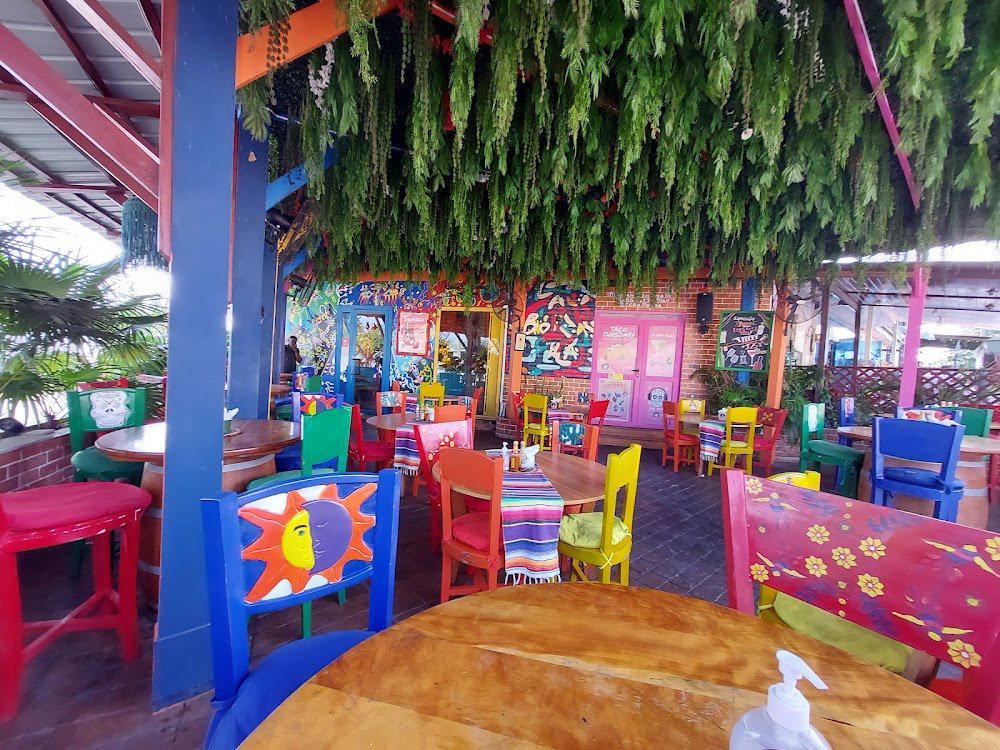

Details
- Classic
- Cozy
- Lively
- Family
- Group Dining
- Casual Hangout
- Celebration
- Date Night
- Standalone
- Local Sourcing
- A La Carte
- Family Style
- Pescatarian Friendly
- Vegetarian Friendly
Traditional Chinese restaurant setting with a warm, welcoming feel, suited to families and groups, emphasizing comfort over formality.