Our verdict
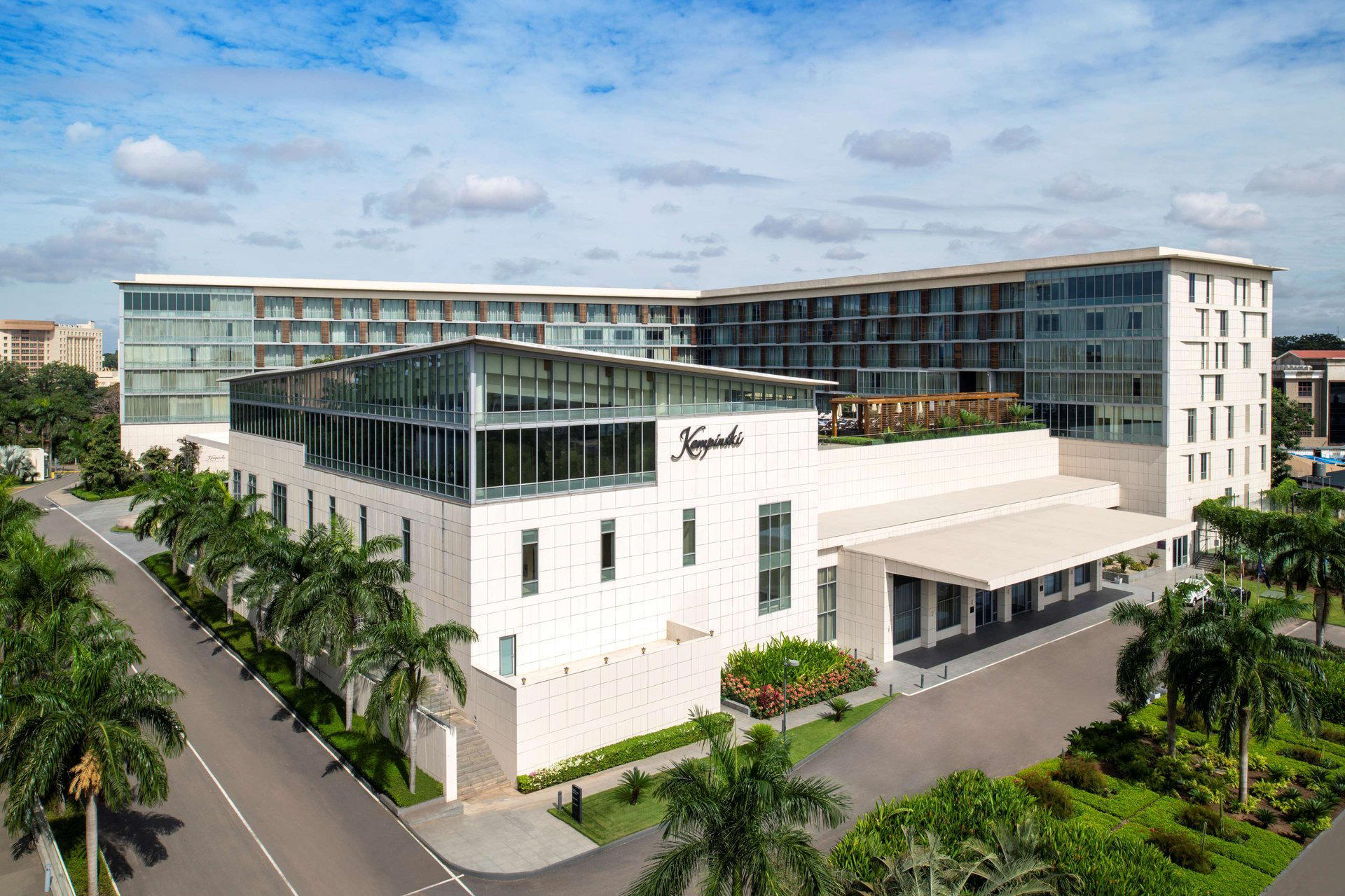
ASANA Bar & Kitchen fits Accra’s hotel-dining circuit rather than the city’s chop-bar lane, which makes ingredient sourcing the useful lens: what enters the kitchen, how it is framed, and how Ghanaian produce meets a polished international setting. Its position inside Kempinski Hotel Gold Coast City Accra places it in Ridge’s business-and-diplomatic orbit, better read as a controlled dining room than a street-level discovery.

Pearl is the En Primeur Club membership app, where members save venues, book tables and use the concierge.
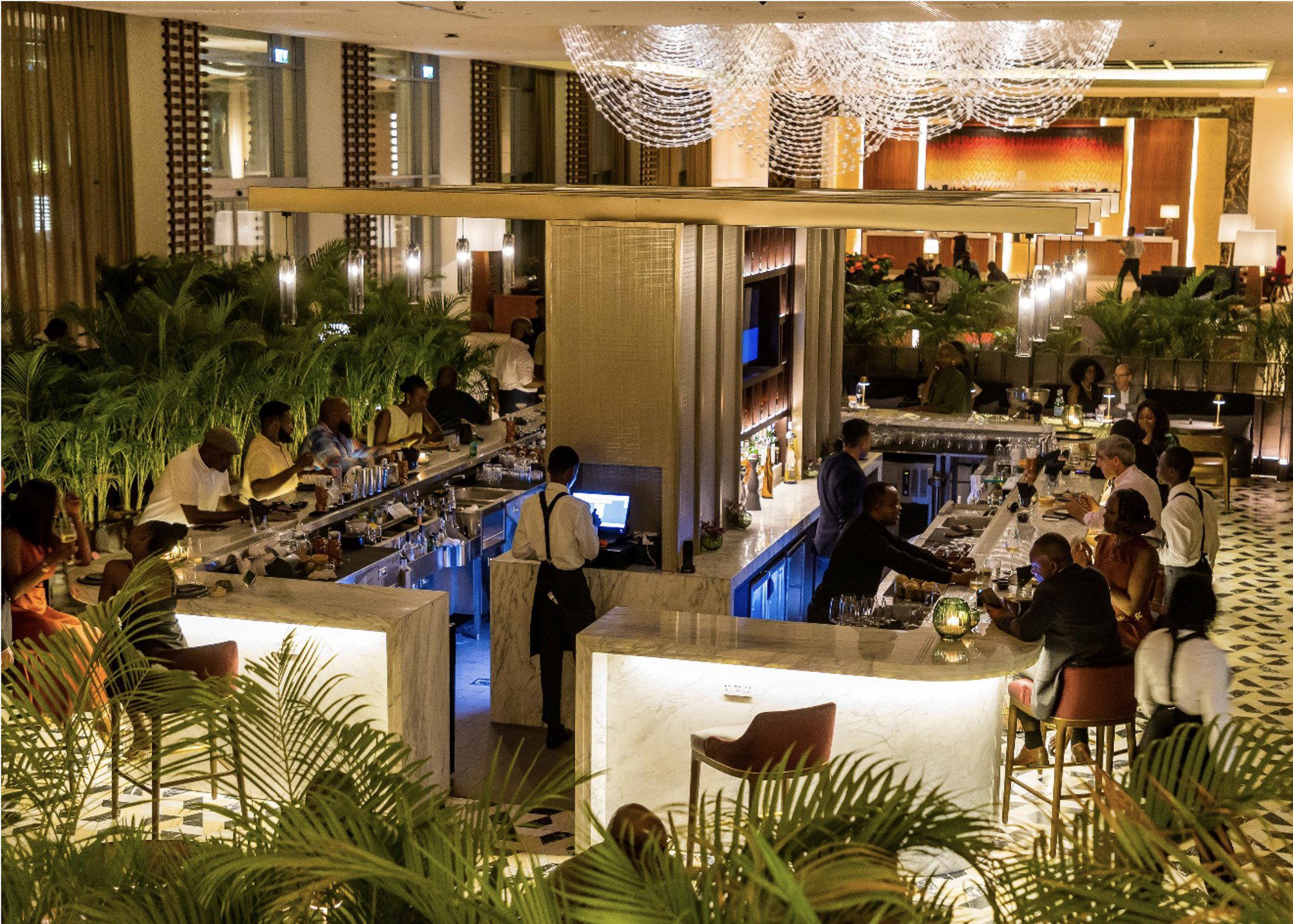
Approaching ASANA Bar & Kitchen means entering Accra through a formal hotel register: controlled arrival, polished public rooms, and a quieter rhythm than the city’s more open-air dining routes. That setting matters because Accra dining is split across several tempos. There are local rooms built around staple dishes and grilled food; bakery-café formats that carry the city through breakfast meetings; long-running international dining rooms tied to business and travel; and hotel restaurants where local reference points are often translated for a broader table.
ASANA Bar & Kitchen belongs to that last category. The useful question is not whether it competes with a specialist local restaurant or a destination counter, but how a hotel kitchen in Accra handles sourcing, familiarity, and range. In Ghana, the dining story often starts with staple crops, coastal supply, market produce, smoke, pepper, and the deep pantry logic that shapes everyday meals. A serious hotel restaurant has to make those references legible without flattening them into generic international hotel food. That is the editorial test here.
Accra's hotel table, read through Ghanaian ingredients
Ingredient sourcing carries more weight in Accra than menu labels alone. The city sits within a wider food system shaped by fishing communities, produce markets, inland supply routes, and coastal trade habits, so the difference between a persuasive plate and a neutral one often comes down to whether local materials are treated as structure rather than garnish. Ghanaian cooking relies on layered flavour, heat, starch, oil, and savoury depth; it is not a cuisine that improves when stripped back to polite decoration.
That makes ASANA Bar & Kitchen a useful case within the city’s premium dining conversation. Its hotel location suggests a kitchen designed for multiple audiences: business travellers, visiting officials, local diners using the hotel as a meeting point, and guests who may want Accra reference points without leaving the property. In that tier, breadth is usually part of the format. The risk is dilution; the opportunity is access to steady procurement and a dining room capable of presenting local produce in a calmer register.
For a sharper view of Accra’s range, compare the category rather than forcing direct rivalry. Other Accra dining rooms sit closer to the local-restaurant lane, while Café George & Bakery represents the bakery-café side of the city’s daily eating habits. Cedar Garden points to the city’s appetite for established international dining rooms, and Culinary Highlights belongs to the broader premium circuit. ASANA Bar & Kitchen is better understood as the hotel expression of that mix: less about a single cuisine claim, more about how a central kitchen edits Ghanaian and international expectations for a mixed room.
Where the room fits in Accra's dining map
Accra’s more formal hotel dining is not the city’s loudest restaurant lane. Its power comes from proximity to offices, institutions, hotels, and civic traffic. That geography produces a different kind of meal: meetings that need privacy, dinners that favour predictability, and hotel stays where the restaurant becomes a convenient first or last Accra table. ASANA Bar & Kitchen gains its relevance from that pattern. It is a practical dining-room choice for travellers who want the city’s ingredient logic in a composed setting rather than a night built around neighbourhood hopping.
The absence of a public chef narrative should not be mistaken for lack of context. Many hotel kitchens in West African capitals operate as infrastructure: they feed a steady cross-section of guests, adapt to supply, and absorb multiple culinary expectations in one room. The editorial value lies in watching what they choose to foreground. In Accra, when local staples, coastal references, pepper heat, greens, grains, and market produce are treated as foundations, the meal speaks more clearly to place. When those elements become decorative, the room slips into the anonymous global-hotel category.
Travellers building a fuller Accra itinerary should use ASANA Bar & Kitchen as one register, not the whole argument. Our full Accra restaurants guide gives the wider dining spread, while Our full Accra hotels guide, Our full Accra bars guide, Our full Accra wineries guide, and Our full Accra experiences guide help separate hotel convenience from neighbourhood-led planning. For a Ghana travel contrast, other roadside and stopover dining rooms show how travel infrastructure creates a different dining grammar altogether.
The broader lesson extends beyond Accra. Hotel restaurants, café counters, bakery rooms, casual bars, and premium dining rooms all succeed when format and sourcing line up. That is why comparisons across cities can be useful even when the cuisines differ: the best examples make sense through the relationship between product, format, and setting rather than through polish alone. ASANA Bar & Kitchen should be judged by the same standard: not by hotel formality alone, but by whether local ingredients remain central enough to anchor the meal in Accra.
Frequently asked questions
Can I bring kids to ASANA Bar & Kitchen?
ASANA Bar & Kitchen is in Accra and reads as a hotel dining room rather than a late-night bar. That setting usually works better for families than a standalone lounge, especially for travellers seeking a composed meal.
What should I expect atmosphere-wise at ASANA Bar & Kitchen?
Expect a hotel setting in Accra. The room is shaped by business traffic, hotel guests, and the quieter rhythm of a formal dining environment rather than a standalone nightlife scene.
How do I find ASANA Bar & Kitchen?
ASANA Bar & Kitchen is located in Accra.
Do they take walk-ins at ASANA Bar & Kitchen?
ASANA Bar & Kitchen is in Accra, and a hotel dining format often means walk-in flexibility at quieter times. Peak service periods can still fill fast, so planning ahead is sensible.
Snapshot
Comparable venues by cuisine and price in the same metro.
| Venue | Cuisine | Price |
|---|---|---|
| ASANA Bar & KitchenThis venue (the venue you are viewing) | Asian-fusion restaurant and bar | Not listed |
| Café George & Bakery | Not listed | $10–20 |
| Papillon Restaurant | Mediterranean-Inspired International Buffet | $30–50 |
| Cedar Garden | Mediterranean / Levantine | Not listed |
| Culinary Highlights | Afro-European Fusion | Not listed |
| La Borracha | Mexican Cantina & Tequila Bar | $10–20 |


Continue exploring
More in Accra
Restaurants in Accra
All restaurants in Accra →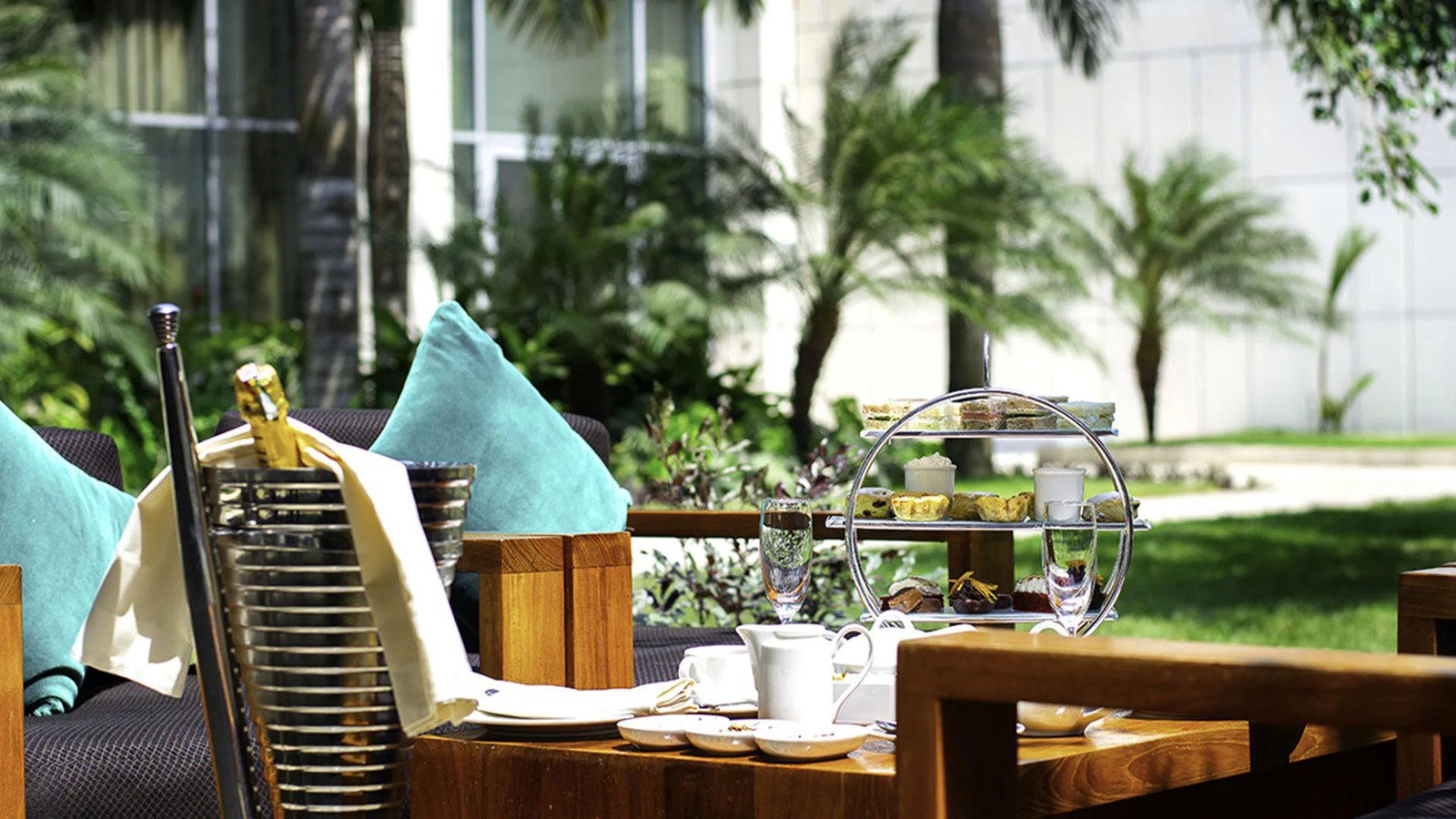
Details
- Elegant
- Modern
- Sophisticated
- Scenic
- Trendy
- Date Night
- Business Dinner
- After Work
- Group Dining
- Celebration
- Special Occasion
- Hotel Restaurant
- Terrace
- Garden
- Design Destination
- Private Dining
- Craft Cocktails
- Local Sourcing
- Garden
- A La Carte
- Counter Dining
- Cocktails
- Spirits
- Wine
Current opening hours
- Monday
- 12 PM–12 AM
- Tuesday
- 12 PM–12 AM
- Wednesday
- 12 PM–12 AM
- Thursday
- 12 PM–12 AM
- Friday
- 12 PM–12 AM
- Saturday
- 12 PM–12 AM
- Sunday
- 12 PM–12 AM
Hours can change for holidays and private events. Last verified .
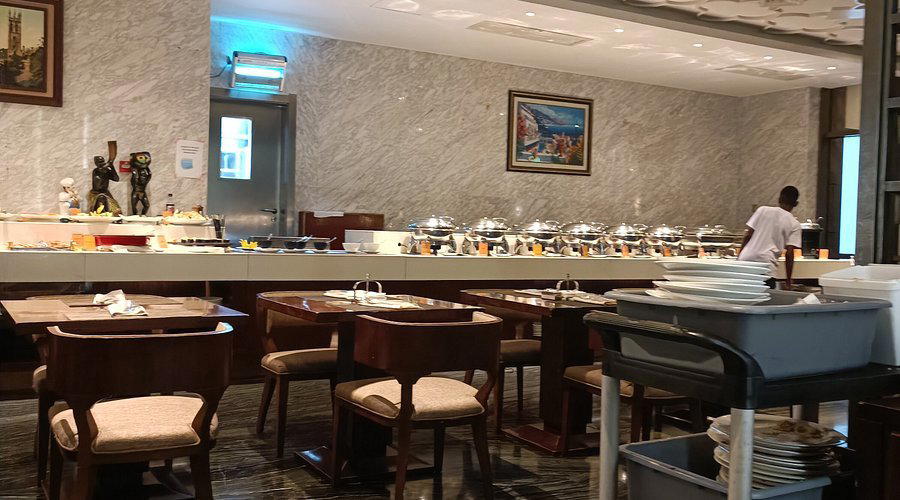
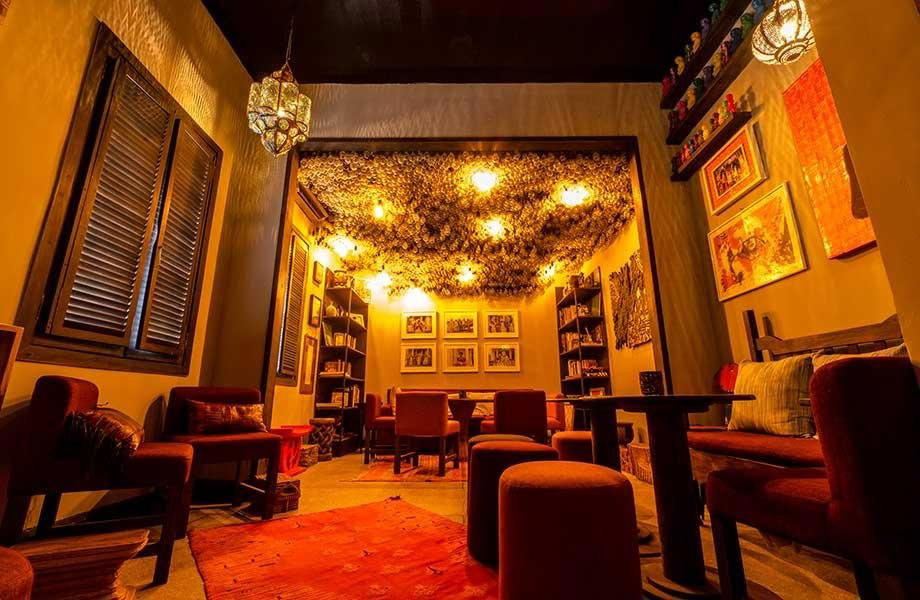
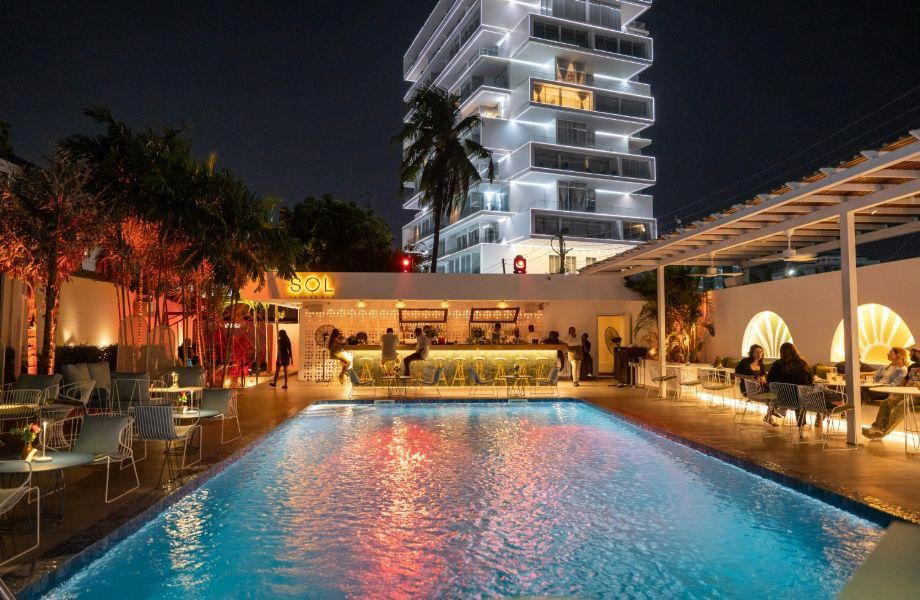
An elegant, contemporary hotel-restaurant setting with marble finishes, wood and soft lighting, framed by palms and garden views for a refined yet relaxed lounge-bar atmosphere.