Our verdict
Brasserie on G gives Tianjin a brasserie reference point rather than another banquet-room template. Its value is in the format: a ground-floor room in Nankai where the European brasserie idea can be read against a city better known for Chinese regional dining, private-room hospitality, and hotel restaurants.

Pearl is the En Primeur Club membership app, where members save venues, book tables and use the concierge.
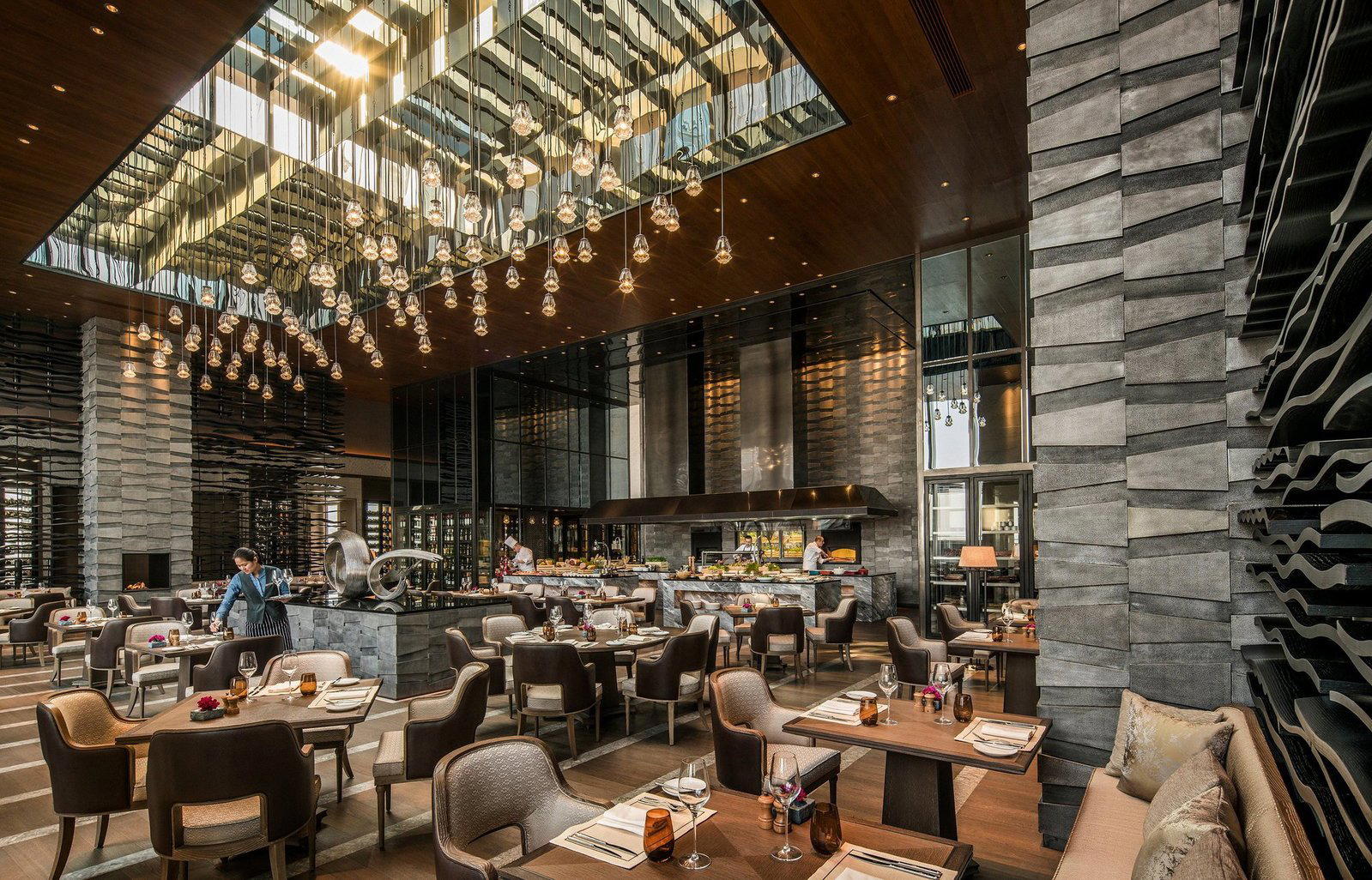
Approaching a ground-floor brasserie in Tianjin is a different proposition from entering the city’s banquet dining rooms. The cue is not ceremony but visibility: a room meant to be read from the threshold, with the promise of a meal that should move at the pace of conversation rather than a formal sequence. In a city where restaurant culture often divides between regional tables, hotel dining, and business entertaining, the brasserie format matters because it offers a middle register: polished enough for a planned evening, flexible enough for a meal that does not need to become an event.
That distinction gives Brasserie on G its editorial interest. Tianjin’s dining identity is shaped by port-city pragmatism, northern appetite, and a long history of outside influences, but contemporary premium dining in the city still leans heavily toward regional cooking and private-room service. A brasserie sits outside that center of gravity. It asks a simpler question: can Brasserie on G in Tianjin work as a steady dining rhythm rather than a set-piece occasion?
A brasserie format in a city of banquet tables
The brasserie tradition is built around availability and range. The form was never only about a single signature plate or rigid sequence; it was about a room where lunch, dinner, and late conversations could coexist. Transplanted into Tianjin, that model becomes less about imitation and more about contrast. Tianjin already has strong reference points for polished dining, from other premium rooms in the city to the local heritage signal carried by Er Duo Yan Luxury Restaurant 1892. Against that field, Brasserie on G reads as a change of grammar rather than a direct competitor.
Ingredient sourcing is where the format either gains credibility or collapses into generic international dining. A serious brasserie depends on consistency: the basic elements of the meal need to feel integrated rather than imported as decoration. Without named farm partners or a published chef-led sourcing statement in the provided record, the useful way to read the restaurant is through category discipline. The brasserie promise is not rarity; it is repeatability. The meal should be judged on whether familiar ingredients are handled with enough restraint to justify the format in Tianjin, where diners can otherwise choose stronger regional specificity.
That is why comparisons inside the city are more revealing than grand claims. Jin House and Ying point toward the polished local side of the market, while Bam Bou signals another route through Tianjin dining. Brasserie on G occupies the brasserie lane, where the test is less about theatrical originality than about sourcing, timing, and whether the kitchen can make the ordinary feel properly managed.
Where the sourcing question matters
Tianjin’s position gives restaurants access to a broad supply network, but the city’s own dining culture remains value-conscious and less spectacle-driven than larger destination markets. That creates pressure on imported formats. A brasserie cannot lean on novelty for long; its credibility comes from the daily mechanics of procurement and execution. If produce tastes tired, if supporting elements are an afterthought, or if core ingredients feel selected for menu familiarity rather than quality, the entire idea weakens.
The stronger editorial case for this style of restaurant is not that it competes with the country’s destination dining rooms. It is that Tianjin benefits from a room where accessible pacing and familiar categories can sit beside the city’s dining strengths. Readers comparing across China will see how different the proposition is from destination-led restaurants elsewhere, high-rise dining rooms in larger cities, or regional formats built around a strong local identity. Those restaurants are built around place-specific narratives. A brasserie is built around reliability.
There is also a useful comparison with other northern-China dining rooms where a familiar category becomes a polished proposition through setting and product control. The same broad lesson applies here: format alone is never enough. The sourcing chain, kitchen restraint, and room tempo decide whether a restaurant becomes part of the city’s regular dining map or remains an international option for occasional use.
How to place it in a Tianjin itinerary
For travelers, Brasserie on G makes the most sense as a counterweight meal. Tianjin rewards attention to regional cooking, but not every dinner needs a banquet structure or a private-room cadence. The brasserie slot works well when the day has already been heavy with meetings, museum time, or rail travel, and the evening calls for a room with a less formal rhythm.
Use it as one point in a wider Tianjin plan rather than the whole argument for dining in the city. For deeper local comparison, start with our full Tianjin restaurants guide, then map the rest of the stay through our full Tianjin hotels guide, our full Tianjin bars guide, our full Tianjin wineries guide, and our full Tianjin experiences guide. Readers tracking how dining formats travel across cities may also compare other casual international ideas in broad terms, though the Tianjin question is more specific: whether a brasserie can feel native to the city’s weekly rhythm.
Frequently asked questions
Is Brasserie on G a family-friendly restaurant?
The brasserie format usually works well for mixed-age groups, and Brasserie on G in Tianjin suggests a conventional dining room rather than a rigid counter setup. For families in Tianjin, that generally makes seating and pacing easier than in more formal fixed-menu rooms.
Is Brasserie on G better for a quiet night or a lively one?
A brasserie is built for movement, conversation, and a broad dining mix, so Brasserie on G is better suited to a lively dinner than a hushed one. Its Tianjin setting points to a room that can function as a social dining space.
Where do I go for Brasserie on G?
Brasserie on G is located in Tianjin.
How hard is it to get a table at Brasserie on G?
The clearest practical location detail is the city: Tianjin. Check the venue's official channels for the latest details.
What's the defining dish or idea at Brasserie on G?
The defining idea is in the name: a brasserie in Tianjin. That points to the brasserie format itself, with a broader room feel rather than a narrow tasting-menu concept.
Can Brasserie on G accommodate dietary restrictions?
Those details are not published. Check the venue's official channels for the latest details.
Fast Comparison
Comparable venues by cuisine and price in the same metro.
| Venue | Cuisine | Price | Awards |
|---|---|---|---|
| Brasserie on GThis venue (the venue you are viewing) | International hotel brasserie buffet & à la carte | $30–50 | Not listed |
| Bam Bou | Southeast Asian & Pan-Asian Homestyle Restaurant | Not listed | Not listed |
| Ying | Modern Cantonese Fine Dining | Not listed | 1 Michelin Star · La Liste Top Restaurants |
| Er Duo Yan Luxury Restaurant 1892 | Contemporary Chinese Fine Dining | Not listed | Black Pearl 1 Diamond |
| Jin House | Contemporary Cantonese with Tianjin Influences | Not listed | Black Pearl 1 Diamond |
Continue exploring
More in Tianjin
Restaurants in Tianjin
All restaurants in Tianjin →
Bars in Tianjin
All bars in Tianjin →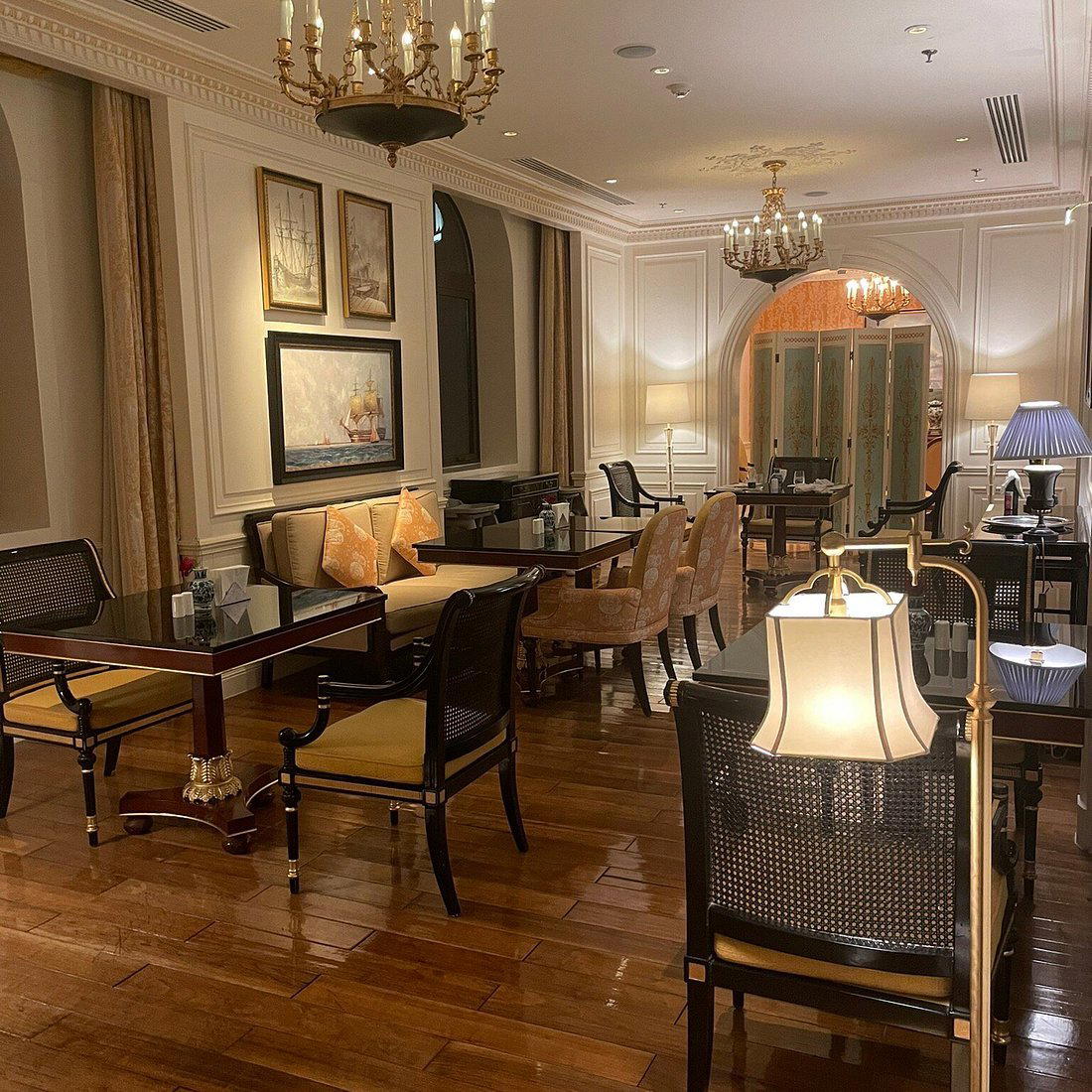
Hotels in Tianjin
All hotels in Tianjin →
Details
- Modern
- Lively
- Elegant
- Business Dinner
- Group Dining
- Family
- Casual Hangout
- After Work
- Hotel Restaurant
- Buffet
- A La Carte
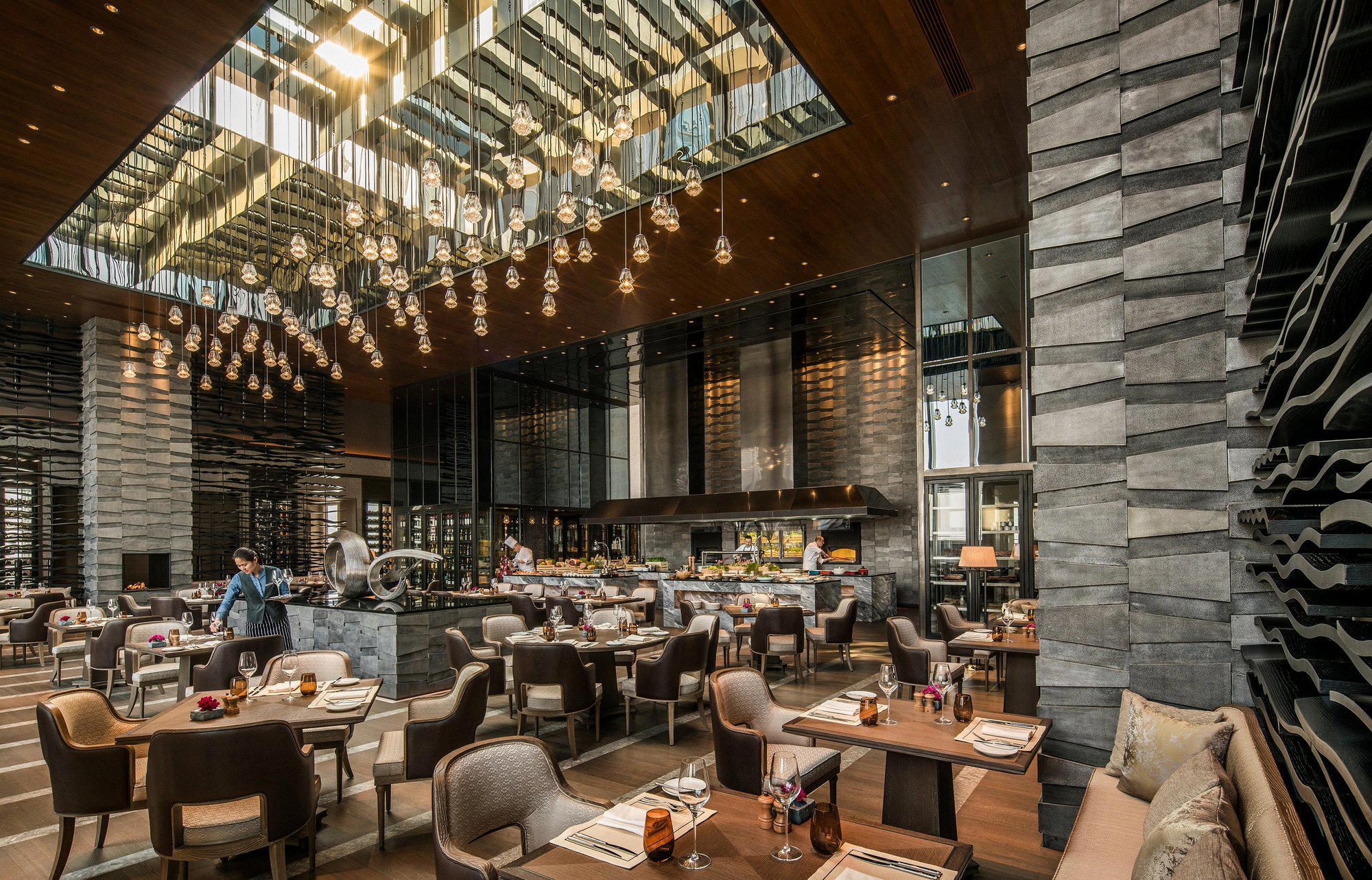
Stylish and contemporary hotel-brasserie atmosphere with a polished European-inspired design, open show kitchen energy, and a lively but comfortable dining room suited to both business and leisure guests.