Our verdict
Bam Bou sits in Tianjin’s Nankai district, a useful lens on the city’s smaller independent dining tier rather than its hotel-led Cantonese rooms or heritage banquet addresses. With no public awards, chef credit, price range, or menu format attached, the sensible read is contextual: judge it against Tianjin’s ingredient-led neighborhood dining culture, not against trophy-room destination restaurants.

Pearl is the En Primeur Club membership app, where members save venues, book tables and use the concierge.
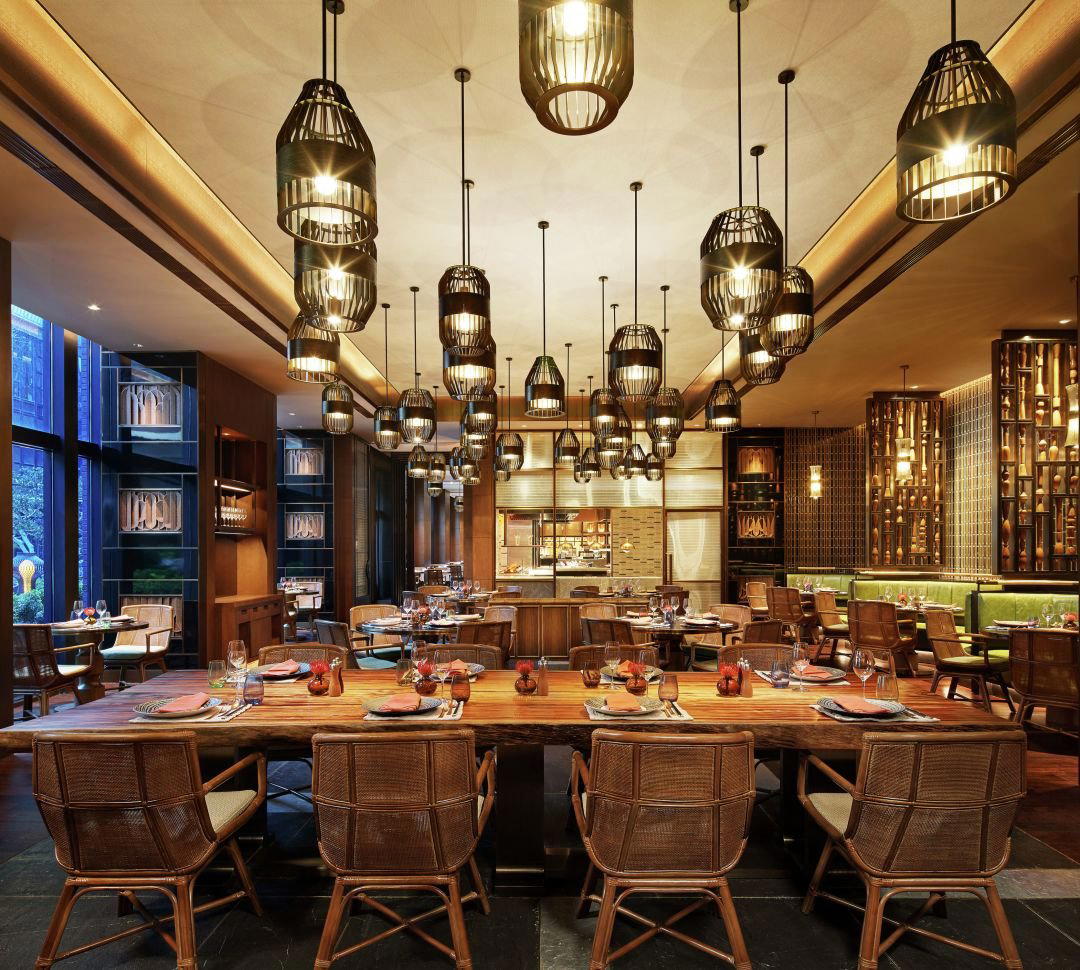
Approaching Bam Bou in Tianjin puts the reader in a city where dining is often read through everyday use as much as through destination status. The useful frame is not a dramatic claim about a single signature, but the practical question of how a restaurant functions for guests who are choosing between familiar local meals, polished dining rooms, and business-oriented tables. Bam Bou belongs in that Tianjin context: a venue best assessed by the experience it delivers in the room rather than by a long public list of external details.
The sensible way to read Bam Bou is through restraint and scale. Tianjin rewards restaurants that can serve a meal with clarity, pacing, and confidence, especially when the public record does not supply a chef narrative, price band, founding year, seat count, or formal tasting-menu structure. Without those specifics, the restaurant should not be oversold through invented markers. It is better understood as a Tianjin address whose value has to come from the meal itself.
Tianjin dining, ingredient discipline, and the gap between neighborhood tables and banquet rooms
Tianjin is not only a city of high-visibility dining frames, which is exactly why its quieter restaurant addresses can be useful. Local dining pulls in residents, visitors, and business groups, so restaurants often sit between repeat neighborhood use and more polished destination dining. In a city where formal rooms are visible in the premium tier, that middle ground can be more revealing than another grand private-room address.
For comparison inside Tianjin, other dining rooms signal the city’s range, from polished service formats to heritage-minded meals and international-hotel settings. Jin House and Ying sit closer to the refined hotel-and-business-dining conversation, while Er Duo Yan Luxury Restaurant 1892 points toward a more heritage-led Tianjin register. Brasserie on G gives the city an international-hotel counterpoint. Bam Bou reads differently: less publicly defined by those external signals, more dependent on whether the kitchen and service hold attention on their own.
That distinction is not minor. In city dining, awards, chef credits, and detailed public positioning can clarify ambition, but a restaurant with limited public framing has fewer distractions. The questions become direct: does the meal feel coherent, is the pacing comfortable, does the room suit the occasion, and does the experience justify choosing Bam Bou over other Tianjin dining rooms?
How Bam Bou fits Tianjin's broader Chinese dining map
Tianjin’s table is not a single-format proposition. The city supports everyday meals, business dining, hotel restaurants, heritage addresses, and more contemporary rooms, and those categories do not always sit neatly apart. A restaurant can feel rooted in Tianjin without needing to be reduced to a narrow label; it can also draw on broader dining habits while operating for a local city audience.
Bam Bou should be approached within that mixed register. The name does not, by itself, define a cuisine, and no public cuisine label is attached here, so the stronger editorial frame is not taxonomy but decision-making. In Tianjin, a restaurant succeeds when the meal feels considered, the table works for the group, and the experience is clear enough to stand without invented backstory. The city’s premium diners may know formal service, but many also judge a meal by whether it suits the occasion.
Across China, this tension appears in different forms. Some venues are framed by high-profile formats, while others depend on quieter execution and the confidence of regular use. In larger dining capitals, city identity can be filtered through highly legible restaurant categories; in Tianjin, the advantage can be more understated, with guests moving comfortably between practical local meals and more ceremonial occasions.
The editorial read: go for context, not trophy signals
Bam Bou is not a page to read through chef lineage, a fixed price promise, or a detailed public concept. It is better understood as a Tianjin restaurant in a city where table format, consistency, and the room’s suitability often matter more than outside framing. That makes it useful for travelers who want a meal anchored in Tianjin rather than another generic luxury benchmark.
The planning stance should be conservative. Because no public hours, booking channel, price range, or dress code is attached here, treat the meal as one to confirm before building an evening around it, especially during weekends, public holidays, and local peak periods. Families and mixed-age groups should also think in practical terms: Tianjin restaurants can vary in room format, service style, and tolerance for waiting.
For a fuller city read, pair Bam Bou with our full Tianjin restaurants guide, then map the rest of the trip through our full Tianjin hotels guide, our full Tianjin bars guide, our full Tianjin wineries guide, and our full Tianjin experiences guide. For wider context on how compact, less heavily publicized formats travel beyond Tianjin, compare Bam Bou with other dining rooms in China and beyond; the specifics differ, but the editorial question is similar: when a venue lacks spectacle, the meal and the room have to carry the experience.
Frequently asked questions
Can I bring kids to Bam Bou?
Bam Bou is listed in Tianjin. For children, the practical move is to check the restaurant directly before planning a family meal.
Is Bam Bou formal or casual?
The public record places Bam Bou in Tianjin but gives no dress code. Check the venue's official channels for the latest details.
How do I find Bam Bou?
Bam Bou is located in Tianjin.
Can I walk in to Bam Bou?
Bam Bou is located in Tianjin. Check the venue's official channels for the latest details before relying on a walk-in.
At-a-Glance Comparison
Comparable venues by cuisine and price in the same metro.
| Venue | Cuisine | Price | Awards |
|---|---|---|---|
| Bam BouThis venue (the venue you are viewing) | Southeast Asian & Pan-Asian Homestyle Restaurant | Not listed | Not listed |
| Brasserie on G | International hotel brasserie buffet & à la carte | $30–50 | Not listed |
| Ying | Modern Cantonese Fine Dining | Not listed | 1 Michelin Star · La Liste Top Restaurants |
| Er Duo Yan Luxury Restaurant 1892 | Contemporary Chinese Fine Dining | Not listed | Black Pearl 1 Diamond |
| Jin House | Contemporary Cantonese with Tianjin Influences | Not listed | Black Pearl 1 Diamond |
Continue exploring
More in Tianjin
Restaurants in Tianjin
All restaurants in Tianjin →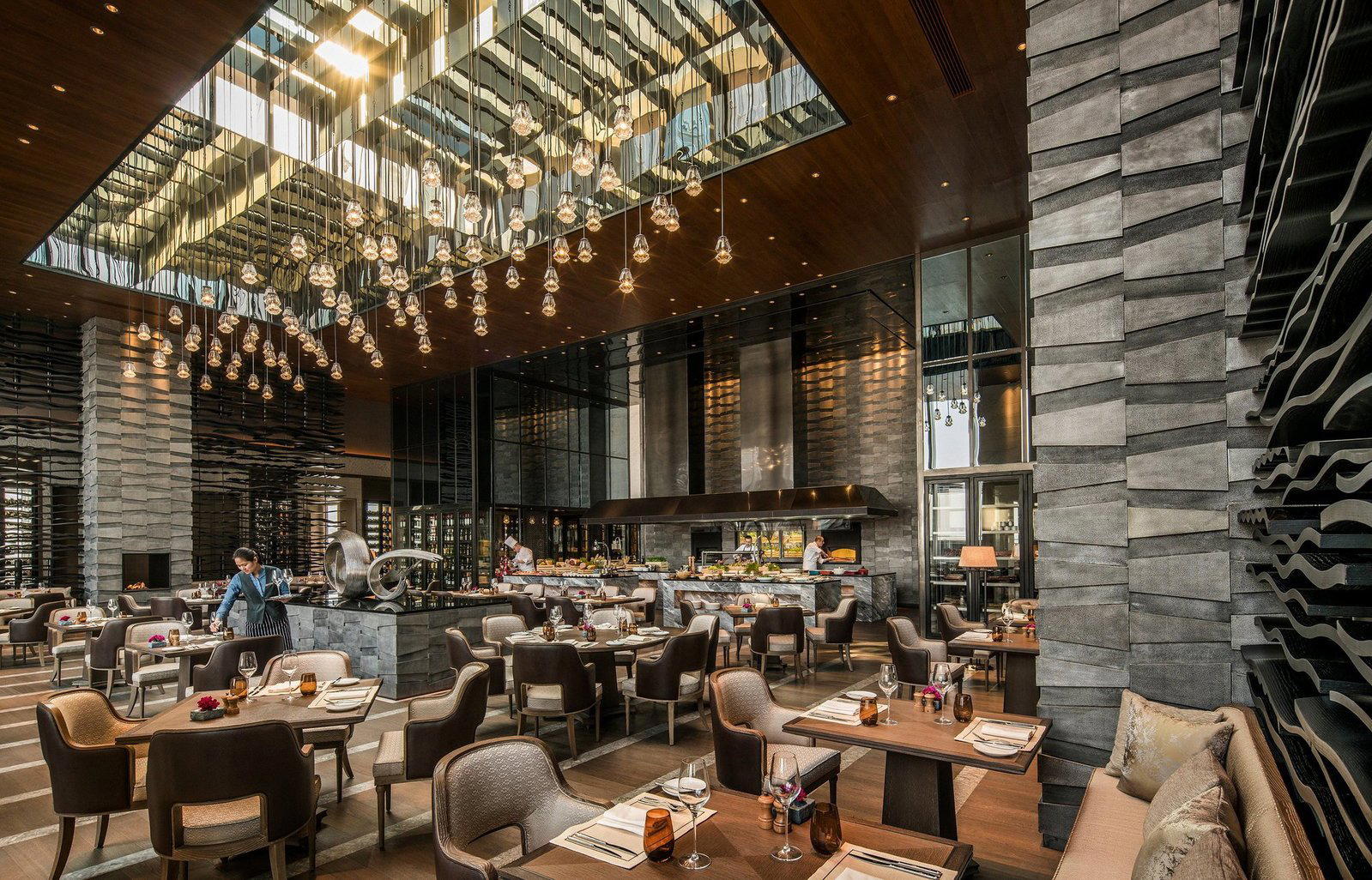
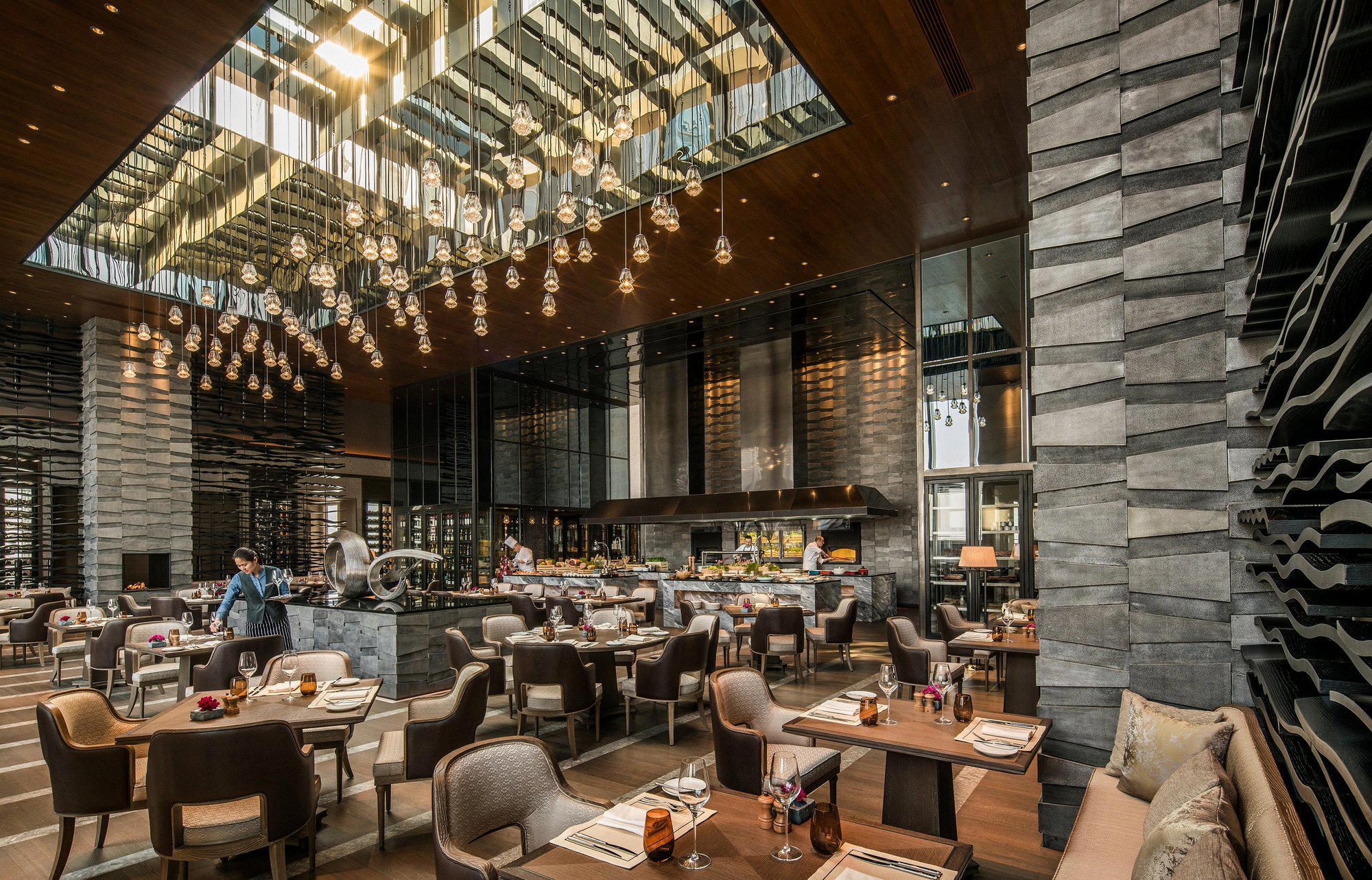
Bars in Tianjin
All bars in Tianjin →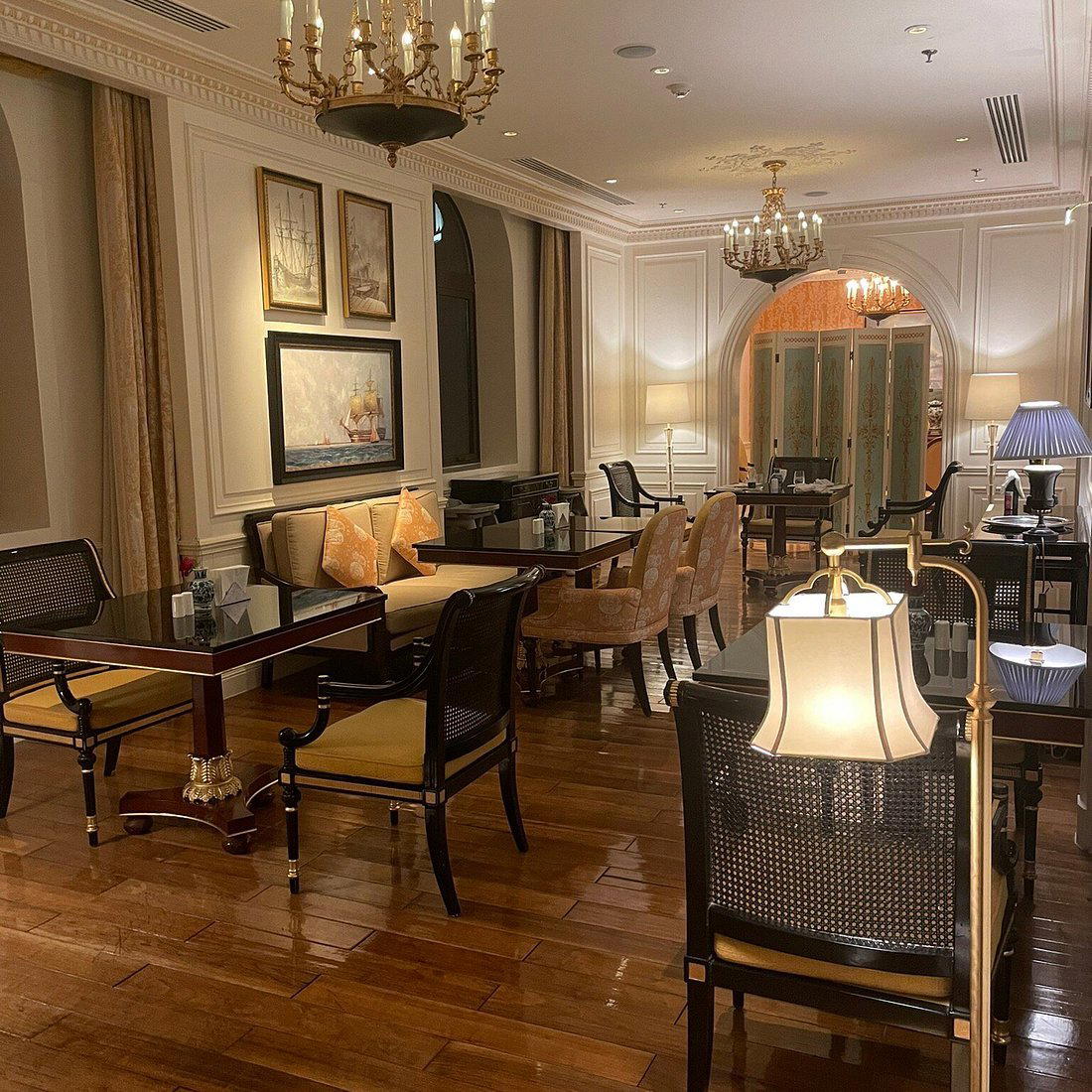
Hotels in Tianjin
All hotels in Tianjin →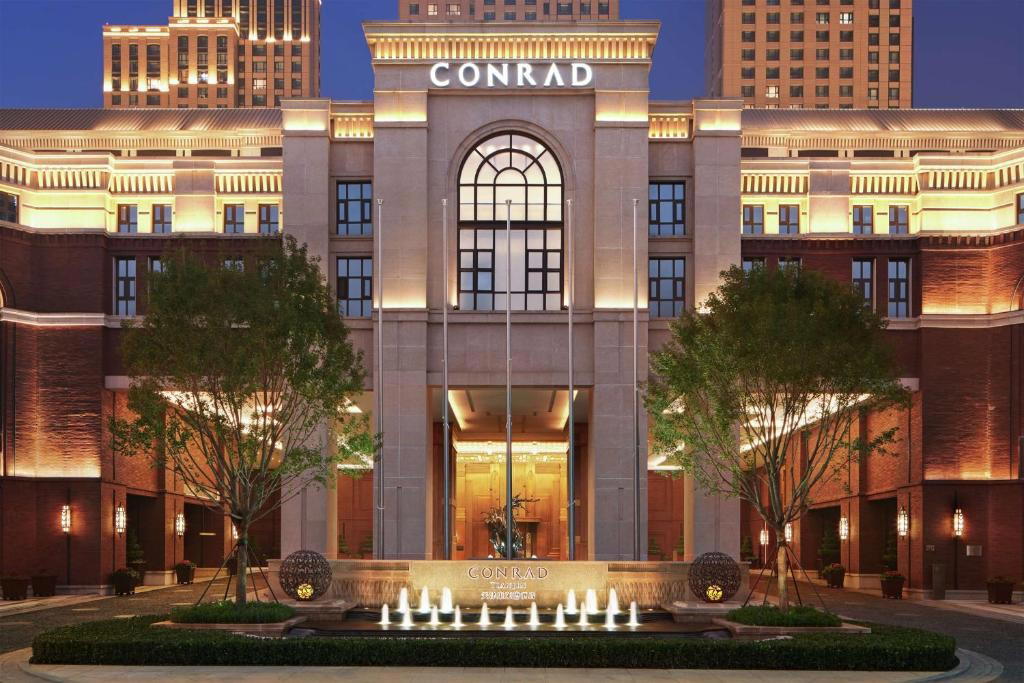
Details
- Elegant
- Modern
- Sophisticated
- Trendy
- Intimate
- Business Dinner
- Date Night
- Group Dining
- Special Occasion
- After Work
- Terrace
- Design Destination
- Hotel Restaurant
- Craft Cocktails
- Garden
- A La Carte
- Cocktails
- Wine
An intimate, design-forward hotel restaurant with bright tropical colors, contemporary Chinese-meets-Southeast-Asian decor, and a polished yet relaxed luxury atmosphere suited to both hotel guests and business diners.