Boma
Our verdict
Boma sits in the Okavango Delta’s safari-dining tradition, where setting and supply chain shape the meal as much as the kitchen. The draw is not a formal restaurant script but a Delta format: midday by water or in a traditional boma, with food framed by remoteness, season, and the practical intelligence of cooking far from an urban market.

Pearl is the En Primeur Club membership app, where members save venues, book tables and use the concierge.
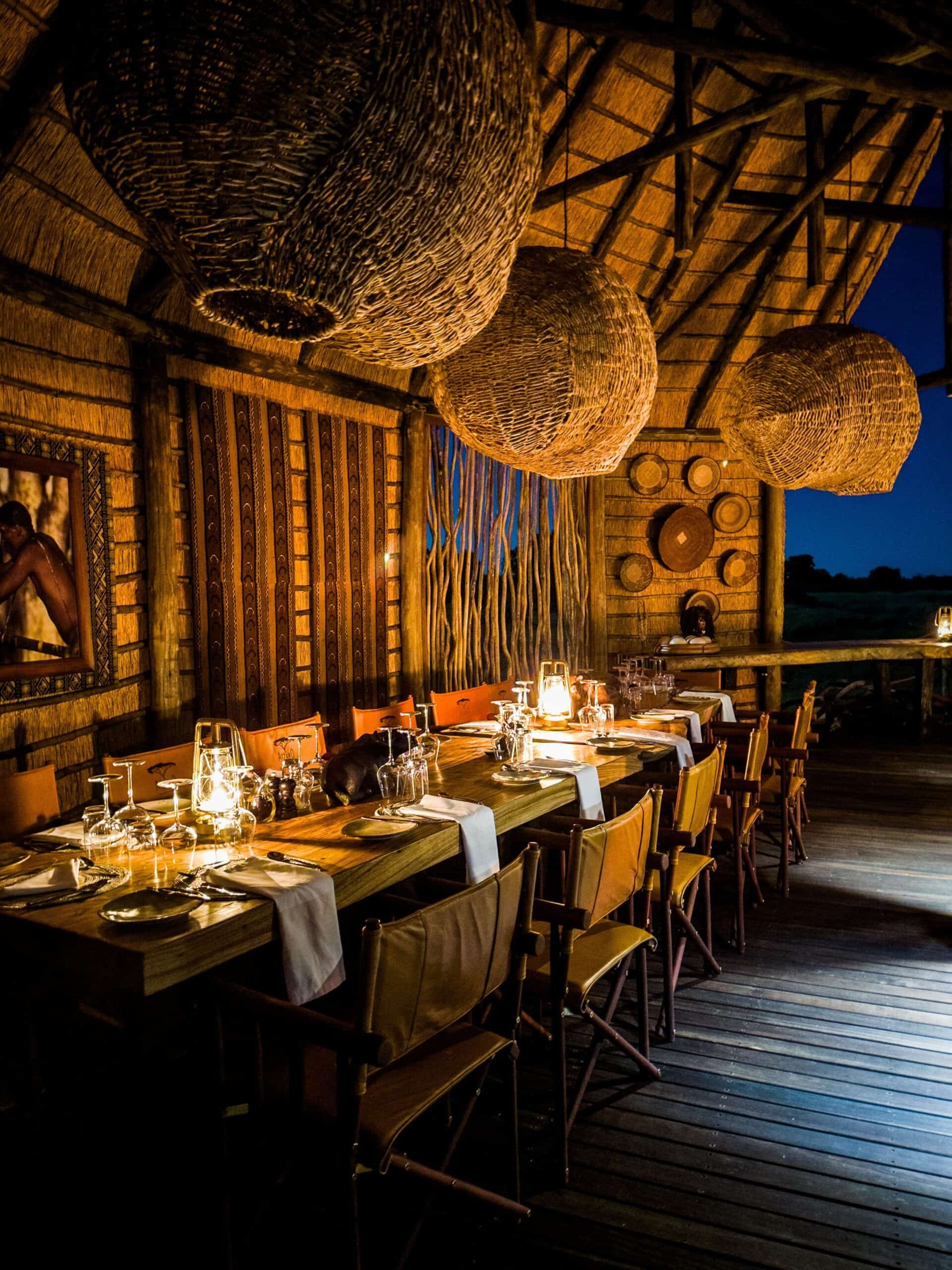
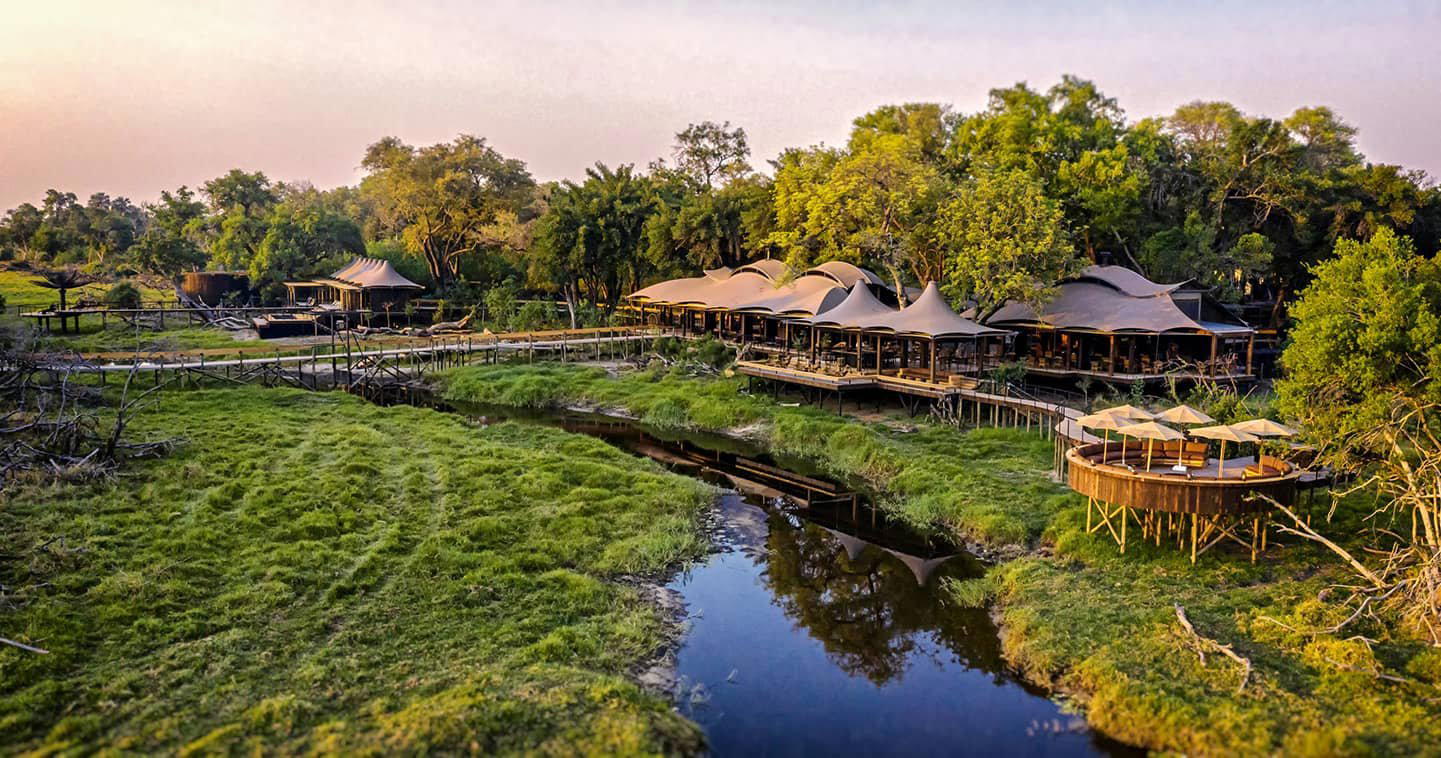
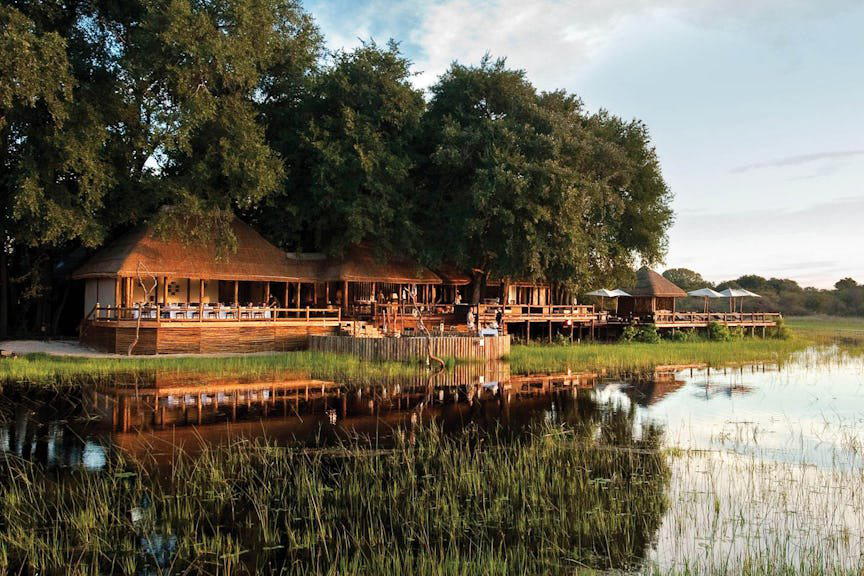
In the Okavango Delta, lunch can feel less like a restaurant booking than a shift in geography: water, reed beds, open sky, and the compact choreography of a camp table appearing where the day allows. Boma belongs to that tradition. Its address is the Delta itself, with the format described as midday by water or in a traditional boma, which places it closer to safari field dining than to a fixed dining room with a conventional service rhythm.
That distinction matters. Delta meals are shaped by movement, heat, light, and supply. Ingredients do not arrive from a city market a few blocks away; they move through camp logistics, seasonal access, and the realities of cooking in a protected wetland system. In this setting, the relevant question is not whether a menu reads theatrically. It is whether the meal makes sense in the place: portable enough for the bush, grounded enough for the region, and disciplined enough not to turn wilderness into stage dressing.
Delta dining is defined by sourcing, distance, and restraint
The Okavango is not a restaurant city. It is a floodplain, and that changes the grammar of hospitality. Safari kitchens work with planned provisioning, controlled waste, and limited redundancy. Freshness is valuable, but so is durability; a camp meal has to account for transport, storage, and the fact that the day’s route may be shaped by water levels rather than a maître d’ schedule.
Boma’s appeal sits in that context. The format points toward a meal built around place rather than spectacle. A traditional boma, historically an enclosed communal space, gives safari dining a social frame: fire, open air, and a sense of enclosure without removing the surrounding environment. A water-side midday setting pushes the experience in another direction, toward light, silence, and the Delta’s slow visual tempo. Neither version needs elaborate culinary theatre to make its case.
Across the region, comparable lodge and camp dining follows related patterns. Duba Concession and Duba Plains Camp Restaurant sit in the same broad Delta conversation, where food is inseparable from access, wildlife movement, and camp infrastructure. Sitatunga Private Island dining room Restaurant represents a more composed end of private-island dining, while Boma reads as a leaner expression of the boma and water-based meal format.
The meal is part of the safari day, not a break from it
Urban restaurants often separate dining from transit: arrive, sit, eat, leave. In the Delta, the meal is folded into the day’s route. That is the critical difference. A midday setting by water can function as a pause between game activity and the heat of the afternoon; a boma setting can shift the focus toward the group, the fire, and the social side of camp life. The food becomes one part of a larger cadence rather than a self-contained performance.
This is also why chef-led narratives are less useful here than format intelligence. Boma is not presented through a named chef or tasting-menu structure. Its credibility comes from context: the Okavango Delta location, the boma tradition, and the logistical specificity of a meal that can happen by water. For travelers comparing Delta options, that places it away from city-style gastronomy and closer to experience-led safari hospitality.
The broader regional map helps clarify the decision. Great Plains Selinda and other camp dining in the region point to related safari-dining traditions around the wider wilderness circuit. For a wider read on the area, use the full Okavango Delta restaurants guide, the full Okavango Delta hotels guide, the full Okavango Delta bars guide, the full Okavango Delta wineries guide, and the full Okavango Delta experiences guide.
Who this format suits
Boma suits travelers who understand that safari dining is judged differently from restaurant dining in major cities. The point is not a long list of courses or a starched urban room. The point is a meal that fits the Delta’s physical conditions and social rituals. Ingredient sourcing matters here because distance makes every choice visible: what travels well, what can be served cleanly outdoors, and what belongs in a camp setting rather than being imported as a city idea.
Readers building a broader dining file can contrast that place-led logic with city formats elsewhere: intimate bars, quick-service counters, specialty restaurants, tapas rooms, neighborhood dining rooms, and other urban concepts. Those formats belong to a different dining universe. Boma’s value is more elemental: a Delta meal whose setting, sourcing constraints, and communal format are the story.
Frequently asked questions
Is Boma child-friendly?
Boma in Okavango Delta is set up as a midday meal on the water or in a traditional boma, which suits families already moving through the safari day. The format is less about formal dining rooms and more about a shared stop between activities.
What's the vibe at Boma?
The mood is practical and place-specific: Okavango Delta, with service shaped by a midday water arrival or a traditional boma setting. It reads as part of the safari rhythm, not a separate restaurant outing.
What's the address for Boma?
Okavango Delta.
How hard is it to get a table at Boma?
Those details are not published. Boma operates as a midday experience in the Okavango Delta, which usually means it is planned around the safari schedule. Check the venue's official channels for the latest details.
What do critics highlight about Boma?
The strongest point is the setting itself: a midday meal by water or in a traditional boma in the Okavango Delta. That format changes how the meal is judged, because the experience is tied to place and timing rather than a stand-alone city restaurant model.
Is Boma good for vegetarians?
No menu is listed for Boma, so there is no basis for a menu-specific verdict. What is clear is that the venue sits in Okavango Delta, and the dining format is built around a midday safari stop.
Snapshot
Comparable venues by cuisine and price in the same metro.
| Venue | Cuisine | Price | Awards | Notes |
|---|---|---|---|---|
| Boma | Modern French Bistro | $20–30 | Michelin Bib Gourmand | Not listed |
| Duba Concession | African Bush | Not listed | Not listed | Not listed |
| Duba Plains Camp Restaurant | Fine dining safari cuisine in the Okavango Delta | Not listed | Relais Chateaux Award | Not listed |
| Selinda Camp | Zarafa Camp Restaurant | Creative cooking | Not listed | Not listed | Not listed |
| Sitatunga Private Island dining room Restaurant | Fine dining with traditional Botswana-inspired cuisine | Not listed | Relais Chateaux Award | Creative cooking |
| Great Plains Selinda | Fine Dining Safari Cuisine | Not listed | Relais Chateaux Award | African Safari |
Continue exploring
More in Okavango Delta
Details
- Scenic
- Rustic
- Intimate
- Group Dining
- Special Occasion
- Private Event
- Waterfront
- Garden
- Hotel Restaurant
- Courtyard
- Panoramic View
- Local Sourcing
- Waterfront
- Buffet
- Set Menu
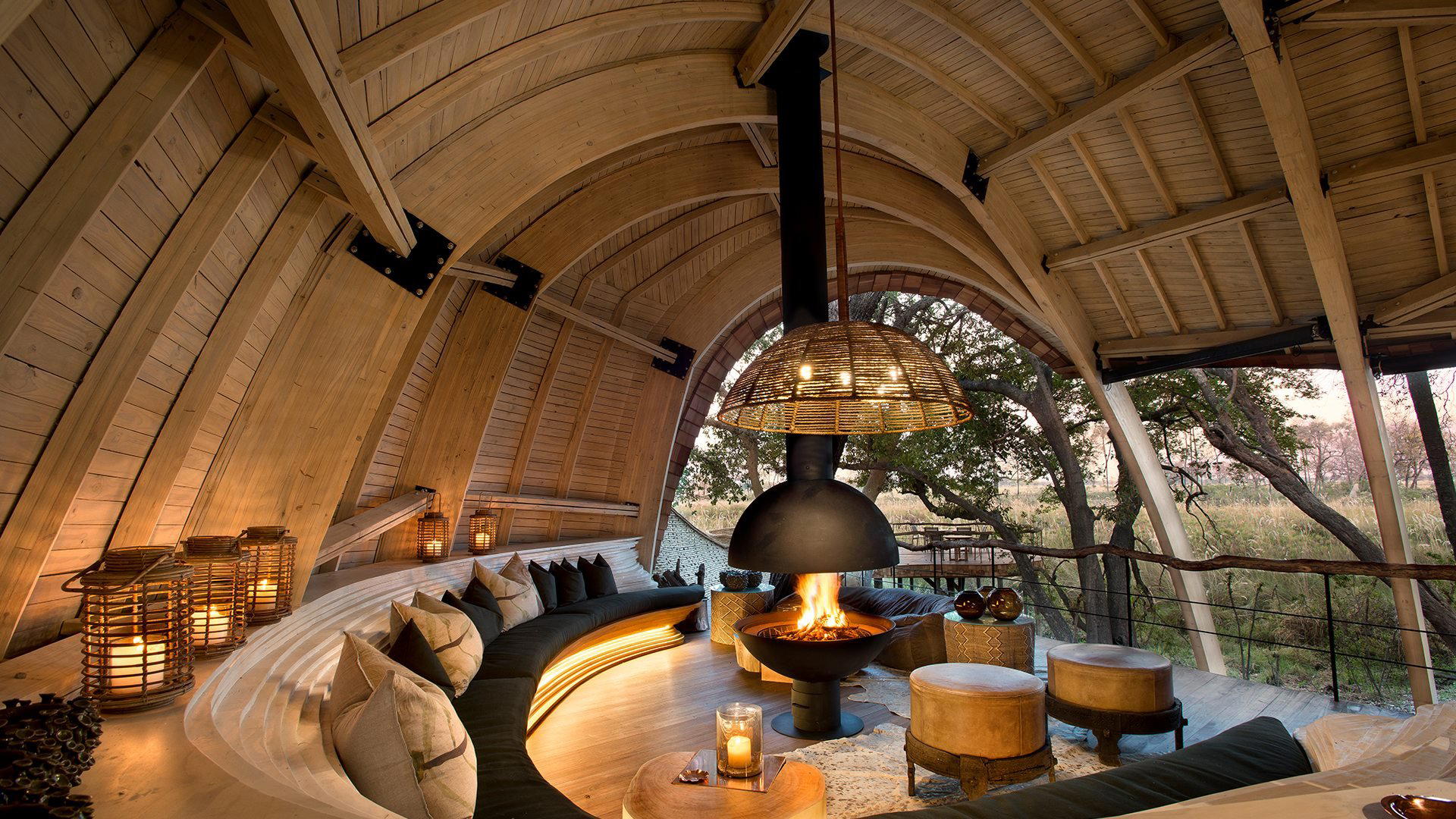
Atmosphere is rustic and intimate, centered around an outdoor boma with open firelight, natural materials, and the surrounding sights and sounds of the Okavango Delta.