Sitatunga Private Island dining room Restaurant

Relais Chateaux Award
Our verdict
In the Okavango Delta, private-island dining works less like a restaurant reservation and more like part of the safari rhythm: water, heat, birdsong, and a kitchen shaped around the day’s pace. Sitatunga Private Island dining room Restaurant sits in that lodge-dining category, with Chef Kedidimetse Gabasaleteng preparing traditional cuisine, à la carte meals, or personalized five-course menus using local farm produce.

Pearl is the En Primeur Club membership app, where members save venues, book tables and use the concierge.
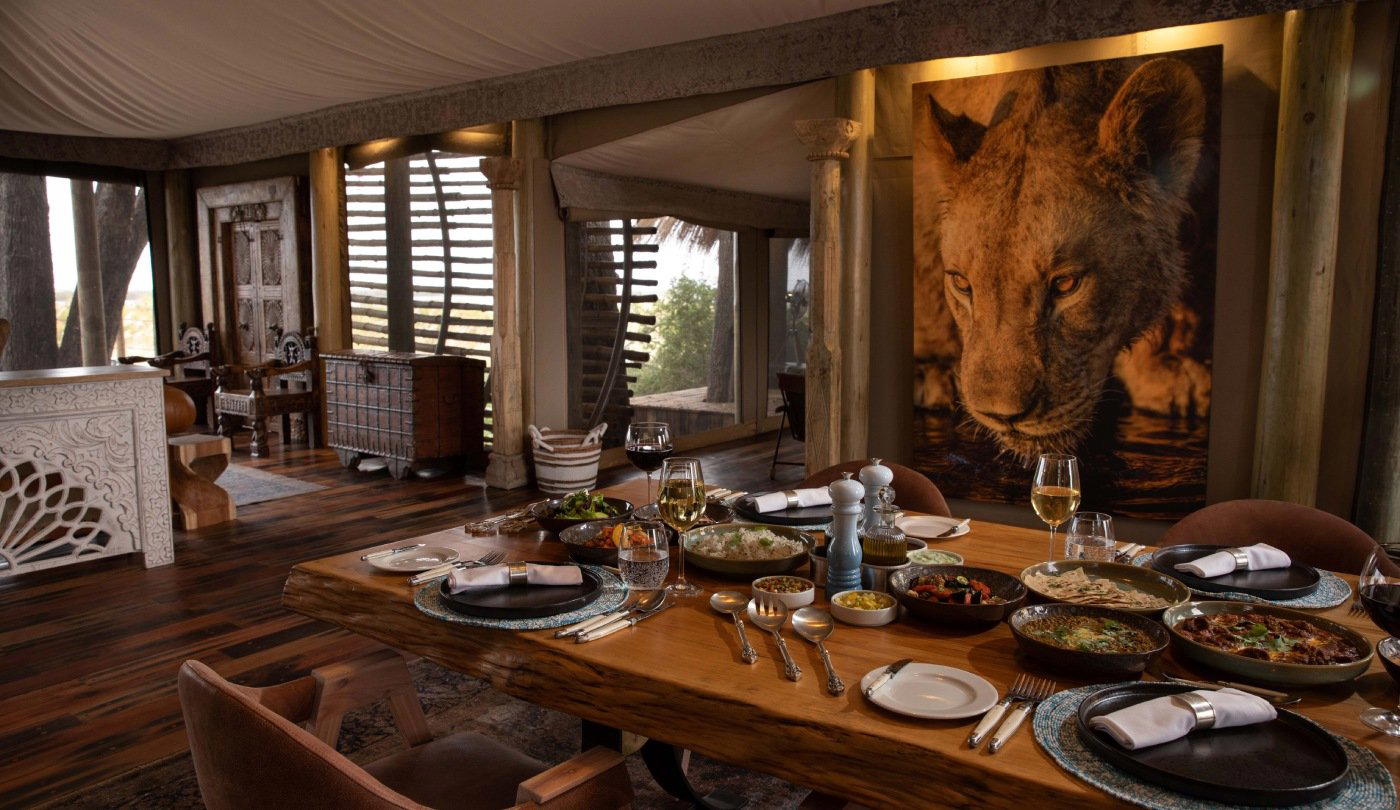
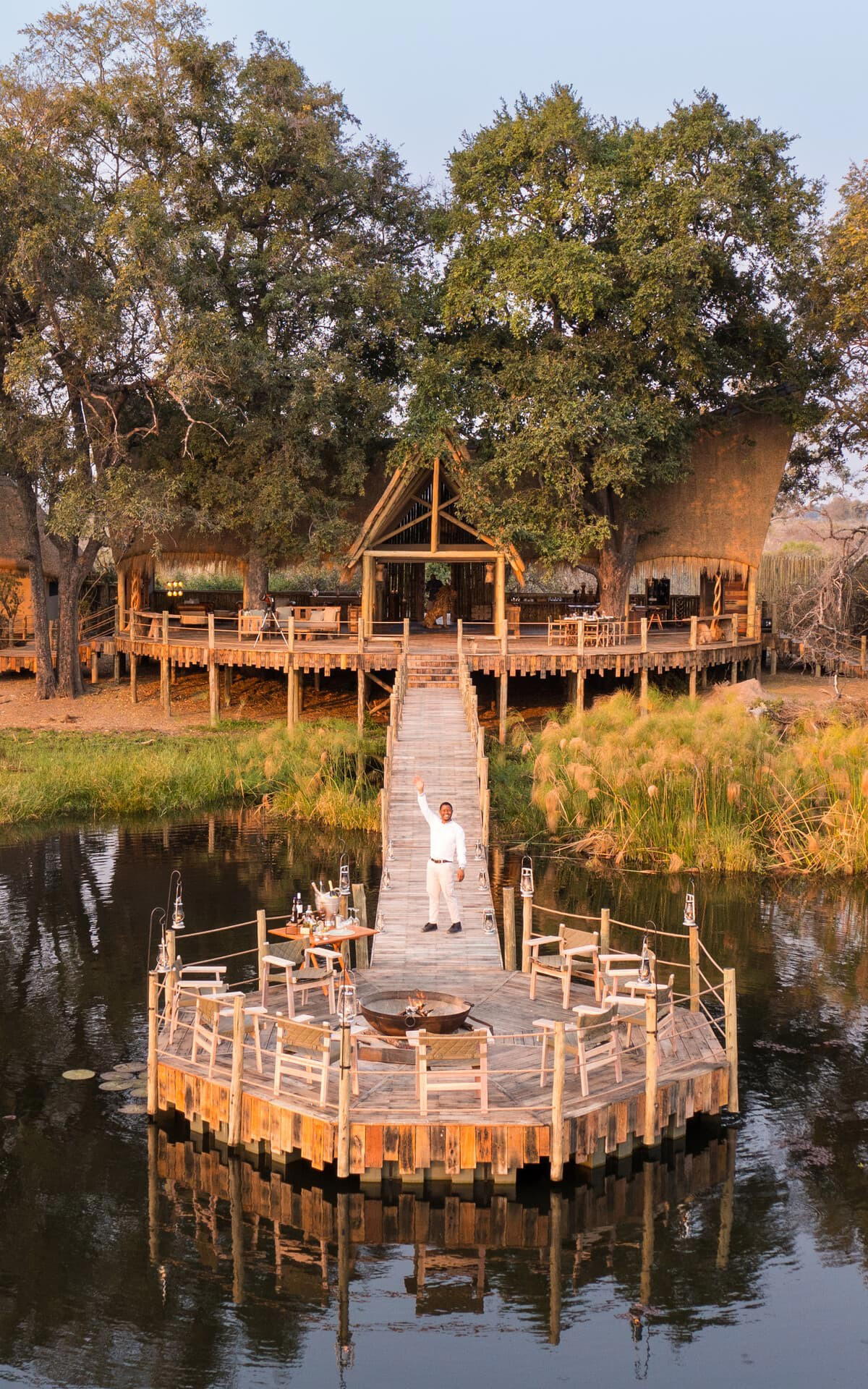
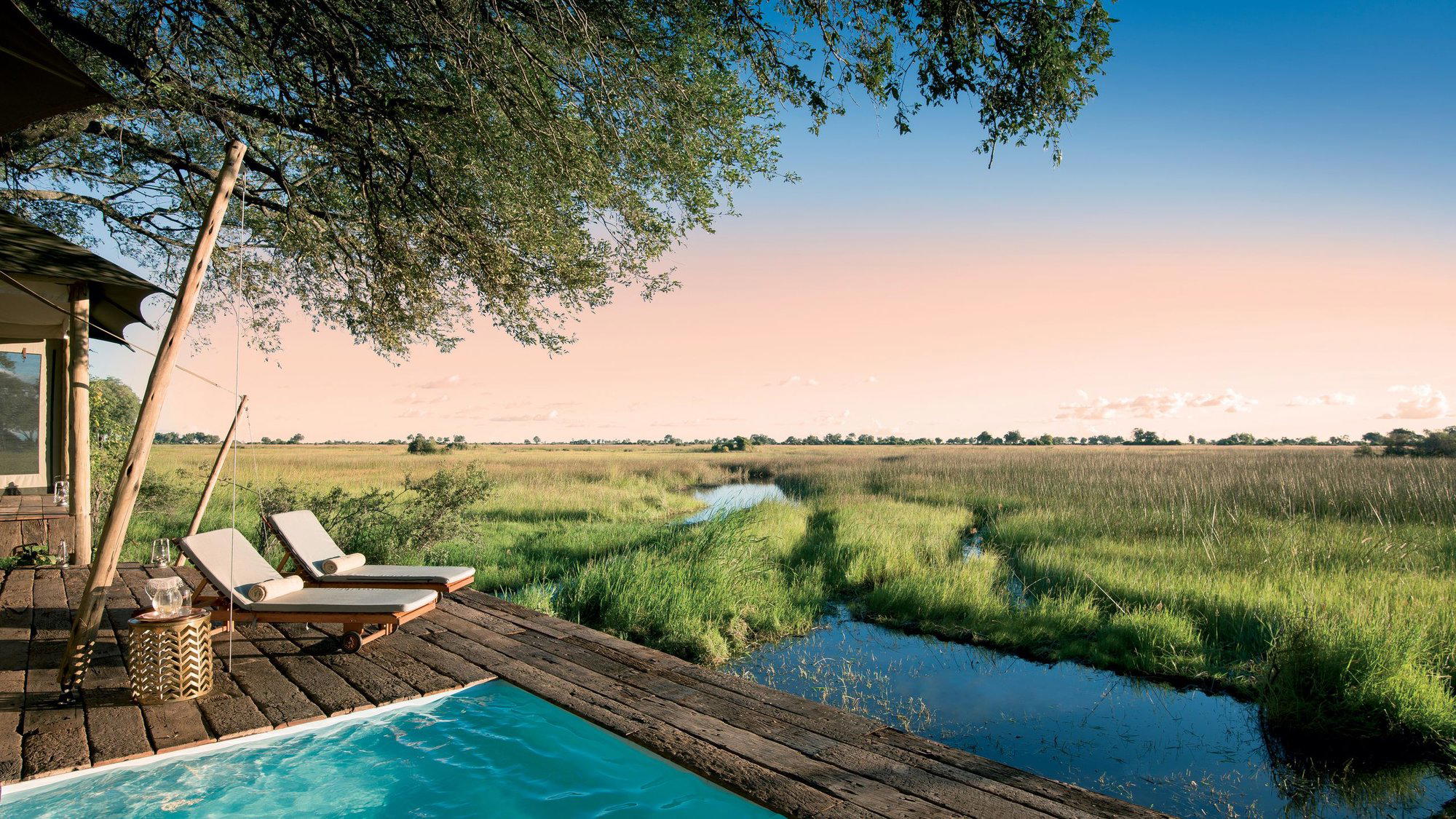
Approach dining in the Okavango Delta and city markers disappear: no theatrical street entrance, bar crowd, or traffic-competing dining room. The setting is water- and weather-led: channels, reed beds, open sky, and the slower cadence of a private reserve. At Sitatunga Private Island dining room Restaurant, the dining room belongs to a safari tradition where the meal is not detached from place; it must work with heat, movement, remoteness, and the appetite that follows hours outdoors.
Read it accordingly. Delta lodge dining is judged less by urban habits than by adaptability, careful planning, and a sense of place without performance. Chef Kedidimetse Gabasaleteng’s kitchen is identified by Relais & Châteaux with Creative cooking, a label that makes most sense here when read through the practical demands of remote hospitality. Flexibility and calm matter: the meal should suit the rhythm of a day shaped by water, wildlife, and weather rather than city schedules.
Delta dining shaped by water, privacy, and guest preference
The Okavango is demanding for restaurants because remoteness changes the rules. A city kitchen can lean on daily markets and last-minute suppliers; a private-island kitchen must plan harder and adjust with discipline. Produce management matters as more than sourcing language: it keeps the cooking from becoming anonymous lodge luxury and helps the dining room remain connected to its Delta setting.
Across the region, stronger safari tables often divide into two camps. Some favour the communal safari format, where fire, group dining, and ceremony provide the grammar. Others favour a private, lodge-integrated format, where the table follows the guest’s pace rather than a fixed script. Sitatunga Private Island dining room Restaurant sits in the second camp. For travellers comparing Delta options, other Okavango Delta dining rooms offer useful context, while Selinda Camp and Zarafa Camp Restaurant are relevant regional comparators for how remote-camp dining shifts with concession style and lodge scale.
The Creative cooking designation is the clearest signal of intent. In a remote reserve, a meal cannot rely on metropolitan tasting-room shock value. It must build from what the kitchen can source, prepare, and serve cleanly where the environment already carries the drama. That restraint suits the Delta. The better meal is not the one pretending a city dining room has been dropped into the bush; it is the one that makes sense after a mokoro outing, a game drive, or a quiet afternoon watching water levels change.
Chef Kedidimetse Gabasaleteng and the value of a local register
The chef’s role here differs from a chef-owned city dining room. Personality matters less than range. Chef Kedidimetse Gabasaleteng is the named chef associated with Sitatunga Private Island dining room Restaurant, and that matters most as a hospitality credential rather than a celebrity cue. The kitchen must cook for different ages, appetites, dietary needs, and post-safari timing while keeping the sense that the meal belongs in the Okavango Delta.
There is a wider regional point. Southern African safari hospitality has moved away from imported luxury clichés toward grounded expressions of place. The strongest versions do not reduce local cooking to a theme night; hospitality customs, relaxed pacing, and the practical realities of remote service shape the meal. For readers mapping the Delta, Our full Okavango Delta restaurants guide is the practical starting point, while Our full Okavango Delta hotels guide explains why the lodge often determines dining style as much as the chef.
Comparable lodge restaurants sharpen the category without needing a city-style hierarchy. Selinda Camp and Zarafa Camp Restaurant share the broader safari-dining world, where location, hosting format, and privacy matter as much as menu terminology. Sitatunga Private Island dining room Restaurant remains best understood through its own private-island frame: a Delta dining room where the setting, pace, and remoteness are inseparable from the meal.
How to place it within a wider creative-cooking category
“Creative cooking” can mean many things, and in travel dining it is often stretched past usefulness. In the Delta, it convinces when it describes adaptation rather than ornament: a kitchen translating place, guest preference, and lodge logistics into meals specific to the trip. That differs from resort creative cooking in coastal or spa contexts, where pool, beach, or lounge settings can set the tone. For contrast, compare EP Club’s wider index of unnamed creative-cooking venues in beach, resort, and city settings. The label may stay the same; the demands change completely.
That comparison keeps expectations honest. A Delta private-island table should not be measured against a European dining room built around cellar depth, nor a beach club where the meal is part of a daybed economy. Its test is coherence: whether the cooking fits the reserve, the service format respects the safari day, and the meal carries enough local character to avoid feeling airlifted in.
Travellers planning the wider trip should treat dining as one piece of the Delta’s hospitality structure. Drinks, guided activities, and camp style all shape evenings, so Our full Okavango Delta bars guide, Our full Okavango Delta experiences guide, and Our full Okavango Delta wineries guide are better read together than separately. Creative-cooking references farther afield show how much context alters the same category: the same term can describe a remote safari dining room, a resort setting, or an urban lounge, but the measure of success changes with place.
The verdict is simple: judge this restaurant by fit, not flash. Its strongest case is the combination of private-island setting, Chef Kedidimetse Gabasaleteng’s leadership, and a Creative cooking identity that has to work within the realities of the Okavango Delta. In a destination already full of natural theatre, that restraint is not a limitation. It is the point.
Frequently asked questions
Is Sitatunga Private Island dining room Restaurant child-friendly?
The setup reads as flexible rather than formal, with dining at Sitatunga Private Island dining room Restaurant in the Okavango Delta. Families should confirm suitability directly with the lodge, because the experience is shaped by the rhythms of a remote safari setting rather than a dedicated city-restaurant format.
How would you describe the vibe at Sitatunga Private Island dining room Restaurant?
Expect a private, lodge-style atmosphere shaped by the Okavango Delta setting. Chef Kedidimetse Gabasaleteng anchors the room, and Relais & Châteaux identifies the restaurant’s cuisine as Creative cooking.
What kind of recognition has Sitatunga Private Island dining room Restaurant received?
Sitatunga Private Island dining room Restaurant is listed by Relais & Châteaux, with Chef Kedidimetse Gabasaleteng named as chef and the cuisine identified as Creative cooking.
What type of food is Sitatunga Private Island dining room Restaurant known for?
Sitatunga Private Island dining room Restaurant serves Creative cooking cuisine.
A Quick Peer Check
Comparable venues by cuisine and price in the same metro.
| Venue | Cuisine | Awards |
|---|---|---|
| Sitatunga Private Island dining room RestaurantThis venue (the venue you are viewing) | Fine dining with traditional Botswana-inspired cuisine | Relais Chateaux Award |
| Selinda Camp | Zarafa Camp Restaurant | Creative cooking | Not listed |
Recognition history
Dated appearances from independent guides and award organizations, with the underlying list record or original source where available.
Relais Chateaux Award
Relais Chateaux
Continue exploring
More in Okavango Delta
Restaurants in Okavango Delta
All restaurants in Okavango Delta →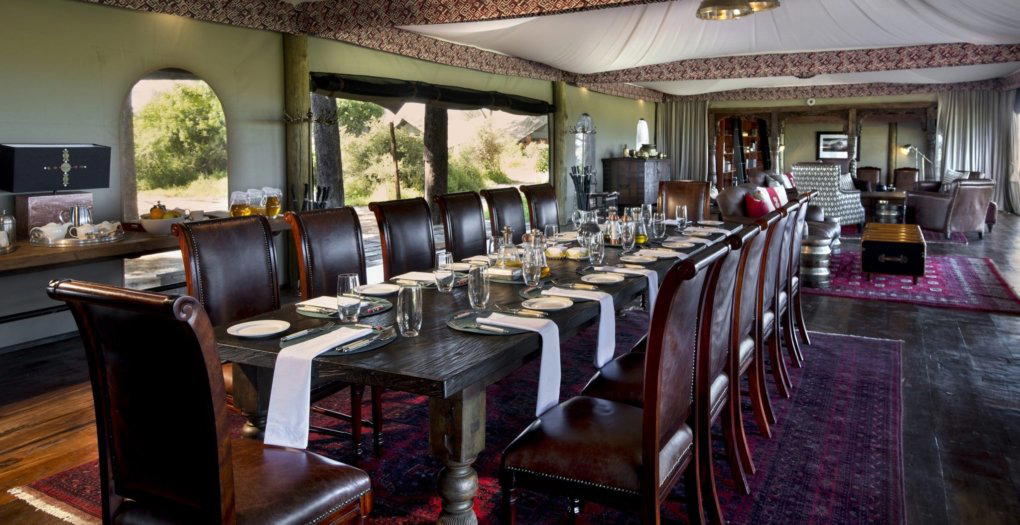
Sitatunga Private Island dining room Restaurant
The wine
- Extensive wine list
Details
- Romantic
- Scenic
- Elegant
- Intimate
- Sophisticated
- Rustic
- Date Night
- Special Occasion
- Celebration
- Private Event
- Waterfront
- Terrace
- Private Dining
- Hotel Restaurant
- Panoramic View
- Design Destination
- Extensive Wine List
- Local Sourcing
- Sustainable Seafood
- Waterfront
- Garden
- A La Carte
- Set Menu
- Wine
- Allergy Accommodating
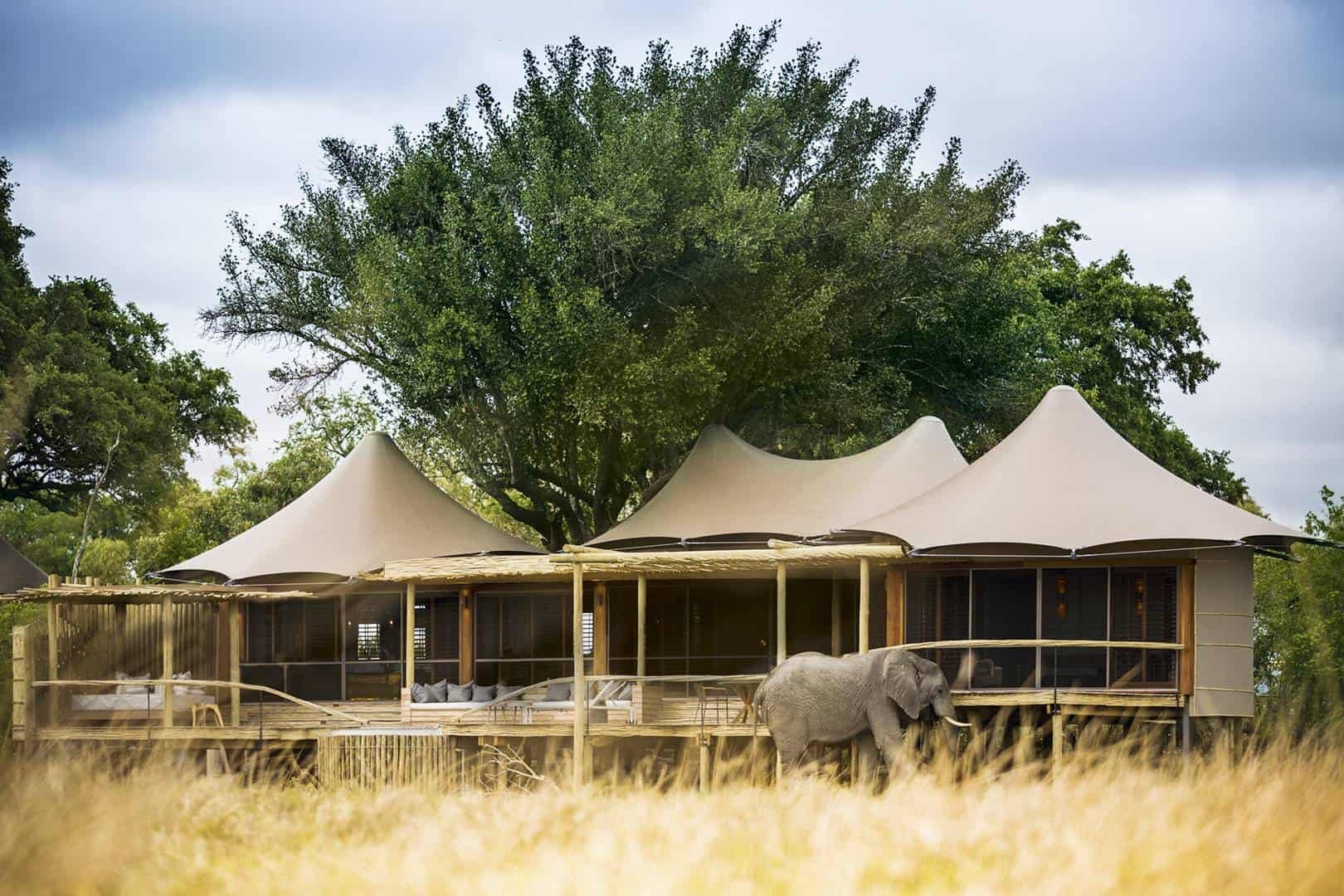
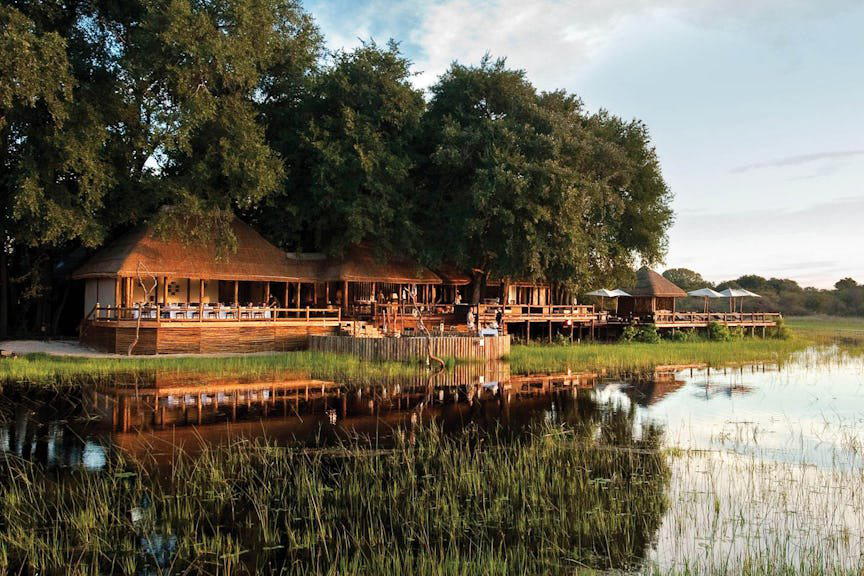
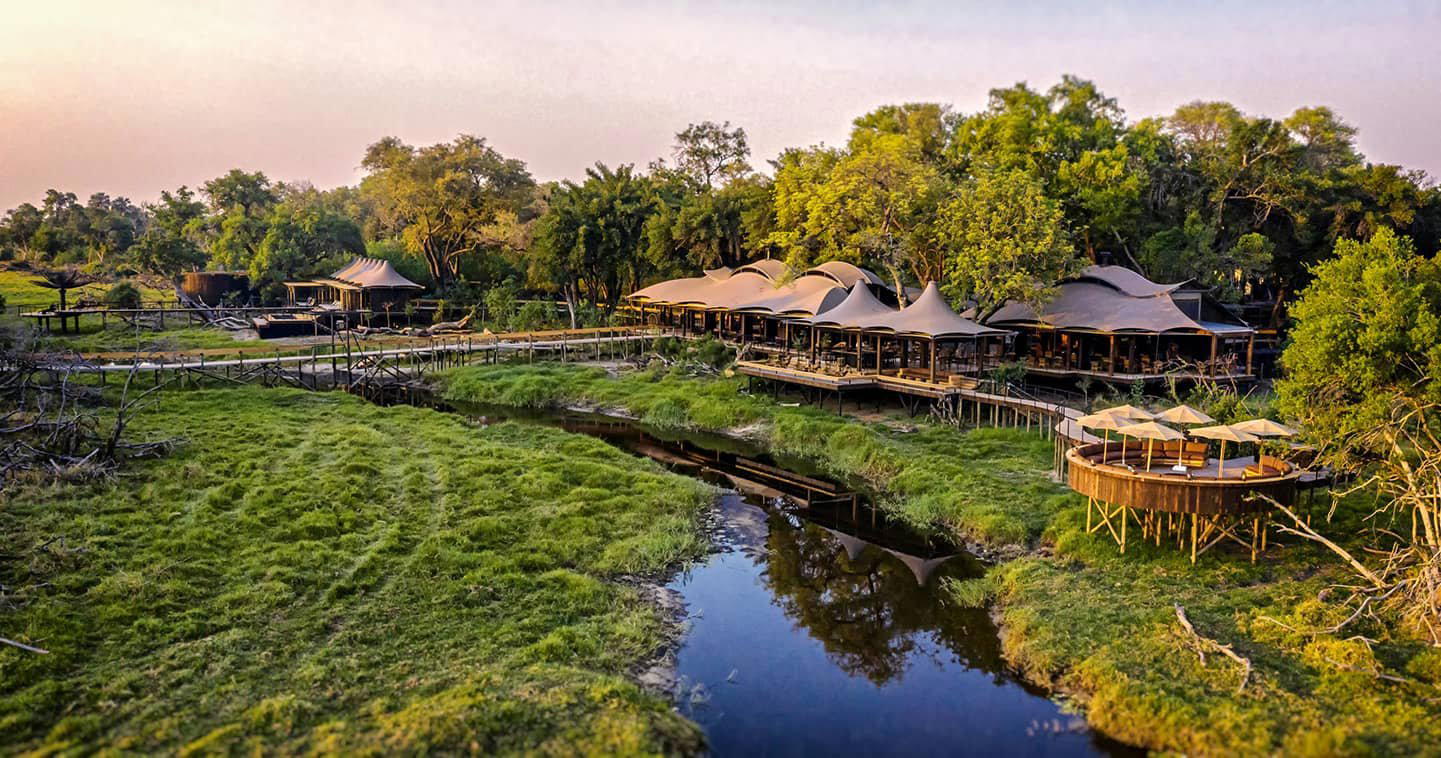
The dining experience is intimate and tranquil, with a refined safari-lodge aesthetic that blends natural materials and soft lighting, overlooking the water channels of the Okavango Delta for a serene, romantic atmosphere.