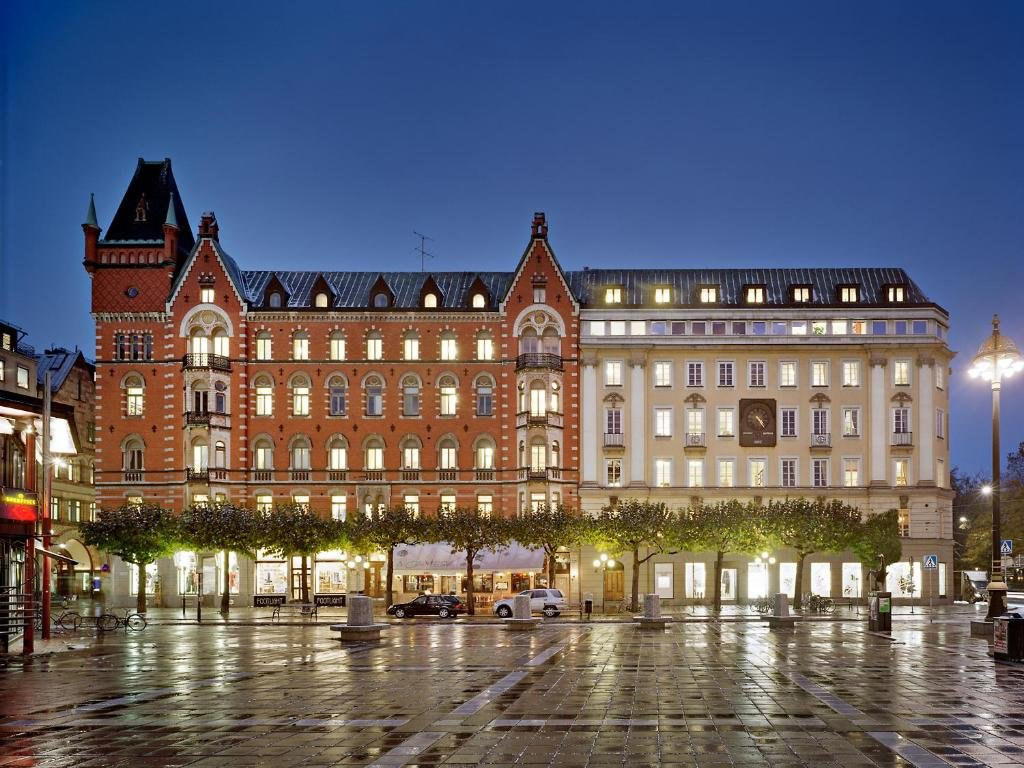
BINO sits at Norrmalmstorg, a central Stockholm address where the city’s restaurant culture tilts toward polished rooms, sharp sourcing, and a clientele that reads detail quickly. With no public award trail or fixed cuisine label to lean on, the useful question is not hype but fit: how its cooking and room sit within Stockholm’s ingredient-led dining conversation.
Pearl is the En Primeur Club membership app — saves, bookings, and concierge access live there. Same editors, same standards.
- Address
- Norrmalmstorg 2, 111 47 Stockholm, Sweden
- Phone
- +46 8 614 10 40
- Website
- nobishotel.se
- Directions
- Get directions
 Saves & bookings on Pearl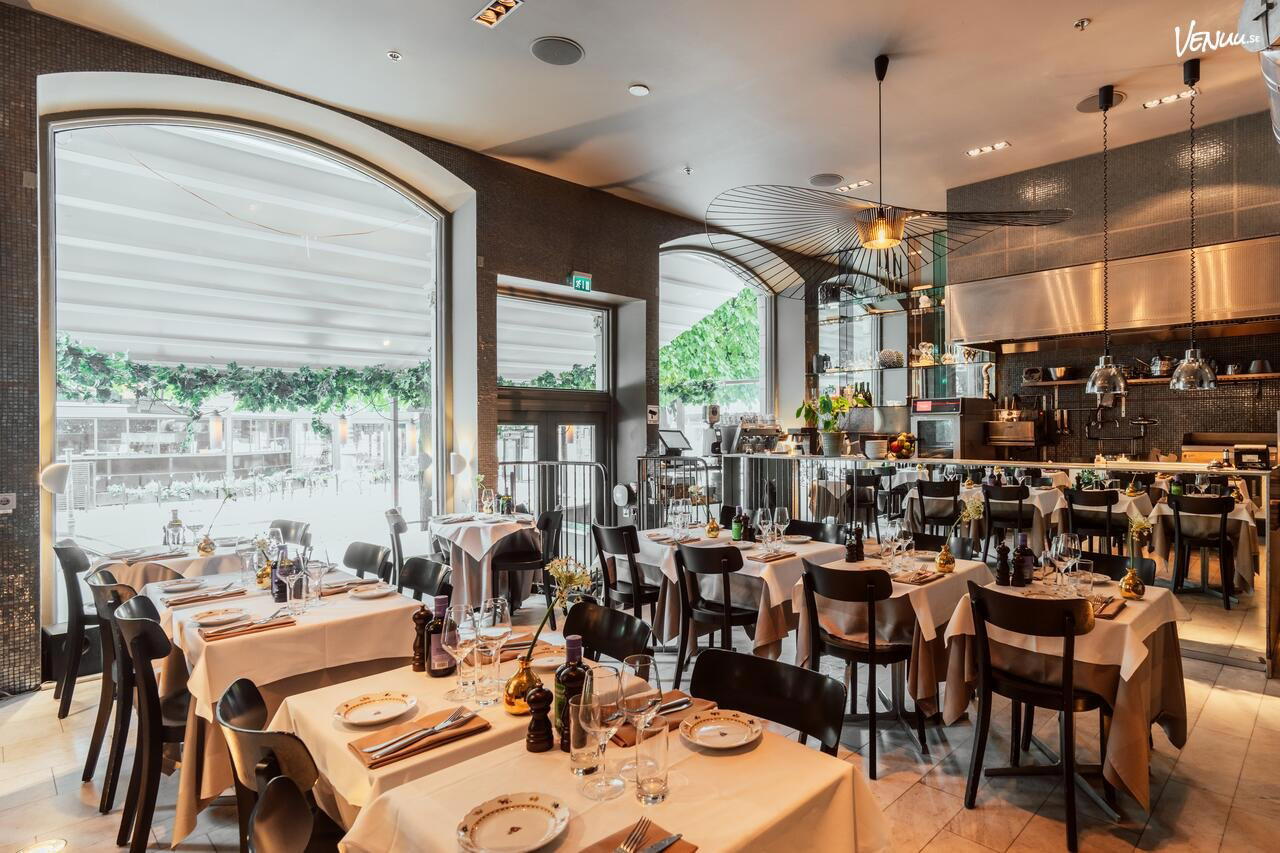
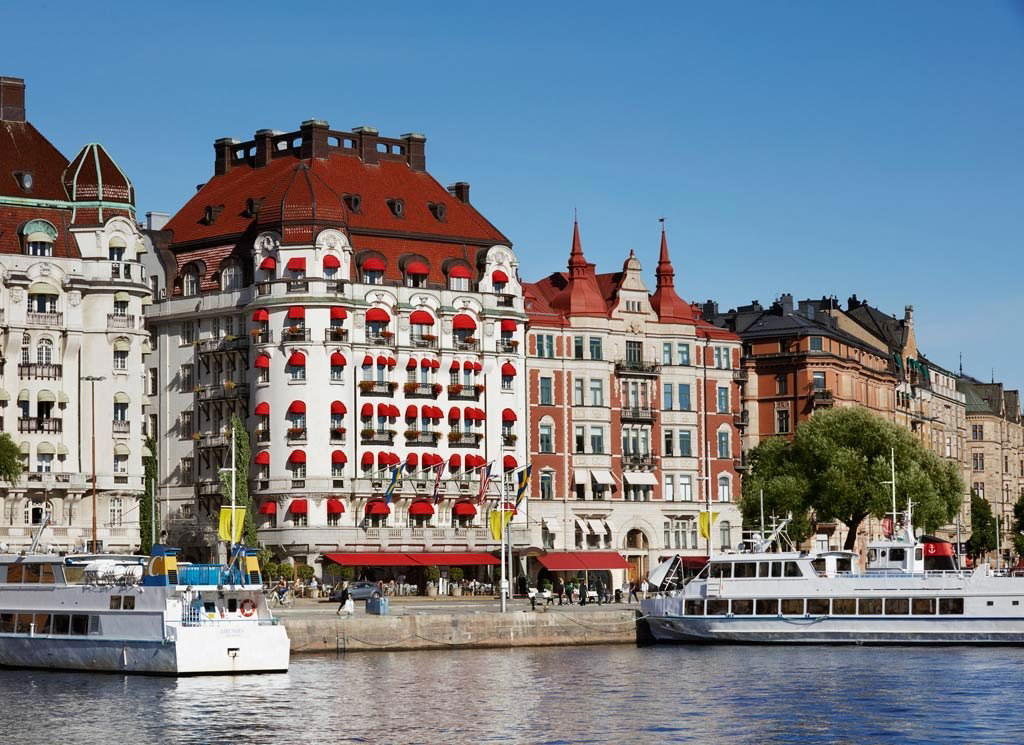
Stockholm is not a quiet approach. Trams, hotel doors, office traffic, and the old-money rhythm of the city all meet in its dining scene, which gives any restaurant here a particular test: it has to feel precise before the first plate lands. BINO enters that context as a Stockholm dining room rather than a destination built on isolation. The setting matters because Stockholm diners tend to read the room quickly, separating serious restaurants from dressed-up convenience by pacing, confidence, and how closely the experience seems tied to the season outside.
That is the useful frame for BINO: part of a Stockholm conversation in which provenance carries more weight than decoration. Swedish dining has spent the past two decades moving away from luxury defined by imported signals and toward a colder, clearer grammar: ingredients handled with restraint, vegetables treated as structure rather than garnish, acidity used with purpose, and preservation understood as technique rather than nostalgia. A Stockholm restaurant does not need to announce that vocabulary loudly; it needs to execute it with discipline.
Stockholm dining is judged by sourcing, not spectacle
Stockholm’s serious mid-to-premium restaurant culture has a low tolerance for generic polish. The city has enough hotel-adjacent rooms and expense-account tables that surface-level comfort is no longer persuasive on its own. What separates the better addresses is ingredient logic: a menu that changes with supply, a kitchen that understands local expectation without turning it into costume, and a wine or drinks program that can handle leaner, brighter, richer, or smoke-touched cooking without flattening it.
BINO’s Stockholm position places it near several different versions of that Stockholm equation. Riche represents the grand urban room, Ricordi works in a dressed Stockholm register, Berns Asiatiska sits within the city’s long-running dining tradition, Misshumasshu reflects a sharper contemporary style, and NOI by Nobis belongs to the polished service conversation. The value of mentioning those peers is not to rank them; it is to show the competitive pressure around this part of the city’s restaurant culture. A restaurant here has to define its reason for being with more than location.
For a broader read on how the city’s dining culture spreads across Stockholm, compare BINO with other Stockholm dining rooms across different formats: tasting-led restaurants, wine-bar settings, fire-focused cooking, casual specialists, and polished rooms. Together they show why Stockholm is not a single dining style but a set of overlapping expectations: provenance, technique, and a room that knows exactly who it is serving.
The sharper question is what the kitchen chooses to leave out
Ingredient sourcing is often discussed as a list of suppliers, but in Stockholm it is better understood as editing. The city’s climate rewards kitchens that know when to keep a plate spare, when to use acidity instead of richness, and when to let preserved, fermented, smoked, or cured elements do structural work. That restraint is not minimalism for its own sake. It reflects a regional pantry in which short growing seasons and strong coastal traditions have shaped taste for generations.
Because BINO is not best understood through a publicly fixed chef narrative, tasting-menu formula, seat count, or simple ranking claim, the decision to book should be based on appetite for a Stockholm room whose success will depend on those fundamentals. Diners seeking a heavily documented destination may prefer restaurants with more explicit chef-led formats. Diners who care about the city’s everyday premium register, the kind of table that has to satisfy locals, hotel guests, and business diners without turning anonymous, will find the address instructive.
The comparison expands through Stockholm rather than away from it. The city’s dining map includes high-energy rooms, specialist counters, regional-minded kitchens, polished hotel restaurants, and grill-led formats, each testing a different version of urban precision. International references can be useful too, but only as contrast: other markets organize casual precision around their own food traditions, while Stockholm tends to reward clarity, pacing, and a room that understands how much restraint is enough.
How to place it in a Stockholm itinerary
BINO makes the most sense for travellers already spending time in Stockholm and looking for a Stockholm meal rather than a detour for a narrowly defined tasting-menu pilgrimage. It fits a day built around galleries, shopping, or hotel-based evenings, and it works best when treated as part of the city’s wider rhythm rather than as a single-purpose destination. That distinction matters. Stockholm rewards planning, but not every good meal needs to carry the weight of a whole trip.
Use it as one part of a wider Stockholm plan: restaurants for the main dining decision, bars for the late-evening read of the city, hotels for positioning, wineries for regional drinking context, and experiences for cultural pacing between meals. The broader EP Club city guides are useful for that mapping: Our full Stockholm restaurants guide, Our full Stockholm bars guide, Our full Stockholm hotels guide, Our full Stockholm wineries guide, and Our full Stockholm experiences guide. Read this address through the city around it: polished, sourcing-conscious, and judged by whether the kitchen can make restraint feel intentional.
Continue exploring
More in Stockholm
Restaurants in Stockholm
Browse all →
Bars in Stockholm
Browse all →
At a Glance
- Modern
- Cozy
- Elegant
- Lively
- Sophisticated
- Business Dinner
- After Work
- Casual Hangout
- Group Dining
- Date Night
- Celebration
- Private Dining
- Design Destination
- Hotel Restaurant
- Extensive Wine List
- Local Sourcing
- Farm To Table
- Street Scene
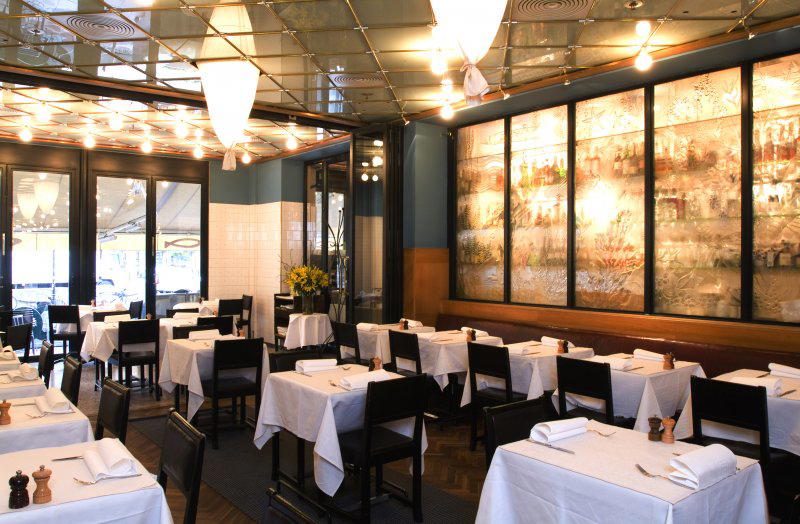
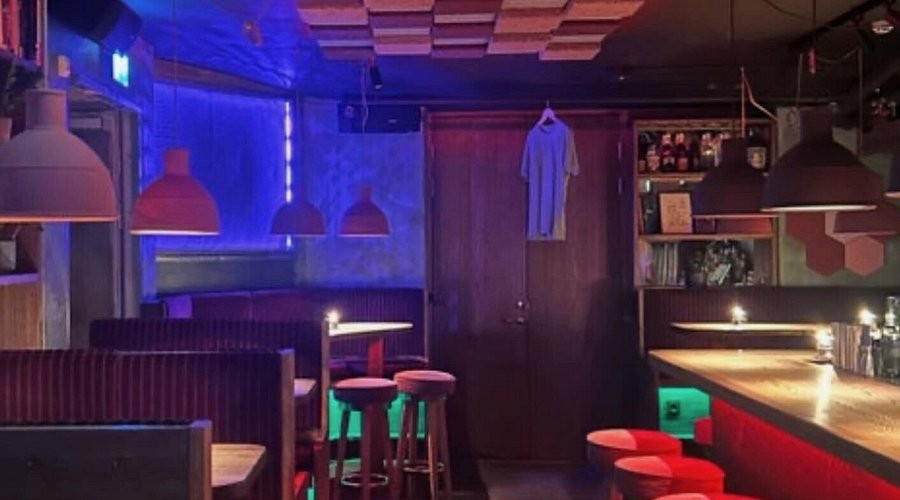
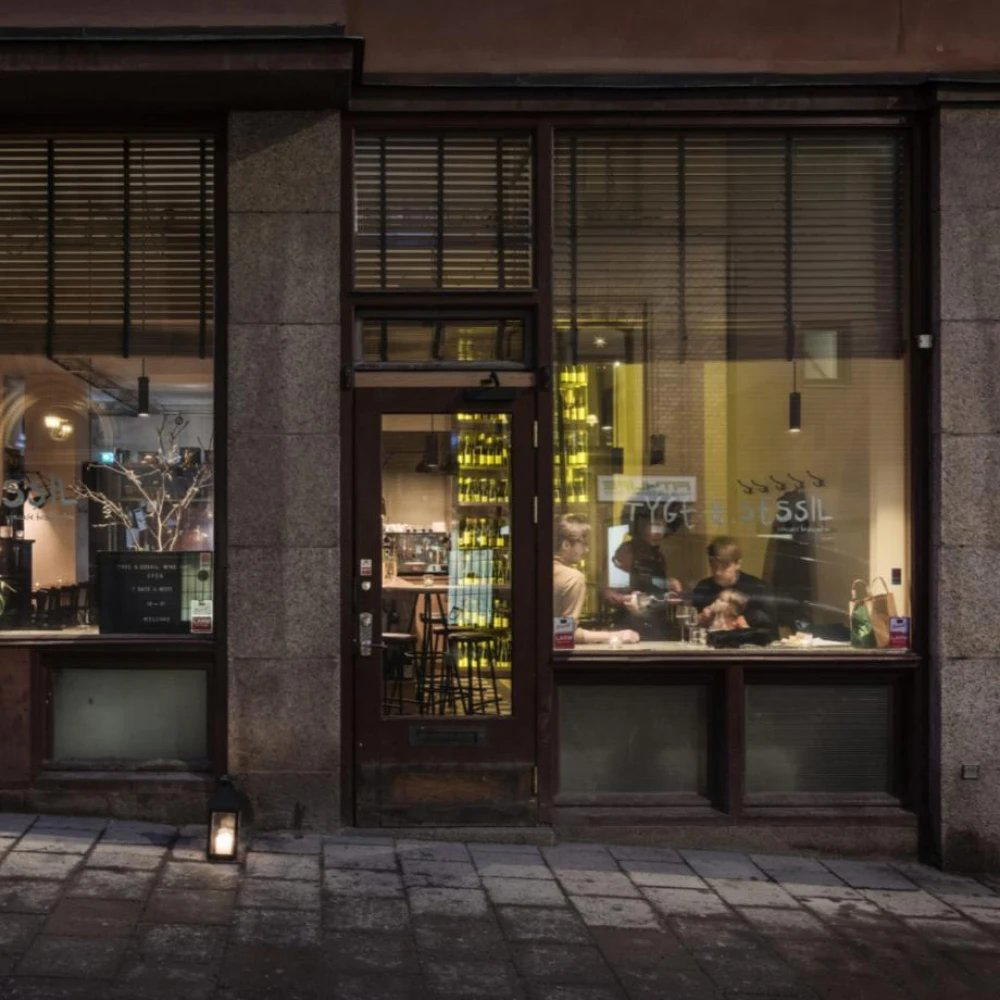
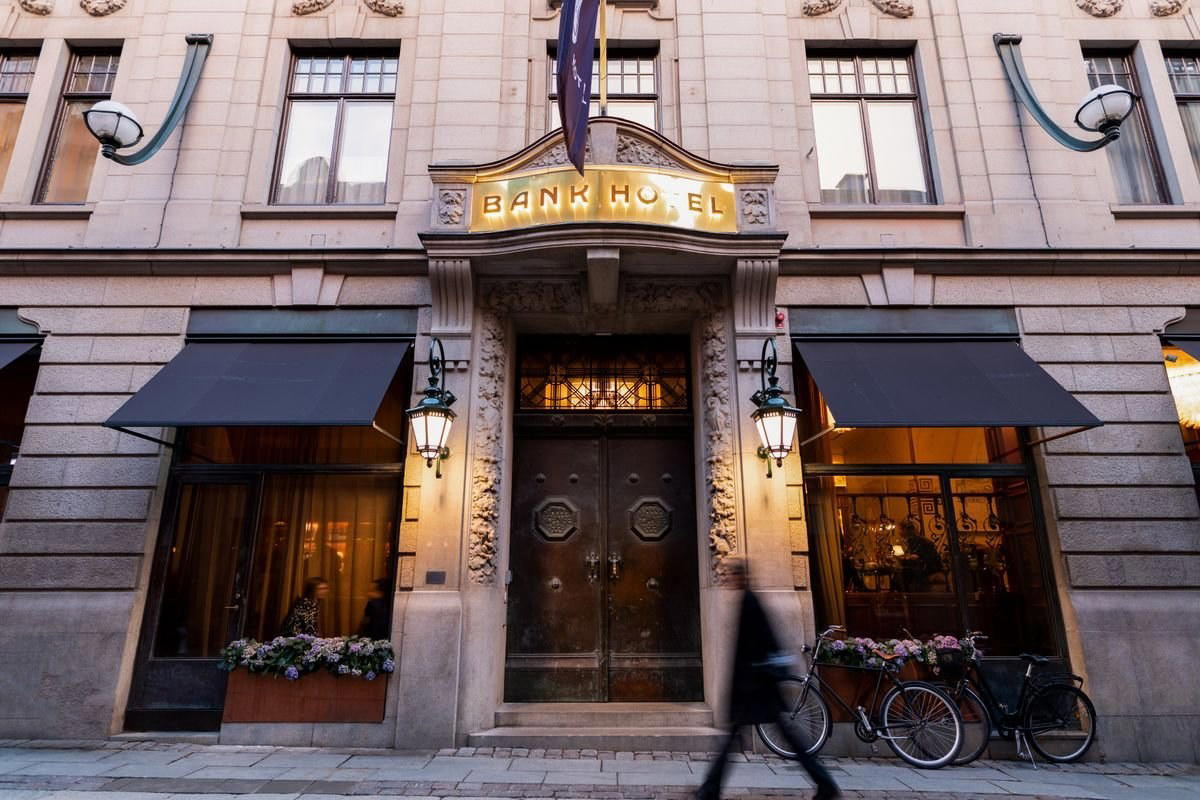
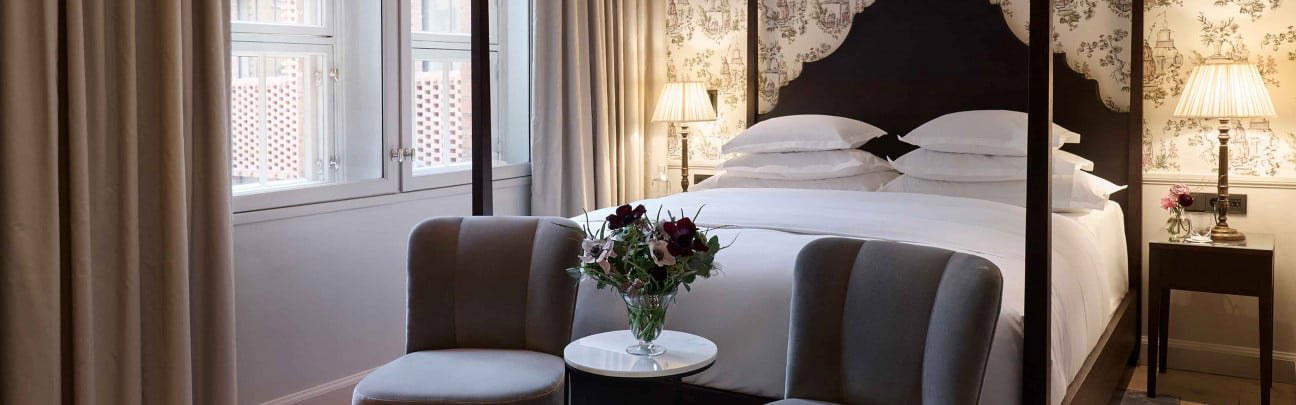
Stylish hotel-bistro setting with a small, cozy dining room, contemporary design, and a relaxed but refined atmosphere suited to both business lunches and evening dinners.
Know Before You Go
- Reservations
- Recommended
- Dress code
- Smart casual
- Getting there
- Norrmalmstorg 2, 111 47 Stockholm, Sweden