Our verdict
Ayana belongs to Japan’s island-dining conversation, where provenance matters more than polish for its own sake. With an address on Yakushima and a listing under Okinawa, it reads as a useful case study in southern Japan’s ingredient logic: coastal catch, humid-climate produce, and meals shaped by distance from the mainland dining circuit.

Pearl is the En Primeur Club membership app, where members save venues, book tables and use the concierge.
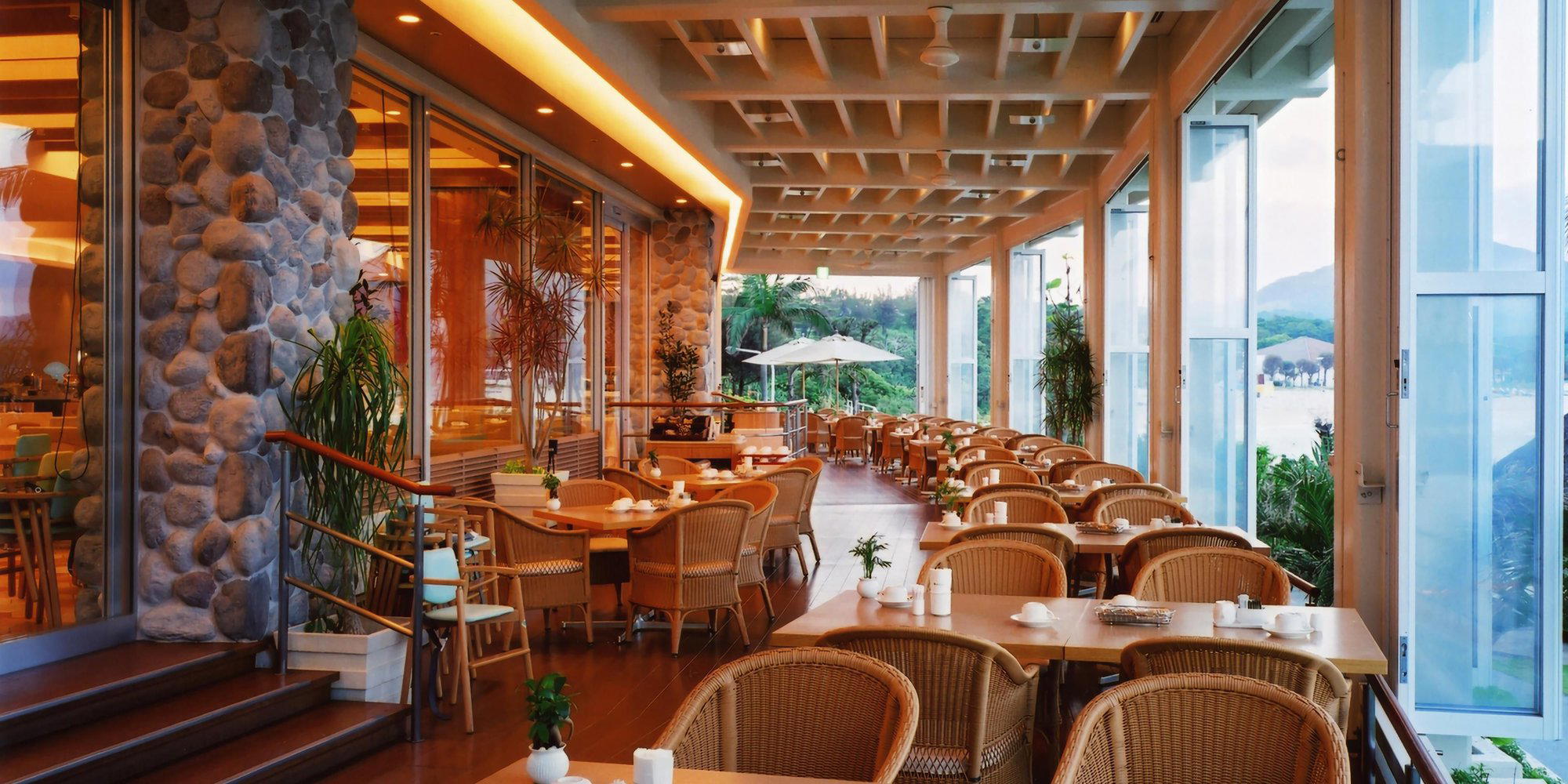
Approach southern Japan’s island dining on its own terms and the room matters less than the route: sea air, changing weather, travel logistics, and a sense of place rather than fashion. Ayana sits in that island context, listed for Okinawa, a location that shifts the critical frame away from metropolitan restaurant theater and toward seasonality, setting, and the practical realities of cooking outside Japan’s large urban markets.
That geography is the point. In Tokyo or Osaka, luxury dining often announces itself through counter count, chef lineage, wine depth, and tightly priced menus. In Okinawa, the more interesting question is how a kitchen works with what the place can credibly support: ingredients suited to the climate, regional habits, and techniques that make sense in a warm maritime setting. Without a published cuisine label, chef credit, price range, or formal award detail attached here, the editorial value lies in reading Ayana through its setting rather than through trophy signals.
Island sourcing changes the terms of the meal
Place-led restaurants in island destinations operate under a different discipline from city dining rooms. Mainland restaurants can build menus around national distribution; island kitchens are judged by how intelligently they respond to local conditions and how little they force imported luxury into a place where it can feel detached. That makes restraint a more persuasive signal than abundance. A meal in this category should make sense geographically before it tries to impress technically.
Okinawa adds another layer. The region is often discussed through maritime food culture, humid-climate produce, island rhythms, and a dining scene shaped by travel as much as by local habit. For a restaurant associated with the Okinawa travel map, this creates a useful distinction: the strongest meals are not merely remote versions of city dining, but experiences that make the surrounding place part of the argument. Ayana belongs to that reading when travelers discover it through an Okinawa search path.
Price and award data are not the whole story here, so comparisons should be handled carefully. In the wider local field, okas, Unagi no Mitsuru, and Sushi Dokoro Kimiya show how varied Okinawa dining can feel: destination meals, focused local specialism, and more casual formats can all sit within the same travel plan. Ayana is better understood within that spectrum than against urban counters or hotel dining rooms designed around international luxury expectations.
The southern-island dining question: polish or place?
The strongest meals in Japan’s island regions usually answer a simple question: could this food belong somewhere else? If the answer is yes, the restaurant has missed the advantage of distance. Island dining carries costs for the traveler, especially when the venue sits outside the easy loop of city hotels, bars, and rail stations. In return, the meal has to communicate place through its choices, pacing, and a sense of proportion.
This is where the Okinawa label needs careful reading. Travelers planning a city-style restaurant crawl may expect dense clusters and late-night options; island dining rewards a slower itinerary. The better plan is to treat a meal here as part of a wider route through the region’s food culture rather than a standalone trophy reservation. For adjacent planning, EP Club’s broader Okinawa coverage includes Our full Okinawa restaurants guide, Our full Okinawa hotels guide, Our full Okinawa bars guide, Our full Okinawa wineries guide, and Our full Okinawa experiences guide.
Within the local restaurant field, other Okinawa dining rooms sketch the range travelers often place under an Okinawa dining search: casual coastal eating, focused formats, café culture, and familiar styles adapted to island demand. Ayana’s interest is narrower and more geographic, tied to how a meal can reflect place rather than reproduce a familiar urban category.
How to judge Ayana before committing the detour
The better question is whether the itinerary benefits from a place-aware meal in an Okinawa setting. If the trip is built around beaches, diving, resort time, or quick transit, the logistics may outweigh the reward. If the trip already gives room to Okinawa’s slower food culture, the calculation changes.
Japan’s broader dining map also helps calibrate expectations. A visitor comparing island restaurants with urban or overseas Japanese formats might look generically at specialist domestic restaurants, city cafés, casual neighborhood counters, sake bars, and diaspora formats. Those references underline the spread of Japanese dining forms without making Ayana compete on breadth. Ayana’s reason for attention is the possibility of a meal anchored to its island setting.
The editorial stance is therefore measured: prioritize this address when the trip is already oriented around Okinawa’s natural environment and regional foodways. For travelers chasing heavily publicized awards, published chef narratives, or transparent pricing before departure, other Japanese dining formats will be easier to assess. For travelers who value provenance and the way geography shapes a table, Ayana belongs on the research list.
Frequently asked questions
Is Ayana good for families?
Ayana is in Okinawa, so it works better for planned family outings than casual drop-ins. Families considering Ayana should factor in the island setting and the time needed to reach it.
What should I expect atmosphere-wise at Ayana?
Expect an island setting in Okinawa rather than an urban dining room. The atmosphere should be read as part of the location as much as part of the meal itself.
How do I find Ayana?
Ayana is located in Okinawa.
What's the best way to book Ayana?
Use Okinawa as the starting point when arranging a visit. For an island meal, planning ahead matters more than arriving on the day.
What's Ayana best at?
Ayana’s main draw is its Okinawa setting, which gives the meal a sense of place that city restaurants cannot copy. The location is the clearest signal to read before deciding on the detour.
Do they accommodate allergies at Ayana?
Anyone with allergies should raise them early when planning a visit to Okinawa. The public record gives no cuisine type or chef name, so clear communication matters before committing to the visit. Check the venue's official channels for the latest details.
At-a-Glance Comparison
Comparable venues by cuisine and price in the same metro.
| Venue | Cuisine | Price | Awards |
|---|---|---|---|
| AyanaThis venue (the venue you are viewing) | Seasonal French–Italian prefix dining with Yakushima local cuisine | $100–150 | Not listed |
| okas | JPY 20,000 - JPY 29,999 View spending breakdown | Not listed | Not listed |
| SENTI.U | Modern Italian with Local Kagoshima Ingredients | $100–150 | Tabelog Bronze #397 |
| Unagi no Mitsuru | JPY 3,000 - JPY 3,999 JPY 3,000 - JPY 3,999 View spending breakdown | Not listed | Not listed |
| Sushi Dokoro Kimiya | JPY 5,000 - JPY 5,999 JPY 4,000 - JPY 4,999 | Not listed | Not listed |
Continue exploring
More in Okinawa
Restaurants in Okinawa
All restaurants in Okinawa →
Hotels in Okinawa
All hotels in Okinawa →
Ayana
The wine
- Wine program
- Deep wine list
- Extensive wine list
- Zero-proof drinks
Details
- Elegant
- Quiet
- Romantic
- Sophisticated
- Cozy
- Date Night
- Business Dinner
- Special Occasion
- Group Dining
- Hotel Restaurant
- Extensive Wine List
- Zero Proof
- Local Sourcing
- Farm To Table
- Prix Fixe
- Tasting Menu
- Wine
- Shochu
- Whisky
- Non Alcoholic Pairing
- Allergy Accommodating
Refined, hotel-style dining room on the main building’s first floor with a calm, elegant atmosphere suited to leisurely multi-course dinners and smart-casual dress.