
Relais Chateaux Award
Our verdict
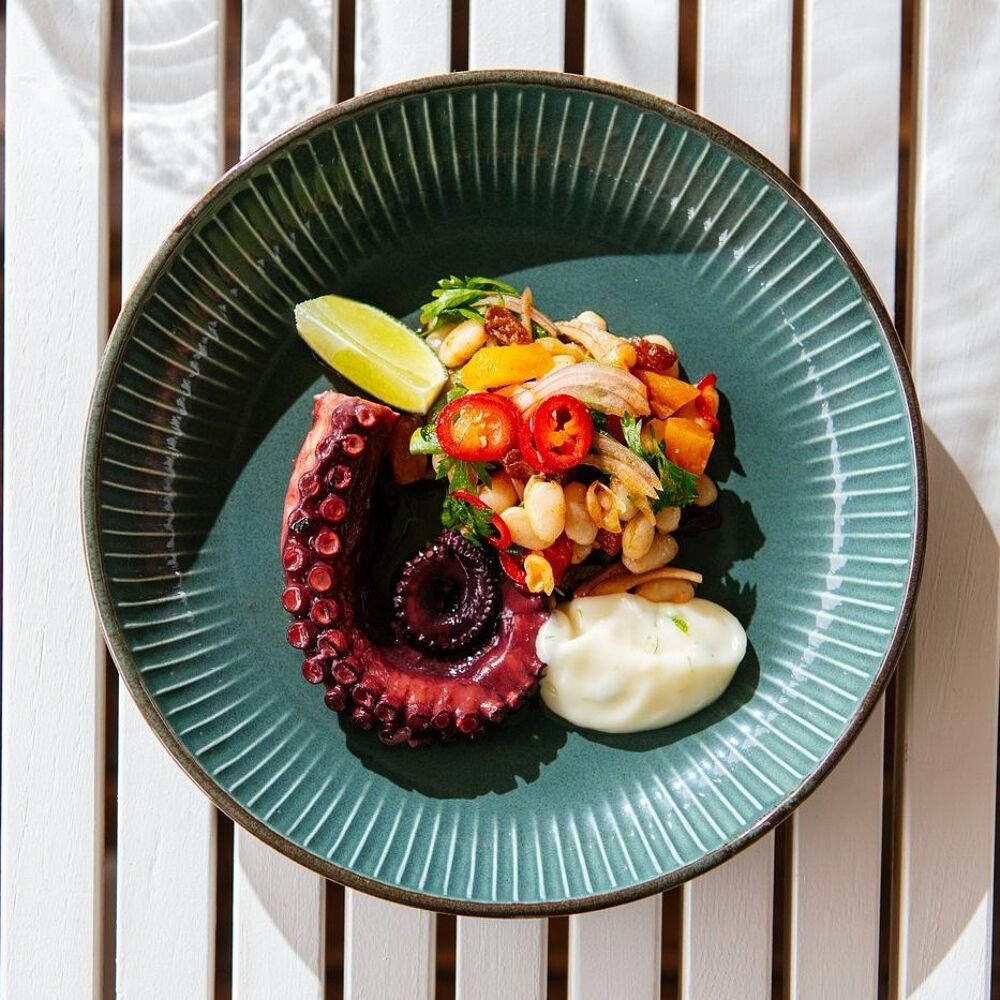
Ay puts Göcek’s coastal appetite through the discipline of fire: marinated grilled mezze, seafood platters, smoked tarama, salt-baked shrimp and ember-cooked meats with herbs and sauces. Its strongest argument is sourcing logic rather than ornament, with the Aegean table treated as something elemental: smoke, salt, fish, vegetables, and Anatolian memory.

Pearl is the En Primeur Club membership app — saves, bookings, and concierge access live there. Same editors, same standards.
- Address
- Günlüklü Koyu, Yanıklar, Muğla Caddesi No:1, 48308 Fethiye/Muğla
- Phone
- +90 252 440 04 00
- Website
- ahamaliving.com
- Directions
- Get directions
The menu
What to order
- Hand-cut kebaps
- Whole cuts of aged meat from the grill
- Seasonal vegetables blackened over coals
- Cold and warm meze spread
- Rakı service with water and ice
Approaching Ay, the cue is fire before formality. Göcek’s dining rhythm is shaped by marina traffic, day boats, and the short distance between coastal coves and the Aegean table, but Ay pushes the conversation toward embers rather than polish. The cooking language is direct: marinated and grilled mezze, seafood platters, smoked tarama, salt-baked shrimp, and meats cooked slowly over glowing coals with herbs and sauces that keep the focus on fire, salt, and shared plates.
That matters in Göcek because the town’s restaurant culture can easily split between resort convenience and broad coastal crowd-pleasing. Ay sits on the side of ingredient-first cooking, where the source material carries the meal and the kitchen’s role is to season, char, smoke, salt, and serve without burying the product. For a broader read on the area maps the local spread, from marina-adjacent dining to cove-led destinations.
Fire, salt and the Aegean sourcing argument
Wood-fired cooking has become a premium shorthand across coastal restaurants, but here it reads less as theatre than as a practical structure for the menu. The mezze format gives the table a progression without the rigidity of a tasting menu: smoke for tarama, salt for shrimp, flame for seafood and meat, herbs and sauces for lift. In a coastal town where sea, produce, and grill culture sit close together, that structure makes sense. Fish, shellfish, vegetables, yogurt-based preparations, herbs, and grilled proteins all belong to the same table rather than separate culinary categories.
The useful comparison in Göcek is not between luxury and informality, but between restaurants that decorate the coastline and restaurants that cook from it. Other Göcek dining rooms show how broad the town’s restaurant register has become, from relaxed coastal meals to more polished evenings out. Within that spread, Ay’s clearest identity is the ember-led table: not a chef-biography restaurant, not a concept built around imported luxury cues, but a coastal meal organized around heat, brine, and shared plates.
The fire reference is important, and it should not be treated as nostalgia. Slow cooking over coals is not a decorative flourish; it gives the meal a practical rhythm, from smoked preparations and open-flame grilling to seafood handled close to the table’s appetite. Ay’s use of marinated and grilled mezze, seafood platters, smoked tarama, salt-baked shrimp, and ember-cooked meats places the restaurant inside that continuum, translated for Göcek’s cove-and-marina audience.
Where Göcek's coastal table becomes less generic
Göcek’s strength as a dining town is also its constraint. The setting is persuasive enough that many restaurants can lean on the view, the harbour mood, or the after-sail appetite. A kitchen built around sourcing and fire has less room to hide. Seafood platters need freshness and correct handling; tarama needs balance under smoke; salt-baked shrimp depends on timing; meats cooked over embers need patience rather than aggressive char. The format rewards tables that order across categories instead of treating the meal as a single main course.
That is why Ay works as part of a wider Göcek itinerary rather than a standalone trophy meal. Visitors comparing the town’s dining options can place it beside local names such as Ēge Umi, Glasshouse, and Mezkla, where the shared question is how each restaurant interprets the Aegean setting. Êge Umi and Ege Restaurant point to a wider conversation around Aegean and creative cooking, but Ay’s case is narrower and more elemental: what happens when the coastal pantry is passed over flame.
Travellers building a longer Turkey dining route will find useful contrasts in other cities and along other parts of the coast, where different dining formats each create a different frame for the meal. Those comparisons sharpen the point by contrast: Ay is not about urban spectacle or precision minimalism, but about the Aegean logic of shared plates and live fire.
How to read the meal
The smart approach is to treat the table as a sequence of temperatures and textures. Start with the cold and smoked side of the kitchen, then move into salt, grill, and slower ember cooking. The seafood and meat sections should not be viewed as competing orders; together they explain the restaurant’s central idea, which is that coastal dining is at its strongest when land and sea share the same fire.
Planning around Göcek also means thinking beyond dinner. The town works as a compact travel base, with restaurants, boats, hotels, bars, and day experiences feeding into the same coastal routine. For context beyond the table, and Our full Göcek experiences guide. Ay makes the strongest case for readers who want their Göcek meal to feel connected to the coast’s raw materials rather than merely placed beside them.
Frequently asked questions
What's Ay's location?
Göcek.
Should I book Ay in advance?
Yes, especially for dinner in Göcek. Ay’s wood-fired format makes advance planning sensible when visiting the coast.
What's the defining dish or idea at Ay?
The defining idea is wood-fired cooking, expressed through marinated and grilled mezze, seafood platters, smoked tarama, salt-baked shrimp and ember-grilled meats.
What if I have allergies at Ay?
With a menu built around seafood, smoked tarama, shrimp, herbs and sauces, allergies need careful discussion before ordering. Raise any dietary needs clearly before the meal.
Would Ay be comfortable with kids?
Probably yes for families who are happy with a shared-table rhythm. The mezze-led format in Göcek can work well for children, though the ember-grilled seafood and meats suit a more seated dinner.
What's the vibe at Ay?
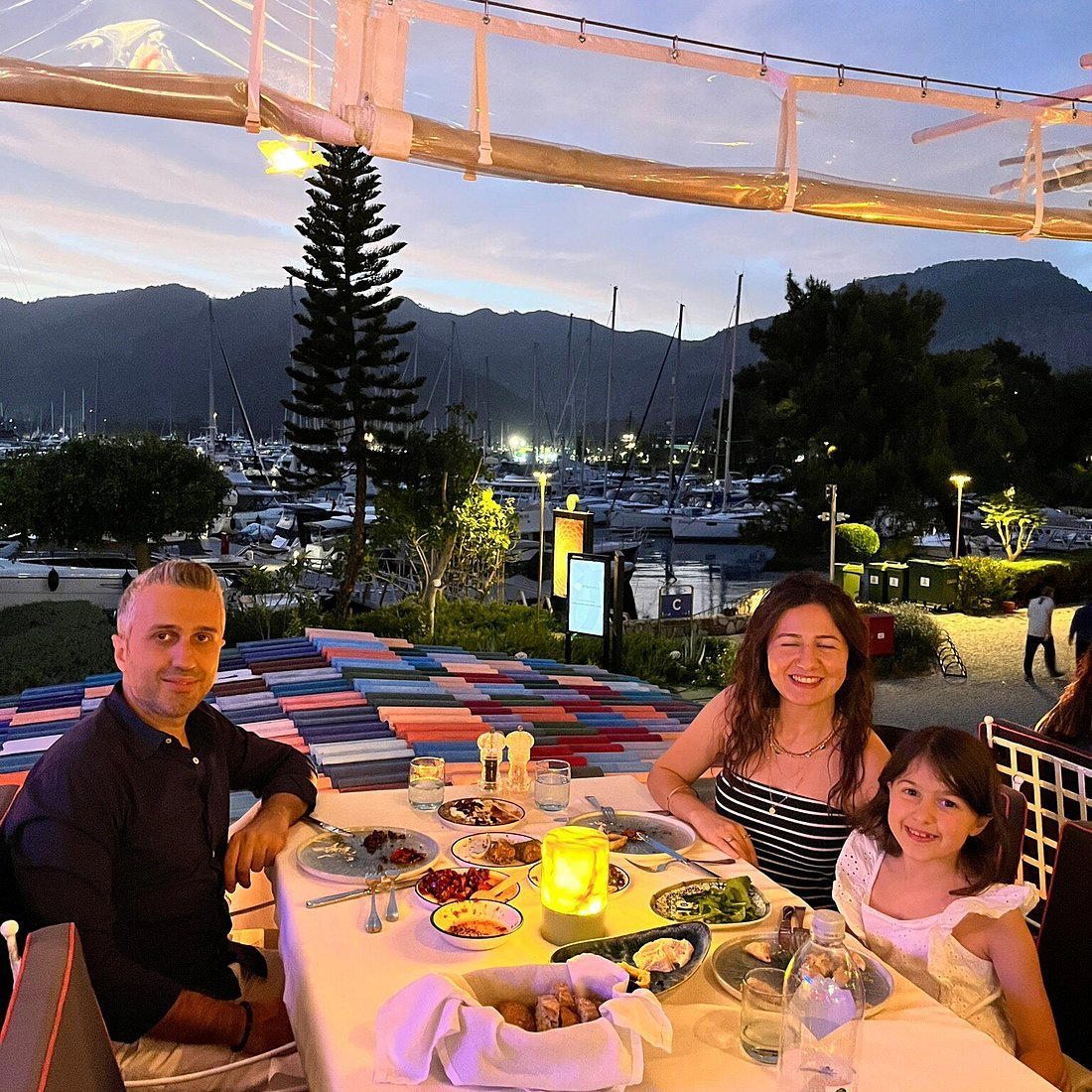
Fire-led and coastal, with the cooking doing the talking. In Göcek, the setting supports a relaxed, unshowy dinner built around mezze, seafood and grilled meats.
Quick Comparison
Comparable venues by cuisine and price in the same metro.
| Venue | Cuisine | Price | Awards | Notes |
|---|---|---|---|---|
| AyThis venue — the venue you are viewing | Modern Anatolian open-fire ocakbaşı | Not listed | Relais Chateaux Award | Not listed |
| Ēge Umi | Seasonal Aegean–Japanese Fine Dining | $150–200 | Not listed | Not listed |
| Glasshouse | Refined Mediterranean all‑day dining | Not listed | Relais Chateaux Award | Not listed |
| Mezkla | Mexican-Mediterranean Coastal Grill | Not listed | Relais Chateaux Award | Not listed |
| Êge Umi | Seasonal Aegean–Japanese Fine Dining | $150–200 | Not listed | Aegean Turkish |
| Ege Restaurant | Creative cooking | Not listed | Not listed | Not listed |
Recognition history
Dated appearances from independent guides and award organizations, with the underlying list record or original source where available.
Relais Chateaux Award
Relais Chateaux
Continue exploring
More in Göcek
Restaurants in Göcek
Browse all →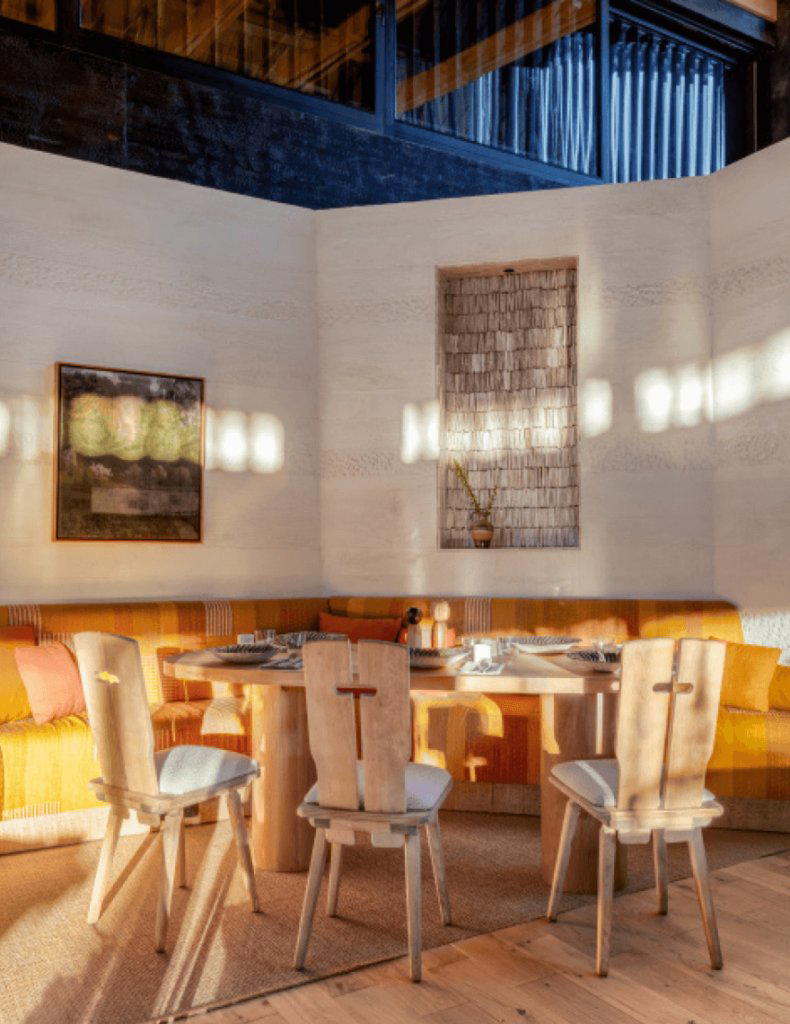

Details
- Modern
- Scenic
- Elegant
- Rustic
- Intimate
- Date Night
- Group Dining
- Special Occasion
- Celebration
- Waterfront
- Open Kitchen
- Hotel Restaurant
- Design Destination
- Local Sourcing
- Waterfront
- A La Carte
- Small Plates
- Family Style
- Rakı
- Spirits
- Beer
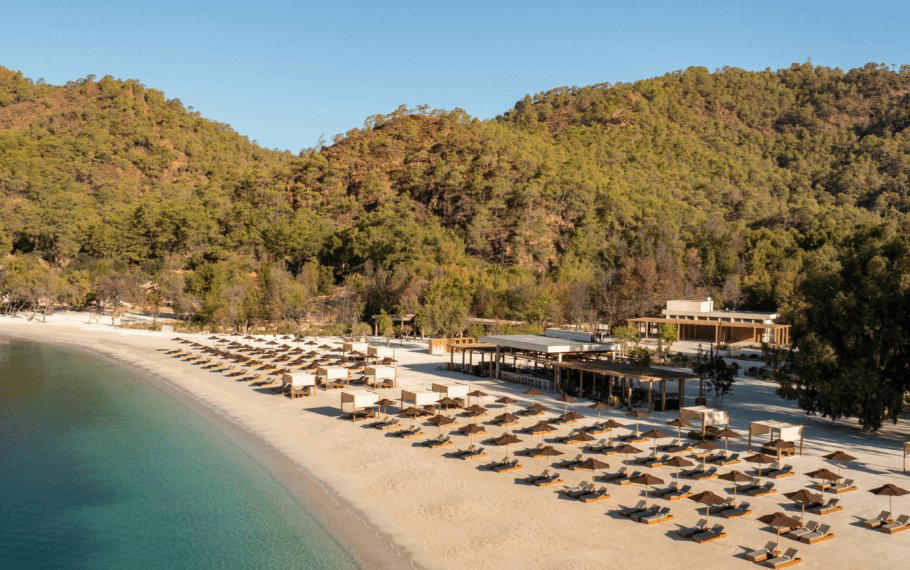
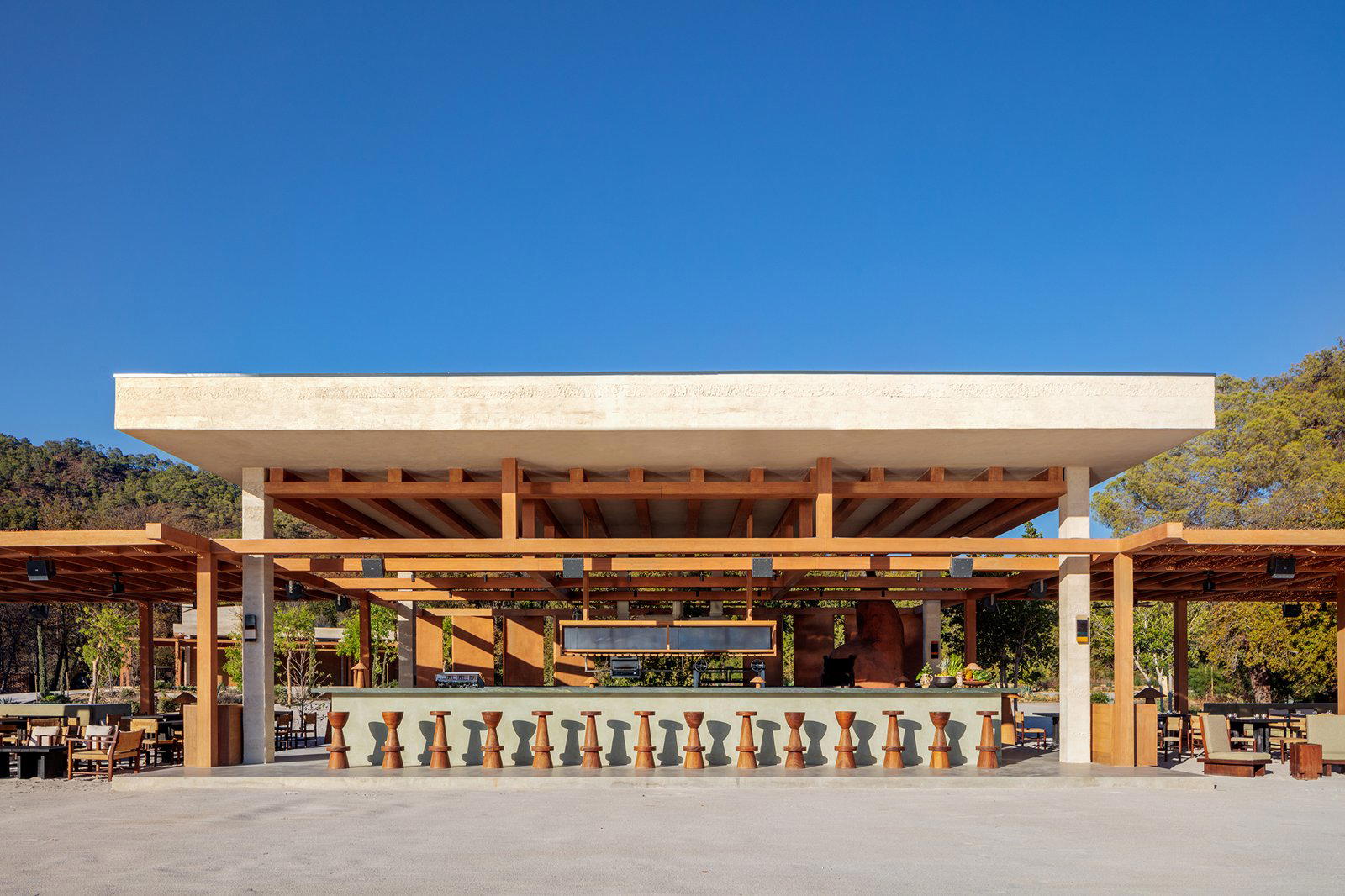
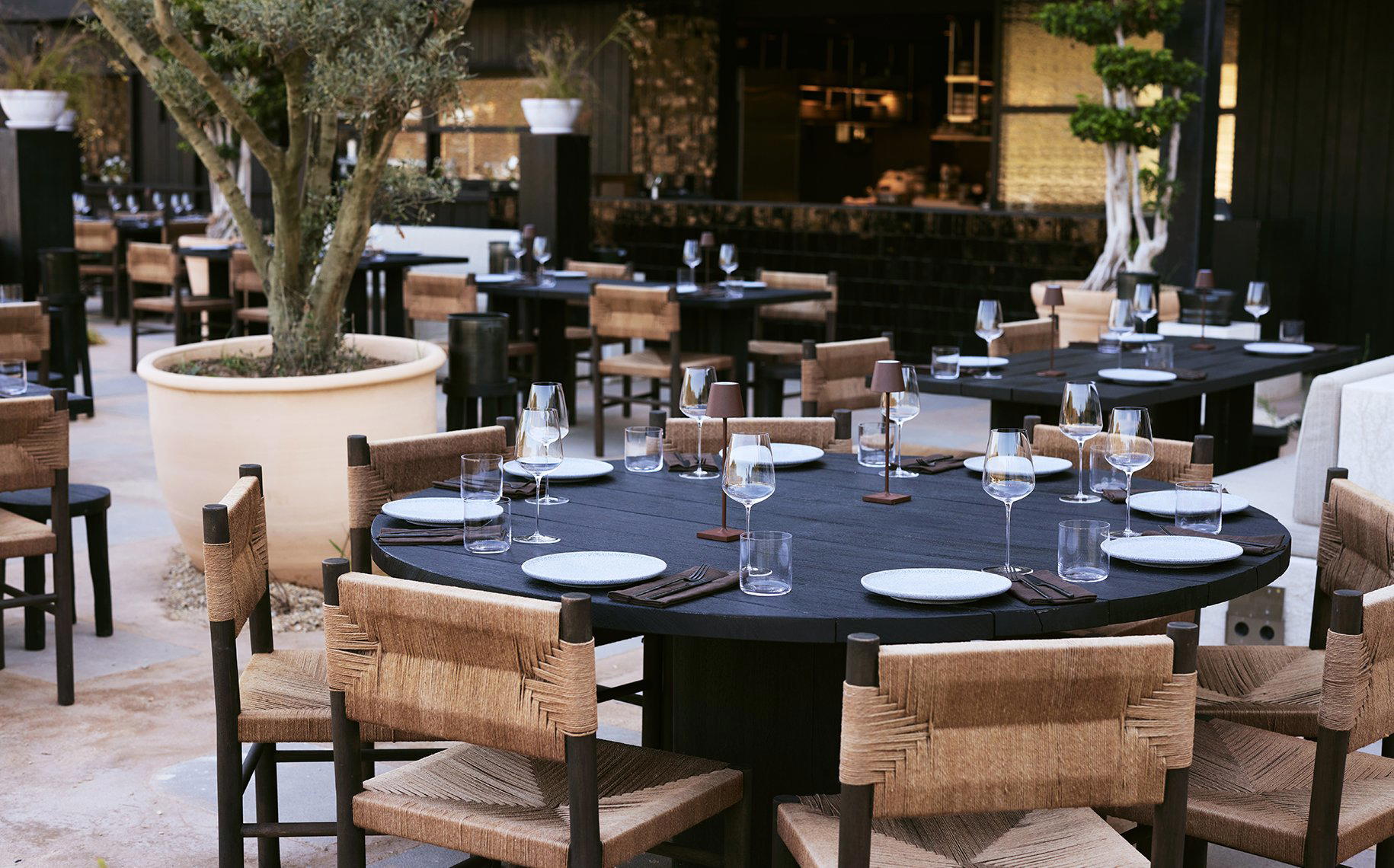
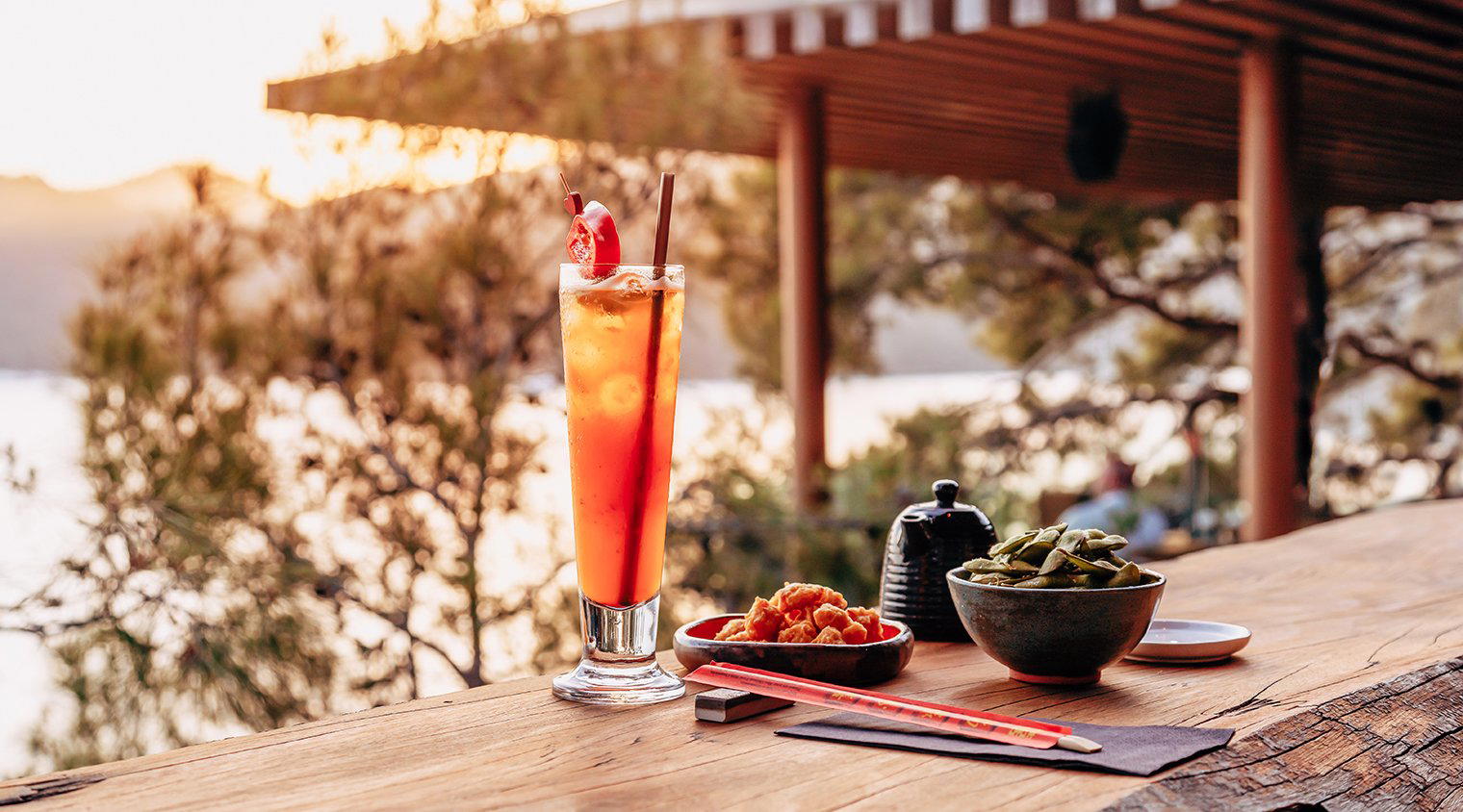
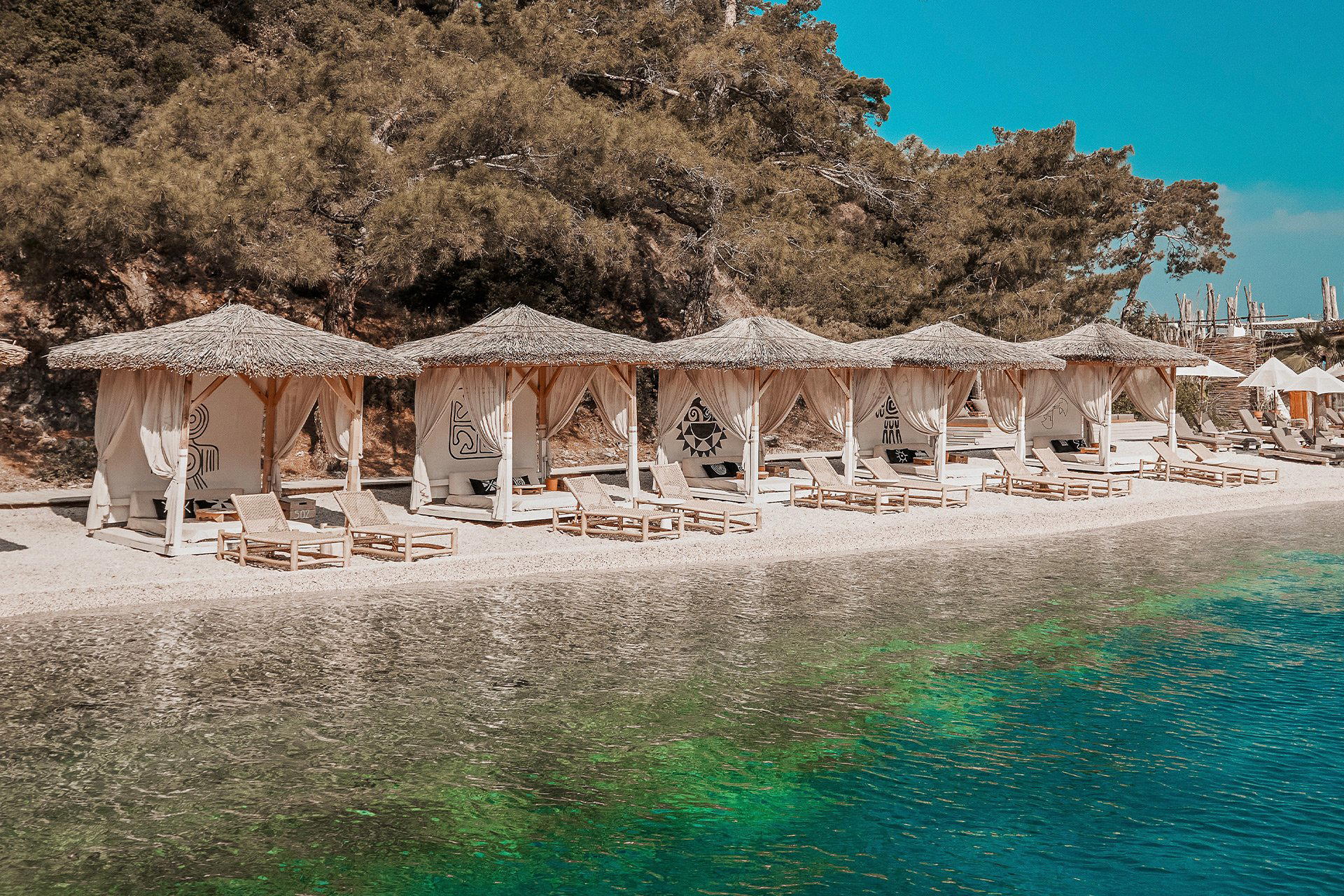
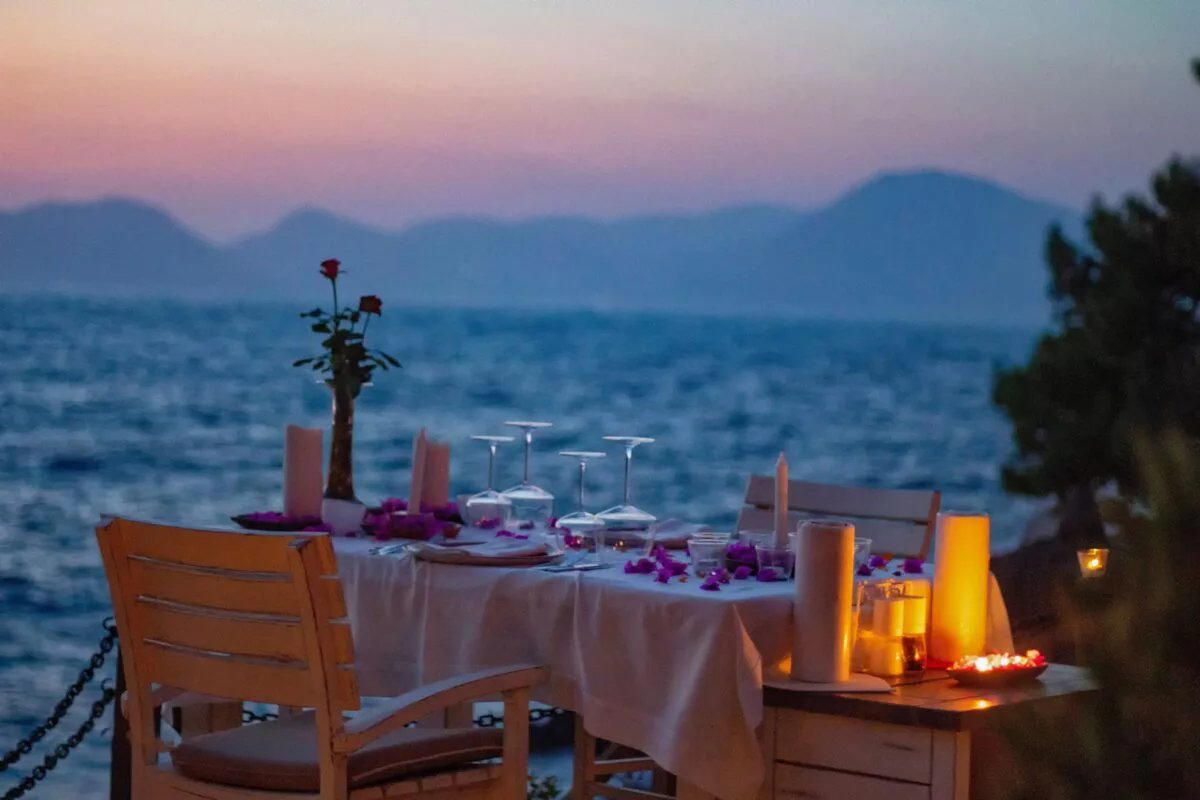
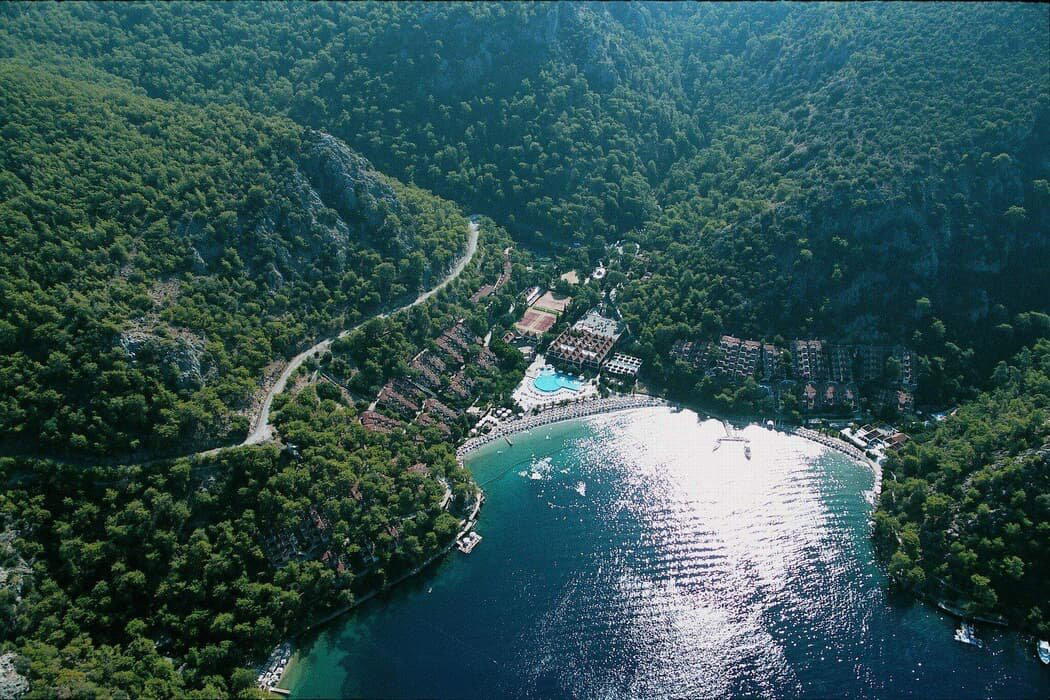
Atmosphere of elemental open-fire cooking by the sea, with a modern yet rustic Aegean feel and a focus on warmth, simplicity, and the glow of embers rather than theatrical fine-dining flourishes.