Our verdict
Aura belongs to the quieter side of Wolfsburg dining, where the useful question is less spectacle than sourcing discipline: how a kitchen in an industrial city reads season, region, and restraint. With little public ceremony around format or awards, it works as a context stop for diners comparing the city’s luxury, modern, and casual tables rather than chasing a trophy meal.

Pearl is the En Primeur Club membership app, where members save venues, book tables and use the concierge.
The menu
What to order
- Egg Benedict
- Buttermilk waffles
- Good Life Bowls
Approaching Aura, the first cue is not culinary theatre but Wolfsburg’s particular mix of order, greenery, and corporate precision. This is a city where restaurants often serve more than one audience at once: weekday business travellers, local regulars, hotel guests, and diners using the city as a stop between larger German food centres. In that setting, a serious meal has to justify itself through clarity rather than noise. Ingredient sourcing becomes the useful lens: not the romance of a distant market, but the practical question of what a kitchen chooses to foreground when it is not relying on loud concept language, tasting-menu mythology, or a heavily amplified public persona.
Wolfsburg’s dining map is unusually compressed. At the luxury end, Aqua gives the city an international reference point, with a format that places it in a different decision category from casual dinner planning. Around it, the spread is more varied: other Wolfsburg dining rooms speak to the city’s modern and everyday lanes, while FERDINANDS Restaurant and BAO BAO help fill out the city’s everyday and occasion-driven range. Aura sits inside that field as a quieter proposition, and that makes the sourcing question more important, not less: without a public roll call of signature dishes or biography-led storytelling, the meal has to be judged by the coherence of the plate and the kitchen’s relationship to seasonality.
Wolfsburg rewards kitchens that edit rather than perform
German regional cooking has spent the past decade moving away from heavy heritage shorthand. The stronger contemporary rooms now treat vegetables, dairy, freshwater fish, game, grains, herbs, and preserved elements as structural material rather than garnish. Lower Saxony gives kitchens access to a broad agricultural hinterland, but access alone says little. The editorial test is restraint: whether a restaurant uses local supply as a real organising principle or as decorative language. In a city better known for engineering than culinary mythmaking, that distinction matters. A plate built from fewer, better-handled components reads more convincingly here than a menu trying to mimic larger cities’ louder dining codes.
Without leaning on a fixed cuisine label, Aura is better read through pacing, polish, and the way the room fits Wolfsburg. That can be an advantage for diners who care more about sourcing and rhythm than category. In smaller German cities, the stronger meals often come from kitchens working between formats: enough polish for an occasion, enough local grounding to avoid generic luxury, and enough flexibility to serve both residents and travellers. The useful comparison is not only with Wolfsburg peers, but with the broader German middle tier, where a restaurant’s credibility often depends on whether the cooking feels rooted in supply chains close to home.
How to place Aura within a compact city dining circuit
Wolfsburg is not a city of endless dining districts, so comparisons become sharper. A diner choosing between fine dining, modern rooms, comfort-led restaurants, casual formats, and hotel-adjacent meals is choosing a level of ceremony as much as a cuisine. Aura’s value is clearest for readers who want a measured room in Wolfsburg without turning dinner into the city’s most formal culinary commitment. That does not make it casual by default; it means the decision should be anchored in occasion, expected pacing, and how much emphasis the kitchen places on produce-led cooking.
For a wider sweep of the city, Our full Wolfsburg restaurants guide is the useful starting point, especially when matching dinner to hotel logistics. Travellers building a broader stay can pair it with Our full Wolfsburg hotels guide, then check the drinking and non-restaurant layers through Our full Wolfsburg bars guide, Our full Wolfsburg wineries guide, and Our full Wolfsburg experiences guide. The point is not to overprogram Wolfsburg; it is to understand that the city works better when dining choices are planned with the same precision as transport and hotel location.
Germany’s broader restaurant scene gives useful perspective. Larger cities support food-and-culture formats, while regional cities carry their own patterns: compact dining rooms, hotel-linked restaurants, specialist casual counters, and destination-led kitchens all show how format, city size, and sourcing expectations shift by place. Even outside Germany, specialist casual formats underline the same point: sourcing only matters when the format gives it room to register.
The practical read: choose it for restraint, not spectacle
Aura is best understood as a Wolfsburg dining choice for guests who prefer an edited meal over a heavily signposted culinary production. Expectations should be set by context rather than assumption. That is not a weakness; it simply places the restaurant in a different category from destination tasting counters and heavily documented rooms. The sharper question is whether the kitchen’s sourcing choices, pacing, and room character suit the occasion. In Wolfsburg, where the dining field is small enough to compare directly, that kind of clarity is often more useful than another grand claim.
Frequently asked questions
Is Aura okay with children?
Aura is in Wolfsburg, which places it in a city-dining setting rather than a casual family venue. For children, that usually means checking the room's pace and service style before planning a meal there.
What should I expect atmosphere-wise at Aura?
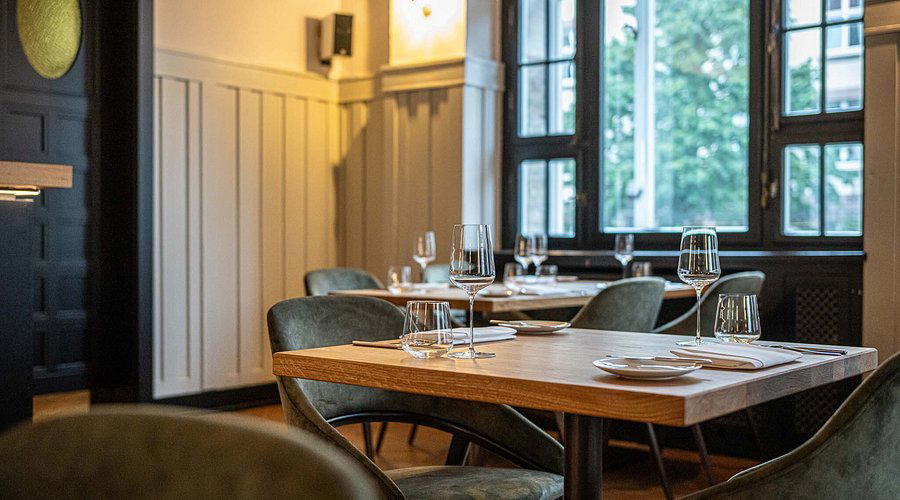
Expect a restrained dining room in Wolfsburg rather than a showy one, with the focus on the meal itself. The setting suits guests who prefer a quieter table and a more edited pace.
How do I find Aura?
Aura is located in Wolfsburg.
How far ahead should I plan for Aura?
Plan with some lead time for Aura in Wolfsburg, especially if you want a preferred evening slot. A compact city setting like this tends to reward early planning.
What do critics highlight about Aura?
Critics would look at Aura through its Wolfsburg setting and its stripped-back positioning in a city better known for efficient dining than theatrics. That kind of room is judged on control, pacing, and how clearly it fits its setting.
Can Aura accommodate dietary restrictions?
Aura's location in Wolfsburg gives the venue a clear city-dining context, but dietary handling depends on how the kitchen works service by service. Guests with restrictions should confirm the details before the meal.
At-a-Glance Comparison
Comparable venues by cuisine and price in the same metro.
| Venue | Cuisine | Price | Awards | Notes |
|---|---|---|---|---|
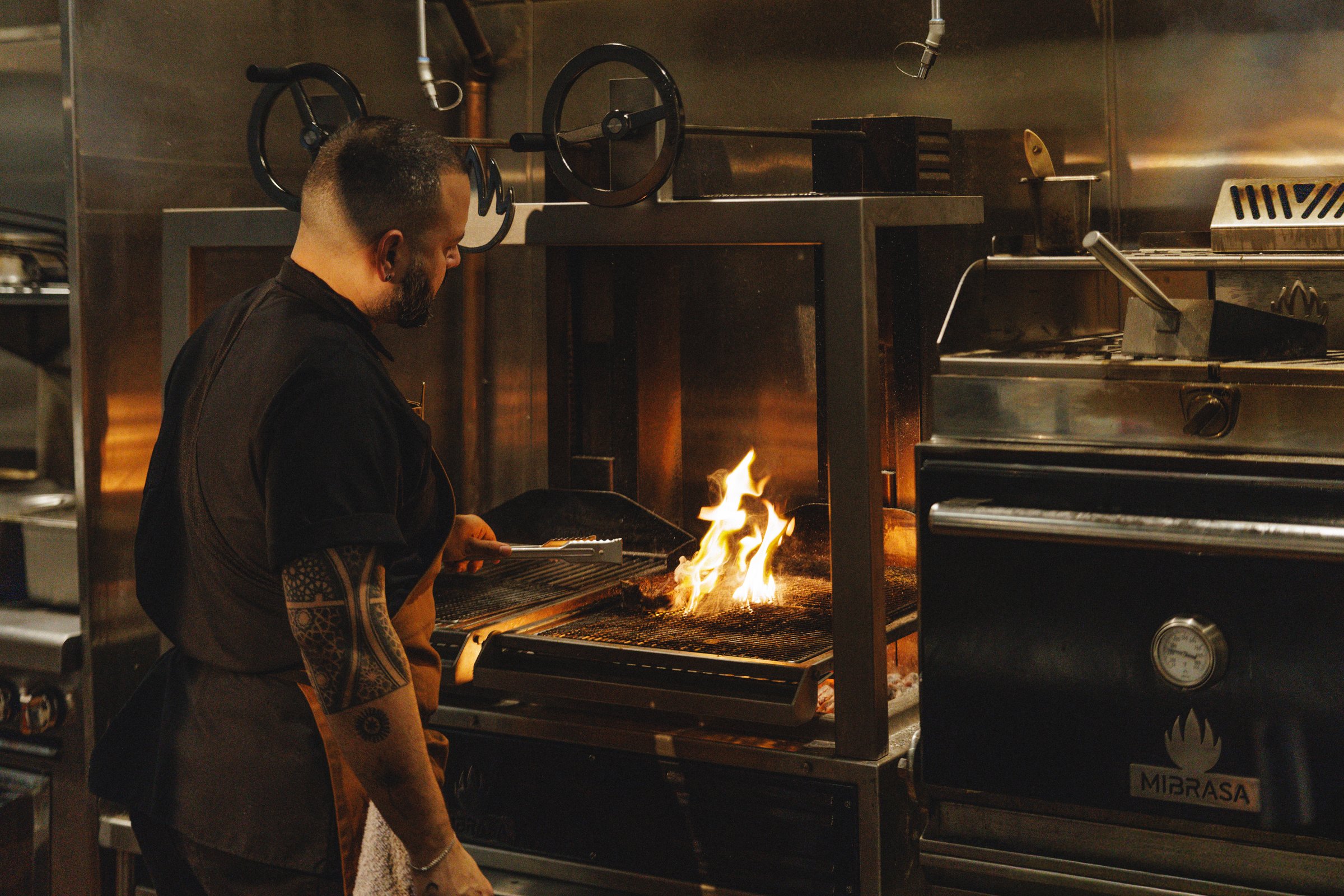
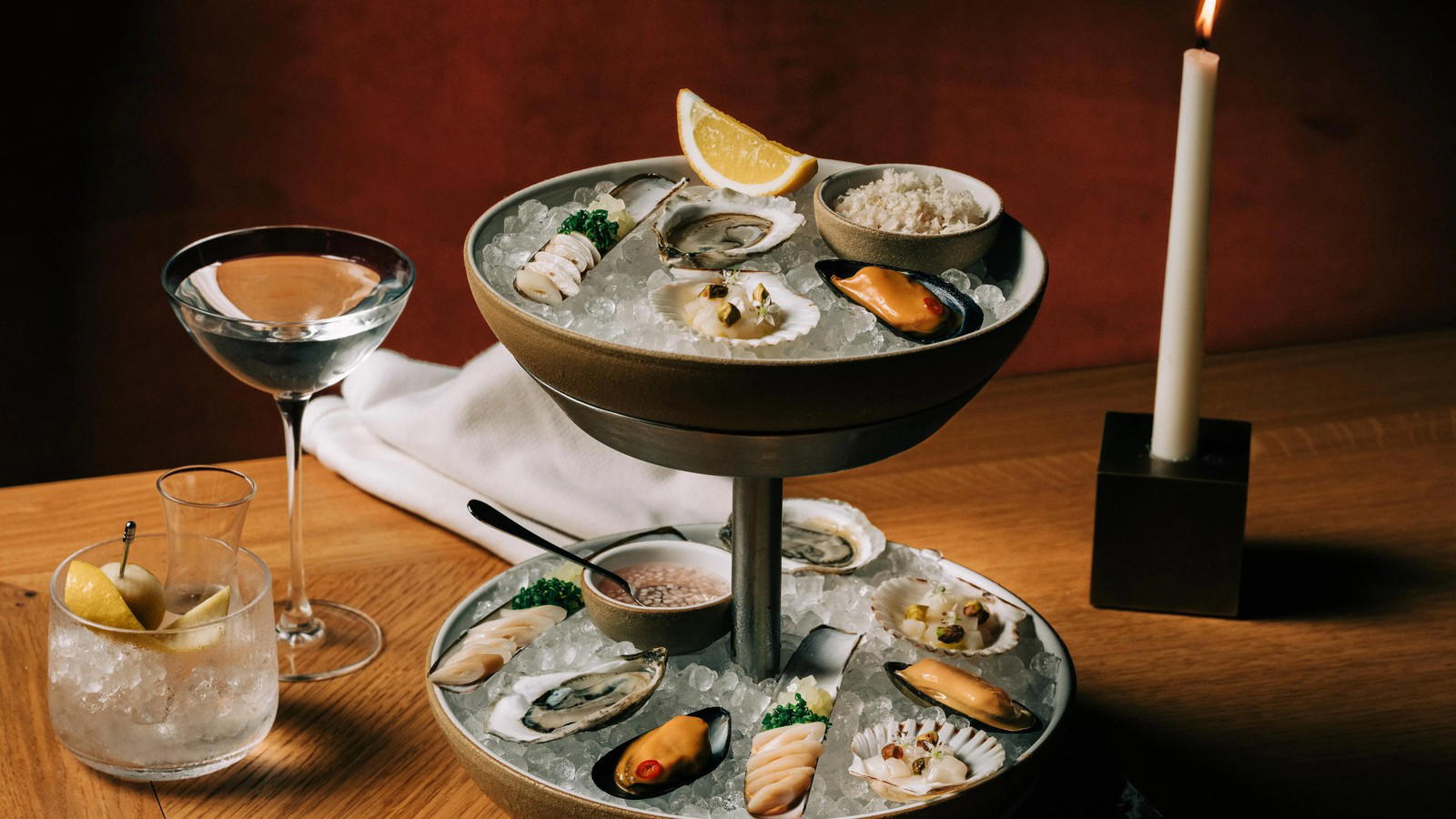
| Aura | Modern Grill & Meats | $100–150 | Michelin Plate · Falstaff Restaurant - 88 Falstaff Points | Not listed |
| Aqua | Modern European Fine Dining | Not listed | 3 Michelin Stars · World's 50 Best #33 | Contemporary German, Italian/Japanese, Creative |
| Terra | Modern German Seasonal Cuisine | $50–100 | Michelin Plate | Modern Cuisine |
| FERDINANDS Restaurant | Modern German Fusion | $30–50 | Not listed | Not listed |
| BAO BAO | Modern Chinese-Asian Fusion | $20–30 | Not listed | Not listed |
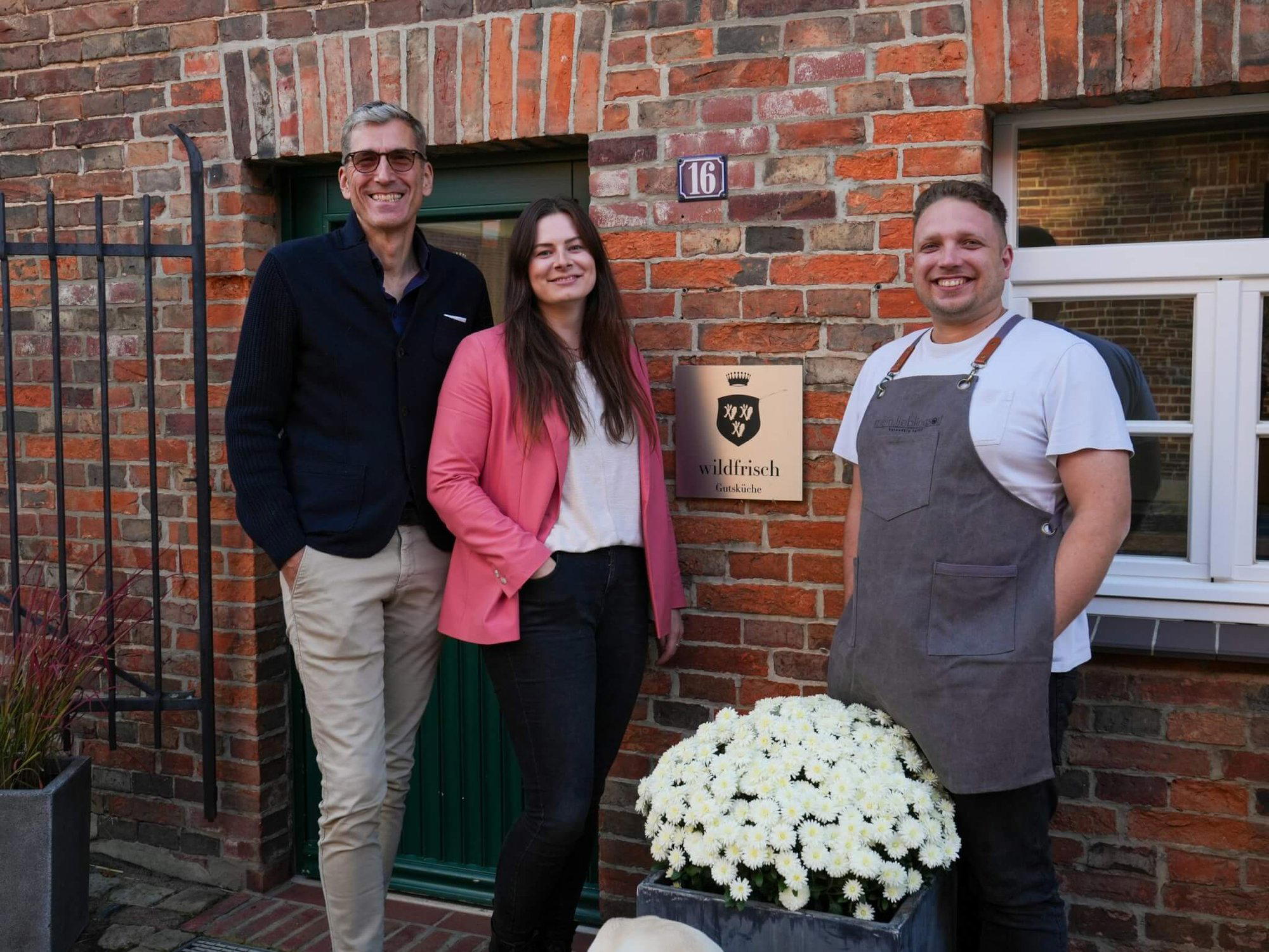
| Wildfrisch Gutsküche | Modern German Contemporary | $50–100 | Not listed | Not listed |

Continue exploring
More in Wolfsburg
Restaurants in Wolfsburg
All restaurants in Wolfsburg →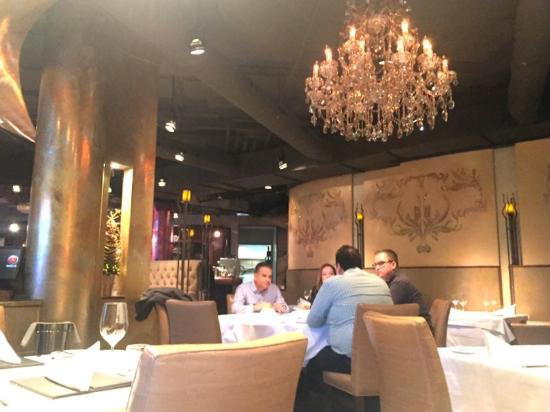
Hotels in Wolfsburg
All hotels in Wolfsburg →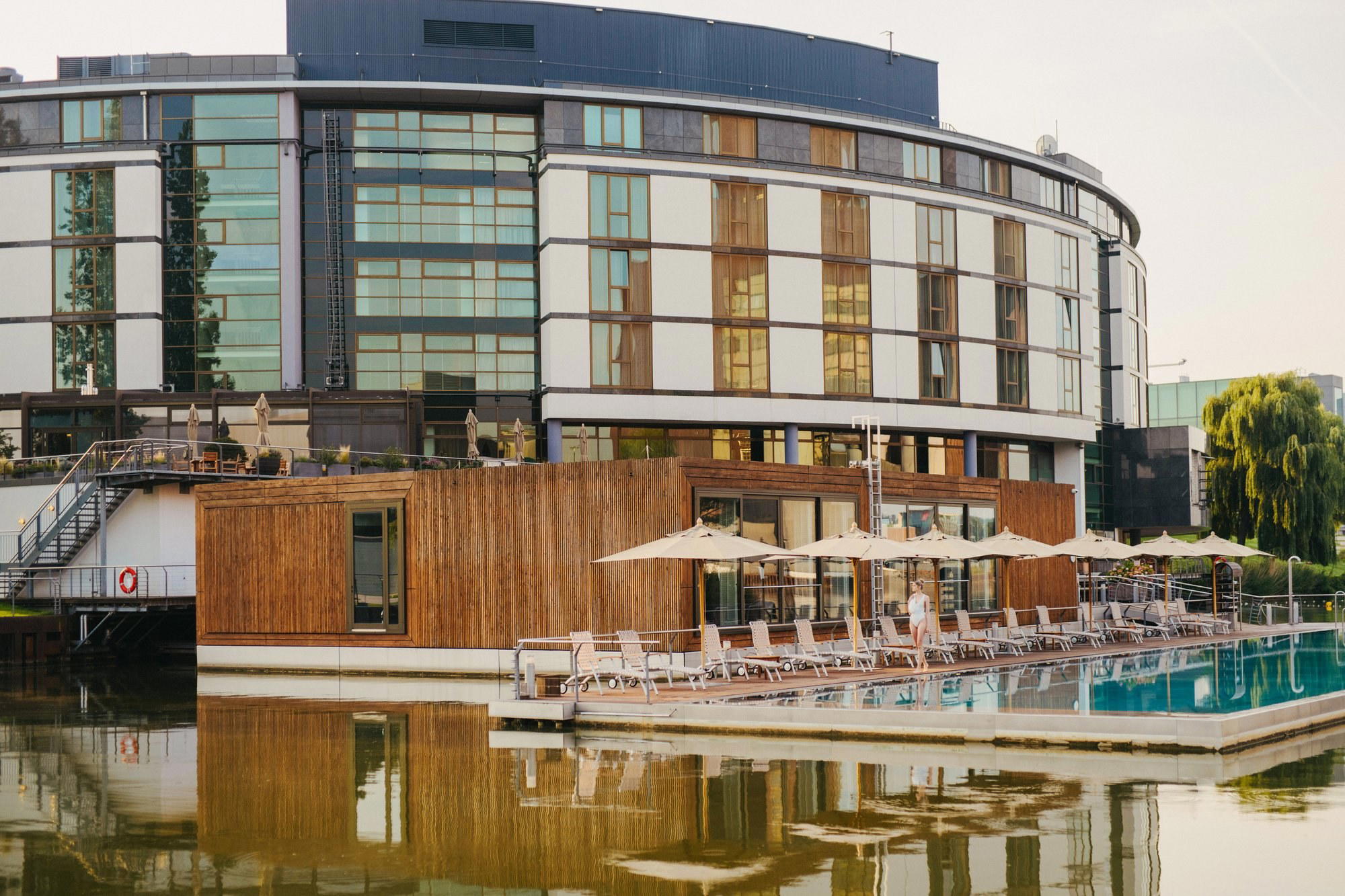
Details
- Modern
- Elegant
- Scenic
- Industrial
- Cozy
- Family
- Group Dining
- Business Dinner
- Casual Hangout
- Hotel Restaurant
- Design Destination
- Waterfront
- Buffet
- A La Carte
- Coffee
- Tea
- Vegetarian Friendly
- Vegan Options
Current opening hours
- Monday
- 12–2 PM, 6–9:30 PM
- Tuesday
- 12–2 PM, 6–9:30 PM
- Wednesday
- 12–2 PM, 6–9:30 PM
- Thursday
- 12–2 PM, 6–9:30 PM
- Friday
- 12–2 PM, 6–9:30 PM
- Saturday
- 12–2 PM, 6–9:30 PM
- Sunday
- 12–2 PM, 6–9:30 PM
Hours can change for holidays and private events. Hours as of .
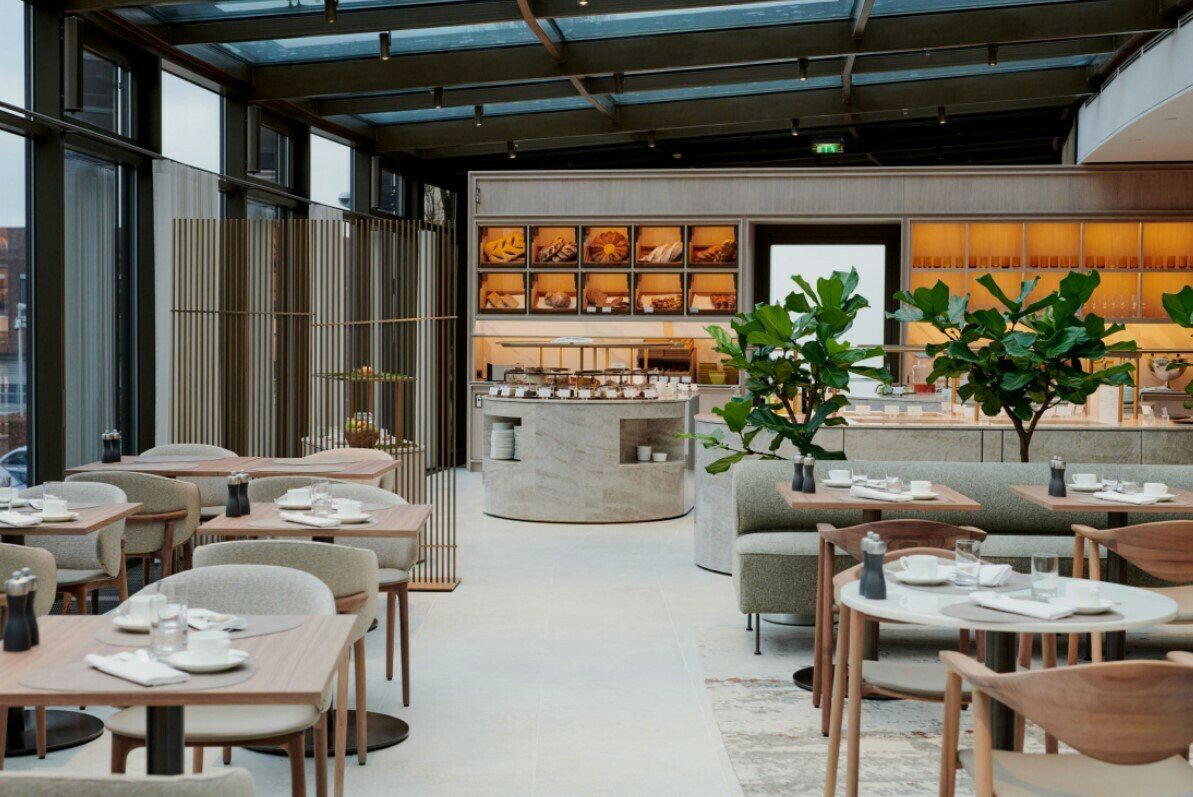
Warm, light-filled, and elegant, with natural materials, gray travertine, wood, hand-troweled plaster, and a design that contrasts softly with the industrial canal-side setting.