Au Pâturage - Espaces Gourmands

Michelin Plate
Our verdict
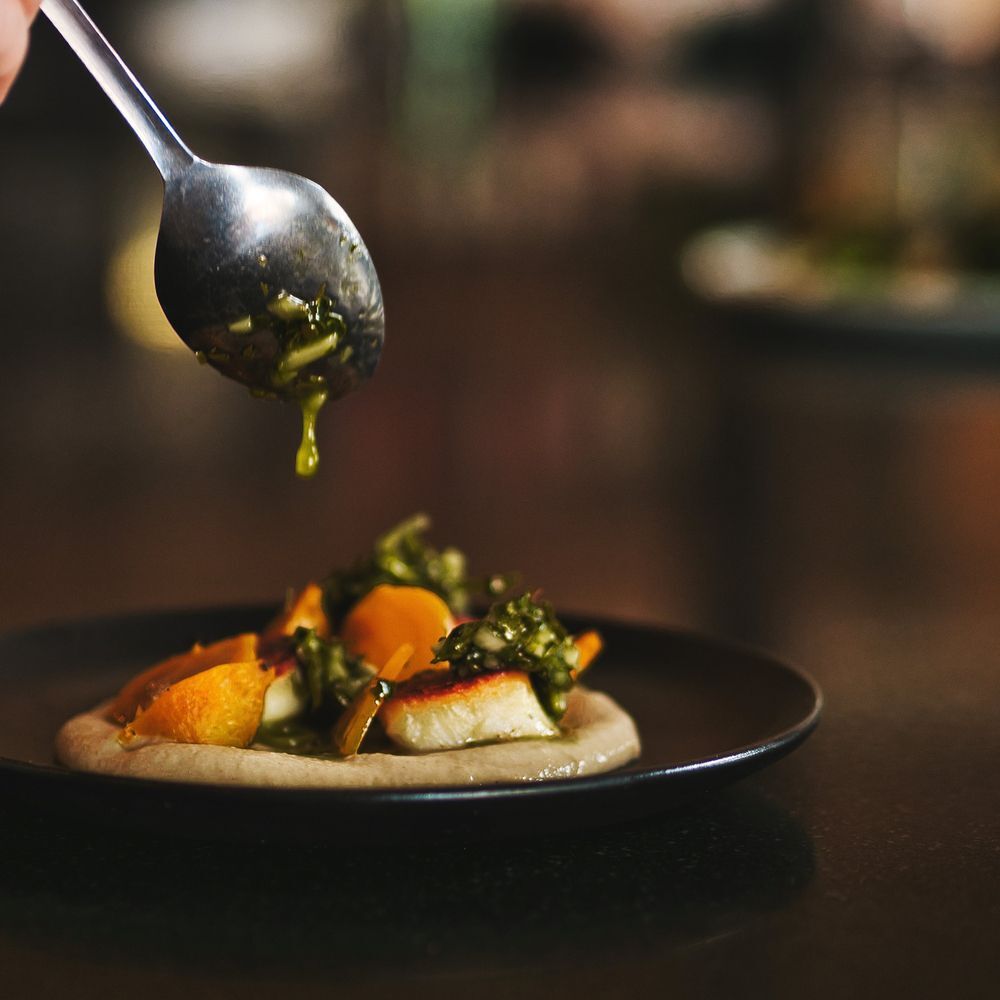
Chef Chloé Ouellet runs a multi-course farm-to-table programme inside a converted theatre in rural Quebec, sourcing around 50 varieties from her own organic gardens. The kitchen opens onto a bright, simply appointed dining space, with a seasonal set menu built around scallops from Îles-de-la-Madeleine, local Arctic char, and vegetables harvested the same day.

Pearl is the En Primeur Club membership app, where members save venues, book tables and use the concierge.
The menu
What to order
- Seasonal garden vegetable courses
- Local Arctic char
- Scallops from Îles-de-la-Madeleine
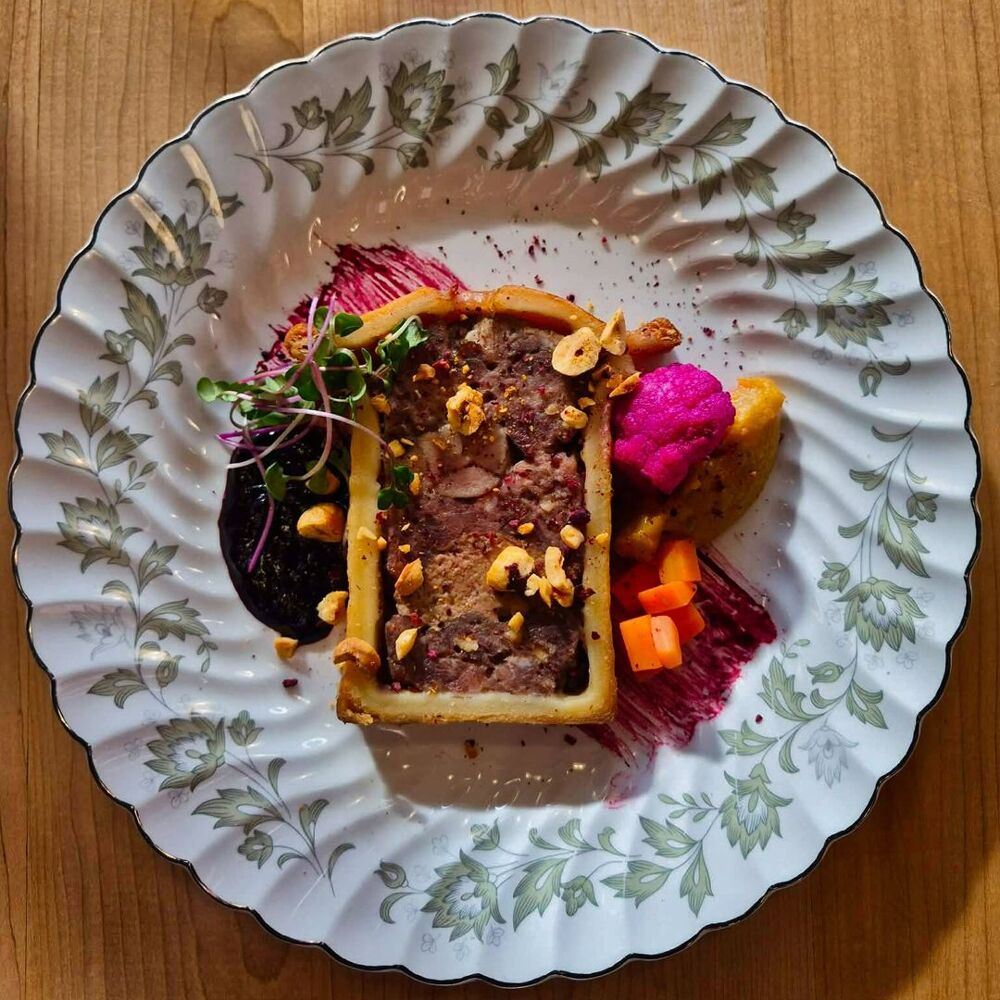
- Elk preparations
Drive along rang Saint-Joseph in Sainte-Perpétue and the former theatre building announces itself not through marquee lights but through the rows of vegetable beds flanking the approach. Au Pâturage occupies a converted performance hall an hour south-east of Québec City, and the original architecture, exposed beams, high ceilings, stage-platform sight lines, frames a dining room done out with minimal decoration. The kitchen runs open-plan at one end, and chef Chloé Ouellet works the pass in view of every table, plating a multi-course set menu that changes with what's ready in the garden.
Fifty Varieties, One Plot
The farm-to-table label gets applied broadly across Canada, but few kitchens operate at the literal proximity Au Pâturage does. Ouellet cultivates around 50 varieties of organic vegetables, herbs, and spices on-site, and the menu reflects immediate harvest cycles rather than advance menu-printing. Scallops arrive from Îles-de-la-Madeleine, Arctic char from Quebec suppliers, but the vegetables, from root to leaf, come from the adjacent plots. Preservation runs minimal: the kitchen's approach is to plate produce within hours of picking, and technique centres on maintaining that freshness rather than transforming it through reduction or emulsion.
The set menu format removes choice but adds coherence. Courses arrive in a fixed sequence, built around what's in season, and the pacing runs steady across an evening of roughly two and a half hours. Ouellet's cooking reads as modern and instinctive, precision in timing and plating without the formalism of haute tasting-menu progression. Vegetables hold texture, fish lands at correct temperature, and garnishes stay focused on function rather than decoration. This is ingredient-led cooking where the garden dictates structure, and the kitchen's role is to frame rather than dominate.
Quebec's farm-to-table scene has grown denser over the past decade, with rural operations like ¿CóMO? Taperia in Vancouver and 1 Kitchen in Toronto pushing similar sourcing models in urban contexts. Au Pâturage sits at the source end of that spectrum, where distance from a city centre becomes an asset rather than a liability. The operation doesn't compete on metropolitan convenience or celebrity-chef recognition; it competes on proximity to ingredients and the discipline of building a menu around a single plot's output.
Theatre Bones, Restaurant Function
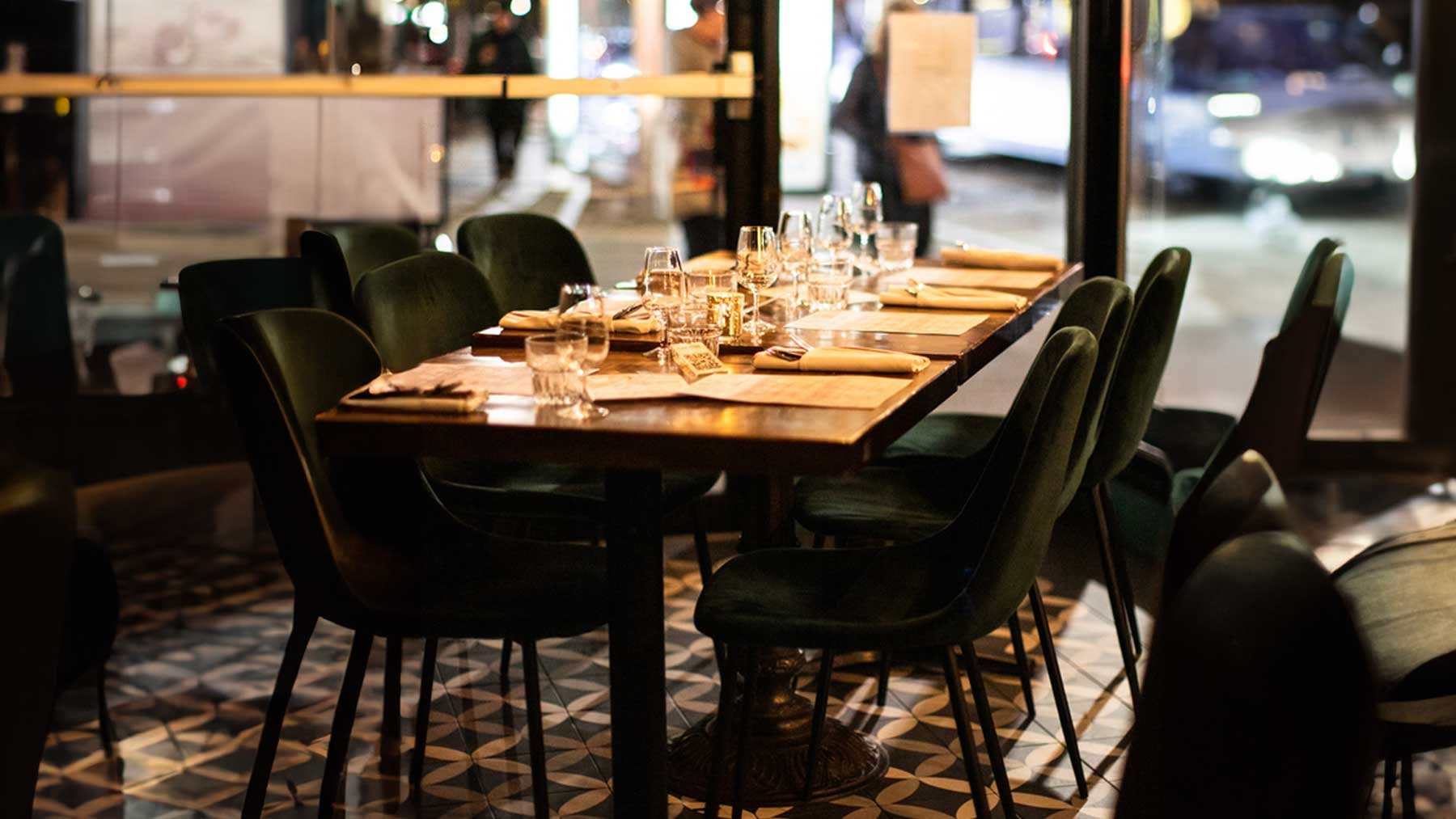
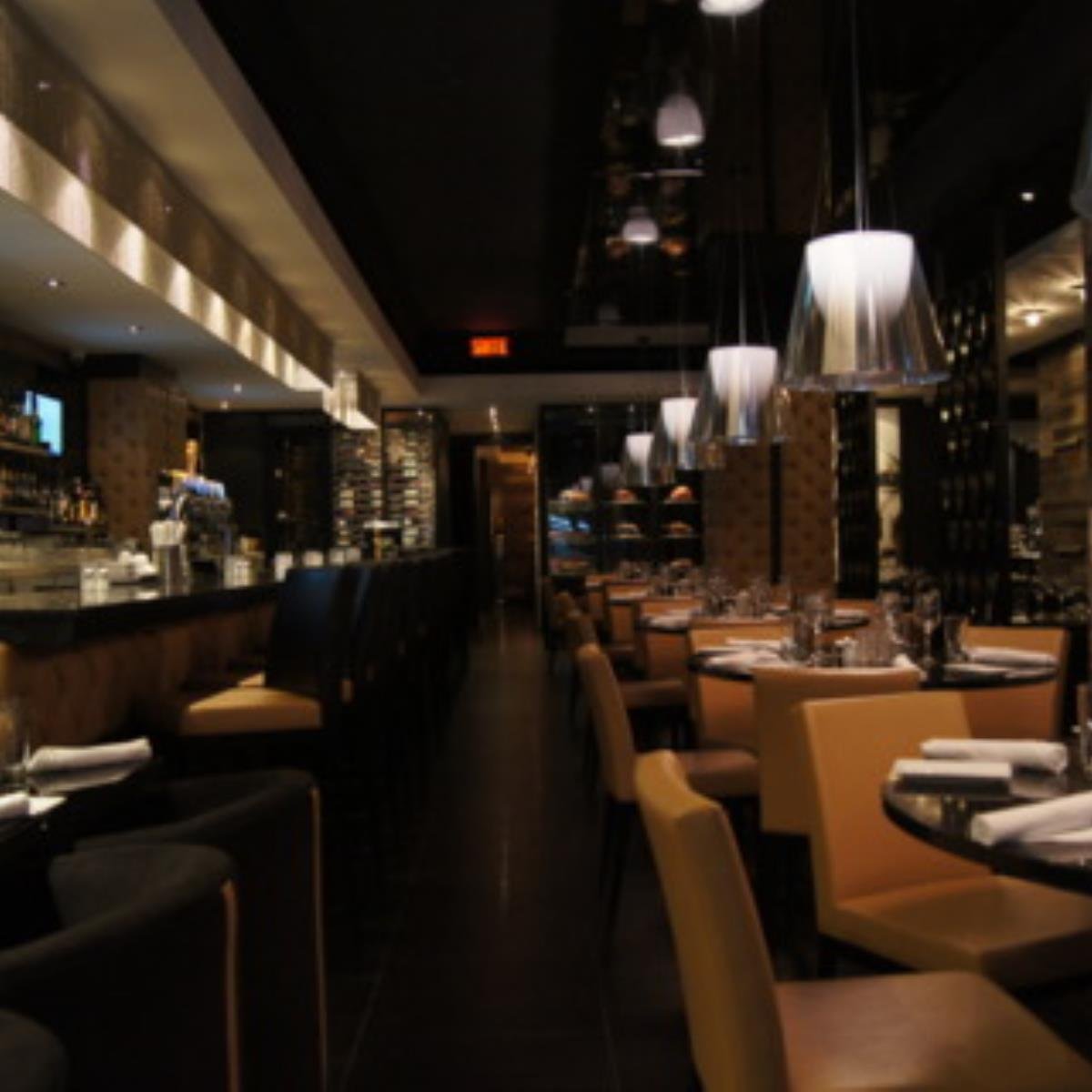
The dining space retains stage sight lines and theatrical scale, but the conversion to restaurant use has stripped away most decorative gestures. Tables arrange in rows facing the kitchen, natural light floods through tall windows during early sittings, and acoustic treatment keeps noise controlled even when the room fills. The original stage platform now houses prep and plating stations, and diners watch Ouellet and her team work in real time. The atmosphere runs casual in dress code and service tone, Ouellet herself often steps out to explain courses, but the room's volume and the open kitchen create a sense of occasion that smaller dining rooms can't replicate.
Sainte-Perpétue offers limited alternative dining at this level, and the broader Centre-du-Québec region operates as a culinary hinterland relative to Montréal or Québec City. Au Pâturage functions as a destination meal, drawing diners willing to drive an hour or more for a format that doesn't exist closer to home. The model here, on-site farming, theatre conversion, set-menu discipline, sits outside the typical rural bistro or auberge tradition, and the operation has drawn attention from national critics for that structural differentiation. For context on other rural Quebec formats at varying price tiers, see our full Sainte Perpetue restaurants guide.
The kitchen's instinctive approach means no two visits deliver identical menus, but the framework stays consistent: vegetables anchor most courses, with fish or meat appearing as secondary elements rather than centrepieces. Diners looking for protein-forward tasting menus or elaborate sauce work should adjust expectations. The cooking here privileges texture, temperature, and ingredient recognition, and technique serves those goals without calling attention to itself. Ouellet's energy and smile, noted in the venue's recognition, translate into a service style that's informal but attentive, and the open kitchen reinforces a sense of transparency that matches the farm-sourcing ethos.
Broader explorations of Sainte-Perpétue's hospitality and activity options can be found in our full Sainte Perpetue hotels guide, our full Sainte Perpetue bars guide, our full Sainte Perpetue wineries guide, and our full Sainte Perpetue experiences guide. For diners weighing other Canadian farm-to-table formats, consider 1888 Chop house in Banff, 21 Club Steak and Seafood in Niagara Falls, and 3 Mariachis in Vaughan for comparison across regional and format differences.
Au Pâturage rewards diners who value ingredient proximity and seasonal discipline over menu optionality or urban convenience. The theatre setting, open kitchen, and Ouellet's direct engagement create a dining experience that reads as both informal and considered, and the garden outside anchors the menu with a specificity that sourcing networks can't replicate. It's a format built on constraints, one plot, one season, one chef, and those constraints produce clarity rather than limitation.
Frequently asked questions
Would Au Pâturage - Espaces Gourmands be comfortable with kids?
The converted theatre provides open sight lines and a bright dining space without formal constraints, making it more relaxed than urban tasting-menu venues. Chef Chloé Ouellet's multi-course format is set rather than à la carte, so families should confirm whether the kitchen can adapt portions or substitute courses. The warm welcome noted in recognition suggests staff flexibility, though the fixed menu structure favours older children comfortable with longer meals.
What kind of setting is Au Pâturage - Espaces Gourmands?
The dining room occupies a former theatre at 2581 rang Saint-Joseph in rural Sainte-Perpétue, retaining stage sight lines and high ceilings but furnished simply for restaurant service. Tables face an open kitchen where chef Chloé Ouellet and her team prepare the multi-course menu, much of it drawn from the 50-variety organic garden adjacent to the building. The conversion prioritizes function over decoration, creating a bright, uncluttered space that foregrounds the cooking and the produce.
Is Au Pâturage - Espaces Gourmands Michelin-listed?
Au Pâturage - Espaces Gourmands has received recognition including: In a theatre that has been converted into a restaurant, chef Chloé Ouellet brings boundless energy and a broad smile to the farm-to-table approach. Her vegetable gardens provide around 50 varieties of organic vegetables, herbs and spices, w….
How do I find Au Pâturage - Espaces Gourmands?
Au Pâturage - Espaces Gourmands is located at 2581 rang Saint-Joseph, Sainte-Perpétue, Quebec, J0C 1R0, CAN, Sainte Perpetue.
In Context: Similar Options
Comparable venues by cuisine and price in the same metro.
| Venue | Cuisine | Price | Awards |
|---|---|---|---|
| Au Pâturage - Espaces GourmandsThis venue (the venue you are viewing) | Farm-to-table modern Québécois fine dining | $50–100 | Michelin Plate |
| Épi, Buvette de Quartier | Modern Quebecois Buvette | $30–50 | Michelin Plate |
| Auberge Saint-Mathieu | Nordic-inspired Locavore Fine Dining | Not listed | 1 Michelin Star |
Recognition history
Dated appearances from independent guides and award organizations, with the underlying list record or original source where available.
Michelin Plate
Michelin
Continue exploring
More in Sainte Perpetue
Details
- Rustic
- Cozy
- Romantic
- Intimate
- Date Night
- Special Occasion
- Celebration
- Brunch
- Garden
- Terrace
- Standalone
- Design Destination
- Farm To Table
- Local Sourcing
- Sustainable Seafood
- Garden
- Tasting Menu
- Prix Fixe
- Wine
- Vegetarian Friendly
- Allergy Accommodating
Current opening hours
- Monday
- Closed
- Tuesday
- Closed
- Wednesday
- Closed
- Thursday
- 6 PM–12 AM
- Friday
- 6 PM–12 AM
- Saturday
- 6 PM–12 AM
- Sunday
- 9 AM–5 PM
Hours can change for holidays and private events. Hours as of .
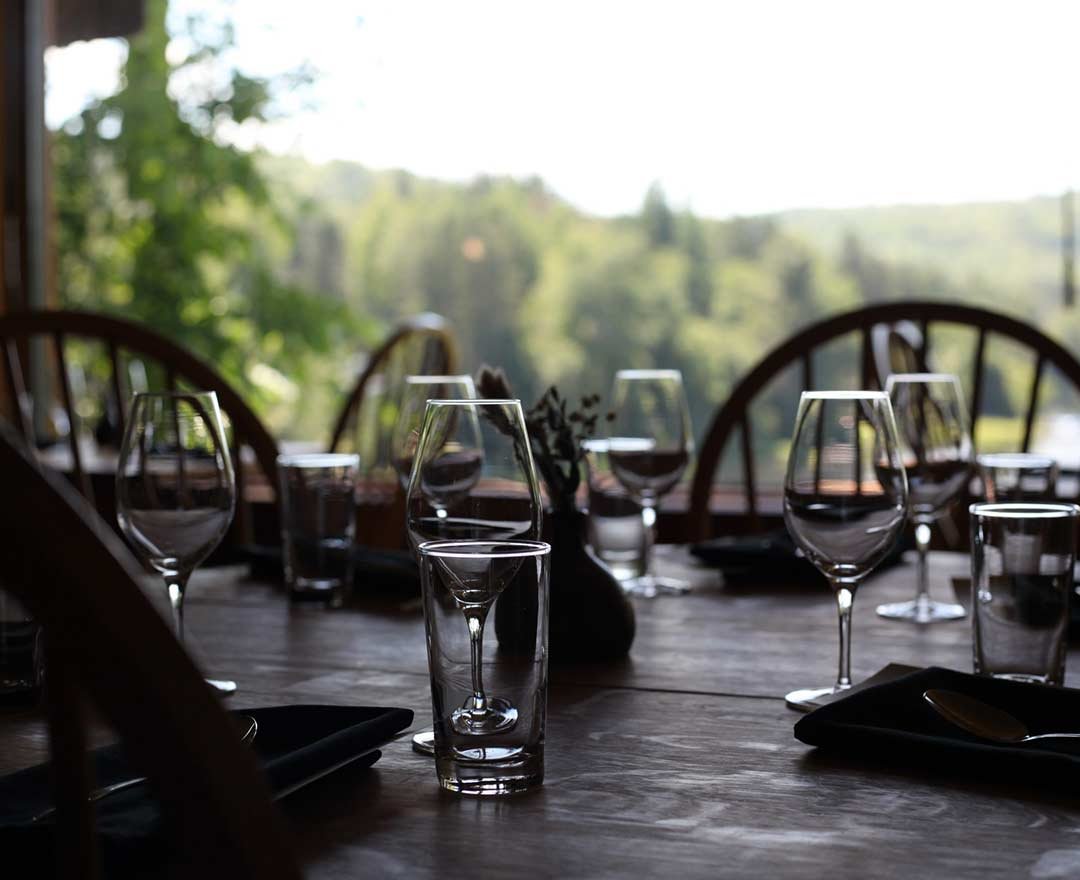
A warm, rustic farmhouse setting in a converted summer theatre, with views of the gardens, soft intimate lighting, and a relaxed yet refined country dining atmosphere that highlights its farm-to-table roots.