Our verdict
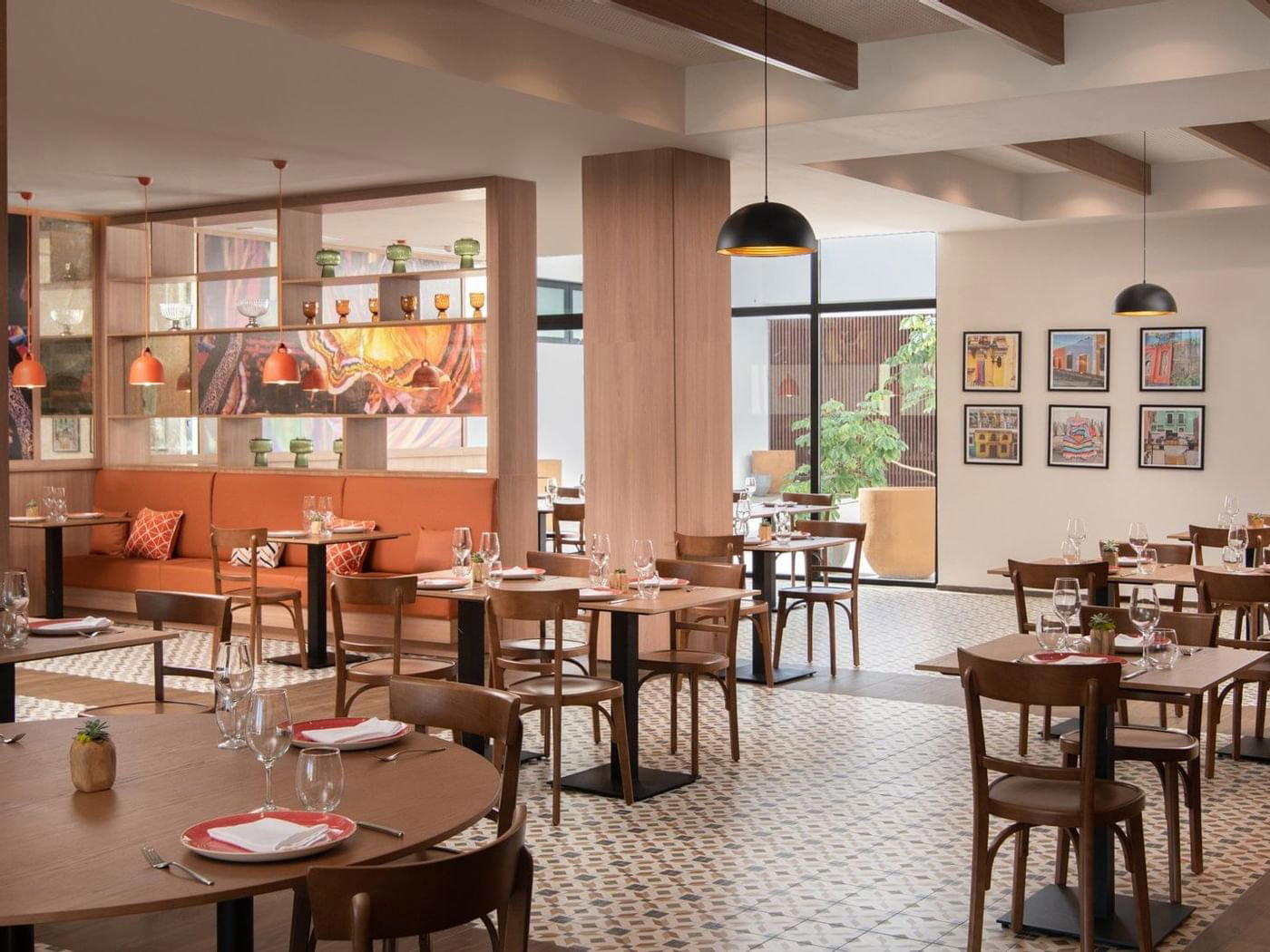
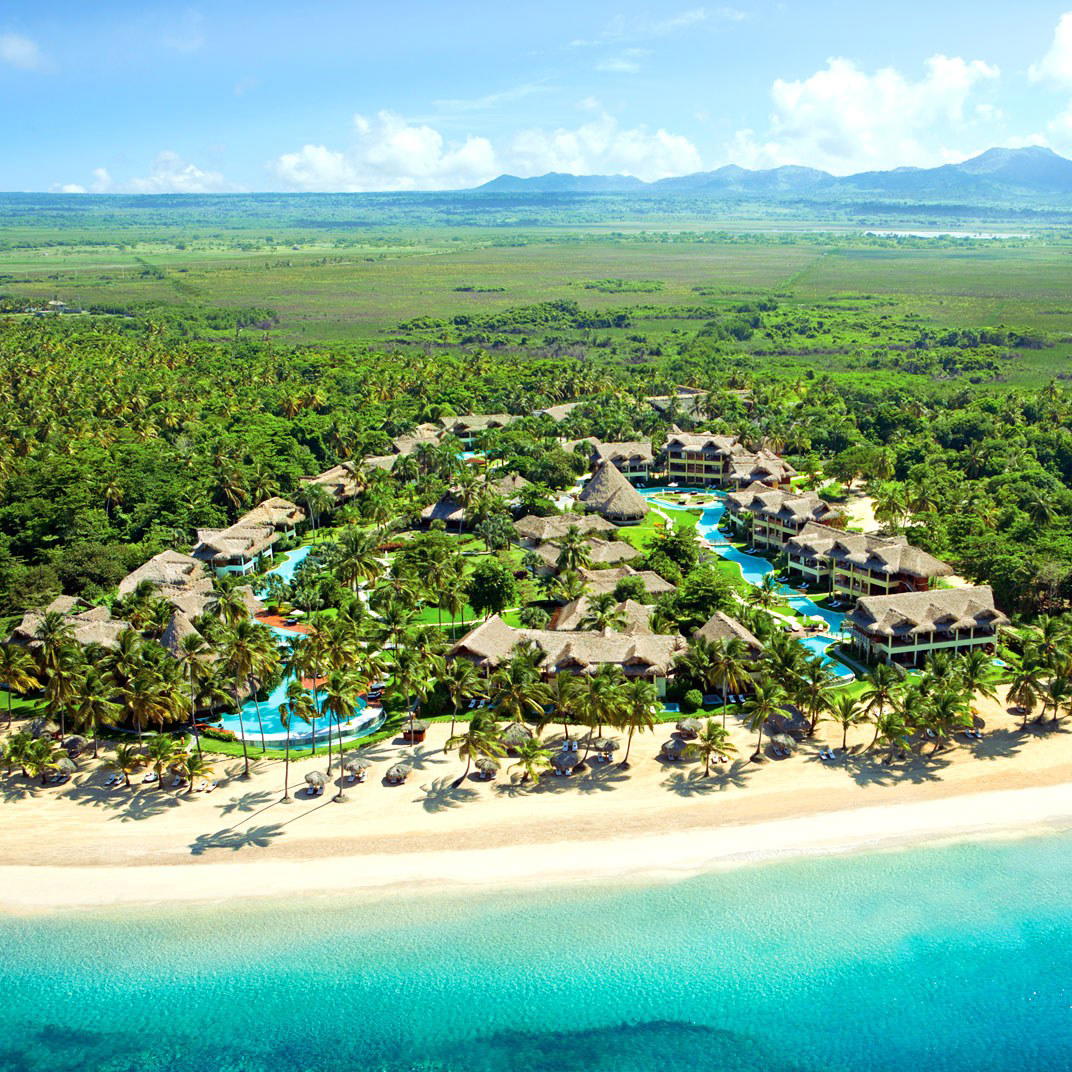
ATL sits in Punta Cana’s Uvero Alto corridor, where resort dining increasingly depends on sourcing clarity rather than imported luxury cues. With no public awards, chef, price, or format signals attached, it is better read through its setting: a coastal-market context where Dominican produce, seafood access, and resort logistics shape the meal more than ceremony.

Pearl is the En Primeur Club membership app, where members save venues, book tables and use the concierge.
The menu
What to order
- Al pastor tacos
- Skirt steak tacos
Approaching dining in Punta Cana means reading the coast before reading the menu: Atlantic exposure, resort gates, service rhythms tied to arrivals, and kitchens that work between local supply and international expectation. In that context, ATL belongs to a Punta Cana scene where the question is less about spectacle and more about whether the experience gives any sense of place. The stronger meals in this part of the Dominican Republic tend to be judged by clarity, freshness, balance, and a kitchen’s ability to avoid flattening the island into generic vacation dining. Imported luxury cues can appear anywhere; a restaurant that treats its setting as structure rather than garnish is the more interesting proposition.
Punta Cana dining is judged by sourcing, not ceremony
Punta Cana’s restaurant culture is split between hotel-contained dining rooms, beach-casual formats, and destination tables that try to pull guests beyond the standard resort circuit. ATL sits in that competitive field without needing to be reduced to a single public shorthand, named chef credential, price category, or declared cuisine label. That changes how to assess it. The useful lens is ingredient logic: does the cooking connect to the Dominican setting, the nearby sea, and the agricultural depth beyond the resort strip, or does it settle for a familiar international template?
Punta Cana’s coastal position matters. Dining here often serves guests who have chosen a resort-led section of the country rather than a nightly circuit of separate reservations. That makes sourcing and consistency more important. A restaurant in this setting has to work as both a meal and a reading of place. The strongest regional cooking does not need a long narrative if the fundamentals are clear: careful handling, freshness, seasoning with control, and a sense that the kitchen understands where dinner is taking place.
For comparison within Punta Cana, the city’s dining range runs from resort-led rooms and polished hotel formats to beach-casual grills and resort-adjacent restaurants. Names in the same city conversation include Chez Rose, Cool Fever, Huzur, Liberi, and Miraflores, which underline how broad Punta Cana’s category spread has become: casual, international, hotel-driven, and locally inflected all compete for the same visitor dinner slot.
The more serious Dominican question is provenance
Ingredient sourcing is not a decorative issue in the Dominican Republic. The country has coastal access, agricultural depth, and a culinary identity shaped by overlapping Caribbean influences. Punta Cana, however, can obscure that identity because high-volume tourism rewards familiarity. The more persuasive restaurants push back by making the local pantry visible without turning it into theme-park cuisine. That means balance, restraint, and produce treated as a reason to order rather than a supporting act.
ATL is useful to consider through that framework because its public profile does not come packaged with a tasting-menu mythology or a celebrity-chef narrative. In the absence of those signals, the room has to be judged by execution, sourcing, and fit within Punta Cana’s resort geography. That is not a disadvantage for the right diner. Punta Cana already has plenty of places built around obvious vacation cues; the more rewarding tables are often those where the menu makes a specific argument about where dinner is taking place.
Travelers building a wider Dominican dining itinerary should also look beyond any single resort corridor and compare Punta Cana with other coastal and urban dining scenes across the country. Those contrasts show how setting, access, and audience can change the tone of a meal from one region to another. For a broader map, use the full Punta Cana restaurants guide, alongside the full Punta Cana hotels guide, the full Punta Cana bars guide, the full Punta Cana wineries guide, and the full Punta Cana experiences guide. International comparisons can be useful reminders that focused formats travel well, but Punta Cana’s strongest argument remains local supply meeting coastal appetite.
Who ATL makes sense for
This is a better fit for diners who want to stay within the Punta Cana rhythm while still paying attention to what the Dominican setting can bring to the table. It is less suited to travelers who choose restaurants mainly by awards lists, famous chef names, published tasting-menu structures, or price signaling. In Punta Cana, that distinction matters. The city’s dining scene contains polished hotel rooms, casual beach formats, and international menus designed for maximum comfort. ATL’s editorial value lies in whether it can make the local setting legible through ingredients, not in attaching itself to a prestige script.
Frequently asked questions
Is ATL okay with children?
ATL is in Punta Cana, a setting that can work well for mixed-age resort dining. For families, that context may make the venue a practical choice rather than a formal-night-out room.
What's the overall feel of ATL?
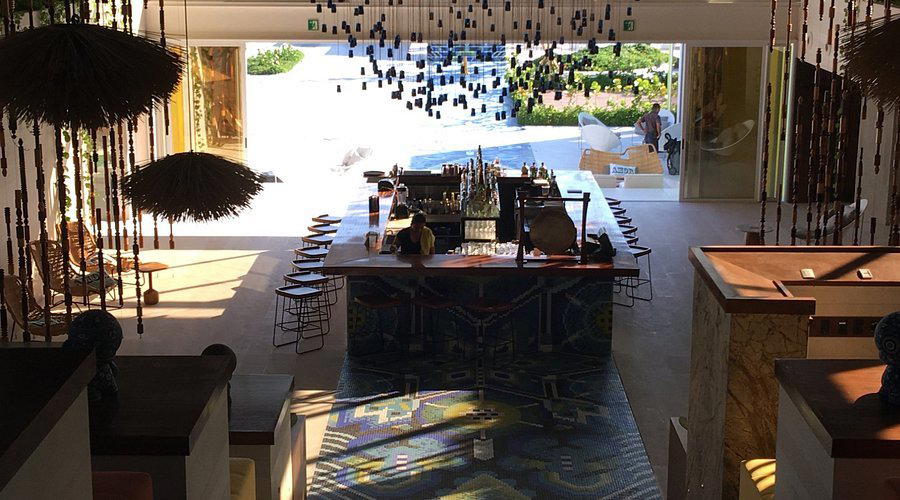
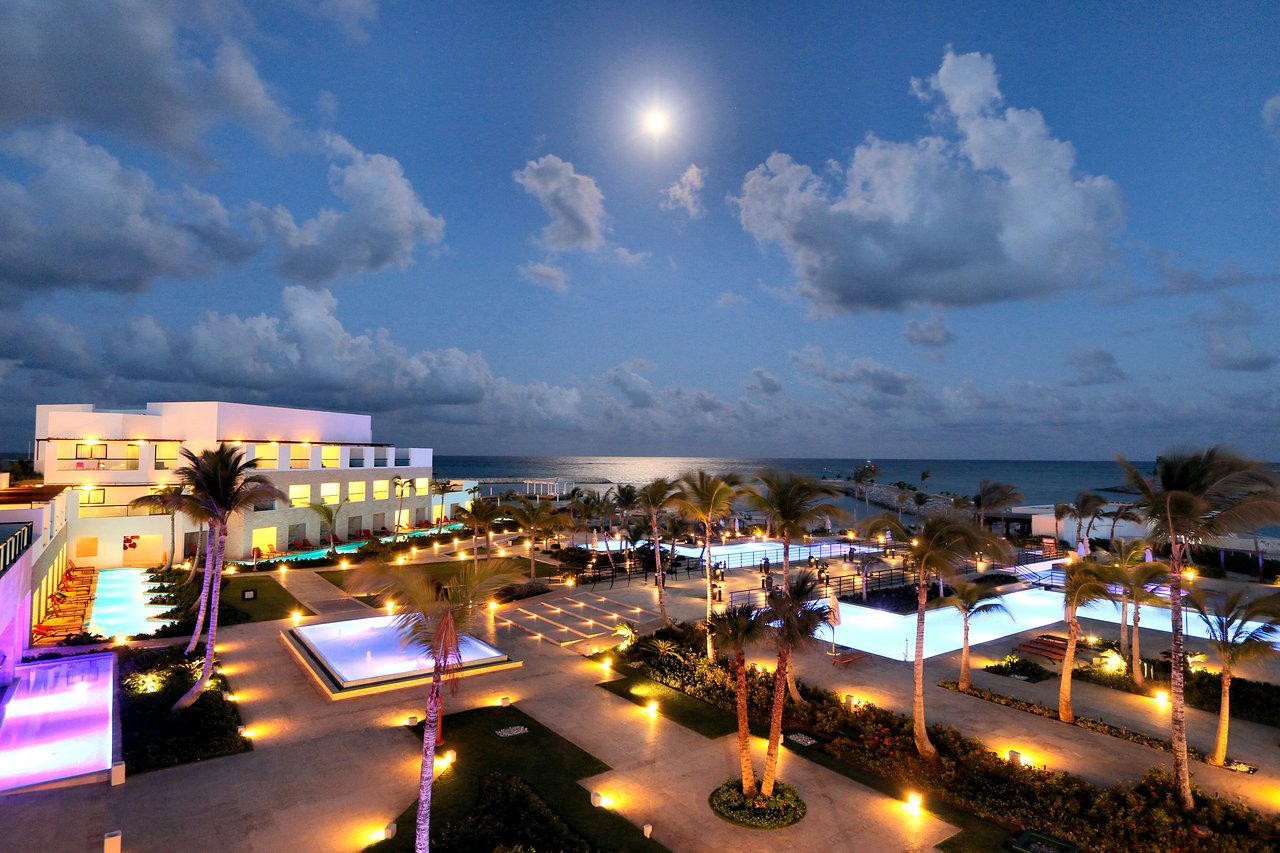
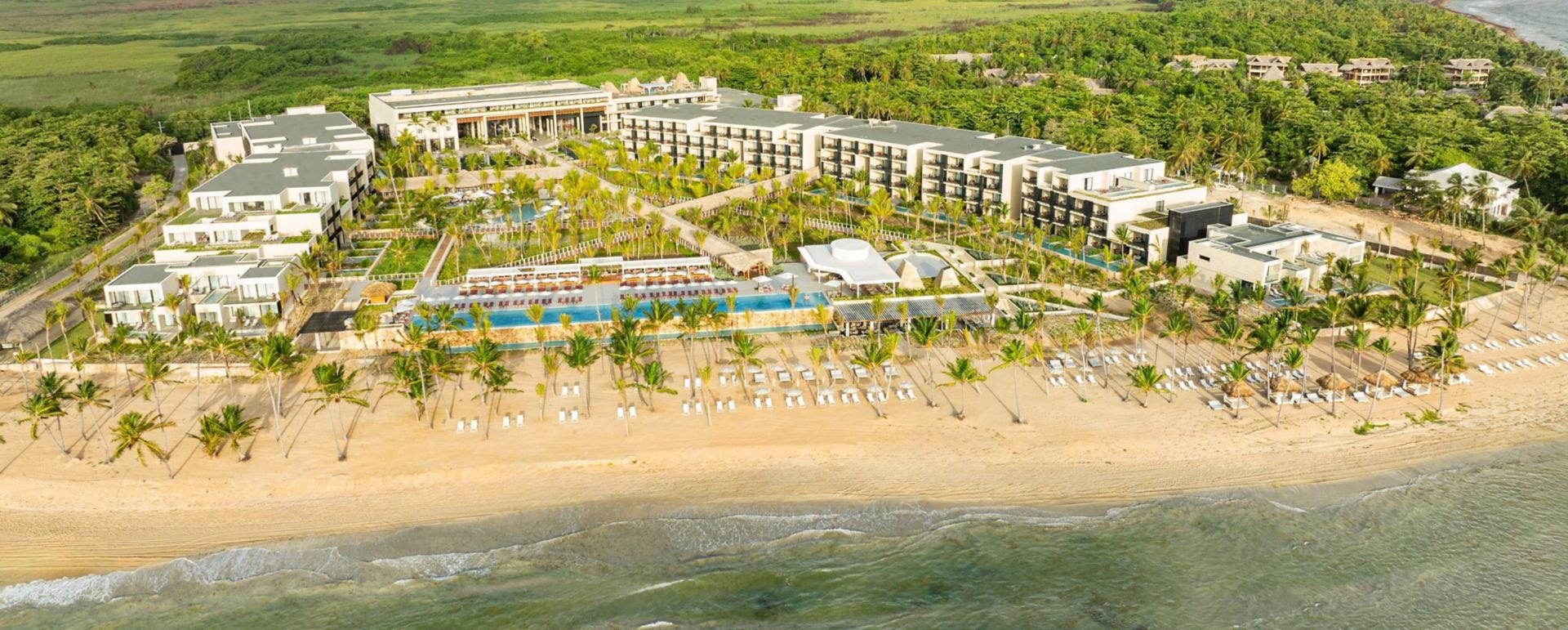
ATL reads as a Punta Cana address rather than a downtown dining room, so the feel is likely shaped by resort traffic and a relaxed island setting. The location points to convenience and destination travel rather than a standalone urban restaurant circuit.
Where is ATL located?
ATL is located in Punta Cana.
How hard is it to get a table at ATL?
Punta Cana venues often run on resort rhythms, so table access can depend on occupancy and dining service patterns. Planning ahead is sensible, especially during peak travel periods.
What do critics highlight about ATL?
For ATL, the main editorial angle is location: Punta Cana. In a market where setting and access shape the dining experience, that context matters as much as the room itself.
How It Stacks Up
Comparable venues by cuisine and price in the same metro.
| Venue | Cuisine | Price | Awards |
|---|---|---|---|
| ATLThis venue (the venue you are viewing) | Mexican | Not listed | Not listed |
| Chez Rose | Formal French restaurant at an adults-only beach resort | Not listed | Not listed |
| Cool Fever | Resort coffee shop & café | Not listed | Not listed |
| Huzur | Mediterranean | Not listed | Not listed |
| Liberi | International Breakfast Buffet | Not listed | Not listed |
| Miraflores | Franco-Peruvian Fine Dining | $150–200 | 1 Michelin Star · Gault & Millau Remarkable Restaurant |
Continue exploring
More in Punta Cana
Restaurants in Punta Cana
All restaurants in Punta Cana →
Bars in Punta Cana
All bars in Punta Cana →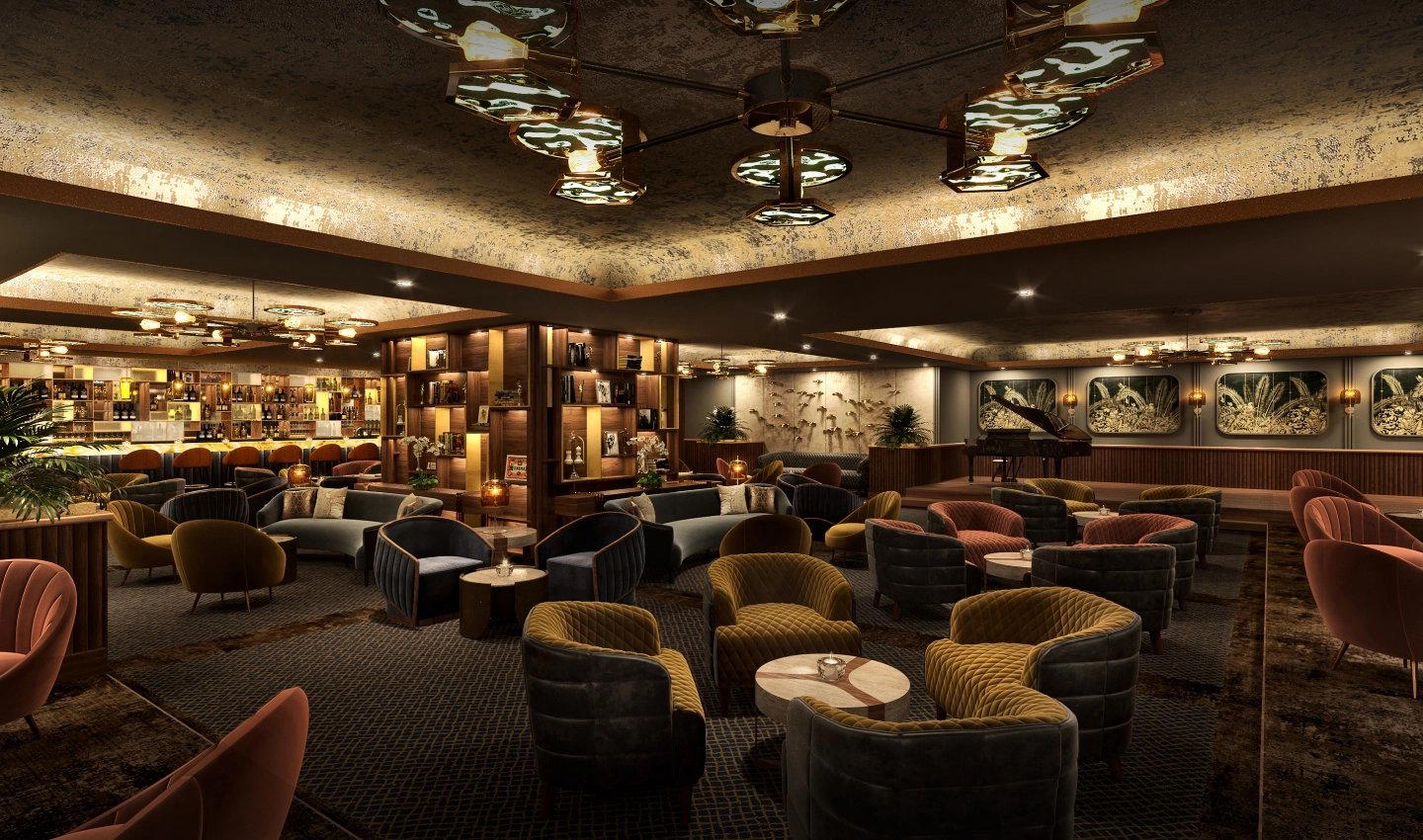


Details
- Casual
- Cozy
- Casual Hangout
- Family
- Hotel Restaurant
- A La Carte
Casual, resort-style Mexican dining with a relaxed atmosphere and direct, flavors-first positioning.