Aquifer65 and JW Sushi Bar
Aquifer65 and JW Sushi Bar belongs to Palm Desert’s resort-corridor dining circuit, where seafood sourcing, Japanese technique, and hotel-adjacent convenience shape the decision more than ceremony. Treat it as a practical sushi-leaning option in a city better known for golf-club restaurants, bistros, and date-night rooms than for deep omakase culture.
Pearl is the En Primeur Club membership app — saves, bookings, and concierge access live there. Same editors, same standards.
- Address
- 74-855 Country Club Dr, Palm Desert, CA 92260
- Phone
- (760) 341-2211
- Website
- marriott.com
- Directions
- Get directions
 Saves & bookings on Pearl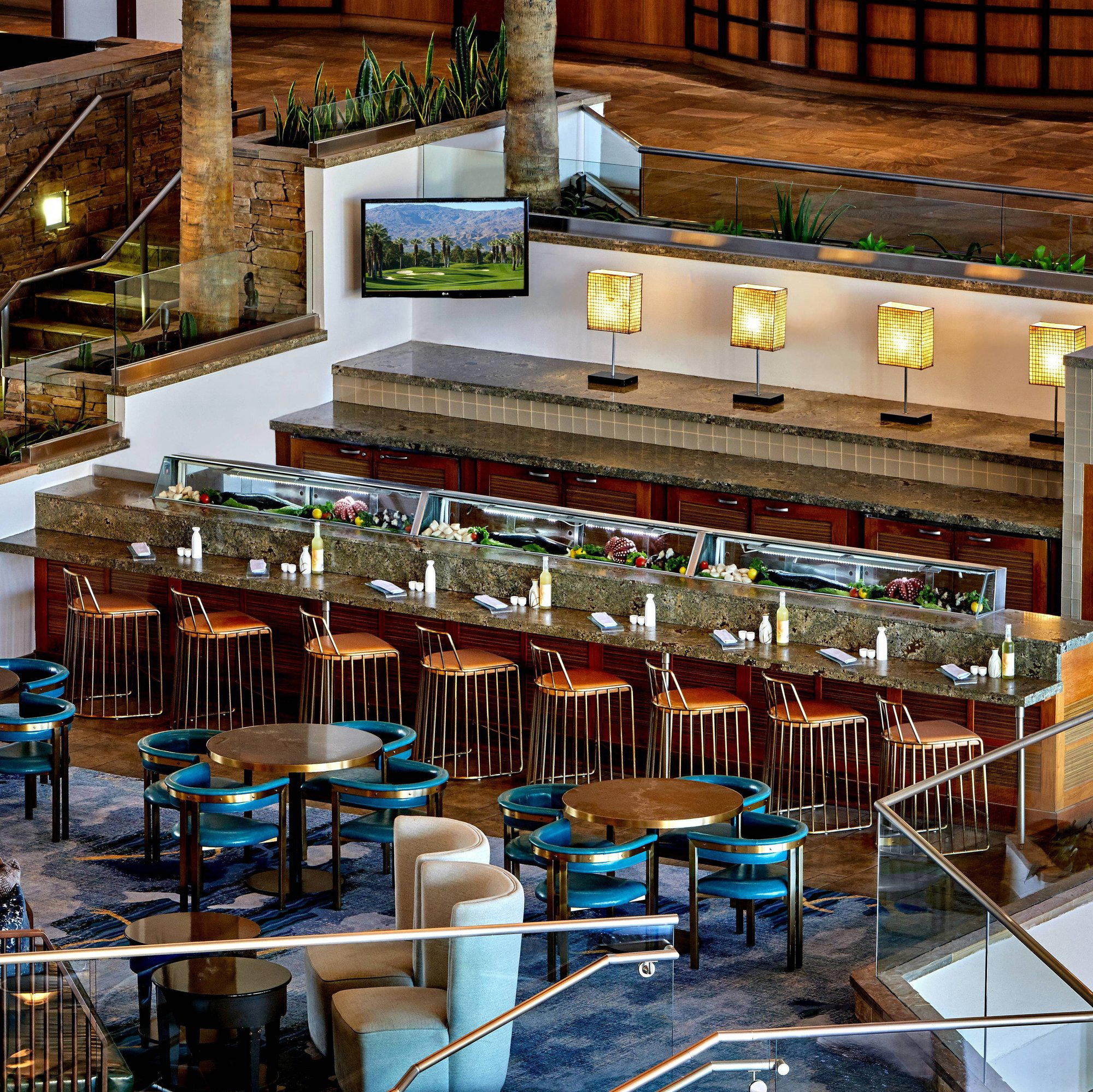
Approaching a restaurant in Palm Desert often means reading the room before reading the menu: resort traffic, golf-club schedules, heat that changes appetite, and a dining public split between vacation pacing and local routine. Aquifer65 and JW Sushi Bar sits inside that Palm Desert pattern, where the appeal of a sushi-bar meal is not just freshness as a slogan, but relief from the heavier rhythms that still define much of the city’s restaurant circuit.
Seafood and rice in a desert resort city
Sushi-focused dining in Palm Desert carries a different burden than it does in larger coastal dining capitals. The city is not built around fish markets, counter lineage, or dense neighborhood dining clusters. It is built around resorts, second homes, golf, and warm-weather tourism. That makes sourcing discipline matter: chilled seafood logistics, rice handling, turnover, and restraint become the quiet tests of any sushi bar operating this far inland.
The better way to judge Aquifer65 and JW Sushi Bar is against Palm Desert’s own dining grammar, not against a destination counter elsewhere. In the same city, T&T Innovation Kitchen, Rockwood Grill, Fisherman’s Landing, Mikado Japanese Steakhouse, and Waldo’s Ristorante all help show the range of local choices. Against that spread, a sushi bar adds a lighter, more technical choice to a market where many meals are still organized around the grill, the patio, or the club dining room.
That ingredient-sourcing question also explains why sushi travels unevenly across resort destinations. Fish can move quickly through California’s supply chains, but rice temperature, knife work, seasoning, and menu breadth separate a serious bar from a generic resort amenity. The safer expectation is pragmatic rather than ceremonial: look for a meal shaped by seafood selection and clean execution, not a trophy-counter narrative.
How it fits Palm Desert's dining map
Palm Desert rewards restaurants that understand timing. Winter brings longer meals and a denser visitor base; hot months push diners toward earlier, cooler, more efficient formats. Sushi can work well in that cycle because it offers a meal that does not need to lean on size or richness. In a city where lunch, golf, spa schedules, and early dinners often overlap, the category has a practical advantage.
For readers building a wider itinerary, the useful comparison is not only one style of dining versus another. It is structured dining versus flexible dining. A sushi bar can be a counterpoint to other Palm Desert dining rooms, resort settings, private-club-adjacent meals, and familiar comfort routes. Those restaurants frame the city’s range more clearly than any single ranking would.
Broader California and Pacific-region context helps calibrate expectations without turning Palm Desert into a copy of another dining city. Casual counters, seafood-focused rooms, and ingredient-led restaurants elsewhere all point to the same lesson: place matters. A restaurant’s ingredients, audience, and climate decide what kind of meal makes sense.
That is why Aquifer65 and JW Sushi Bar is better read as part of Palm Desert’s resort-city appetite for lighter, seafood-led dining than as an isolated sushi destination. It fills a specific role: a sushi-bar meal in a market where many alternatives are heavier, longer, or built around a different social tempo.
Planning the meal around the Palm Desert rhythm
The practical move in Palm Desert is to plan around season and crowd pattern. Peak winter weeks bring more visitors, more resort dining demand, and less room for improvisation across the city. Summer changes the equation: heat lowers the appeal of long, heavy meals and makes concise, cooler-leaning formats more attractive. In that context, Aquifer65 and JW Sushi Bar makes sense for diners who want seafood and rice without committing the evening to a formal tasting-menu structure.
Use the venue as one part of a broader Palm Desert plan rather than the whole reason for the trip. The city’s restaurant range is easier to read through our full Palm Desert restaurants guide, while hotel choice shapes dining decisions more than many visitors expect; our full Palm Desert hotels guide is the better companion for that layer. For after-dinner pacing, see our full Palm Desert bars guide; for regional drinking context, use our full Palm Desert wineries guide; and for non-restaurant planning, our full Palm Desert experiences guide helps separate resort downtime from actual itinerary value.
Travelers comparing California dining styles can also set Palm Desert beside casual, ingredient-led rooms elsewhere. The point is not sameness; it is calibration. In Palm Desert, the stronger restaurant choices are often the ones that understand climate, sourcing limits, and visitor rhythm. Aquifer65 and JW Sushi Bar belongs in that conversation when sushi, seafood, and a lighter evening are the priority.
Continue exploring
More in Palm Desert
Restaurants in Palm Desert
Browse all →
Bars in Palm Desert
Browse all →
At a Glance
- Modern
- Elegant
- Lively
- Scenic
- Sophisticated
- Date Night
- After Work
- Group Dining
- Casual Hangout
- Celebration
- Late Night
- Hotel Restaurant
- Craft Cocktails
- Beer Program
- Waterfront
- Garden
- Mountain
Current opening hours
- Monday
- 4–11 PM
- Tuesday
- 4–11 PM
- Wednesday
- 4–11 PM
- Thursday
- 4–11 PM
- Friday
- 4–11 PM
- Saturday
- 4–11 PM
- Sunday
- 4–11 PM
Hours can change for holidays and private events. Last verified .
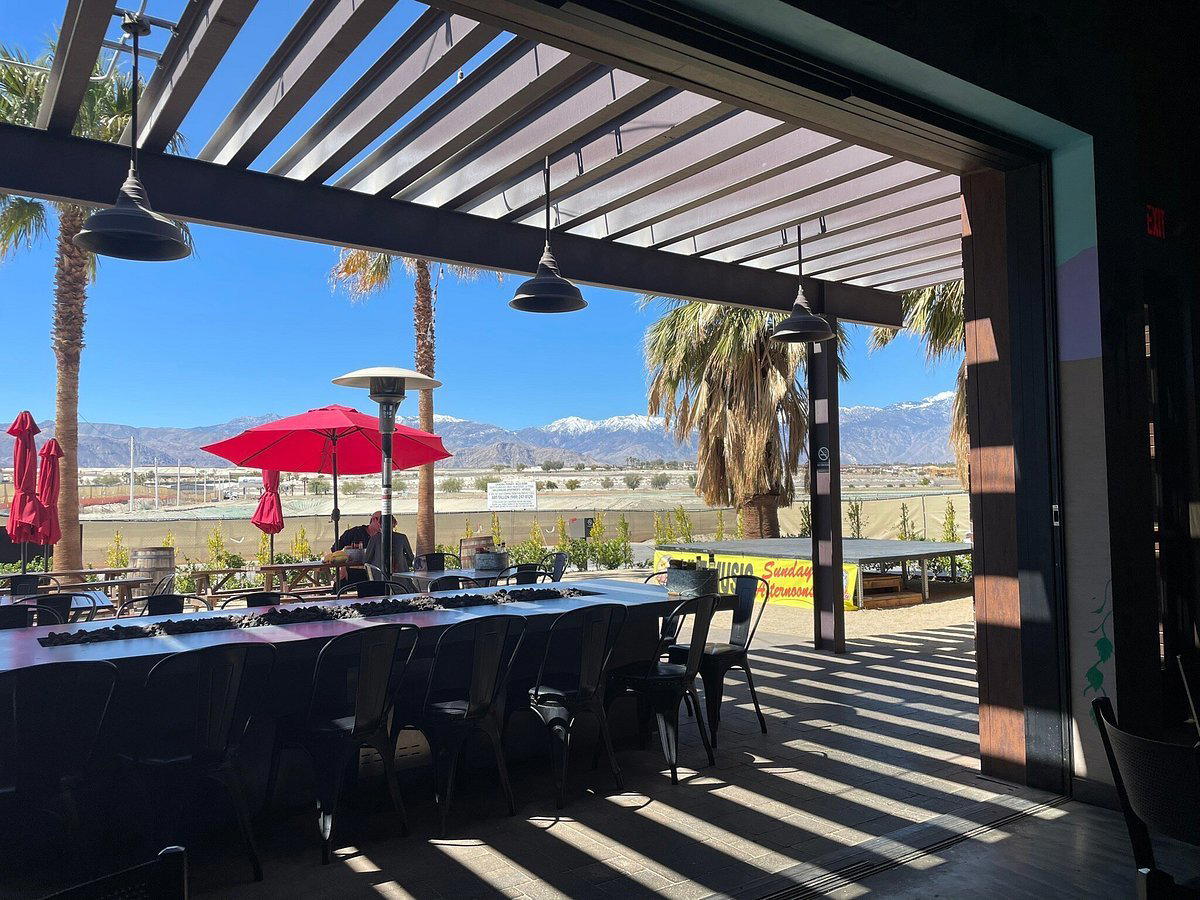
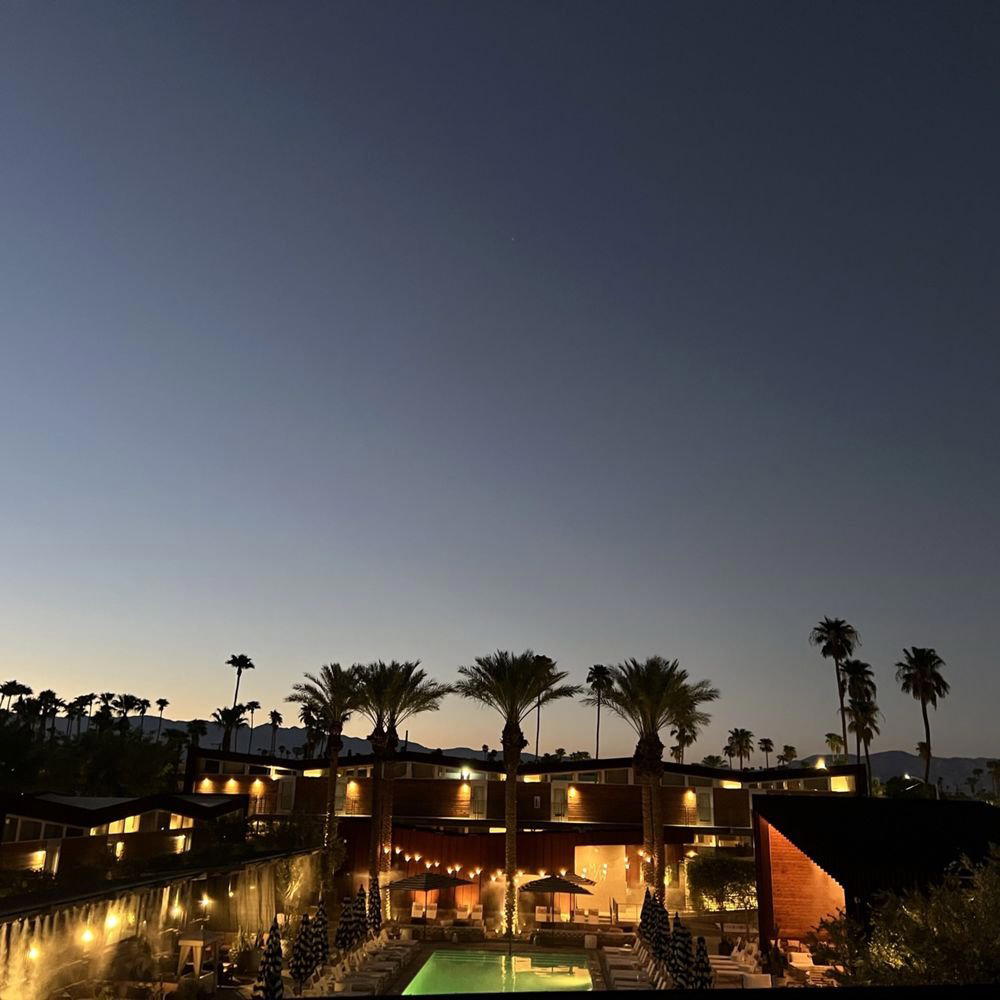
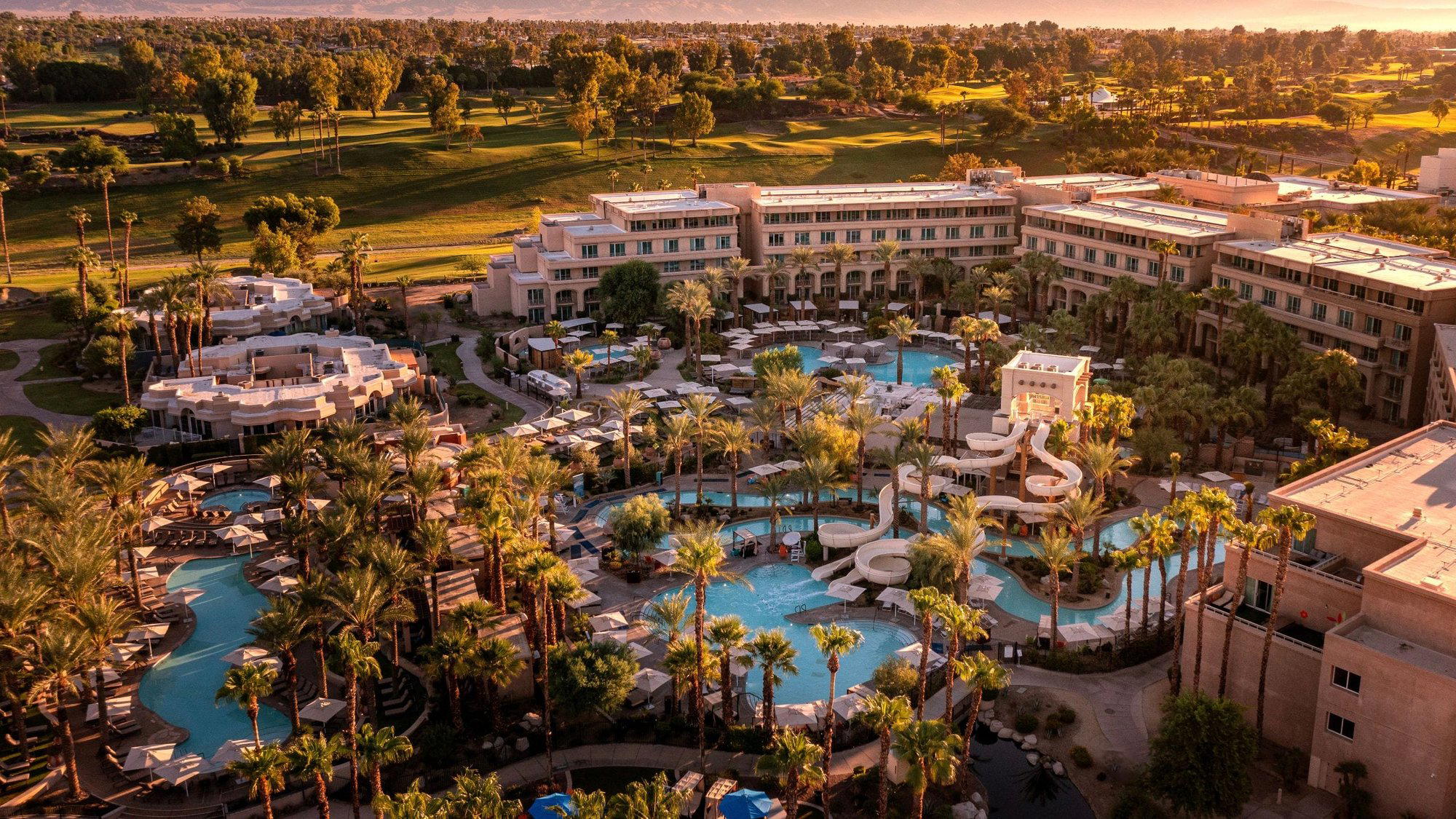
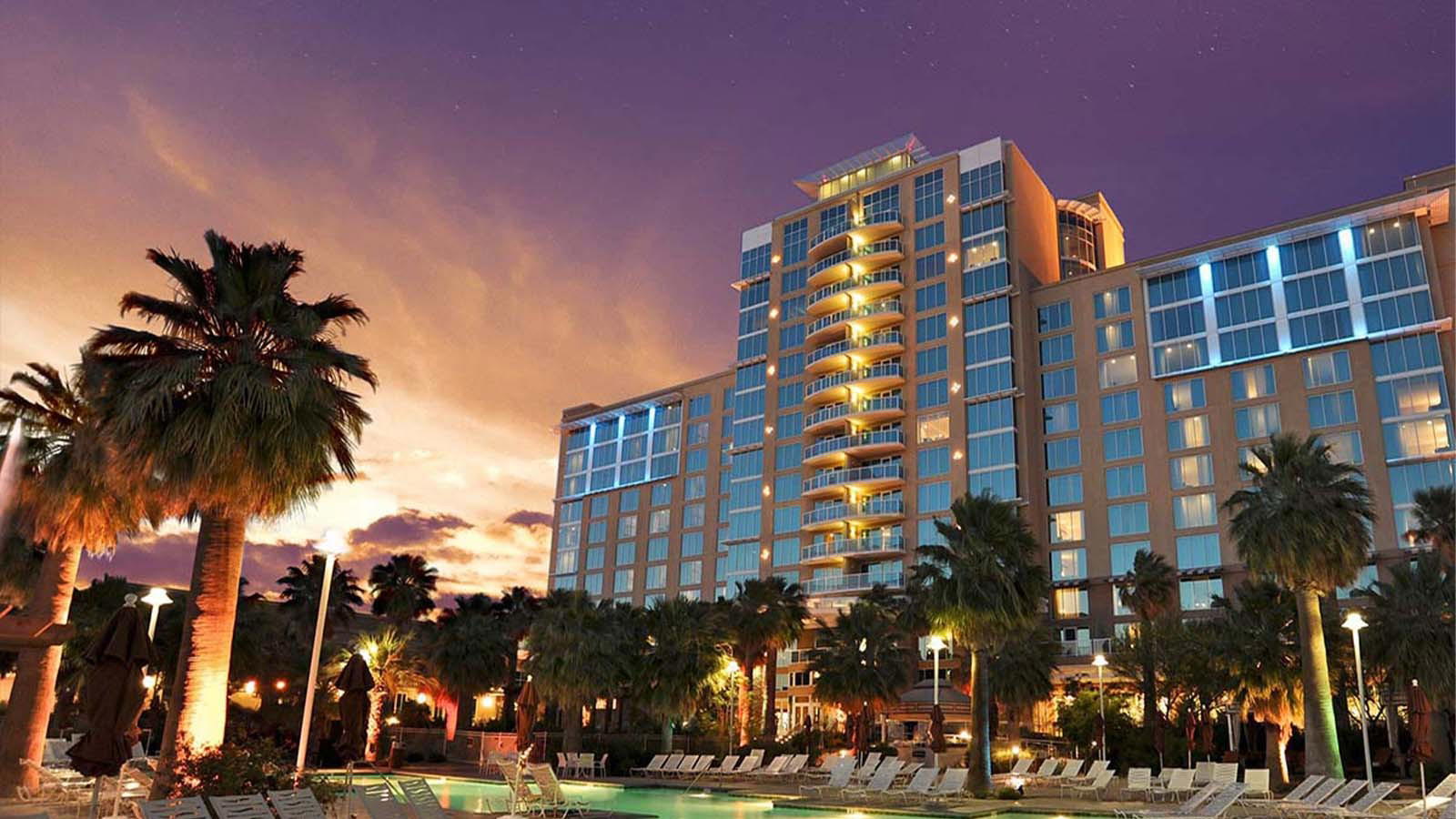
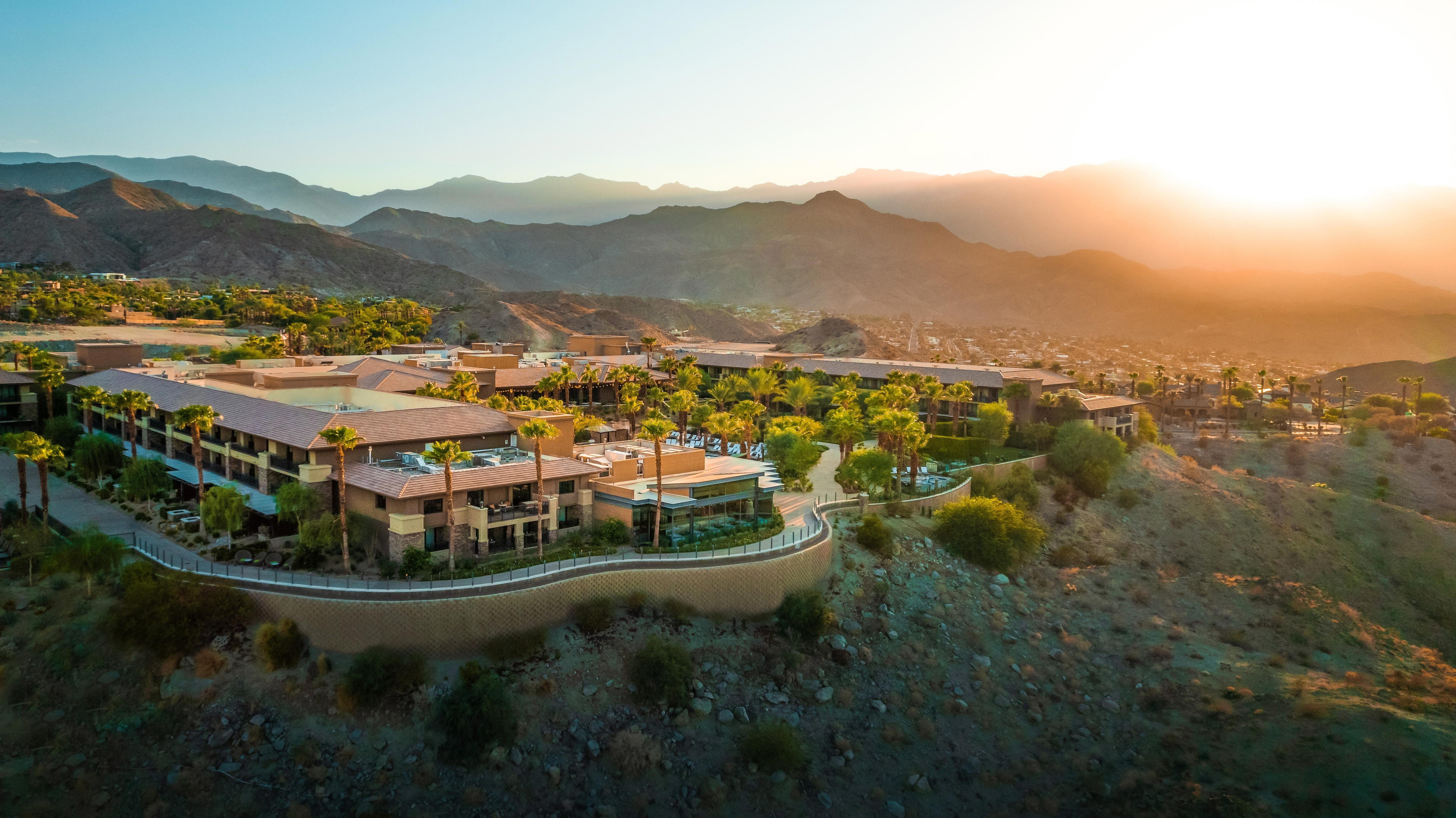
Set in the resort’s soaring lobby with water features and views of the surrounding grounds, the atmosphere is polished and energetic yet relaxed, with hotel-bar buzz, stylish finishes, and sushi bar counter seating that keeps things social into the evening.
Know Before You Go
- Reservations
- Walk in friendly
- Dress code
- Smart casual
- Getting there
- 74-855 Country Club Dr, Palm Desert, CA 92260