Ambrosia belongs to the Elounda dining circuit, where Cretan produce, resort polish, and waterfront geography shape the meal as much as the kitchen. The case for going is ingredient-led rather than trophy-led: this is a Plaka address for readers who want Crete’s eastern coast interpreted through local sourcing, measured service, and a setting tied to the island’s working food culture.
Pearl is the En Primeur Club membership app — saves, bookings, and concierge access live there. Same editors, same standards.
- Address
- Plaka, Schisma Elountas 720 53, Greece (main restaurant)
- Directions
- Get directions
 Saves & bookings on Pearl
Approaching Crete, the island light does half the work: stone, salt air, and the low rhythm of a place facing the water. Ambrosia sits within that Cretan orbit, where restaurants are judged not only by technique but by how convincingly they handle the island’s raw materials. Crete is not a destination that needs culinary costume. Its dining culture is built around produce, oil, herbs, seafood, meat, and vegetables that carry their own argument. The stronger kitchens on the island understand that restraint is not a lack of ambition; it is often the point.
That matters because Crete occupies a particular lane in the restaurant scene. This is not the urban Athens model of concept-led dining, nor the island format built around sunset choreography and international menus. The better meals here tend to read as coastal Crete with travel expectations attached: produce-driven cooking, a softer pace, and a room that needs to serve travellers without flattening the local grammar. For a broader map of the island’s dining options, Our full Crete restaurants guide is the useful reference point.
Crete's ingredient logic matters more than culinary theatre
The ingredient question is the right way to read Ambrosia. In Crete, provenance is not a decorative claim; it shapes the plate before any chefly flourish begins. Oil carries weight in salads and cooked dishes, herbs do more than perfume, and seafood has to compete with the memory of simpler meals along the coast. In that context, a restaurant succeeds when it respects the island’s pantry while meeting the expectations of a polished dining-room format.
The distinction is important in Crete, where luxury travel can pull menus toward international sameness. Ambrosia is better understood within the local dining tier than as an awards-chasing address. No Michelin or equivalent award is listed here, which keeps the reader’s decision refreshingly practical: come for the setting, the Cretan frame, and the ingredient-first promise, not for a trophy meal. That places it in conversation with other Crete addresses such as Ambrosia, Anthos, Filema, Kelari Gourmet Restaurant, Sage & Thyme, and Stone Beach by Cayo, rather than with destination tasting counters where the booking itself becomes part of the performance.
Crete also rewards diners who pay attention to season. Summer brings the heaviest visitor pressure to the island, and the meal can feel different when the room is handling peak-island demand. Shoulder-season dining, when available, usually gives local ingredients more space to register: greens, oil, cheese, fish, and grilled dishes read better when the experience is not competing with August logistics. That is a regional truth more than a venue trick.
Crete gives the meal a quieter register than resort-centre dining
Crete’s appeal is scale. It can feel intimate and expansive at once, and that frame changes the appetite. The mood is less about spectacle and more about the sequence of arrival, sea air, table, and produce. Ambrosia benefits from that geography because island food is strongest when the room does not over-explain it. The island’s cooking has always been a conversation between land and coast; Crete makes that conversation visible.
For travellers building a wider Crete itinerary, the restaurant fits neatly into a day that keeps the focus on the island rather than on a single meal. The surrounding hospitality scene ranges from resort dining to smaller independent rooms, while the broader trip can fold in Our full Crete hotels guide, Our full Crete bars guide, Our full Crete wineries guide, and Our full Crete experiences guide. That wider context matters: Crete is strongest when meals, beaches, wine, ruins, and village time are treated as one itinerary rather than separate checklist items.
The comparison across Greece is also useful. Island restaurants elsewhere can carry a more performative gloss, while mainland and city addresses work from a different cadence. Readers looking beyond Crete can compare the mood with other Greek dining rooms, from coastal restaurants to city tables. Those comparisons are not substitutes; they show how Greek dining changes when geography changes.
Who should put Ambrosia on the Crete short list
Ambrosia makes sense for travellers who want a polished island meal without turning dinner into a formal tasting-menu event. The strongest case is for guests already staying in Crete, couples who want a composed evening, and families who prefer a calmer dining-room setting over a louder night out. The Crete location also makes it a practical island choice rather than a cross-market pilgrimage.
The editorial caveat is simple: go in for place, ingredients, and the Cretan register. That is not a weakness if the reader wants Crete rather than ceremony. In a region where tourism can blur menus into the same international script, the more interesting question is whether the meal keeps its footing in the island’s produce. Ambrosia’s appeal rests on that question.
For readers using EP Club across markets, this is a different decision from choosing a tightly defined specialist address or a focused casual format in another city. Ambrosia belongs to the travel-dining category where the setting, regional pantry, and timing carry as much weight as the menu structure. In Crete, that is often the more honest luxury.
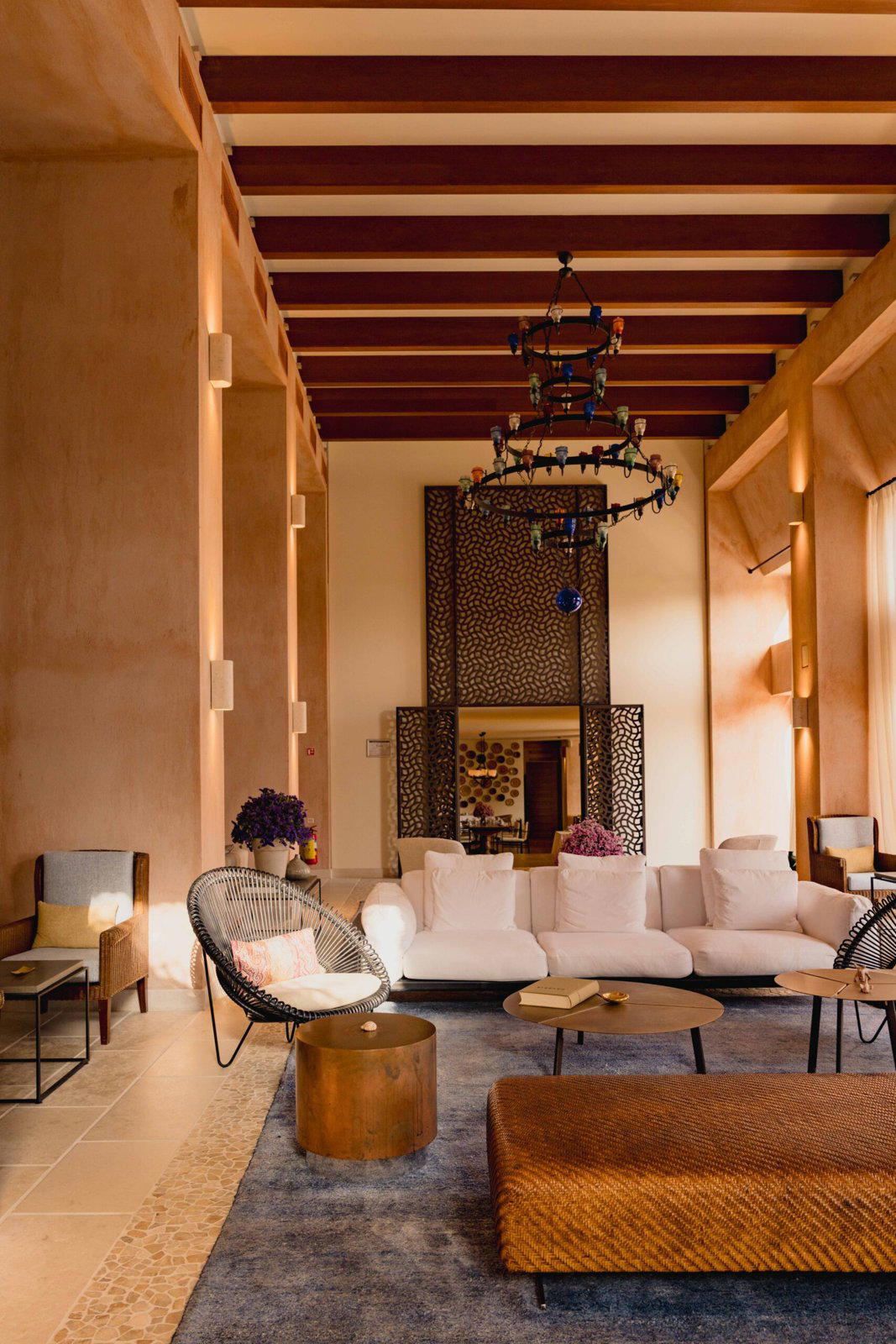
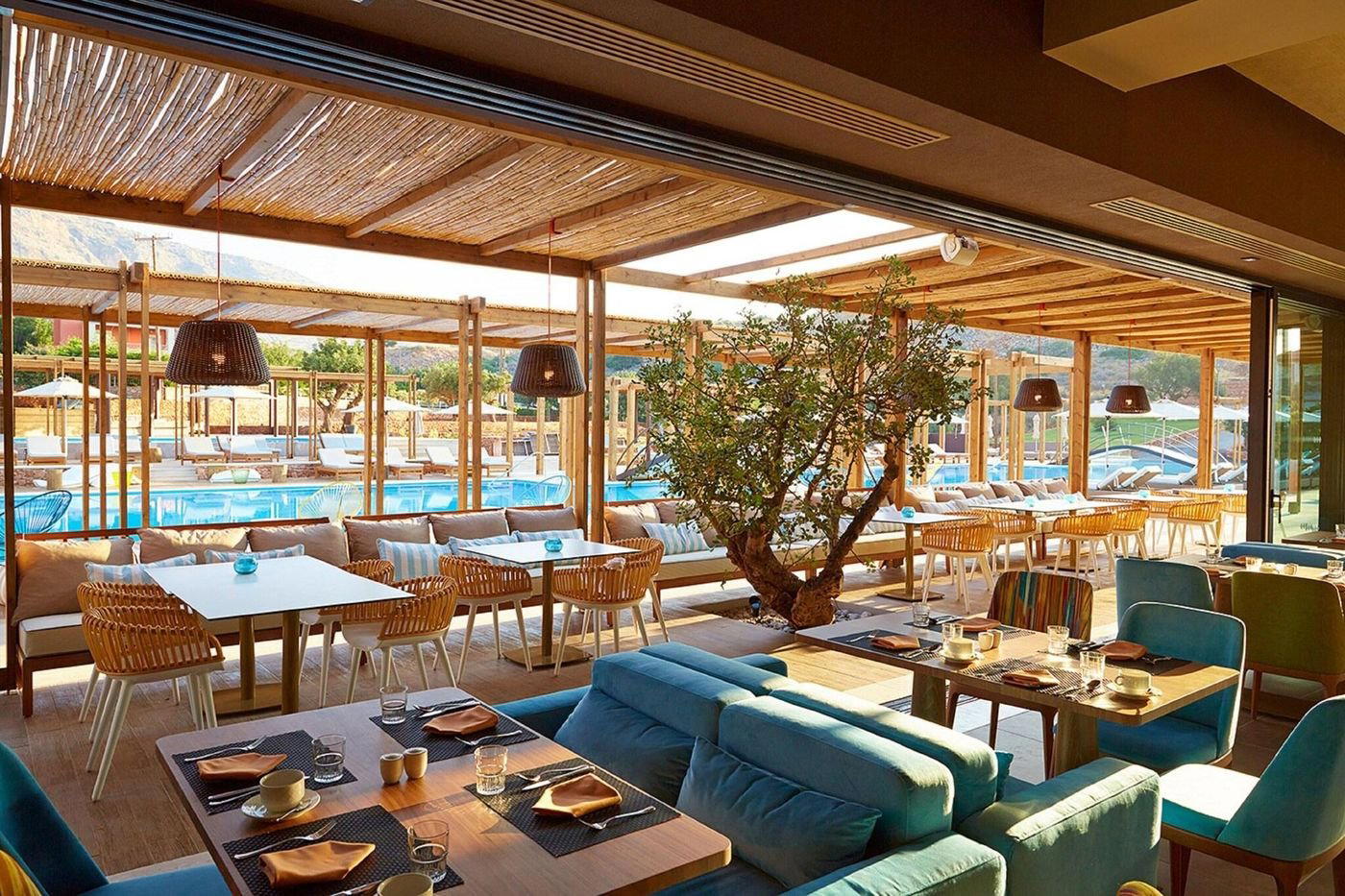
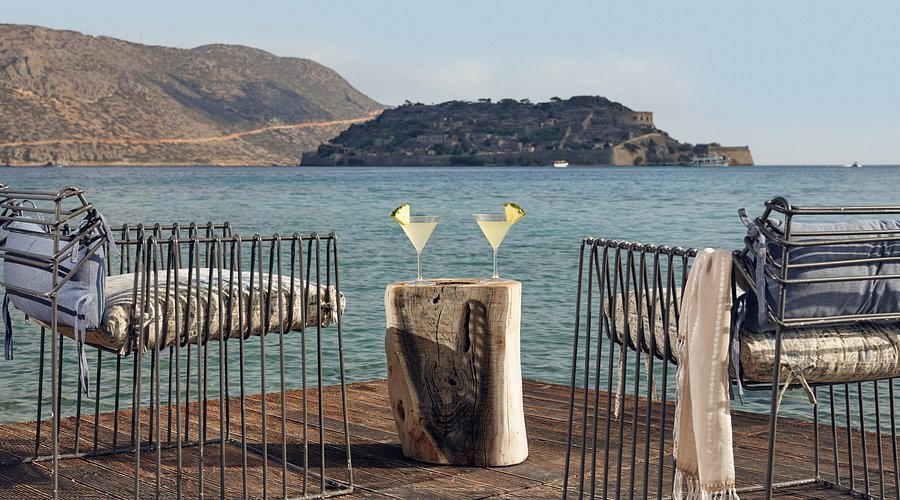
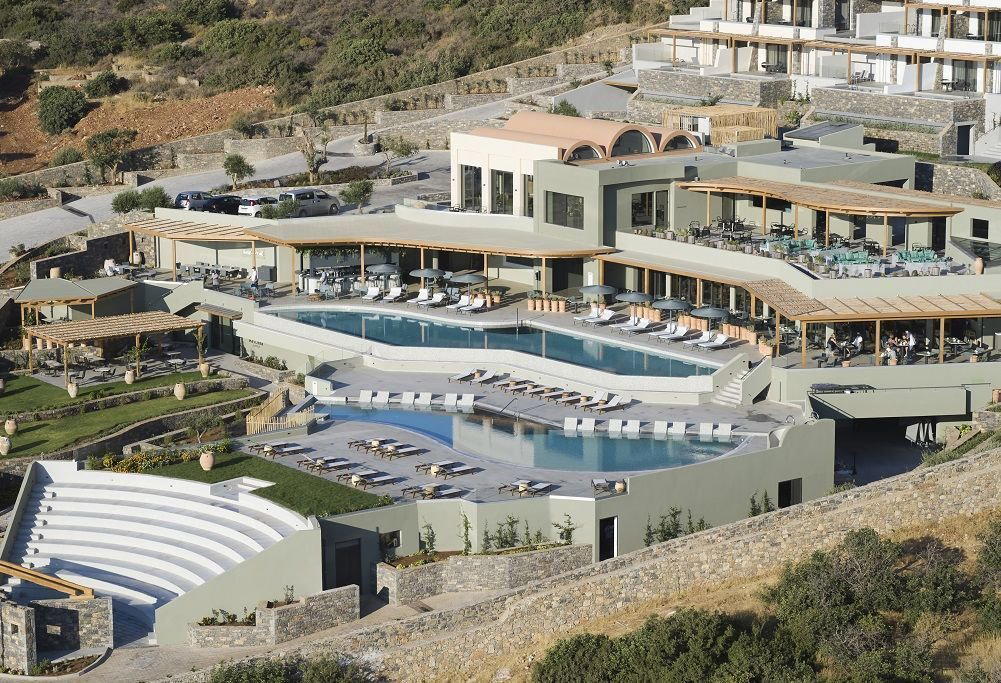
At a Glance
- Scenic
- Cozy
- Rustic
- Romantic
- Family
- Group Dining
- Date Night
- Casual Hangout
- Solo
- Waterfront
- Terrace
- Standalone
- Local Sourcing
- Waterfront
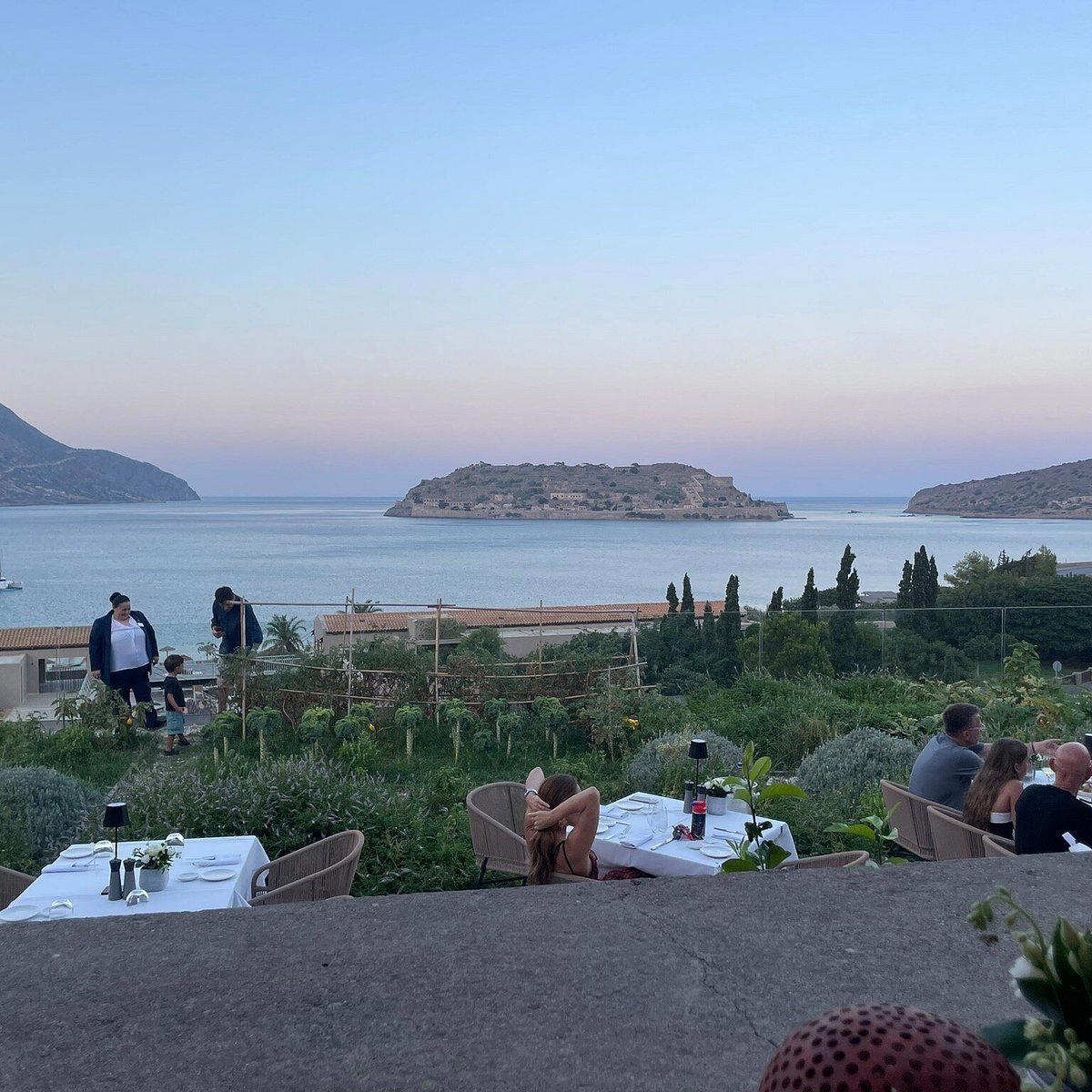
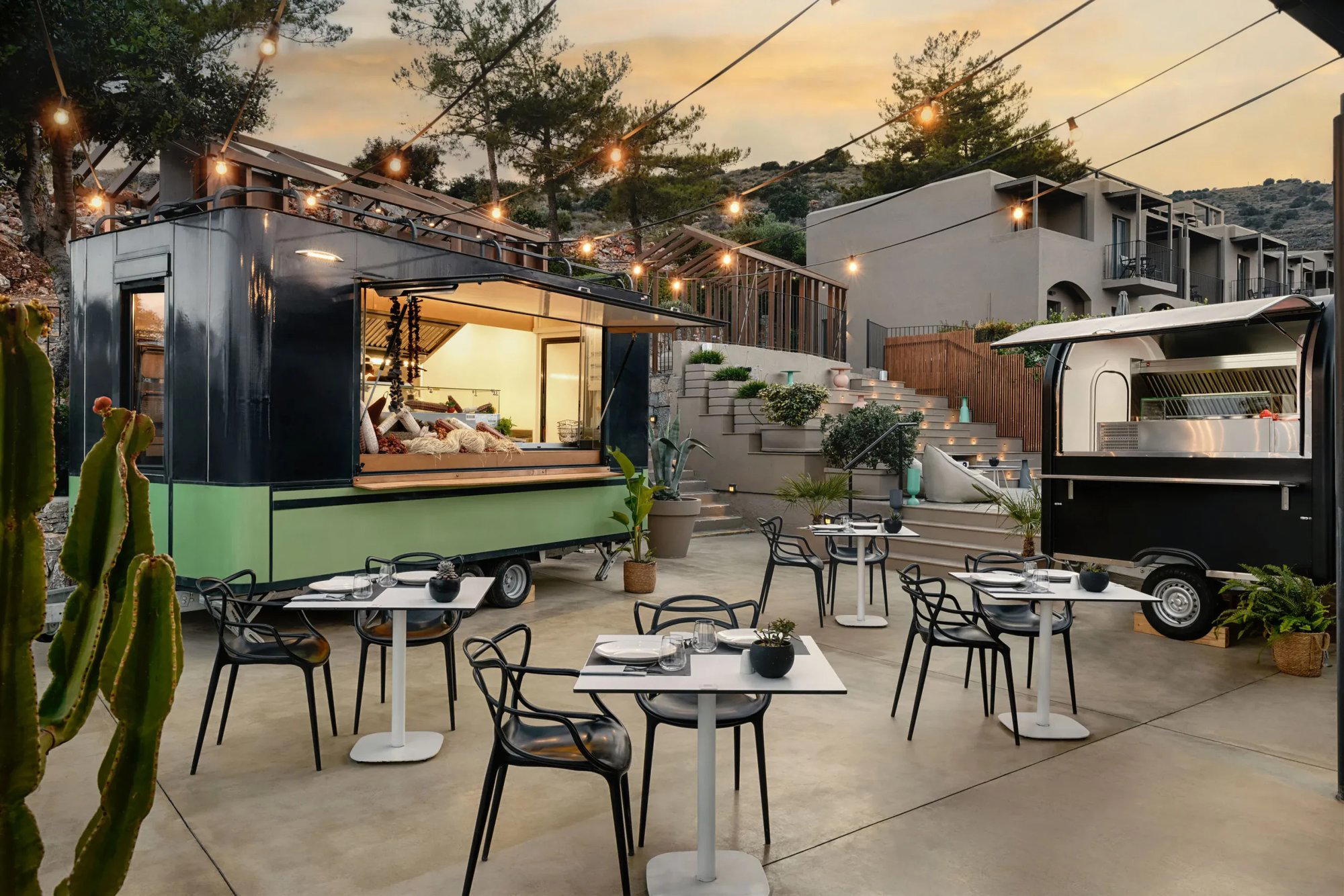
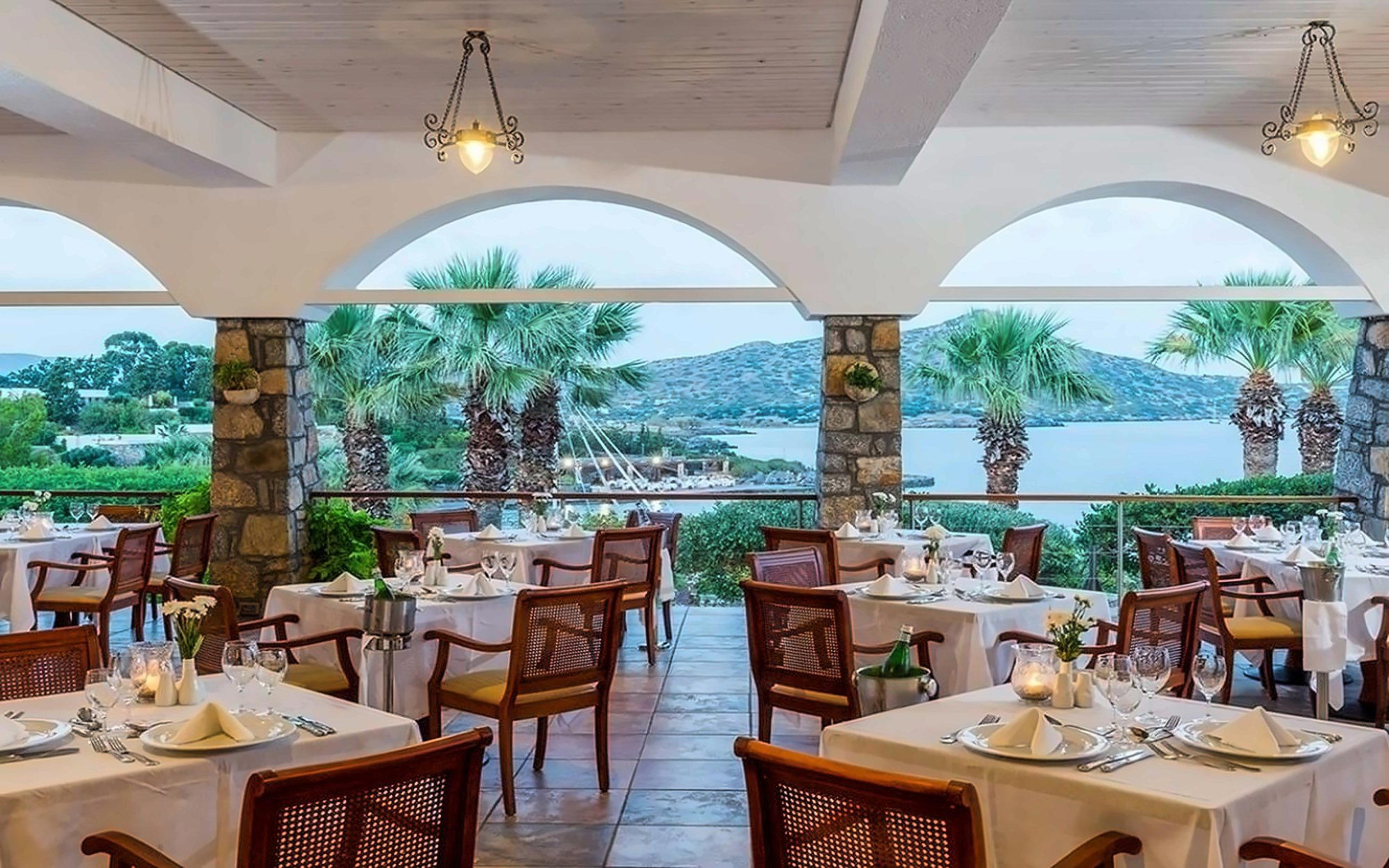
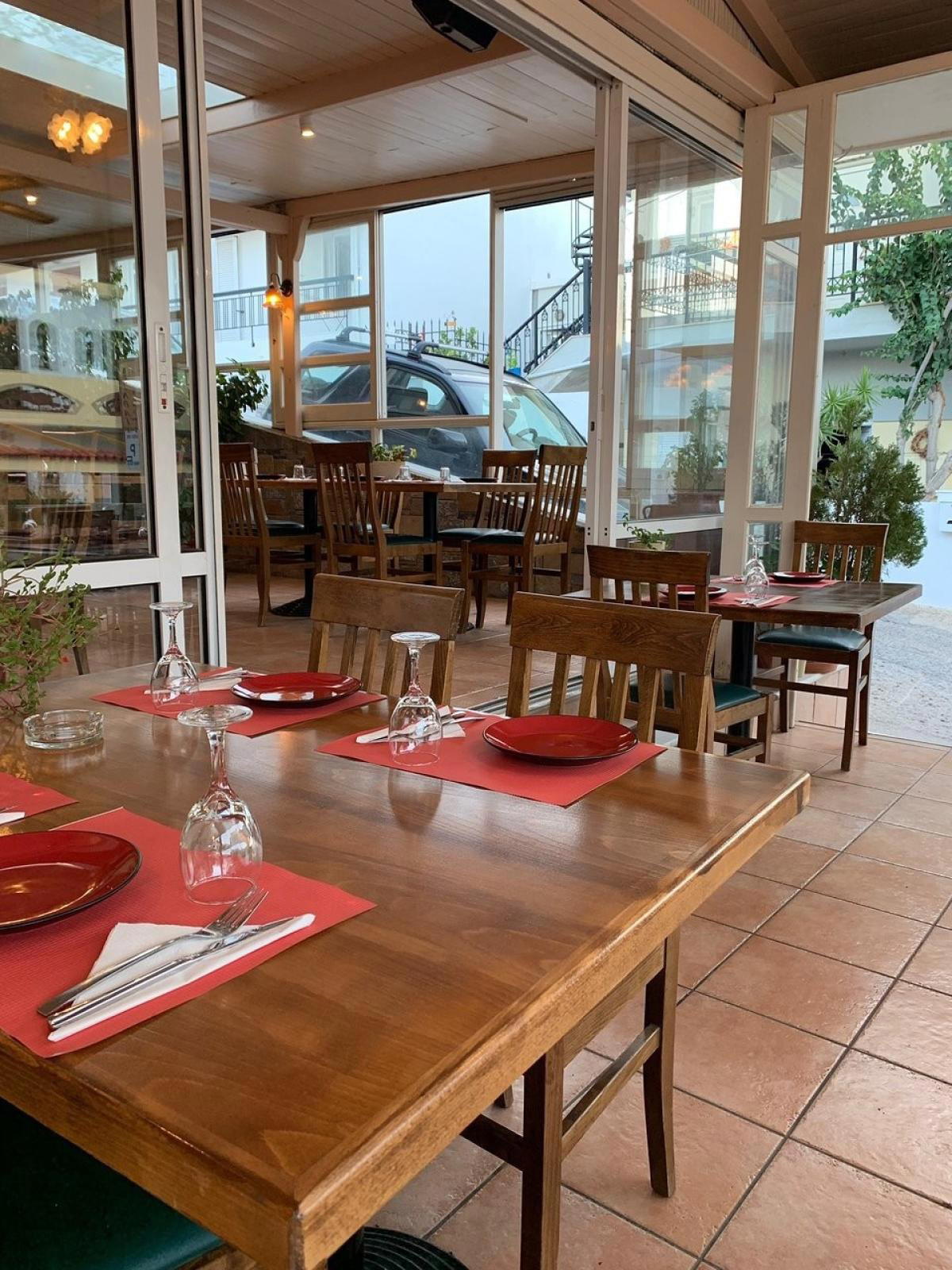
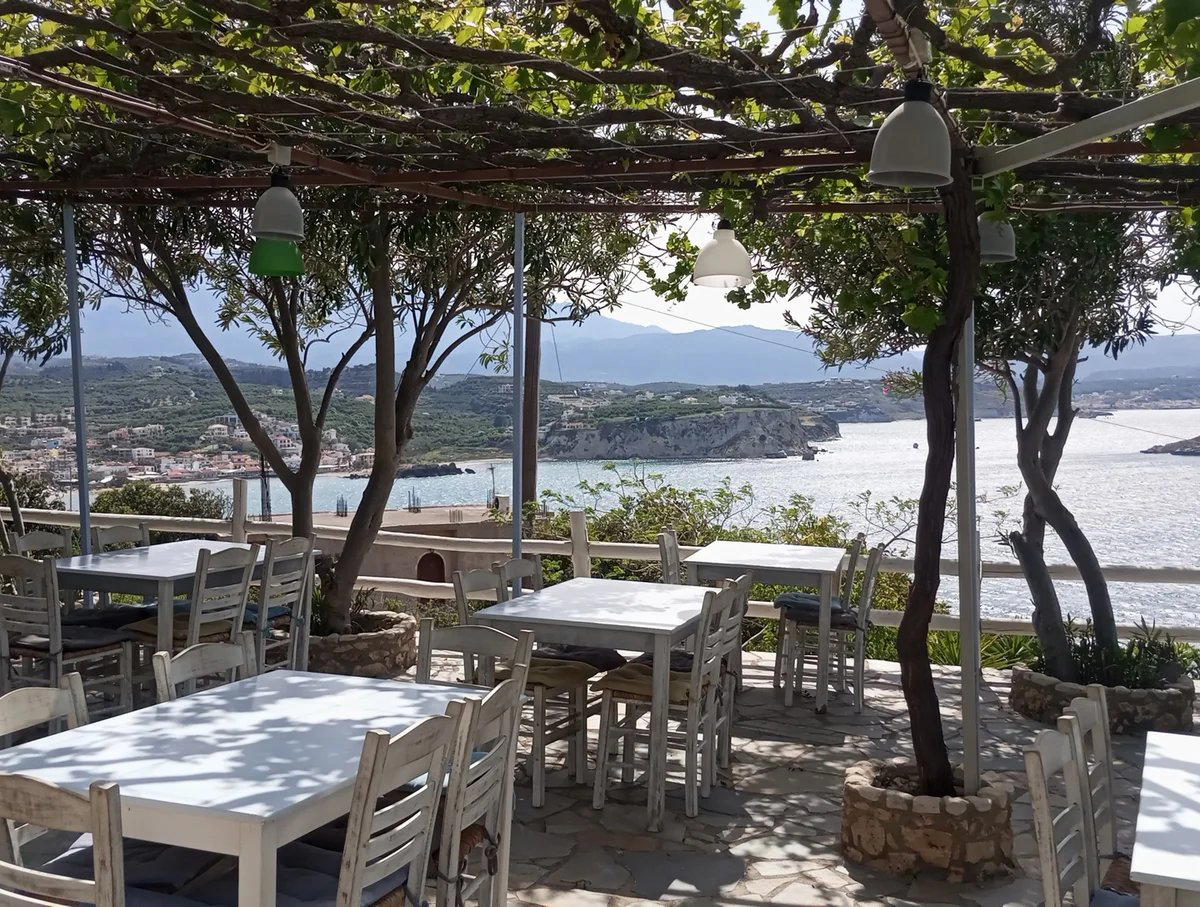
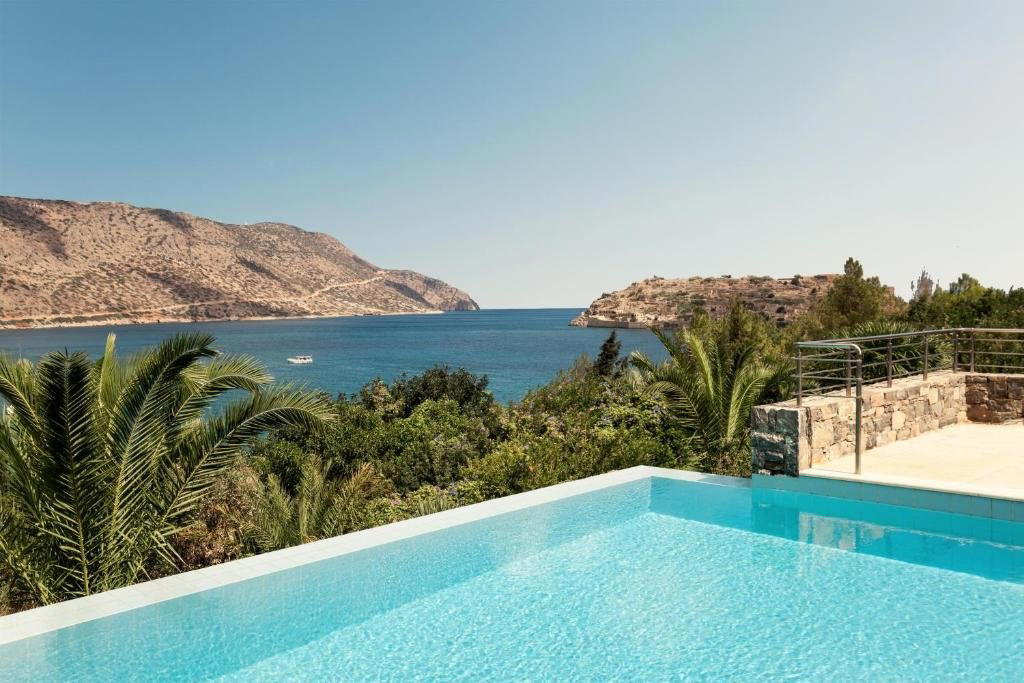
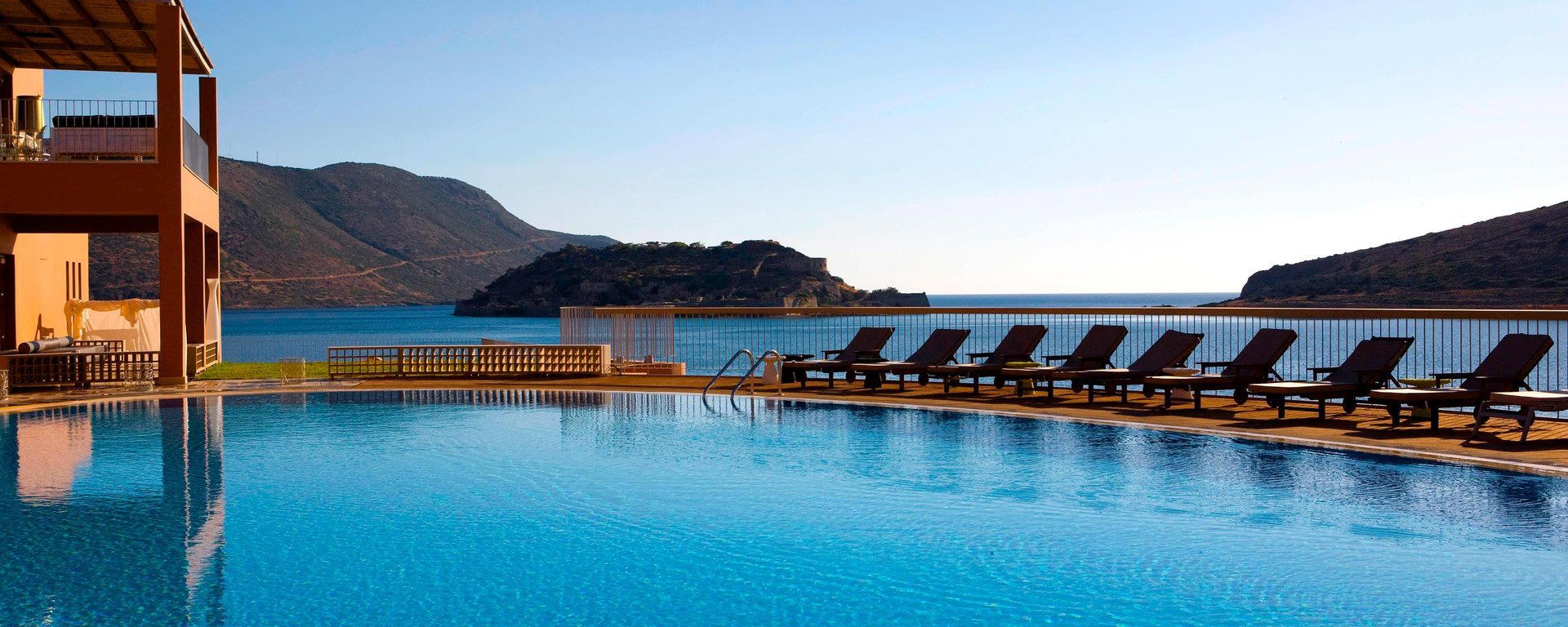
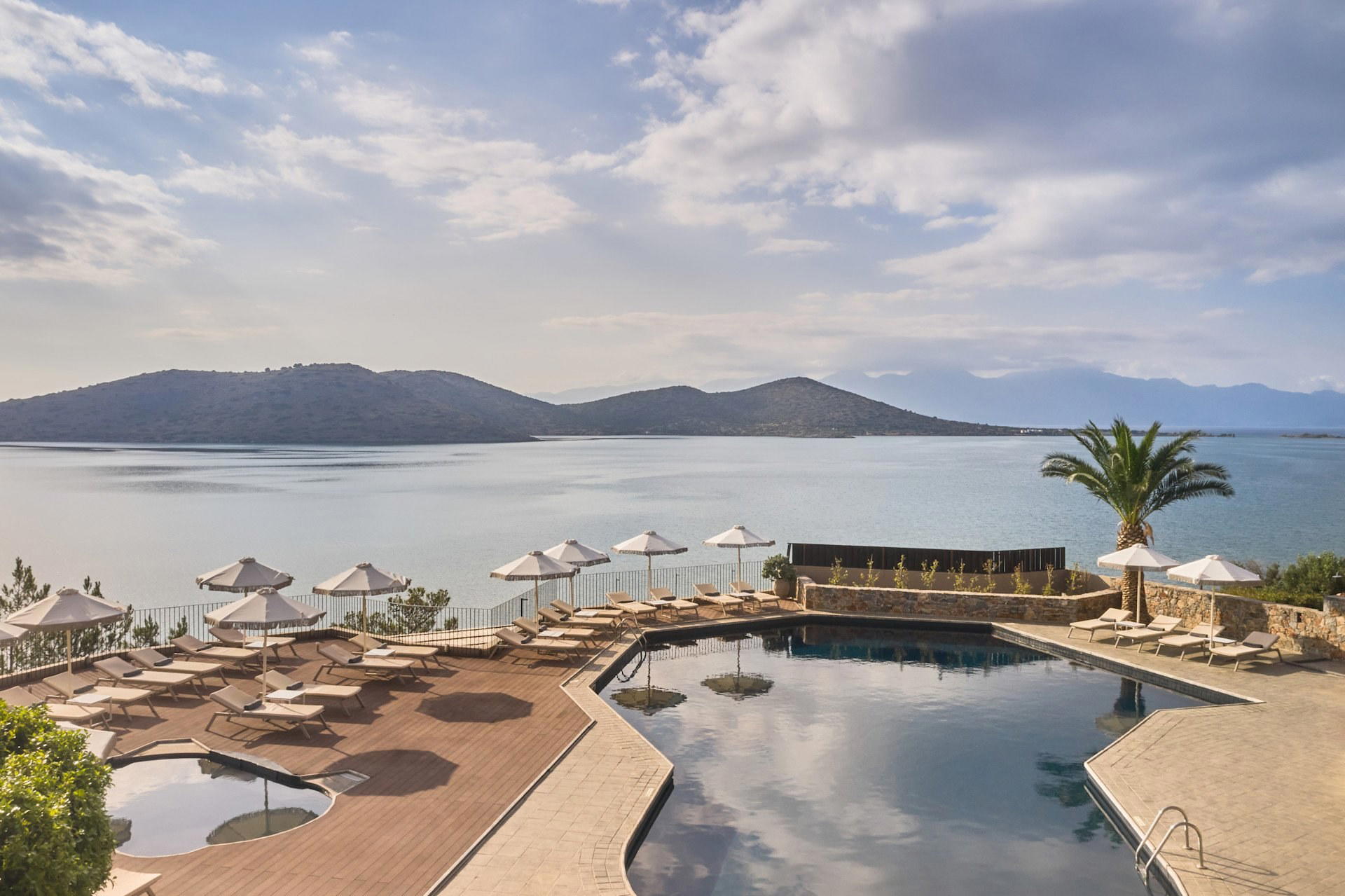
Relaxed, friendly, and traditionally Greek, with simple taverna décor and outdoor tables by the sea creating a cozy, romantic yet casual holiday atmosphere.
Know Before You Go
- Reservations
- Walk in friendly
- Dress code
- Casual
- Getting there
- Plaka, Schisma Elountas 720 53, Greece (main restaurant)