Altayaki
Our verdict
Altayaki brings a hotel-restaurant lens to Val-Thorens, a resort where altitude shapes appetite as much as technique. The useful way to read it is through sourcing and setting: mountain dining here depends on produce that can travel well, cook cleanly, and satisfy skiers without turning every meal into the same Savoyard script.

Pearl is the En Primeur Club membership app, where members save venues, book tables and use the concierge.
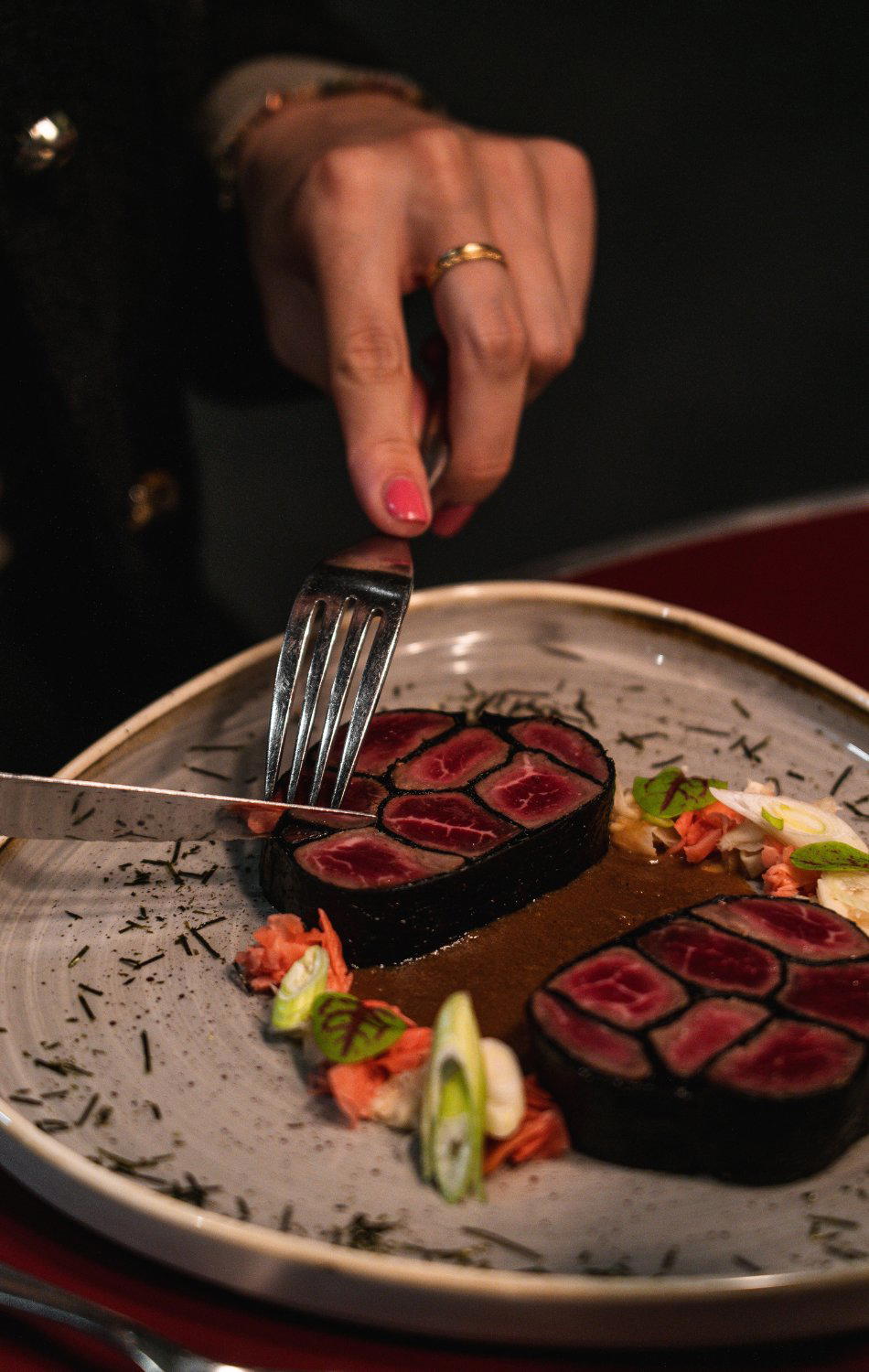
The menu
What to order
- Wagyu beef tataki
- Duck confit gyozas
- Marinated sea bass ceviche
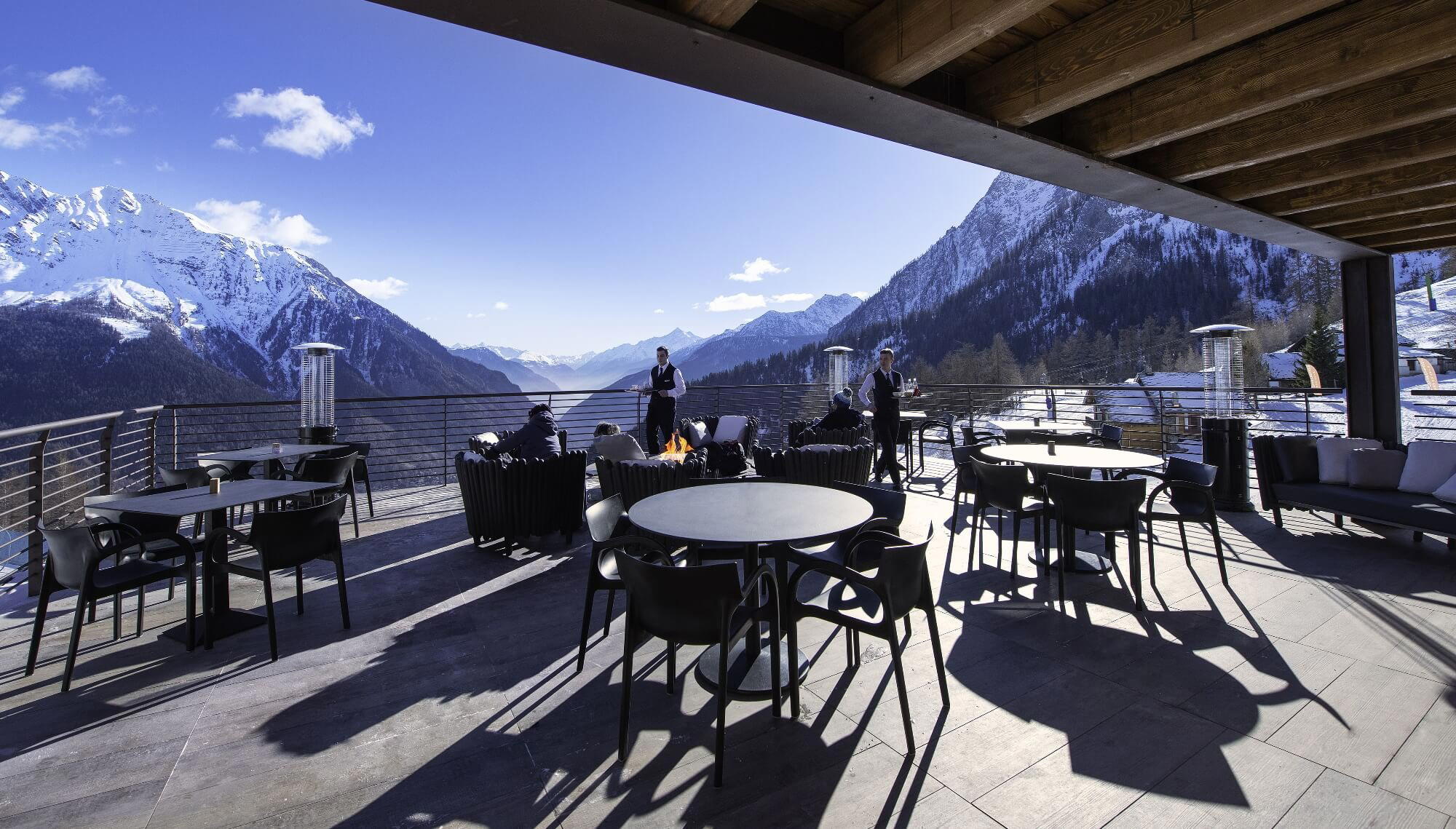
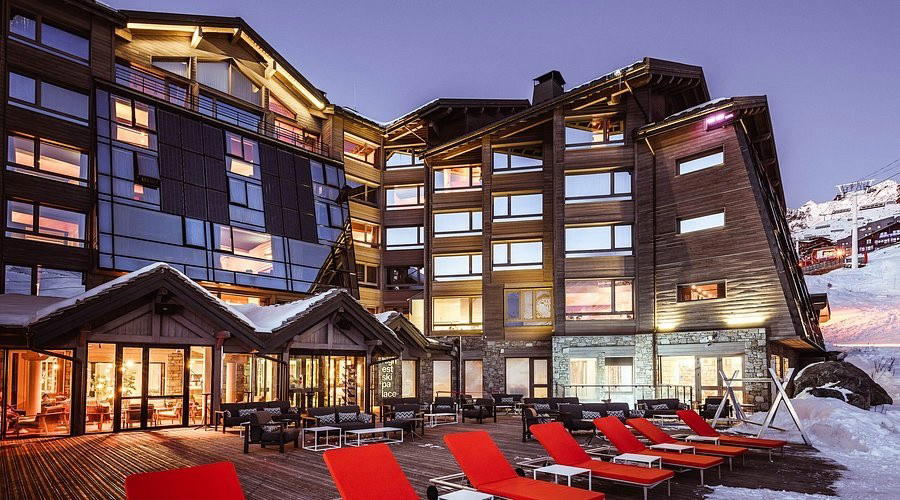
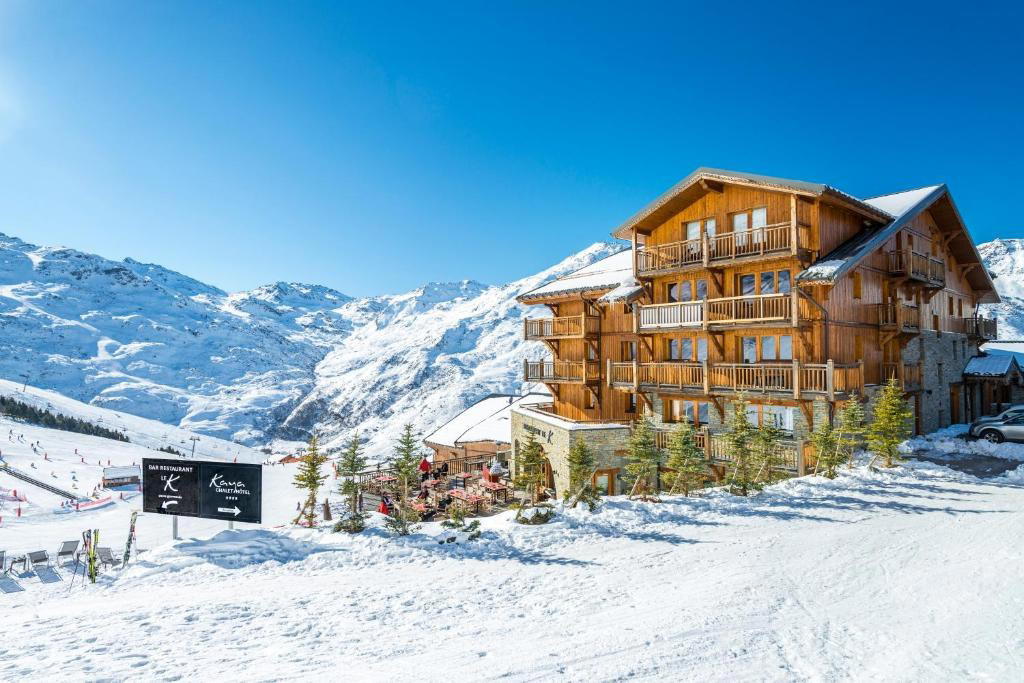
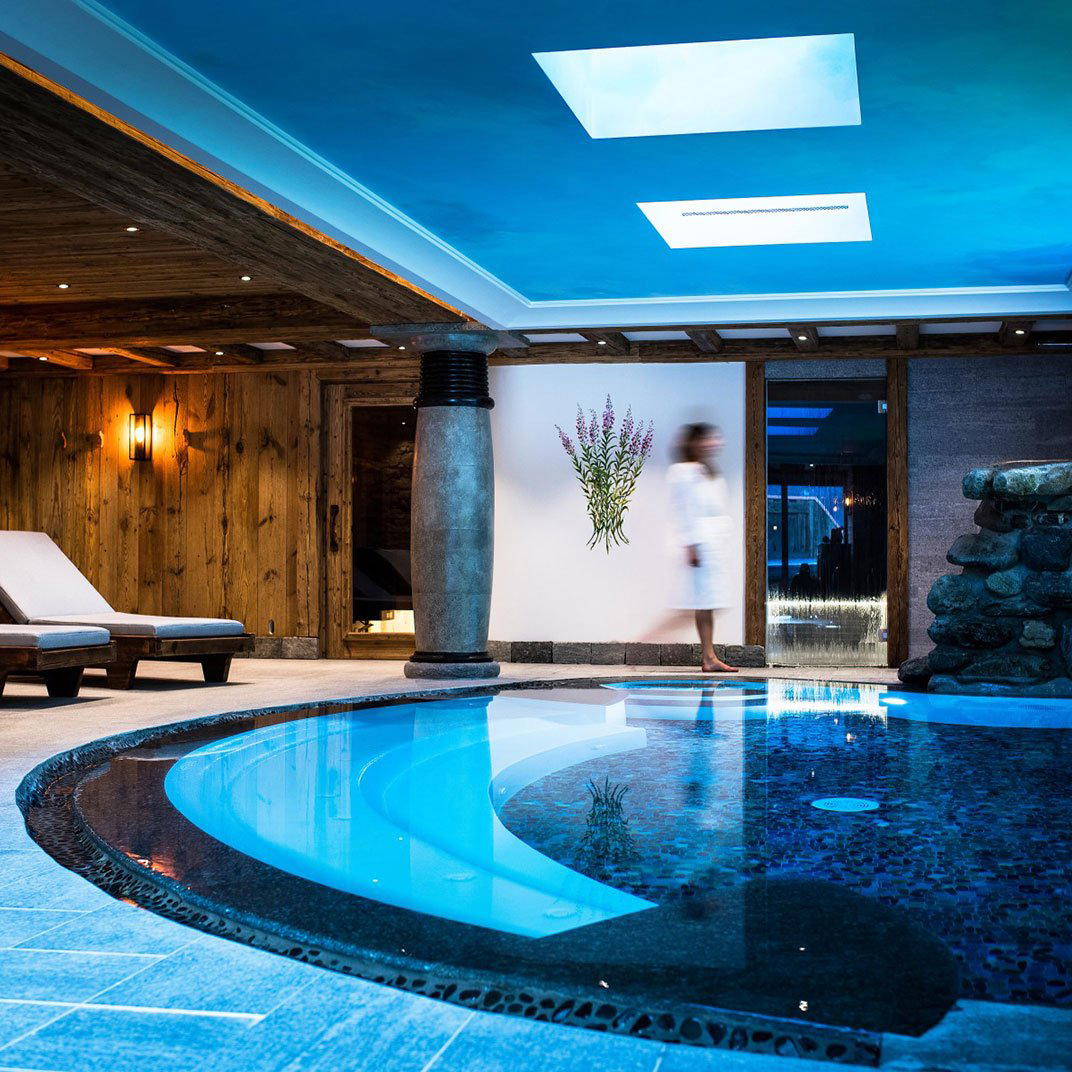
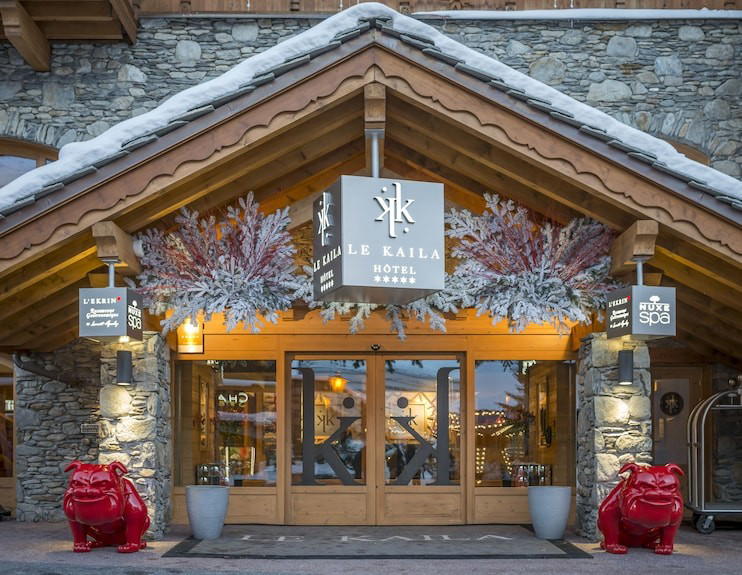
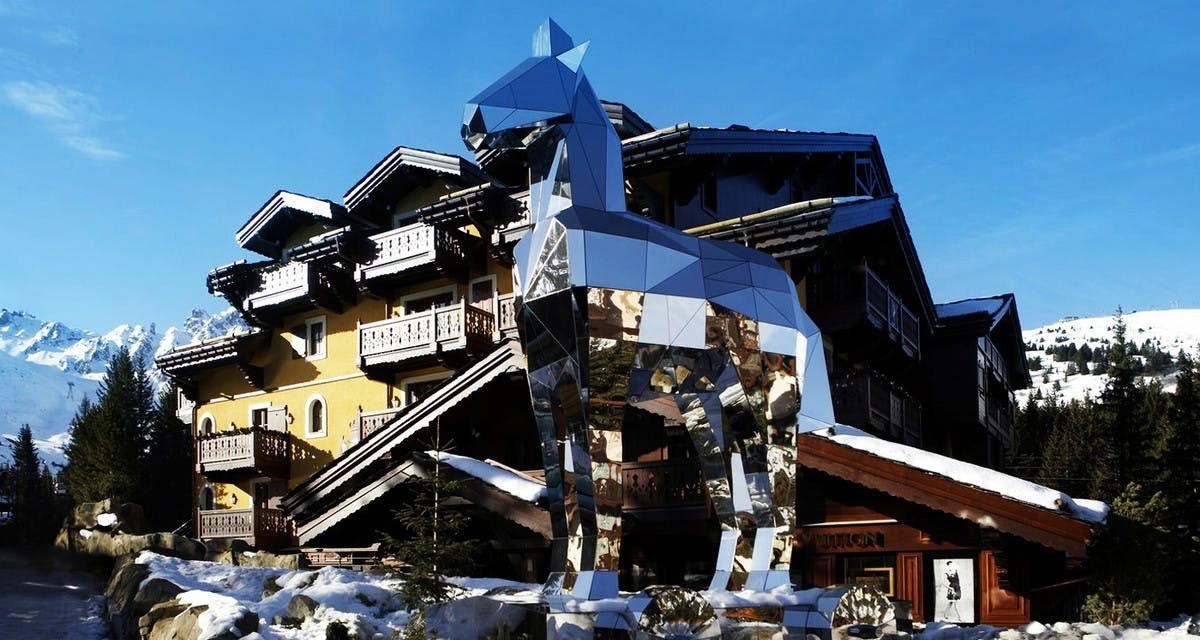
At Val-Thorens altitude, restaurants begin with the elements before they begin with the plate: boot rooms, dry mountain air, snow glare through hotel glass, and the practical appetite that follows a day above the treeline. Altayaki sits inside a hotel in Val-Thorens, which places it in the resort’s more contained style of dining, where the room has to serve guests who may be moving between piste, spa, and dinner rather than crossing town for a long evening.
That matters in Val-Thorens because the resort is not a conventional food city. It is a high-altitude winter machine with a dining culture shaped by logistics: ingredients come up the mountain, service peaks around ski rhythms, and menus need enough comfort to work after cold weather without collapsing into repetition. In that context, sourcing is less romantic than operational. Good mountain cooking depends on ingredients that can hold their character after transport, kitchens that know when to lean into richness, and enough restraint to keep dinner from feeling like fuel.
Mountain sourcing, hotel rhythm, and the Val-Thorens appetite
The sharper restaurants in ski resorts now work against an old assumption: that altitude dining is either rustic chalet cooking or luxury-room formality. Val-Thorens has both, but the more useful middle ground is the place where produce, pacing, and warmth are treated as a system. Altayaki belongs to that conversation because its hotel setting naturally pushes the kitchen toward reliability and repeatable service rather than theatrical destination dining.
Ingredient sourcing in the Alps carries a different meaning from the market culture of larger French cities or coastal regions. Local identity often comes through dairy, cured and preserved elements, mountain herbs, potatoes, mushrooms, and sturdy winter vegetables, while delicate products and certain special-occasion ingredients require a longer supply chain. The better resort kitchens do not pretend otherwise. They build menus around what survives altitude and season with dignity, then use technique to keep the meal from becoming heavy by default.
That distinction is useful when comparing the resort’s range. Le Diamant Noir gives one local reference point, while Les Explorateurs by Pashmina represents another hotel-dining end of town. Casa Alta gives another local reference point for readers mapping Val-Thorens by mood rather than by cuisine label. Against that spread, Altayaki reads as a hotel-based address to judge on execution, ingredient handling, and whether the meal fits the resort’s tempo.
How to read a high-altitude dinner without the brochure language
Val-Thorens rewards diners who think in formats. A table that works at sea level may feel slow at altitude after six hours outdoors; a rich menu that sounds comforting at lunch can become blunt at dinner. The sourcing question is therefore not only where ingredients come from, but how intelligently they are used. Alpine dairy can give depth, preserved and cured elements can sharpen a plate, and grilled or roasted preparations often make sense in rooms serving cold-weather appetites. Precision matters because the margin between satisfying and heavy is narrow.
Hotel restaurants in ski resorts also carry an audience mix that independent city restaurants rarely face. Some tables are dressed for a long dinner; others arrive with families, mixed ages, and a lower tolerance for ceremony. The room has to read the night quickly. That is why service style, pacing, and menu flexibility matter as much as any chef biography, especially when public detail on personnel is not part of the restaurant’s identity.
The stronger editorial comparison is with other mountain and resort dining, not with urban tasting-menu culture. Readers planning a broader French itinerary can see the contrast in other alpine dining rooms, where mountain context also shapes expectations. For a city counterpoint, other French restaurants show how dining changes when supply chains, guest rhythm, and local identity are less compressed by snow season.
Where it fits in a Val-Thorens plan
Altayaki is useful for travellers who want a restaurant shaped by the mountain rather than a meal detached from it. The setting inside a hotel makes it especially relevant for diners prioritising convenience, weather protection, and a room built around resort movement. It is not best understood through awards-chase language; it is better read as part of Val-Thorens’ practical dining network, where ingredient handling and service discipline matter more than grand claims.
For planning, build the meal around the day’s energy. A long ski day usually calls for earlier decisions, especially in peak winter weeks when hotel dining rooms absorb both resident guests and outside tables. Families should judge the fit by appetite and pacing rather than by formality alone. Couples and small groups will get more from the room if they treat it as a grounded resort dinner, not a city-style destination tasting.
For wider context, use Our full Val-Thorens restaurants guide alongside Our full Val-Thorens hotels guide, Our full Val-Thorens bars guide, Our full Val-Thorens wineries guide, and Our full Val-Thorens experiences guide. For contrast beyond the Alps, compare how place changes the table at other coastal, countryside, city, and international dining rooms. The lesson is consistent: setting is never background in a serious meal. In Val-Thorens, altitude is part of the ingredient list.
Frequently asked questions
Does Altayaki work for a family meal?
Yes, the hotel setting in Val-Thorens makes Altayaki an easy option for a family dinner without extra logistics. The setting suits mixed-age groups who want to eat within the resort’s winter rhythm.
What's the vibe at Altayaki?
It reads as a hotel-based dining room in Val-Thorens rather than a stand-alone destination room. The setting inside the hotel points to a practical atmosphere shaped by winter resort rhythms.
What part of town is Altayaki in?
Val-Thorens.
Should I book Altayaki in advance?
A table is sensible to arrange ahead of time, especially because Altayaki sits inside a hotel in Val-Thorens and serves a ski-resort crowd. That matters most during peak winter periods, when hotel restaurants fill around the evening return from the mountain.
Comparison Snapshot
Comparable venues by cuisine and price in the same metro.
| Venue | Cuisine | Price | Awards | Notes |
|---|---|---|---|---|
| AltayakiThis venue (the venue you are viewing) | Asian Fusion | $50–100 | Not listed | Not listed |
| Casa Alta | Modern Italian–Alpine (Transalpine) restaurant | $50–100 | Not listed | Not listed |
| Le Diamant Noir | Modern French Fine Dining with Brittany-Savoie-Périgord Fusion | $100–150 | Michelin Plate | Modern Cuisine |
Continue exploring
More in Val-Thorens
Restaurants in Val-Thorens
All restaurants in Val-Thorens →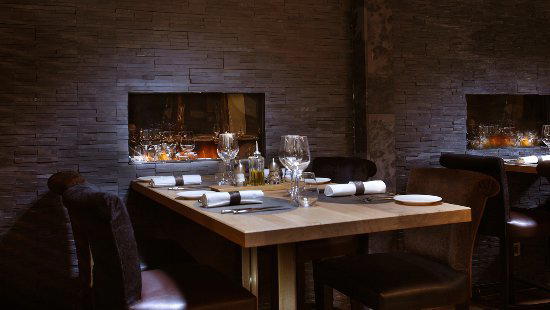
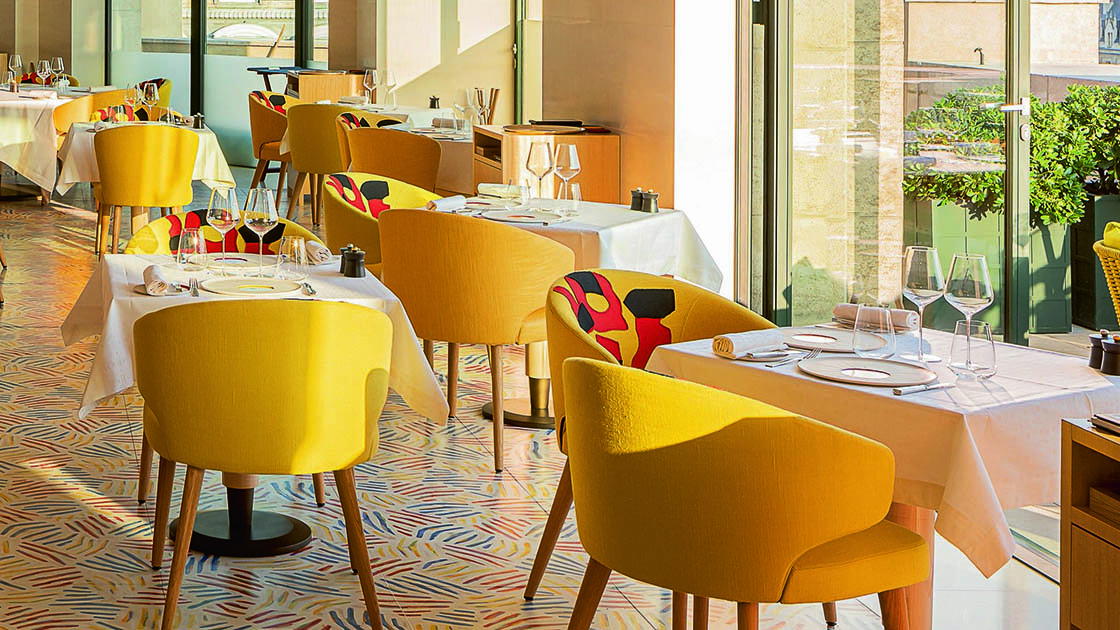
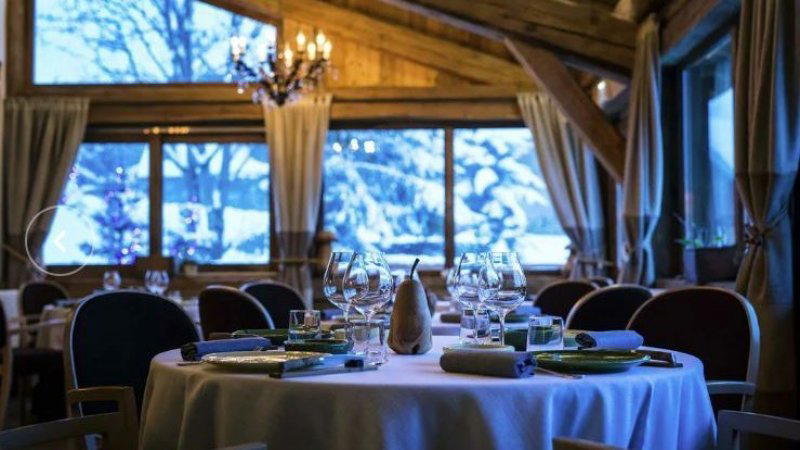
Bars in Val-Thorens
Browse all →
Details
- Modern
- Elegant
- Cozy
- Sophisticated
- Group Dining
- Special Occasion
- Casual Hangout
- Hotel Restaurant
- Sake Program
- Local Sourcing
- Mountain
- Small Plates
- A La Carte
- Sake
- Pescatarian Friendly
Warm, contemporary, and elegant, with a convivial sharing-focused atmosphere and a refined fusion concept.