Our verdict
Alarga belongs to the quieter side of Bodrum dining, away from the peninsula’s louder beach-club rhythm and closer to the Aegean habit of long meals shaped by seafood, meze, herbs, and open-air conversation. Public details on format, chef, awards, and pricing are sparse, so the useful frame is cultural rather than trophy-led: read it as part of Bodrum’s coastal table rather than as a destination tasting-menu address.

Pearl is the En Primeur Club membership app — saves, bookings, and concierge access live there. Same editors, same standards.
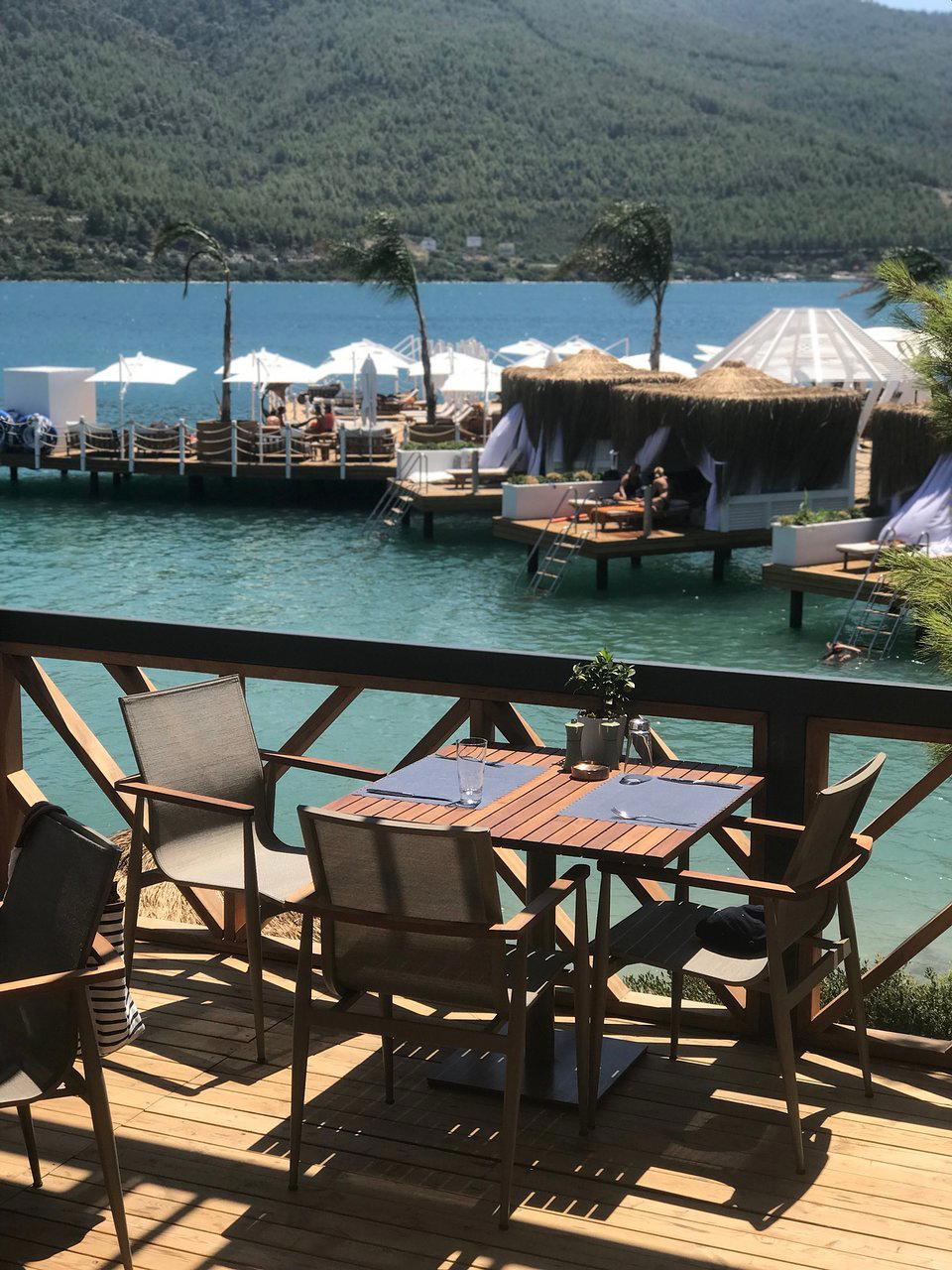
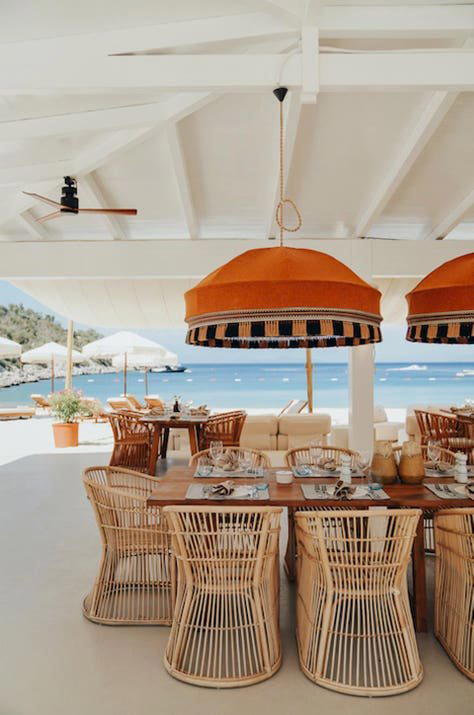
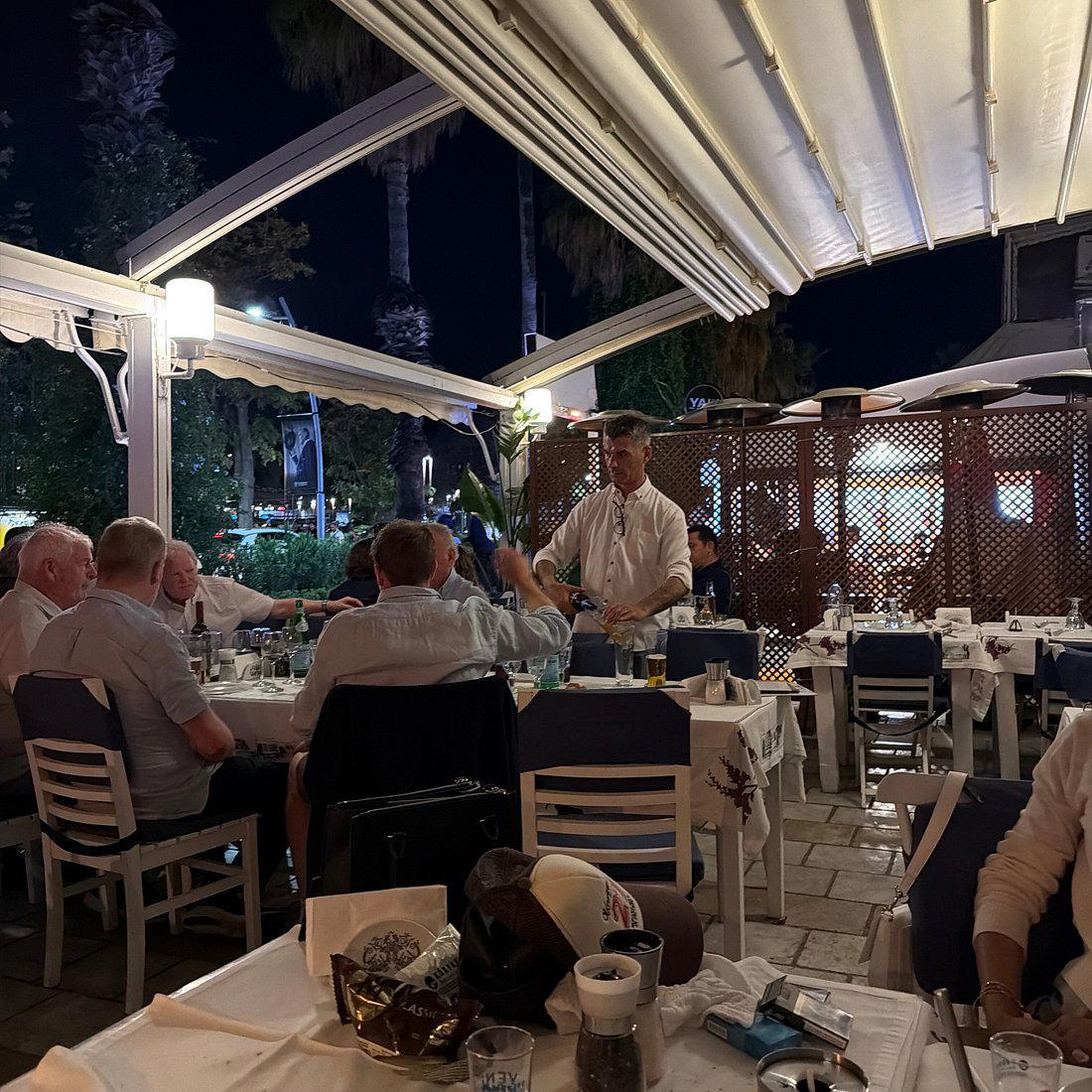
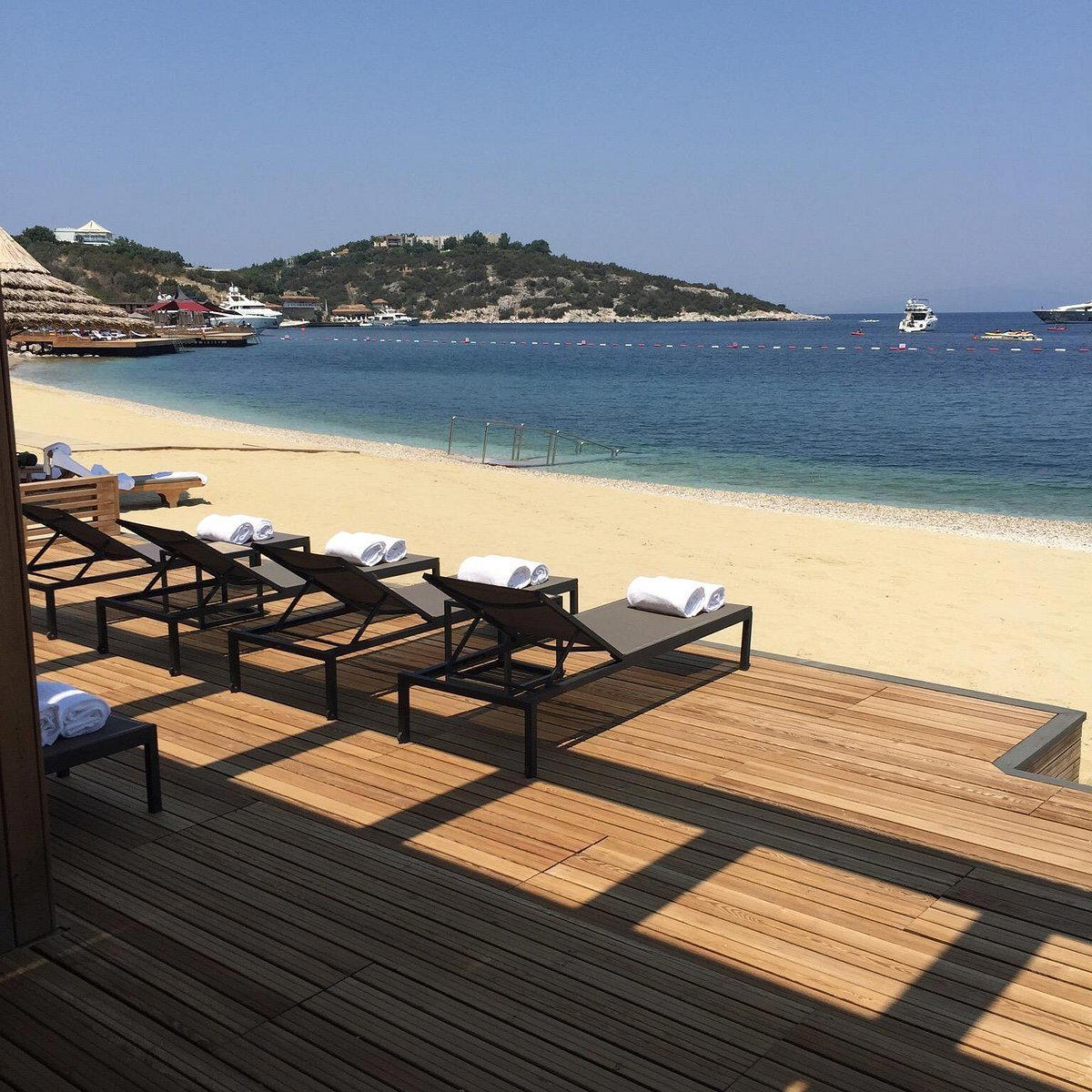
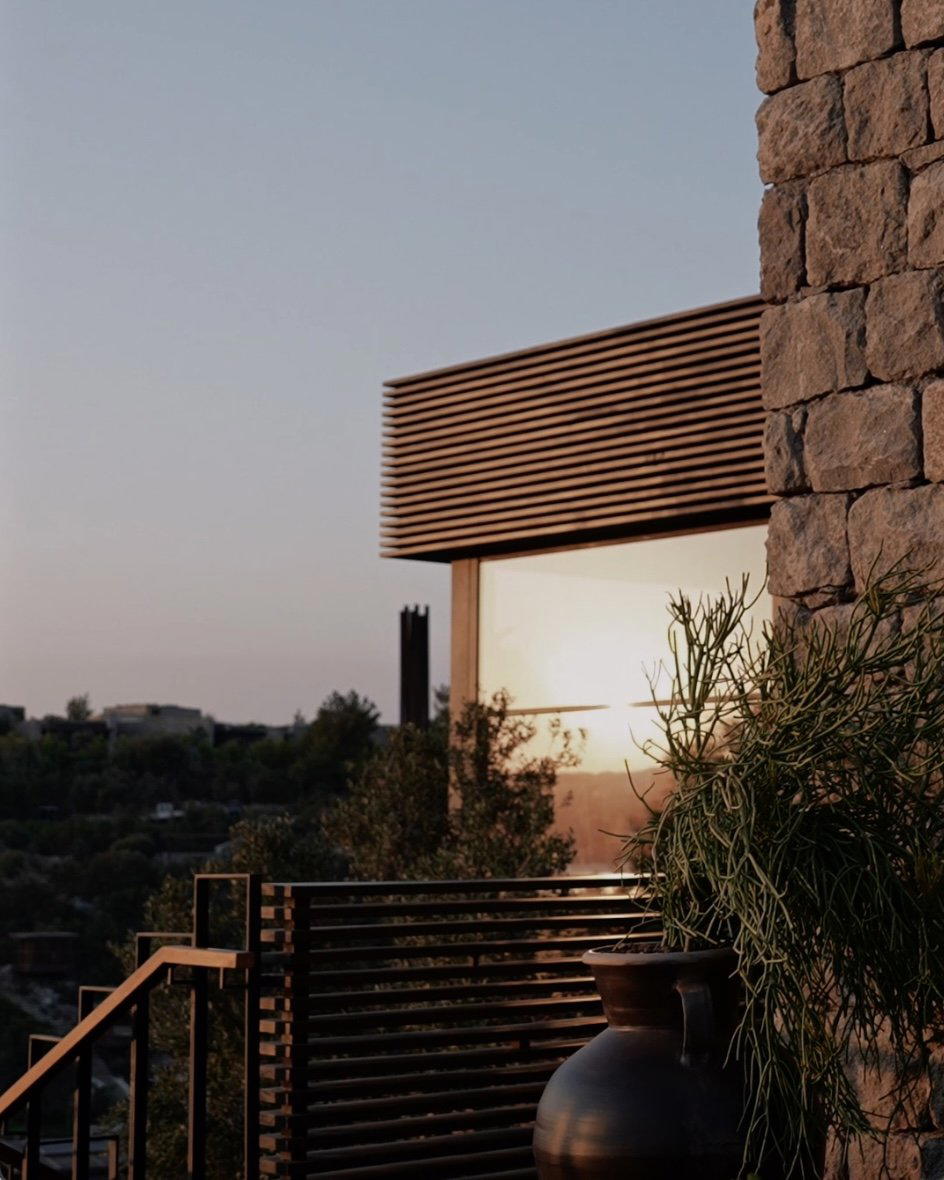
Approaching a restaurant on the Bodrum peninsula is rarely a neutral act. The road, the slope, the air off the gulf, and the shift from daytime heat into evening service all shape the meal before a menu appears. Alarga sits in that coastal grammar: Bodrum dining is as much about timing and setting as it is about the plate, with the local table often built around shared dishes, olive oil, herbs, and the slow social pace that defines summer on this stretch of Muğla.
The peninsula’s restaurant culture has split into several lanes. There are resort dining rooms attached to high-service hotels, marina-facing addresses built around visibility, casual local places where repetition matters, and quieter coastal restaurants that work better as part of an evening than as a trophy booking. Alarga belongs in that last conversation. Rather than treating it as a formal fine-dining apparatus, the editorial read is simpler: the draw is Bodrum’s long-running habit of turning dinner into a coastal ritual.
Bodrum's Aegean table is the real context
The useful way to understand this address is through the food culture around it. In Bodrum, the most convincing meals often follow an Aegean structure: cold starters, olive-oil vegetables, grilled dishes, herbs that speak to the hills behind the coast, and a tempo that assumes the table is staying for a while. This is not the same dining logic as Istanbul’s grand rooms or the tasting-menu circuit. The peninsula rewards restaurants that understand leisure without collapsing into performance.
That distinction matters because Bodrum attracts two different audiences in the same season. One wants international polish, late-night energy, and a room that photographs well. The other wants a meal that feels anchored to place, even when the format is contemporary. Alarga reads closer to the second impulse. It should be judged less by spectacle and more by whether the evening carries the rhythm of the coast: shared plates, unhurried pacing, and a setting that lets the Aegean do some of the work.
For readers mapping the wider scene, the comparison is not only between restaurants but between moods. Asma sits within the same Bodrum conversation, while names such as Gugu, Shibori, Sorriso, and Mandalya point to how broad the peninsula’s dining field has become, from local formats to more contemporary idioms. Alarga’s relevance is that it reinforces the coastal end of that spectrum rather than chasing a metropolitan dining script.
A quieter counterpoint to resort dining
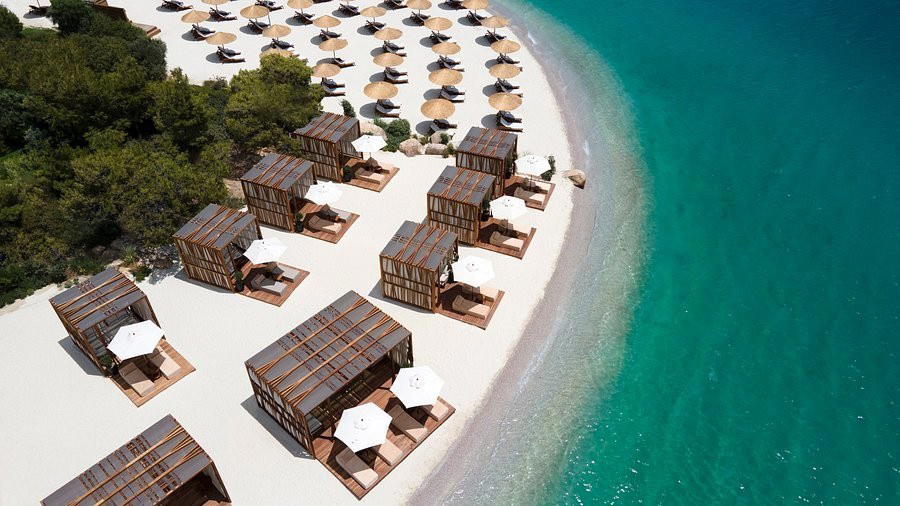
Bodrum’s luxury hotels have changed expectations on the peninsula. High-touch service, polished resort formats, and a more international summer crowd now sit beside older Aegean dining traditions. That has created a useful tension. A restaurant does not need to be understood only through tasting menus or award narratives to matter here; it needs a reason to exist in a city where setting, season, and the social length of dinner carry unusual weight.
Alarga’s position is strongest for travellers who are not trying to compress Bodrum into a checklist of acclaimed rooms. It suits the kind of evening where the meal is part of the peninsula’s broader cadence rather than the sole event. In practical terms, that means approaching it as a coastal dinner in Bodrum, not simply as a chef-profile address or a rigid fine-dining format.
The surrounding choices help sharpen that decision. Travellers wanting hotel-linked dining, polished international rooms, or a more clearly defined cuisine brief have plenty of other Bodrum dining rooms to compare, while broader local nights are better benchmarked against the wider peninsula rather than a single category. For a wider scan of the city’s restaurants, Our full Bodrum restaurants guide is the more efficient starting point.
How to place it within a Turkish itinerary
Turkey’s strongest dining itineraries work when they avoid treating every city the same. Istanbul gives scale, history, late-night dining, and urban glamour through its larger restaurant scene. Antalya and the southwest offer a different register, with regional coastal cooking changing along the shore and giving travellers another way to read the country through place.
Bodrum’s role is narrower but highly specific: it is a peninsula of long dinners, late sunsets, and meals that often depend on context more than ceremony. That is where Alarga makes sense. It is better read as a localised coastal stop within a broader trip that may also include other Turkish dining rooms or, outside Turkey altogether, contrasting casual formats in other cities.
For planning around the meal, Bodrum is better treated as a full-day destination rather than a single reservation. Pair the restaurant research with Our full Bodrum hotels guide, then decide whether the evening needs a bar, a vineyard stop, or a cultural add-on through Our full Bodrum bars guide, Our full Bodrum wineries guide, and Our full Bodrum experiences guide. The stronger Bodrum nights are planned by geography and mood, not by chasing every name in sequence.
The verdict is deliberately restrained. Alarga is for travellers who want Bodrum’s Aegean rhythm to lead the evening: coastal atmosphere, shared-table instincts, and a quieter alternative to resort-forward dining. Readers prioritising named chef credentials, published pricing, or a clearly defined tasting format should choose the address that best matches those needs. Readers building a peninsula itinerary around setting and local dining culture will understand why it belongs on the map.
Frequently asked questions
Would Alarga be comfortable with kids?
Alarga’s location in Bodrum suggests a destination-style stop rather than a casual family room. Families with kids can likely manage it, but the setting reads more suited to a quieter meal than a high-energy one.
What is the atmosphere like at Alarga?
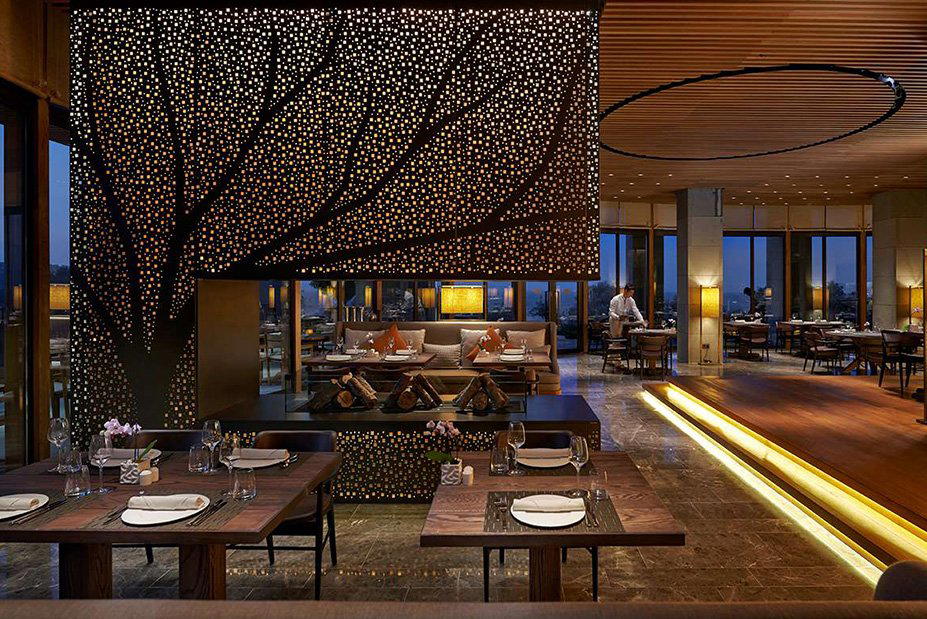
The Bodrum setting places Alarga in a peninsula dining context shaped by resort travel and destination meals. It reads as a more deliberate evening choice than a quick, casual stop.
Where is Alarga in Bodrum?
Bodrum.
Should I book Alarga in advance?
Advance booking is sensible for Alarga in Bodrum. Destination-style addresses on the peninsula often work better with a reservation than a spontaneous arrival.
A Pricing-First Comparison
Side-by-side context: comparable cuisine and price.
| Venue | Cuisine | Price | Awards |
|---|---|---|---|
| AlargaThis venue — the venue you are viewing | Modern Turkish Seafood | Not listed | Not listed |
| Asma | Modern Anatolian Turkish | $50–100 | Not listed |
| Gugu | Upscale Seafood and Teppanyaki | Not listed | Not listed |
| Shibori | Modern Asian Sushi and Robata | Not listed | Not listed |
| Sorriso | Italian Fine Dining | Not listed | Not listed |
| Mandalya | Mediterranean Seafood | Not listed | Michelin Bib Gourmand |
Continue exploring
More in Bodrum
Restaurants in Bodrum
All restaurants in Bodrum →
Bars in Bodrum
All bars in Bodrum →
Details
- Modern
- Elegant
- Sophisticated
- Family
- Group Dining
- Special Occasion
- Hotel Restaurant
- Extensive Wine List
- Craft Cocktails
- Local Sourcing
- Waterfront
- A La Carte
- Wine
- Cocktails
- Beer
- Pescatarian Friendly
Artful, joy-forward resort restaurant setting with a lush atmosphere and an emphasis on locally inspired Bodrum flavors.