Akira Back
Our verdict
Akira Back sits in Playa San Juan, in Guía de Isora, where resort dining meets Tenerife’s Atlantic pantry. The useful lens here is sourcing: island fish, volcanic-soil produce and imported luxury ingredients create a sharper test than décor or branding alone.

Pearl is the En Primeur Club membership app, where members save venues, book tables and use the concierge.
The menu
What to order
- AB Tuna Pizza
- Wagyu Tacos
- Tasting Menu
Approaching Guía de Isora, the dining mood changes before the menu appears. Guía de Isora is not a capital-city restaurant circuit and not the busiest beach-club strip of the south; it is quieter, more resort-led, with the Atlantic close enough to shape expectations. In this setting, Akira Back belongs to a category that has become increasingly visible in luxury hotels: internationally framed cooking judged against a local pantry that can be unforgiving when treated as backdrop.
The restaurant’s Guía de Isora setting places it in a part of the island where dinner often carries two pressures at once. Visitors want polish, timing and a sense of occasion. The island itself supplies a different demand: fish from surrounding waters, potatoes and vegetables from volcanic ground, cheeses from the Canaries, citrus, herbs and fruit that do not need theatrical handling. The more interesting question is not whether a restaurant feels international, but whether it can let Tenerife register on the plate without reducing the island to garnish.
Atlantic produce changes the terms of luxury dining in Guía de Isora
On Tenerife, ingredient sourcing is not a soft lifestyle detail. It determines whether a high-spend dinner feels connected to place or interchangeable with any warm-weather resort. Guía de Isora has access to seafood culture, while inland agriculture gives kitchens a second vocabulary: earthy tubers, goat cheeses, tropical fruit, herbs and wines shaped by altitude and volcanic soils. Restaurants working at this tier have to decide how much of that material to foreground and how much to treat the island as a stage for a broader international format.
Akira Back is interesting because it sits inside that tension rather than outside it. The name signals a global restaurant language, but Guía de Isora changes the reading. Here, imported luxury is less persuasive when it overwhelms the Atlantic context; precision matters, but so does restraint. A fish-led dish in Tenerife carries different expectations from the same category in a large mainland city, because the coastline is not conceptual. It is part of the meal’s credibility.
That sourcing question also explains why the area’s restaurant set feels more varied than its size suggests. M.B operates in a more formal register, while Melvin by Martin Berasategui frames polished hotel dining through a different lens. Other Guía de Isora dining rooms point to another local pattern: sea views and island produce remain central reference points, even when the cooking style shifts.
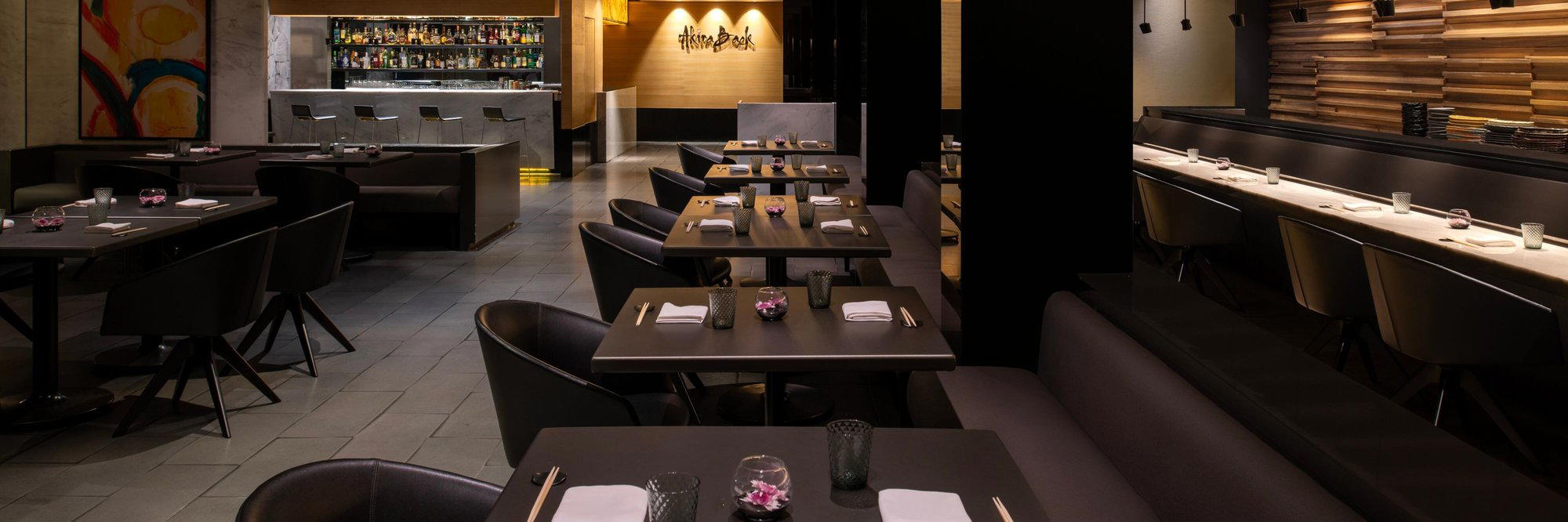
The room belongs to the resort era, but the test is restraint
Guía de Isora’s dining economy is shaped by destination hotels, and that has consequences. Service tends to be more choreographed than in urban neighbourhood restaurants; menus are expected to read clearly to international guests; the room often has to work for celebrations, hotel residents and diners crossing the island for a single booking. This does not make the cooking less serious. It raises the risk of over-design.
The stronger version of this format keeps the plate disciplined. Tenerife does not need imported drama to feel specific. Local seafood, island vegetables and Canarian wines can carry enough identity when a kitchen gives them space. The weaker version of resort dining tries to prove luxury through accumulation: too many accents, too much sweetness, too much explanation. The better editorial reading of Akira Back is therefore not as a standalone spectacle, but as part of a larger shift in Spanish island dining, where global restaurant brands are being tested by regional ingredients with their own authority.
For travellers building a food-led stay, the restaurant makes more sense when placed in a wider Guía de Isora plan rather than treated as an isolated dinner. The practical choice is whether to spend one evening on an international-format meal and another on a more explicitly local or terrace-led address. The broader map is useful here: Our full Guía de Isora restaurants guide gives the restaurant context, while Our full Guía de Isora hotels guide, Our full Guía de Isora bars guide, Our full Guía de Isora wineries guide and Our full Guía de Isora experiences guide help separate dinner from the rest of the trip.
How it fits into Spain's wider dining map
Spain’s high-end dining culture is now less centralized than it was a generation ago. Madrid and Barcelona remain gravity points, but the more revealing comparisons often come from smaller cities, coastal resorts and wine regions where the local pantry does harder work. A dinner in Guía de Isora should not be judged by capital-city energy; it should be judged by how intelligently it translates island materials into a polished format.
That distinction matters when comparing across the country. Urban dining rooms sit in a different rhythm, while port-city restaurants belong to seafood cultures with their own expectations. Island luxury can turn theatrical, and wine-country restaurants may lean toward heritage. Smaller-format regional dining underlines the same point: Spain’s local identities are strongest when the cooking listens to place first.
There is also an international reference built into the name, which makes comparisons beyond Spain relevant without turning the restaurant into a copy of another city’s dining culture. Across resort destinations, similar cues can mean different things depending on format, sourcing and audience. In Tenerife, the stronger argument is local: the island pantry should set the pace, and the international frame should sharpen it rather than cover it.
Frequently asked questions
Can I bring kids to Akira Back?
In Guía de Isora, Akira Back sits in a resort-dining setting, so families may find earlier service times the most natural fit. The room reads as a polished dinner venue rather than a late-night bar.
What's the overall feel of Akira Back?
The feel is resort-facing and composed, shaped by its location in Guía de Isora rather than an urban dining street. Expect a polished room where the setting does part of the work and the Guía de Isora context signals destination dining.
Where is Akira Back in Guía de Isora?
Guía de Isora.
How hard is it to get a table at Akira Back?
Destination restaurants in Tenerife’s resort settings usually reward advance planning, especially for prime dinner slots. Akira Back in Guía de Isora fits that pattern, so the most sought-after times are rarely left to chance.
What's the signature at Akira Back?
Akira Back is best approached as a contemporary resort restaurant rather than a place defined by a single named dish. Its identity is tied to the Akira Back name and the Tenerife setting in Guía de Isora.
Do they accommodate allergies at Akira Back?
Restaurants in resort settings often handle allergies through a direct service conversation, and Akira Back’s dining room in Guía de Isora is suited to that kind of planning. Any restrictions are best raised before arrival so the team can advise appropriately.
In Context: Similar Options
Comparable venues by cuisine and price in the same metro.
| Venue | Cuisine | Price | Awards |
|---|---|---|---|
| Akira Back | Japanese-Korean Fusion | $150–200 | Michelin Plate · Star Wine List |
| Tágara Restaurant | Modern Canarian Cuisine | $30–50 | Not listed |
| Melvin by Martin Berasategui | Mediterranean Fine Dining with Basque and Canary Islands Influences | $50–100 | Not listed |
| Verde Mar | Mediterranean Farm-to-Table | $50–100 | Not listed |
| M.B | Modern Spanish Fine Dining | $200–300 | 2 Michelin Stars · La Liste Top Restaurants |
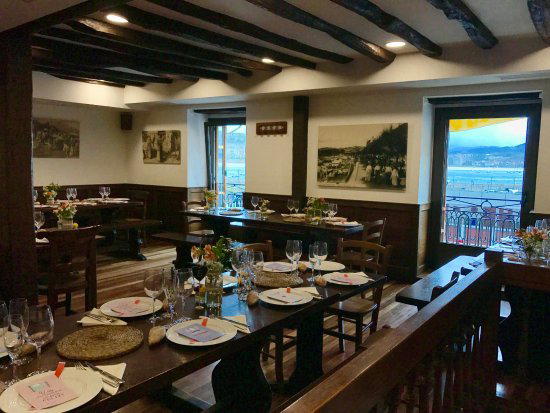
| Txoko | Contemporary Basque Cuisine | $100–150 | Michelin Plate |
Continue exploring
More in Guía de Isora
Restaurants in Guía de Isora
All restaurants in Guía de Isora →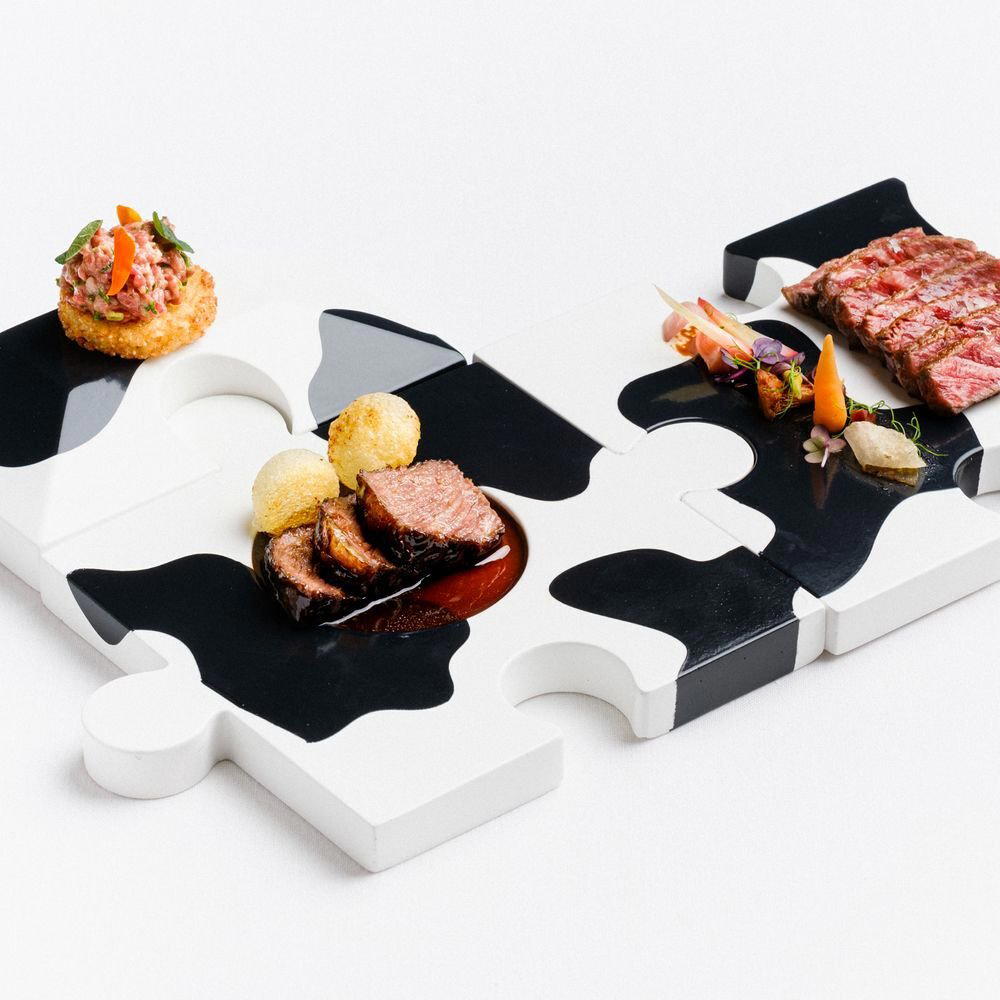


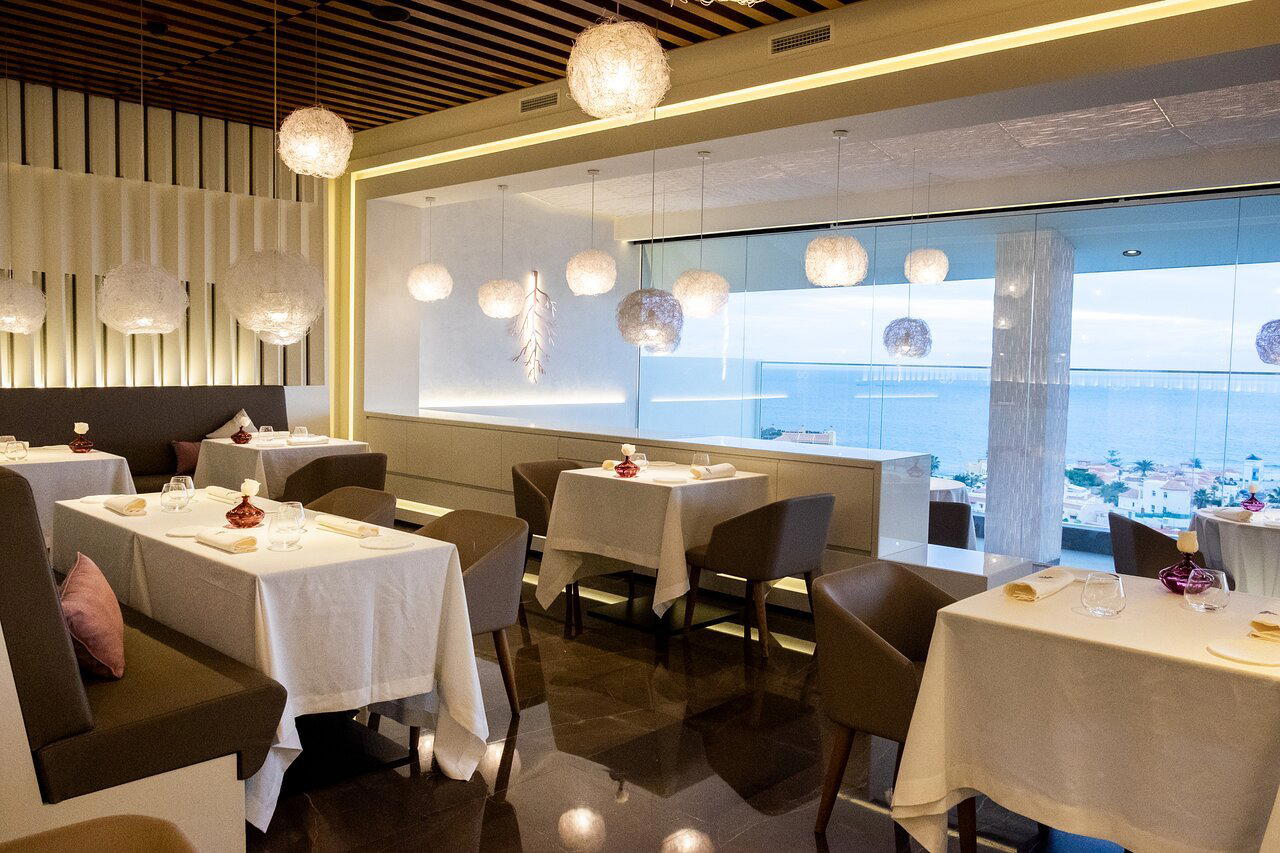
Bars in Guía de Isora
Browse all →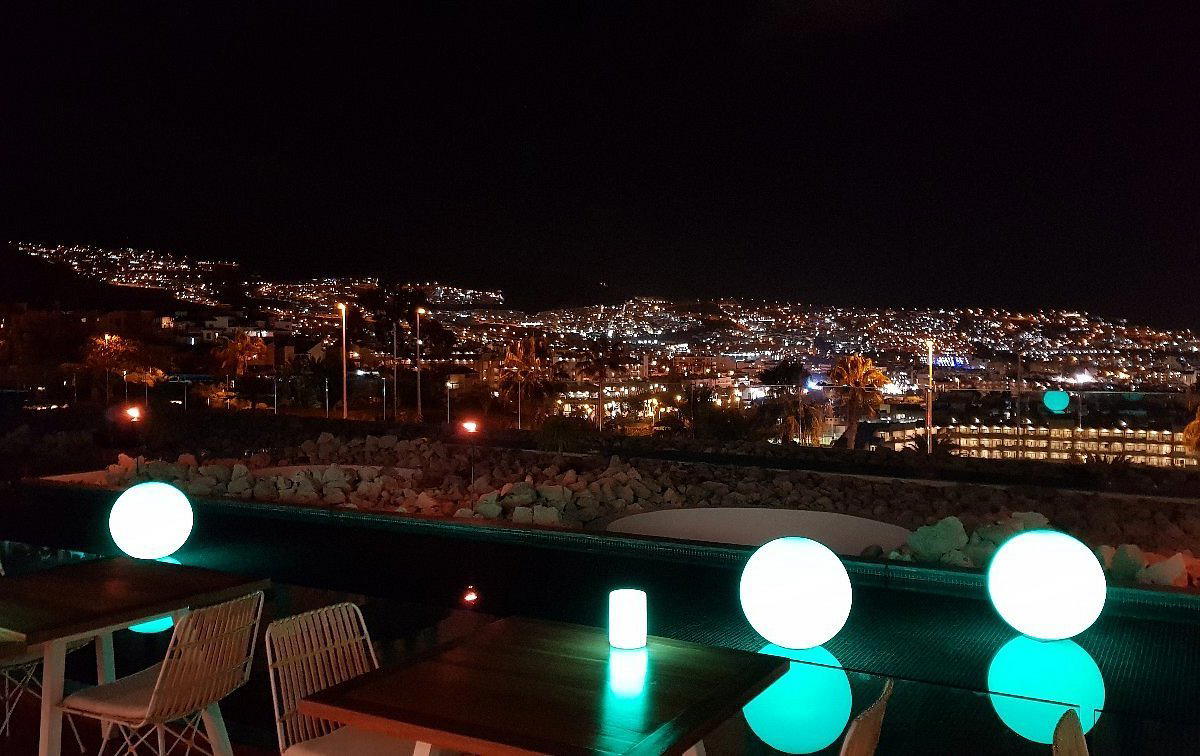
Details
- Modern
- Elegant
- Sophisticated
- Scenic
- Date Night
- Business Dinner
- Celebration
- Special Occasion
- Group Dining
- Private Event
- Waterfront
- Panoramic View
- Terrace
- Design Destination
- Hotel Restaurant
- Private Dining
- Extensive Wine List
- Craft Cocktails
- Local Sourcing
- Waterfront
- Mountain
- Tasting Menu
- A La Carte
- Cocktails
- Wine
- Vegetarian Friendly
Current opening hours
- Monday
- Closed
- Tuesday
- 7–10 PM
- Wednesday
- 7–10 PM
- Thursday
- 7–10 PM
- Friday
- 7–10 PM
- Saturday
- 7–10 PM
- Sunday
- Closed
Hours can change for holidays and private events. Hours as of .
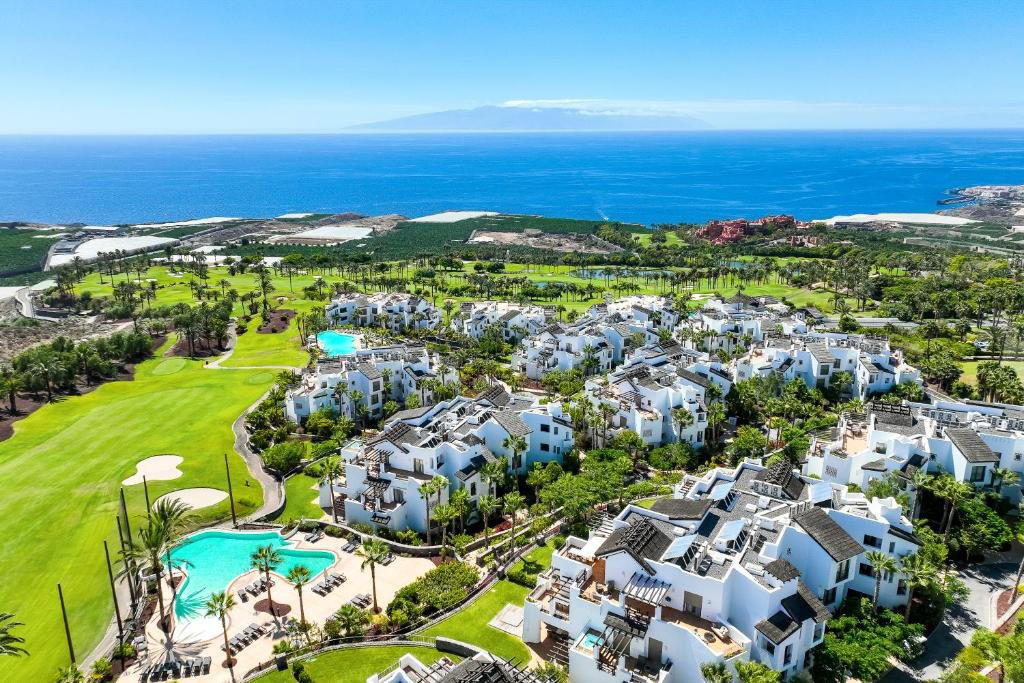
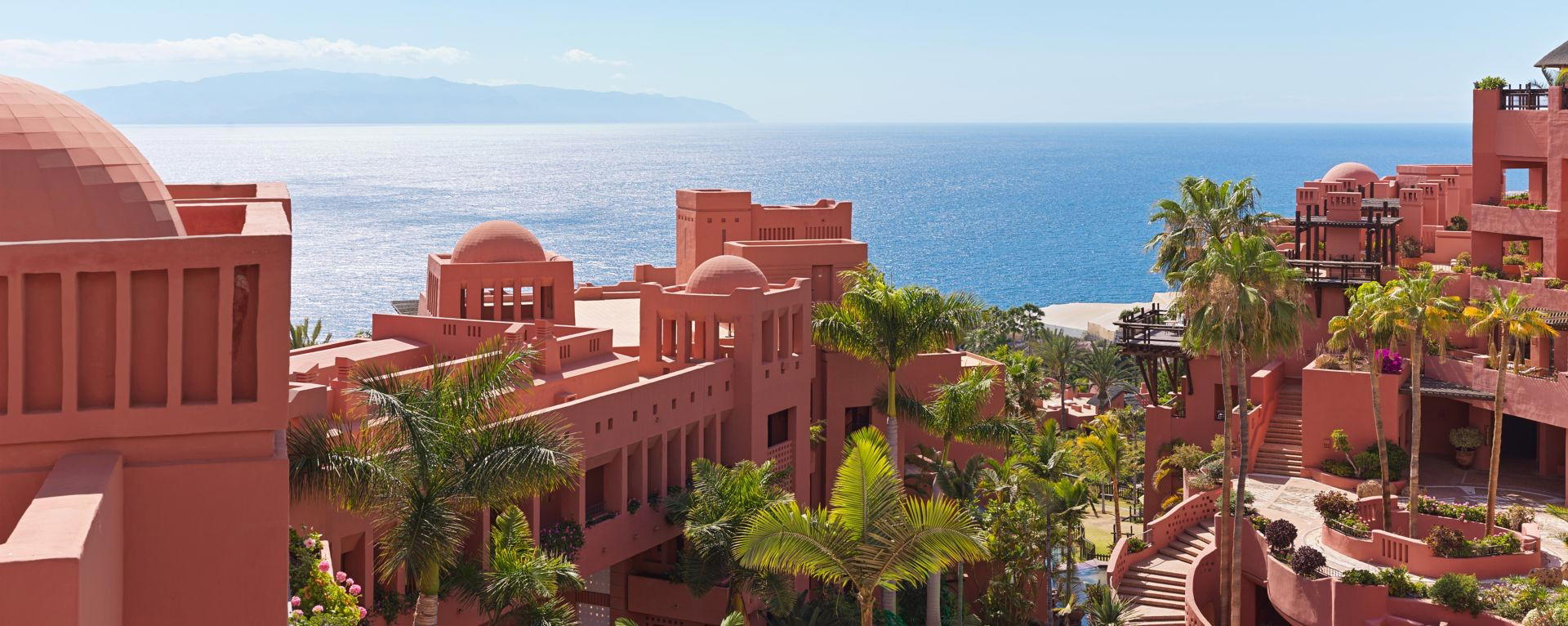
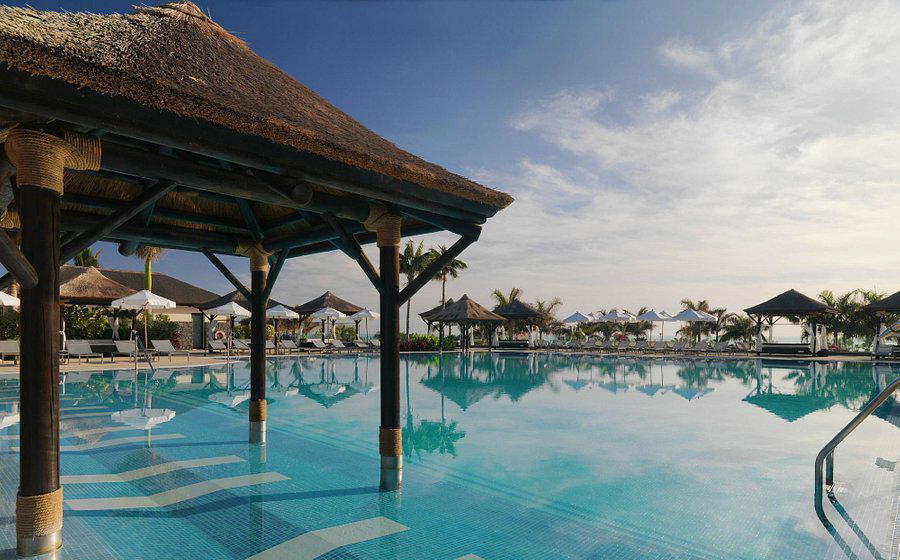
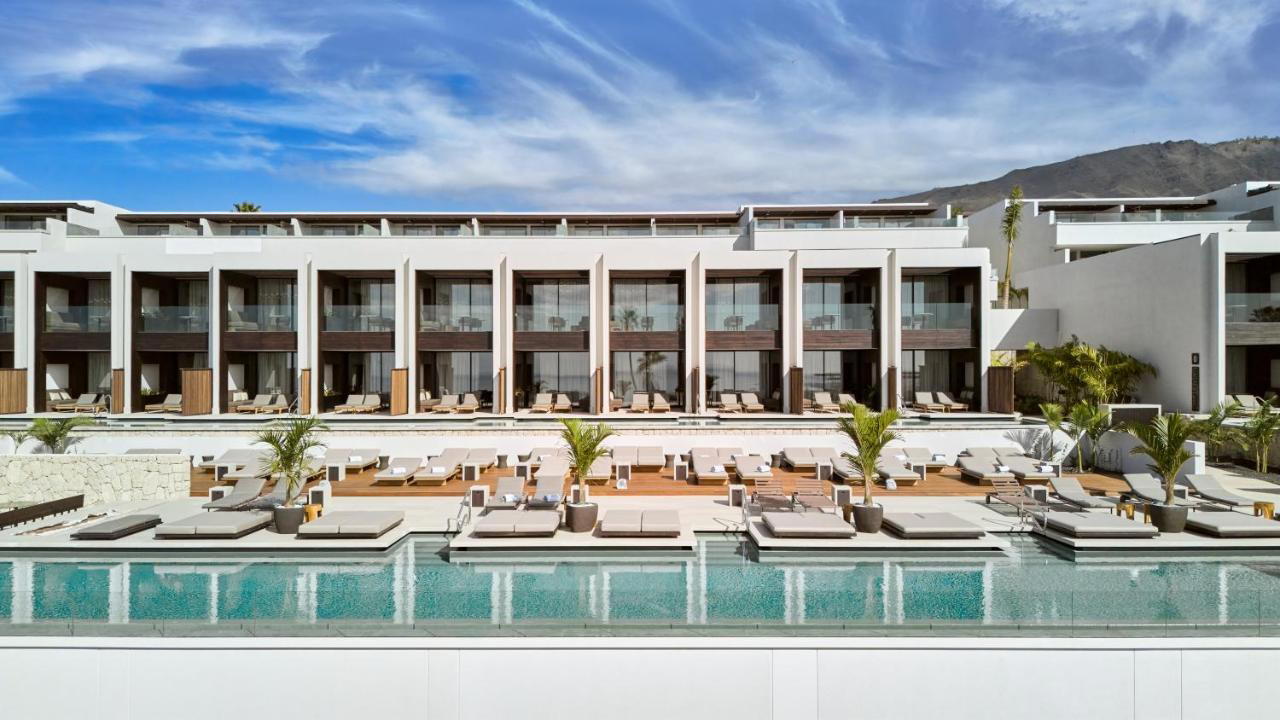
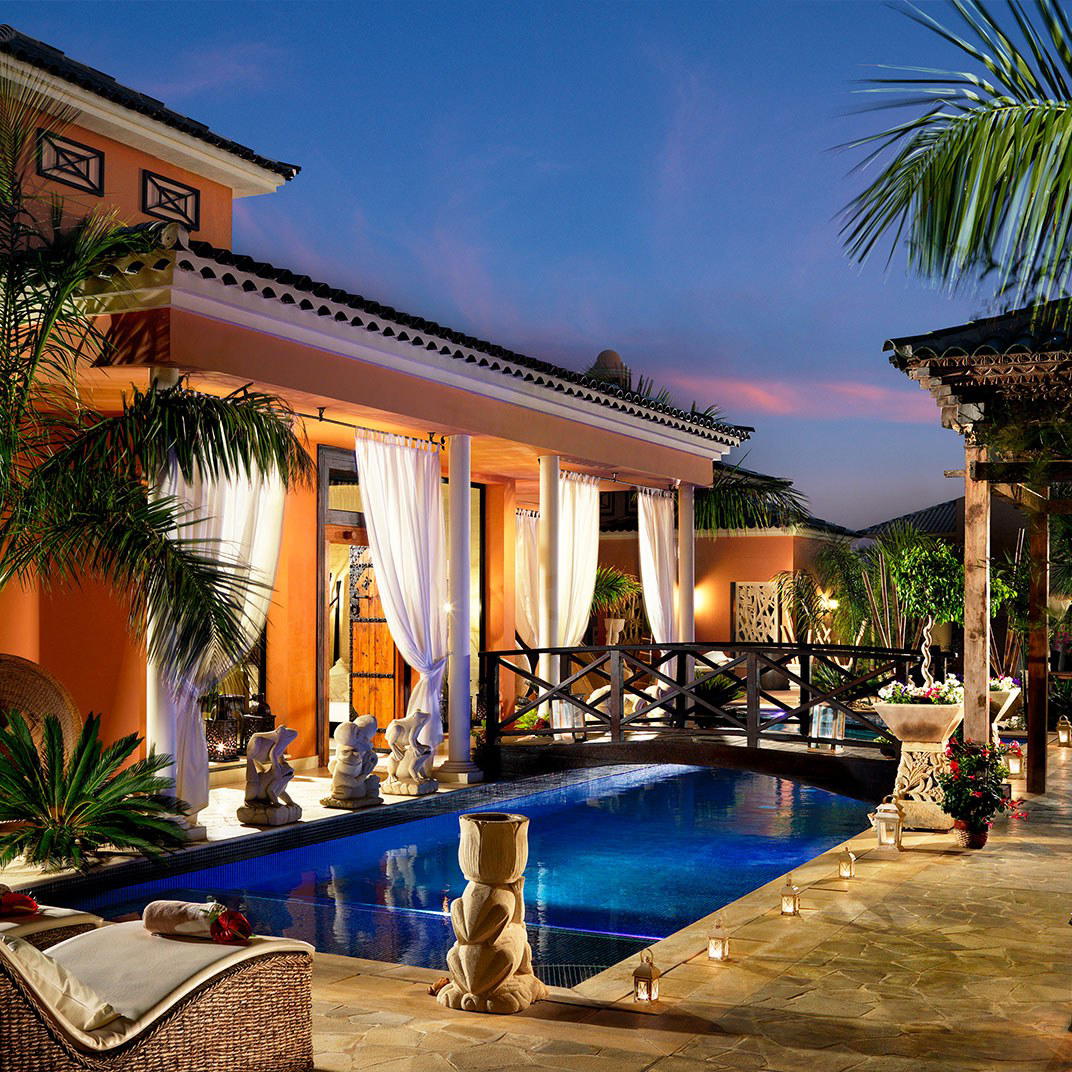
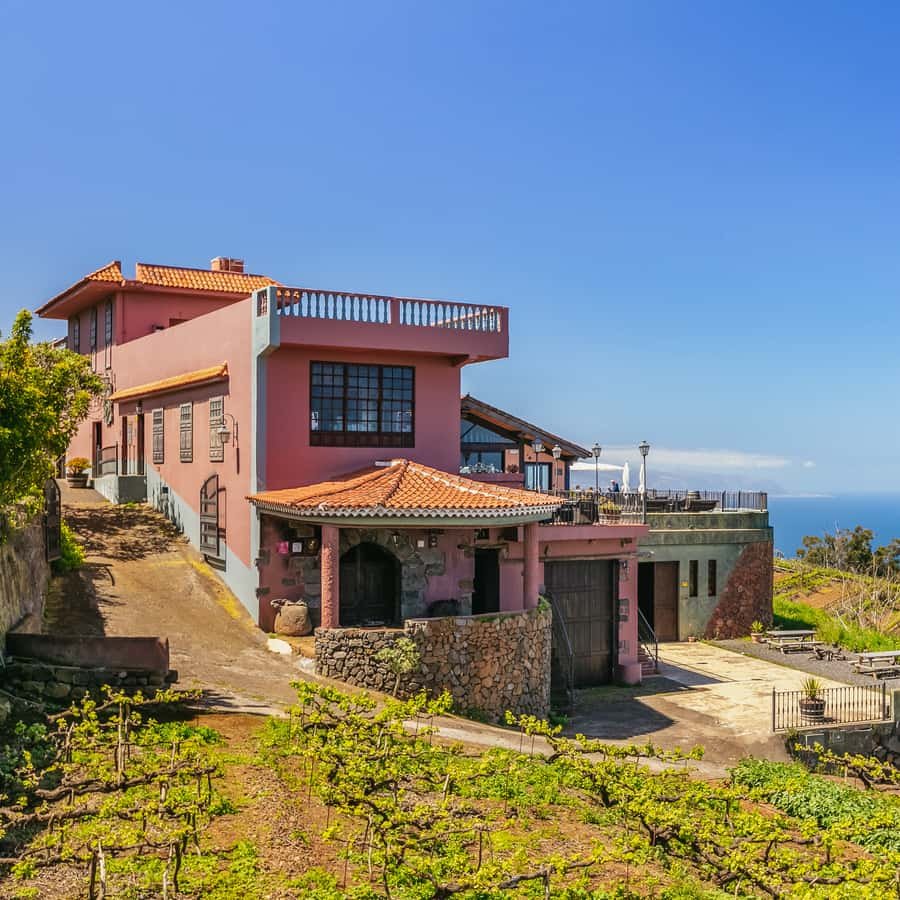
Sleek, modern fine-dining room with contemporary art, moody evening lighting, and a stylish yet relaxed hotel-restaurant atmosphere that highlights views over lush gardens and the Atlantic Ocean.