Aaleeshan sits outside Bengaluru’s central dining corridors, on the city’s northern edge toward Devanahalli and Nandi Hills Road. With little public detail on format, chef, price, or awards, the useful way to read it is through place: this is part of a broader Bengaluru pattern where airport-side growth, weekend drives, and produce-led regional cooking increasingly shape where meals happen.
Pearl is the En Primeur Club membership app — saves, bookings, and concierge access live there. Same editors, same standards.
- Address
- Nandi Hills Road, Devanahalli Taluk
- Directions
- Get directions
 Saves & bookings on Pearl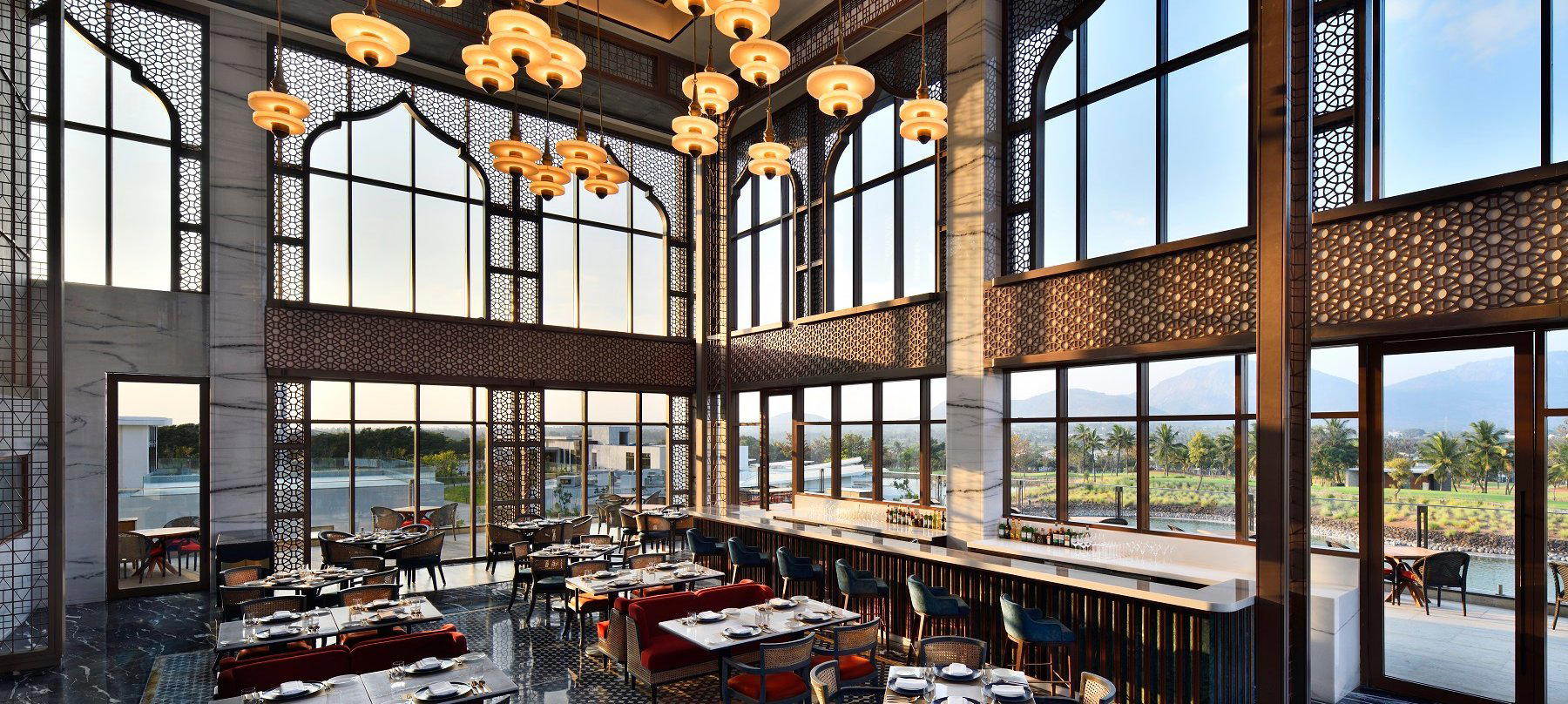
The approach north of Bengaluru changes the appetite before the meal does. Glass towers and traffic give way to wider roads, airport-bound hotels, wedding venues, and the dry-country edge that leads toward Nandi Hills. In that setting, a restaurant is judged less by downtown glamour and more by how clearly it understands the food culture around it: grains from the Deccan table, spice work that travels between Karnataka and neighbouring states, and the practical rhythm of meals built for families, travellers, and weekend groups rather than only tasting-menu pilgrims.
Aaleeshan belongs to that northern Bengaluru dining belt, where the city’s expansion has pushed hospitality beyond Indiranagar, Lavelle Road, and Koramangala. The useful context is not a trophy cabinet or a chef-led narrative; no awards, chef name, seat count, hours, or price band are publicly listed here. The better question is what this location asks of a meal. On the Devanahalli side of the city, restaurants often serve mixed audiences: residents of new gated communities, airport traffic, Nandi Hills day-trippers, and families who want a full-table meal without crossing half the city.
North Bengaluru dining is increasingly shaped by sourcing, not spectacle
Bengaluru’s restaurant conversation has long been split between two impulses. One is cosmopolitan and mall-facing, visible in pan-Indian and international formats such as Bombay Brasserie - Orion Mall, Burma Burma Restaurant & Tea Room, and hotel dining rooms such as Caraway Kitchen. The other is regional and ingredient-led, closer to the way everyday South Indian meals are actually organised: rice, millets, lentils, pickles, greens, spice pastes, ghee, curd, and slow-cooked gravies doing the structural work rather than decorative plating.
The northern corridor gives that second impulse a natural advantage. Devanahalli sits closer to agricultural belts than the city’s central business districts, and the road toward Nandi Hills has become a weekend circuit where produce, farm visits, breweries, and open-air dining all compete for attention. That does not automatically make any restaurant farm-to-table, and the claim should not be made without evidence. It does mean the setting changes expectations. A meal here makes more sense when it shows respect for ingredient freshness, generous portions, and spice calibration suited to group dining.
That sourcing lens matters in Bengaluru because the city’s premium dining has matured past imported luxury signals. A serious table in 2026 can be vegetarian, meat-led, regional, Burmese, coastal, or North Indian; what separates the stronger addresses is whether the kitchen has a point of view about ingredients and repetition. Dindigul Thalappakatti Restaurant speaks to the pull of Tamil Nadu biryani traditions inside the city, while Bengaluru Restaurant occupies the broader local directory of urban dining rather than a single culinary argument. Aaleeshan’s location places it in a different decision set: less about a quick central-city meal, more about a planned northern outing.
The useful comparison is between city dining rooms and destination meals
Within Bengaluru, comparison venues such as The East, Truffle & Co, House of Commons, and My Place point to the city’s range of casual, social, and hotel-adjacent formats. Farmlore, outside the metro, represents another pole: ingredient-led Indian cuisine framed as a destination experience. Aaleeshan should be read somewhere along that axis of movement. It is not positioned, from publicly listed details, as an award-led fine-dining room; it is better understood as part of the city’s outer-ring hospitality pattern, where the journey and the meal are tied together.
That distinction is useful for travellers. Central Bengaluru rewards tactical dining: pick a neighbourhood, solve traffic, and build a night around bars, cafés, or restaurants. North Bengaluru rewards sequencing. A meal can sit before or after airport movement, a drive toward Nandi Hills, or a family gathering outside the denser core. The practical value is geographical as much as culinary, especially in a city where cross-town travel can turn dinner into a half-day commitment.
For wider planning, the full city picture is stronger than any single listing. Use Our full Bengaluru restaurants guide for dining context, Our full Bengaluru hotels guide for where to stay, Our full Bengaluru bars guide for drinking routes, Our full Bengaluru wineries guide for wine-country planning, and Our full Bengaluru experiences guide for cultural and outdoor structure around the meal.
Where Aaleeshan fits in an India-wide dining map
India’s restaurant geography is increasingly regional rather than Delhi-Mumbai dominated. Jaipur palace dining such as 1135 AD in Jaipur, hotel-scale dining such as 360° in New Delhi, Gujarati formats such as 5868 Restaurant in Gandhinagar, Bengali tables such as 6 Ballygunge Place in Kolkata, South Indian stops such as Aaharam in Thanjavur, and local-format listings such as ಸà³à²µà³à²¨à³à²¤à³ ಹà³à²µà³à²¨à³ à²à³à²à³ ಠà²à²à²¡à²¿ in Chitradurga all show how place now defines the meal. Even international casual specialists, from Jōdo Saké Bar in Los Angeles to Onigiri Time in Pasadena, underline the same point: format matters, but location gives it meaning.
The editorial case for Aaleeshan is therefore measured rather than inflated. It is a Bengaluru restaurant on the city’s northern approach, relevant for travellers and residents whose day already points toward Devanahalli or Nandi Hills. Without listed awards, chef credentials, menu detail, or pricing, it should not be oversold as a destination on credentials alone. Its value lies in context: a meal that belongs to the expanding map of Bengaluru, where the city’s dining life no longer ends at the old central neighbourhoods.
A Quick Peer Check
Comparable venues by cuisine and price in the same metro.
| Venue | Cuisine | Price |
|---|---|---|
| Aaleeshan | This venue | Not listed |
| Farmlore | Indian Cuisine | Indian Cuisine |
Continue exploring
More in Bengaluru
Restaurants in Bengaluru
Browse all →
Bars in Bengaluru
Browse all →
Hotels in Bengaluru
Browse all →

Wineries in Bengaluru
Browse all →
At a Glance
- Scenic
- Elegant
- Sophisticated
- Ornate
- Date Night
- Business Dinner
- Celebration
- Special Occasion
- Group Dining
- Terrace
- Panoramic View
- Hotel Restaurant
- Craft Cocktails
- Local Sourcing
- Sustainable
- Garden
- Mountain
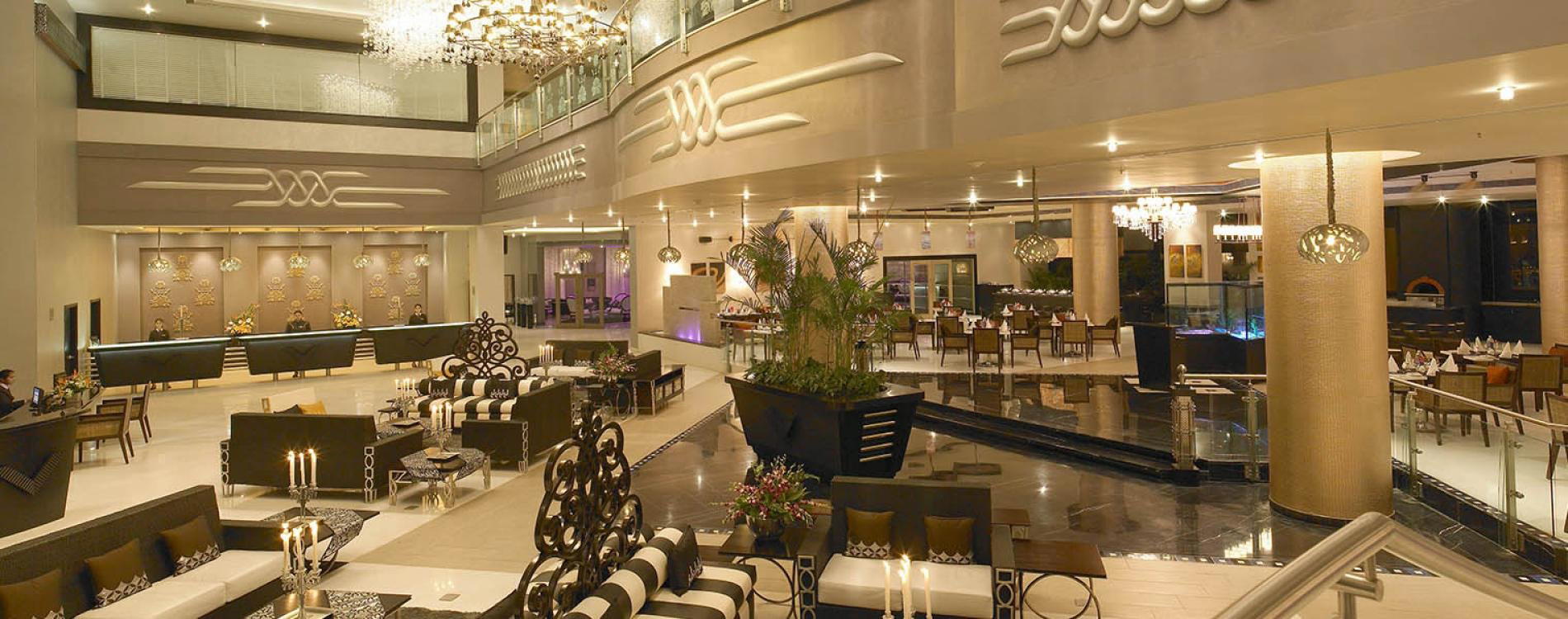
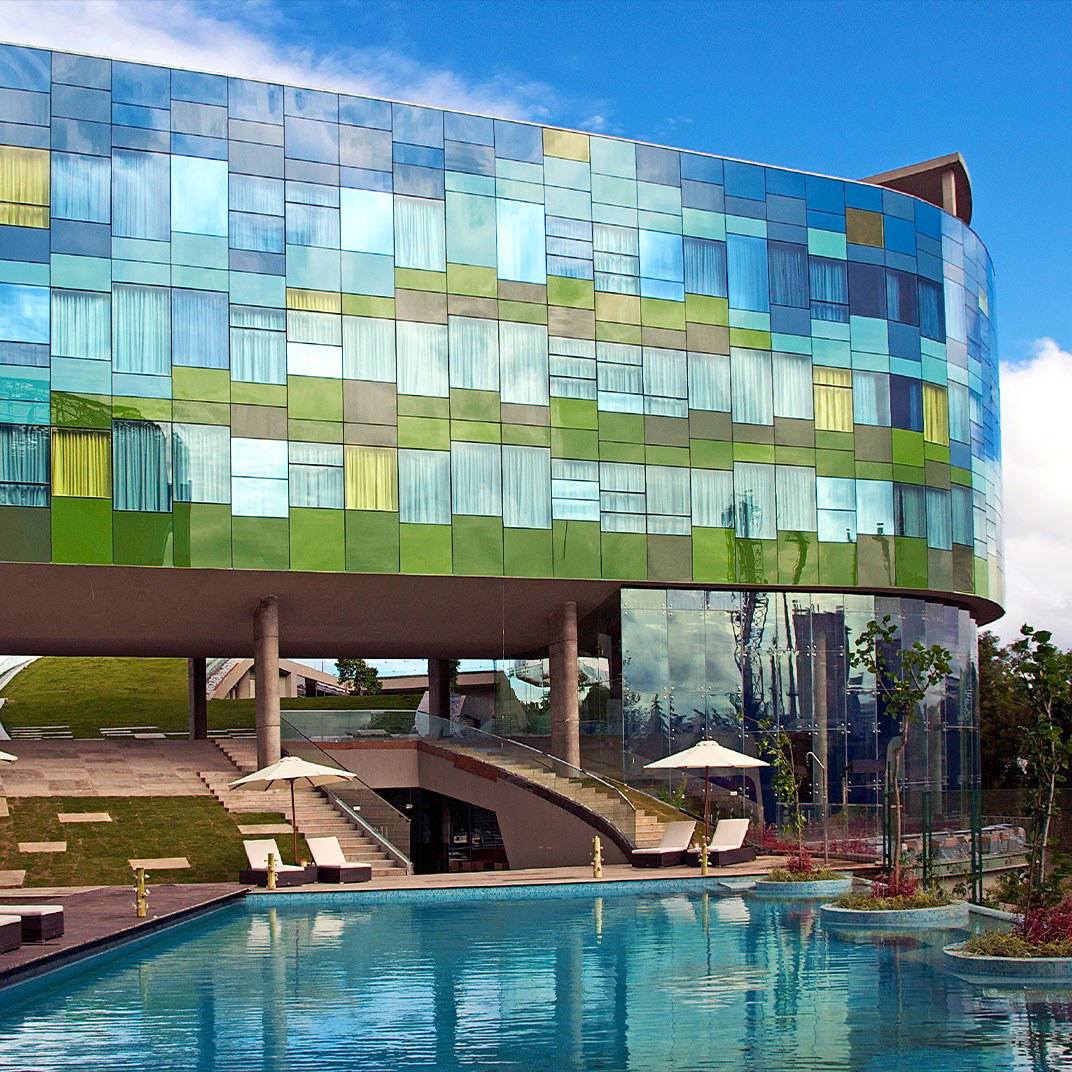
Ornate and scenic, with a luxury resort setting, alfresco terrace dining, and a polished fine-dining atmosphere.