30°86°
Our verdict
Where the Gulf Coast Meets a More Deliberate Table The 30A corridor in Northwest Florida has spent the better part of the last decade sorting itself out. What began as a string of vacation-rental communities and casual seafood shacks has, in several pockets, evolved into something more considered. Inlet Beach sits at the eastern end of that corridor, just past Rosemary Beach, and it occupies an interesting position: close enough to the density of Panama City Beach to draw volume, but culturally oriented toward the design-conscious, slower-paced community that characterizes the 30A towns to the west. It is in this context that 30°86° operates, at 146 Dune Drift Ln in the Watersound development. The name itself encodes coordinates: 30 degrees north latitude, 86 degrees west longitude, the approximate position of this stretch of Florida coastline. That kind of specificity signals something about the venue's intent. Restaurants that name themselves after their location are rarely indifferent to it. The Gulf Coast culinary tradition in this region runs deep, rooted in the catch that comes out of the Gulf and Choctawhatchee Bay, and shaped by generations of coastal Southern cooking that treated shellfish, finfish, and smoked meats as daily staples rather than special-occasion ingredients. A venue anchored to these coordinates, at least in name, is making an implicit claim about that rootedness. The Gulf Coast Table: A Tradition Worth Understanding Florida's Panhandle occupies an unusual space in American regional cuisine. It belongs neither fully to the Florida that international visitors imagine, with its Cuban and Caribbean influences pushing up from Miami and Tampa, nor entirely to the Deep South tradition of Alabama and Mississippi, though the parallels are close. The food here is coastal Southern in the most specific sense: oysters from Apalachicola, amberjack and grouper pulled from the Gulf's warmer shallows, Gulf shrimp that bear little resemblance to the farmed product shipped to most of the country, and a persistent preference for wood smoke and cast iron over anything more clinical. That tradition has recently attracted more technically trained cooks who see in it the same raw-material richness that chefs in Charleston and New Orleans recognized a generation earlier. Emeril's in New Orleans helped establish that Gulf South seafood could carry fine-dining ambition. The model has since diffused northward along the coast. The 30A corridor, with its high-income seasonal population and year-round contingent of second-home owners, has the economic base to support that kind of dining, and venues in the area have gradually risen to meet it. For comparison, the more ingredient-driven end of American tasting-menu culture, represented by places like Blue Hill at Stone Barns in Tarrytown or Single Thread Farm in Healdsburg, has demonstrated that regional specificity, when handled with discipline, produces menus that travel well critically. The Gulf Coast has those raw materials. What it has sometimes lacked is the density of serious kitchens to create a recognizable scene rather than isolated exceptions. 30°86° in the Inlet Beach Context Inlet Beach's dining scene is smaller than its neighbors to the west, where Cuvée 30A has established a benchmark for premium dining along the corridor. That relative scarcity of high-intent restaurants means that venues in this zip code operate with less competitive pressure but also less of the peer infrastructure, the shared press attention, the sommelier networks, the late-night industry crowd, that defines dining culture in denser markets. A restaurant here is working with a seasonal audience that skews heavily toward visitors rather than a year-round local base. That dynamic shapes what works. Venues along 30A that perform consistently tend to do so by orienting toward the regional pantry rather than trying to replicate what is available in larger metro markets. A diner who can eat at Le Bernardin in New York City or Providence in Los Angeles will not travel to Inlet Beach for a version of French technique applied to anonymous protein. They will travel for Gulf red snapper handled with enough confidence that the fish itself is the argument. Our full Inlet Beach restaurants guide maps out how different venues in the area have approached this question with varying degrees of success. The Watersound address places 30°86° within a planned community context rather than a traditional main-street setting, a format that has become more common along 30A as development has concentrated around mixed-use residential projects. That physical context tends to produce a certain dining atmosphere: quieter than a waterfront tourist strip, drawing predominantly from the surrounding residential community and hotel guests rather than walk-in beach traffic. Whether that translates to a more focused or more insular dining room depends on execution. Where This Fits in the Broader American Fine Dining Picture The serious end of American regional dining has fragmented in productive ways. Tasting-menu formats with deep local sourcing commitments, found at places like Lazy Bear in San Francisco, Smyth in Chicago, or Addison in San Diego, have demonstrated that the format works outside New York and San Francisco when the culinary logic is genuine rather than performed. Ingredient-forward approaches rooted in specific geography, as seen at The Wolf's Tailor in Denver or Frasca Food and Wine in Boulder, have established that regional identity in American dining is not confined to coastal media centers. Gulf Coast has its own version of that argument to make. The raw ingredients, the oysters, the Gulf fish, the bay scallops, the blue crab, are compelling enough to carry a serious kitchen. The question for any venue in this corridor is whether the culinary approach honors that specificity or treats it as decoration. Globally, restaurants like Osteria Francescana in Modena have shown that deep regional identity, rigorously expressed, carries critical and commercial weight that more cosmopolitan approaches rarely match. The analogy is imperfect, but the principle holds: place-specific cooking, when executed with conviction, has a ceiling that generic fine dining does not. The comparison that matters is whether this kitchen is doing something with Gulf Coast ingredients that could not be replicated inland or in a more generic coastal setting. That is the test for any serious restaurant operating in a location this specific, and it is the question any thoughtful diner should bring to the table. Planning Your Visit 30°86° is located at 146 Dune Drift Ln in Watersound, within the eastern 30A development corridor. Visitors staying along the 30A stretch will find it most accessible by car; the Watersound community sits just off US-98, accessible from both the Rosemary Beach and Panama City Beach directions. Given the limited publicly available information on hours, booking windows, and seasonal scheduling, contacting the venue directly before planning a visit is the prudent approach. The 30A corridor sees peak demand from Memorial Day through Labor Day and during spring break, when securing a table at any serious restaurant in the area requires advance planning. Off-season visits, particularly in October and November, tend to offer more scheduling flexibility and a quieter dining room. Frequently Asked Questions What is the must-try dish at 30°86°?Given the venue's location on Florida's Gulf Coast, dishes built around local Gulf seafood, the bay oysters, grouper, and Gulf shrimp that define Panhandle cuisine, would represent the strongest case for the kitchen's regional identity.How hard is it to get a table at 30°86°?Booking difficulty along the 30A corridor tracks closely with seasonal demand. Peak summer weeks and holiday weekends in the Inlet Beach and Watersound area fill quickly at any destination-oriented restaurant. Specific booking windows and reservation policies for 30°86° are best confirmed directly with the venue, as no public booking platform data is currently available.What makes 30°86° worth seeking out?The venue's location encodes its claim: the coordinates 30 degrees north, 86 degrees west position it precisely within the Gulf Coast culinary territory. Restaurants that lean into that specificity, drawing on the regional pantry of Gulf seafood and coastal Southern tradition, occupy a different register than the generic vacation-market dining that dominates much of the Florida Panhandle. The broader Inlet Beach scene is still developing its fine-dining identity, which makes committed venues here worth tracking.Do they accommodate allergies at 30°86°?Standard practice at serious American restaurants is to handle dietary restrictions when notified in advance. The safest approach is to contact 30°86° directly before your reservation to confirm what accommodations are possible. Given the Gulf Coast focus, shellfish and finfish allergies are particularly worth flagging ahead of time.Should I consider 30°86° a splurge destination?The Watersound location and the broader pattern of premium dining along the 30A corridor suggest positioning toward the higher end of the local market, though specific price-point data should be verified directly. For context, the 30A corridor venues that have drawn regional attention, including Cuvée 30A, tend to price at a level that reflects the area's affluent seasonal demographic rather than the more competitive pricing structures of larger metro markets.Is 30°86° a good choice for a special-occasion dinner in the Watersound area?The Watersound development context and the venue's coordinate-anchored identity suggest a more deliberate dining experience than the casual seafood formats that dominate most of the Florida Panhandle. For special-occasion dinners in this part of the 30A corridor, where the dining scene is less dense than in Seaside or Rosemary Beach to the west, 30°86° represents one of the few addresses oriented toward a more considered table. Confirm current hours and format directly with the venue before booking, particularly if visiting outside peak season.

Pearl is the En Primeur Club membership app, where members save venues, book tables and use the concierge.
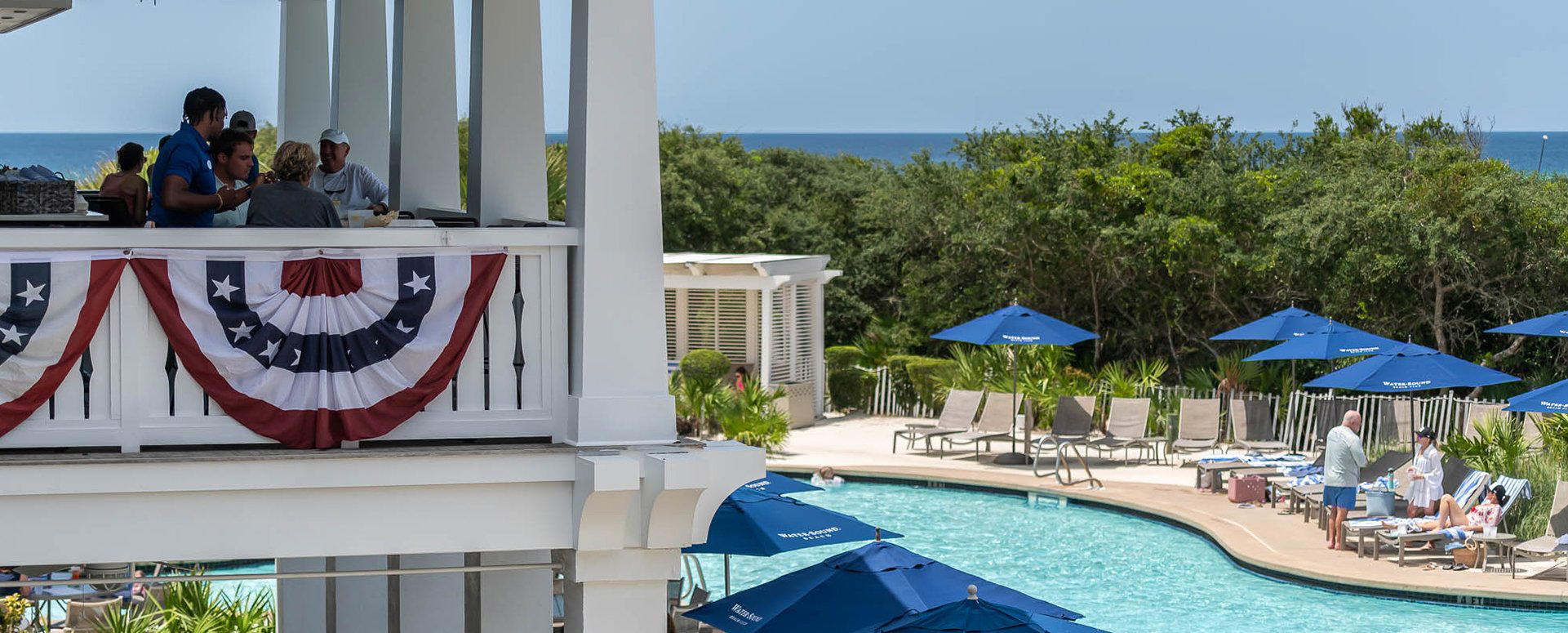
Where the Gulf Coast Meets a More Deliberate Table
The 30A corridor in Northwest Florida has spent the better part of the last decade sorting itself out. What began as a string of vacation-rental communities and casual seafood shacks has, in several pockets, evolved into something more considered. Inlet Beach sits at the eastern end of that corridor, just past Rosemary Beach, and it occupies an interesting position: close enough to the density of Panama City Beach to draw volume, but culturally oriented toward the design-conscious, slower-paced community that characterizes the 30A towns to the west. It is in this context that 30°86° operates, at 146 Dune Drift Ln in the Watersound development.
The name itself encodes coordinates: 30 degrees north latitude, 86 degrees west longitude, the approximate position of this stretch of Florida coastline. That kind of specificity signals something about the venue's intent. Restaurants that name themselves after their location are rarely indifferent to it. The Gulf Coast culinary tradition in this region runs deep, rooted in the catch that comes out of the Gulf and Choctawhatchee Bay, and shaped by generations of coastal Southern cooking that treated shellfish, finfish, and smoked meats as daily staples rather than special-occasion ingredients. A venue anchored to these coordinates, at least in name, is making an implicit claim about that rootedness.
The Gulf Coast Table: A Tradition Worth Understanding
Florida's Panhandle occupies an unusual space in American regional cuisine. It belongs neither fully to the Florida that international visitors imagine, with its Cuban and Caribbean influences pushing up from Miami and Tampa, nor entirely to the Deep South tradition of Alabama and Mississippi, though the parallels are close. The food here is coastal Southern in the most specific sense: oysters from Apalachicola, amberjack and grouper pulled from the Gulf's warmer shallows, Gulf shrimp that bear little resemblance to the farmed product shipped to most of the country, and a persistent preference for wood smoke and cast iron over anything more clinical.
That tradition has recently attracted more technically trained cooks who see in it the same raw-material richness that chefs in Charleston and New Orleans recognized a generation earlier. Emeril's in New Orleans helped establish that Gulf South seafood could carry fine-dining ambition. The model has since diffused northward along the coast. The 30A corridor, with its high-income seasonal population and year-round contingent of second-home owners, has the economic base to support that kind of dining, and venues in the area have gradually risen to meet it.
For comparison, the more ingredient-driven end of American tasting-menu culture, represented by places like Blue Hill at Stone Barns in Tarrytown or Single Thread Farm in Healdsburg, has demonstrated that regional specificity, when handled with discipline, produces menus that travel well critically. The Gulf Coast has those raw materials. What it has sometimes lacked is the density of serious kitchens to create a recognizable scene rather than isolated exceptions.
30°86° in the Inlet Beach Context
Inlet Beach's dining scene is smaller than its neighbors to the west, where Cuvée 30A has established a benchmark for premium dining along the corridor. That relative scarcity of high-intent restaurants means that venues in this zip code operate with less competitive pressure but also less of the peer infrastructure, the shared press attention, the sommelier networks, the late-night industry crowd, that defines dining culture in denser markets. A restaurant here is working with a seasonal audience that skews heavily toward visitors rather than a year-round local base.
That dynamic shapes what works. Venues along 30A that perform consistently tend to do so by orienting toward the regional pantry rather than trying to replicate what is available in larger metro markets. A diner who can eat at Le Bernardin in New York City or Providence in Los Angeles will not travel to Inlet Beach for a version of French technique applied to anonymous protein. They will travel for Gulf red snapper handled with enough confidence that the fish itself is the argument. Our full Inlet Beach restaurants guide maps out how different venues in the area have approached this question with varying degrees of success.
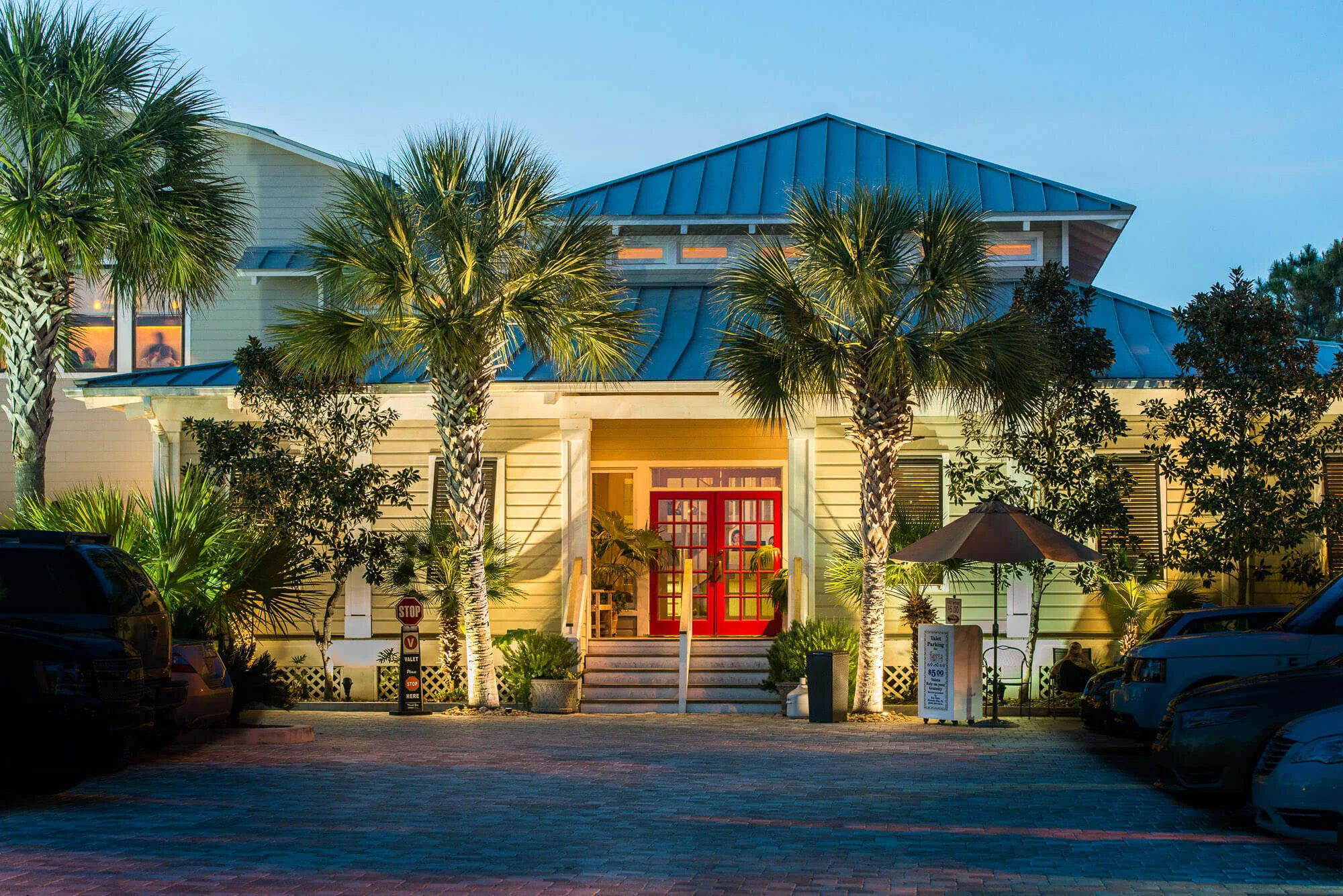
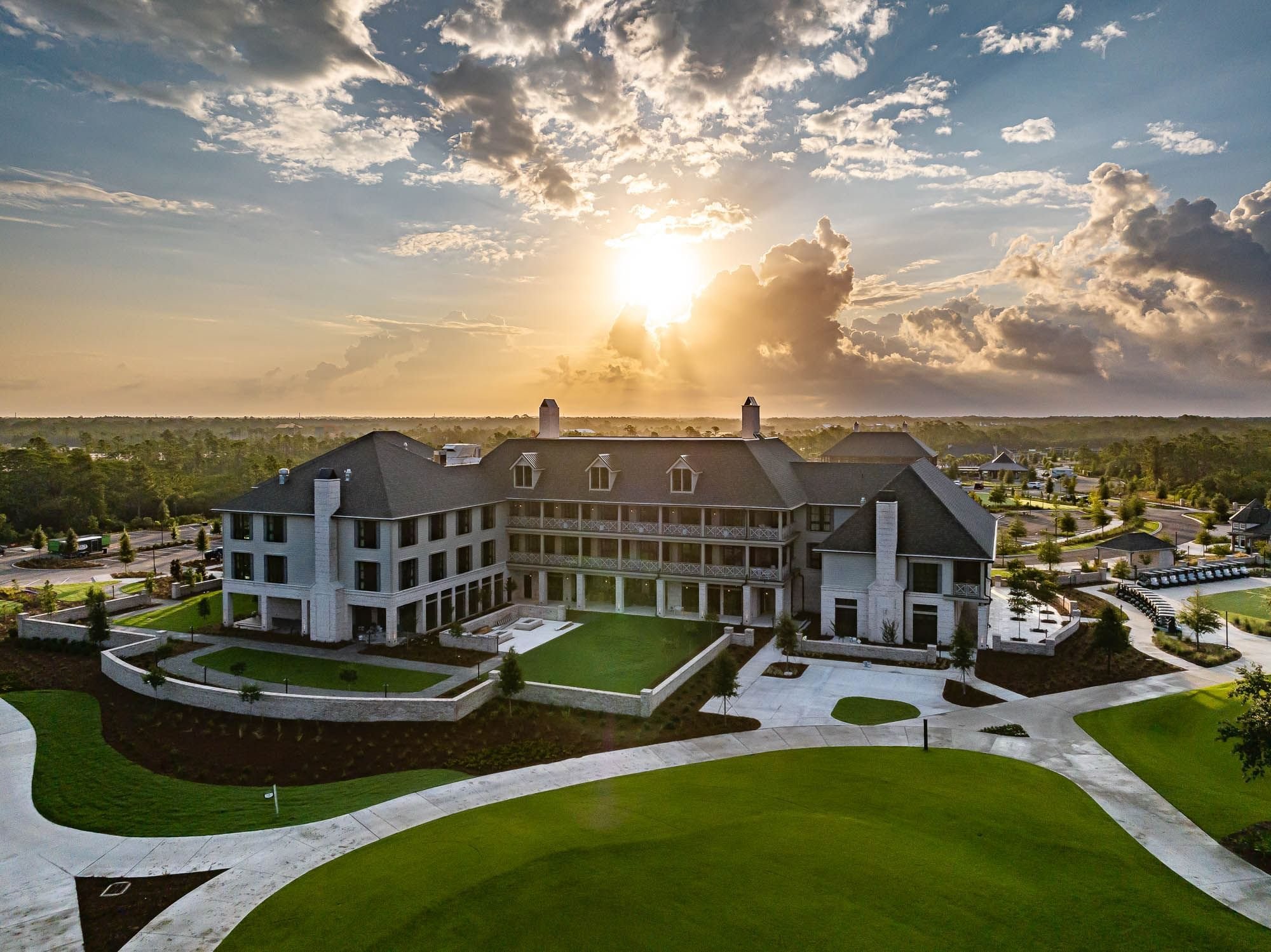
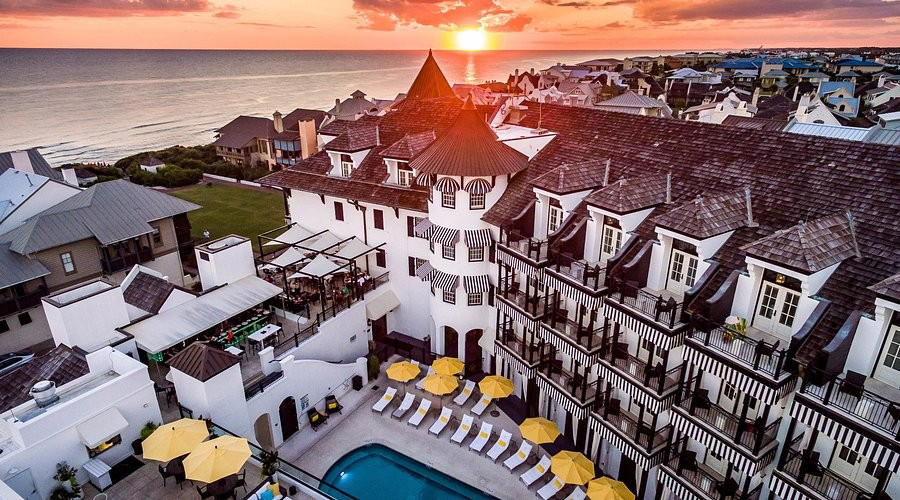
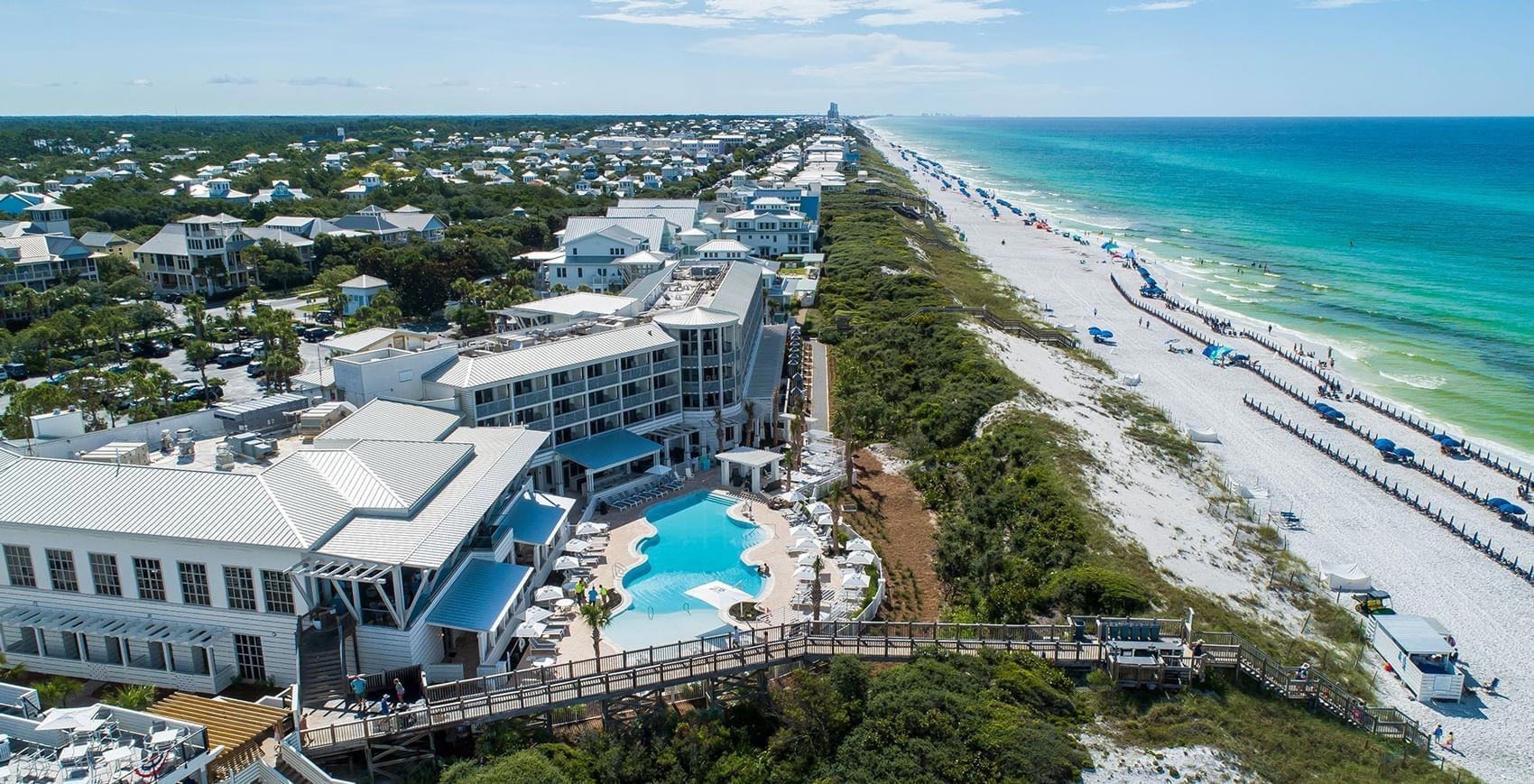
The Watersound address places 30°86° within a planned community context rather than a traditional main-street setting, a format that has become more common along 30A as development has concentrated around mixed-use residential projects. That physical context tends to produce a certain dining atmosphere: quieter than a waterfront tourist strip, drawing predominantly from the surrounding residential community and hotel guests rather than walk-in beach traffic. Whether that translates to a more focused or more insular dining room depends on execution.
Where This Fits in the Broader American Fine Dining Picture
The serious end of American regional dining has fragmented in productive ways. Tasting-menu formats with deep local sourcing commitments, found at places like Lazy Bear in San Francisco, Smyth in Chicago, or Addison in San Diego, have demonstrated that the format works outside New York and San Francisco when the culinary logic is genuine rather than performed. Ingredient-forward approaches rooted in specific geography, as seen at The Wolf's Tailor in Denver or Frasca Food and Wine in Boulder, have established that regional identity in American dining is not confined to coastal media centers.
Gulf Coast has its own version of that argument to make. The raw ingredients, the oysters, the Gulf fish, the bay scallops, the blue crab, are compelling enough to carry a serious kitchen. The question for any venue in this corridor is whether the culinary approach honors that specificity or treats it as decoration. Globally, restaurants like Osteria Francescana in Modena have shown that deep regional identity, rigorously expressed, carries critical and commercial weight that more cosmopolitan approaches rarely match. The analogy is imperfect, but the principle holds: place-specific cooking, when executed with conviction, has a ceiling that generic fine dining does not.
The comparison that matters is whether this kitchen is doing something with Gulf Coast ingredients that could not be replicated inland or in a more generic coastal setting. That is the test for any serious restaurant operating in a location this specific, and it is the question any thoughtful diner should bring to the table.
Planning Your Visit
30°86° is located at 146 Dune Drift Ln in Watersound, within the eastern 30A development corridor. Visitors staying along the 30A stretch will find it most accessible by car; the Watersound community sits just off US-98, accessible from both the Rosemary Beach and Panama City Beach directions. Given the limited publicly available information on hours, booking windows, and seasonal scheduling, contacting the venue directly before planning a visit is the prudent approach. The 30A corridor sees peak demand from Memorial Day through Labor Day and during spring break, when securing a table at any serious restaurant in the area requires advance planning. Off-season visits, particularly in October and November, tend to offer more scheduling flexibility and a quieter dining room.
Frequently asked questions
What is the must-try dish at 30°86°?
How hard is it to get a table at 30°86°?
What makes 30°86° worth seeking out?
Do they accommodate allergies at 30°86°?
Should I consider 30°86° a splurge destination?
Is 30°86° a good choice for a special-occasion dinner in the Watersound area?
Continue exploring
More in Inlet Beach
Restaurants in Inlet Beach
All restaurants in Inlet Beach →
Bars in Inlet Beach
Browse all →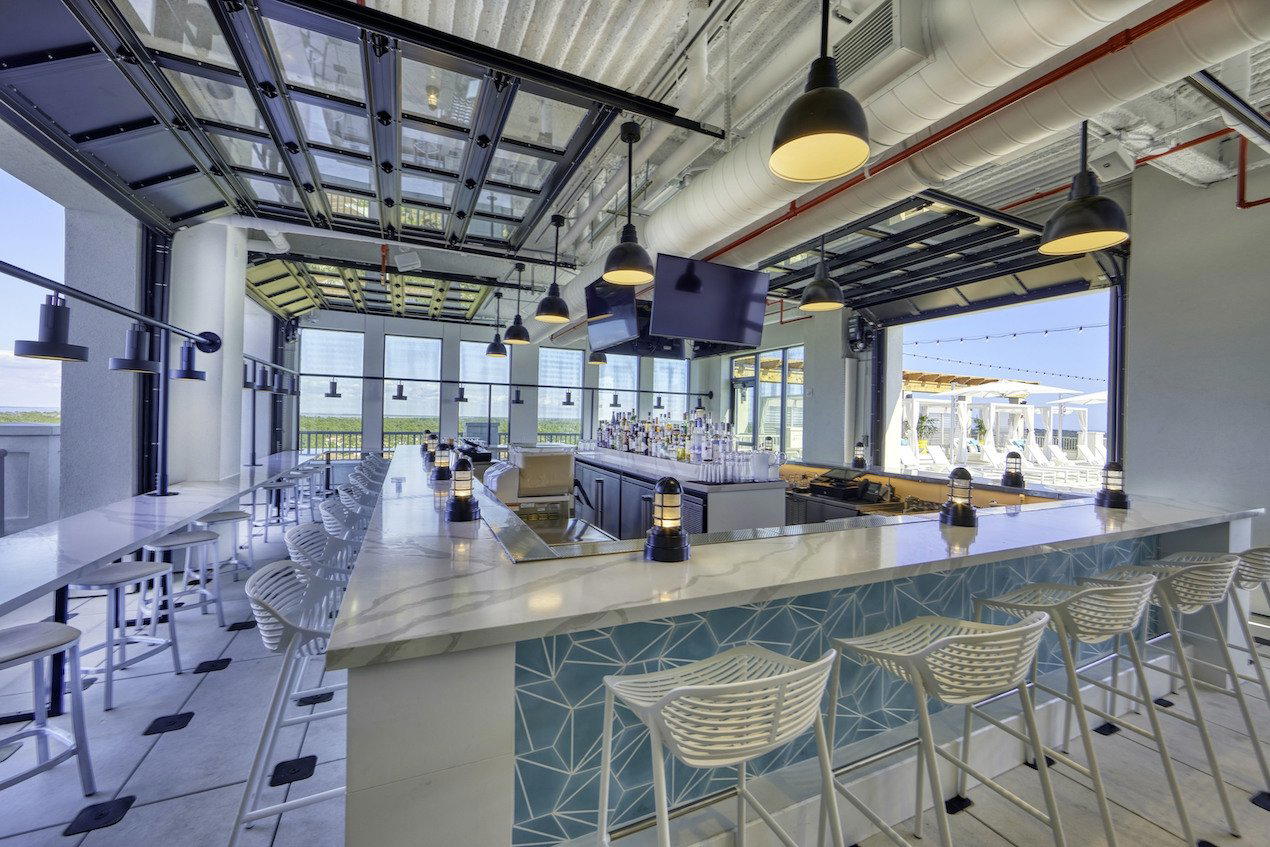
Details
- Scenic
- Casual
- Casual Hangout
- Family
- Waterfront
- Hotel Restaurant
- Terrace
- Craft Cocktails
- Local Sourcing
- Waterfront
- A La Carte
Approachable beachfront atmosphere with captivating Gulf views and poolside seating.