Bitterroot

Michelin Plate
Our verdict
Bitterroot brings a quieter, ingredient-led register to Destin dining, away from the city’s more familiar seafood-shack rhythm. Its Commons Drive setting places it in the everyday commercial fabric of the Emerald Coast, but the editorial interest is the way a Gulf town increasingly makes room for smaller, produce-aware restaurants alongside beachfront staples.

Pearl is the En Primeur Club membership app, where members save venues, book tables and use the concierge.
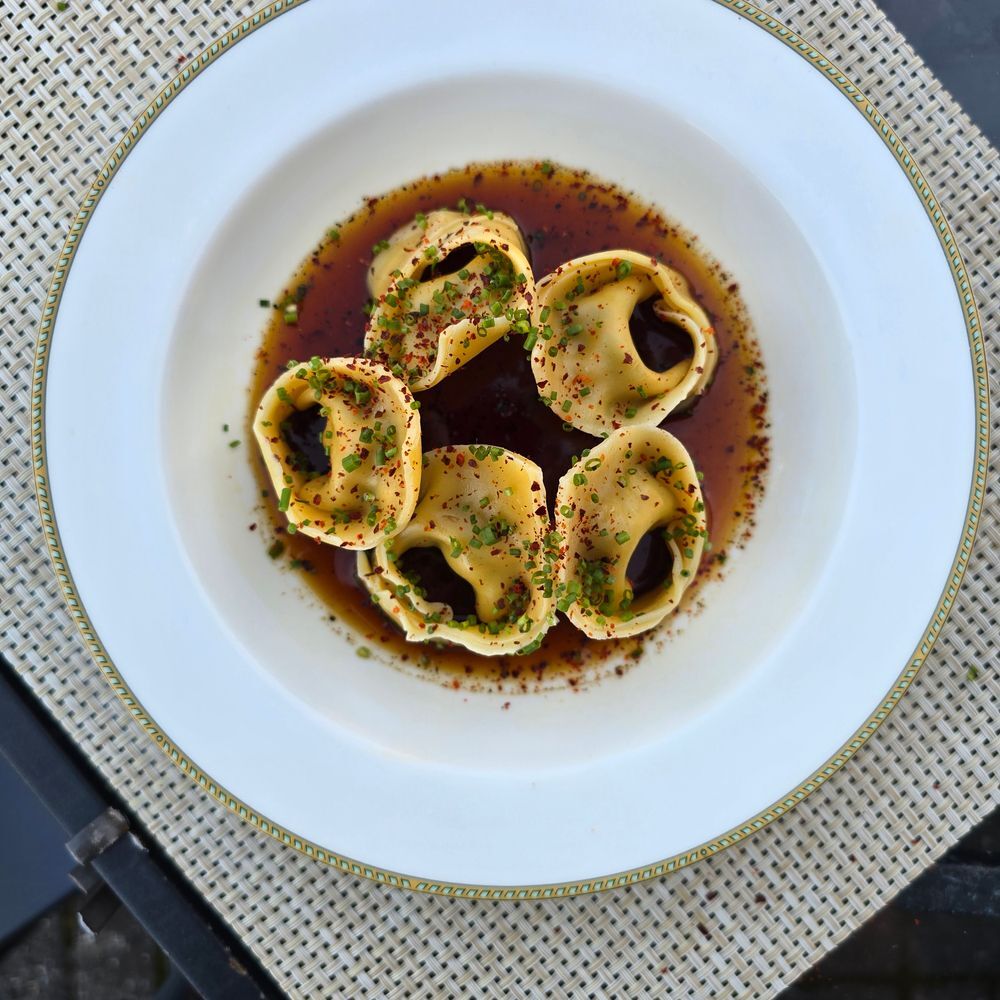
The menu
What to order
- Gulf shrimp and grits
- Sweet tea pork chop
- Wagyu burger
- House-made pecan pie
- Birria meat pies
Approaching Bitterroot means entering a different Destin from the postcard version. The city is often associated with Gulf-facing meals, sunset traffic, and vacation routines, while Bitterroot gives travelers another way to read the local dining map. In a town where dinner decisions can follow views and logistics, Bitterroot signals a quieter possibility: a Destin restaurant considered for the meal itself rather than only for the scenery around it.
Destin’s dining identity has long been tied to the Gulf, but the more interesting local question is not simply which restaurants fit the expected coastal script. It is how a dining room holds attention when the setting is not doing all the work. A familiar stop such as Back Porch belongs to the city’s classic vacation grammar. Bitterroot works differently in the itinerary, relying less on the idea of a waterfront moment and more on whether the experience can make a Destin meal feel intentional rather than incidental.
Destin dining beyond the beach-deck formula
Range matters in a resort town because easy coastal expectations can flatten many meals into the same vacation template. The Gulf gives Destin an anchor, but a stronger dining scene needs more than one mode. Bitterroot’s value in Destin sits there: away from generic vacation abundance and toward a narrower, more deliberate restaurant language.
That makes it useful to compare formats rather than rank them. Horizons Gastropub, Primrose Coastal Italian, and Sprinkles Café each help show how varied Destin dining can be across different occasions and rhythms. Bitterroot belongs in the narrower middle: not simply a boardwalk ritual, resort-adjacent choice, or quick daytime stop, but a restaurant for diners who want a Destin meal that feels more focused than automatic.
The setting also says something about contemporary coastal dining in Florida. Some compelling restaurants in resort corridors now sit away from the most obvious postcard settings. That geography can be a filter. Diners are not arriving only for a view; the meal must justify the stop. Bitterroot’s placement in Destin puts it in that category, part of a broader American pattern in which worthwhile cooking can hide in plain sight inside everyday parts of a city.
Why sourcing carries extra weight on the Emerald Coast
On the Emerald Coast, a restaurant’s local argument can be both obvious and easy to overstate. The region has a strong sense of place, and the tourist economy creates constant demand, yet high-volume service often pushes restaurants toward familiar formulas. A more focused restaurant has to do more than borrow the language of locality. It needs selectivity: fewer gestures, cleaner editing, and a sense that the kitchen has a point of view rather than simply repeating the same vacation meal.
That question is also where Destin differs from larger dining cities. In major culinary markets, a narrow restaurant can often rely on diners who already understand the category and seek out that level of focus. In Destin, a more considered meal competes with beach schedules, group dining, and visitors choosing dinner by convenience rather than curiosity.
That is why Bitterroot is more interesting as a signal than as a stand-alone listing. It shows how resort destinations develop a second dining layer after the most obvious institutions mature. The first feeds the trip: easygoing meals, cold drinks, and vacation pacing. The second feeds the place: smaller signals, tighter choices, and restaurants that ask diners to pay attention. The latter is not always louder, but it often tells a sharper story about where a city’s dining habits are going.
How to read Bitterroot within a Destin itinerary
For travelers building a Destin itinerary, Bitterroot works well as a counterweight to the expected coastal meal. Pair the classic vacation experience with a restaurant that asks more attention from the table, and the city becomes less one-note. Destin does not need every restaurant to behave like a waterfront seafood house; it needs enough range for a long weekend to move between casualness, polish, and more focused dining without leaving town.
The same logic applies across EP Club’s broader city coverage. Use Our full Destin restaurants guide for the dining map, then widen the trip through Our full Destin hotels guide, Our full Destin bars guide, Our full Destin wineries guide, and Our full Destin experiences guide. The strongest Destin plan is not built from one category alone. It balances the practical pleasures of a beach town with smaller signals showing where local dining culture can become more ambitious.
There is also a useful national comparison. Focused restaurants in leisure markets often face a harder test than peers in major culinary capitals because the audience is split between locals, repeat visitors, and one-time vacationers. Across the country, different restaurants show how place, audience, and format can shape a meal. The same editorial lesson applies in Destin: format matters, but a restaurant’s point of view gives it its local argument.
Bitterroot’s role in Destin is therefore not spectacle. It gives the city another dining register, where a meal can be evaluated by focus, editing, and context rather than proximity to the water. For a destination built on the Gulf, that is a meaningful distinction.
Frequently asked questions
Is Bitterroot a family-friendly restaurant?
Bitterroot in Destin can work for a mixed-age meal, especially if the group wants a quieter dinner stop rather than a high-energy room. The setting points to a practical, everyday dining option in Destin.
What should I expect atmosphere-wise at Bitterroot?
Expect a low-key Destin dining room rather than a beach-bar scene. The focus is on the meal rather than a waterfront setting.
Is Bitterroot award-winning?
Bitterroot has received MICHELIN recognition, with a MICHELIN Plate listing for Destin.
What part of town is Bitterroot in?
Bitterroot is located in Destin.
Can I walk in to Bitterroot?
Walk-ins are the first thing to try at Bitterroot in Destin. Timing matters, so arriving earlier in the service period gives a better chance of being seated without a wait.
Quick Comparison
Comparable venues by cuisine and price in the same metro.
| Venue | Cuisine | Price | Awards |
|---|---|---|---|
| BitterrootThis venue (the venue you are viewing) | Modern American Farm-to-Table | $50–100 | Michelin Plate |
| Horizons Gastropub | American Gastropub | Not listed | Not listed |
| Primrose Coastal Italian | Coastal Italian | Not listed | Not listed |
| Sprinkles Café | Bakery Café | Not listed | Not listed |
| Back Porch | Gulf Coast Seafood & Oyster House | $30–50 | Not listed |
Recognition history
Dated appearances from independent guides and award organizations, with the underlying list record or original source where available.
Michelin Plate
Michelin
Continue exploring
More in Destin
Restaurants in Destin
All restaurants in Destin →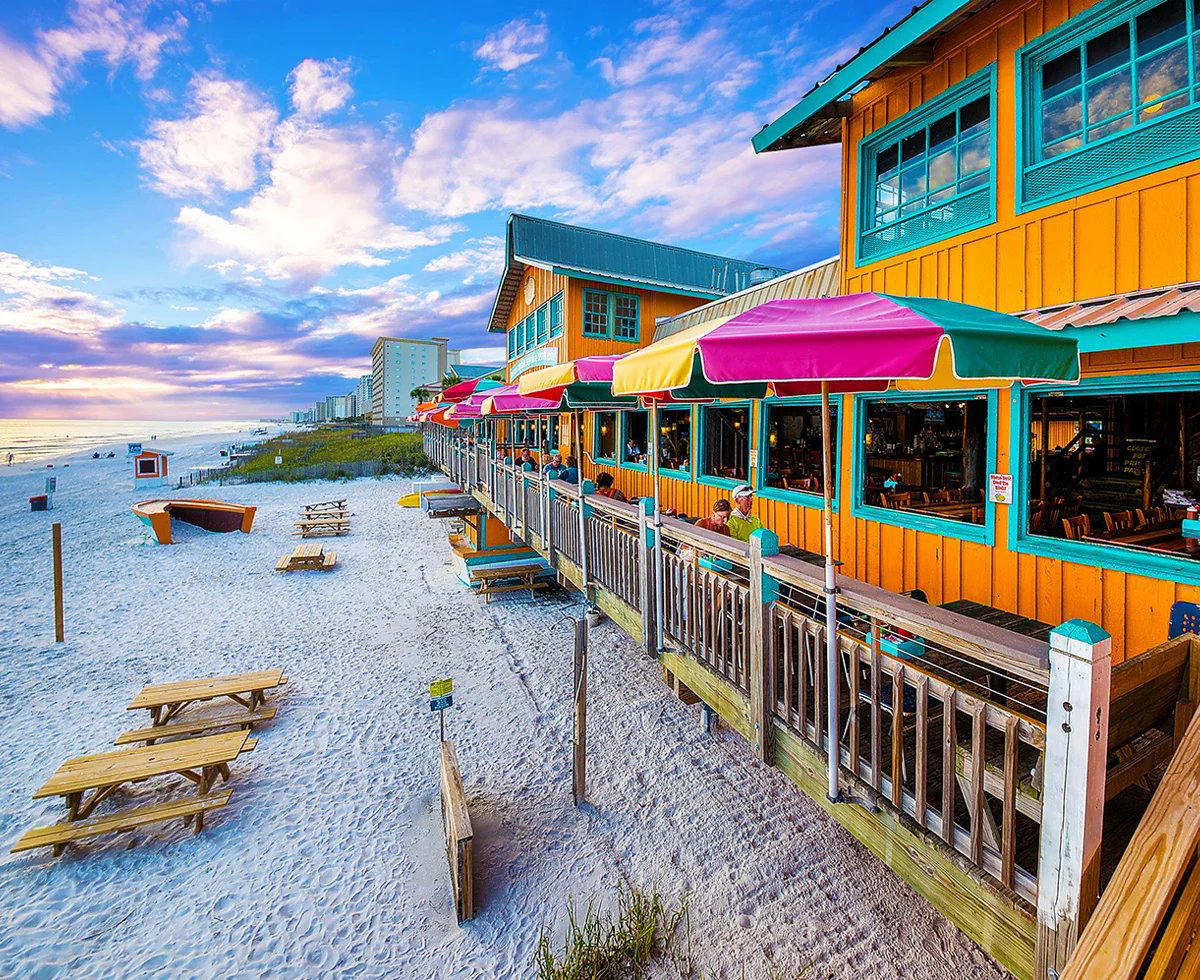
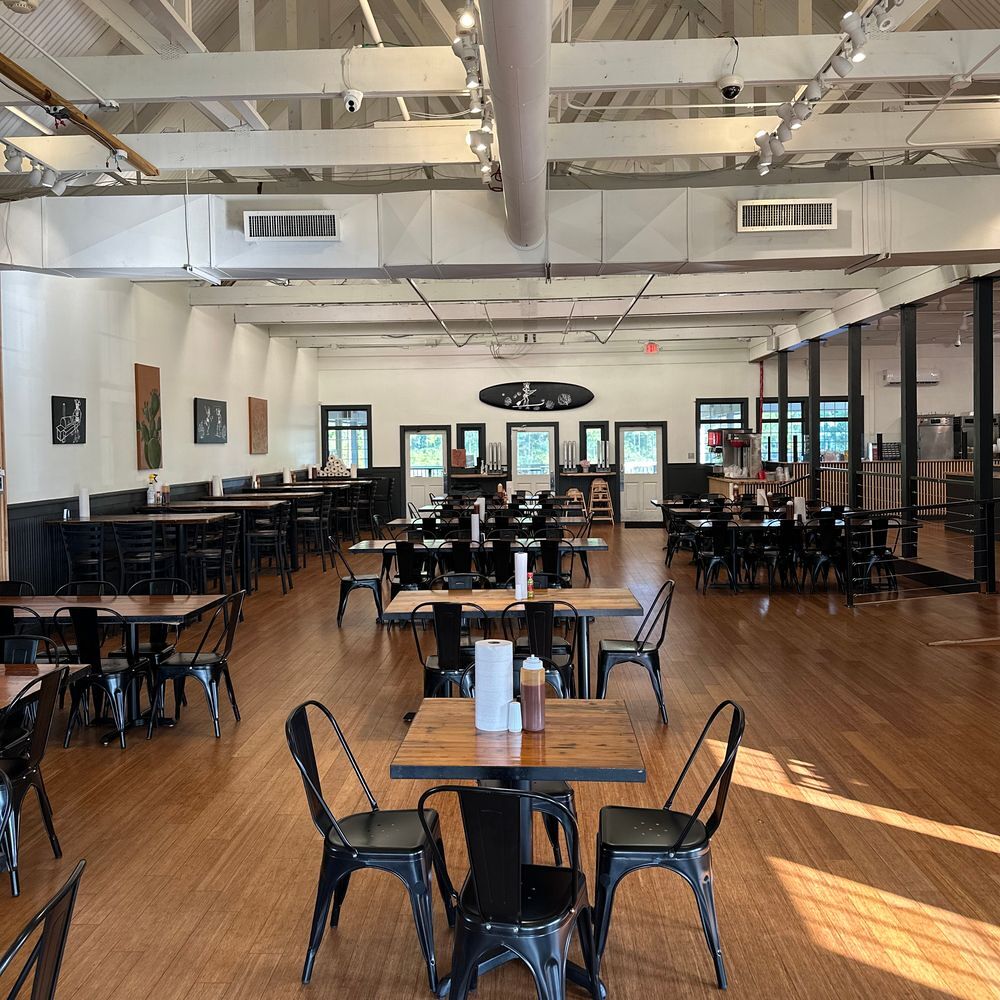
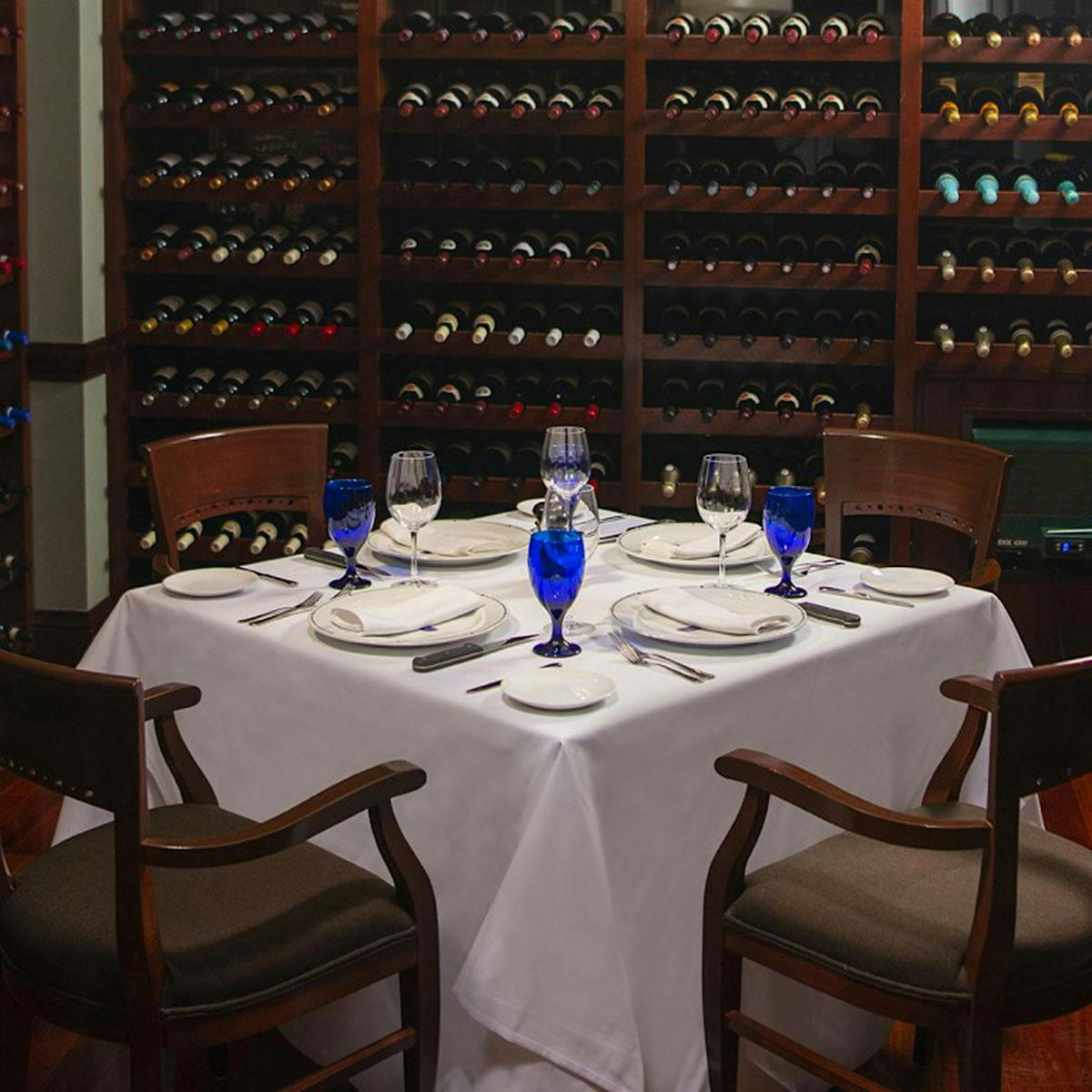
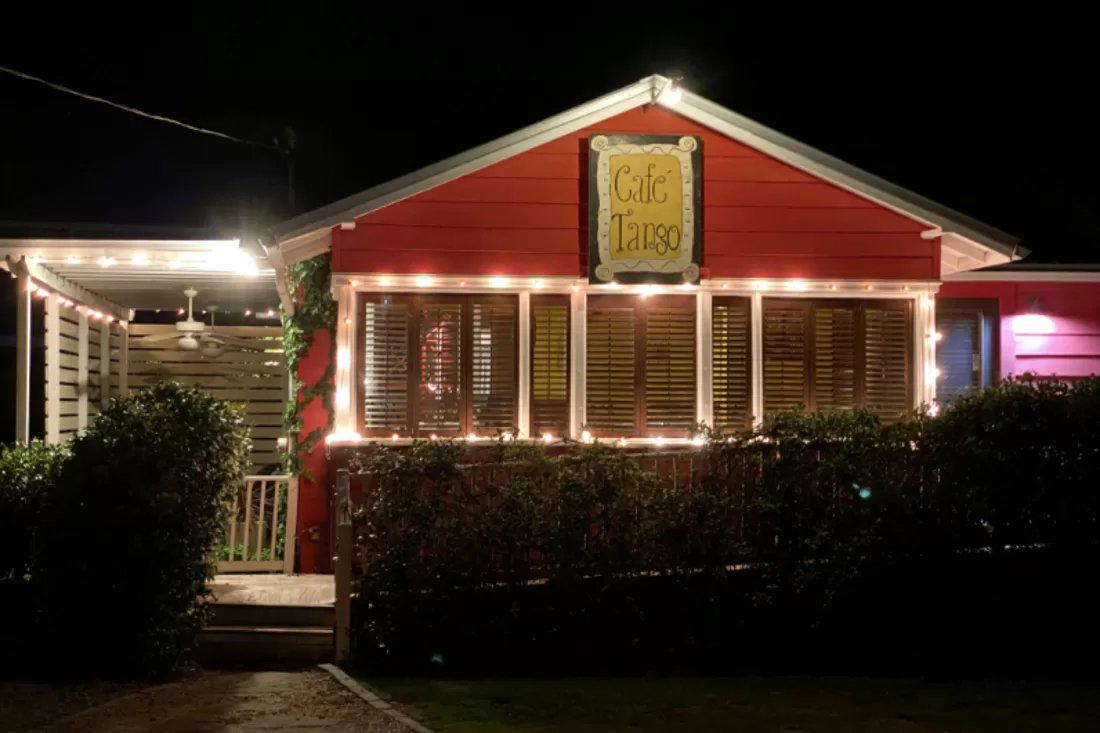
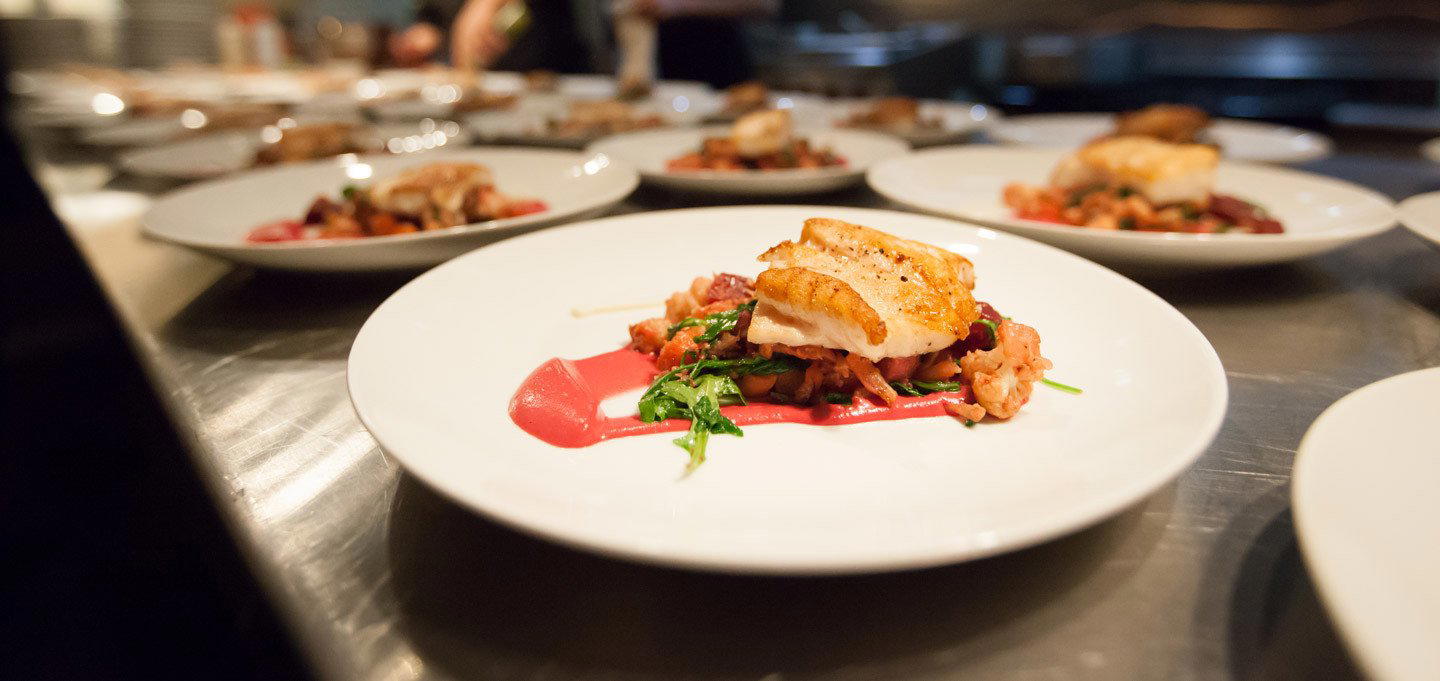
Bars in Destin
Browse all →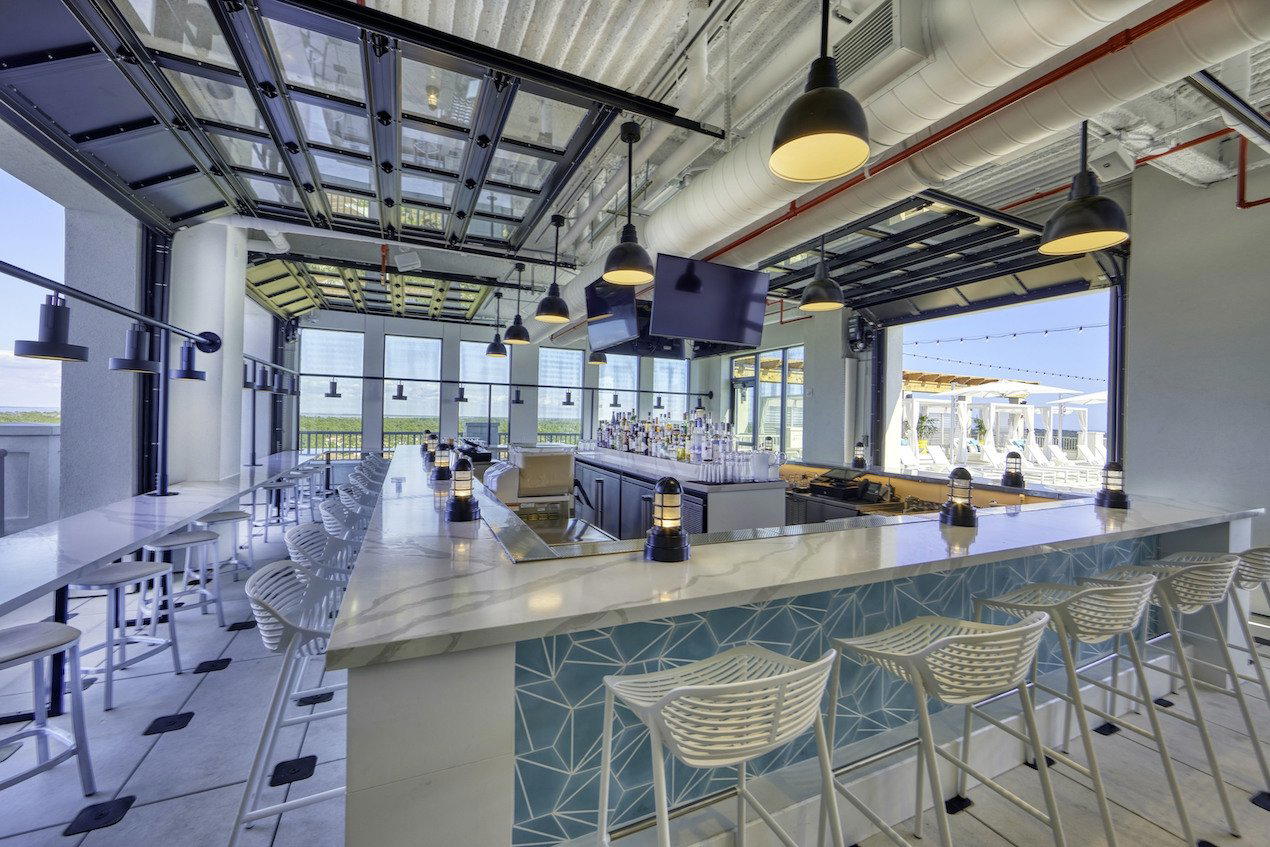
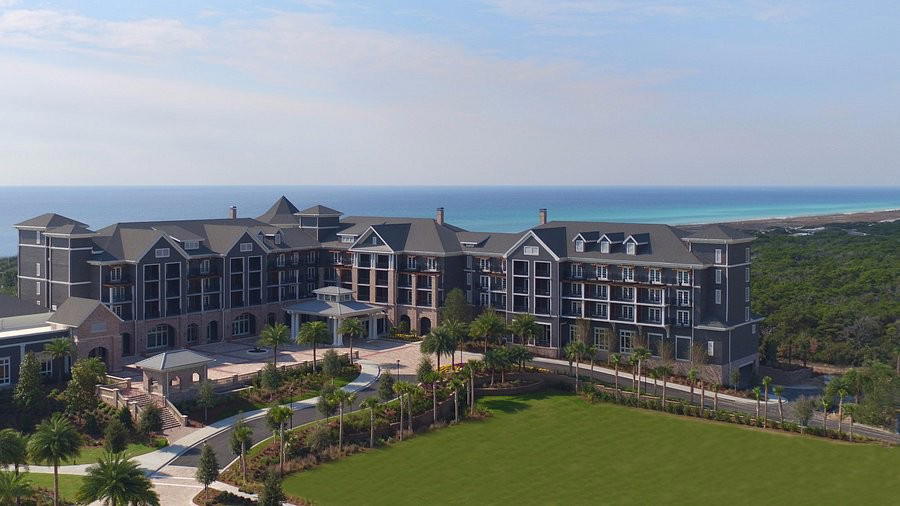
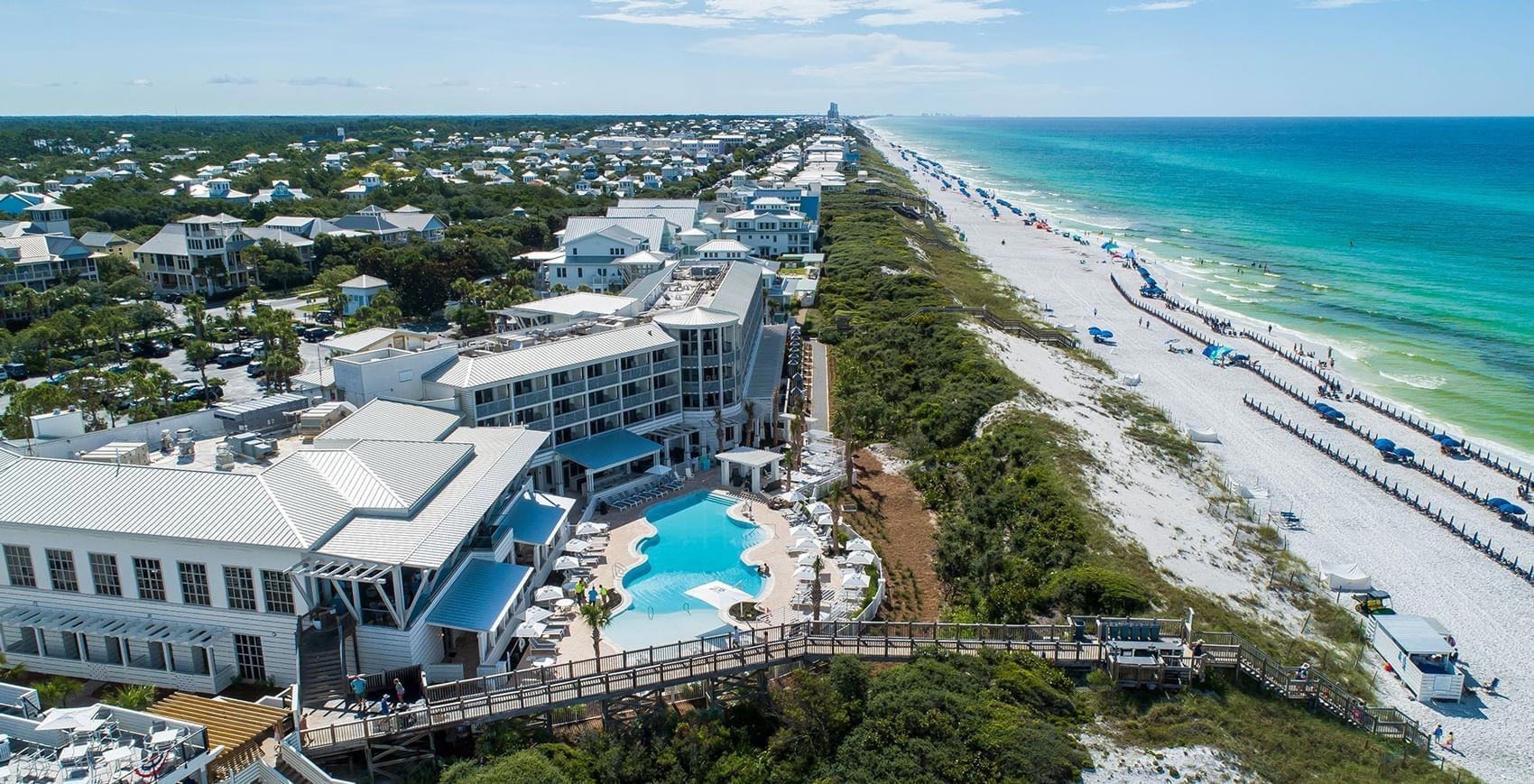


Bitterroot
The wine
- Extensive wine list
- Craft cocktails
- Zero-proof drinks
Details
- Modern
- Elegant
- Cozy
- Romantic
- Trendy
- Date Night
- Special Occasion
- Business Dinner
- Group Dining
- Casual Hangout
- Standalone
- Open Kitchen
- Design Destination
- Craft Cocktails
- Extensive Wine List
- Zero Proof
- Farm To Table
- Local Sourcing
- Sustainable Seafood
- A La Carte
- Small Plates
- Craft Cocktails
- Wine
- Zero Proof Cocktails
- Vegetarian Friendly
- Gluten Free Options
Current opening hours
- Monday
- 11 AM–9 PM
- Tuesday
- 11 AM–9 PM
- Wednesday
- 11 AM–9 PM
- Thursday
- 11 AM–9 PM
- Friday
- 11 AM–10 PM
- Saturday
- 11 AM–10 PM
- Sunday
- 11 AM–9 PM
Hours can change for holidays and private events. Hours as of .
The atmosphere is modern and metropolitan with dim, warm lighting, a polished bar, and an intimate dining room that feels upscale yet relaxed, making it well-suited to date nights and lingering dinners.