Whisky lodges
Stone, Slate, and Single Malt: Lodging at the Heart of Speyside The approach to Coleburn tells you something before you arrive. The Speyside corridor between Elgin and Rothes is one of the most concentrated whisky-producing strips in Scotland, where distillery names appear on road signs with the same frequency as village names elsewhere. Lodging here, in converted or purpose-built structures on or adjacent to working distillery land, occupies a category that barely existed a decade ago: accommodation where the physical architecture of whisky production is not a backdrop but the primary spatial experience. The Whisky Lodges at Coleburn sit inside that emerging format, positioning themselves where industrial heritage meets considered hospitality design. The broader context matters. Scotland's whisky tourism sector has shifted decisively from visitor-centre bolt-ons to destination stays, a transition driven partly by demand from American and Asian markets for immersive producer access, and partly by a domestic hospitality industry that recognised the structural advantage of distillery land: space, character, and a story already embedded in the stonework. Properties at this end of the spectrum compete less with standard rural hotels and more with a small peer group of estate-led lodgings, places like Kilchoan Estate in Inverie or The Newt in Somerset, where the productive landscape surrounding the building is integral to the stay rather than incidental to it. Industrial Bones, Hospitality Finish Speyside distillery buildings follow a recognisable typology: pagoda-vented maltings, bonded warehouses with thick rubble-stone walls designed to hold temperature, and low-slung workers' cottages that cluster around the operational core. Coleburn distillery, which ceased production in 1985, left behind exactly this kind of built environment: structures with significant thermal mass, agricultural-industrial proportions, and a material palette (local granite, slate, timber) that is both distinctive and difficult to replicate. The whisky lodge format that has developed on such sites tends to work with these bones rather than against them, preserving ceiling heights, retaining original openings where planning allows, and using the contrast between rough industrial shell and refined interior fitting as a deliberate design move. This approach places Coleburn's lodges in a broader tradition of adaptive reuse hospitality that has become one of Scotland's more convincing architectural exports. The comparison set includes conversions across the Highlands and Islands, though few benefit from Speyside's combination of operational distillery proximity, road accessibility, and the specific prestige that the Longmorn postcode carries among whisky collectors. The Coleburn Whisky Resort, which encompasses the lodge accommodation alongside a bistro offer, represents one of the more complete attempts to build a full hospitality proposition around a dormant distillery site in this region. Where Coleburn Sits in the Scottish Lodging Conversation Scotland's premium rural lodging market has fragmented into several distinct sub-segments. At one end, established grand hotels like Gleneagles in Auchterarder offer resort-scale amenities and a global brand guarantee. At the other, smaller properties with a sharper sense of place Langass Lodge in the Outer Hebrides, for instance, trade on intimacy and location specificity over facility depth. The whisky lodge format at Coleburn operates in the latter territory, where the proposition is fundamentally about where you are and what surrounds you, rather than what is available inside. The Coleburn lodges belong instead to the category of purpose-driven accommodation where the reason to be there precedes the question of comfort, though the expectation of both is rising sharply as whisky tourism matures as a sector. The Speyside Timing Question Longmorn and its surroundings reward visits across the year, but the calculus changes significantly by season. Spirit of Speyside, the annual whisky festival held each May, creates a concentrated demand spike across the region, with distillery accommodation booking out months in advance. The autumn window, roughly September through October, combines better availability with harvest-adjacent landscape character and the beginning of the cask-tasting season at several working distilleries along the same road. Winter visits are quieter and the light is challenging, but the bonded warehouse interiors, which maintain a near-constant temperature regardless of external conditions, are at their atmospheric leading when there is frost outside. For travellers with flexibility, late spring or early autumn represent the most balanced entry points, weighed against the significant lead time required during festival periods. Planning Your Stay at Coleburn Specific pricing, room categories, and booking channels for the Whisky Lodges at Coleburn are not confirmed in, and travellers should verify directly through the Coleburn Whisky Resort listing before making plans. What the site's character and category suggest is that this is accommodation leading approached as a base for Speyside exploration rather than a self-contained resort. The working distilleries of Longmorn, Benriach, and Linkwood are within the immediate area, and the broader Malt Whisky Trail, which runs from Aberlour through to Keith, is navigable by car in a single day from this starting point. Elgin, the nearest market town, handles most practical provisioning needs and sits approximately ten kilometres to the north. Edinburgh-based travellers planning a broader Scottish itinerary might also consider how Coleburn connects to other character-led properties: Crossbasket Castle in High Blantyre and The Rutland in Edinburgh both offer different but complementary takes on Scottish hospitality design. For the full Longmorn area guide, including restaurants and additional context on the region, EP Club's destination coverage provides further orientation. Frequently Asked Questions Which room category should I book at Whisky Lodges (Coleburn)?Given the adaptive reuse character of the site and its distillery heritage, accommodation types likely vary in size and orientation depending on which part of the original building they occupy. Contact the property directly or check the Coleburn Whisky Resort page for current room-type availability and pricing before booking.What should I know about Whisky Lodges (Coleburn) before I go?Longmorn is a small settlement in Speyside, not a town with significant independent infrastructure. Plan provisioning and dining options in advance, noting that Elgin to the north is the nearest full-service town. The site's whisky tourism focus means it is orientated toward visitors with an active interest in distillery access and the Speyside production area, and the surrounding road network makes a car essentially necessary for exploring the region's distilleries independently.Do I need a reservation for Whisky Lodges (Coleburn)?Given the lodges' position in a niche category of distillery accommodation in a region with limited comparable beds, advance booking is advisable regardless of season. During the Spirit of Speyside festival in May, demand across the entire region is acute and lead times of several months are standard for properties of this type. Outside of festival periods, availability may be more accessible, but the site's specificity means it attracts a purposeful visitor who typically plans ahead. Verify current booking channels through the Coleburn Whisky Resort listing.What kind of traveller is Whisky Lodges (Coleburn) a good fit for?This property fits travellers whose primary motivation is Speyside whisky access: distillery visits, cask exploration, and the kind of producer proximity that only accommodation on or adjacent to distillery land provides. It is a considered choice for whisky collectors, those following the Malt Whisky Trail, and visitors who prefer a lodging with a clear territorial identity over a generalist country hotel. Travellers seeking resort-scale amenities or a broad activity programme would be better served by a property like Gleneagles.What should I do before I arrive at Whisky Lodges (Coleburn)?Map your distillery visits in advance. The Speyside Malt Whisky Trail is structured but covers significant ground, and several of the most sought-after distilleries along it require pre-booked tours, particularly Glenfarclas and Glenfiddich during peak season. If the bistro at the Coleburn resort forms part of your dining plan, confirm operating days and whether advance reservations are required. Arriving with a hire car already arranged is strongly advisable given the rural location and the dispersed nature of Speyside's producer sites.How does staying at a distillery lodge like Coleburn differ from a standard rural hotel in Speyside?The difference is architectural as much as experiential. Distillery lodges occupy buildings shaped by production requirements, thick walls, specific proportions, and a material character tied to the local extraction industry, rather than hospitality conventions. At Coleburn, the Speyside setting connects guests to a working whisky geography rather than a generic countryside stay, and the proximity to dormant and active production sites shapes the texture of each day in ways that a conventional hotel in Elgin or Aberlour would not. For travellers whose interest in Scotch extends to the provenance and process behind individual expressions, this category of stay provides a level of context that no amount of tasting-room visits fully replicates.

Pearl is the En Primeur Club membership app, where members save venues, book tables and use the concierge.
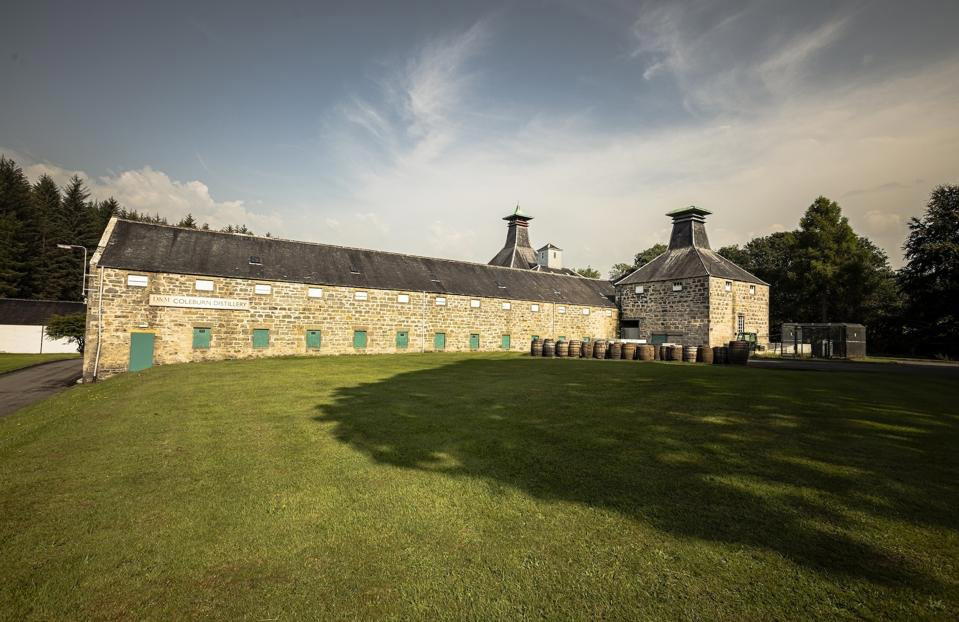
Stone, Slate, and Single Malt: Lodging at the Heart of Speyside
The approach to Coleburn tells you something before you arrive. The Speyside corridor between Elgin and Rothes is one of the most concentrated whisky-producing strips in Scotland, where distillery names appear on road signs with the same frequency as village names elsewhere. Lodging here, in converted or purpose-built structures on or adjacent to working distillery land, occupies a category that barely existed a decade ago: accommodation where the physical architecture of whisky production is not a backdrop but the primary spatial experience. The Whisky Lodges at Coleburn sit inside that emerging format, positioning themselves where industrial heritage meets considered hospitality design.
The broader context matters. Scotland's whisky tourism sector has shifted decisively from visitor-centre bolt-ons to destination stays, a transition driven partly by demand from American and Asian markets for immersive producer access, and partly by a domestic hospitality industry that recognised the structural advantage of distillery land: space, character, and a story already embedded in the stonework. Properties at this end of the spectrum compete less with standard rural hotels and more with a small peer group of estate-led lodgings, places like Kilchoan Estate in Inverie or The Newt in Somerset, where the productive landscape surrounding the building is integral to the stay rather than incidental to it.
Industrial Bones, Hospitality Finish
Speyside distillery buildings follow a recognisable typology: pagoda-vented maltings, bonded warehouses with thick rubble-stone walls designed to hold temperature, and low-slung workers' cottages that cluster around the operational core. Coleburn distillery, which ceased production in 1985, left behind exactly this kind of built environment: structures with significant thermal mass, agricultural-industrial proportions, and a material palette (local granite, slate, timber) that is both distinctive and difficult to replicate. The whisky lodge format that has developed on such sites tends to work with these bones rather than against them, preserving ceiling heights, retaining original openings where planning allows, and using the contrast between rough industrial shell and refined interior fitting as a deliberate design move.
This approach places Coleburn's lodges in a broader tradition of adaptive reuse hospitality that has become one of Scotland's more convincing architectural exports. The comparison set includes conversions across the Highlands and Islands, though few benefit from Speyside's combination of operational distillery proximity, road accessibility, and the specific prestige that the Longmorn postcode carries among whisky collectors. The Coleburn Whisky Resort, which encompasses the lodge accommodation alongside a bistro offer, represents one of the more complete attempts to build a full hospitality proposition around a dormant distillery site in this region.
Where Coleburn Sits in the Scottish Lodging Conversation
Scotland's premium rural lodging market has fragmented into several distinct sub-segments. At one end, established grand hotels like Gleneagles in Auchterarder offer resort-scale amenities and a global brand guarantee. At the other, smaller properties with a sharper sense of place Langass Lodge in the Outer Hebrides, for instance, trade on intimacy and location specificity over facility depth. The whisky lodge format at Coleburn operates in the latter territory, where the proposition is fundamentally about where you are and what surrounds you, rather than what is available inside.
The Coleburn lodges belong instead to the category of purpose-driven accommodation where the reason to be there precedes the question of comfort, though the expectation of both is rising sharply as whisky tourism matures as a sector.
The Speyside Timing Question
Longmorn and its surroundings reward visits across the year, but the calculus changes significantly by season. Spirit of Speyside, the annual whisky festival held each May, creates a concentrated demand spike across the region, with distillery accommodation booking out months in advance. The autumn window, roughly September through October, combines better availability with harvest-adjacent landscape character and the beginning of the cask-tasting season at several working distilleries along the same road. Winter visits are quieter and the light is challenging, but the bonded warehouse interiors, which maintain a near-constant temperature regardless of external conditions, are at their atmospheric leading when there is frost outside. For travellers with flexibility, late spring or early autumn represent the most balanced entry points, weighed against the significant lead time required during festival periods.
Planning Your Stay at Coleburn
Specific pricing, room categories, and booking channels for the Whisky Lodges at Coleburn are not confirmed in, and travellers should verify directly through the Coleburn Whisky Resort listing before making plans. What the site's character and category suggest is that this is accommodation leading approached as a base for Speyside exploration rather than a self-contained resort. The working distilleries of Longmorn, Benriach, and Linkwood are within the immediate area, and the broader Malt Whisky Trail, which runs from Aberlour through to Keith, is navigable by car in a single day from this starting point. Elgin, the nearest market town, handles most practical provisioning needs and sits approximately ten kilometres to the north. Edinburgh-based travellers planning a broader Scottish itinerary might also consider how Coleburn connects to other character-led properties: Crossbasket Castle in High Blantyre and The Rutland in Edinburgh both offer different but complementary takes on Scottish hospitality design. For the full Longmorn area guide, including restaurants and additional context on the region, EP Club's destination coverage provides further orientation.
A Quick Peer Check
| Venue | Cuisine | Price | Awards |
|---|---|---|---|
| Whisky lodges (Coleburn) | lodging focused on whisky tourism | Not listed | Not listed |
| Lime Wood | Not listed | Not listed | 2 Michelin Keys · La Liste Top Hotels |
| Muir, A Luxury Collection Hotel, Halifax | Michelin 1 Key | $300–500 | 1 Michelin Key · Forbes 4-Star |
| The Connaught | World's 50 Best | $1,000–1,500 | 3 Michelin Keys · World's 50 Best #49 |
| Raffles London at The OWO | World's 50 Best | $1,000–1,500 | 3 Michelin Keys · World's 50 Best #28 |
| Bvlgari Hotel London | Not listed | Not listed | 2 Michelin Keys · La Liste Top Hotels |
Continue exploring
More in Longmorn
Hotels in Longmorn
All hotels in Longmorn →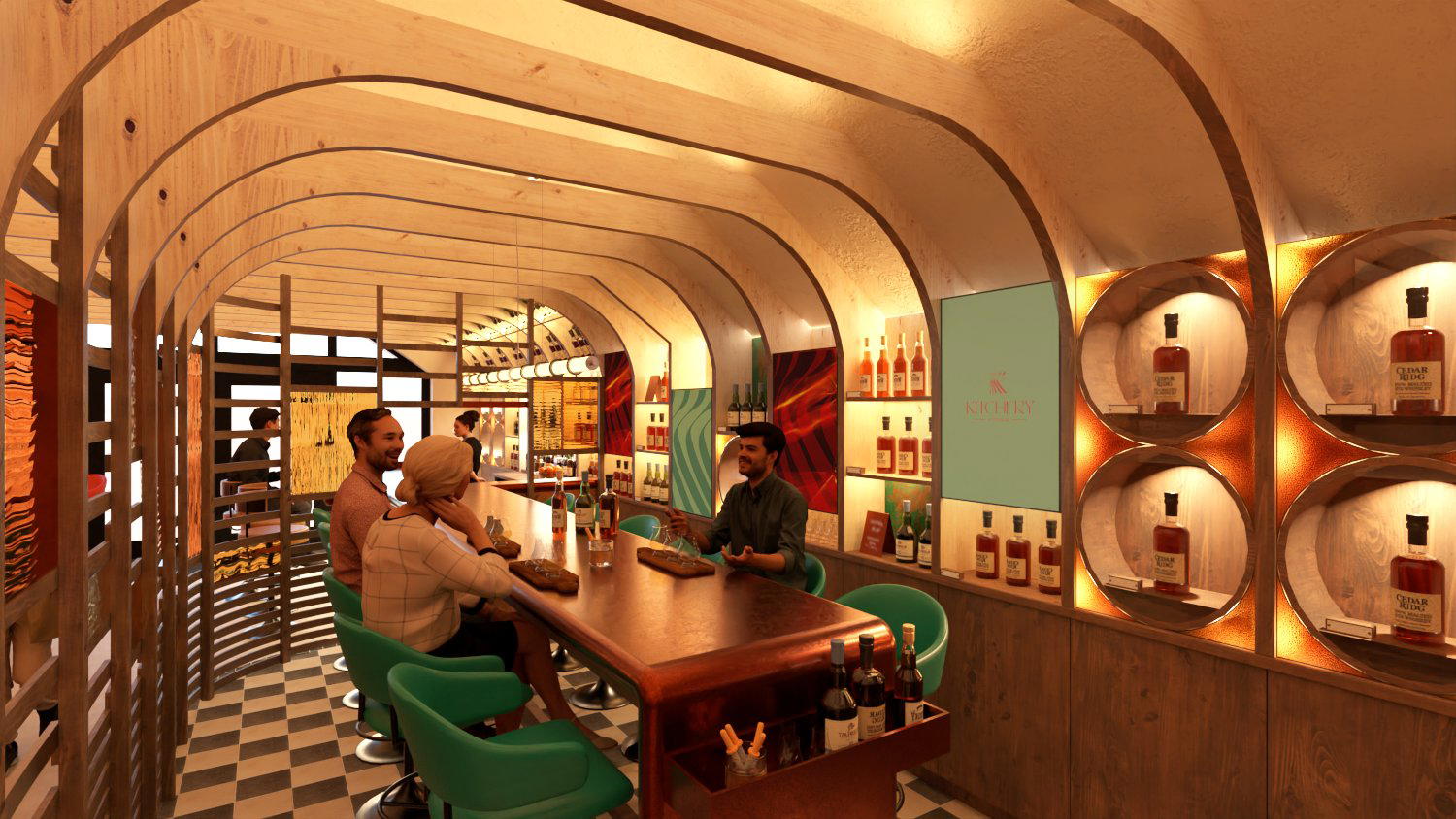
Details
- Rustic
- Cozy
- Sophisticated
- Historic
- Group Retreat
- Weekend Escape
- Historic Building
- Private Dining
- Bar
- Restaurant
A developing whisky-resort atmosphere with a relaxed bistro, warm natural materials, and a heritage setting being adapted for modern hospitality.