← Guides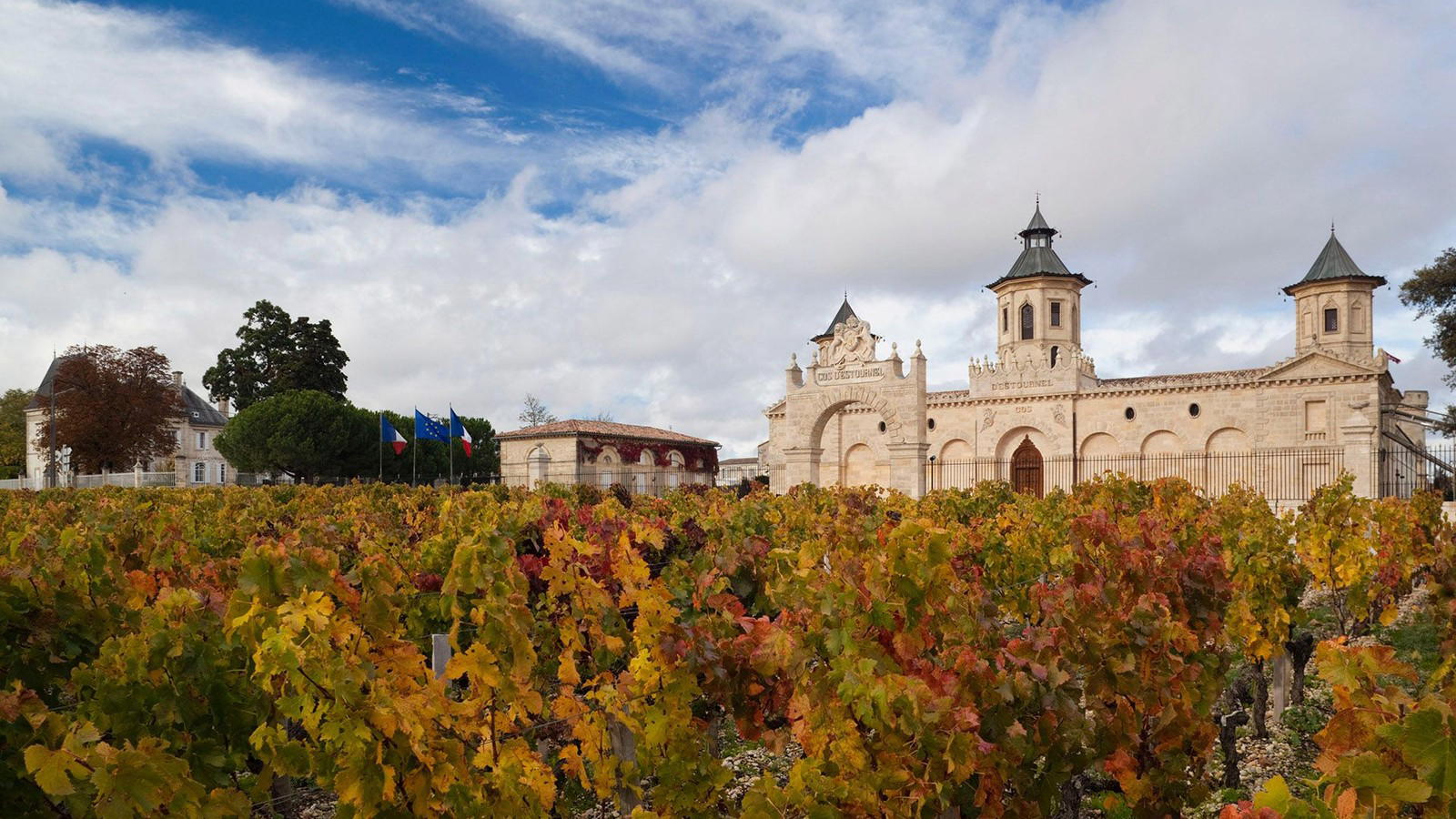
What a Visit to Cos d'Estournel and Montrose Actually Involves Yes, you can visit both estates, but neither operates a walk-in cellar door.
What a Visit to Cos d'Estournel and Montrose Actually Involves Yes, you can visit both estates, but neither operates a walk-in cellar door.
Yes, you can visit both estates, but neither operates a walk-in cellar door. Cos d'Estournel and Château Montrose, the two dominant Second Growths of Saint-Estèphe, require advance booking through their respective hospitality teams. Access is achievable for most serious visitors, provided you plan several weeks ahead and arrive with a clear purpose: a trade credential, a merchant introduction, or a direct inquiry that signals genuine collector intent. Turning up unannounced at either gate will get you no further than the gravel.
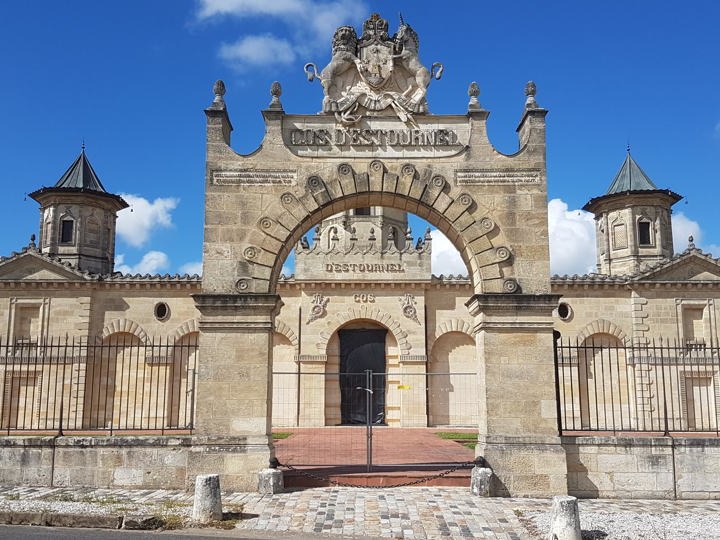
Saint-Estèphe sits at the northern tip of the Médoc, a drive north from Bordeaux, and its two flagship estates field a volume of visitor interest that their hospitality infrastructure was never designed to absorb. Cos d'Estournel, the pagoda-gated estate whose gates and courtyard are its most photographed feature, has invested in a new winery and visitor facilities under its current ownership, but the tasting program remains curated rather than open. Château Montrose,1 acquired by Martin and Olivier Bouygues in 2006, is quieter in profile but no less selective: the estate's winemaking team has tightened focus on its plateau of deep Günzian gravel, and the cellar calendar is guarded accordingly.
The deeper constraint is allocation. Both estates sell the majority of their grand vin through the Place de Bordeaux négociant system, which means the people who matter most to the commercial operation are the courtiers and négociants, not individual visitors. Hospitality time is finite, and it flows first to trade relationships.
For Cos d'Estournel, one reliable route is a direct inquiry through the château's official contact form or hospitality email.
The approach is old-fashioned: write a concise email explaining who you are, your connection to Bordeaux wine, and the dates you have in mind. A merchant introduction from a négociant or UK/US importer who holds an allocation materially improves your odds.
The estate's website at estournel.com is the starting point; the hospitality contact is listed there.
For Montrose, the process is similar. The château can be reached by phone or email, contact details are published on the official site chateau-montrose.com,2 and the contact section carries a visit request form. No public booking engine exists. A letter of introduction from your wine merchant, particularly one who participates in Montrose's en primeur allocation, carries weight. The estate does host trade and collector visits, but the calendar is managed privately.
A third channel worth knowing: Bordeaux-specialist tour operators, Bordeaux Saveurs, and a handful of UK-based wine travel companies, hold standing relationships with both estates and can sometimes secure visits that a cold individual inquiry cannot. This route adds cost but removes friction.
The visit calendar at both estates follows the rhythm of the Bordeaux trade year. Confirm current availability directly with each château before planning travel.
En primeur week in April is the single worst time to attempt a visit as an individual collector. Every hospitality slot at every classified growth is consumed by négociants, journalists, and buyers with commercial relationships. The week is not inaccessible, if your merchant can bring you as part of a trade delegation, you may find yourself tasting barrel samples alongside the trade, but a cold individual inquiry sent in March for an April slot will almost certainly be declined.
The window that tends to work best for private visitors runs from late May through June, after the en primeur circus has cleared, and again from September through early October, before harvest closes the cellars. July and August see reduced staff at many estates. November and December can work for cellar visits focused on the current vintage in barrel, though harvest itself, typically mid-September to mid-October in Saint-Estèphe, makes the winemaking team unavailable for hosting.
What insiders do differently: they contact the château in January or February for a spring or autumn visit, they name a specific négociant or importer relationship in the opening line of their email, and they ask for a cellar visit rather than a tasting, the latter implies a commercial ask, the former signals curiosity about the winemaking. Regulars who have visited before often send a brief note after each visit referencing a wine they purchased, which keeps the relationship warm without requiring a formal ask each time.
The single most effective thing a collector can do is establish a buying history through a merchant who holds allocations at both estates.
Cos d'Estournel and Montrose both distribute through the Place de Bordeaux, and the négociants, CVBG, Millésima, Joanne, and others, maintain relationships with the châteaux that translate into hospitality access for their best clients.
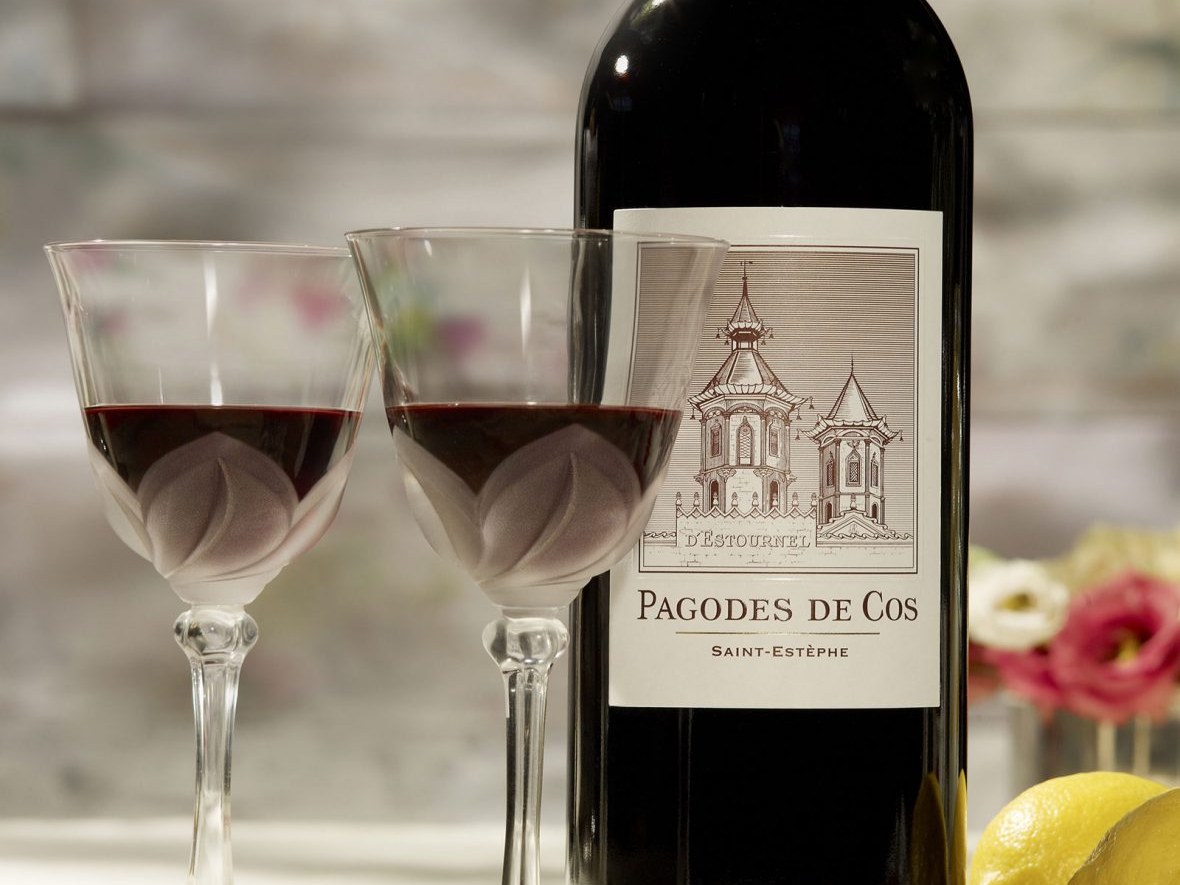
Buying the second wines, Les Pagodes de Cos and La Dame de Montrose, through a single merchant over consecutive vintages signals commitment without requiring the outlay of the grand vin.
A combined visit to both estates in a single day is logistically sensible: the two châteaux sit roughly two kilometres apart on the D2, and a morning at Cos followed by an afternoon at Montrose is a natural pairing. Arrange both visits independently and confirm the timing leaves adequate buffer, a cellar tour at either estate typically runs between one and two hours, and the conversation over a tasting can extend that considerably.
For the grand vin allocation itself, the en primeur route through a participating merchant remains a reliable channel. Both Cos d'Estournel and Montrose release en primeur each spring; the allocation window is short, and the price differential between en primeur and secondary market has historically favoured early buyers in strong vintages. The 2022 vintage drew notable trade attention to both estates, though specific pricing is not reproduced here as it varies by merchant and vintage, your allocated merchant is the right source.
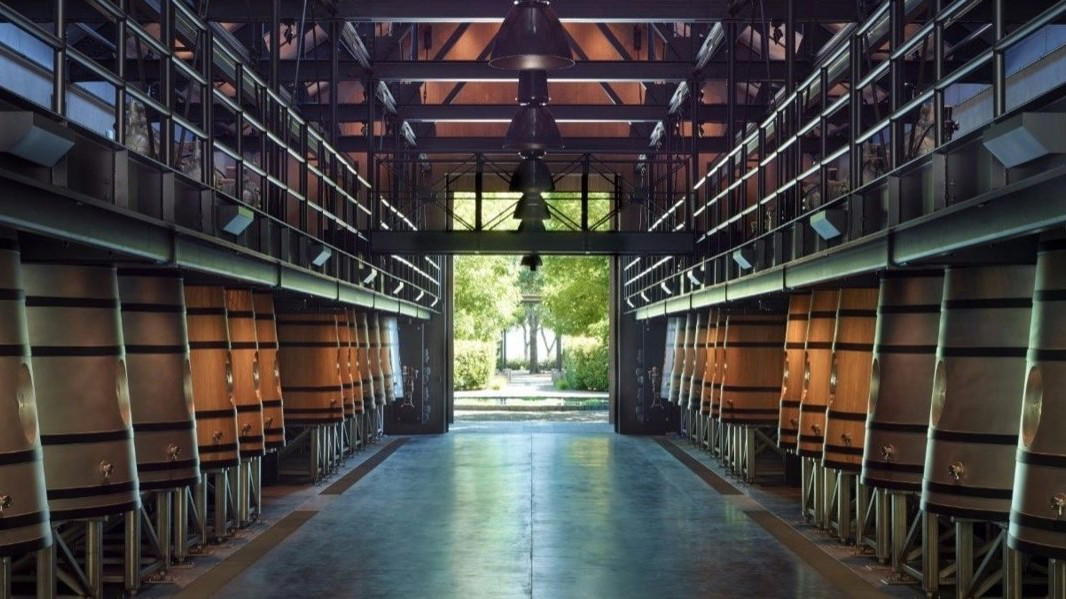
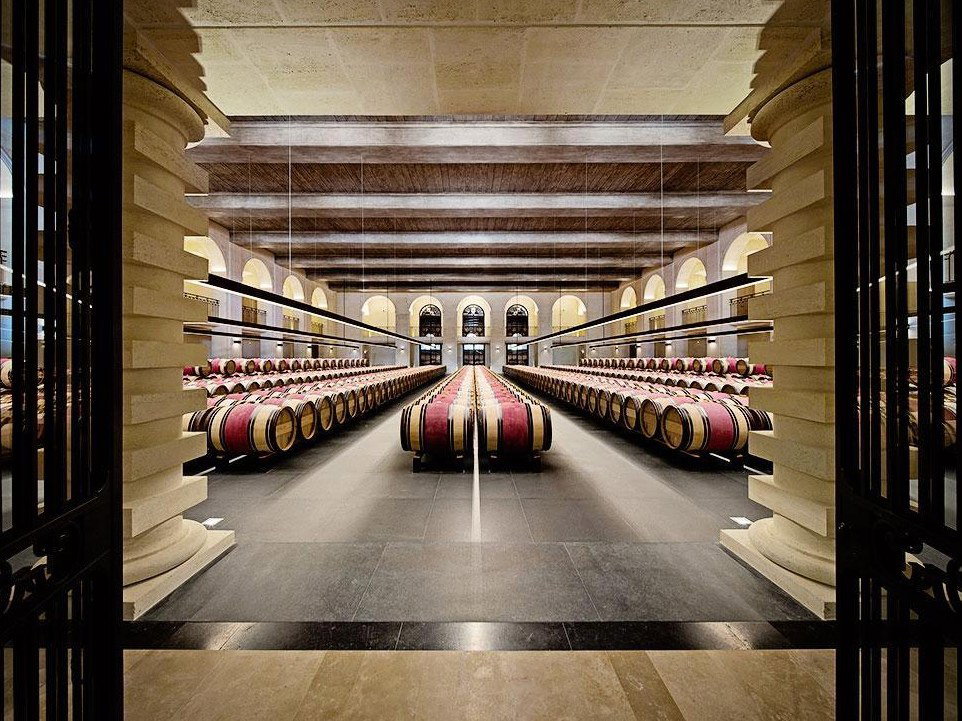
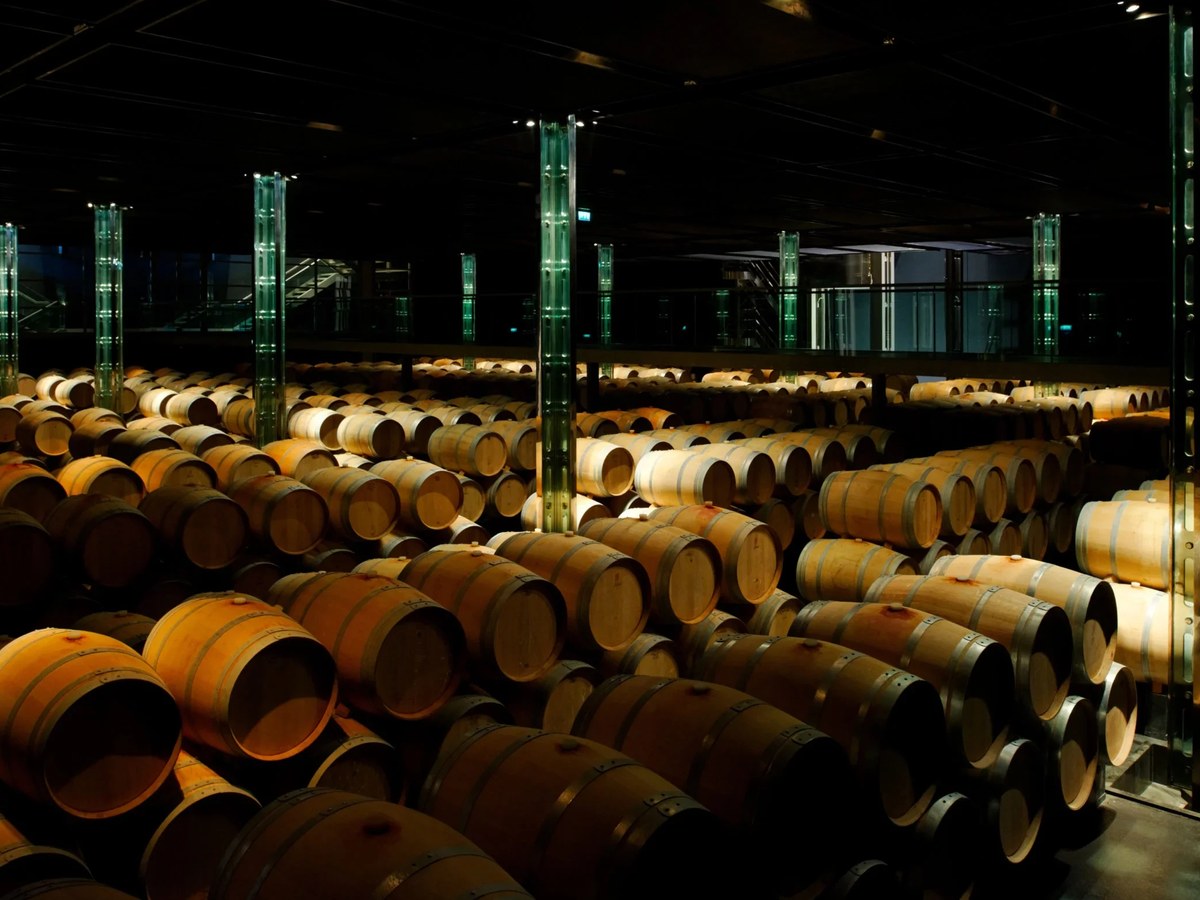
At Cos d'Estournel, the architecture does the first work. The pagoda gates, originally brought from the Sultan of Zanzibar's palace, according to estate lore, open onto a courtyard that sits above the Gironde estuary, with Château Lafite Rothschild visible across the boundary to the south. The new winery, completed under the current ownership, is built into the hillside and uses gravity flow throughout; a guide will walk you through the vat room, where the concrete and stainless tanks are sized by parcel rather than by volume, and down into the barrel cellar. The visit experience at La Maison d'Estournel3 starts from €70 per person and runs approximately one hour,3 with tastings typically covering the current vintage in barrel alongside back vintages in bottle, the 2019 and 2020 are reference points the team tends to reach for when illustrating the estate's style: a Cabernet Sauvignon-dominant blend from the plateau's clay-limestone soils, with the structure to age two decades or more.
Montrose is quieter in register. The estate sits on a single plateau of Günzian gravel, the same geological deposit that underlies Latour, and the visit tends to focus on that terroir argument. The winery, rebuilt by the Bouygues family,4 is functional rather than theatrical: the emphasis is on parcel-by-parcel vinification, with individual tanks for each of the estate's mapped plots. A visit here typically includes a walk through the vineyard if timing allows, a tour of the barrel cellar, and a tasting of the current vintage alongside La Dame de Montrose.
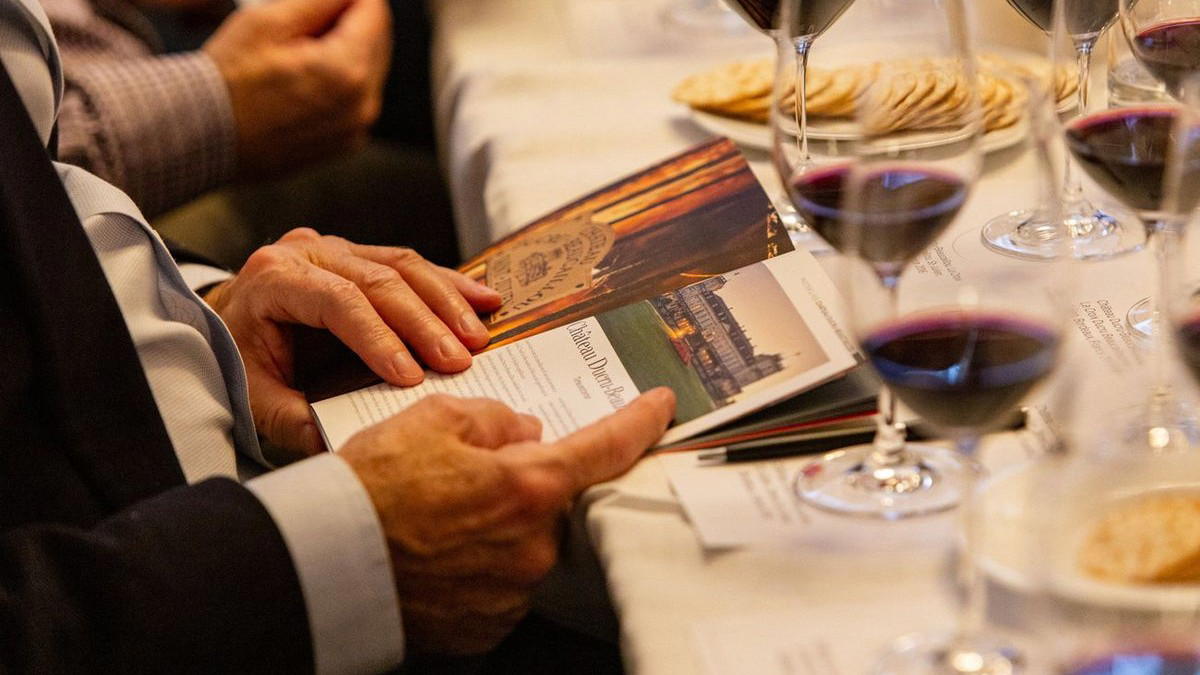
Neither visit is a consumer experience in the Napa sense. There is no tasting room with a retail shelf, no walk-in bar. What you get is time with a member of the technical or commercial team, a serious conversation about the vintage and the winemaking, and the kind of access to a working Médoc estate that most visitors to Bordeaux never see.
| Estate | Access Difficulty | Booking Route | Visit Format | Second Wine Entry Point |
|---|---|---|---|---|
| Cos d'Estournel | Moderate, requires advance contact and ideally a trade introduction | Direct via château website; La Maison d'Estournel3 from €70 per person | Cellar tour + barrel/bottle tasting, ~1 hour; extended formats available | Les Pagodes de Cos |
| Château Montrose | Moderate, similar to Cos; merchant relationship helps | Direct via château website;2 no public platform | Vineyard walk + cellar tour + tasting | La Dame de Montrose |
| Château Calon-Ségur | Lower, more open hospitality program | Direct contact; some tour operators include it | Cellar tour + tasting | Le Marquis de Calon Ségur |
| Château Phélan Ségur | Low, Cru Bourgeois Exceptionnel with a more accessible visitor policy | Direct contact or tour operator | Cellar tour + tasting | Frank Phélan |
| Bordeaux Saveurs / specialist tour | Low, operator handles access; cost premium applies | Book through operator website | Multi-estate day; operator-managed | N/A |
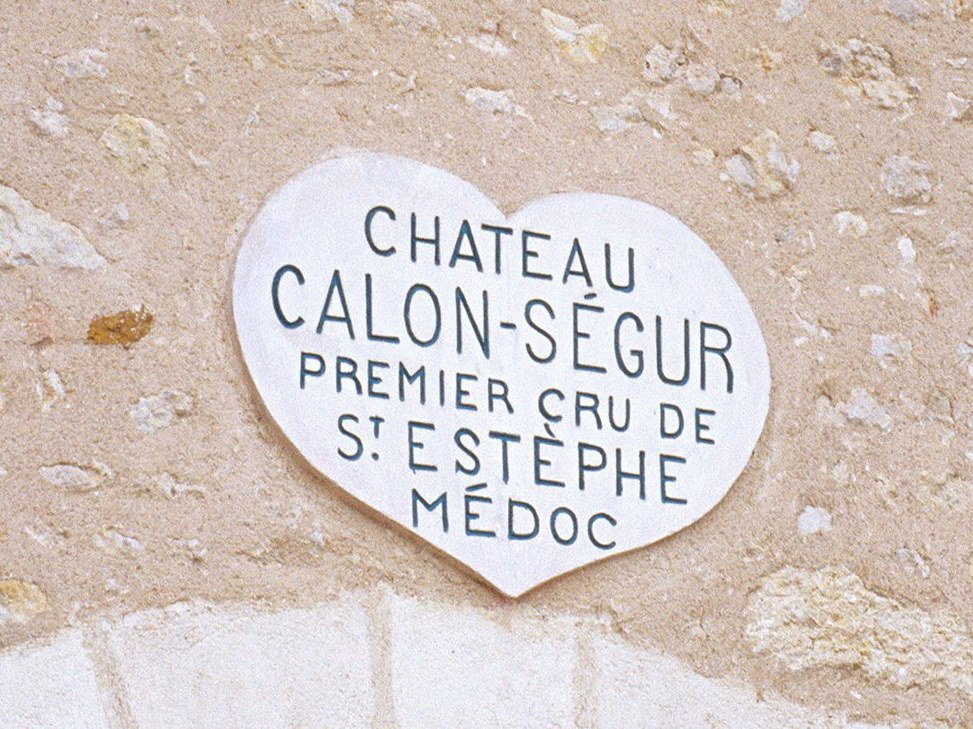
Château Calon-Ségur, the third classified growth of Saint-Estèphe, runs a more open hospitality program and is worth contacting directly. The estate's heart-label wines have attracted serious critical attention in recent vintages, and a visit here pairs naturally with either Cos or Montrose on the same day.
Château Phélan Ségur, a Cru Bourgeois Exceptionnel, is more accessible still and gives you a ground-level view of Saint-Estèphe's terroir without the classified-growth gatekeeping. For collectors who want the full appellation picture in a single trip, a Bordeaux-specialist operator who can sequence all three estates is one efficient route.
A visit to Cos d'Estournel and Montrose pays off most clearly for collectors who are already buying the wines and want to deepen their understanding of the terroir argument, the difference between Cos's clay-limestone and Montrose's Günzian gravel is not abstract once you've stood on both plateaux. It also makes sense for anyone planning a significant en primeur purchase: tasting barrel samples in context, with the winemaking team, sharpens the judgment in a way that merchant notes alone cannot.
It is less suited to casual Bordeaux tourists who want a scenic afternoon with a glass of wine. The visits are working, educational, and conversation-heavy. If you're not prepared to engage seriously with the winemaking, the terroir, and the vintage, the experience will feel formal rather than pleasurable. For that kind of visit, Calon-Ségur or a Pauillac estate with a more developed tourism program will serve better.
Both visits are worth the effort for the right visitor, but the effort is real. Neither estate has made access easy by design, and that is not likely to change. The route that works is patient, relationship-first, and trade-adjacent: establish a buying history through a merchant with allocations, contact the châteaux directly in January or February for a spring or autumn visit, and frame the request around the winemaking rather than the tasting. A combined day in Saint-Estèphe, Cos in the morning, Montrose in the afternoon, with Calon-Ségur as a contingency, is one of the more instructive single days available in the Médoc.
The allocation list is the only route that reliably compounds over time: buy the second wines consistently, build the merchant relationship, and the visit access follows.
For collectors who want the grand vin and the cellar access, the two are not separable, the hospitality flows toward the buyers, and the buyers who show up in person tend to buy more deliberately.
The wines themselves, Cos's structured, aromatic Cabernet from clay-limestone, Montrose's iron-fisted plateau Cabernet that needs a decade to open, reward exactly that kind of long-term commitment. Saint-Estèphe does not give itself away quickly, and that is precisely what makes the effort worthwhile.
No. Both estates require advance contact and do not accept walk-in visitors. The gates at Cos d'Estournel are particularly visible from the D2, which leads many visitors to attempt an unannounced stop, this will not result in a visit. Contact each château directly through their official websites well in advance of your travel dates.
Confirm the lead time directly with each château. Based on how the Médoc hospitality calendar generally operates, reaching out several weeks before your intended travel dates, and avoiding en primeur week in April, when hospitality calendars are fully committed to the trade, gives you a stronger chance of securing a slot.
Private collectors can and do visit both estates, but a connection to the trade, a merchant introduction, an importer relationship, or a documented buying history, materially improves your chances. A cold inquiry from an individual with no stated connection to the wine trade is less likely to be accommodated, particularly during busy periods.
The structured visit experience at La Maison d'Estournel for Cos d'Estournel starts from €70 per person for approximately one hour. Any fees should be confirmed directly with the château when arranging your visit. Bordeaux-specialist tour operators who include these estates in their programs will charge for the full day's itinerary.
Direct ex-château sales are not a standard feature of visits at either estate, both distribute primarily through the Place de Bordeaux négociant system. Some estates in the Médoc do offer limited direct sales to visitors, but this should be confirmed with each château in advance rather than assumed. Your allocated merchant remains a reliable channel for purchasing both the grand vin and the second wines.
Get the App
Take the shortlist into the En Primeur Club app for concierge access, saved places, and the next step after discovery.
Get Exclusive AccessMore from the editors