← Guides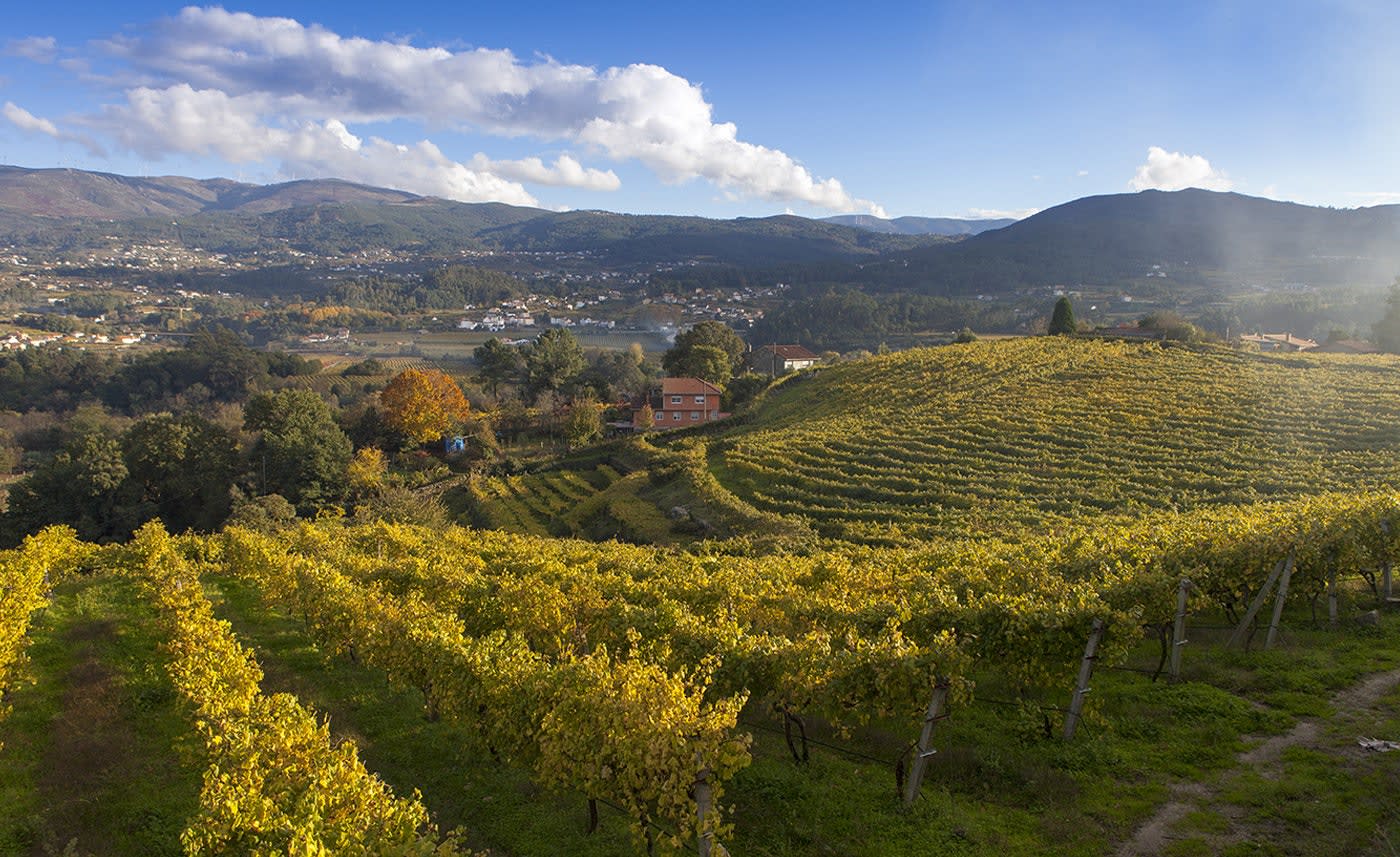
Eight Rías Baixas Albariños to know now, from stainless-steel citrus and saline snap to lees-aged texture and old-vine depth.
Eight Rías Baixas Albariños to know now, from stainless-steel citrus and saline snap to lees-aged texture and old-vine depth.
A saline thread, a flash of lime, the faint scent of flowers over cold Atlantic stone: Rías Baixas Albariño often tastes inseparable from Galicia’s coast. If you are choosing a bottle for fish, shellfish, appetizers, or a warm evening aperitif, start with the wine’s texture: stainless steel for snap, lees aging for breadth, and larger or older oak for more depth.
Albariño reaches its clearest expression in Galicia, especially in Rías Baixas, where Atlantic inlets, mostly granitic and alluvial soils, and cellar choices shape wines that move from bright citrus to lees- and oak-influenced weight. The grape is a quintessential summer white, loved for its light, refreshing profile and ample acidity, and it has taken root beyond Spain, on Long Island’s North Fork, in Virginia, and in California.
Across the Portuguese border, the grape is known as Alvarinho and plays a principal role in Vinho Verde and other wines.
| Wine | Producer / brand | Named cuvée | Vintage | Region |
|---|---|---|---|---|
| Pedras Loiras Albariño 2024 (Rías Baixas) | Pedras Loiras | Albariño | 2024 | Rías Baixas, Galicia |
| Granbazán Albariño ‘Etiqueta Verde’ 2025 (Rías Baixas) | Granbazán | Etiqueta Verde | 2025 | Rías Baixas, Galicia |
| Bodega Fillaboa Albariño 2024 (Rías Baixas) | Bodega Fillaboa | Albariño | 2024 | Rías Baixas, Galicia |
| Pazo das Bruxas Albariño 2024 (Rías Baixas) | Pazo das Bruxas | Albariño | 2024 | Rías Baixas, Galicia |
| Atalier by Raúl Pérez Albariño 2024 (Rías Baixas) | Atalier by Raúl Pérez | Albariño | 2024 | Rías Baixas, Galicia |
| Bodega Castro Martin A2O Albariño 2024 (Rías Baixas) | Bodega Castro Martin | A2O | 2024 | Rías Baixas, Galicia |
| Bodegas La Val ‘Licia’ Albariño 2024 (Rías Baixas) | Bodegas La Val | Licia | 2024 | Rías Baixas, Galicia |
| Quinta Couselo ‘Turonia’ Albariño 2024 (Rías Baixas) | Quinta Couselo | Turonia | 2024 | Rías Baixas, Galicia |
The rocky Galician coast on the Pedras Loiras label tells you exactly where to take the first glass: toward fish, shellfish, and a table set for something briny. Floral and citrus aromas lead, with lime and orange at the center and a subtle saline note running underneath.
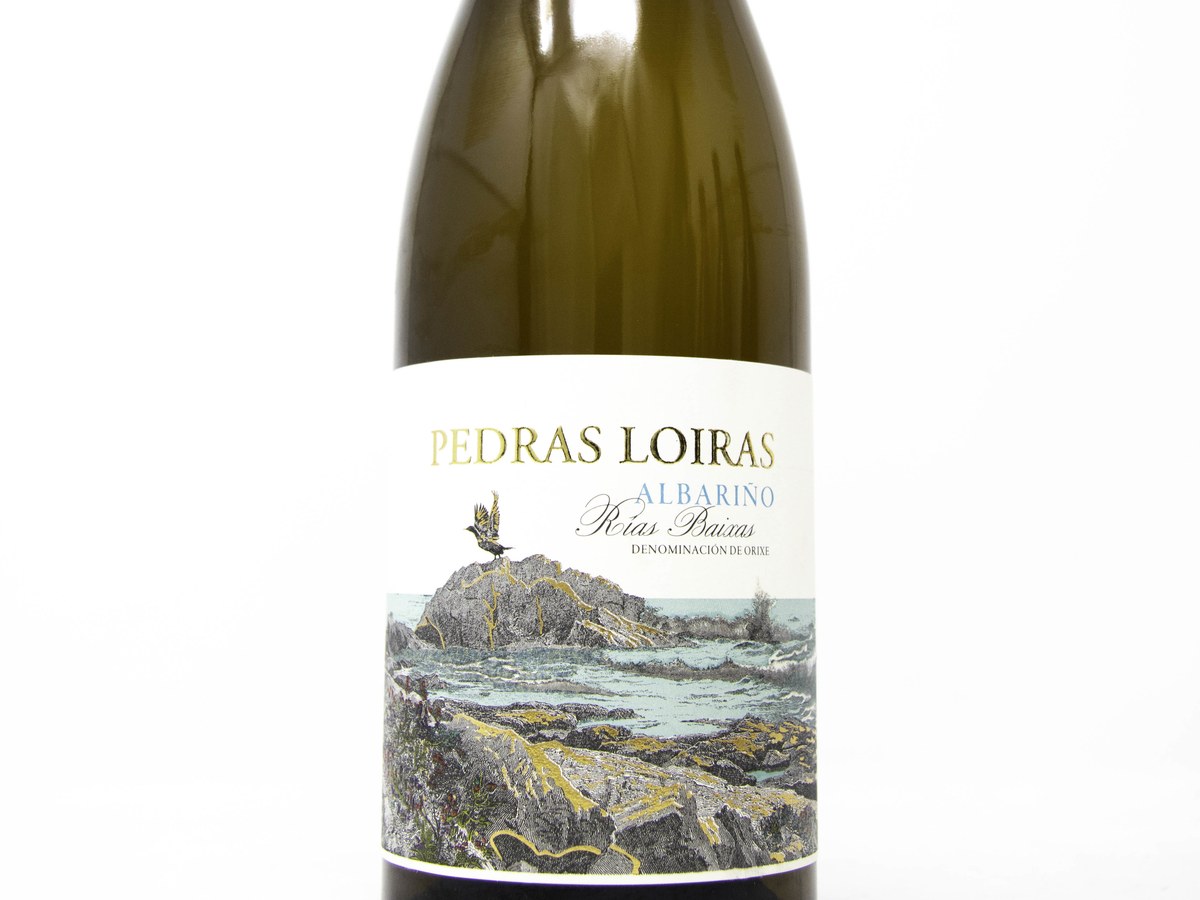
Texture gives this wine its second register. Pedras Loiras 2024 ages mostly in stainless steel, with about 15 percent in oak barrels over roughly seven months, so the wine keeps its brightness while gaining breadth across the palate. The acidity stays fresh, but the finish carries a little more weight than a purely stainless-steel expression.
Pour it moderately chilled rather than ice-cold. From a cold refrigerator, the aromas will be quiet at first; with a few minutes in the bottle and glass, the citrus, flowers, and saline detail come forward.
Details:
At least four months on the lees gives Granbazán ‘Etiqueta Verde’ 2025 a richer mouthfeel,2 framing Albariño’s natural freshness with more mid-palate presence. Choose it when you want Albariño’s acidity with a softer edge for seafood or appetizers.
Green apple skins, lemon-lime pith, and touches of orange shape the fruit profile, while hints of herbs and minerals emerge on the finish. The pleasure lies in that balance: bright citrus and apple notes, then a rounded lees-influenced frame that makes the wine feel complete without heaviness.
Let it warm slightly in the glass to bring out the herbal and mineral notes. The acidity remains lively, but the texture feels broader and more composed.
Details:
Stone fruit, herbs, and balance define Bodega Fillaboa Albariño 2024. The wine opens with stone-fruit and herbal aromas, then moves into white peach, peach skin, a touch of cream from lees aging, and a subtle mineral note.
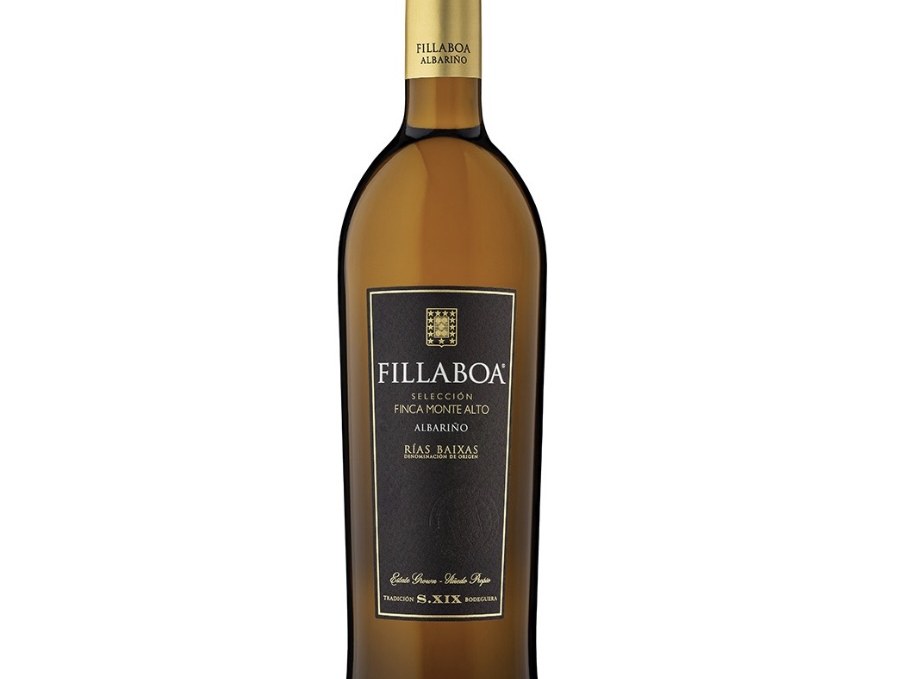
Nothing feels overplayed. The creaminess sits lightly, the peach-skin grip keeps the palate alert, and the mineral detail brings the wine back to its Galician setting. Albariño’s reputation often rests on easy-drinking freshness, but Fillaboa 2024 shows how lees contact can add shape while preserving lift.
The wine’s freshness and balance make it a strong choice for seafood or appetizers, and its stone-fruit profile offers a different register from more sharply citrus-led examples. Serve it moderately chilled so the peach, herb, and mineral notes remain visible.
Details:
Flint and grapefruit give Pazo das Bruxas Albariño 2024 its first impression, crisp and mineral from the start. As it opens, dried stone fruits and flowers appear, followed on the palate by apricot, honeysuckle, orange rind, and a hint of cream.
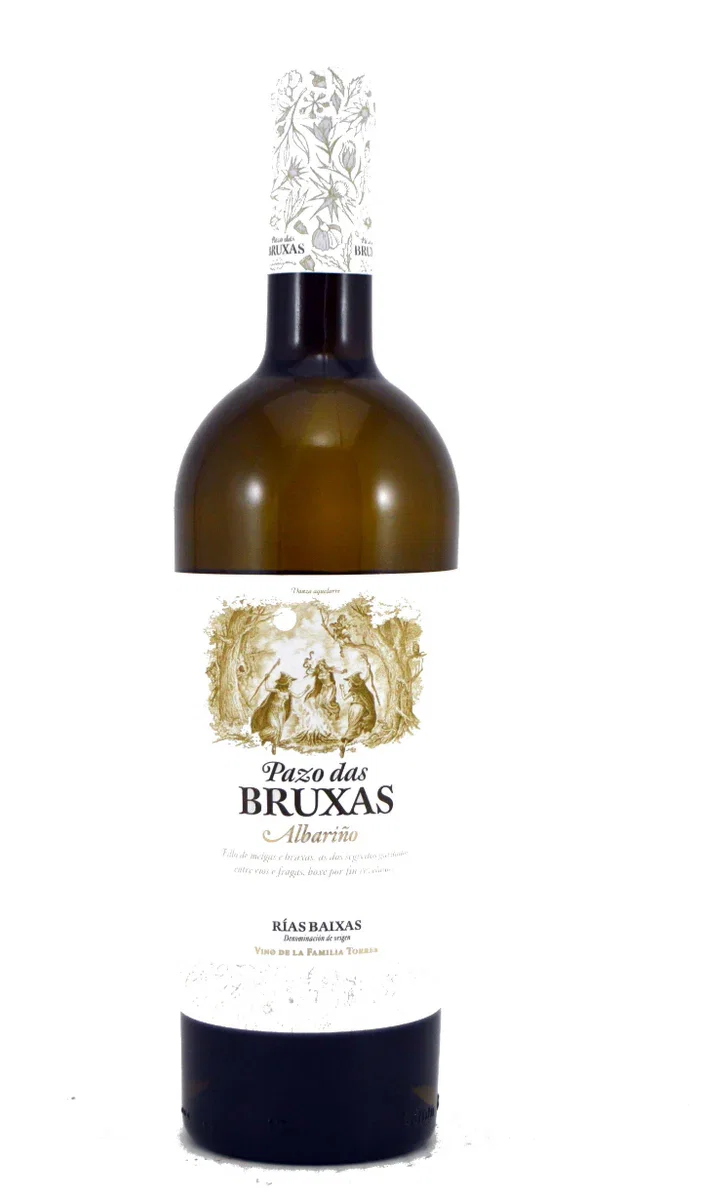
The wine has precision without austerity. Grapefruit and flint keep the line taut; apricot and honeysuckle bring perfume and flesh. Like many Rías Baixas Albariños, it also works as an alternative to Sauvignon Blanc when you want brightness without moving into the same aromatic register.
Temperature matters here. Too cold, the wine can read mainly as acidity and mineral snap; slightly warmer, the floral, stone-fruit, and orange-rind notes have room to unfold. Keep it cool, not glacial.
Details:
Old vines, a small single vineyard, and large old barrels give Atalier by Raúl Pérez Albariño 2024 its depth. Pick this bottle when you want a more layered Rías Baixas Albariño and are willing to pay a bit more than for some peers.
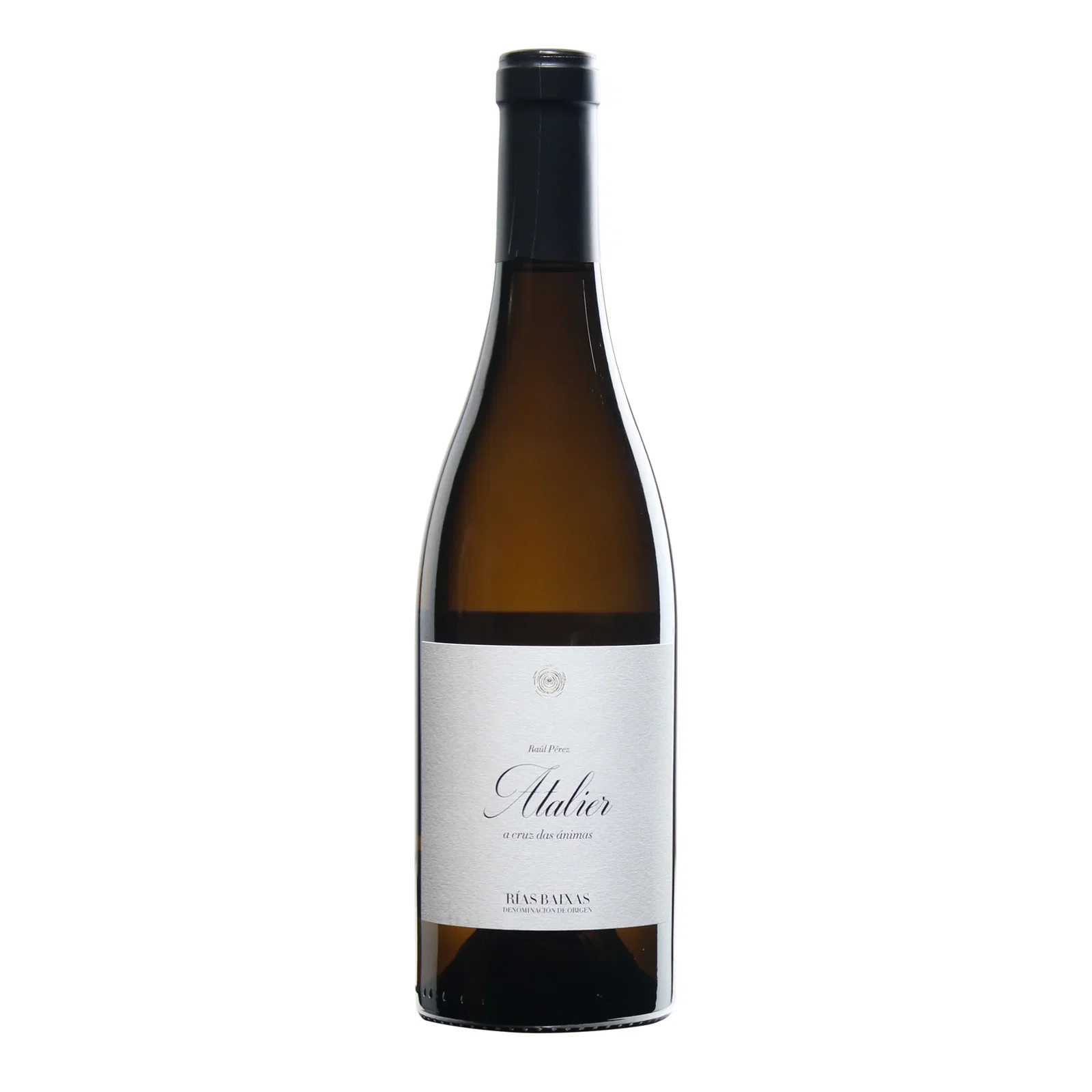
Ripe green apple, pineapple, orange, strawberry, and a tropical hint move across the nose and palate, accented by herbs and minerals. The barrel aging does not present as new-oak sweetness; the wine ages in large old barrels, which support depth and integration rather than obvious oak flavor.
Atalier 2024 costs a bit more than some of its peers, and the added dimension shows in the glass. It remains elegant, with enough fruit, mineral tension, and balance to show how layered Albariño from Rías Baixas can become.
Details:
Lush fruit leads in Bodega Castro Martin A2O Albariño 2024: white peach, cantaloupe, candied lemon, and orange. Tangy acidity keeps that generosity in check, making the wine both an appealing aperitif and a natural partner for food.
Lees aging gives A2O its richer mouthfeel. The fruit is open and expressive, but the wine does not drift soft; Albariño’s acidity keeps the finish animated and appetizing. That tension between ripe fruit and tang is the pleasure.
Choose this when you want a rounder-feeling Rías Baixas without losing the grape’s refreshment. The melon, peach, and candied citrus notes show best when the wine is cool rather than heavily chilled.
Details:
A wisp of sea salt announces Bodegas La Val ‘Licia’ Albariño 2024, followed by apple and white grapefruit notes that carry from nose to palate. La Val is one of the largest vineyard owners in Rías Baixas,3 and this bottling gives the appellation’s coastal signature a clear, bracing form.
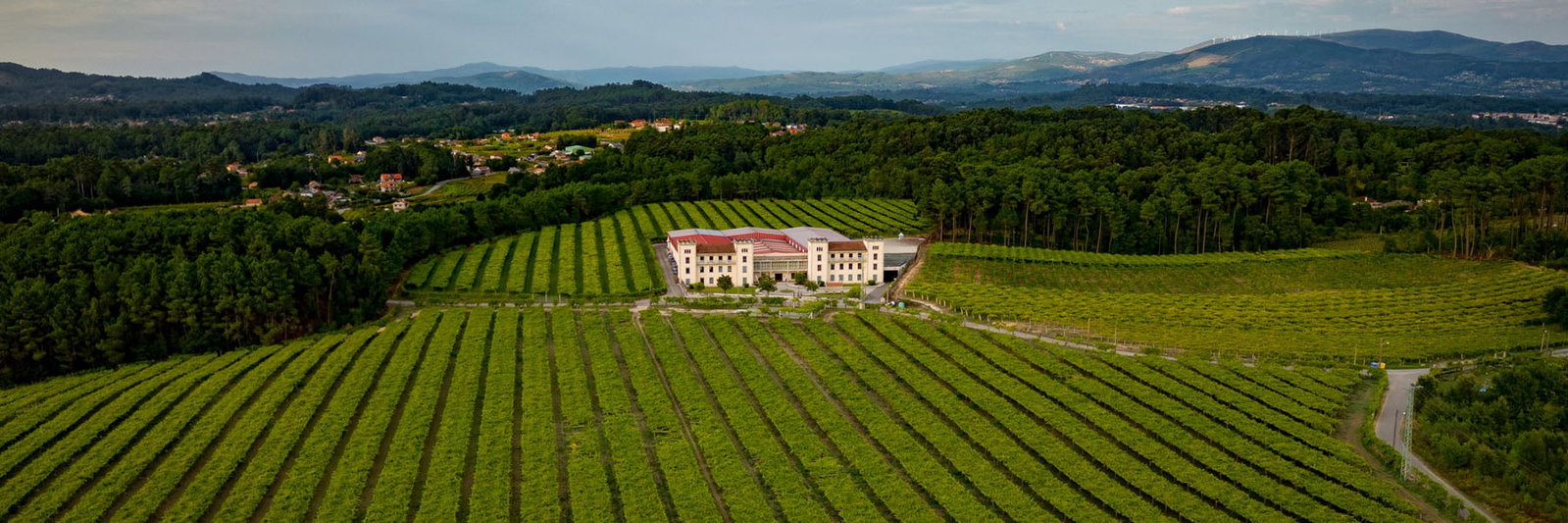
Flowers and herbs accent the fruit, including a touch of mint. The acidity is firm, but a creamy layer softens the long finish, creating a satisfying contrast between citrus brightness and gentle texture.
Choose ‘Licia’ 2024 when you want more than a simple crisp white. Sea salt, grapefruit, herbs, mint, acidity, and cream each have a role, making the wine useful when a seafood table needs both Atlantic freshness and palate weight.
Details:
Grapefruit bursts from the first whiff of Quinta Couselo ‘Turonia’ Albariño 2024, then continues on the palate with more citrus, pineapple, and honey. Rosemary, thyme, and a touch of salt add aromatic detail.
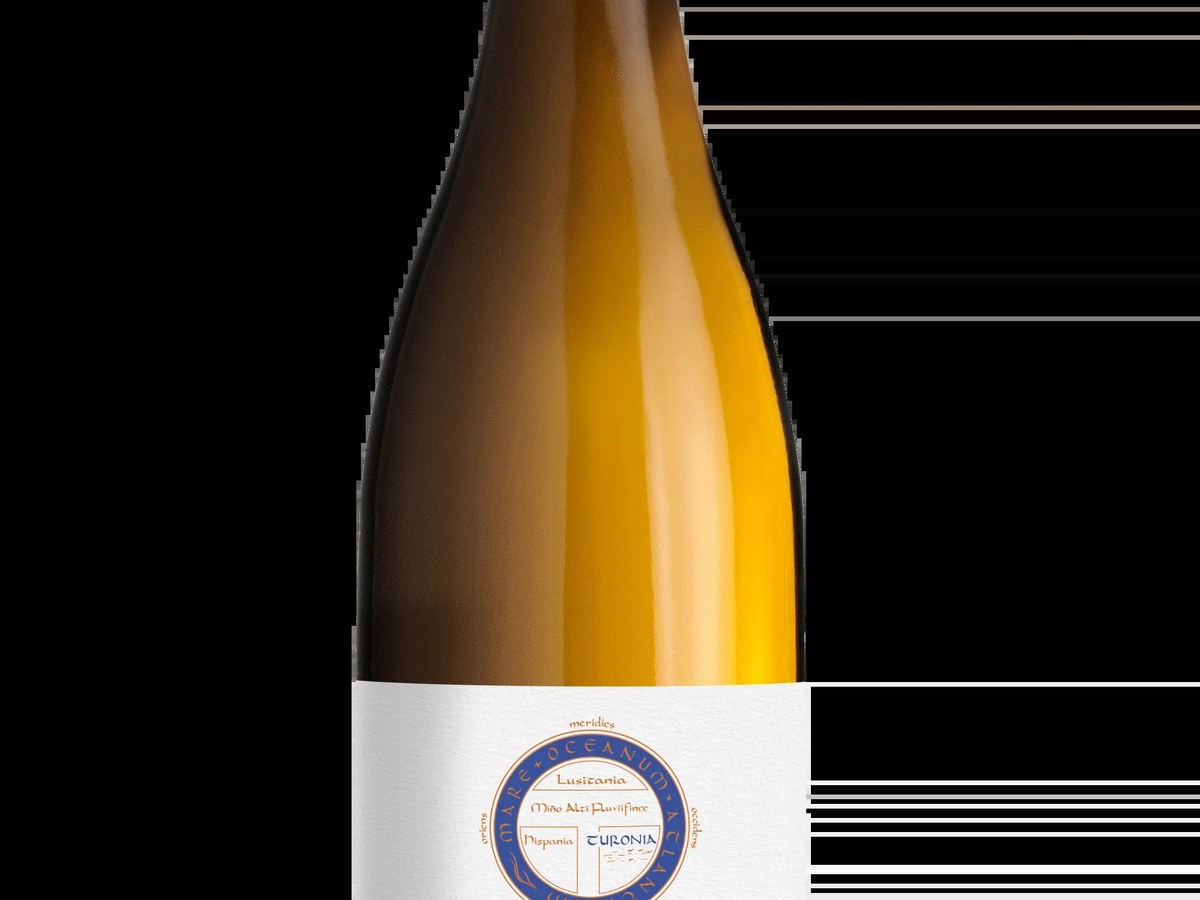
The herbal notes are especially useful at the table. They give the wine a savory edge beside its citrus and tropical fruit, while the salty touch keeps the profile anchored to Galicia’s coastal character.
‘Turonia’ 2024 has freshness, but it also has breadth of aroma: grapefruit first, then pineapple, honey, herbs, and salt. Give it a little time in the glass so the rosemary and thyme accents can move beyond the initial citrus burst.
Details:
Rías Baixas translates to “lower estuaries,” a name that explains much of the wine’s appeal: Atlantic inlets, seafood, acidity, and a subtle saline quality woven into the fruit. The region’s mostly granitic and alluvial soils contribute pronounced minerality, while stainless steel, lees aging, large oak barrels, and old barrels shape the amount of texture and depth in the glass.
Albariño may be a quintessential summer white, but it is not one-dimensional. Drink the freshest bottles young, give lees-aged and barrel-influenced cuvées room to show their texture, and let the stronger examples warm briefly in the glass before the first sip. Next up: the cru wines of France’s Muscadet.
Rías Baixas Albariño is typically light, refreshing, and dry, with ample acidity, citrus and stone-fruit notes, floral accents, pronounced minerality, and a subtle saline quality tied to the region’s coastal setting.
Serve it moderately chilled. If the bottle comes straight from a cold refrigerator, give it a few minutes in the glass so the aromas and flavors can become more expressive.
Pedras Loiras 2024 ages mostly in stainless steel, with about 15 percent in oak barrels over roughly seven months. Granbazán ‘Etiqueta Verde’ 2025 spends at least four months on the lees, Fillaboa 2024 shows a touch of cream from lees aging, Castro Martin A2O 2024 gains richness from lees aging, and Atalier by Raúl Pérez 2024 ages in large old barrels.
Most Albariño is sold young for current drinking, but the grape can age well. Albariño can also gain depth and complexity from lees aging and aging in large oak barrels.
Albariño is an excellent companion to seafood, fish, shellfish, and appetizers. Its acidity, mineral character, and subtle saline quality make it especially useful at the table.
Get the App
Take the shortlist into the En Primeur Club app for concierge access, saved places, and the next step after discovery.
Get Exclusive AccessMore from the editors