← Guides
Jesús Jiménez brings La Mancha roots, Rolland discipline, and old-vine Toro focus to LVMH-owned Bodega Numanthia.
Jesús Jiménez brings La Mancha roots, Rolland discipline, and old-vine Toro focus to LVMH-owned Bodega Numanthia.
At ten or twelve, Jesús Jiménez was already at the wheel of a tractor, learning the vineyard before he learned the language of technical direction. Jesús Jiménez, the Numanthia Toro winemaker and technical director at LVMH-owned Bodega Numanthia, applies a vineyard-first philosophy learned in La Mancha to centenary Tinta de Toro vines in Castilla y León. That makes his current role less a corporate appointment than a return to first principles: the vine gives back what you give it. In Toro, where Bodega Numanthia works with old vines under an extreme climate, that exchange becomes the whole point.
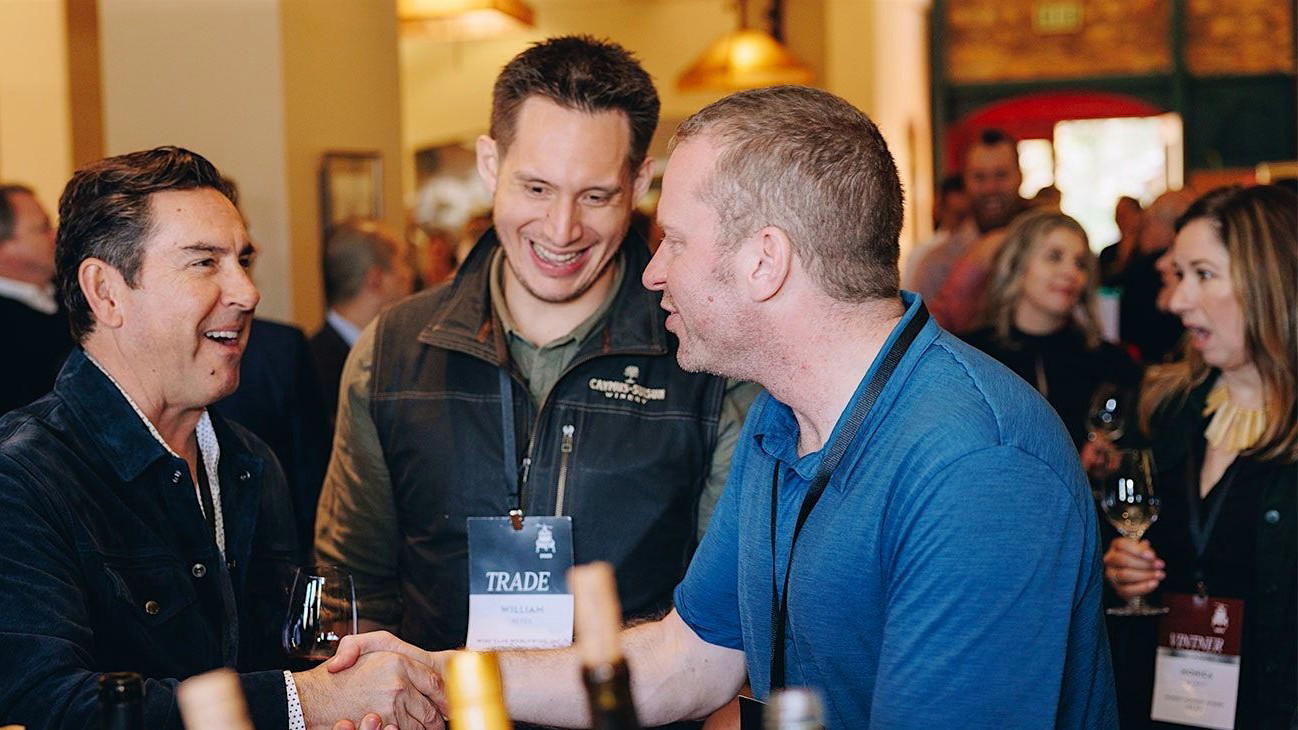
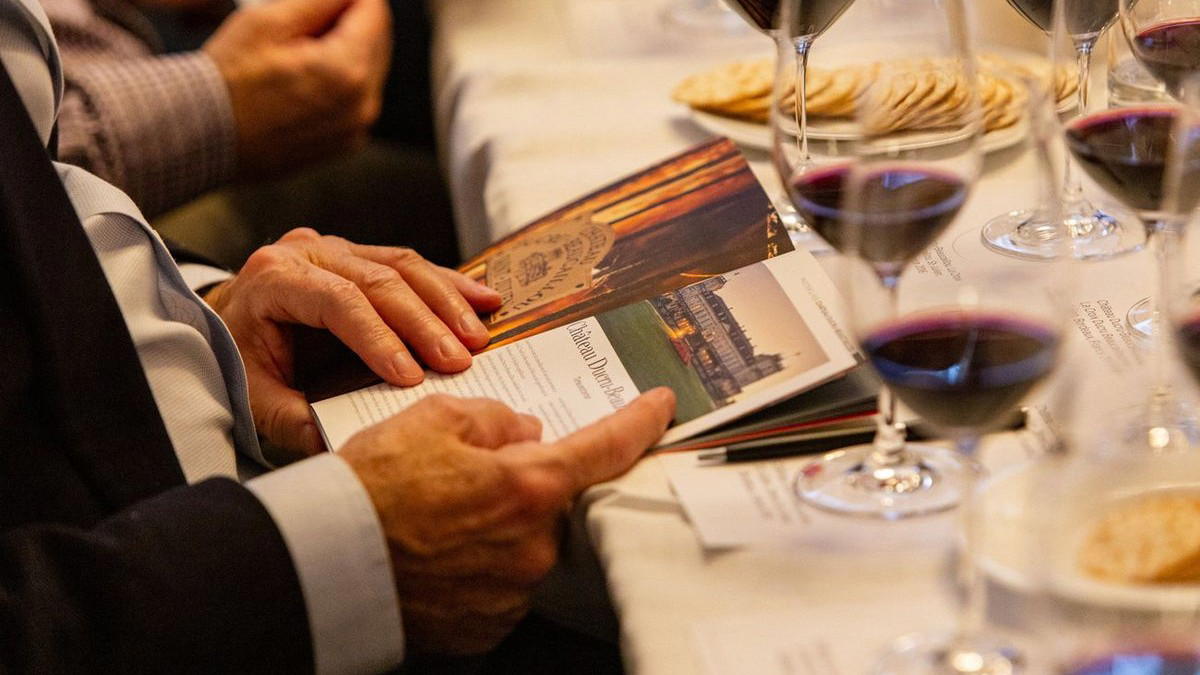
Jiménez came to wider collector attention again through Decanter’s profile ahead of a three-course lunch at Decanter’s Fine Wine Encounter London on 6 November, hosted with Decanter content director Tina Gellie. The wines named for the table were Numanthia 2019, Numanthia 2018, and Termanthia 2015, three vintages from an estate founded in 1998 and now owned by LVMH. For anyone who has followed Toro’s move from muscular curiosity to serious cellar conversation, Jiménez is a useful lens. He speaks about old vines without sentimentality. He speaks about care.
Jiménez’s story begins in La Mancha, in Spain’s Toledo province, where Decanter reports that he grew up around his family’s vineyards and winery. His father and grandfather were winegrowers, and the family also had a winery. The formative detail is not a famous château or a polished tasting room; it is a child moving between vineyard rows, cellar tanks, and the work rhythms of a family business.
His grandfather invited him to taste wines during fermentation so he could understand the differences between tanks. His father took him into the vineyard and let him drive the tractor. Those memories matter because Jiménez now works in a region where vine age carries marketing weight, yet his language points back to daily agricultural attention rather than mythology.
"he has always been a perfectionist and since I was a child he taught me that all the care we give to the vineyard, it gives back to us in spades."Decanter1
, Jesús Jiménez, technical director, Decanter1
That sentence is the hinge of the profile. Before Bodega Numanthia, before LVMH, before the formal titles, Jiménez had absorbed the idea that precision in the vineyard is not an aesthetic preference. It is a contract. If the vines are neglected, the glass remembers.
He later completed a degree in Agricultural Engineering and a Masters in Viticulture and Enology delivered by UNESCO, according to Decanter. The education gives structure to the instinct. After work on a grant project dealing with water usage in vineyards, he became viticulture director and then technical director at Los Nevados winery in Ciudad Real. The early arc is telling: vineyard water, viticulture direction, technical direction. He did not arrive at Toro through the tasting room door.
Before joining Bodega Numanthia, Jiménez worked as technical director for François Lurton and Michel Rolland across the Rueda and Toro denominations, as Decanter reports. Those names sharpen the profile. Lurton brought an international frame; Rolland brought the blending discipline and cellar confidence that Jiménez cites as an influence. Yet the deeper thread remains the vineyard.
Jiménez has credited his first winery steps to Pepe Hidalgo and Ana Martin from La Rioja, before later working with consultant Michel Rolland and absorbing what Decanter describes as Rolland’s bold vision and mastery of blends. It would be easy to flatten that into style: power, polish, extraction. Jiménez’s own path argues for something more specific. He came from water-use research and agricultural engineering; he entered Toro with both field training and cellar experience.
That matters because Toro asks a winemaker to make decisions before the fruit reaches the winery. The source material describes the region’s climate as extreme. Bodega Numanthia describes its own vineyards as ancestral, organically cultivated and dry farmed, with vines grown in sandy, rocky soils without irrigation. Under those conditions, balance is not a finishing touch. It begins with site selection, vine condition, and the patience to let different parcels contribute different kinds of structure.
For collectors, this is the distinction to keep in mind with Numanthia. The technical director’s résumé is not ornamental: La Mancha family vineyards, an Agricultural Engineering degree, a UNESCO-delivered Masters in Viticulture and Enology, work with François Lurton and Michel Rolland, then the LVMH-owned Toro estate. Each step narrows the focus toward old-vine Tinta de Toro and the question of how much power a wine can carry without losing detail.
Toro’s appeal has always been physical. The region’s wines have a reputation for density, but Bodega Numanthia’s story, as presented by Decanter and the estate’s own materials, rests on vines that have endured far more than a run of favorable vintages. The winery focuses on wines from centenary vines in Toro’s extreme climate; the estate also speaks of ancient Tinta de Toro vines rooted in the region’s long viticultural history.
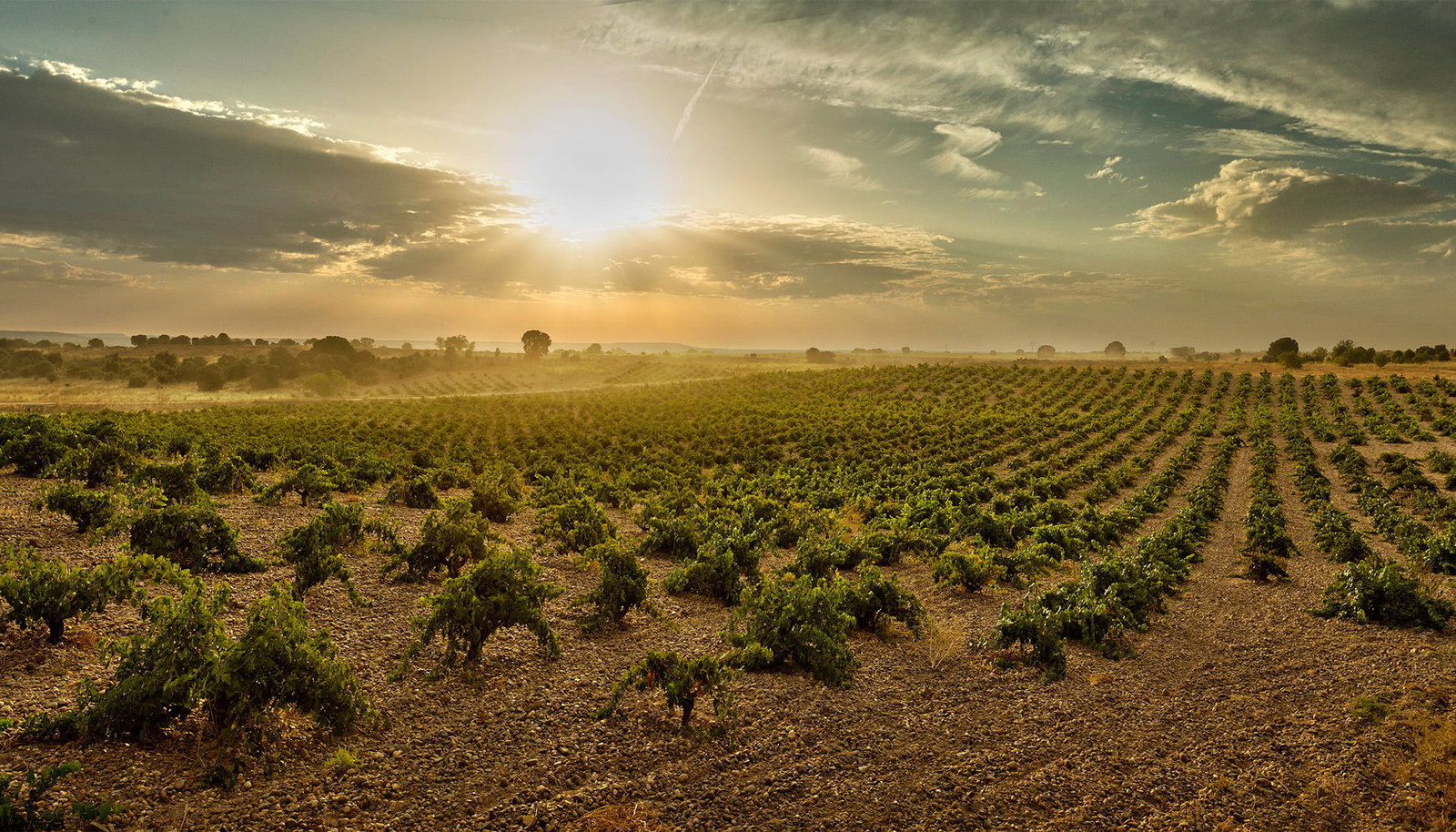
Jiménez frames old vines with welcome restraint. Age is not the achievement by itself. The vine survives because it has earned its place in the vineyard.
"In our case, our wines aren't great because vines are old, but our vines are old because they have always grown great wines."Decanter1
, Jesús Jiménez, technical director, Decanter1
That reverses the usual collector shorthand. Old vines can become a label claim, a romance, a photograph of twisted trunks under hard sun. Jiménez makes the claim more demanding. The vine’s age must be justified by the wine. Otherwise, age is just a number carved into a sales sheet.
Decanter’s source material also notes Jiménez’s description of Toro as a relic, a place where Numanthia’s founders in the late 1990s encountered vines that were still producing at 200 years old. Because the claim is so specific, it deserves attribution rather than embroidery. The point is not that every bottle can be reduced to vine age; the point is that Bodega Numanthia’s identity is tied to vineyards whose survival gives Toro a kind of viticultural memory.
The grape is Tinta de Toro, the local expression of Tempranillo named by Bodega Numanthia in its own materials. The estate’s range includes Termes, Numanthia, and Termanthia, with the Decanter lunch focusing on Numanthia 2019, Numanthia 2018, and Termanthia 2015. Those three names are enough to show the estate’s internal ladder without inventing production figures or scores. At the summit, Termanthia carries the weight of the estate’s most closely watched bottling; in the middle, Numanthia gives the estate its signature.
Bodega Numanthia was founded in 1998, according to the source material, and is located in Valdefinjas, Castilla y León. The estate places itself within Toro’s older history, including a claim from its own heritage materials that Toro wines travelled on Christopher Columbus’ ships in 1492. That historical detail is useful not because it turns a modern bottle into an artifact, but because it reminds us that Toro’s reputation did not begin with contemporary luxury ownership.
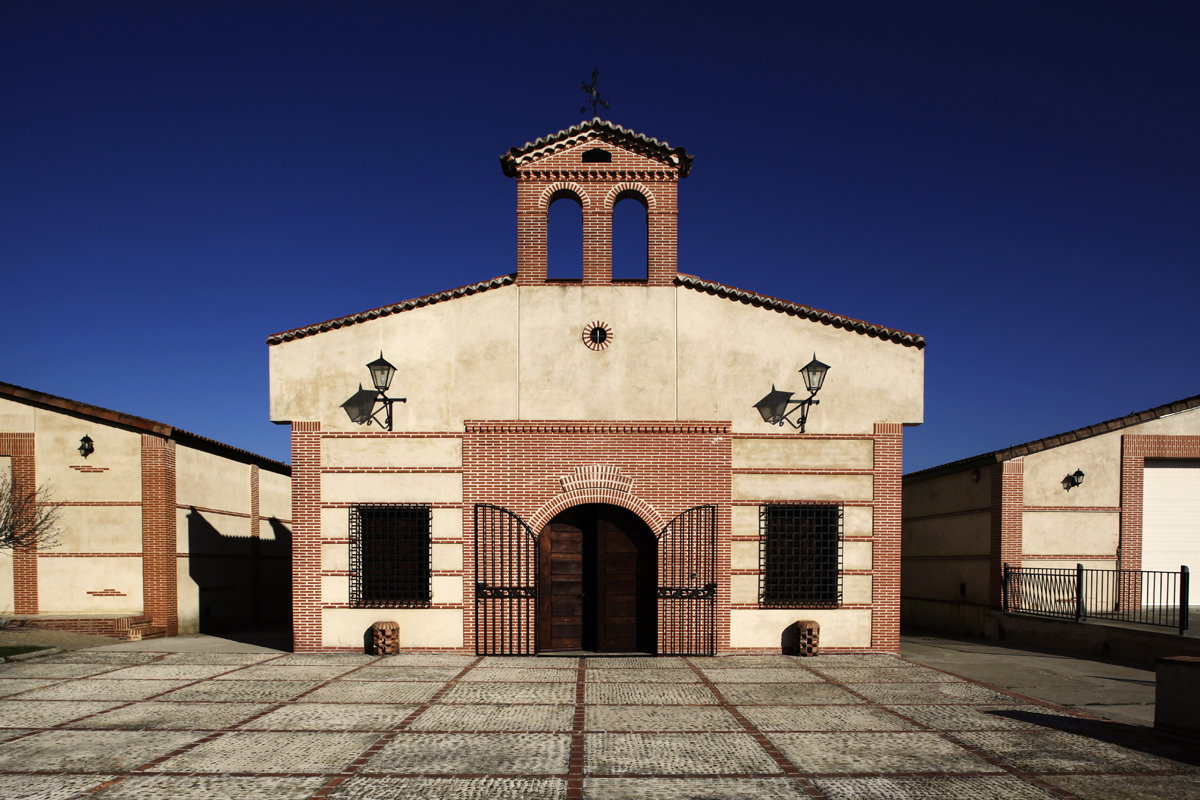
The winery’s name reaches further back still, to Numancia and the Celtiberian community whose resistance to Rome has become part of the estate’s founding narrative. Bodega Numanthia uses that story to speak about resilience; the more relevant wine detail is how the estate connects that language to vineyards that survived phylloxera and the region’s climatic pressure, according to its own materials. The physical evidence is in the vines rather than the mythology.
LVMH ownership gives Bodega Numanthia a global frame, but Jiménez’s work remains tied to Toro’s particular demands. The Numanthia Toro winemaker is not being asked to make a generic luxury red from Spain. He is working with a place already defined by Tinta de Toro, dry farming, old vines, and the need to find balance inside natural power.
For wine travelers, Valdefinjas also matters on the map. Bodega Numanthia places the estate in Castilla y León, northwest of Madrid and east of Salamanca. That geography puts Toro within the kind of itinerary that rewards a slower Spanish wine route: Madrid as a landing point, Castilla y León as the table, and Toro as the red-wine anchor. The estate’s own materials emphasize fine wines from Spain rather than mass tourism; the attraction for an oenophile is the chance to connect bottle, climate, and vine age in one place.
The Decanter Fine Wine Encounter London lunch on 6 November gives the profile its timely edge. Jiménez was listed to host the three-course lunch with Decanter content director Tina Gellie, with guests tasting Numanthia 2019, Numanthia 2018, and Termanthia 2015. In a thin market of real winemaker access, that lineup has value: two Numanthia vintages side by side, then Termanthia with additional bottle age.
No tasting notes are provided in the source, so the responsible move is not to invent black fruit, spice, or oak signatures. The interest lies in the structure of the tasting itself. Numanthia 2019 and 2018 allow a direct comparison between adjacent releases from the estate’s core bottling. Termanthia 2015 adds a separate point of reference from the winery’s upper tier. For a collector, that is practical intelligence: not a score sheet, but a way to read house style across cuvée and vintage.
The lunch format also suits Jiménez’s profile. A three-course table gives a technical director space to talk about vineyard care, terroir diversity, and blending choices without reducing the wines to a trade tasting pour. It is the difference between tasting a label and hearing the grower’s logic behind it. With Numanthia, where the estate’s identity leans so heavily on ancient vines and Toro’s climate, that context changes how you read the glass.
There is also a useful reminder here about scarcity. Old vines cannot be scaled by decree, and centenary vineyards do not appear because a market wants more of them. Bodega Numanthia’s appeal sits partly in that constraint. Jiménez’s task is to translate limited vineyard material into wines that carry the power associated with Toro while preserving the balance he says comes from understanding terroir diversity.
Jiménez has said, via Decanter’s profile, that Bodega Numanthia has understood wine through terroir diversity as a way to bring more balance to its wines. That is the technical sentence collectors should keep close. Toro’s natural power is not in question. The question is how a producer shapes that power without sanding away the region’s identity.
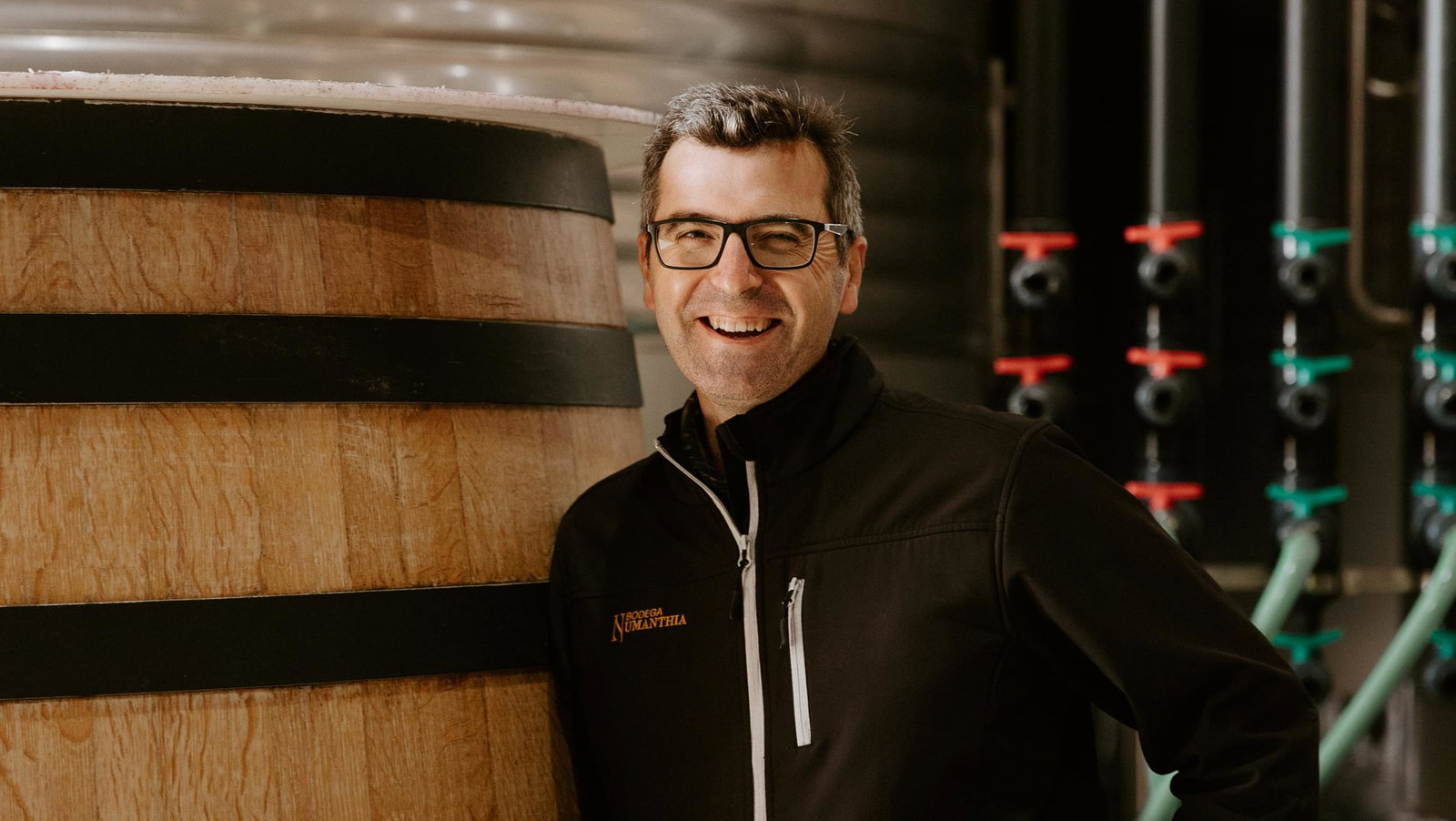
His background gives the answer a human outline. The father’s lesson is vineyard care. The grandfather’s lesson is tasting tanks during fermentation. The academic layer is Agricultural Engineering and a UNESCO-delivered Masters in Viticulture and Enology. The professional layer includes water-use work, Los Nevados in Ciudad Real, François Lurton, Michel Rolland, Rueda, and Toro. The present-tense responsibility is Bodega Numanthia, founded in 1998 and now part of LVMH.
Seen that way, the Numanthia Toro winemaker profile is not just a biography. It is a map of how a Spanish red wine with old-vine intensity can be handled by someone trained to respect both the field and the blend. Jiménez’s language does not chase novelty. He returns to care, diversity, balance, and the stubborn value of vines that have proved themselves over time.
That is where Numanthia’s next chapter becomes interesting for travelers and collectors alike. The estate has a clear set of anchors, Tinta de Toro, Valdefinjas, centenary vines, an extreme climate, and a technical director whose earliest wine memories came from family vineyards in La Mancha. Watch how Jiménez continues to turn those anchors into vintage-specific decisions, because in Toro the old vines may speak first, but the person listening still matters.
Tagged
Get the App
Take the shortlist into the En Primeur Club app for concierge access, saved places, and the next step after discovery.
Get Exclusive AccessMore from the editors