← Guides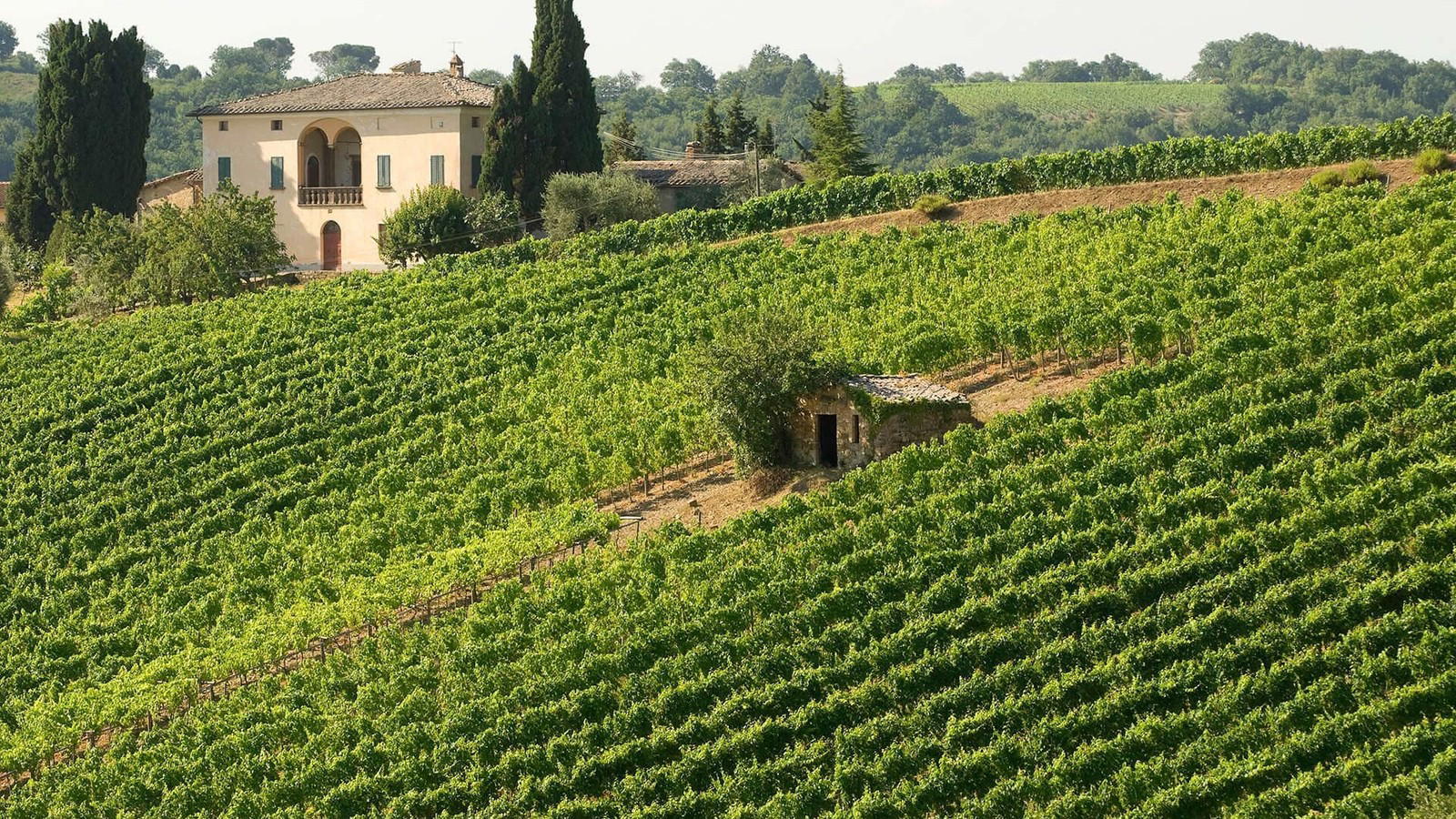
Four site-led Brunello references show how Montosoli, altitude, exposure, Galestro soil, and named vineyards sharpen Montalcino’s Sangiovese story.
Four site-led Brunello references show how Montosoli, altitude, exposure, Galestro soil, and named vineyards sharpen Montalcino’s Sangiovese story.
A few hundred meters can redraw Sangiovese in Montalcino. Alessandra Angelini captures the point cleanly: “It is a tiny territory with a massive variety of landscapes, cultivations, wilderness, soil types, altitudes, and exposures. A few hundred meters can make a huge difference between one vineyard or another. A minimal difference in altitude can also make a big difference. This is also the beauty of this amazing territory we are in.”
Brunello di Montalcino DOCG remains one of Italy’s key regions for the variety, and its most revealing bottles increasingly come from named vineyards rather than broader blends. Altitude, exposure, Galestro soil, parcel selection, and the rhythm of ripening now sit at the center of the conversation.
The key names here are Altesino’s Vigna Montosoli, Carpineto’s Brunello Riserva, Tenute Silvio Nardi’s Vigneto Manachiara and Vigneto Poggio Doria, and Caparzo’s La Casa. Use them as four ways into the appellation: each turns Brunello from a grand name into a more exact reading of place.
| Item | Region or context | Site or scope | Concrete details |
|---|---|---|---|
| Altesino Brunello di Montalcino Vigna Montosoli | Brunello di Montalcino DOCG | Montosoli vineyard | A historic vineyard-designate Brunello centered on Galestro soil, elevation, sun, and evening freshness |
| Carpineto Brunello Riserva | Brunello di Montalcino DOCG | Single north-facing 2.5-acre site | A high-elevation Riserva from a wooded, late-ripening vineyard protected from warm, humid westerly winds |
| Tenute Silvio Nardi: Vigneto Manachiara and Vigneto Poggio Doria | Brunello di Montalcino DOCG | Classic Brunello from 36 parcels across two estates, plus named single-vineyard bottlings | Contrasting single-vineyard selections that show distinct profiles in the 2021 vintage |
| Caparzo Brunello di Montalcino La Casa | Brunello di Montalcino DOCG | South-facing site on Montosoli hill | A Montosoli bottling that Angelini values for combining elegance and power |
| Reading the labels | Brunello di Montalcino DOCG | Label interpretation through named vineyards and defined parcels | Follow site cues such as altitude, exposure, Galestro soil, microclimate, and parcel selection |
Altesino Brunello di Montalcino Vigna Montosoli is the place to start if you want the original vineyard-designate reference point. Produced in 1975, it introduced the cru concept of vineyard-designate wines in the region and remains one of Brunello’s central single-vineyard bottlings.
Galestro gives the site its geological signature. Angelini credits this flaky, metamorphic-rock-based clay, prevalent in Tuscany, as a prime ingredient for a great Brunello vineyard: “Sangiovese loves this kind of poor soil type; it is what brings out one elegant expression of the grape.”
The soil also helps the vineyard perform across difficult seasons. In wet years, rainwater moves through the rock and settles deep underground; in dry years, vines can draw on those reserves. The top of Montosoli hill brings long hours of sun, while altitudes from just under 1,000 to 1,150 feet above sea level keep the vines outside the morning fogs that can arrive before harvest.
Evening breezes complete the architecture of the site, preserving perfume and aromatic lift through the day-to-night temperature shift. For a collector trying to understand why Montosoli matters, Vigna Montosoli offers the clearest starting point.
Carpineto’s Brunello Riserva suits drinkers who want to taste altitude first: it comes from a single north-facing 2.5-acre site whose vineyard starts at 1,640 feet of elevation. Owner Antonio Michael Zaccheo calls it a true mountain Brunello.
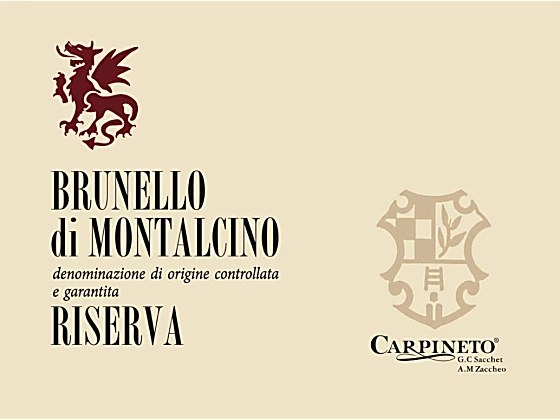
The parcel is among the last to ripen in the appellation, and thick surrounding woods protect it from warm, humid westerly winds. Galestro soil adds another layer of definition, placing the wine within one of Montalcino’s core soil narratives.
“The distinctive microclimate gives wines with intense bouquets, lively acidities, fine elegance, and great longevity,” Zaccheo says. He also notes that Montalcino resists broad generalization because soils change constantly, making wines from the same general area capable of different expressions.
Here, the identity is unusually precise: altitude, aspect, woods, late ripening, and soil all work in concert rather than merely decorating the label.
Tenute Silvio Nardi is the comparison to follow when you want classic estate Brunello and single-vineyard Brunello side by side. Its classic Brunello blends Sangiovese from 36 parcels across two estates, one in the northwest of Montalcino and one in the southeast.
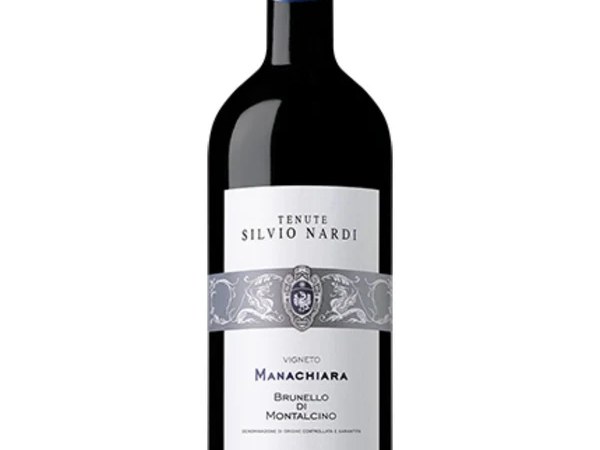
The producer introduced Vigneto Manachiara in 1995, followed nine years later by Vigneto Poggio Doria. General manager Marco Paier calls the two single-vineyard wines expressions of “the stronger characteristics of each estate,” drawn from the leading parcels of their respective vineyards.
The 2021 vintage makes the contrast vivid. Poggio Doria, from a cool site whose name means “hill of sunset,” shows red fruit, bold floral notes, and bracing acidity. Manachiara, named for the morning sun, moves toward ornate tannins, rich dark berry flavors, and a firm, full body.
Paier connects both sites to a warm Mediterranean microclimate, diverse ancient soils, full ripeness for Sangiovese Grosso, and the retention of acidity, structure, and longevity. Tommaso Cortonesi adds the broader aging frame: Montalcino’s microclimate gives the wines noticeable structure on release and the ability to evolve in complex ways over time.
Caparzo Brunello di Montalcino La Casa is the Montosoli bottle to read through sun and slope. On a leading south-facing side of Montosoli hill, it shows another face of the hill; Angelini owns Caparzo as well as neighboring Altesino, giving her two distinct perspectives on Montosoli.
“The south-facing side means sunshine all day long; it’s like having the stronger expressions of the north and south side of Montalcino all in one vineyard,” she says. The hill’s breeze is equally important, dropping temperatures in the evening and preserving aromatic intensity through diurnal contrast.
Caparzo works with 12 vineyards in varied locations around Montalcino, yet La Casa stands apart for its ability to bring elegance and power into the same frame. In Sangiovese, those qualities often pull against one another; here, exposure, position, and air movement bring them together.
Angelini remains measured on the question of formal MGA or cru designations for Montalcino: “In this moment I believe wine doesn’t need any more complications; it needs to be enjoyed and loved.” La Casa gives that view weight, precise in origin, generous in the glass.
Single-vineyard Brunello is most useful when it clarifies why a wine tastes the way it does. When choosing among these bottles, look for the practical language of terroir: where the fruit grew, how the vines met the sun, what the soil contributed, and why the parcel merited separate bottling.
For serious Brunello drinkers, that precision does not make the appellation narrower. It makes it more legible. Sangiovese remains the through-line, but the glass begins to speak with a more specific accent.
Single-vineyard Brunello comes from one defined place, emphasizing altitude, exposure, soil, microclimate, and parcel selection. Classic estate Brunello may blend fruit from multiple parcels.
Altesino’s Vigna Montosoli was originally produced in 1975 and introduced the regional cru concept of vineyard-designate Brunello.
Brunello di Montalcino DOCG covers 92 square miles. Only 15 percent of its land is planted to Sangiovese.
Altitude shapes ripening, freshness, fog exposure, and the temperature shift between day and night. Vigna Montosoli ranges from just under 1,000 to 1,150 feet, while Carpineto’s Riserva vineyard begins at 1,640 feet.
Brunello di Montalcino is made from Sangiovese, known locally as Brunello for more than 400 years.
Tagged
Get the App
Take the shortlist into the En Primeur Club app for concierge access, saved places, and the next step after discovery.
Get Exclusive AccessMore from the editors