← Guides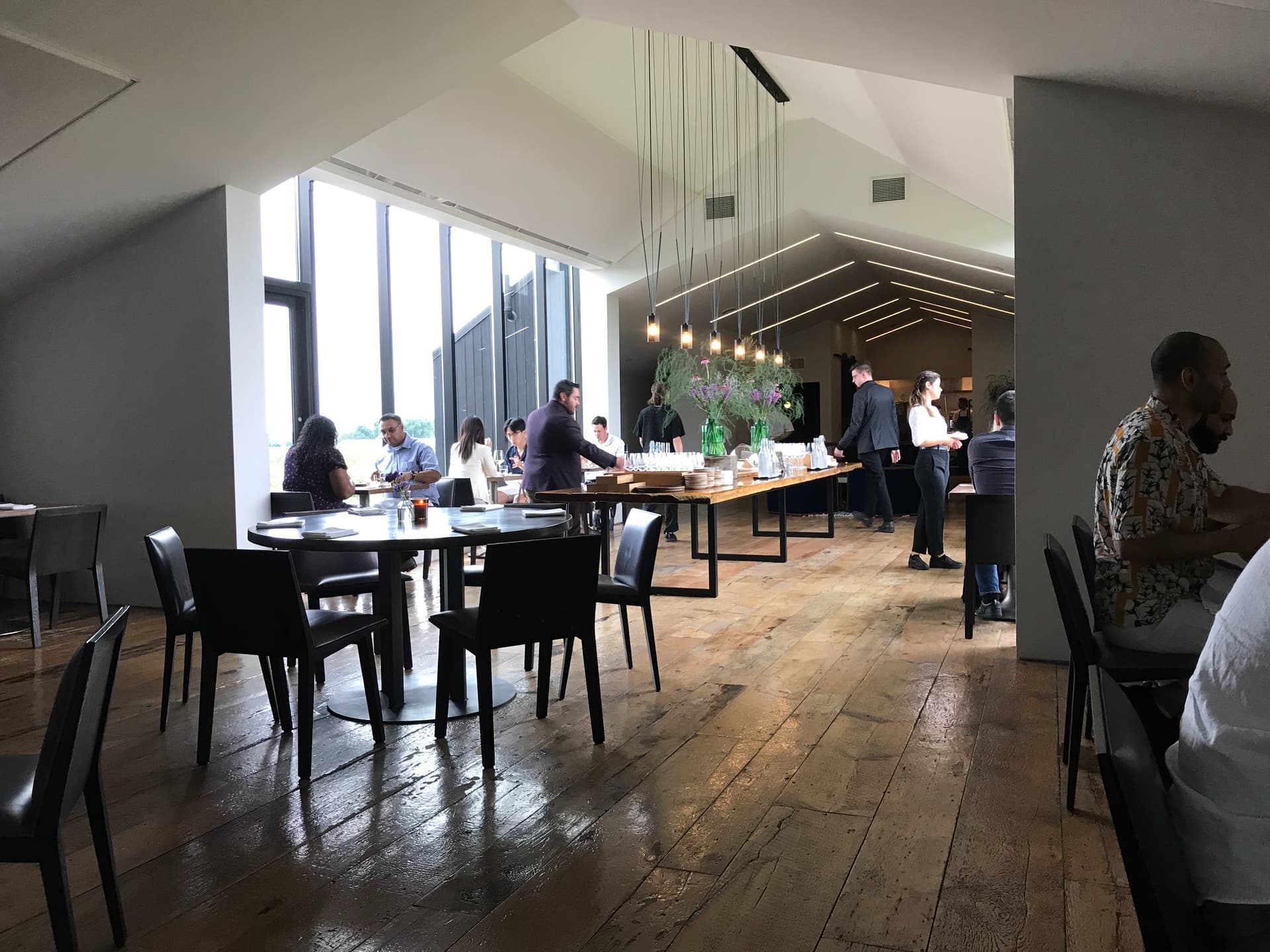
Niagara now rewards the dry-wine traveler with Riesling, Pinot Noir, Bordeaux-style reds, cider and chef-led winery dining.
Niagara now rewards the dry-wine traveler with Riesling, Pinot Noir, Bordeaux-style reds, cider and chef-led winery dining.
A Niagara wine guide now has to begin beyond ice wine: the peninsula on Lake Ontario now puts Riesling, Chardonnay, Pinot Noir, Cabernet Franc, cider and destination dining in the same tasting day. The region sits on the southern banks of Lake Ontario, about 90 minutes from Toronto, and stretches across nearly 2,000km² and 10 sub-regions. The route begins in the warmer Niagara-on-the-Lake district and follows the cooler limestone ridge around St Catharines and Beamsville (Decanter1).
Niagara still owns its cold-weather signature, and Canadian ice wine under VQA rules must come from grapes naturally frozen on the vine and harvested at -8°C or colder. That intensity has its place at the end of a meal, especially with Vidal’s apricot-weight sweetness or Cabernet Franc’s red-fruit lift. Dry Riesling, lees-aged sparkling wine, Chardonnay, Pinot Noir, Cabernet Franc and Bordeaux-style blends come before ice wine in the tasting sequence.
Niagara-on-the-Lake, near the US border and Niagara River, is warmer and better suited to varieties that need more heat and sunlight to ripen. The central and western swathes around St Catharines and Beamsville sit under the influence of the Niagara Escarpment, a cooler limestone ridge where Riesling, Chardonnay and Pinot Noir form the more precise end of the itinerary.
The practical advantage is proximity. A day can include a landing in Toronto, a 90-minute drive to Niagara, several sub-regions, breakfast, cellar doors, a pizza patio, a converted-barn dining room and a late tasting of single-vineyard Pinot Noir. Niagara now offers enough contrast for two days, especially when the route is split between Niagara-on-the-Lake and the escarpment villages.
Treadwell Cuisine gives the day a proper first pour of regional intent before the cellar doors open. Stephen and James Treadwell founded the restaurant in 2006, and Treadwell has called 124 on Queen home since 2013. OpenTable has listed it among the leading 100 Restaurants in Canada in 2016, 2017, 2019, 2022 and 2024, which makes it a useful breakfast or lunch anchor for a Niagara-on-the-Lake tasting day (Treadwellcuisine2).
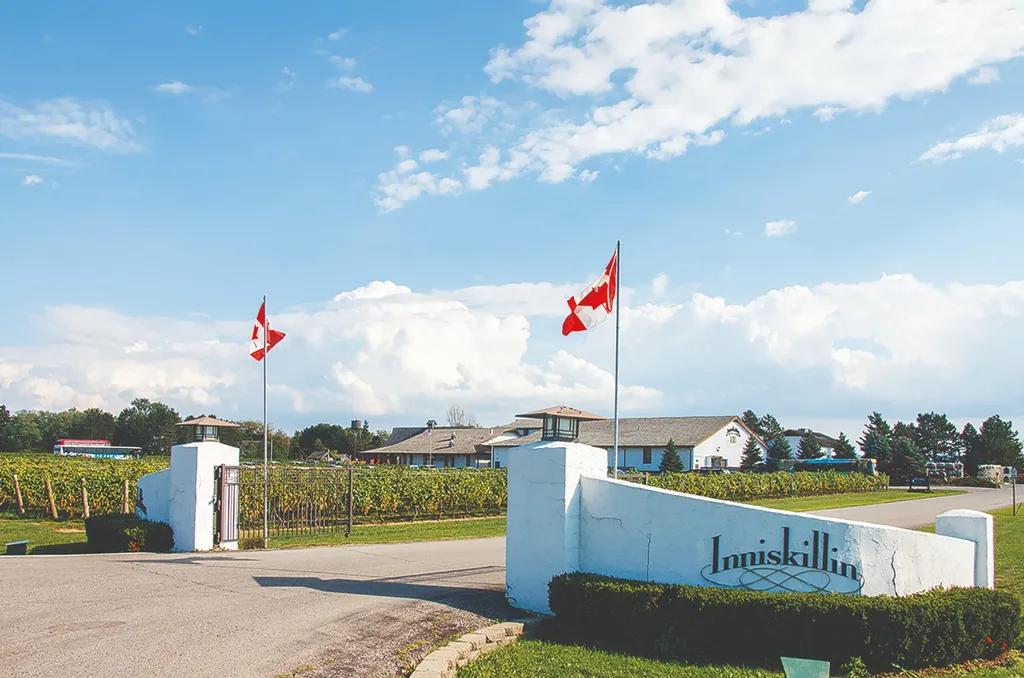
The morning choice tied to wine country is lobster Benedict, a richer start before Stratus and Stone Eagle, while the lunch menu includes Chardonnay-steamed P.E.I. mussels with fennel pollen cream and grilled bread. Pingue’s 24 Month Aged Prosciutto comes with Bosc pear, lemon aioli, arugula and Pecorino, and suits an afternoon built around Cabernet Franc, Pinot Noir or a structured Chardonnay. The restaurant offers a polished meal without taking a full tasting block from lunch.
Treadwell works as an opening stop for a route that begins in town. It sits within a short drive of Niagara-on-the-Lake wineries that show the region’s warmer register, from assemblage-style blends to Cabernet Franc and Bordeaux-varietal reds.
Details:
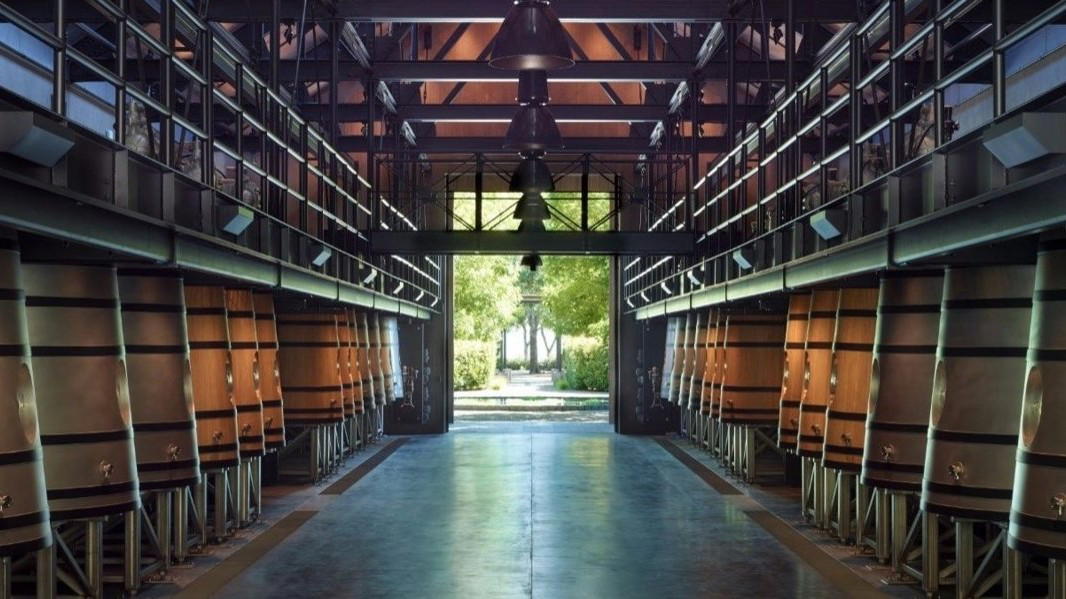
Stratus Vineyards is the Niagara-on-the-Lake stop for the region’s range beyond a single signature grape. The B-Corp winery has planted 16 grape varieties across its 22ha farm, and its LEED-certified, gravity-flow facility gives the tasting room a clear point of difference before the first glass. In a district often associated with Bordeaux-style reds, Stratus uses breadth as the message (Decanter1).
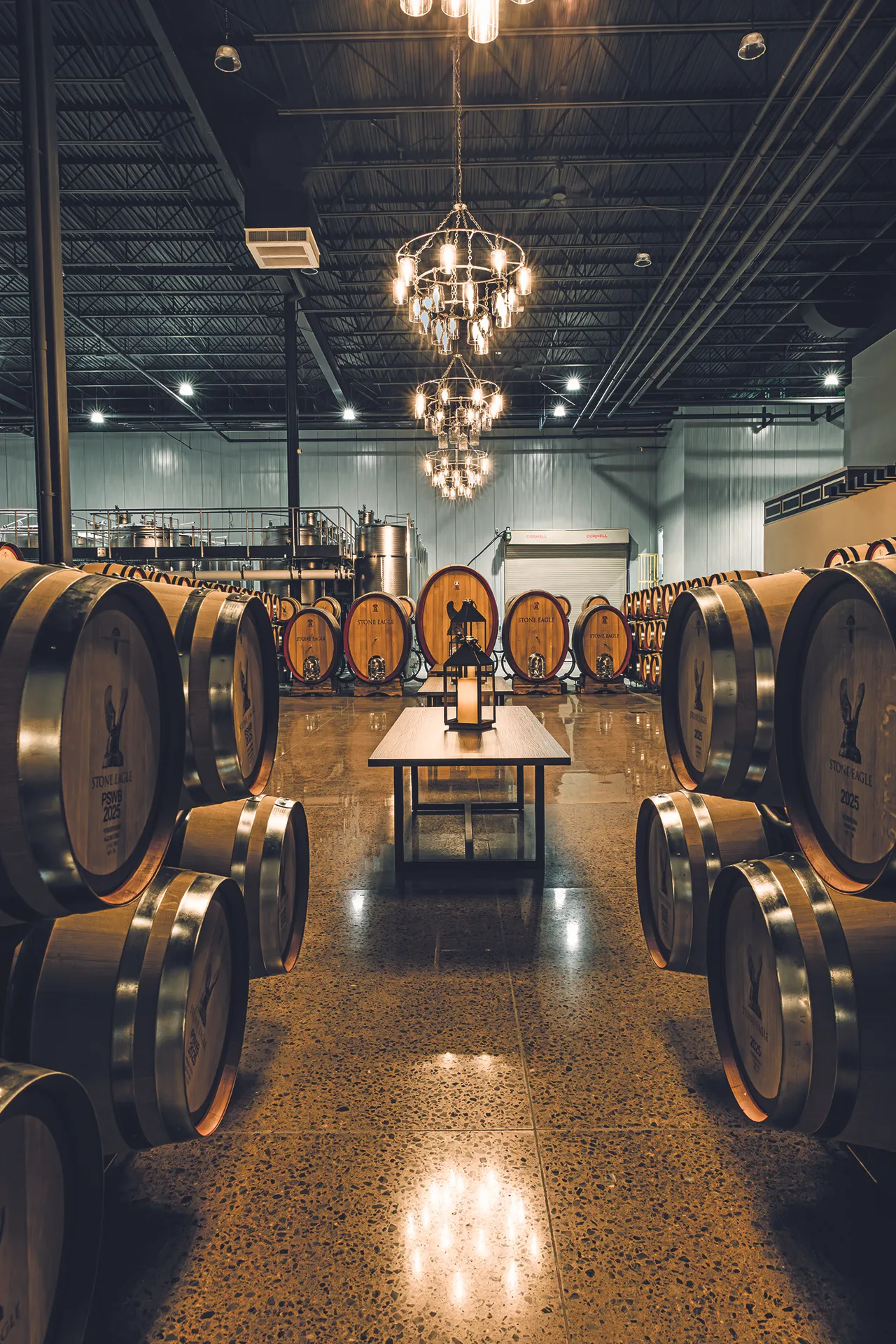
The range moves from Sangiovese aged in amphora to unfiltered Chardonnay, Viognier, an ancestral field blend and flagship red and white blends. That line-up turns Niagara’s warmth on the eastern side of the peninsula into a tasting of ripeness, texture and blending decisions across several varieties in one room. Stratus offers a compact tasting of Niagara-on-the-Lake’s experimental edge.
Stratus works as an early stop for range rather than a narrow benchmark. The wines give context for the region’s red and white blends before the road crosses to Stone Eagle for a more classical Bordeaux-style frame.
Stone Eagle sits across from Stratus and narrows the lens to polished hospitality and ageable Bordeaux-style blends. Its Signature Experience pairs a flight of five wines with nibbles, including a Sauvignon Blanc-Semillon blend and two ageable Bordeaux-style red blends. The estate also offers a Beluga caviar pairing (Decanter1).
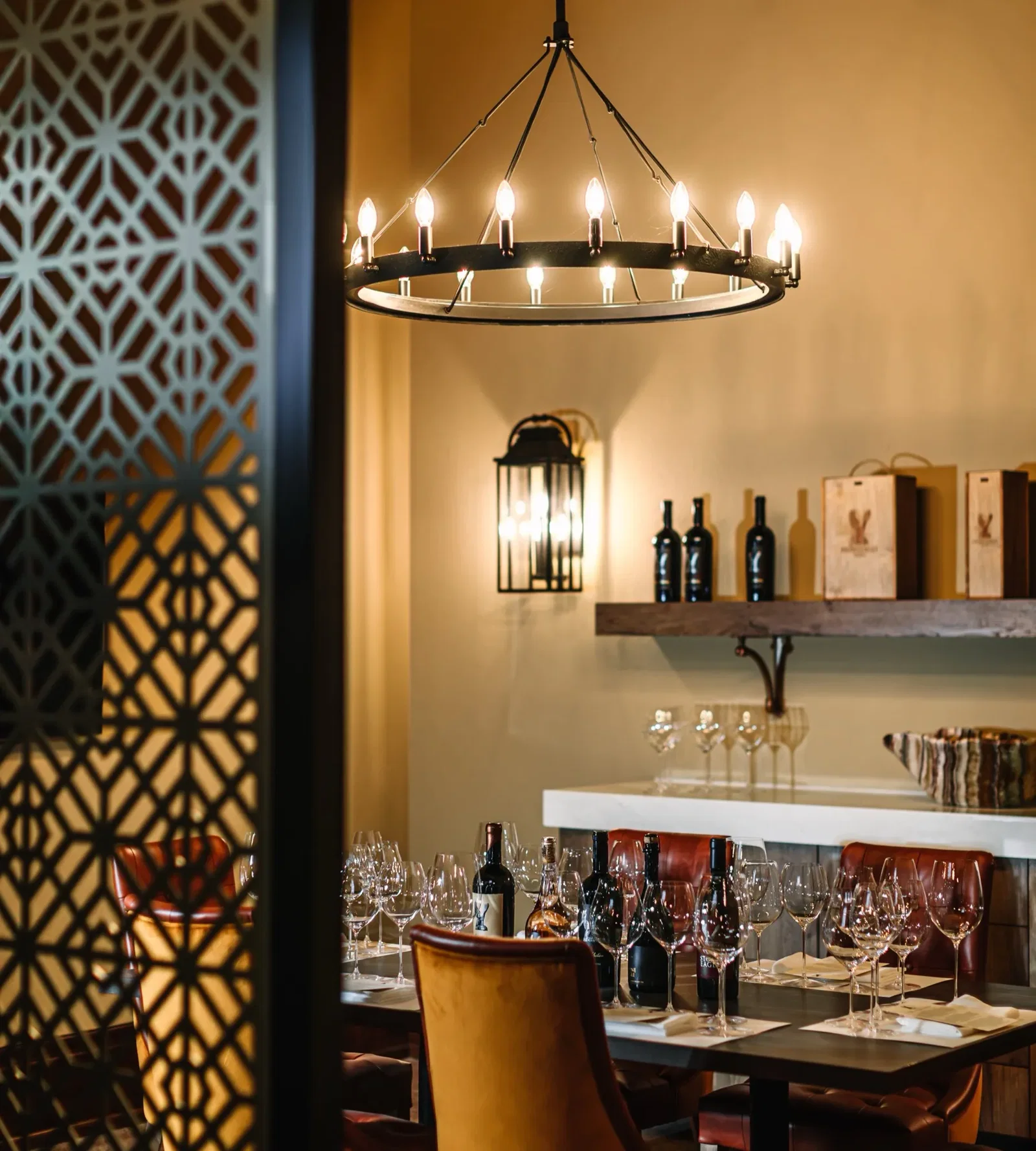
The stop shows why warmer Niagara-on-the-Lake matters for varieties that need sun and heat to ripen. Cabernet Franc can bring red-fruit perfume and savoury line in the district, while Bordeaux-style blending gives producers room to build structure across vintages. The pairing format separates texture from fruit, especially when the Sauvignon Blanc-Semillon blend sits beside the reds rather than in a separate white-wine flight.
Stone Eagle suits the traveler who wants a contained, hosted experience rather than a quick bar tasting. Place it immediately after Stratus and the contrast becomes useful: one estate shows the breadth of Niagara experimentation, the other points toward the region’s more formal red-wine ambitions.
Ravine carries one of the region’s most concrete historical markers: its first vines were planted in 1869. The estate also gives the middle of the day a practical reset, with a pizza patio overlooking Chardonnay vines and an onsite bakery. If your morning has been structured around Niagara-on-the-Lake’s polished tasting rooms, Ravine loosens the pace without lowering the wine interest.
The tasting range covers traditional- and Charmat-method sparkling wines, Rieslings and Bordeaux-varietal reds. That spread folds Niagara’s past and present into a single stop: sparkling wine for acidity and lees-derived texture, Riesling for the region’s cooler-climate spine, and reds for the warmer eastern district. The pizza patio matters for the same reason a good vineyard lunch matters in Burgundy or the Cape Winelands, because strong regional trips let the food slow the tasting sequence rather than interrupt it.
Bachelder is the appointment-only Beamsville stop for Burgundian-style Pinot Noir and Chardonnay. Owner Thomas Bachelder’s tastings focus on single-vineyard bottlings, and the setting is a modest house rather than a large hospitality complex. That low-key format sharpens the point: the wines ask you to pay attention to site.
Wismer-Wingfield in Twenty Mile Bench and Frontier Block in Lincoln Lakeshore are among the single-plot bottlings, two references that matter for anyone tracking how Niagara’s young regional map is being read through Chardonnay and Pinot Noir. The cooler central and western parts of the VQA region suit these varieties, and the limestone influence of the Niagara Escarpment gives this stop a different register from Niagara-on-the-Lake. Expect the conversation to revolve around vineyard expression rather than varietal novelty (Decanter1).
Bachelder belongs late in the day if you are moving west from Ravine toward Beamsville, because the route itself teaches the region. The shift from warmer eastern vineyards to the escarpment’s cooler slopes gives your palate the same contrast the map suggests.
Details:
Pearl Morissette in Jordan brings the trip into minimal-intervention Cabernet Franc, Chardonnay and Riesling, then lifts it into a Michelin two-star tasting-menu dining room above the winery. The cellar door sits in a converted barn, and visits between May and early autumn can move outside under an oak tree. The setup feels deliberately restrained, which keeps the focus on the wines and the farm setting.
Pearl Morissette in Jordan occupies a converted barn overlooking farmland, and the meal can be paired with international bottles that move from Valpolicella to Santorini, as well as Pearl Morissette’s own wines. That pairing structure places Niagara’s Cabernet Franc, Chardonnay and Riesling alongside established European reference points without forcing a direct comparison.
Pearl Morissette should anchor the evening, not fill a gap between tastings. Book it as the dining centerpiece of the trip and build the afternoon around arrival in Jordan.
Henry of Pelham gives Niagara’s history a family name. The Speck family has farmed the land since 1794, and the homestead-turned-cellar-door is run by sixth-generation brothers Paul, Matthew and Daniel Speck. In a region often introduced through ice wine or new tasting-room architecture, that continuity gives the visit a different weight.
The range is broad enough to work as an introduction to the wider peninsula. Cuvée Catharine Brut is a traditional-method sparkling wine made from Chardonnay and Pinot Noir with 54 months on lees, a detail that matters for drinkers who track autolysis and texture in cool-climate sparkling. The estate also pours citrussy Rieslings and dark-fruited Baco Noir, which brings one of Niagara’s hybrid grapes into the conversation without making it the whole story.
Henry of Pelham suits visitors who want to understand Niagara before drilling into single-site Chardonnay or Pinot Noir. Put it before Vineland if you are driving west across the escarpment area, because the two stops together frame history, Riesling and the region’s older agricultural roots.
Vineland is a 73ha estate set around an 1845-built Mennonite homestead, with a chapel and a restaurant looking over undulating vines. The late German winemaker Hermann Weis recognised the site’s potential in the 1970s and imported Riesling vines from the Mosel, which gives the estate one of Niagara’s clearest Riesling narratives. Long-serving winemaker Brian Schmidt continues the focus on the grape.
This is the stop for readers who want Riesling to sit at the center of the trip rather than appear as a supporting pour. On the sloping escarpment, the variety can carry acidity, citrus and mineral tension in a way that speaks directly to the cooler central and western parts of the VQA region. The Mosel connection does not make the wines German; it gives the tasting a historical thread that connects vine material, slope and grape choice.
Vineland also works well for travelers who want architecture and food without stepping away from viticulture. The 1845 homestead, chapel and restaurant give the estate a sense of place focused on Riesling and escarpment terroir.
Southbrook Vineyards shows another side of Niagara-on-the-Lake through organic, biodynamic and regenerative methods. The wines named for the stop are structured Chardonnay and bright Pinot Noir, a useful counterpoint in a district better known in this route for warmer-climate ripeness. The visit broadens the eastern portion of the trip without leaving the Niagara-on-the-Lake orbit.
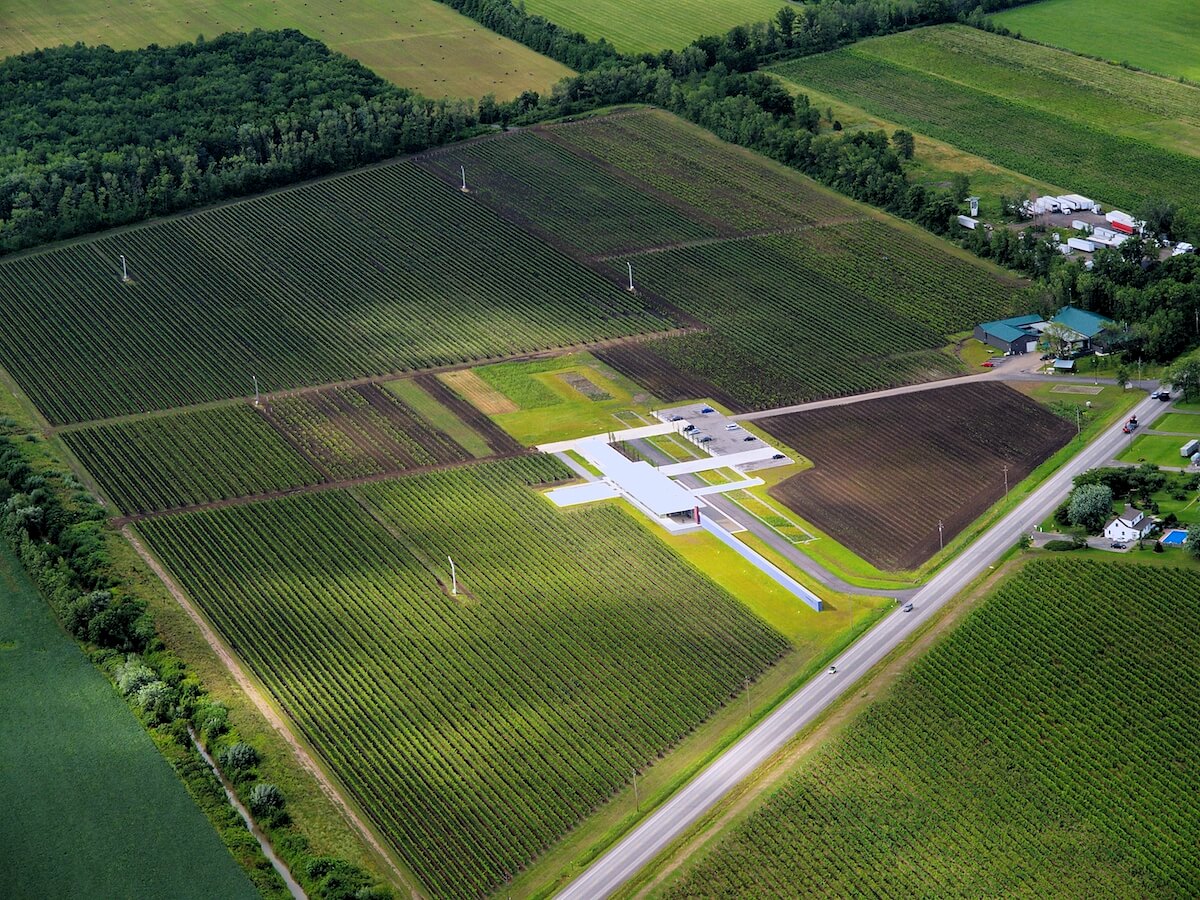
For the collector, Southbrook’s value lies in the agricultural lens. Organic, biodynamic and regenerative methods change the questions you ask in the tasting room: how does Chardonnay carry structure, how does Pinot Noir retain brightness, and how does the estate position those varieties in a warmer part of the region? Those questions matter because Niagara’s best modern itineraries are built by style and site, not by reputation alone.
Place Southbrook near Stratus, Stone Eagle and Ravine if your day stays close to Niagara-on-the-Lake. It gives the eastern district another point of contrast before you move toward the escarpment for Riesling, Chardonnay and Pinot Noir in a cooler register.
Ironwood Cider House belongs in a wine-focused itinerary because the source of its precision is the winemaker’s mindset, even when apples replace grapes. The cider house sits on Lake Ontario’s shore and focuses on single-variety bottlings, barrel-ferments and careful ageing. For a palate trained on vineyard distinctions, that structure makes cider feel like a useful detour rather than a break from the region’s logic.
The Bramley bottling is described as crisp and tart, which gives the stop a clean sensory reason to include it between richer Chardonnay, Cabernet Franc or Bordeaux-style reds. Barrel-fermented and aged ciders also give texture a role, letting you think about vessel, variety and acidity in the same way you might approach Chardonnay or sparkling wine. The format helps reset the palate during a day that could otherwise move from tasting room to tasting room without enough contrast.
Ironwood is best for travelers who are open to a short category shift while staying within the region’s agricultural frame. It belongs after the main winery appointments, when a precise cider can refresh the itinerary without diluting the wine-country purpose.
Niagara-on-the-Lake, the escarpment around St Catharines and Beamsville, and Jordan each offer distinct wine styles. The map already gives travelers the pieces: Niagara-on-the-Lake for warmer-climate reds and polished hospitality, the escarpment around St Catharines and Beamsville for Riesling, Chardonnay and Pinot Noir, and Jordan for minimal-intervention wines tied to a Michelin two-star dining room.
Start with Stratus and Stone Eagle for Niagara-on-the-Lake breadth and Bordeaux-style structure, move through Ravine for history and lunch, then finish west with Bachelder, Vineland or Pearl Morissette. Ice wine gave Niagara its first international shorthand, but the bottles to track on your next visit are increasingly dry, site-conscious and built for the table.
| Stop | Area | Role in the itinerary | Specific details from the article |
|---|---|---|---|
| Treadwell Cuisine | Niagara-on-the-Lake | Breakfast or lunch anchor before cellar doors | Founded by Stephen and James Treadwell in 2006; located at 124 on Queen since 2013; dishes include lobster Benedict, Chardonnay-steamed P.E.I. mussels and Pingue’s 24 Month Aged Prosciutto |
| Stratus Vineyards | Niagara-on-the-Lake | Winery stop showing Niagara beyond a single signature grape | B-Corp winery with 16 grape varieties across a 22ha farm; LEED-certified, gravity-flow facility; range includes Sangiovese aged in amphora, unfiltered Chardonnay, Viognier, an ancestral field blend and flagship red and white blends |
The Niagara peninsula is about 90 minutes from Toronto. That makes it practical to land in the city, reach the region, and taste across several sub-regions in a single trip.
This route lets you compare riper reds and blends with more precise Riesling, Chardonnay and Pinot Noir.
Under VQA rules, Canadian ice wine must come from grapes naturally frozen on the vine and harvested at -8°C or colder. Vidal gives apricot-weight sweetness and Cabernet Franc gives a red-fruit lift.
Treadwell Cuisine serves lunch Monday to Friday from 11:30am to 2pm, and brunch Saturday and Sunday from 8am to 2pm.
Get the App
Take the shortlist into the En Primeur Club app for concierge access, saved places, and the next step after discovery.
Get Exclusive AccessMore from the editors