← Guides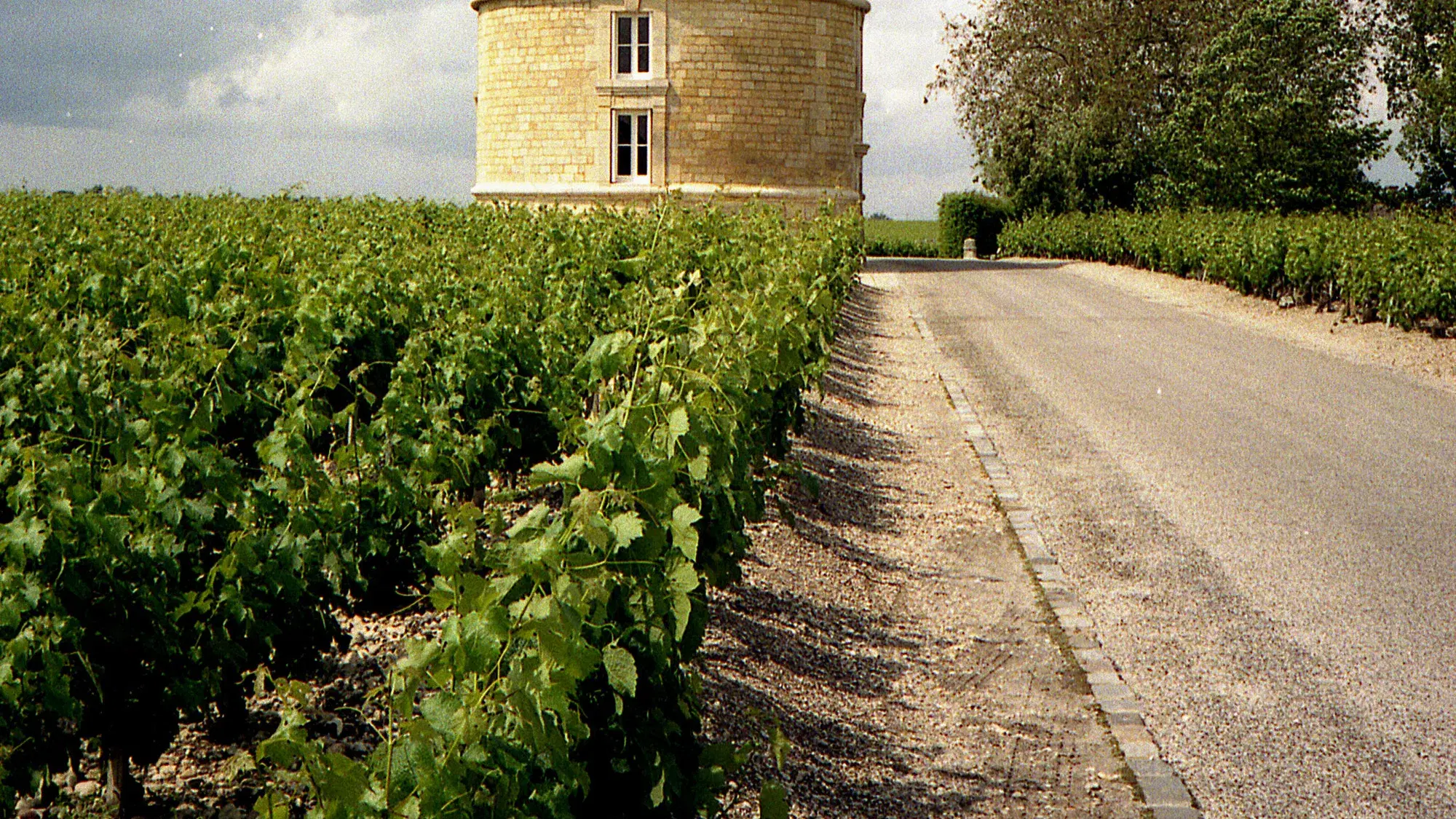
Wine and Spirits
Bordeaux vs Burgundy: A Deep Dive into French Wine Culture
Explore the contrasting worlds of Bordeaux and Burgundy, two well-known French wine regions known for their distinctive styles, climates, and winemaking traditions.
Explore the contrasting worlds of Bordeaux and Burgundy, two well-known French wine regions known for their distinctive styles, climates, and winemaking traditions.
Bordeaux and Burgundy are two of France's most famous wine regions, but they couldn't be more different. Here's a quick breakdown:
Whether you prefer Bordeaux's bold blends or Burgundy's refined single-varietals, both regions offer centuries of winemaking tradition and distinctive experiences.
The natural features of Bordeaux and Burgundy - particularly their climates and soils - play a key role in shaping the distinctive wine styles of each region. Let’s take a closer look at what sets these two areas apart.
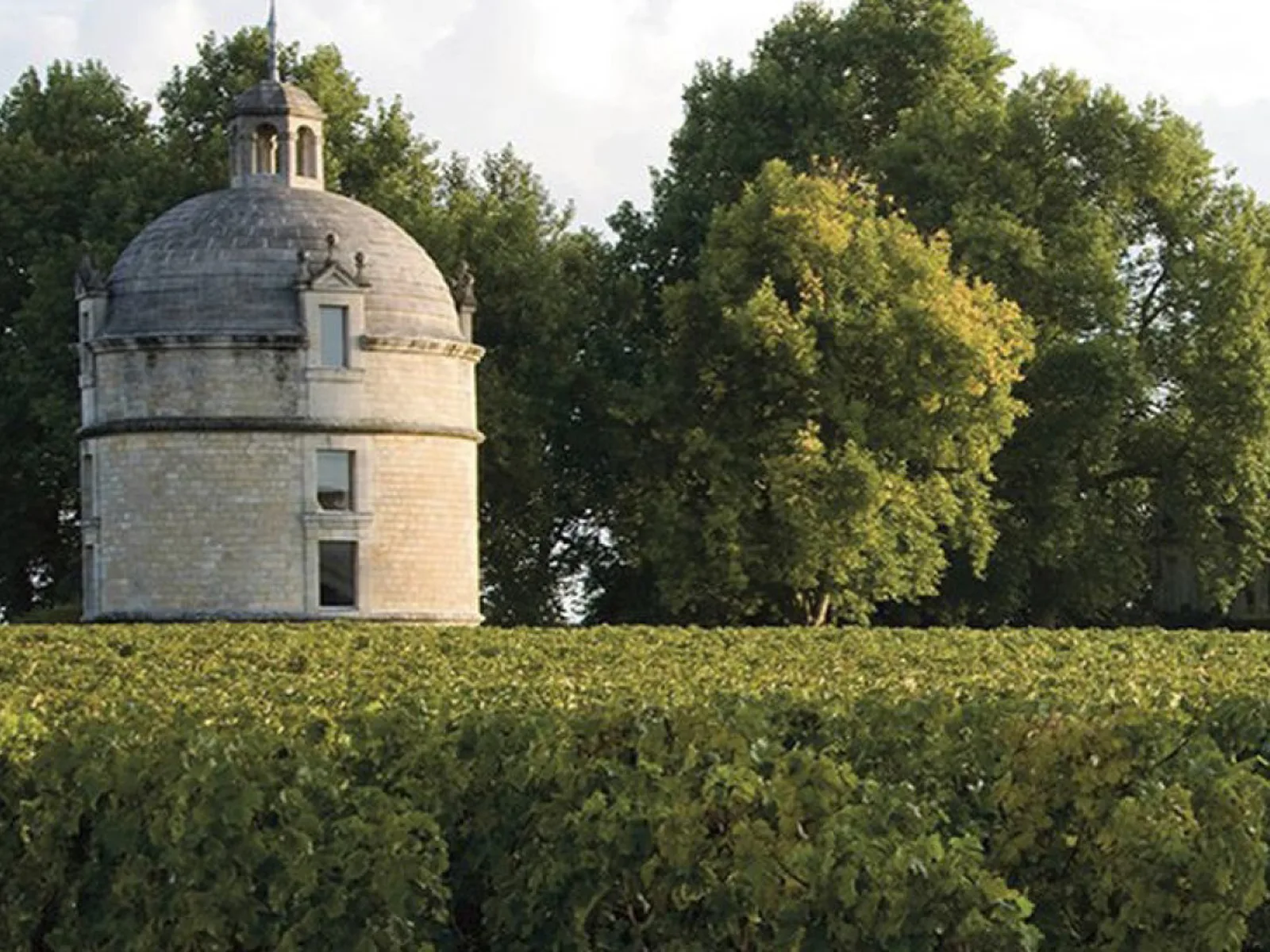
Bordeaux benefits from its location near the Atlantic Ocean and the Gironde estuary, which creates a maritime climate. This proximity helps moderate temperatures, preventing extremes and allowing grapes to ripen at a steady pace. The result? Wines with complex flavors and a balanced level of acidity.
The region is divided into the Left and Right Banks, each with its own soil profile that influences grape cultivation:
These contrasting soils allow winemakers to choose grape varieties that thrive in each area’s conditions, creating Bordeaux’s diverse wine offerings.
"Most Bordeaux vineyards have single owners, while Burgundy vineyards are fragmented and divided among several owners." - Dr. Vinny
Burgundy’s climate is quite different. Located inland, the region experiences a continental climate with noticeable temperature swings. Summers are warm, averaging around 68°F (20°C) in July and August, leading to a shorter but more intense growing season that shapes the wines’ characteristics.
Rainfall averages 27.5 inches (700 mm) annually, with most of it concentrated in May and June. Between April and September, the region enjoys about 1,300 hours of sunshine. These conditions help produce grapes that are higher in acidity with subtle, refined fruit flavors.
"The climate of Bourgogne is distinctive. At the confluence of continental, Mediterranean and oceanic influences, it gives the region's wines a distinctive identity." - Bourgogne Wines
Burgundy’s soil is famously rich in limestone, mixed with marl and clay. This geological diversity has allowed the region to define 1,247 specific Climats - small plots of land, each with its own distinct characteristics. Combined with the region’s climate, these soils create an ideal setting for Pinot Noir and Chardonnay, which have been cultivated here for centuries.
Bordeaux and Burgundy showcase two distinct approaches to winemaking: Bordeaux focuses on blending for complexity, while Burgundy emphasizes single-varietal wines that reflect their terroir.
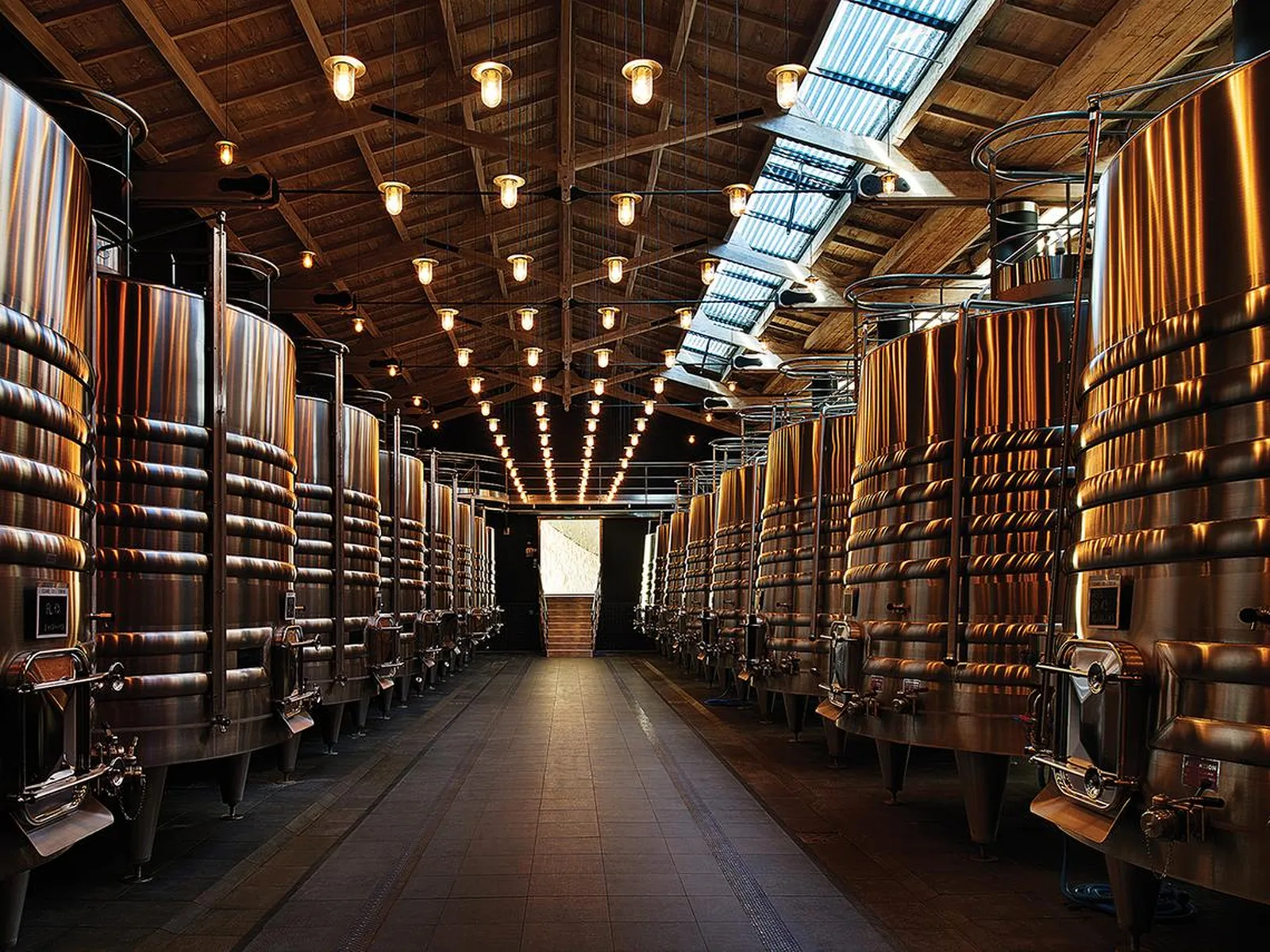
Bordeaux relies heavily on blends, especially for its red wines, to achieve balance and depth:
For white wines, Bordeaux also blends, using:
"Select grape varietals responded better to grafting after Phylloxera, for example, Cabernet Sauvignon, Merlot, and Cabernet Franc, the three main grapes used in the production of red Bordeaux wine. Those varieties are now the dominant varieties planted in Bordeaux. They replaced much of the Malbec, Carmenere, and even Petit Verdot in the vineyards."
Meanwhile, Burgundy takes a different approach, focusing on just two grape varieties.
Burgundy is centered on Pinot Noir for red wines and Chardonnay for whites. The Côte de Nuits region is a prime example, with 90% of its production dedicated to red grapes. While regulations permit up to 15% of white grapes (Chardonnay, Pinot Blanc, and Pinot Gris) in red wines, most producers stick to pure varietals.
This focus has resulted in distinct wine styles:
In 2021, Bordeaux began experimenting with new red varieties like Arinarnoa, Castets, Marselan, and Touriga Nacional. Burgundy, however, remains steadfast in its commitment to traditional grapes, highlighting the contrasting paths of these two well-known wine regions.
Bordeaux is known for its grand estates and expansive vineyards. Around 70% of its vineyards cover at least 20 hectares (50 acres), allowing the region to produce nearly 900 million bottles of wine each year.
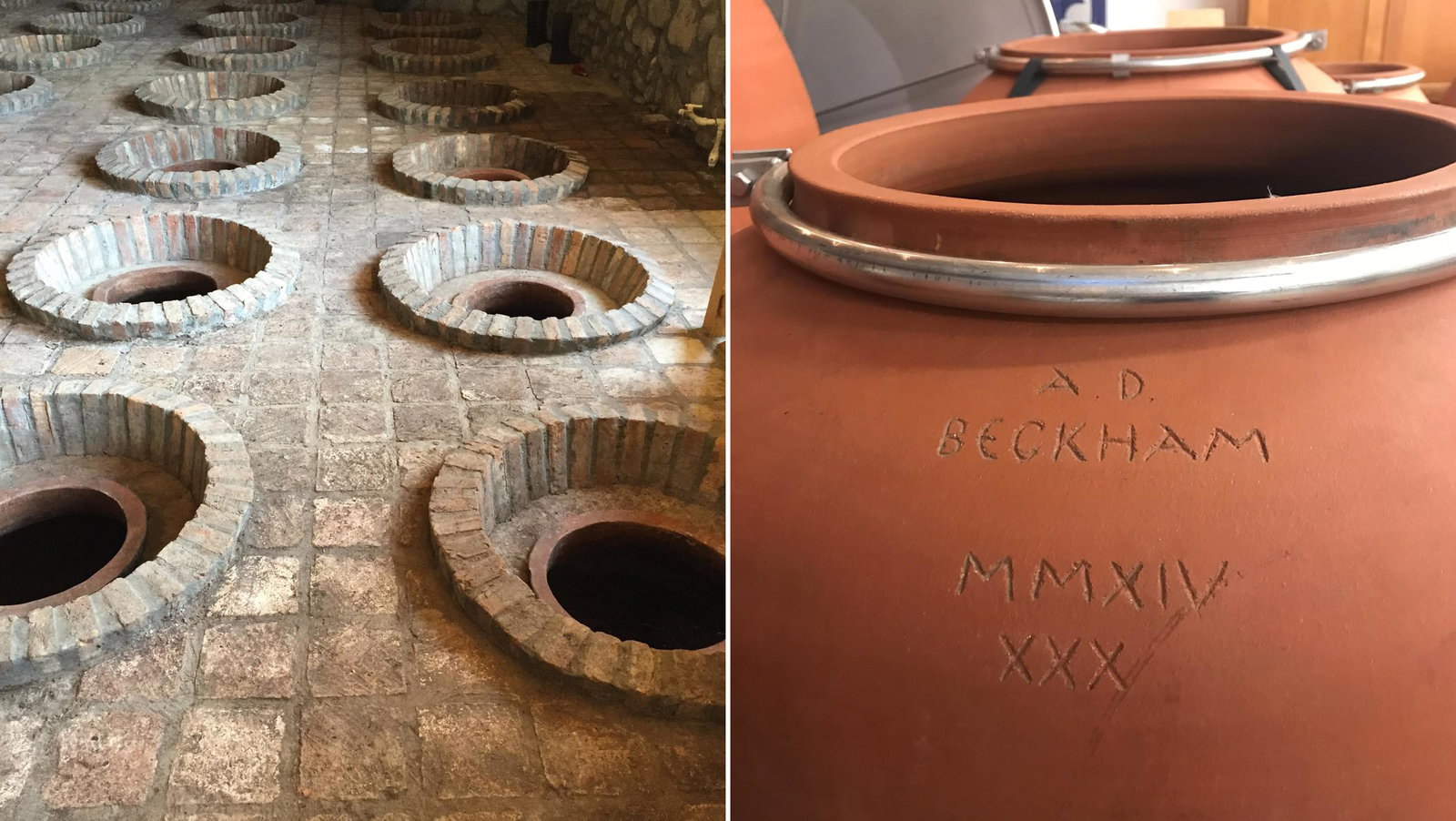
The winemaking process in Bordeaux typically includes these key steps:
Despite the high production volume, Bordeaux estates have refined their techniques to ensure quality. Michel Cazes, owner of Château Lynch-Bages, highlights the importance of vine density in their approach:
"When people talk about yields they forget about density. Here in the Médoc we have 10,000 vines per hectare. The crop expressed in hectolitres tells you nothing. Here in Pauillac and St-Julien and St-Estèphe I am sure that fifty to sixty is about right. Latour always had some of the highest yields in the region, but that was because none of their vines were missing."
The number of active growers in Bordeaux has significantly declined, dropping from 14,000 in 1995 to 7,375 by 2015. This shift has allowed for more efficient, technology-driven production while still preserving traditional blending techniques. In contrast, Burgundy's winemaking focuses on smaller-scale operations with a different philosophy.
Unlike Bordeaux, Burgundy takes a more intimate approach to winemaking, focusing on smaller, family-run operations that prioritize quality over quantity.
Burgundian producers aim to highlight the distinct characteristics of each vineyard, known as terroir. Their methods include selective grape processing, controlled fermentation techniques like pigeage (punching down the cap), and natural malolactic fermentation. These practices are designed to bring out the distinctive qualities of the vineyard.
Wine merchant Mike Turner notes the contrast between the regions:
"Bordeaux used to be a marginal grape-growing region, hence blending was key to achieving consistency in style."
This distinction underscores the different philosophies in Bordeaux and Burgundy, with each region excelling in its own way.
The 1855 Classification system is still the gold standard for Bordeaux wine quality. This historic ranking grouped Châteaux into five "growths", with First Growths originally valued at over 3,000 French Francs, while Fifth Growths ranged between 1,400 and 1,600 francs.
However, the system's rigid structure has led to alternative evaluations like the Liv-ex classification, which ranks wines based on their current market prices.
The Saint-Émilion Classification, on the other hand, offers a more flexible approach, with periodic reviews that keep it relevant:
While Bordeaux relies heavily on its historic estate rankings, Burgundy takes a different route, focusing on the individuality of its vineyard plots.
Burgundy's classification revolves around its vineyard plots rather than estates, reflecting the region's focus on terroir. Covering about 25,000 hectares, Burgundy's vineyards are divided into categories, with Grand Cru vineyards accounting for less than 2% of total production. The scarcity of these wines drives their high demand and premium pricing.
Tom Gearing, Co-Founder & CEO of Cult Wines, shared his thoughts on Burgundy's latest vintage:
"The Burgundy 2022 vintage is distinctive as among the more delightful to taste en primeur. This distinctive vintage promises immediate pleasure and holds the promise of graceful ageing."
Wine expert Neal Martin of Vinous noted:
"Excellence within Burgundy is far more widespread than even a decade ago, and the emerging wines can be just as worth cellaring."
The contrast between Bordeaux and Burgundy is striking. Bordeaux produces around 600 million liters of wine annually, but only about 5% qualify as premium. Meanwhile, Burgundy's DOP wines come with average prices that are 25% higher than Bordeaux's. These differences in production and pricing play a major role in shaping the market and influencing wine lovers' preferences.
Bordeaux and Burgundy offer two different wine experiences, each deeply rooted in tradition. Bordeaux is known for its bold, blended wines with flavors like dark fruits, cedar, and tobacco, often produced by large estates. In contrast, Burgundy specializes in lighter, single-vineyard wines with delicate red fruit and floral notes.
These differences go beyond taste - they also shape how the wines are marketed and collected. Bordeaux distributes most of its wine through the Place de Bordeaux, reaching merchants in 170 countries. Meanwhile, Burgundy's smaller production and higher prices have created a sense of urgency, especially among younger collectors.
These distinctions also influence how visitors experience each region.
For a memorable visit, take advantage of guided tastings and tours of historic wineries in both regions.
The deep history of both Bordeaux and Burgundy continues to draw wine lovers from around the world. In medieval Burgundy, Cistercian monks were the first to identify the distinctive qualities of individual vineyard plots. Clos de Vougeot, established in 1336, is a lasting symbol of Burgundy's dedication to terroir. This commitment has even earned the region UNESCO World Heritage status, adding depth to today's wine tours.
Bordeaux's history is equally rich. The Saint-Émilion wine guild, founded in 1199, highlights the region's early leadership in organized winemaking. Today, this legacy enriches modern winery tours, blending history with innovation.
"Whether you prefer the power of Bordeaux or the finesse of Burgundy, both regions provide endless opportunities for discovery and appreciation, each bottle a testament to centuries of winemaking mastery".
Get the App
Take the shortlist into the En Primeur Club app for concierge access, saved places, and the next step after discovery.
Get Exclusive AccessMore from the editors