Te Mao
Te Mao sits in Rangiroa, one of the world's largest atolls and a destination where the rhythm of the lagoon shapes everything from the pace of a meal to what ends up in the glass. French Polynesia's bar culture draws on a distinct set of tropical ingredients and French licensing traditions that give drinks here a character you won't find replicated on a continental menu.
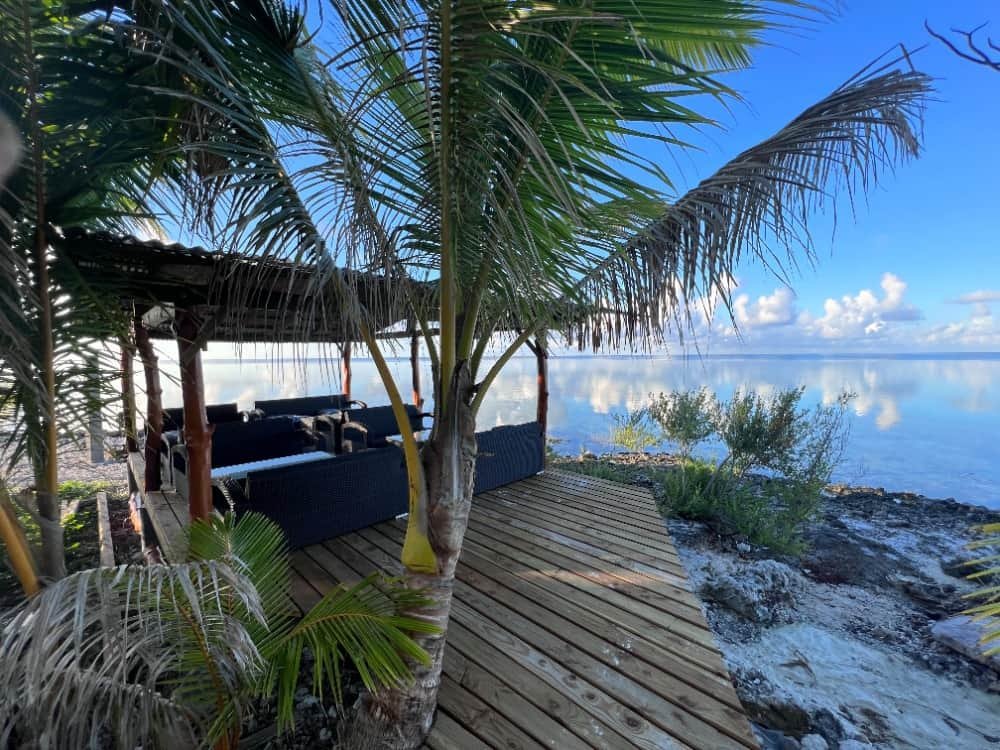
Drinking at the Edge of the Lagoon
Rangiroa operates on a different timescale from the rest of French Polynesia's tourism circuit. The atoll's two main passes, Tiputa and Avatoru, channel some of the Pacific's most powerful currents, and that marine intensity sets the tone for everything on shore, including how and where people choose to drink. Bars and gathering spots here are not urban cocktail destinations competing on technique and press coverage; they occupy a more elemental tier where the environment does most of the work and the drinks program needs to meet that context honestly.
Te Mao is part of that Rangiroa scene. The atoll draws a specific kind of visitor: divers, sailors, and travellers who have made a deliberate detour from the more accessible islands of Tahiti and Moorea. That self-selecting crowd tends to want drinks that reflect where they are rather than replicate what they could order anywhere. In that sense, the bar culture of Rangiroa is a direct product of geography, and any serious program here works with that constraint rather than against it.
French Polynesia and the Cocktail Tradition
French Polynesian bar culture sits at an interesting intersection. The French licensing framework and long-established wine and spirits distribution networks mean that the spirits selection across the islands is broader than many assume, with Cognac, rum, and quality vermouths appearing on menus that might surprise a visitor expecting only rum punches and coconut water. At the same time, local ingredients, particularly tropical fruits, fresh coconut, and vanilla from Tahaa, push the palate toward flavors that are specifically Pacific rather than generically tropical.
The most considered bars in the region have moved away from the generic tiki idiom and toward something more grounded: shorter drink lists built around what is fresh and available, techniques borrowed from the metropolitan French bar tradition, and a preference for balance over sweetness. Holy Délices in Moorea and Le Tahiti by Pearl Resorts in Arue both represent iterations of that shift, each working within a different format but drawing on the same underlying logic of place-driven restraint.
Te Mao sits within that context in Rangiroa. Without detailed menu data in the public record, the specific drinks program cannot be mapped precisely here, but the broader dynamics of the island's bar scene provide a frame. Bars in Rangiroa's accommodation and dining circuit tend to operate as social anchors for guests who have spent the day on or in the water, which shapes when they get busy, what formats work, and what kind of drink lands well at the end of a dive.
What the Location Implies for the Experience
Atmosphere at a Rangiroa bar is, by definition, shaped by physical isolation. The atoll sits roughly 300 kilometres northeast of Tahiti, accessible by a 45-minute domestic flight from Faa'a International Airport in Papeete. There are no through-roads connecting Rangiroa to other islands, no ferry network that brings day traffic, and no urban density creating background noise or competition. What you get instead is the sound of the lagoon, the density of stars on a clear night, and the particular quiet that comes from being somewhere that requires genuine effort to reach.
That context makes the bar a more significant social space than it might be elsewhere. In cities with deep cocktail programs like Bar Leather Apron in Honolulu, Kumiko in Chicago, or 28 HongKong Street in Singapore, the bar is one of many options competing for an evening. In Rangiroa, it is often the gathering point. That does not mean the standards are lower, but it does mean the function is different, and the leading operators understand that.
For a reference point on what technically serious bar programs look like in smaller, place-defined formats, Jewel of the South in New Orleans and Julep in Houston both demonstrate how regional identity can anchor a cocktail list without defaulting to cliche. Superbueno in New York City does something similar with Latin American spirits, and The Parlour in Frankfurt shows how European technique can sit comfortably in a destination format. The underlying logic applies regardless of latitude: specificity of place, handled with discipline, produces more satisfying drinks than a global menu assembled from trend.
Planning a Visit to Rangiroa
Reaching Rangiroa requires a domestic connection through Papeete. Air Tahiti operates multiple flights daily from Faa'a, with the crossing taking under an hour. Accommodation is concentrated along the Avatoru road and around the Tiputa pass area, and most visitors book into one of the island's small resort properties or pension-style guesthouses, many of which have their own bar operations.
Given the self-contained nature of Rangiroa's hospitality circuit, confirming hours and availability directly with Te Mao before arrival is advisable. For the broader picture of what to eat and drink across the atoll, our full Rangiroa restaurants guide covers the scene in more detail.
Bars at this level of geographic remove tend to keep tighter hours than their city counterparts. Programs at 1806 in Melbourne or 1930 in Milan run late into the night because urban demand supports it. In Rangiroa, the rhythm follows the dive schedule and the sunset rather than the clock, so arriving in the early evening rather than late gives you the full experience rather than the tail end of it.
Details
- Trendy
- Casual Hangout
- Outdoor Terrace
- Craft Cocktails
Trendy and relaxed backyard atmosphere.