Rosa's Cantina
Rosa's Cantina sits on Doniphan Drive in El Paso's upper valley, a stretch of the Rio Grande corridor where the border's agricultural rhythms and Mexican culinary traditions have shaped how the city eats for generations. The cantina format here draws on that cross-river sourcing culture, placing it in a distinct tier of El Paso dining where provenance and locality carry more weight than polish.
Pearl is the En Primeur Club membership app — saves, bookings, and concierge access live there. Same editors, same standards.
- Address
- 3454 Doniphan Dr, El Paso, TX 79922
- Phone
- +1 915 833 0402
- Website
- rosas-cantina.com
- Directions
- Get directions
 Saves & bookings on Pearl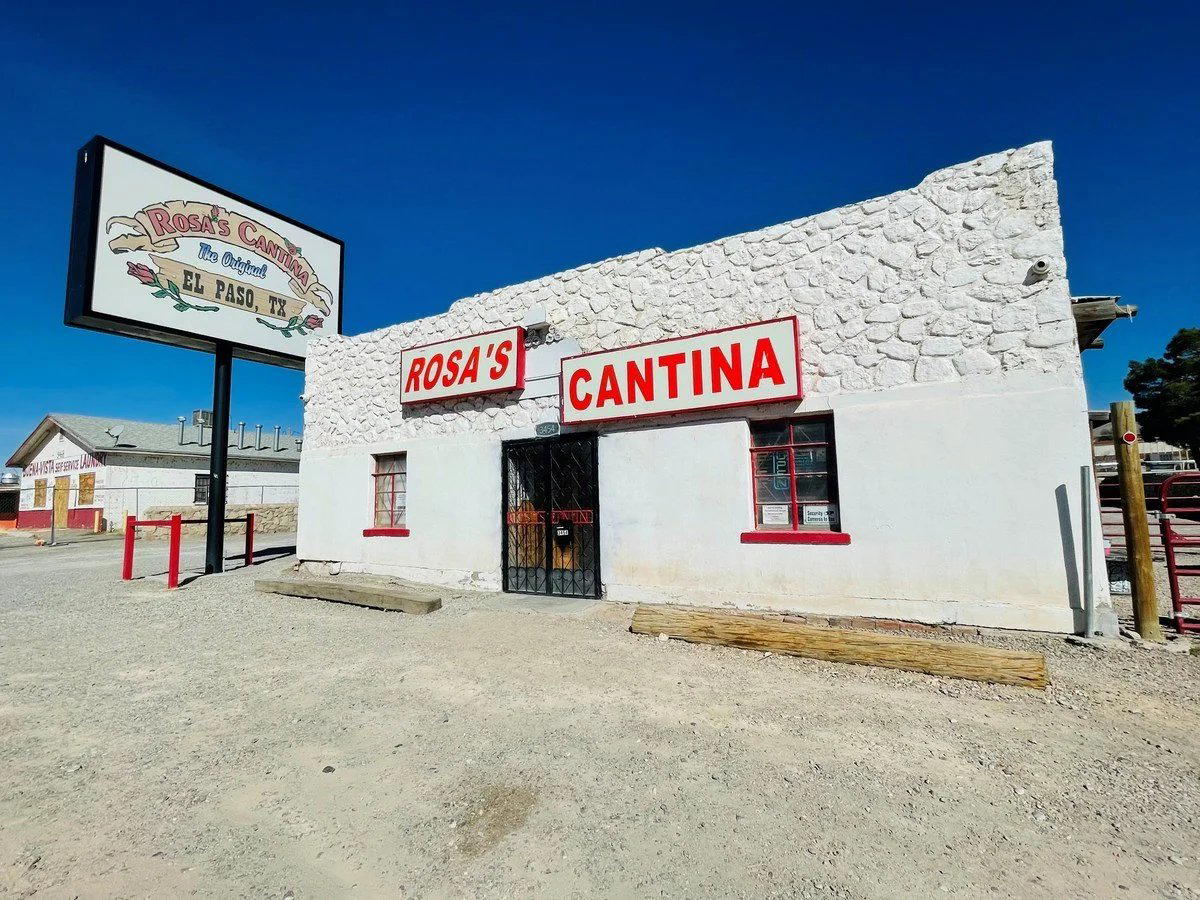
Where the Upper Valley Meets the Table
Doniphan Drive runs parallel to the Rio Grande through El Paso's upper valley, a stretch of irrigated farmland and pecan orchards that has supplied both sides of the border for over a century. Restaurants along this corridor occupy a specific position in El Paso's dining order: close enough to the agricultural source to make freshness a practical reality rather than a marketing line, and embedded in neighbourhoods where regulars expect food that reflects the actual borderlands rather than a sanitised version of it. Rosa's Cantina, at 3454 Doniphan Dr, sits inside that context. The address alone tells you something about the kind of operation it is and who it is cooking for.
The upper valley cantina format is worth understanding on its own terms. Unlike the Tex-Mex restaurants clustered downtown or near the university district, venues in this part of El Paso tend to draw a more local, repeat clientele. The cooking tradition here runs closer to the Cd. Juárez side of the border, where ingredient quality is assumed rather than advertised and portions are sized for people who work outdoors. That regional distinction matters when you are placing Rosa's Cantina in context: it is not competing with the tourist-facing Mexican restaurants near the convention centre, but with the everyday institutions that El Paso residents return to because the food is consistent and the sourcing is honest.
The Borderlands Sourcing Tradition
El Paso's position as a working border city gives its leading cantinas access to an ingredient supply chain that most American cities cannot replicate. The upper valley's pecan harvest is one of the largest in the United States, and the Rio Grande's agricultural output extends to chiles, onions, and corn that move across the border in both directions. For a cantina on Doniphan Drive, this proximity is structural: the same roads that carry farm produce to Juárez markets also supply local restaurants, and the informal trading relationships that define border commerce mean that sourcing decisions are made by proximity and relationship as much as by formal supply contracts.
Chile is the ingredient category where this matters most in El Paso cooking. The region's Hatch and New Mexican chile varieties, grown within a short drive of the city, define the flavour register of local red and green sauces in a way that imported or reconstituted product cannot replicate. A cantina operating in this tradition is not making a philosophical choice about farm-to-table sourcing in the contemporary restaurant sense; it is simply cooking the way the borderlands have always cooked, with what is nearby and in season. That continuity is what separates this category of El Paso restaurant from chains or national franchises claiming regional identity.
For the full picture of El Paso's food and drink scene, the EP Club El Paso restaurants guide maps the city by neighbourhood and category, placing venues like Rosa's Cantina alongside the wider range of cantinas, breweries, and bars that define the city's character.
El Paso's Cantina Scene in Competitive Context
El Paso's bar and restaurant scene has diversified considerably over the past decade. Operations like DeadBeach Brewery have introduced craft production into the city's drinking culture, while Cafe Central represents the older fine-dining tier that has anchored downtown for years. The cantina format, by contrast, sits in a different register entirely: lower formality, higher frequency of visit, and a menu vocabulary that assumes familiarity rather than explanation. L & J Cafe, one of the city's most established Mexican restaurants, occupies a comparable position in terms of longevity and local identity, as does China Town in its own category.
What distinguishes the upper valley cantina tier from these peers is geography as much as format. The Doniphan Drive corridor has its own sense of remove from the city centre, and restaurants there operate with a neighbourhood logic: the clientele is local, the turnover is driven by repeat visits rather than occasion dining, and the menu changes relatively little because the demand is for consistency, not novelty. This is a different value proposition from the destination-dining model, and it serves a different need in the city's food ecology.
For reference points outside El Paso, the shift from occasion-dining to neighbourhood institution is visible in bars and restaurants across the American South and Southwest. Julep in Houston occupies a comparable position of local authority in its category, as does Jewel of the South in New Orleans within the New Orleans bar tradition. Further afield, operations like Kumiko in Chicago, Superbueno in New York City, ABV in San Francisco, Bar Leather Apron in Honolulu, and The Parlour in Frankfurt each demonstrate how a clearly defined neighbourhood identity can carry more long-term authority than a formal awards profile.
Planning Your Visit
Rosa's Cantina is located at 3454 Doniphan Dr in El Paso's upper valley, a roughly 15-minute drive west from downtown along the river road. The upper valley is not a walkable district in the conventional sense; this is car-dependent El Paso, and the restaurant is leading approached as a deliberate destination rather than a stop on a walking itinerary. Phone and online booking information is not currently listed in public directories, so visiting in person or calling ahead during business hours is the practical approach for first-time visitors. The upper valley's cantina culture runs toward lunch and early dinner as peak periods, reflecting the working rhythms of the surrounding neighbourhood.
The Doniphan Drive stretch rewards visitors who treat it as a corridor rather than a single stop. The pecan orchards and farmstands visible from the road give physical form to the sourcing tradition that defines the cooking in this part of the city, and the proximity to Sunland Park and the New Mexico state line adds a cross-border dimension that is quite different from the downtown-Juárez dynamic most visitors associate with El Paso.

At a Glance
- Rustic
- Lively
- Well Known
- Classic
- Casual Hangout
- Late Night
- Historic Building
- Live Music
- Seated Bar
- Booth Seating
- Tequila
Current opening hours
- Monday
- Closed
- Tuesday
- 11 AM–12 AM
- Wednesday
- 11 AM–12 AM
- Thursday
- 11 AM–12 AM
- Friday
- 11 AM–12 AM
- Saturday
- 11 AM–12 AM
- Sunday
- 11 AM–12 AM
Hours can change for holidays and private events. Last verified .
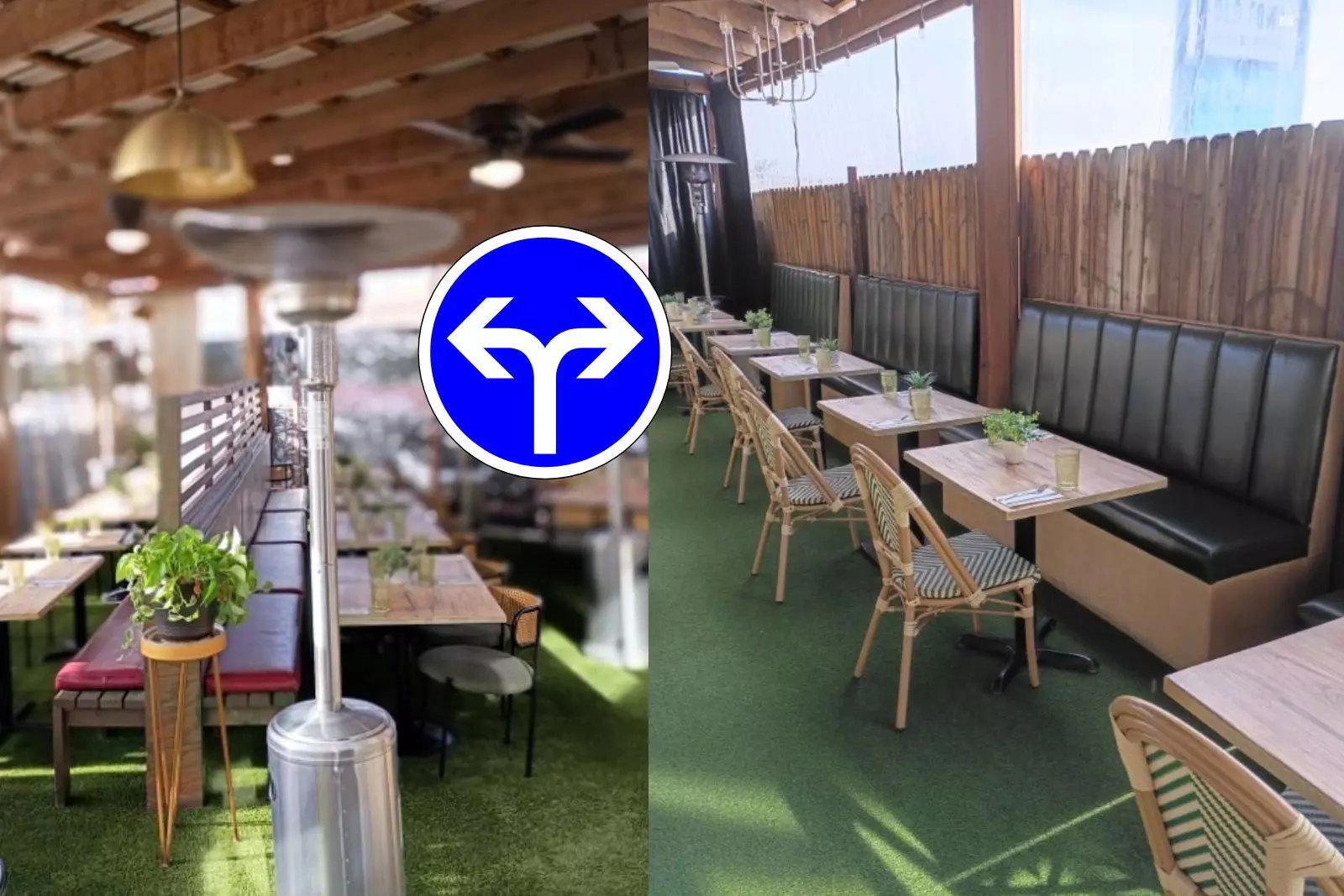
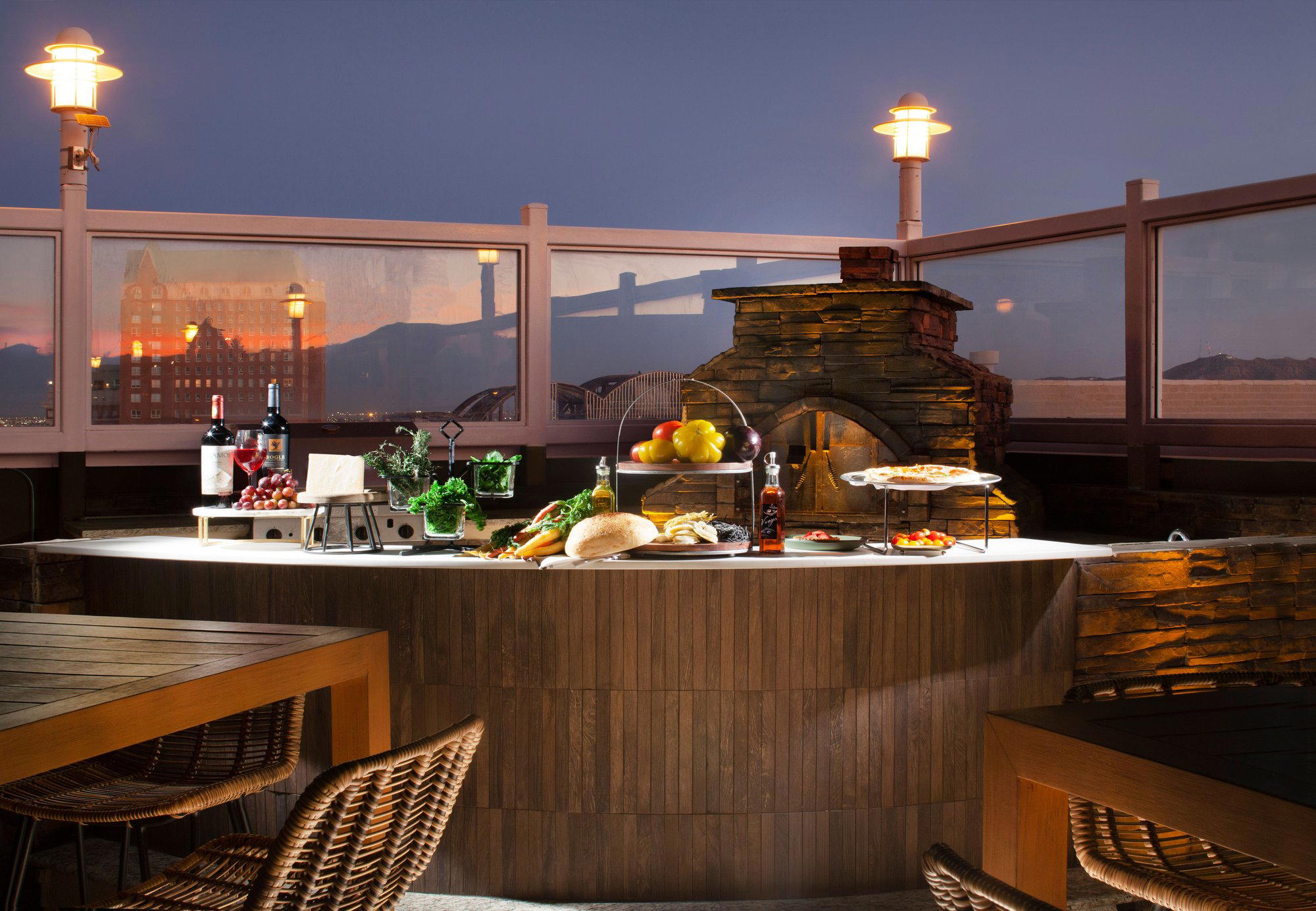
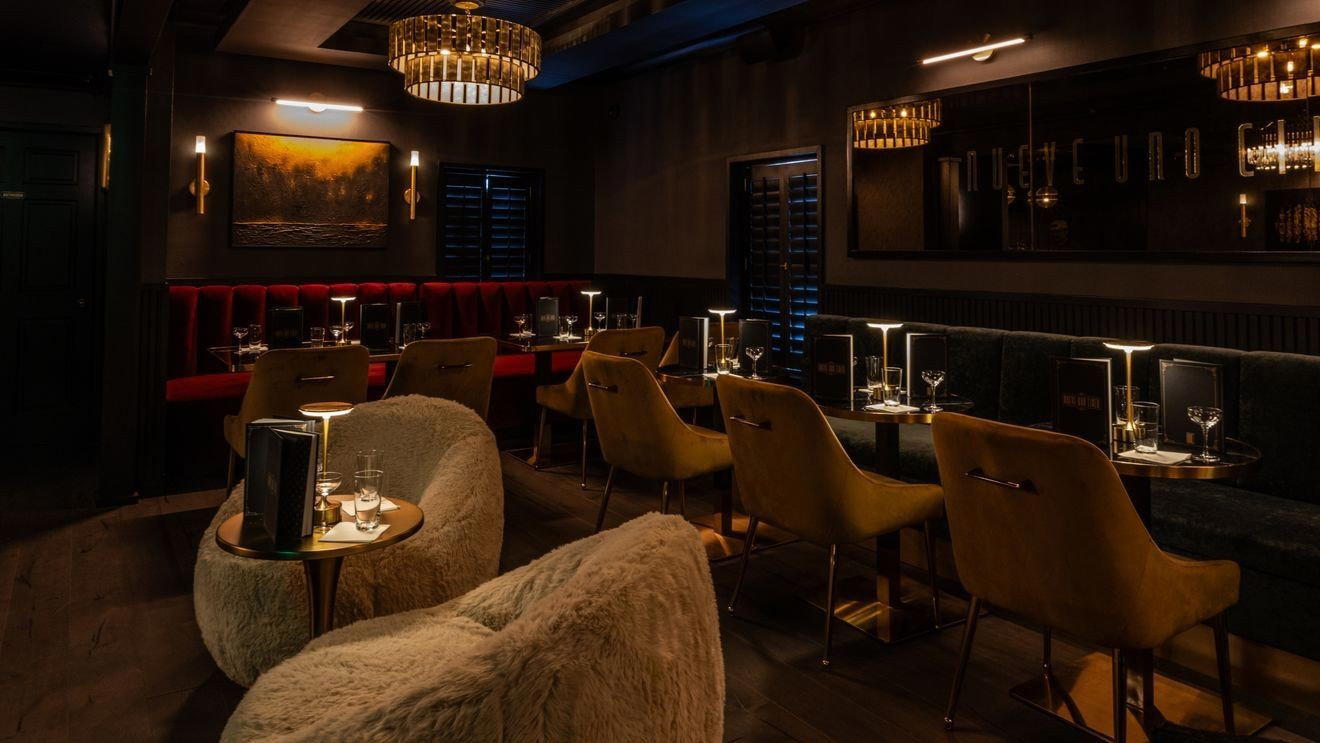
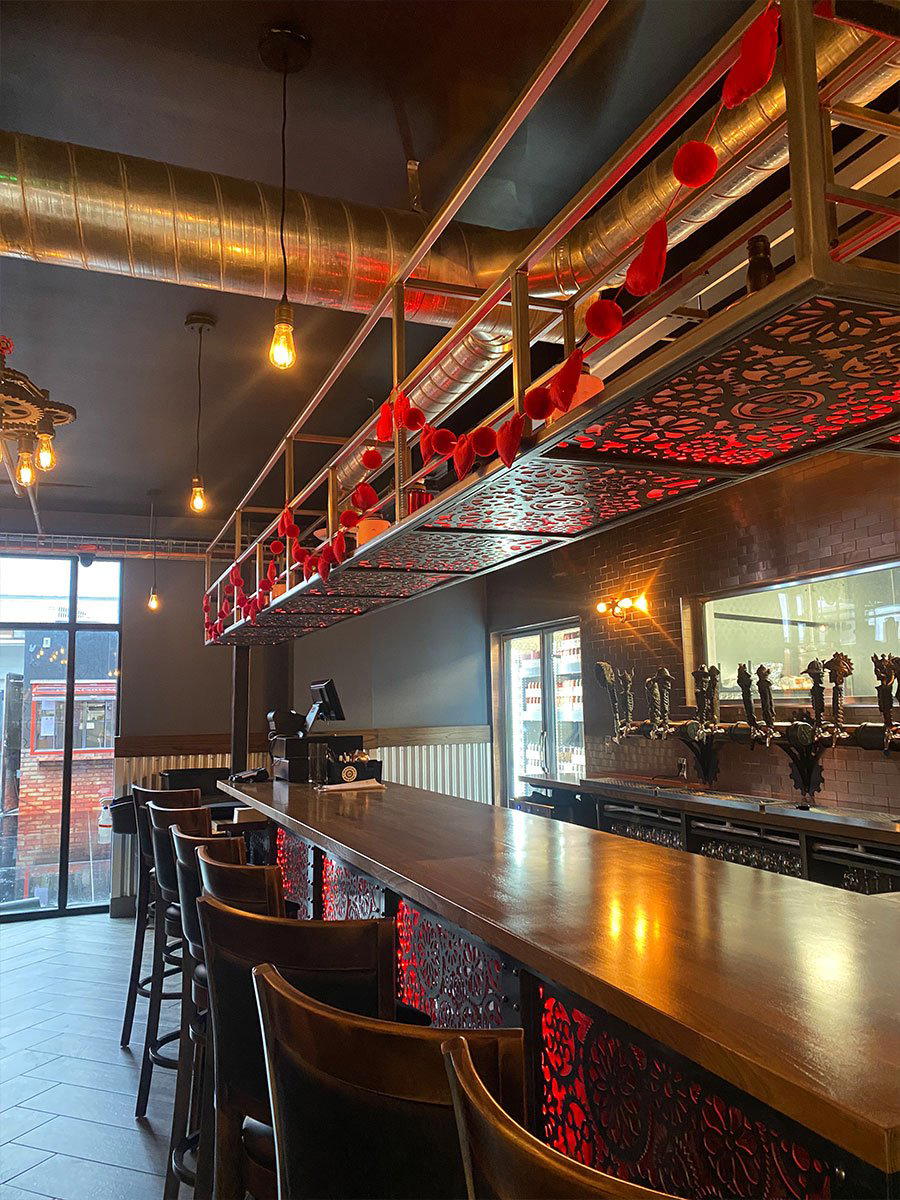
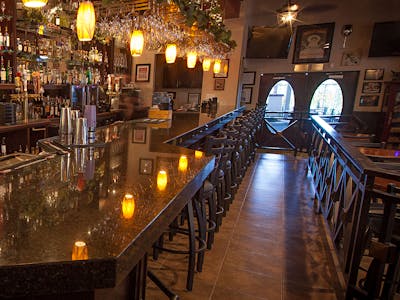
Lively atmosphere with dim lighting, jukebox, spacious dance floor, and crowds enjoying live bands and dancing.
Know Before You Go
- Getting there
- 3454 Doniphan Dr, El Paso, TX 79922